
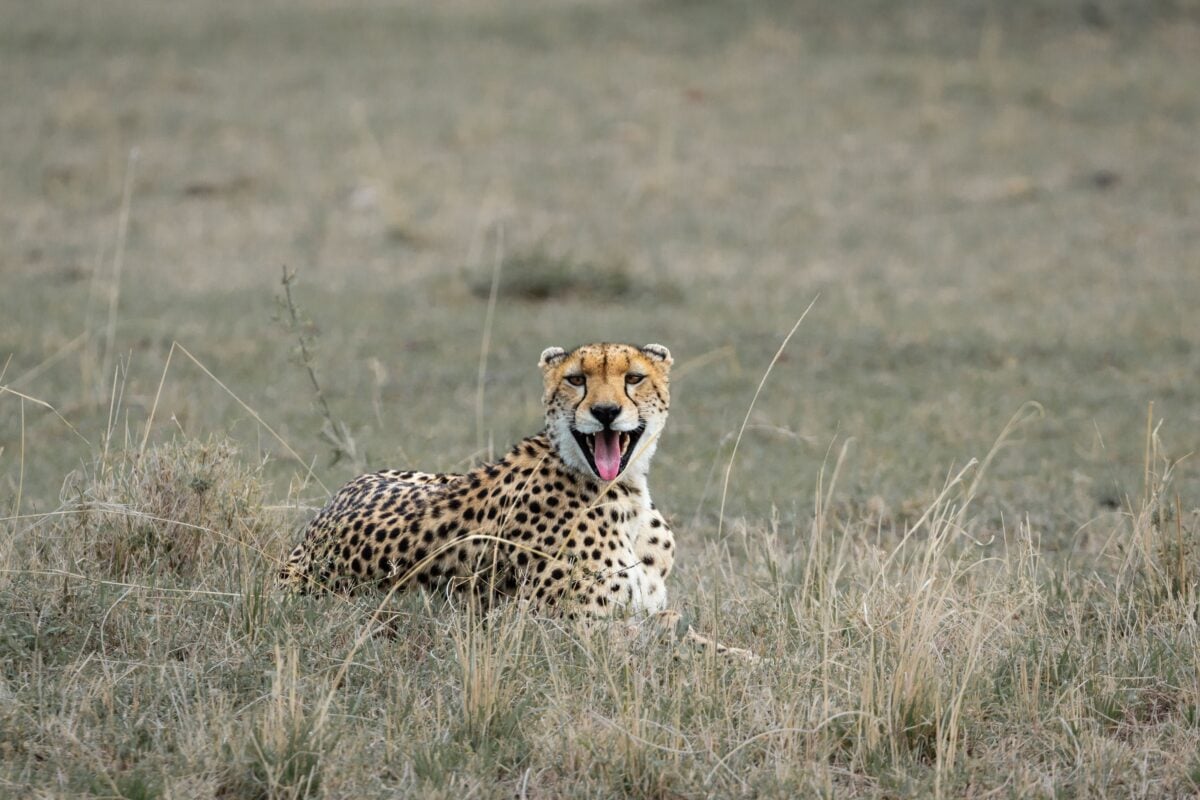


Fact 10: Their bodies prioritize speed over strength
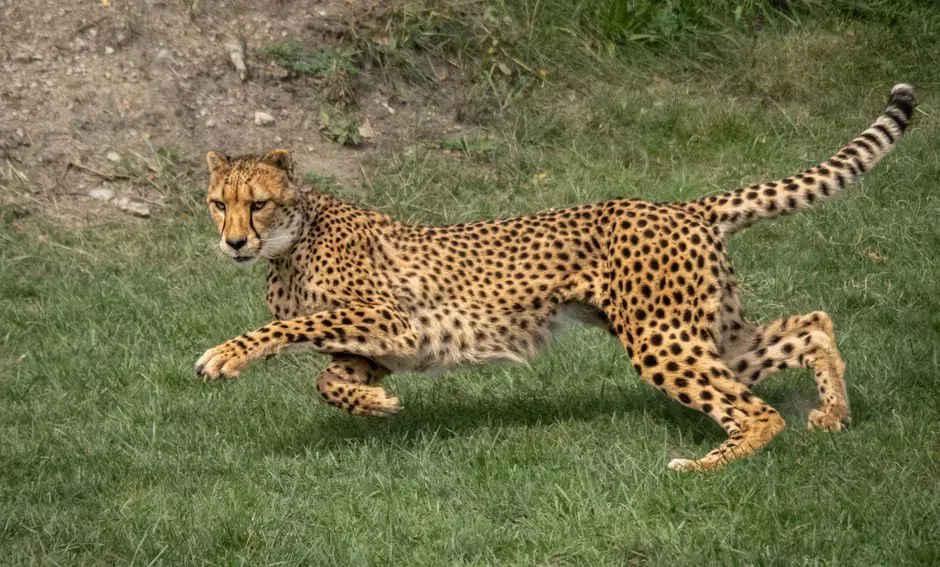
Cheetahs carry a slender frame and long limbs that let them reach top speeds in seconds. That same design leaves little room for the heavy muscle needed to wrestle prey away from rivals. When a larger predator arrives, the cheetah simply steps aside rather than risk injury.
The trade off shows up in every hunt. A successful chase ends with the cat panting hard and unable to defend its meal. Stronger animals know this pattern and move in quickly once the chase stops.
Fact 9: Recovery time after a sprint leaves them exposed
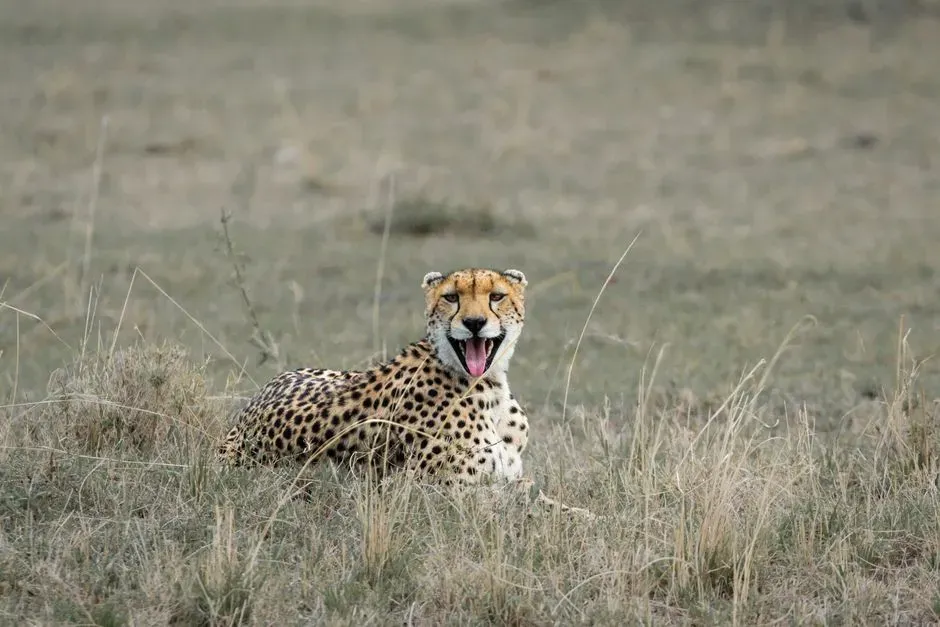
After running at full speed, a cheetah needs several minutes to catch its breath and cool down. During that window the carcass sits unguarded. Lions and spotted hyenas have learned to watch for the telltale signs of exhaustion and close the distance fast.
The pause is not optional. Overheating can become dangerous, so the cat must rest before it can eat or fight. That built in delay hands the advantage to any scavenger or predator already nearby.
Fact 8: They hunt mostly in daylight when competitors are active
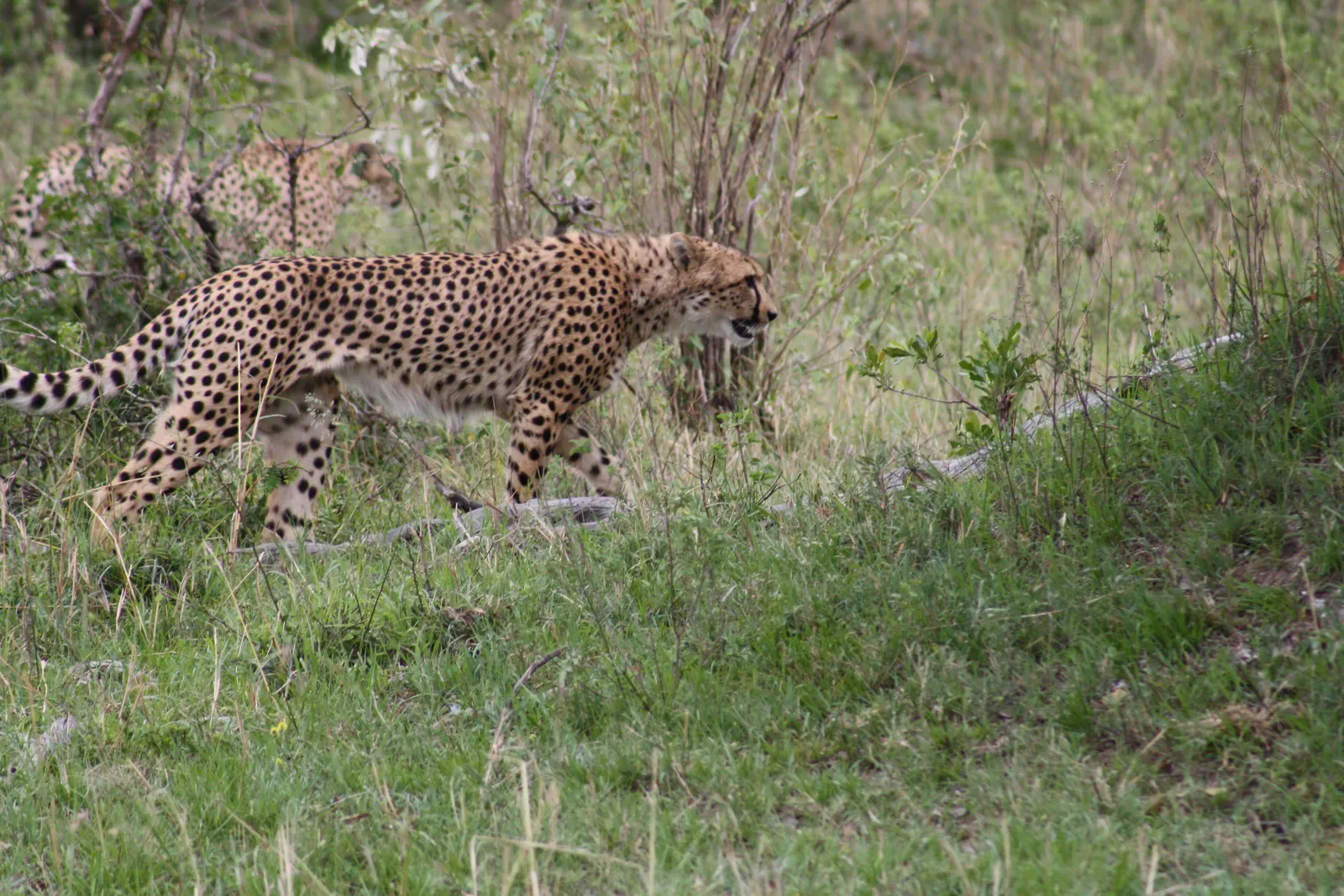
Cheetahs avoid the night because their eyes work best in daylight. This choice puts them on the same schedule as lions and hyenas that patrol the same grasslands. A fresh kill in open view draws attention from miles away.
Many other big cats shift to nocturnal hours to reduce overlap. Cheetahs stay visible, which increases the chance that a stronger animal will notice the meal before the owner can finish it.
Fact 7: Small group size limits defense options
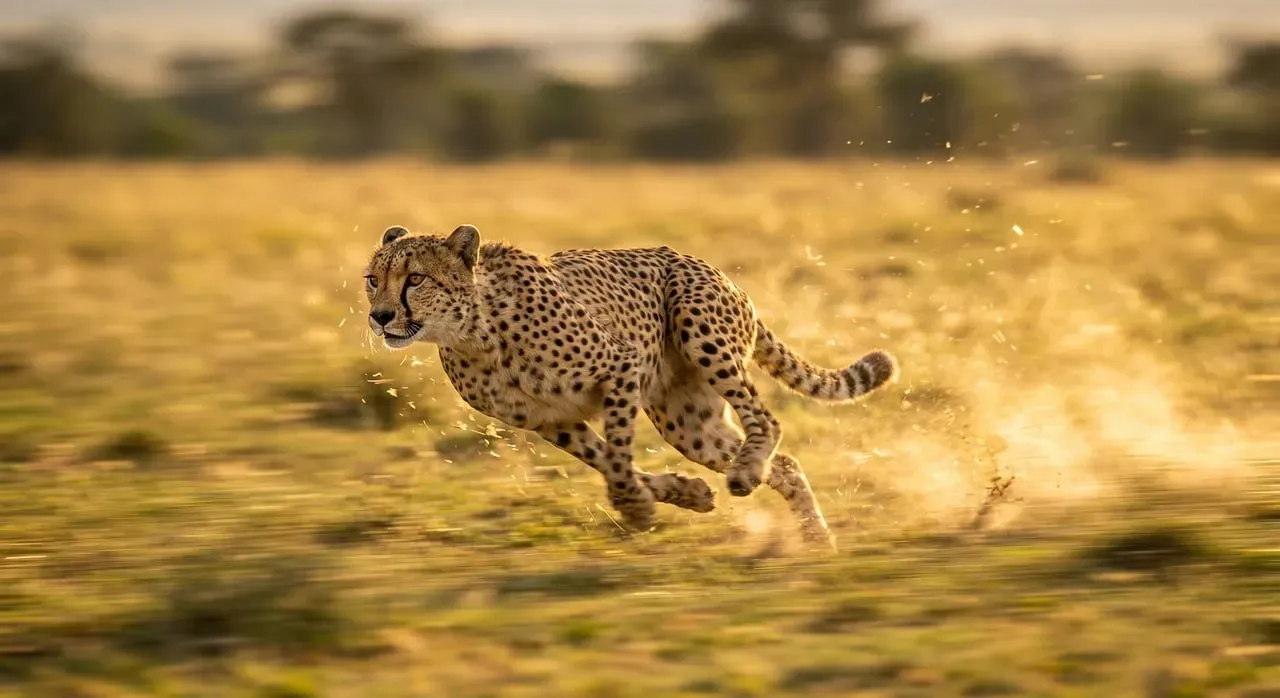
Most cheetahs hunt alone or with one or two littermates. That number rarely matches the coalitions or clans of lions and hyenas that arrive together. A single cat or small family cannot push back against several larger animals at once.
Even when brothers team up, the group stays small compared with the competition. The result is a quick retreat rather than a prolonged standoff that could injure the hunters.
Fact 6: Lightweight skeletons make direct confrontation risky
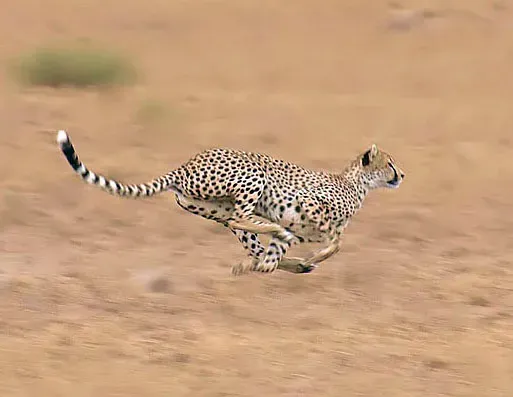
Cheetahs weigh far less than adult lions or large hyenas. Their bones and joints are built for acceleration, not for absorbing blows or holding ground. Any physical clash carries a high risk of broken limbs that would end their hunting life.
Because of this, they evolved to avoid fights whenever possible. The strategy keeps them alive but guarantees they lose the occasional carcass to animals that do not share the same caution.

Hand Blown Glass Hummingbird Feeders for Outdoors Hanging, 24oz Wild Bird Nectar Feeder
Check Price on AmazonAs an Amazon Associate, we earn from qualifying purchases.
10/7/2026 1:23 pm GMTi

Halloween Cat Costume Cloak Witch Hat Pet Accessories
Check Price on AmazonAs an Amazon Associate, we earn from qualifying purchases.
10/9/2026 2:44 pm GMTi

Dog Stairs for Bed 18" H, 4-Step Dog Steps for High Bed
Check Price on AmazonAs an Amazon Associate, we earn from qualifying purchases.
10/9/2026 2:42 pm GMTi

2 Pcs Halloween Pet Hat Bandana Set, Witch Pumpkin Costumes for Dogs
Check Price on AmazonAs an Amazon Associate, we earn from qualifying purchases.
10/9/2026 2:45 pm GMTi

PetSafe Oasys Pet Fountain, 1/2 Gallon (64 oz), Small Dogs & Cats
Check Price on AmazonAs an Amazon Associate, we earn from qualifying purchases.
10/8/2026 8:14 am GMTi
Fact 5: High hunting success still cannot offset frequent theft
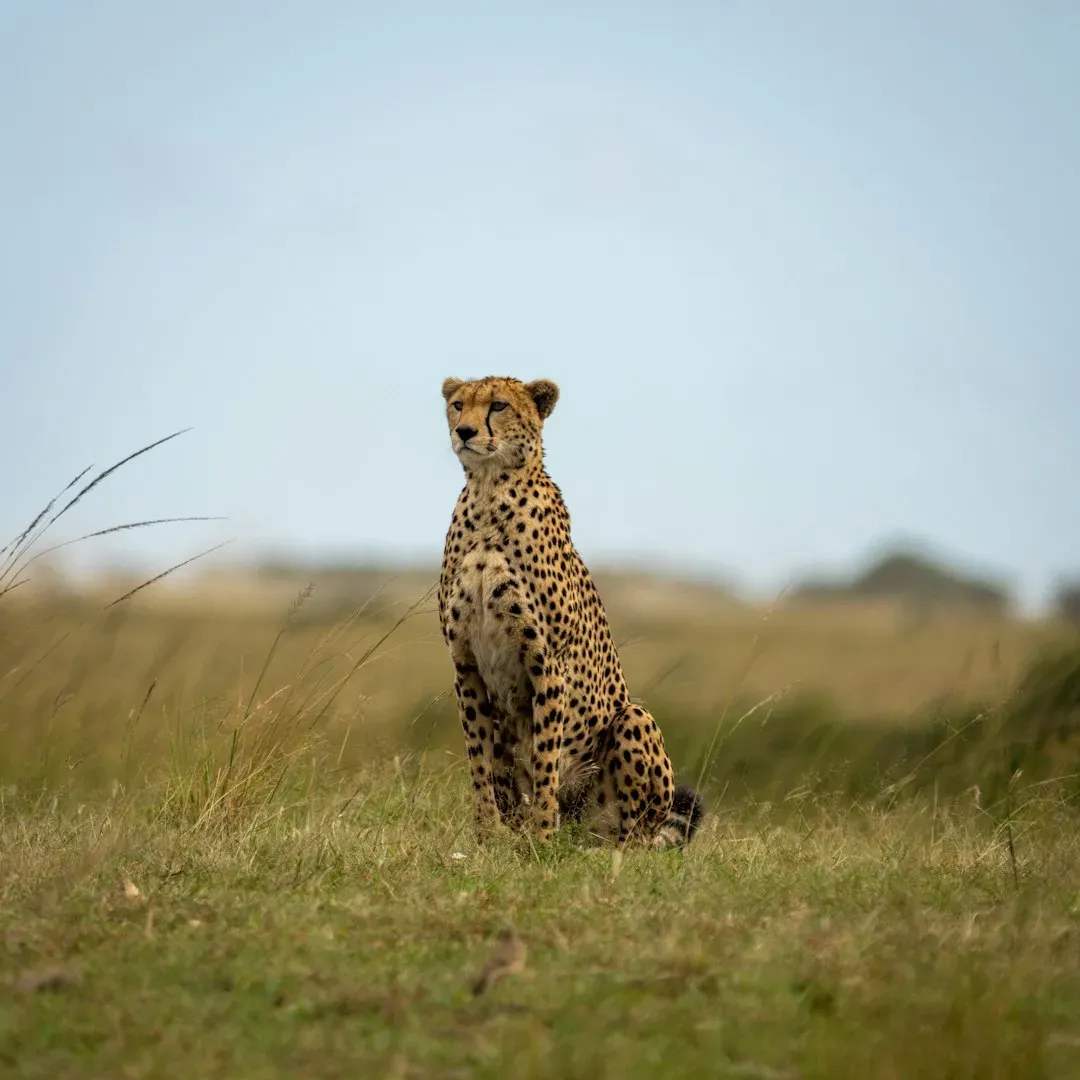
Cheetahs bring down prey more often than many people expect, yet a large share of those kills never reach their stomachs. Studies show that theft by other predators removes a significant portion of their daily intake. The speed that helps them catch food also marks the location for everyone else.
Each lost meal forces another hunt, which burns extra energy the cat can ill afford. Over time the pattern adds up to real nutritional stress, especially for females raising cubs.
Fact 4: Open habitat offers little cover for hiding kills
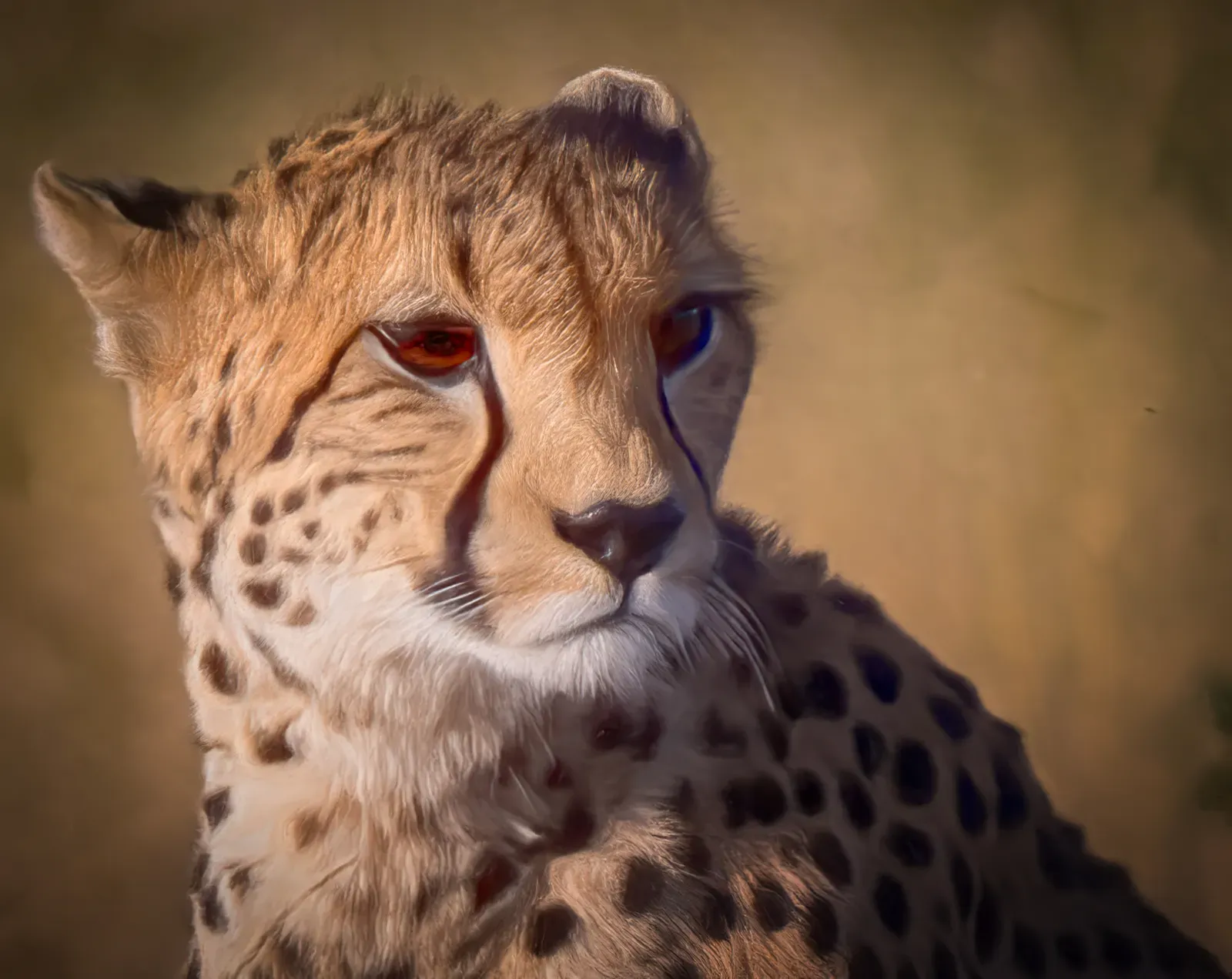
Cheetahs live in wide grasslands and sparse woodlands where trees and thick brush are scarce. Once a kill is made, there is nowhere to drag it out of sight. Vultures circling overhead often signal the location to ground predators as well.
Other cats sometimes use denser vegetation to conceal their meals. Cheetahs lack that option in most of their range, so every carcass remains an easy target until it is finished or stolen.
Fact 3: Mothers with cubs face extra pressure to abandon kills
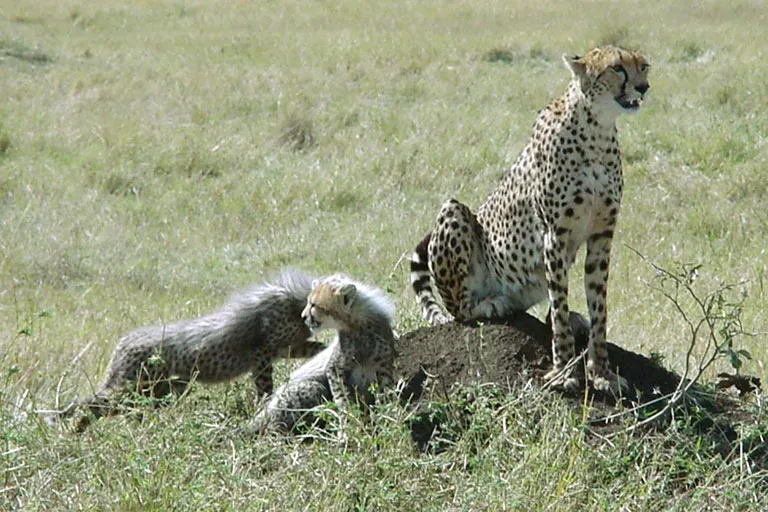
Females raising young must balance feeding themselves against protecting their offspring. When a lion or hyena approaches, the mother often leaves the meal to lead danger away from the cubs. The safety of the next generation outweighs one lost dinner.
Cubs themselves add another layer of risk. They are noisy and inexperienced, which can draw attention during the vulnerable moments after a chase. The family unit therefore moves on more quickly than a lone adult would.

Professional 7 in 1 Dog Paw Cleaner for Dogs & Cats - Includes 1 Portable Paw Washer, 1 Bath Brush
Check Price on AmazonAs an Amazon Associate, we earn from qualifying purchases.
10/7/2026 1:26 pm GMTi

Earth Rated XL Dog & Puppy Pee Pads, Discreet Top, Max Absorbency
Check Price on AmazonAs an Amazon Associate, we earn from qualifying purchases.
10/7/2026 1:28 pm GMTi

Halloween Dog Collar with Bow, Orange Cute Ghost Collar,
Check Price on AmazonAs an Amazon Associate, we earn from qualifying purchases.
10/9/2026 2:43 pm GMTi

Portable Dog Water Bottle Foldable Dog Travel Water Bottle
Check Price on AmazonAs an Amazon Associate, we earn from qualifying purchases.
10/7/2026 1:29 pm GMTi

Glass Hummingbird Feeder for Outdoors Hanging, 16 oz Leak-Proof Nectar Feeder with Bee Guards & Ant Moat
Check Price on AmazonAs an Amazon Associate, we earn from qualifying purchases.
10/7/2026 1:22 pm GMTi
Fact 2: Limited aggression keeps them from holding ground
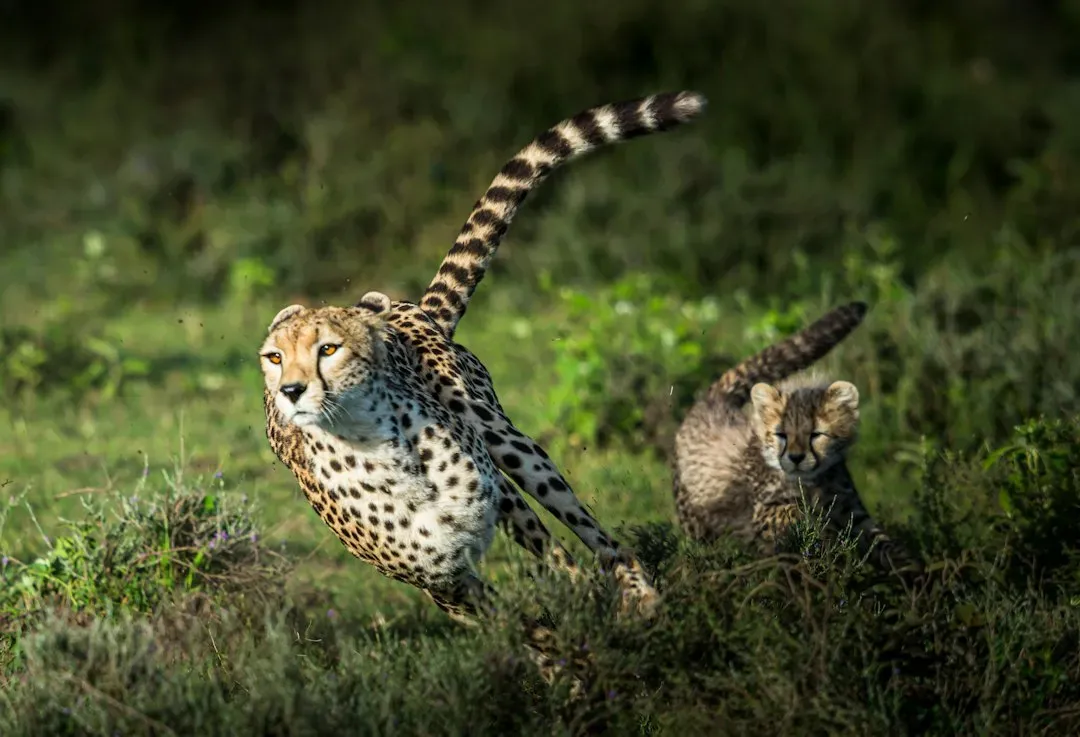
Cheetahs evolved a lower level of territorial aggression than lions or hyenas. They rely on speed and stealth rather than displays of dominance. When challenged, they usually yield instead of escalating into a fight they are unlikely to win.
This temperament reduces injury rates across their lifespan. It also means they rarely attempt to drive off larger predators from a fresh kill, even when the meal represents hours of effort.
Fact 1: Genetic history left them with fewer tools for defense
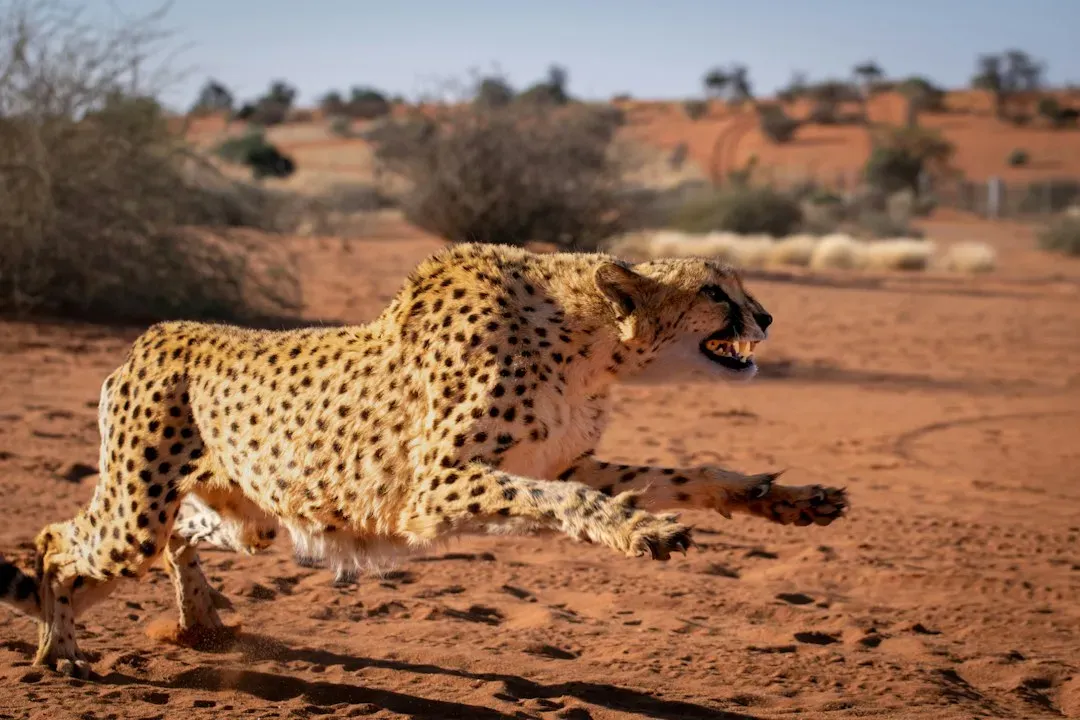
Cheetahs passed through a severe population bottleneck thousands of years ago. The reduced genetic diversity shows up in lower sperm quality, higher cub mortality, and a narrower range of behaviors compared with other big cats. One result is a more cautious approach to conflict that favors flight over fight.
Without the robust social structures or raw power seen in lions, cheetahs depend almost entirely on their speed to secure food. When that speed cannot be used to defend a carcass, the meal disappears to animals that evolved different strengths.

Glass Hummingbird Feeder for Outdoors Hanging
Check Price on AmazonAs an Amazon Associate, we earn from qualifying purchases.
10/7/2026 1:21 pm GMTi

Orthopedic Extra Large Dog Bed, Waterproof Washable XL Pet Bed 44"
Check Price on AmazonAs an Amazon Associate, we earn from qualifying purchases.
10/7/2026 1:32 pm GMTi

Air Purifiers for Home Pets Large Room Up to 3000 Ft²,HEPA Air Cleaner with Washable Double-Side Filter, PM2.5 Air Quality Monitor,15dB Sleep Mode for Bedroom Odor Dust Pollen,White
Check Price on AmazonAs an Amazon Associate, we earn from qualifying purchases.
10/8/2026 8:23 am GMTi

Smart Bird Feeder with Camera Solar Powered, 2K HD Live Video, 10,000+ Bird Species AI Identification
Check Price on AmazonAs an Amazon Associate, we earn from qualifying purchases.
10/7/2026 1:22 pm GMTi
Looking Ahead for the Fastest Cat
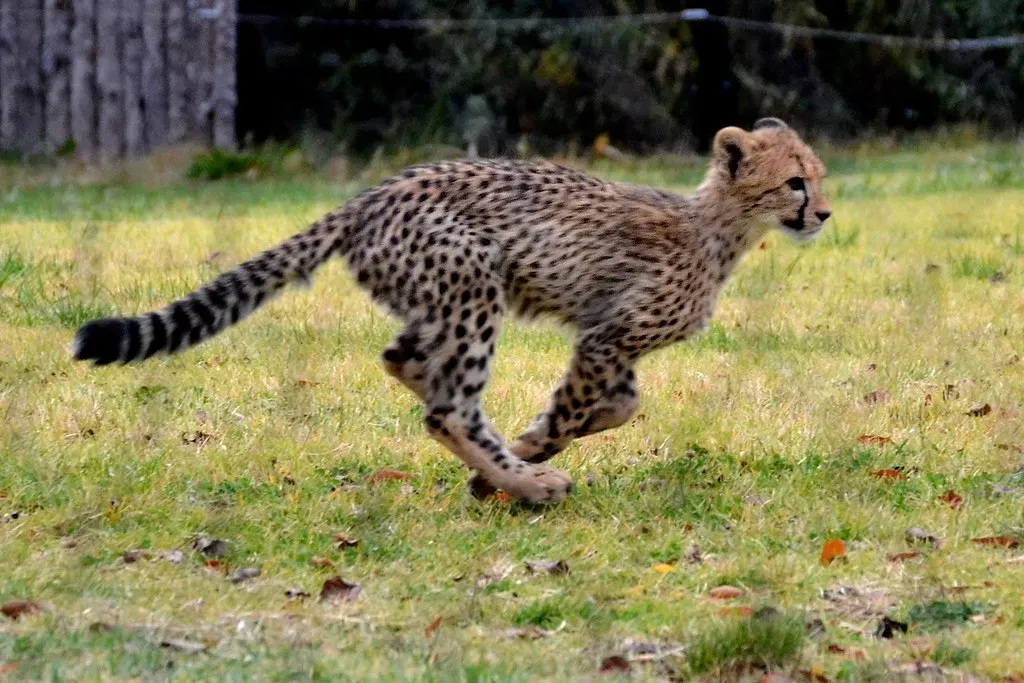
These ten facts together paint a consistent picture. Cheetahs pay a steady price for the body and lifestyle that make them record holders on the savanna. The same traits that deliver breathtaking chases also leave them at a disadvantage once the chase ends.
Conservation efforts that focus only on habitat loss miss part of the story. Protecting cheetahs also means giving them space where they can finish meals without constant interference from stronger neighbors. In the long run, that balance may matter as much as preserving open land itself.
The fastest land animal will keep running, yet its meals will continue to change hands unless the surrounding conditions shift in its favor. That reality shapes every decision the species makes on the plains today.

- 10 Facts About Cheetahs That Explain Why the World’s Fastest Land Animal Loses So Many Meals to Other Predators - November 12, 2026
- The Mesopelagic Zone: Why Scientists Call It the Ocean’s Twilight - November 11, 2026
- Wildlife Biology Says Florida Panthers Rebounded From About 20 to 30 Cats in the 1990s to an Estimated 120 to 230 Adults Today - November 10, 2026