
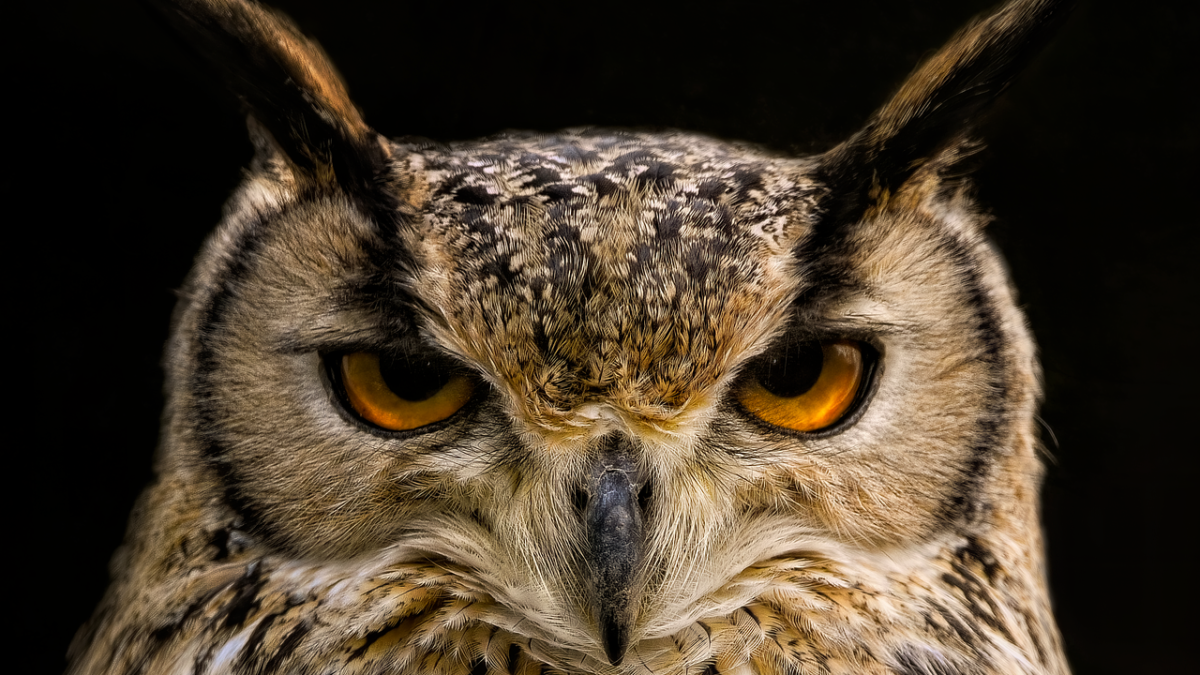
There is something almost otherworldly about owls. They appear from nowhere in the dark, strike without a whisper of sound, and vanish back into the night like living shadows. For centuries, human cultures have projected onto them everything from wisdom to doom, from mystery to magic. Honestly, the reality is far more extraordinary than any myth.
These birds have been shaped by millions of years of evolution into something that borders on supernatural. Every single feature, from their eyes to their feathers to the bones in their necks, has been fine-tuned for one purpose: to hunt with terrifying efficiency. Be surprised by what nature has quietly been engineering all this time. Let’s dive in.
Their Eyes Are Not Actually Eyeballs
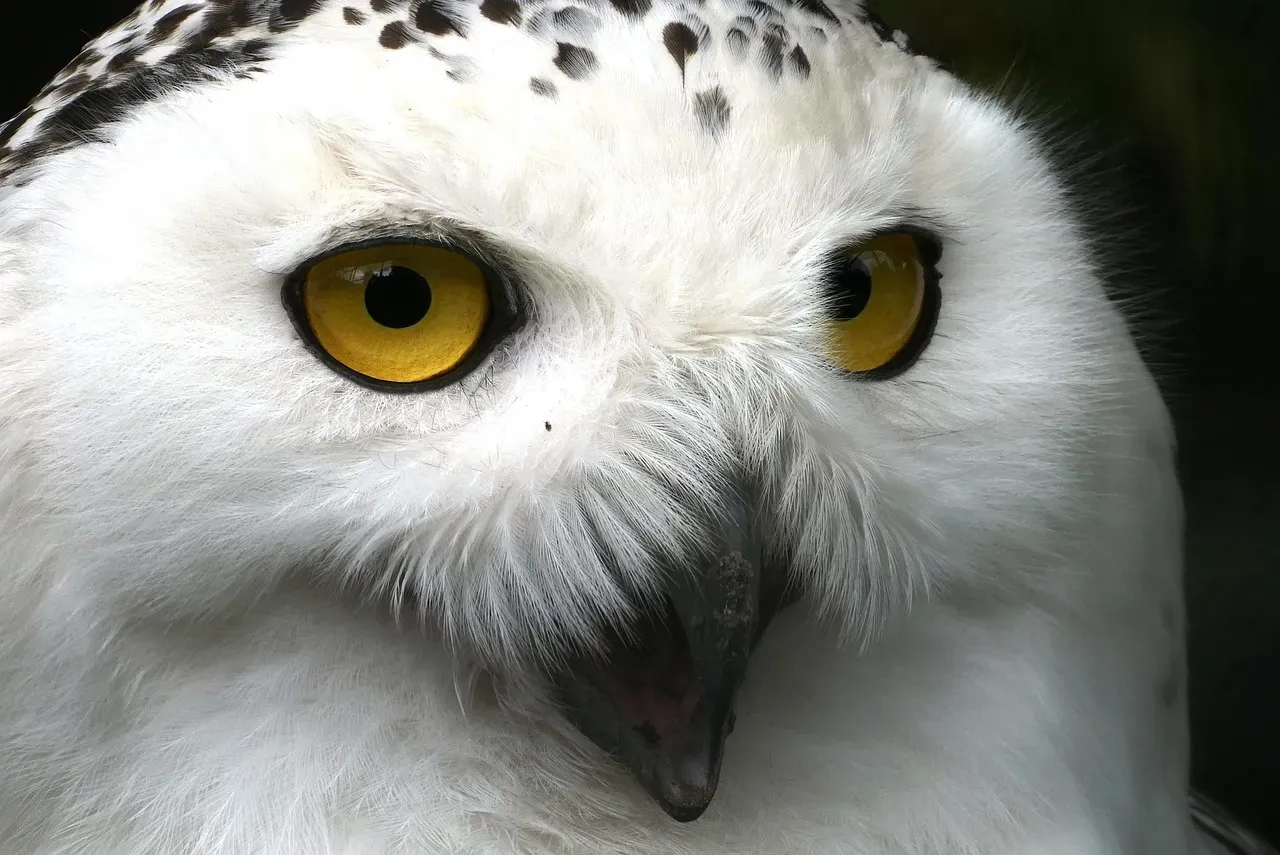
Here’s the thing that stops most people cold when they first hear it. When you look into an owl’s face, you are not seeing eyeballs at all, but tube-shaped eyes that are completely immobile. Think of it like a pair of fixed binoculars built right into the skull. That is essentially what is happening inside an owl’s head.
Human eyes take up about five percent of the space inside our skulls, whereas owl eyes occupy roughly seventy-five percent of theirs. This leaves hardly any room for eye movement, which is why they developed that famous head rotation ability.
Owls’ eyes contain a high concentration of rod cells, which are sensitive to dim light, enabling them to see in near-total darkness. Compared to other birds of prey, their large eyes allow more light to enter, further enhancing their ability to see at night. The tradeoff, though, is fascinating. Owls have a low density of color-sensing receptors, so they are basically colorblind. Perfect for hunting. Less useful for appreciating a forest sunrise.
They Can Rotate Their Heads 270 Degrees Without Dying
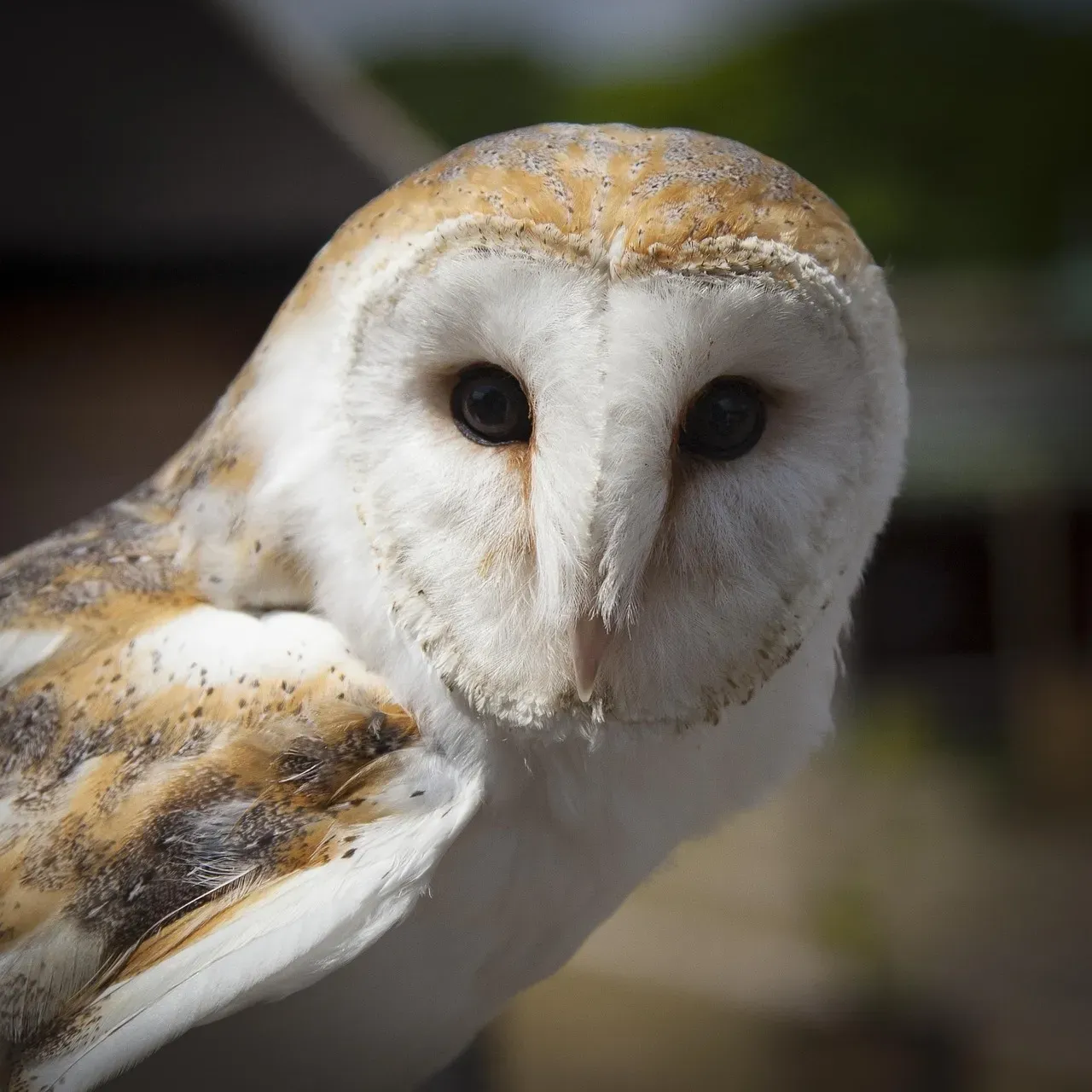
Most people assume owls can spin their heads all the way around, which isn’t quite true. Owls can rotate their necks 270 degrees, which is still more than three-quarters of a full circle. That is, without question, one of the most jaw-dropping physical feats in the entire animal kingdom.
The secret is in the anatomy. Owls have 14 neck vertebrae compared to the seven that humans possess, and their vertebral circulatory systems are specially adapted to prevent cutting off blood flow to the brain. I think what makes this even more mind-bending is that the body barely moves at all during the process.
The extra space in the transverse foramina creates a set of cushioning air pockets that allow the artery to move around when twisted. Twelve of the 14 cervical vertebrae in the owl’s neck have this adaptation. Blood vessels at the base of the head can also act as contractile blood reservoirs, allowing owls to pool blood to meet the energy needs of their large brains and eyes while they rotate their heads. Evolution, frankly, was showing off.
Their Flight Is Virtually Soundless
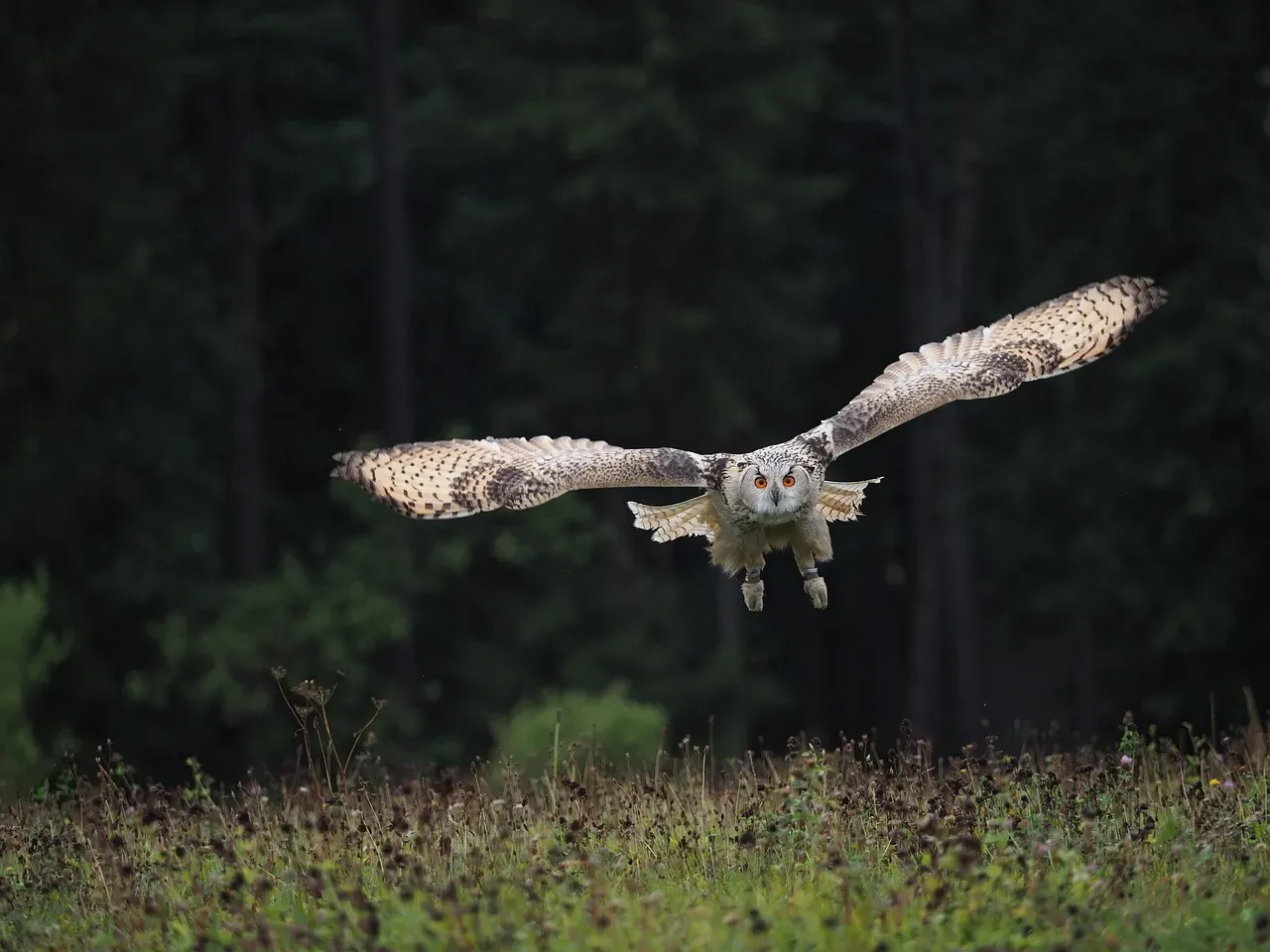
The flight of owls is nearly silent, which allows them to approach and then pounce on unsuspecting targets. Because the wings’ surface area is larger than most birds in proportion to body mass, they can glide more slowly without stalling and dropping to the ground. Their feathers also play a role, with their shape and soft texture helping to muffle the sound of the owl’s flight.
Tiny fringe feathers, which look similar to eyelashes, are located on the leading edge of owl wings to disrupt the air moving over and under the wing, thereby minimizing the noise. Think of it like built-in acoustic engineering that nature spent millions of years perfecting.
One experiment conducted by BBC sound engineers used an array of extremely sensitive microphones to measure the sound produced by a flying Barn Owl. Not only were the wingbeats unregistered by human ears, but the sounds recorded by the microphones were infinitesimal. That is not just quiet. That is a biological miracle. Engineers and scientists study owl feathers and flight patterns to develop quieter machinery and technology, such as noise-reducing blades for wind turbines and fans, demonstrating how nature can inspire human innovation.
Their Hearing Is Almost Supernatural
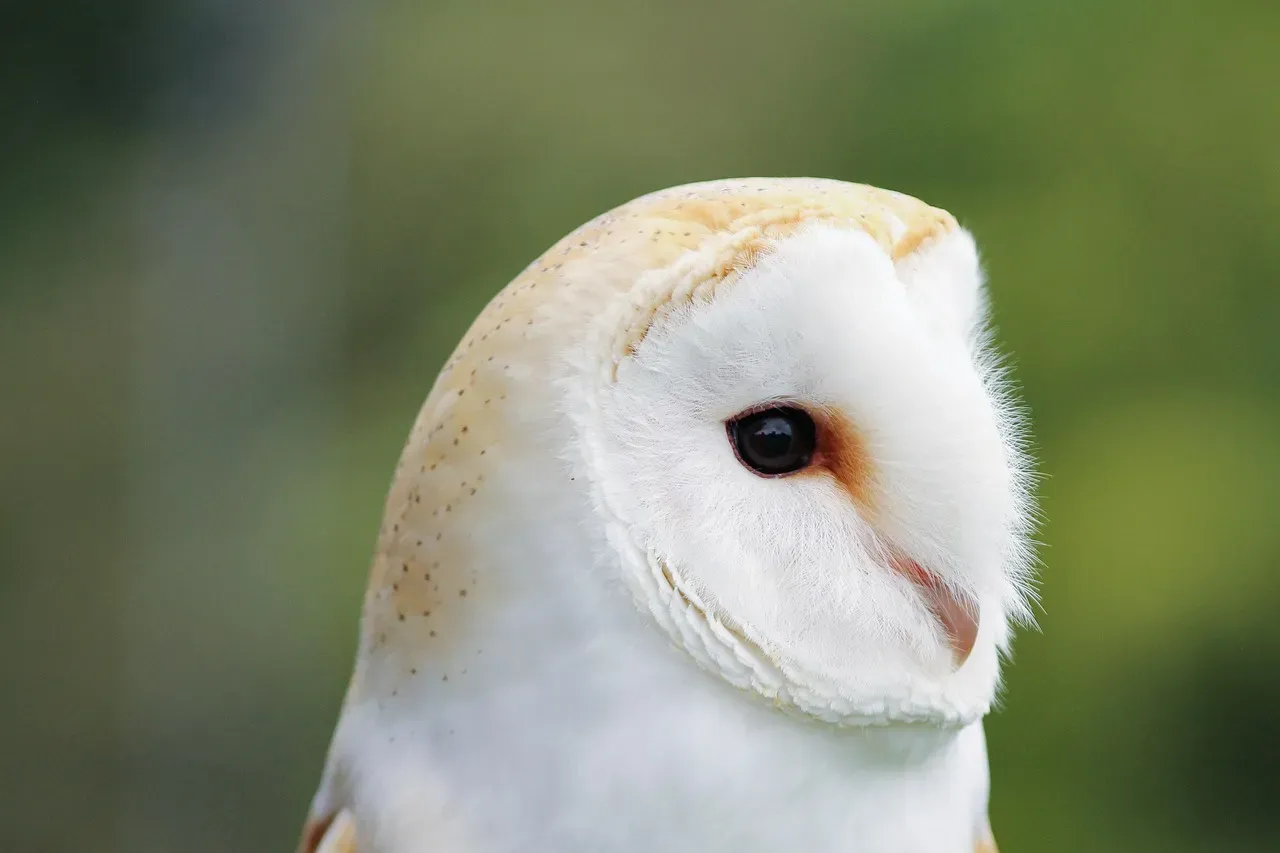
Let’s be real, most birds have decent hearing. Owls operate on an entirely different level. The hearing of a Barn Owl is at least ten times more powerful than ours, and laboratory experiments have proven that it can capture prey in pitch darkness by sound alone. That detail is worth sitting with for a moment. Total. Darkness. By sound alone.
The unique, asymmetrical structure of their ears is part of what makes them amazing hunters. The left ear is about an inch higher and points downward, while the right ear is lower but points upward, allowing them to better assess the exact location of prospective prey so they can accurately pinpoint their next meal.
All species of owl, regardless of ear symmetry, have a “facial disk,” a stiff ring of feathers around the face that acts like one large outer ear. It has the shape of a satellite dish, which allows a lot of sound capture, and with the facial feathers it allows owls to focus sounds directly to their ears. It’s a biological sound system strapped directly to their face.
Their Talons Are Devastatingly Powerful
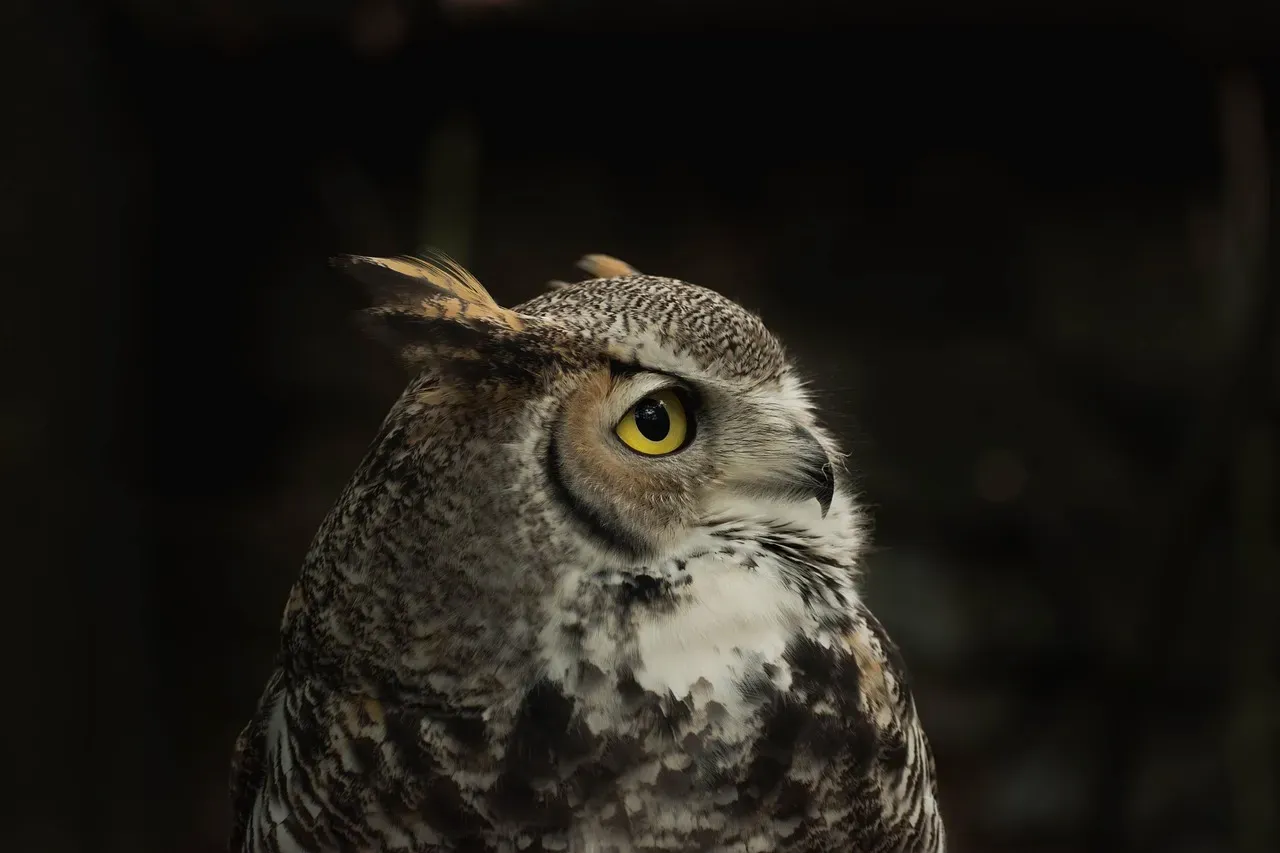
When clenched, a Great Horned Owl’s strong talons require a force of 28 pounds to open. That is an astonishing amount of pressure for a bird that typically weighs only three to five pounds. Once those talons lock onto something, escape becomes nearly impossible.
Owls have a unique foot structure with two toes pointing forward and two toes pointing backward, known as zygodactyl feet. This configuration provides a strong grip on prey. It is like having two pairs of opposing pliers as fingers. Nothing scrambles free from that.
Combined with their razor-sharp claws, this makes owls devastatingly effective hunters capable of taking down prey several times their own weight. Honestly, for an animal that looks so serene perched on a tree branch, the physical reality of what those feet can do is genuinely shocking.
They Swallow Prey Whole and Cough Up Pellets
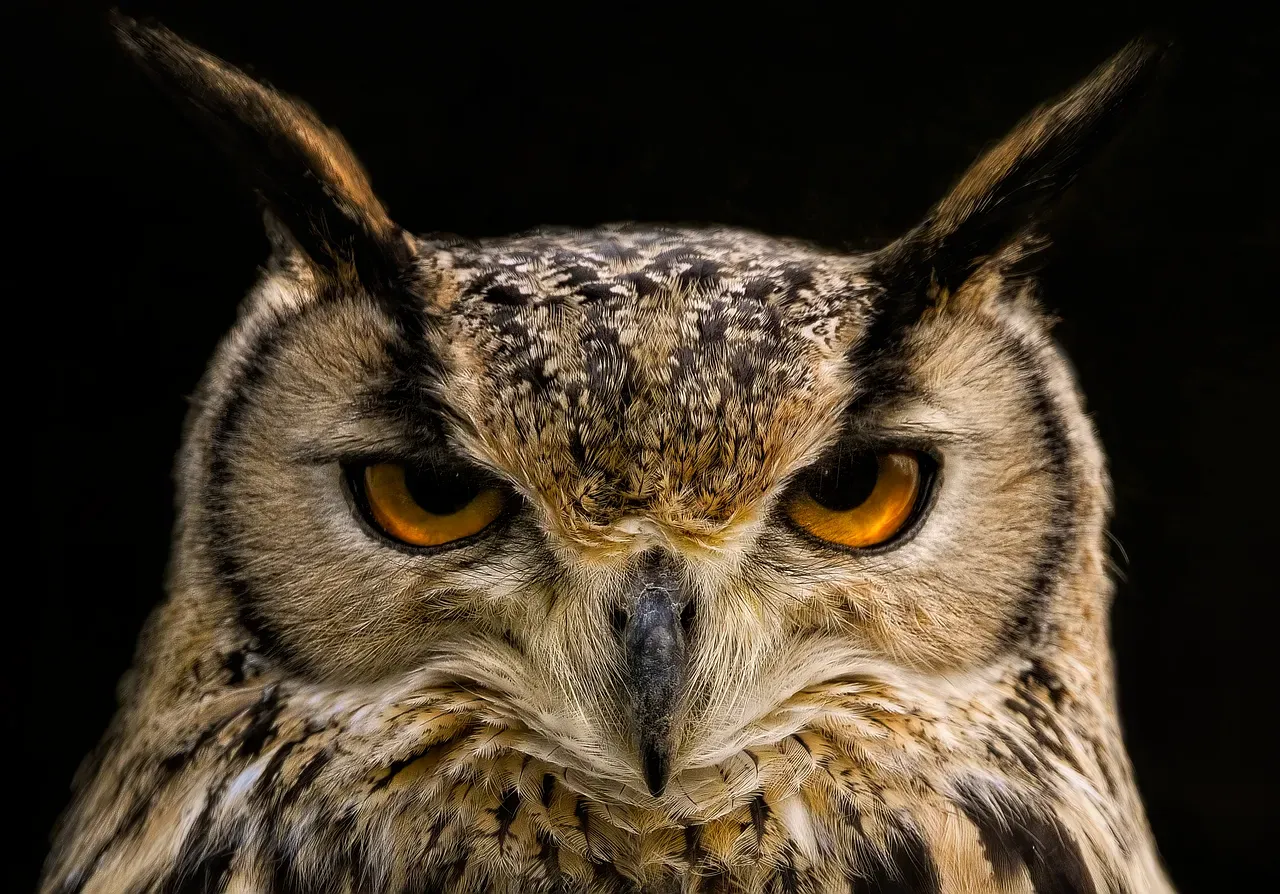
I know it sounds crazy, but owls essentially work like a reverse recycling machine. Barn Owls swallow their prey whole, skin, bones, and all, and they eat up to a thousand mice each year. That is not an exaggeration. Whole animals, skeleton and fur included, straight down the hatch.
Any body parts that owls are not able to digest, such as bones and fur, are regurgitated hours later in the form of a pellet. Scientists studying owl diets are helped by their habit of regurgitating the indigestible parts of their prey in the form of pellets. These compact bundles of remains are coughed up roughly once a day. This process takes about ten hours.
Schools often purchase these pellets for biology classes, where students dissect them to learn what owls have been eating. It is, in the most macabre and wonderful way possible, like opening a tiny time capsule of recent carnage. Nature’s version of a receipt.
Some Owls Hunt Other Owls
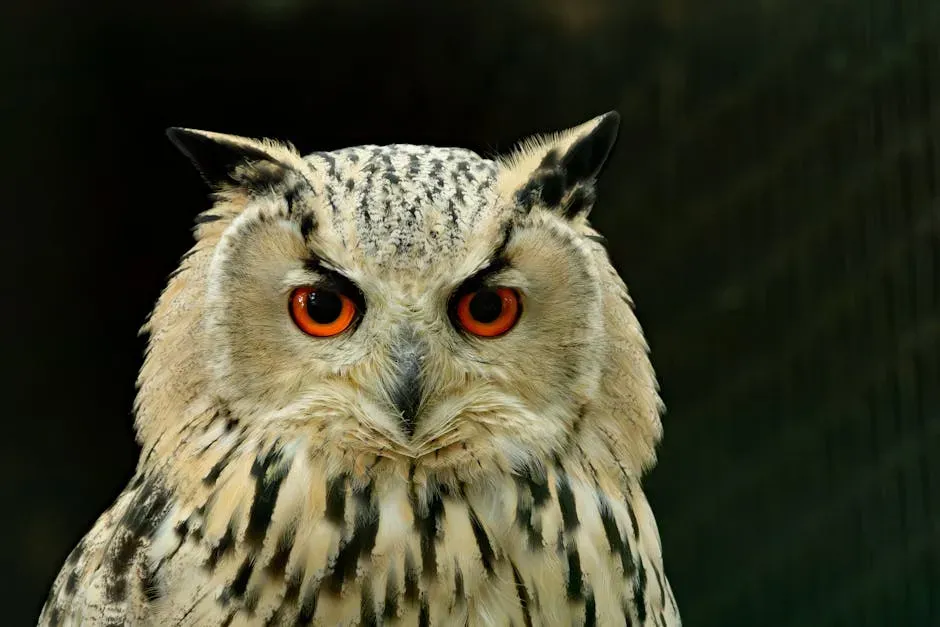
Here is where it gets a little unsettling. The owl world is not the peaceful realm of wise old birds that fairy tales suggest. Owls hunt other owls, with Great Horned Owls being the top predator of the smaller Barred Owl. The food chain, it turns out, includes a lane specifically for cannibalism between cousins.
Owls eat other animals, from small insects such as moths or beetles, to large birds, even as large as an Osprey. A few species mostly eat fish, such as Ketupa fish-owls and Scotopelia fishing-owls, found in Asia and Sub-Saharan Africa respectively. The diversity of their diet is staggering.
Owls are an important part of many ecosystems, with some species playing a key role in controlling populations of rodents and other small mammals. They are also often used as indicators of environmental health, with changes in owl populations reflecting changes in habitat quality and ecosystem function. Killing other owls, it seems, is just part of the job description in keeping things balanced.
Not All Owls Are Strictly Nocturnal
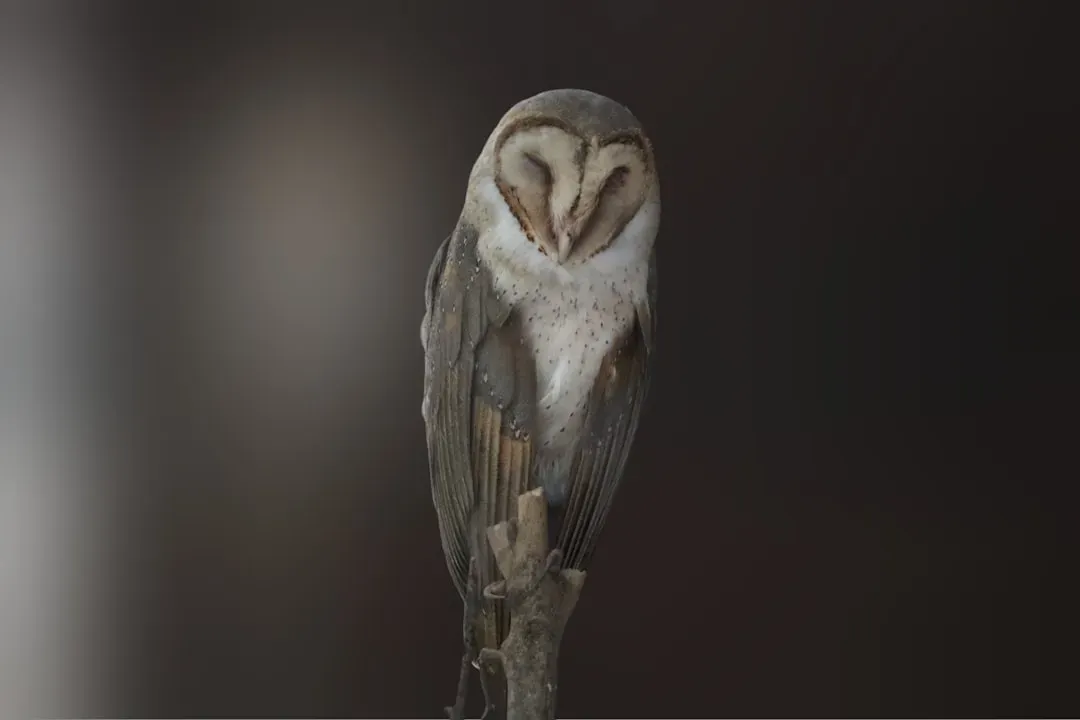
We tend to picture owls as creatures purely of the night. That image, while largely accurate, is not the whole story. Although we typically associate them with the night, some owls are diurnal, or active during the day. Species in northern latitudes, such as Snowy Owls, must be able to hunt throughout the continuously bright days of summer.
In western mountain forests, Northern Pygmy-Owls hunt small birds during the day, and although they mostly hunt at night, Burrowing Owls are often seen outside their burrows in daylight. Some others are crepuscular, active during the twilight hours of dawn and dusk.
Owls are found on every continent except Antarctica, and there are around 250 species of owls worldwide. With that kind of diversity spread across every habitat imaginable, from scorching deserts to frozen tundra, it makes sense that not every owl would stick to the same schedule. They are, in many ways, far more adaptable than their mysterious reputation gives them credit for.
Female Owls Are Larger Than the Males
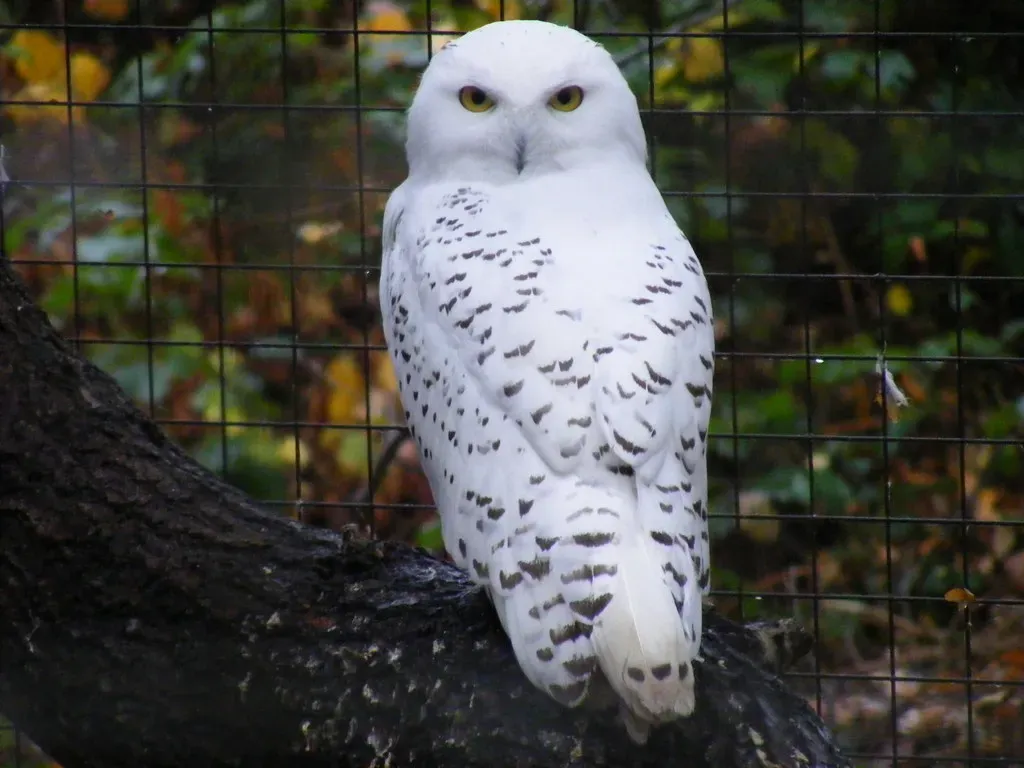
In most of the animal world, males tend to be the bigger, showier sex. Owls flip that script completely. In a reversal of the size dimorphism seen in many other animal species, female owls are typically twenty-five to thirty percent larger and heavier than their male counterparts. This reversed sexual dimorphism is particularly pronounced in species that specialize in hunting mammals.
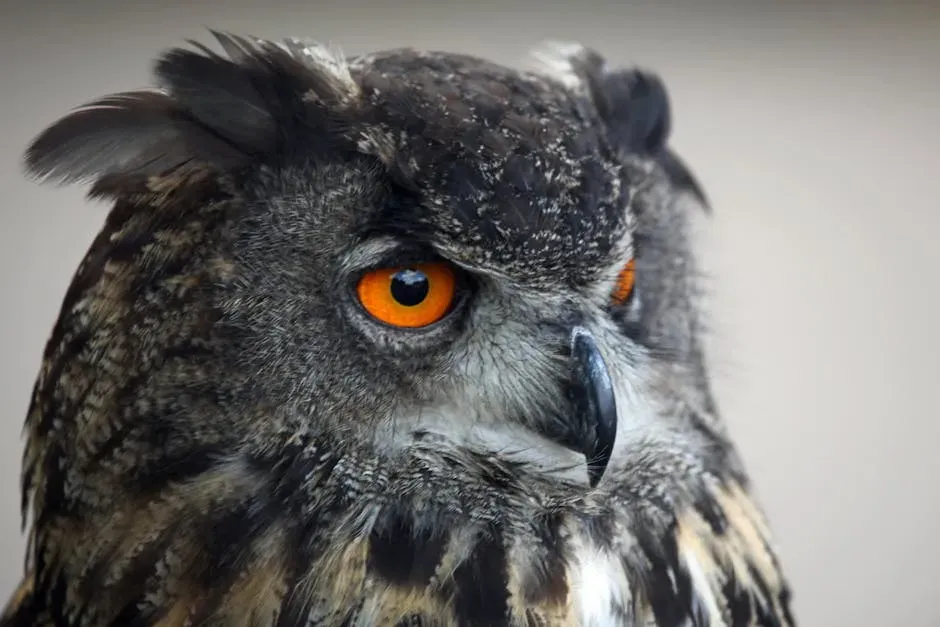
The size difference can be quite dramatic. In some species like the Eurasian Eagle-Owl, females may weigh up to twice as much as males. That is a massive physical gap between two members of the same species.
Owls also share some traits with diurnal raptors and other nocturnal birds, such as cryptic plumage patterns, reversed sexual size dimorphism, and acute vision and hearing. It is hard to say for sure exactly why this reversal happened in owls specifically, but one compelling theory is that larger females are better equipped to protect and incubate eggs while the smaller, more agile males do the bulk of the hunting. Compact and fast, or large and dominant. Nature assigned the roles differently here.
Conclusion
Owls are, without question, among the most extraordinary animals on the planet. The more closely you look, the more astonishing they become. Silent wings engineered better than most human technology. Ears that function like 3D sound GPS. Eyes the size of softballs locked in a skull, compensated by a neck that defies all physical logic.
Owls represent some of nature’s most sophisticated adaptations rolled into one remarkable package. From their tube-shaped eyes to their asymmetrical ears, from their silent flight to their bone-crushing talons, every feature works together to create a nearly perfect nocturnal predator.
The next time you hear an owl call in the dark, pause for a second. That sound is the only clue it will give you. Everything else, the approach, the strike, the kill, happens in absolute silence. Millions of years went into that moment. What other secrets do you think nature is still hiding in plain sight?
