
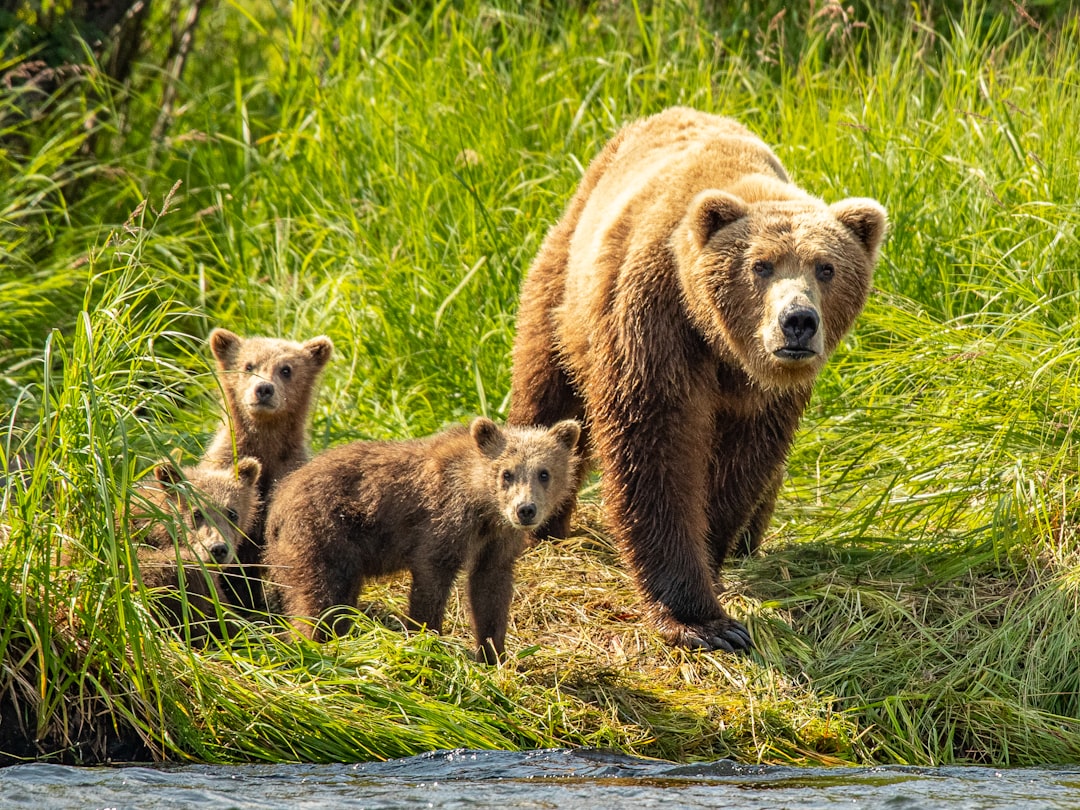
When you picture resilience, you might think of a human overcoming life’s toughest challenges through sheer willpower and adaptability. You probably don’t imagine a massive grizzly bear quietly shifting its daily routine to avoid humans, or a polar bear learning to forage on land when its icy hunting grounds disappear. Yet the more we study these magnificent creatures, the more we discover striking parallels between how bears navigate adversity and how humans develop psychological resilience.
Both species share something profound: the ability to adapt, survive, and even thrive when their worlds change dramatically around them. While humans face emotional trauma, career setbacks, and relationship challenges, bears confront habitat loss, climate change, and increasing human encroachment. Their responses reveal universal principles of resilience that transcend species boundaries.
The Art of Flexible Adaptation
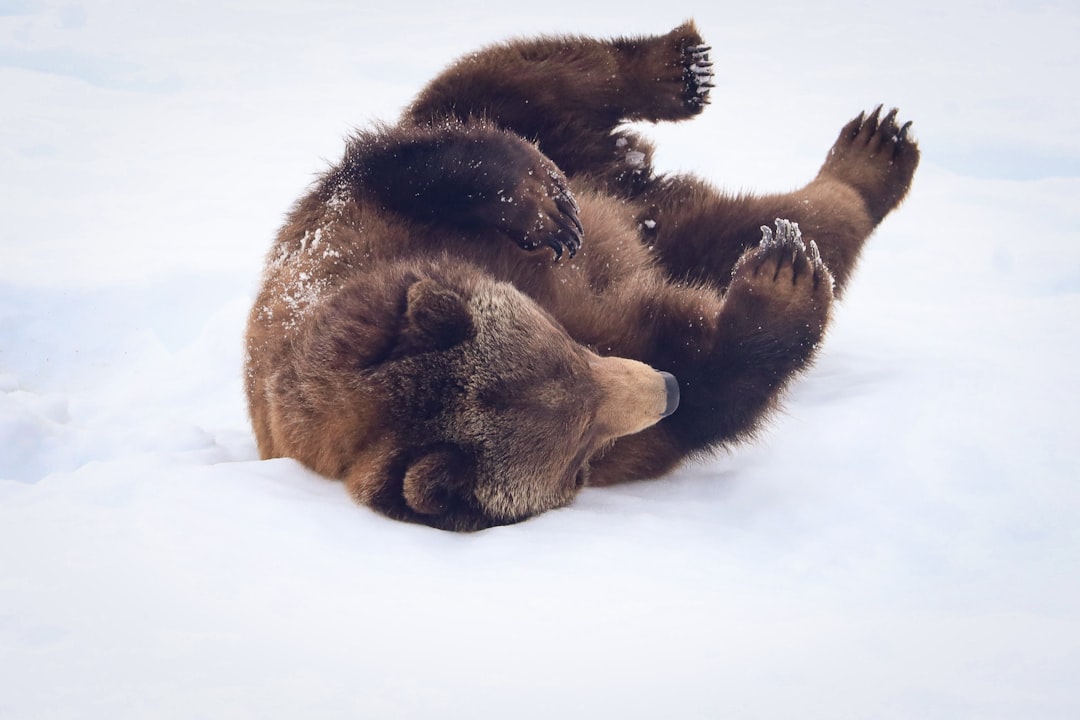
Bears exhibit remarkable adaptability in response to climate change through various strategies, including altering diets, extending fasting periods, increasing swimming distances, and migrating to new habitats. This behavioral flexibility mirrors exactly what psychologists identify as a core component of human resilience. Resilience is a dynamic process that shifts with time and context.
Think about how polar bears have started eating vegetation and bird eggs when their traditional seal hunting becomes impossible. This dietary shift represents more than survival, it demonstrates the same cognitive flexibility that helps humans reframe negative situations into opportunities for growth. Reframing is a core resilience strategy, allowing individuals to reinterpret stressors in ways that promote adaptive responses rather than avoidance or helplessness.
Energy Conservation During Crisis
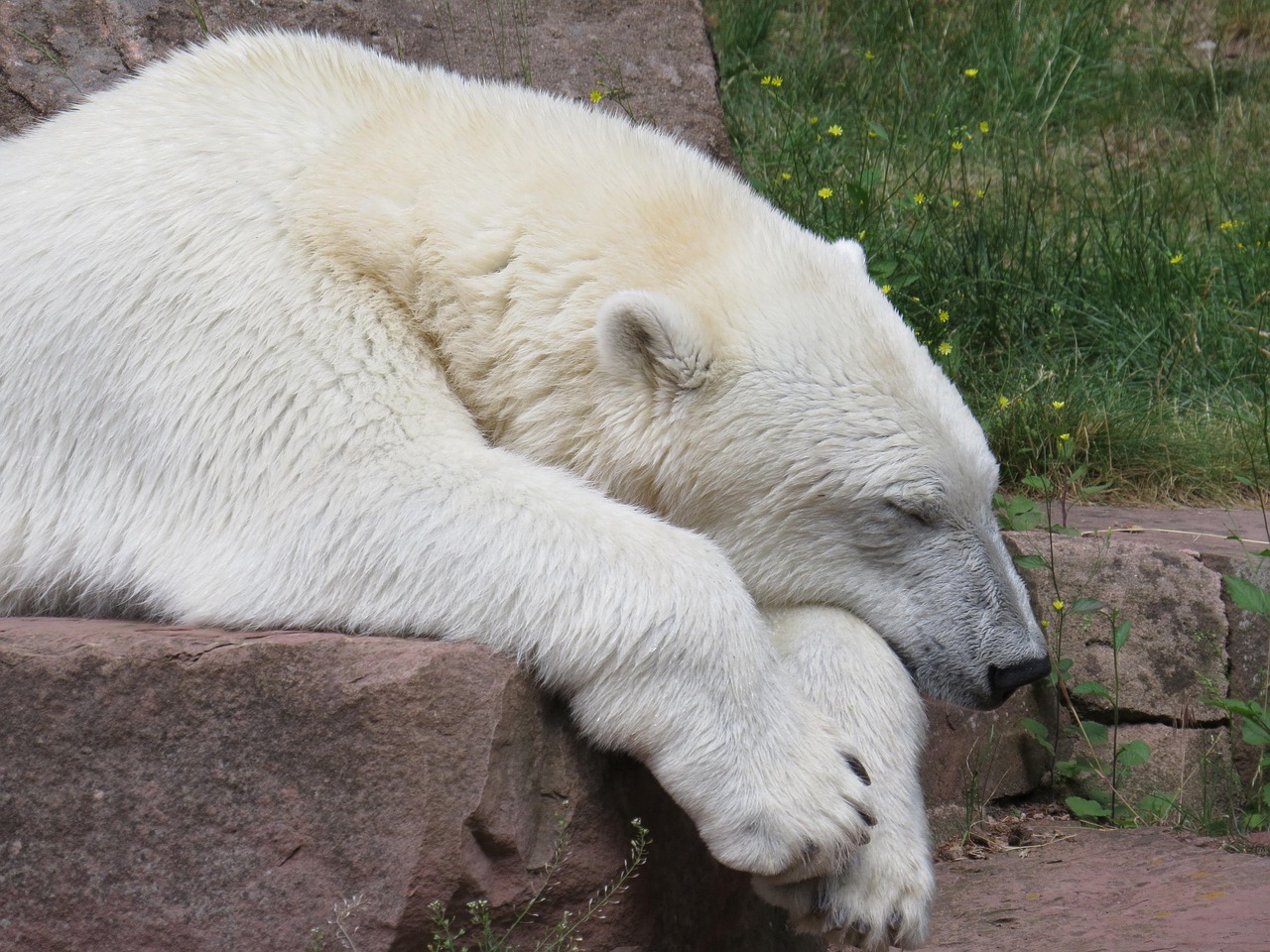
To maximize their survival during periods of limited food availability, polar bears employ various energy conservation strategies. One crucial approach is relying on stored fat reserves, which sustain them during ice-free periods when hunting opportunities are scarce. Human resilience research shows remarkably similar patterns. For decades we have understood that human systems have the capacity to regulate stress and that weathering stressors is a healthy biological and psychological process. However, when stressors compound and move to a more chronic state of stress reactions, physical and mental health response systems can become overwhelmed.
Bears reduce unnecessary movements to conserve energy during difficult times, just as resilient humans learn to prioritize their emotional and physical resources during crises. Both species understand intuitively that survival sometimes means pulling back, regrouping, and waiting for better conditions rather than expending energy in futile struggles.
The Power of Behavioral Timing
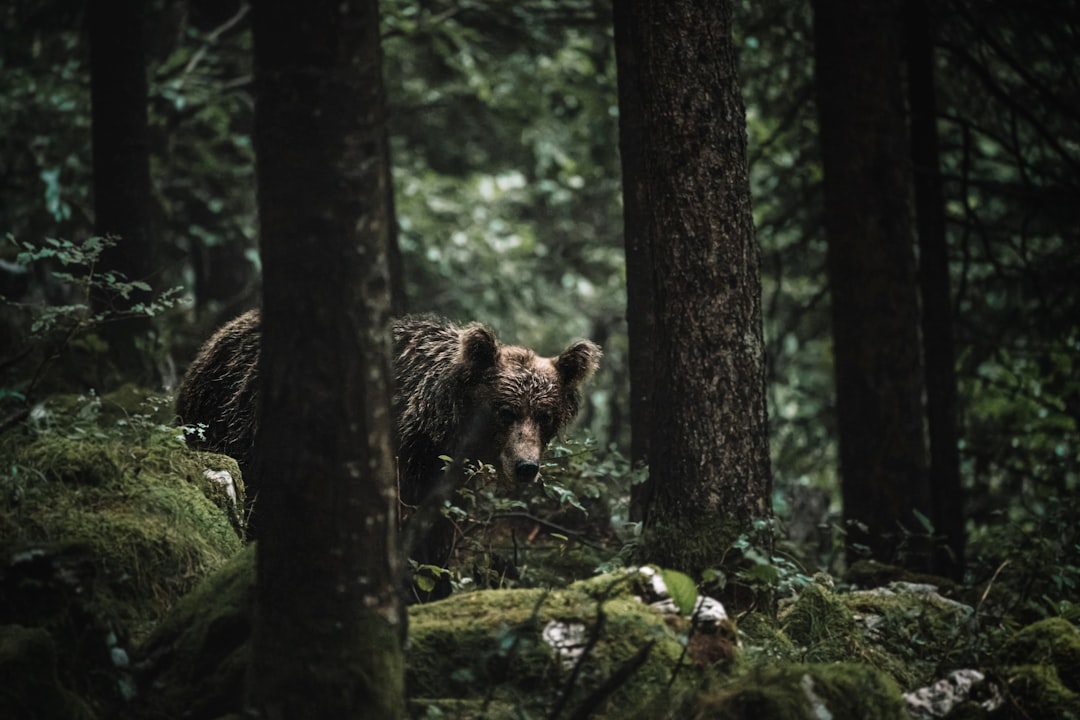
Bears altered their natural daily rhythms to move through human-developed areas at night. This shift to nocturnal behavior represents a sophisticated risk assessment strategy. Research shows that bears increase their nocturnality by approximately 1.5 percentage points for every 1% increase in human activity, with bears in human-dominated landscapes becoming increasingly nocturnal to avoid encounters and improve survival. This led the researchers to conclude that the shift to more nighttime activity was induced by humans.
Humans display similar adaptive timing in their resilience strategies. We learn when to speak up and when to stay quiet, when to push forward and when to step back. Tailoring refers to the process of matching available coping resources to the specific demands of a situation, ensuring that resilience remains dynamic and adaptable rather than a fixed trait. Resilient individuals do not rely on a single strategy but adjust their coping responses according to contextual demands.
Learning from Mother’s Wisdom
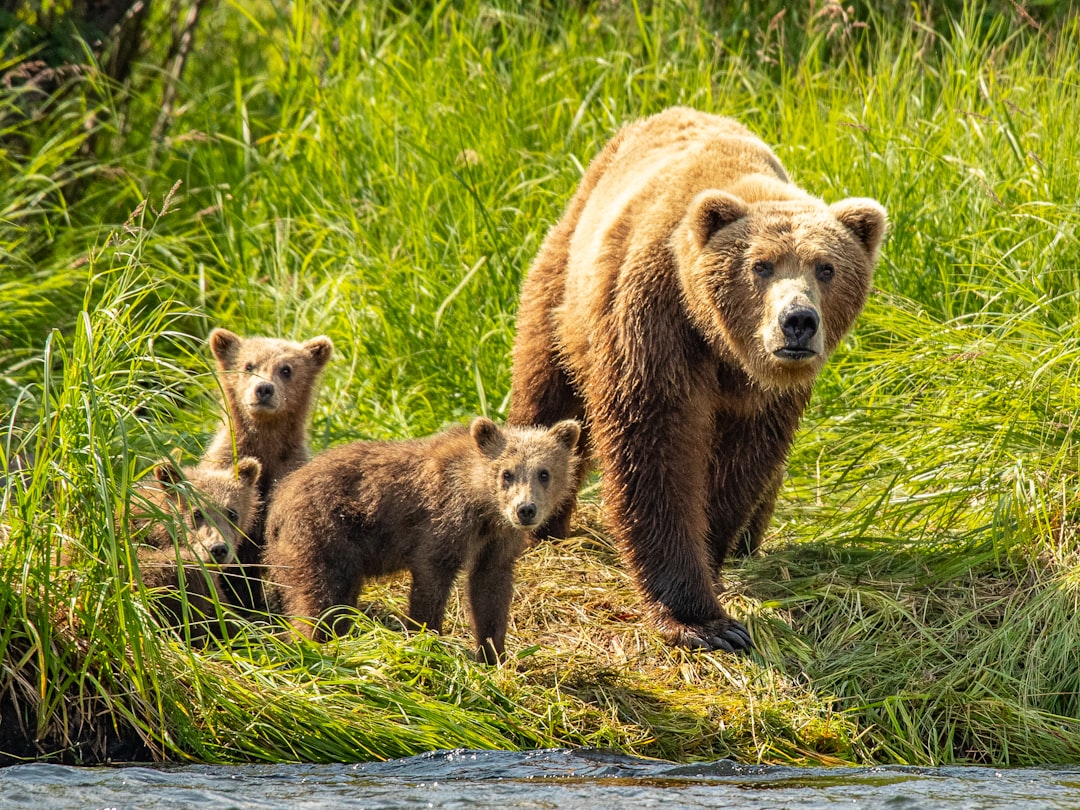
The mother bear plays a crucial role in teaching her cubs essential survival skills. These skills encompass finding food, avoiding predators, and understanding their natural habitat. Research on bear behavior reveals that offspring of problem mothers were likely to also be conflict bears, whereas offspring of non-problem mothers were not likely to be problem bears. Since young bears spend so much time with their mothers, social mother–offspring learning is the primary cause of problem behaviors related to human conflicts in young bears.
Human resilience development follows strikingly similar patterns. At home, resilience can be promoted through a positive home environment and emphasizing cultural practices and values. In school, this can be done by ensuring that each student develops and maintains a sense of belonging to the school through positive relationships with classroom peers and a caring teacher. Both bears and humans learn resilience primarily through social transmission, particularly from caregivers who model adaptive responses to stress.
The Solitary Strength Strategy
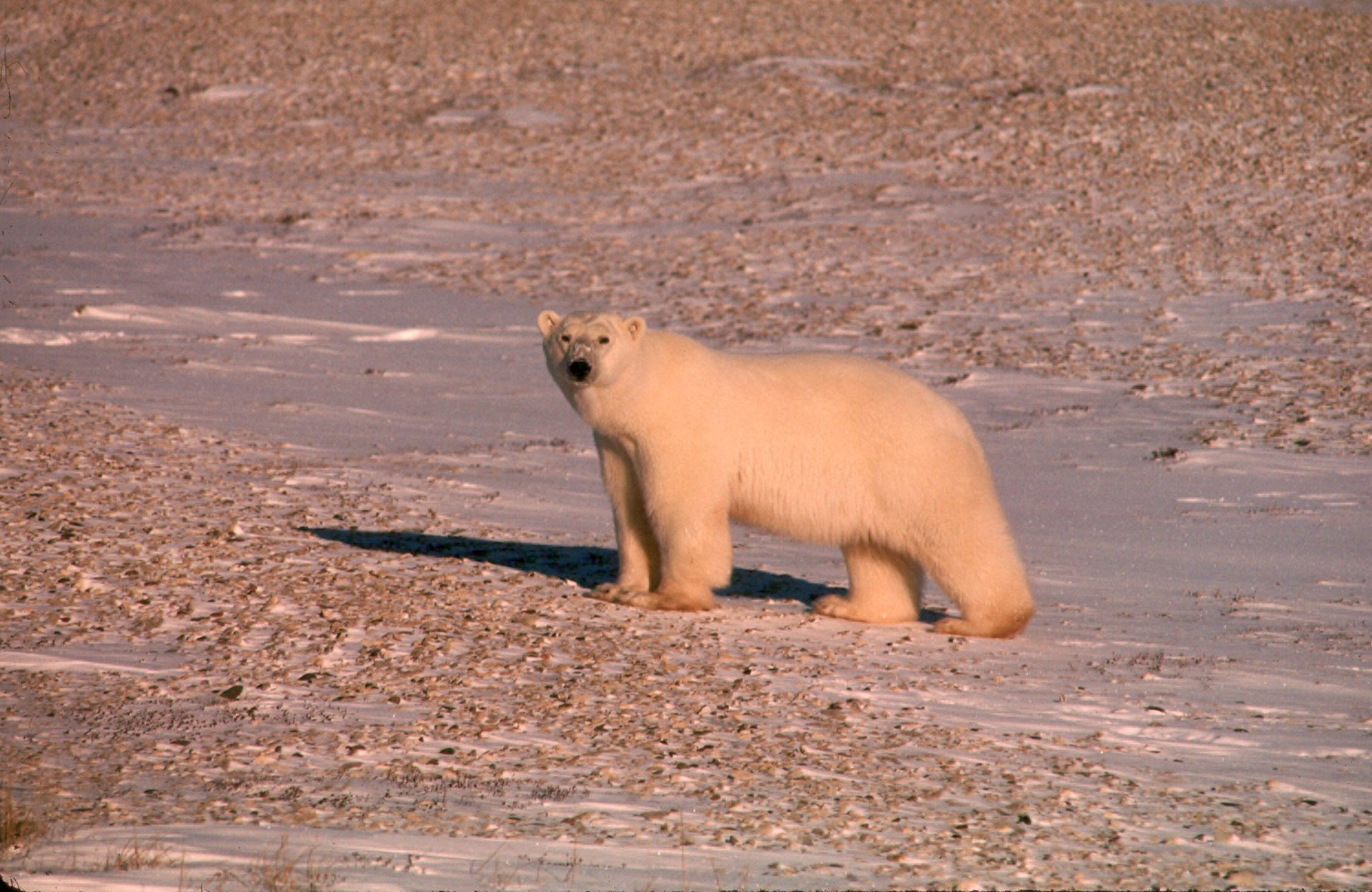
Polar bears are known for their solitary nature, which is deeply rooted in their habitat. The vast Arctic Sea ice is ever-changing and expansive, making hunting a solitary endeavor more practical. By hunting alone, polar bears reduce competition and increase their chances of a successful hunt.
This solitary approach parallels a crucial aspect of human psychological resilience. At the micro-level, resilience revolves around individual characteristics and behaviors that facilitate adaptation in the face of adversity. Micro-level resilience also involves personal strategies for coping with stress, such as problem-solving skills and emotion regulation techniques. Sometimes the most resilient response involves stepping away from the crowd and finding your own path through difficulty.
Risk Assessment and Strategic Decision-Making
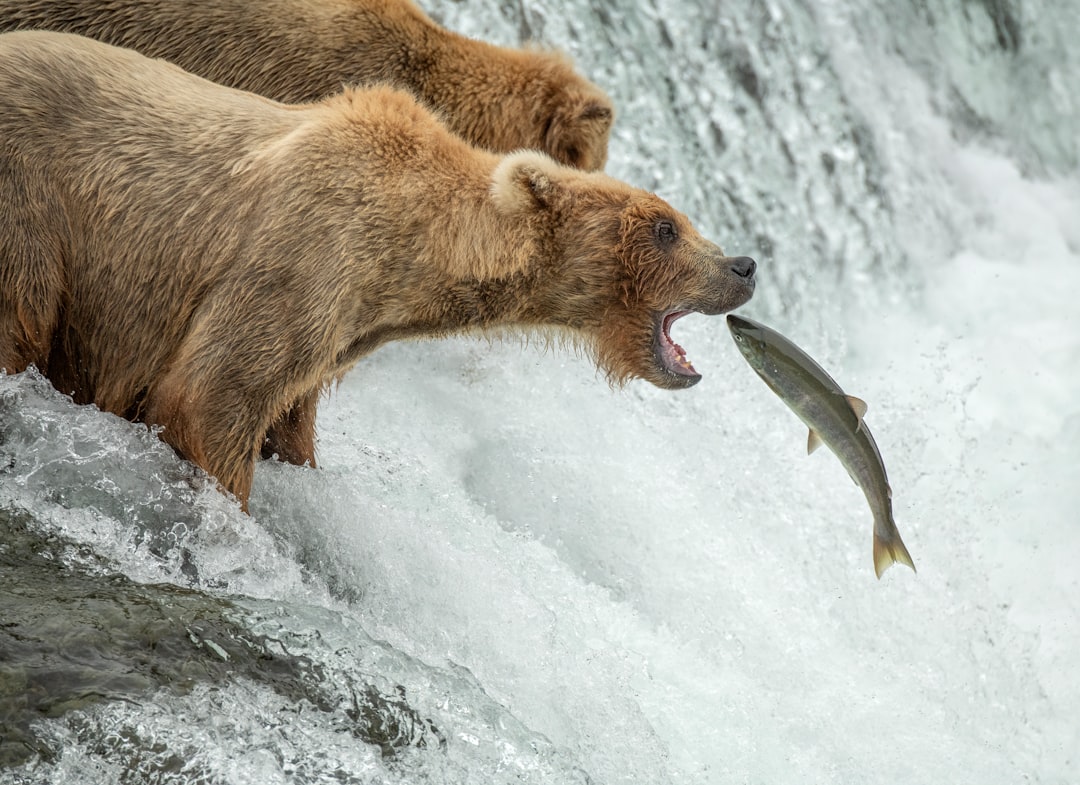
An individual animal’s behavior is the result of a cost-benefit analysis that trades off food reward against risk. In spring when natural foods are scarce, and in fall when bears need to gain weight for hibernation, the attraction of food rewards outweighs the associated risks.
This sophisticated risk assessment mirrors the cognitive processes underlying human resilience. The processes of psychological resilience have to do with the cognitive evaluation carried out by the subject, which regulates the possibility of finding effective forms of adaptation. The thought processes, the emotional and behavioral responses through which resilient subjects build their personal vision of reality, give rise to decisions and behaviors that allow them to adapt to stressful or adverse conditions. Both species excel at weighing immediate costs against long-term benefits.
Community Wisdom and Collective Learning
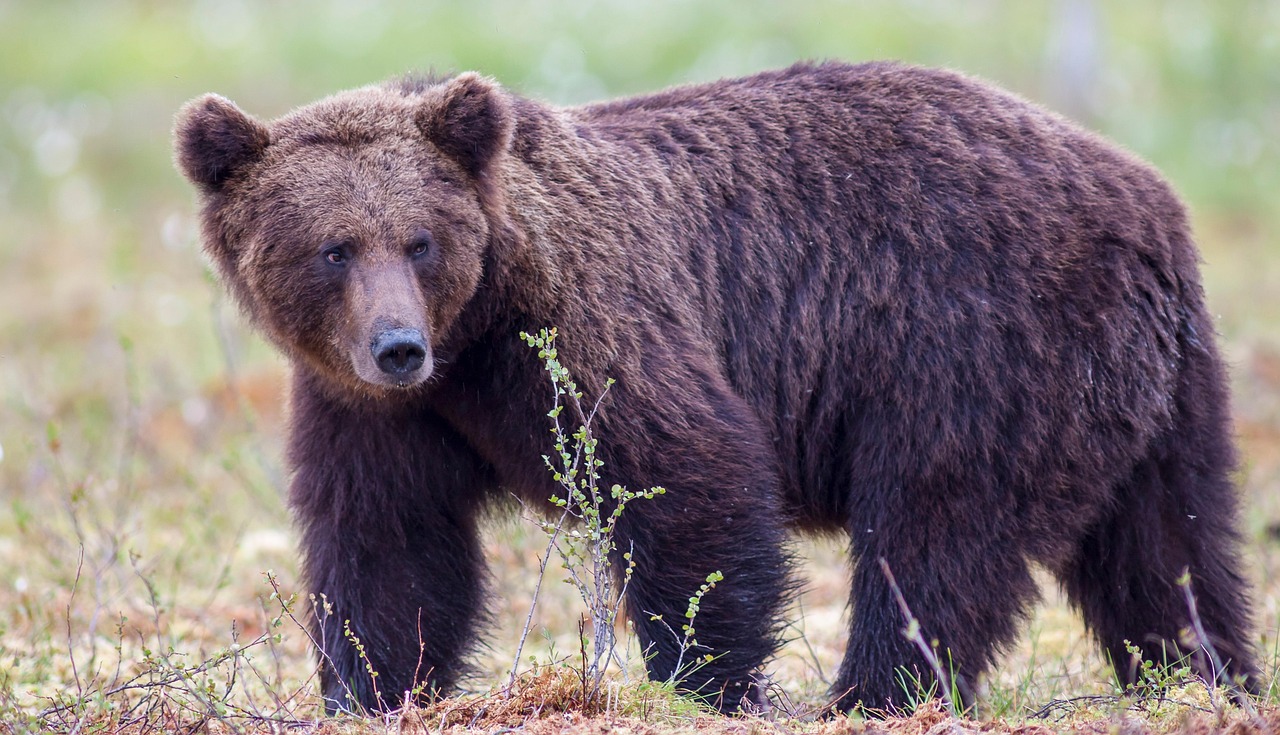
For thousands of years, bears and people have lived in close proximity to one another in this region, and the DNA of the animals appears to reflect those connections. An analysis revealed that there are three distinct groups of grizzly bears living in coastal British Columbia, and these groups are closely aligned with the Indigenous language families of the area.
This remarkable finding suggests that both bears and humans develop resilience strategies that are deeply influenced by their cultural and environmental contexts. Resilience is not individual specific outcome but rather social determinants, such as support networks and available resources, are contributing attributes. The parallel evolution of bear and human communities in the same regions demonstrates how resilience emerges from the intersection of individual adaptation and collective wisdom.
The Biological Foundation of Bouncing Back
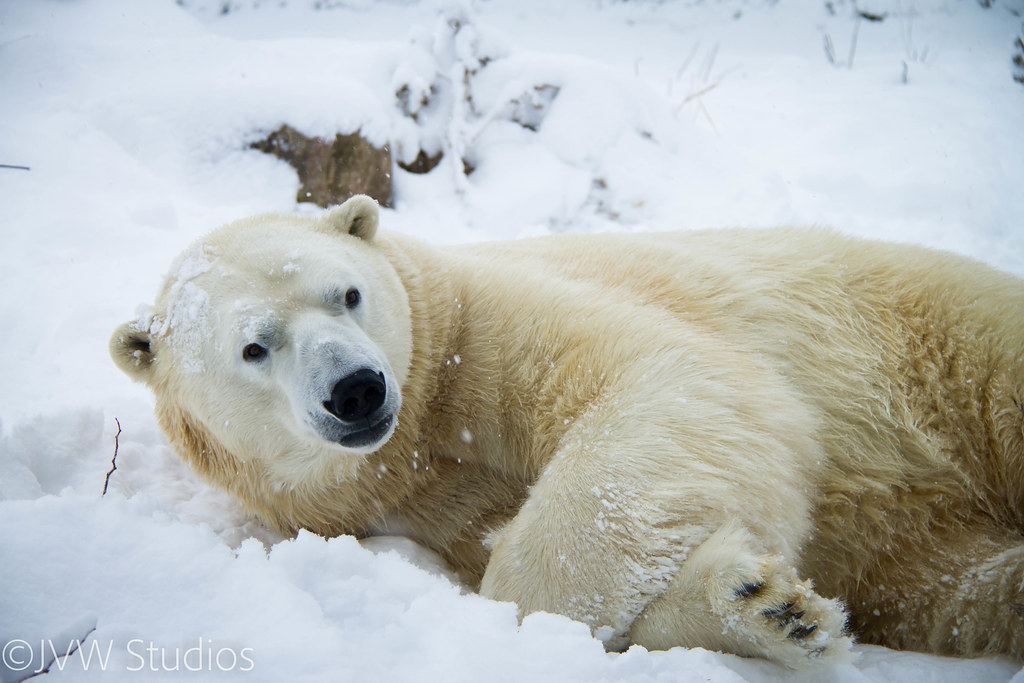
Neurobiological studies show that resilience is mediated by both the absence of certain key molecules that occur in susceptible animals and impair their coping ability, and the presence of distinct adaptation mechanisms seen in resilient individuals that promote normal behavior. The former and latter are considered to be mechanisms of passive and active resilience, respectively.
Human resilience research reveals similar biological underpinnings. Resilience is the ability to recover from stress or adversity in ways that are better than expected, whether at the level of an individual, a community, or a system. Researchers at the Resilience Center are exploring why some people bounce back from stress quickly and others do not. Both bears and humans possess biological systems specifically designed to help them recover from adversity, suggesting that resilience is a fundamental feature of complex life forms.
Bears and humans share something remarkable: we’re both wired for survival, adaptation, and growth in the face of seemingly impossible challenges. From the polar bear learning to hunt on melting ice to the human rebuilding after devastating loss, resilience emerges as a universal language of life itself. Perhaps understanding how bears navigate their changing world can teach us something profound about navigating our own. What strategies from the bear world might you apply to your next challenge?
