
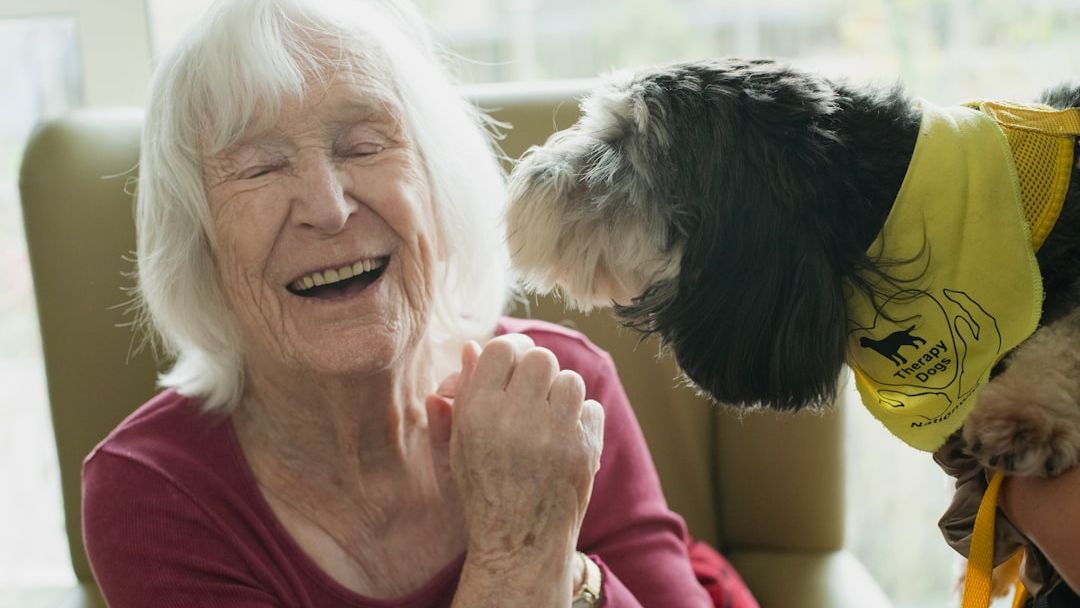
Ever wonder why simply being near a dog makes your breathing slow down? Or why watching fish glide through water feels almost meditative? Animals possess an extraordinary ability to reach into our emotional depths in ways that often surprise us.
The bond between humans and creatures great and small goes far beyond cute photos and Instagram moments. It’s wired into our biology, our chemistry, even our nervous systems. Let’s be real, most people acknowledge that pets make them feel better. Yet the science behind how animals actually rewire our stress responses, boost our resilience, and offer healing that words sometimes cannot is genuinely fascinating.
So let’s dive in. Because what follows might just change how you think about that wagging tail, purring bundle of fur, or even that therapy horse waiting at the barn.
They Trigger a Cascade of Feel-Good Hormones

Interaction with therapy animals reduced cortisol levels, increased oxytocin, lowered blood pressure, and increased social engagement and emotional regulation. Think about that for a second. Just petting an animal doesn’t simply feel nice; it actually shifts what’s happening inside your brain.
Humans interacting with animals have found that petting the animal promoted the release of serotonin, prolactin and oxytocin- all hormones that can play a part in elevating moods. Oxytocin, often nicknamed the love hormone, creates feelings of calm and connection. Meanwhile, cortisol – the stress hormone – drops significantly.
It’s hard to say for sure, but it appears our bodies chemically recognize animal companionship as a form of safety. Oxytocin causes many physiological changes, including slowing heart rate and breathing, lowering blood pressure, inhibiting stress hormones, and creating a sense of calm. Honestly, it’s like having an internal pharmacy that activates when a soft nose nuzzles your hand.
These aren’t random effects either. Pet ownership reduces stress hormones and increases the feel-good hormones oxytocin and dopamine. Dopamine adds another layer, boosting motivation and pleasure. Together, these chemicals form a powerful cocktail that soothes anxiety and lifts spirits.
What makes this even more remarkable is how quickly it happens. The moment you sink your fingers into a dog’s fur or hear a cat purr, your nervous system begins to recalibrate. Physical contact with pets can activate our parasympathetic nervous system, which promotes relaxation. It’s biology working in your favor without you even trying.
They Offer Unconditional Acceptance Without Judgment
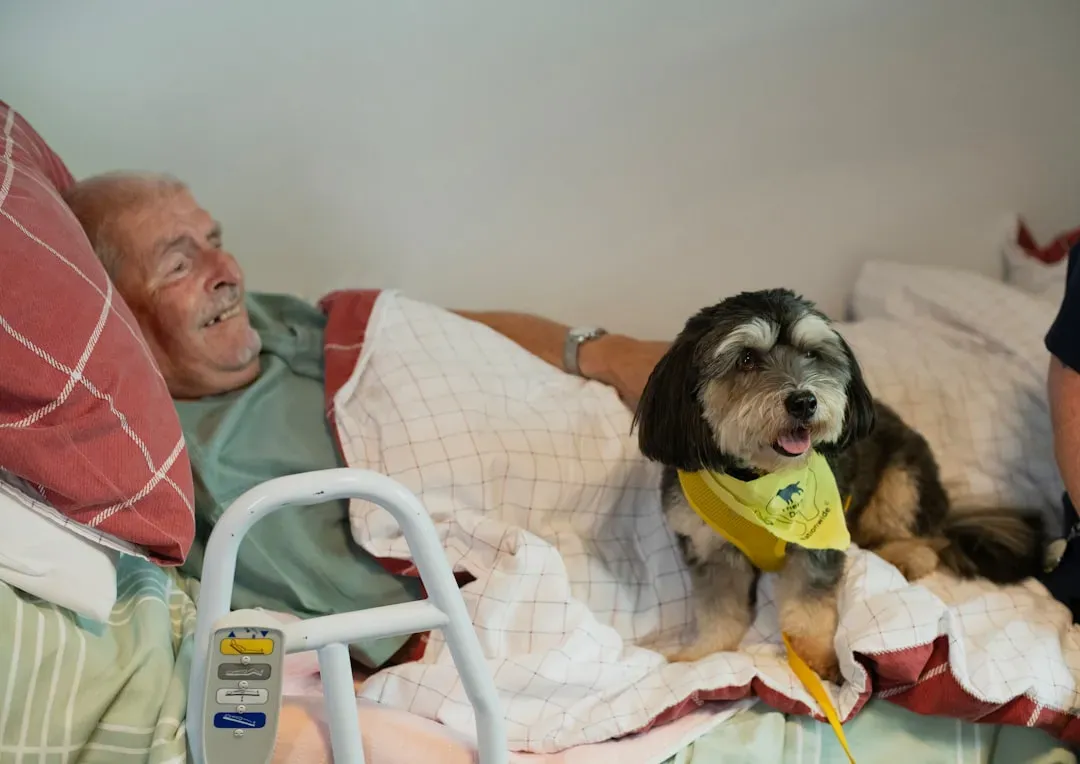
Here’s the thing about animals – they don’t care if you messed up at work, argued with your partner, or haven’t showered in three days. Therapy animals provide unconditional positive regard, offering a source of comfort and acceptance for the patient without the fear of judgment or rejection. This can be particularly beneficial for people with low self-esteem, social anxiety or those who have experienced trauma.
Spending time with a therapy dog allows someone dealing with a health issue to have judgment-free interactions and experience unconditional support. That’s profoundly powerful when you’re struggling. Sometimes you need to simply exist beside another being without explaining yourself or performing.
The absence of judgment creates a unique therapeutic space. Children may find it easier to express their emotions and talk about their feelings in the presence of animals, who are non-judgmental listeners. This applies to adults too. Animals listen without interrupting, criticizing, or offering unsolicited advice.
I know it sounds almost too simple. Yet there’s something deeply healing about being fully accepted exactly as you are. Because animals are non-judgmental, people with physical deformities may find it easier to socialize with animals than with people. Animals see past our visible and invisible scars.
Their acceptance becomes a mirror reflecting back our inherent worthiness. The researchers suggest that the animals offered unconditional acceptance, making them a calm comfort to the children. This validation, though silent, can rebuild fractured self-esteem piece by piece.
They Provide Distraction From Overwhelming Symptoms
When anxiety spirals or depression weighs heavy, thoughts can loop endlessly into darker places. Companion animals contributed to practical work through their role in the distraction and disruption from upsetting symptoms and experiences through the provision of routine and a role in behavioural activation. Animals interrupt those mental patterns simply by existing.
A dog needs walking. A cat demands breakfast. Fish require feeding. Spending time with animals can distract children from negative or distressing thoughts, allowing them to focus on the present moment. These small responsibilities pull you out of rumination and into the here and now.
The act of caring for and interacting with a pet can distract from negative thoughts and provide a sense of purpose and routine. Let’s be real, sometimes you need something external to snap you out of a downward spiral. Animals do this naturally, without effort.
This distraction isn’t escapism; it’s redirection. Animals can help patients generate positive emotions, resolve feelings of loneliness, promote socialization, enhance trust, stimulate mental and social activity, improve overall well being and provide a distraction from stressful medical procedures and chemotherapy. They help redirect mental energy toward something life-affirming.
Even watching fish swim creates a meditative focus. Watching fish swim can result in a feeling of calmness. The gentle, repetitive movements anchor attention, offering respite from chaotic thoughts. It’s mindfulness disguised as simple observation.
They Intuitively Sense Emotional Distress

You’ve probably experienced this: You’re having a rough day, and suddenly your dog is pressed against your leg or your cat won’t leave your lap. Animals could intuit when such support was needed and act accordingly providing a depth of connection that was considered particularly useful in time of crisis. They seem to just know.
This isn’t mystical thinking. Animals are remarkably attuned to subtle changes in our body language, vocal tones, and even chemical signals. Dogs had the ability to read people’s emotional states and were great judges of character. Their heightened senses pick up on cues we’re not even aware we’re broadcasting.
When you’re upset, your breathing changes, your posture shifts, maybe you’re quieter than usual. Dogs especially notice these patterns. She seems to know when they are sad and gives them a gentle kiss to help them feel better. That responsive presence offers comfort that feels almost telepathic.
Their ability to detect emotional shifts means they show up exactly when needed. Animals could intuit when such support was needed and act accordingly providing a depth of connection that was considered particularly useful in time of crisis. This creates a sense of being truly seen and understood, which is profoundly reassuring.
Honestly, there’s something almost magical about a creature that simply sits beside you during your darkest moments. Pets provided calming support and were perceived to have a ‘sense’ of when it was needed. That silent solidarity carries enormous healing power.
They Create Structure and Routine During Chaos

Mental health struggles often disrupt daily rhythms. Depression steals motivation. Anxiety fractures focus. Pet owners maintain more consistent daily schedules and engage in more regular physical activity than non-pet owners. This structured routine has shown particular benefits for adults with autism, providing predictability and emotional regulation through daily care tasks.
Animals don’t care if you’re having a bad day – they still need feeding, walking, grooming. The act of caring for a pet was, itself, enough to form a calming routine, sense of control, and certainty to turn to in times of need. That external structure can be a lifeline when internal regulation fails.
Routines anchor us to time and purpose. The act of caring for and interacting with a pet can distract from negative thoughts and provide a sense of purpose and routine. When everything feels meaningless, the simple fact that another being depends on you matters. It gets you out of bed.
This isn’t just about obligation. Your dog depends on you, which gives you a sense of purpose. Being needed creates meaning. Contributing to another’s wellbeing – even a furry one – rebuilds fractured self-worth.
The predictability animals bring stabilizes volatile emotions. Ontological security, is defined as the sense of order and continuity derived from a person’s capacity to give meaning to themselves as well as maintain a positive view of the self, the world and the future. A study examining the role pets play in the social support networks of pet owners managing mental illness found that, over time, individuals developed routines with pets that contributed to emotional and social support. The study found that the act of caring for a pet was, itself, enough to form a calming routine, sense of control, and certainty to turn to in times of need. Structure becomes sanctuary.
They Facilitate Social Connection and Reduce Isolation

Social isolation feeds mental illness, creating vicious cycles. Living with a pet, particularly a dog, creates natural opportunities for social interaction and can significantly reduce feelings of loneliness. For members of the LGBTQ+ community, pets have been found to provide crucial social support and facilitate connections with other animal lovers, creating safe spaces for social interaction.
Dogs especially act as social catalysts. Walk one through a park and suddenly strangers smile, wave, strike up conversations. Animals also can serve as social synergists, stimulating interactions between people in therapeutic or social environments. This can help reduce feelings of isolation and loneliness, which are dominant in many mental health conditions. That four-legged companion becomes a bridge to human connection.
Participants felt that their pets faciltiated the quality and quantity of existing social interactions and forged new relationships acting as a bridging tie to emotional nourishment. It’s easier to approach another dog owner than a random person. The shared interest in animals creates instant common ground.
For people who struggle socially, this matters enormously. Animals can reduce loneliness, increase feelings of social support, and boost your mood. The animal provides companionship directly while simultaneously opening doors to human relationships.
Even therapy settings benefit from this effect. In family and group counseling, AAT can help foster trust, improve communication and reduce tension. Animals ease social anxiety, making interactions feel safer and more natural. They lower defenses that trauma or illness have erected.
They Help Regulate Emotions During Intense Moments

Animals can help people regulate their emotions by providing a consistent and quiet presence. When emotions feel overwhelming – rage, panic, despair – that calm animal presence acts as an anchor. They don’t escalate. They don’t panic. They simply are.
This emotional steadiness is contagious. The presence of a beloved pet or therapy animal can help a person control daily anxiety, regulate emotional arousals, and improve mood. Since therapy dogs are trained to be attentive to a person’s needs and offer unconditional love, they can often stabilize intense emotions. Their regulated state helps regulate yours.
By providing a calming presence and offering nonjudgmental, loving affection, therapy dogs can help children talk about the fear, anger and uncertainty they feel. Most children are attracted to animals and can often express themselves better with them than with other children or adults, especially children who have experienced physical or mental neglect, abuse or trauma. Animals create safe containers for difficult feelings.
Focusing on an animal’s breathing, warmth, or heartbeat grounds you in physical reality. Mindfulness practices and interaction with dogs, noting significant reductions in anxiety levels through both approaches. Petting becomes a meditative act, each stroke bringing you back from emotional overwhelm.
I think this is particularly crucial during crisis moments. Animals could intuit when such support was needed and act accordingly providing a depth of connection that was considered particularly useful in time of crisis. When everything inside feels like chaos, that external calm becomes a touchstone.
They Improve Physical Health Markers Related to Mental Wellbeing
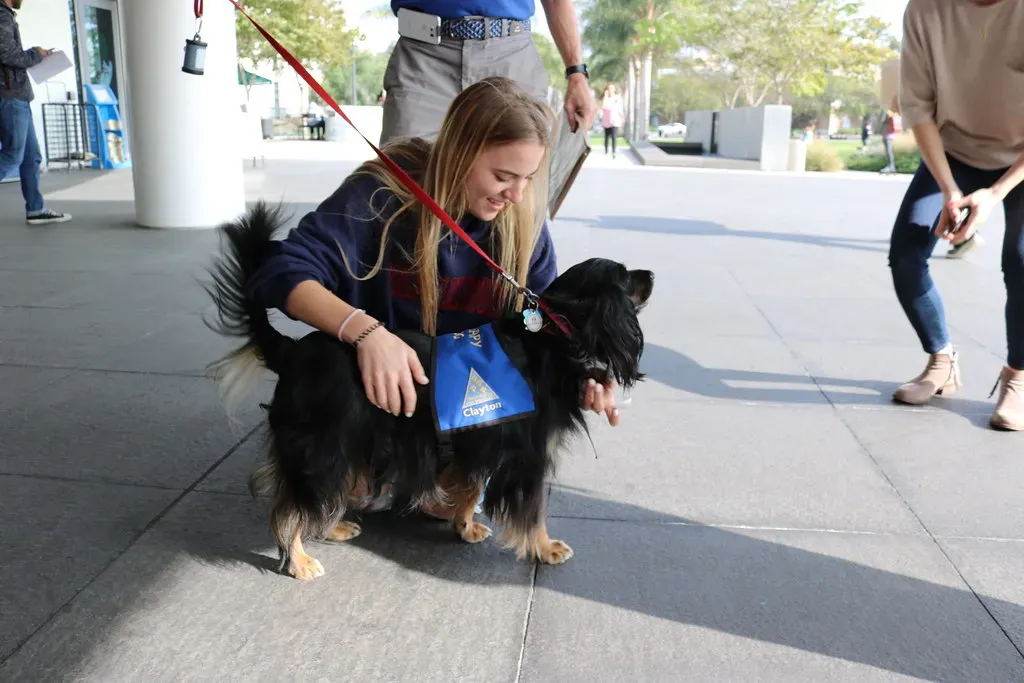
The mind-body connection means mental health directly impacts physical health and vice versa. Regular interaction with therapy animals can improve cardiovascular health by lowering blood pressure and heart rate. Healthier bodies support healthier minds, creating positive feedback loops.
Interacting with animals has been shown to decrease levels of cortisol (a stress-related hormone) and lower blood pressure. Lower cortisol means reduced inflammation, better sleep, improved immune function. These physical improvements bolster emotional resilience.
Studies have documented significant decreases in heart rate and blood pressure in humans following interactions with companion animals. Your cardiovascular system literally calms down. Stress that lives in your body – tight shoulders, clenched jaw, rapid pulse – begins releasing.
This physiological calming isn’t trivial. This physiological calming effect can reduce the physical symptoms of stress and anxiety, promoting general well-being and successful rehabilitation. When your body feels safer, your mind follows suit. The nervous system downregulates from fight-or-flight into rest-and-digest.
Being a dog owner also promotes physical activity and reduces loneliness. More movement means better mood regulation through endorphins. Exercise combats depression. Walking a dog gets you outdoors, exposing you to sunlight and nature – both proven mood boosters. It all compounds.
They Offer Presence That Transcends Words
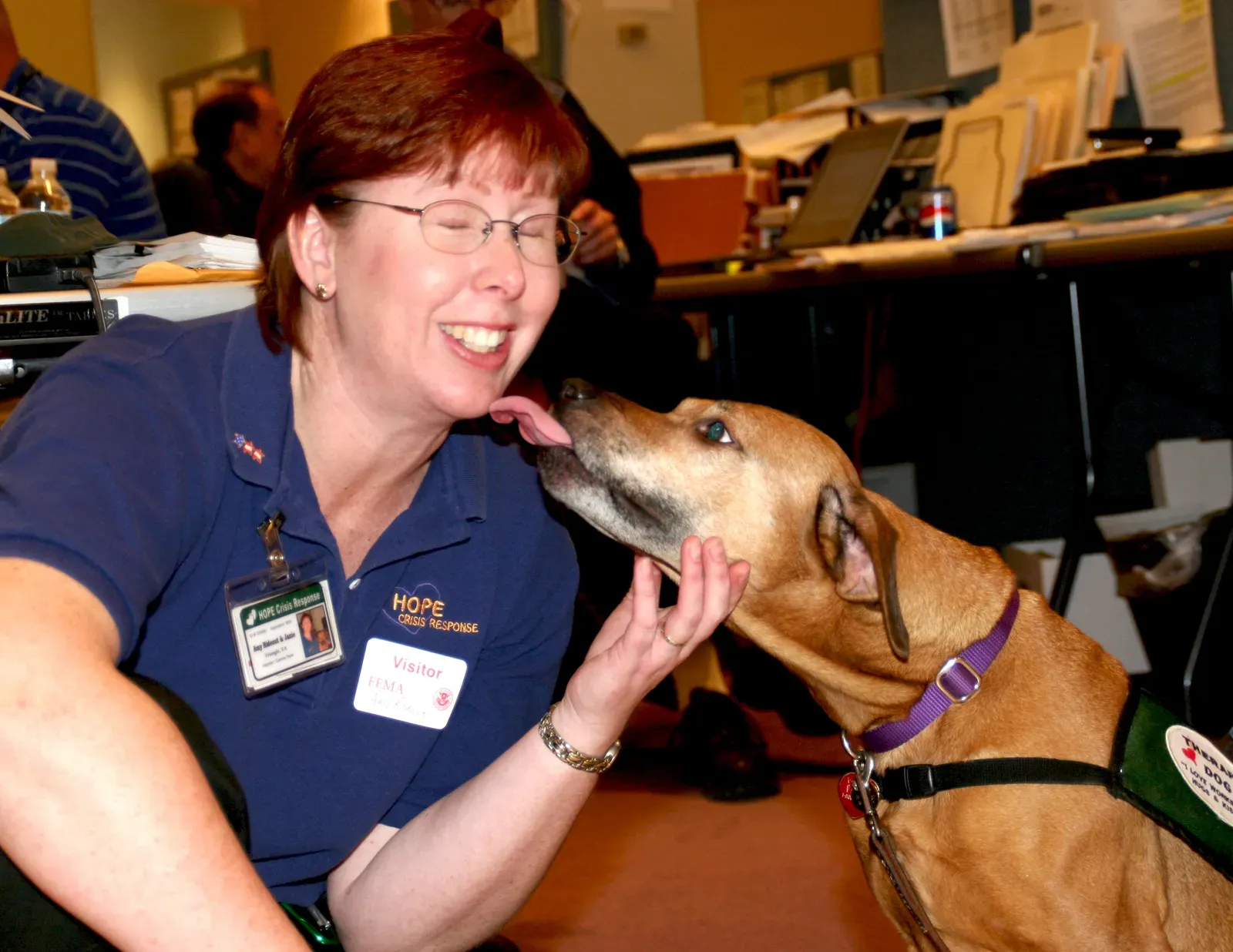
Sometimes what we need most cannot be spoken. Pets made the perceived contribution to emotional work seemed to be the provision of a consistent source of comfort and affection. This constant presence meant that this provision was available instantaneously without request. You don’t have to explain, justify, or articulate. They’re just there.
Spending time with a therapy dog doesn’t require a person to feel like they have to say or do the right thing. They can simply show up and receive comfort without worrying about being judged. That wordless acceptance matters profoundly when language fails or feels inadequate.
Grief, trauma, depression often resist verbal expression. People reported a profound connection with their pet sometimes preferring relationships with pets over relationships with other humans and viewing pets as replacement family members. Animals meet us in the spaces beyond language, communicating through touch, proximity, shared silence.
This presence is deeply healing precisely because it’s uncomplicated. Participants described the animals as a source of comfort, providing emotional support and reducing stress and anxiety. The interactions with the animals were reported to have a soothing effect and helped individuals cope with their challenges and emotional difficulties. No agenda, no expectations, just being together.
Honestly, I believe there’s something sacred about sitting with a creature that asks nothing but offers everything. While pets aren’t a cure-all for mental health challenges, they can be powerful partners in our journey toward wellness, offering unconditional love, structured routines, and meaningful connections when we need them most. That partnership speaks volumes without uttering a single word.
Conclusion
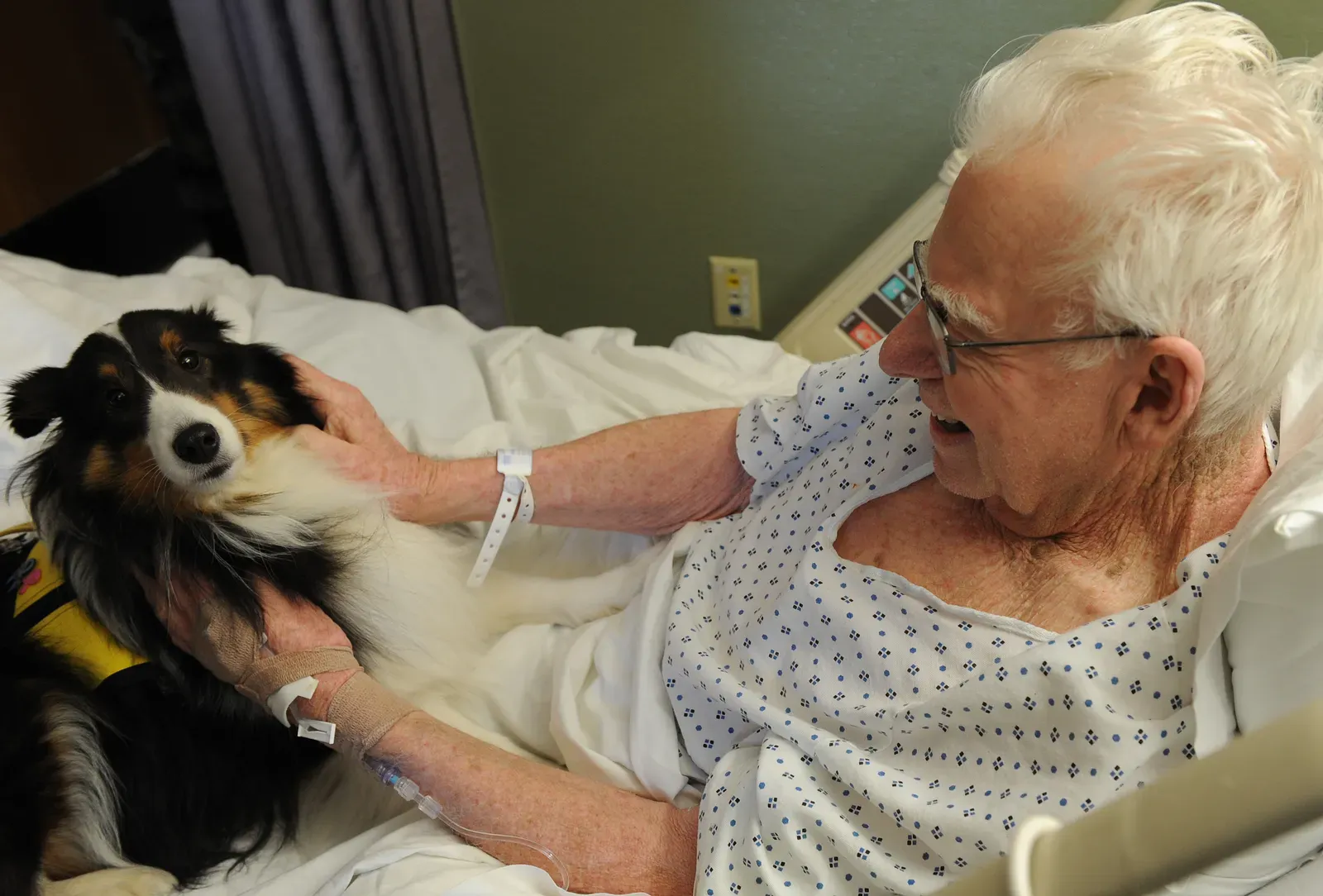
The ways animals heal us are both scientifically measurable and mysteriously profound. From shifting our brain chemistry to simply sitting beside us during storms we cannot name, they offer comfort that defies simple explanation. Pets provide benefits to those with mental health conditions. That’s increasingly clear from the research.
Yet beyond the studies and statistics lies something more fundamental – an ancient bond between species that recognizes suffering and responds with presence. Animals don’t fix us, but they do meet us where we are. They don’t cure mental illness, but they make it more bearable. Sometimes survival depends not on solutions but on companionship.
Whether it’s a therapy dog in a hospital, a cat purring on your chest, or even fish gliding through water, these creatures offer forms of healing that complement traditional treatment in powerful ways. Animals can participate in ways that can help reduce symptoms, reduce stress, build resilience, enhance psychotherapy, and improve wellbeing.
Have you experienced the healing power of animals in your own life? What unexpected ways have they helped you through difficult times? Share your stories in the comments below.
