
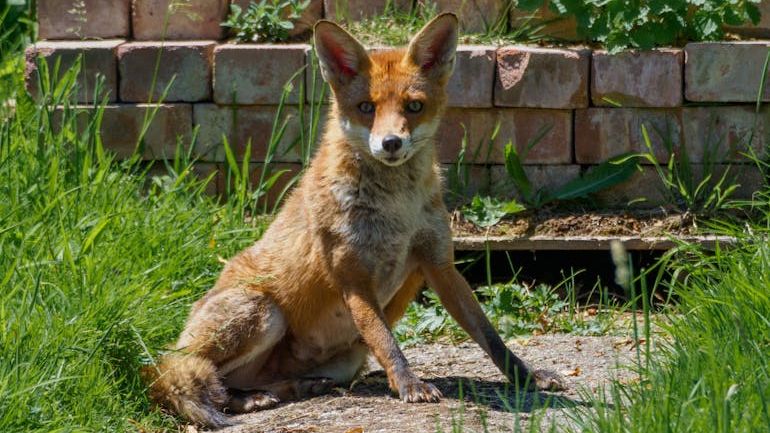
Most dog owners think of the city as a place built for people. Sidewalks, traffic, noise, coffee shops, dog parks. It feels human from curb to rooftop. So imagine the look on your face the first time your dog locks up on a scent trail, nose pressed to the ground, tail stiff – and then you spot a coyote watching you both from across the park at dusk.
That moment is happening in cities all across America. Wild animals are not just surviving in our urban environments. In many cases, they are genuinely thriving, raising young, hunting, adapting, and carving out lives in places we thought belonged entirely to us. As a dog lover and canine behavior enthusiast, I find this both thrilling and incredibly important to understand. Because what’s good for urban wildlife directly shapes the environment your dog lives in, every single day.
Here’s the thing: the cities on this list might surprise you. These are not remote western outposts or wilderness-adjacent towns. These are major American metros, places with millions of people, skylines, and subway systems – and also foxes, mountain lions, beavers, and alligators. Let’s dive in.
1. Los Angeles, California: Mountain Lions, Coyotes, and the World’s Most Unlikely Wilderness
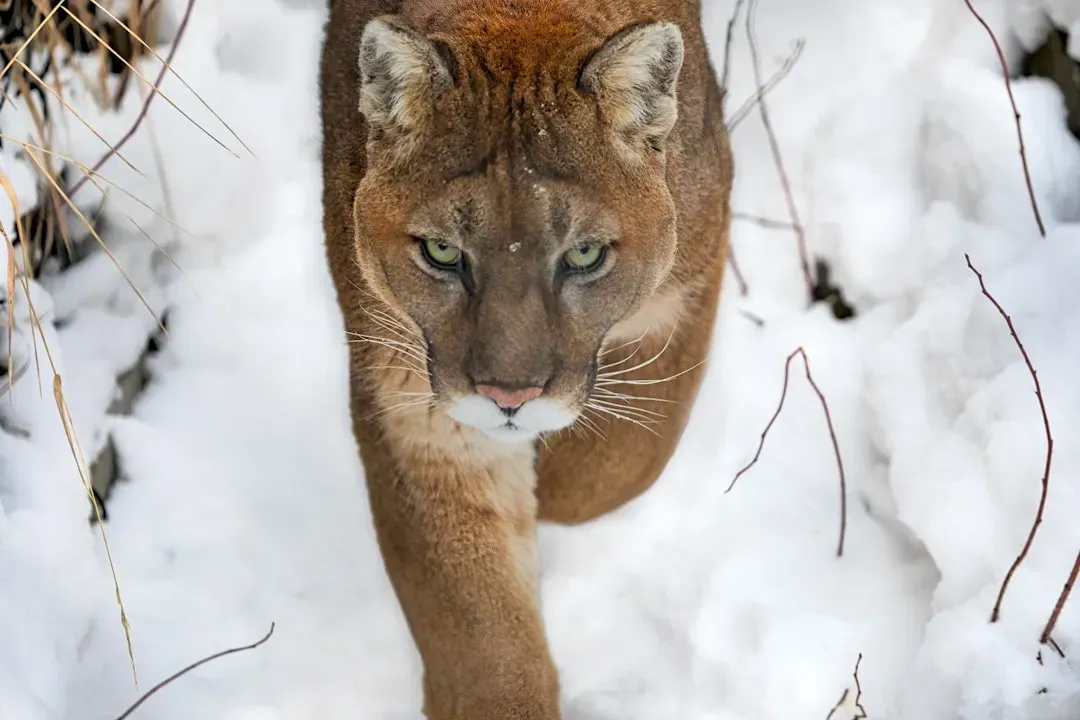
Let’s be real – when most people picture Los Angeles, they think Hollywood glamour, traffic gridlock, and sun-baked streets. Nobody pictures mountain lions. Yet Los Angeles is one of just two cities in the world known to be home to wild big cats. Studies show there are probably 75 mountain lions living in the Santa Monica Mountains alone. Think about that the next time you take your dog on a trail at sunrise.
On late-evening walks with dogs in the heart of Los Angeles, it isn’t unusual to see red-tailed hawks or turkey vultures circling overhead, rigid V-formations of migrating Canada geese, or even the occasional egret or blue heron – all within earshot of traffic noise from the I-5 Freeway, about 15 minutes from downtown. For dog owners, this means keeping your pup leashed on trails, watching for coyote activity near dawn and dusk, and never leaving pet food outside. Coyotes have established populations in nearly every major LA-area neighborhood; they primarily hunt rodents but have been known to sample pet food left outdoors. Know the terrain your dog is entering.
2. Chicago, Illinois: The Windy City’s Secret Wildlife Empire
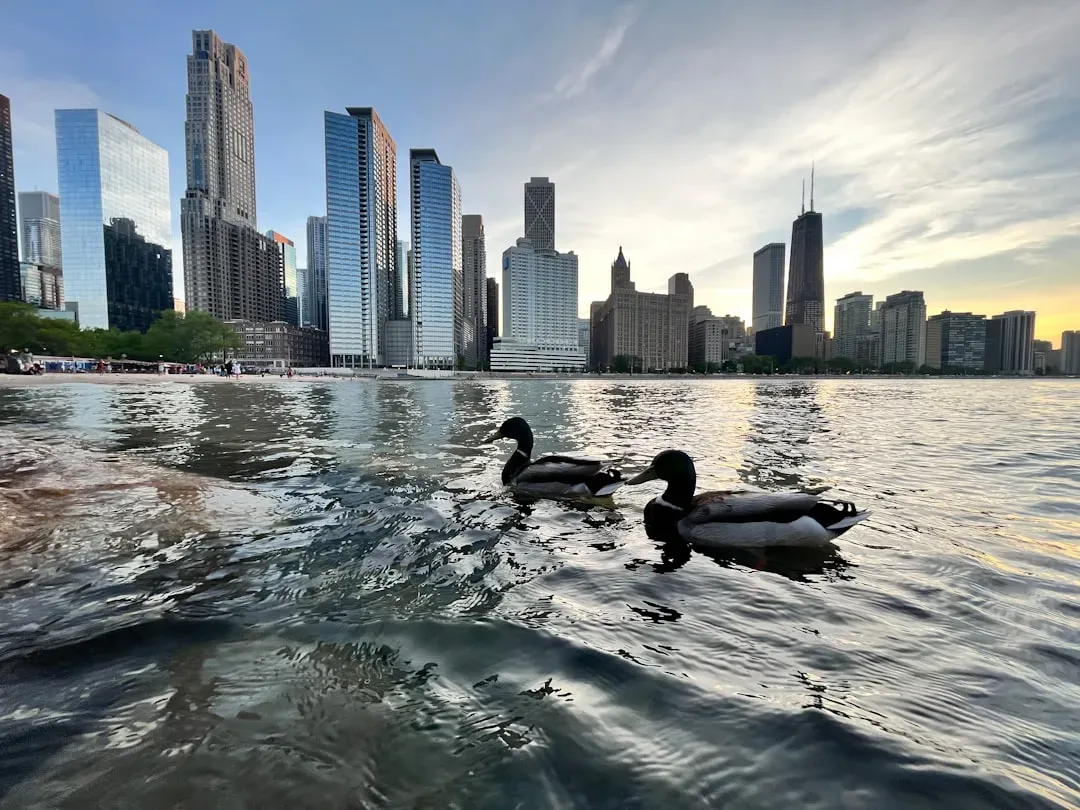
Chicago might be known for deep-dish pizza and frigid winters, but it has quietly become one of the most fascinating urban wildlife cities in the entire country. According to the assistant director of the Lincoln Park Zoo’s Urban Wildlife Institute, coyotes, flying squirrels, mink, and beavers all live in the Windy City. That is an extraordinary list for a city of nearly three million people. Studies show that urban coyotes in Chicago derive nearly 60% of their diet from human-associated food sources.
The trees in Chicago are also a crucial stopover for migratory birds, offering shelter in a region otherwise dominated by vast fields of corn and soybeans. For dog owners living in Chicago’s neighborhoods, this diversity is exciting but also means real vigilance. Chicago won’t act on complaint calls about coyotes unless an animal poses a direct threat to human safety, which is actually the right call scientifically. Keep your dog on leash in parks, especially at dusk. A curious dog chasing a coyote into the brush is a recipe for a vet visit.
3. New York City, New York: Raccoons, Foxes, and Coyotes Above the Subway
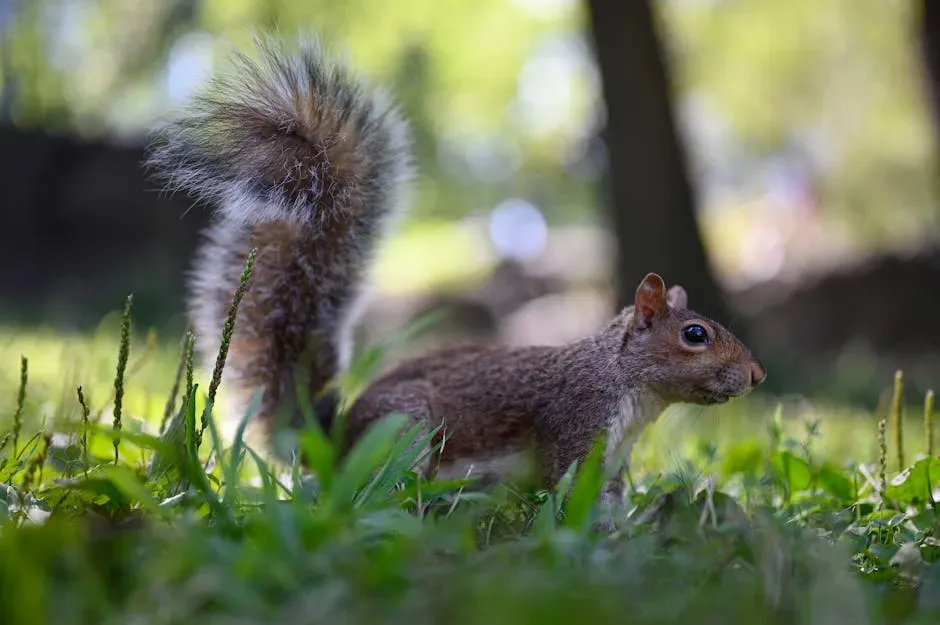
New York City. The place that never sleeps. Like many cities, New York is home to wild animals including foxes, raccoons, and skunks, along with recent additions such as coyotes and river otters. Honestly, I think most New Yorkers walk past these animals every night without ever realizing it. Picture walking through downtown Manhattan when a red-tailed hawk swoops overhead and lands on a nearby skyscraper with fresh prey – this isn’t a scene from a nature documentary, it’s happening right now.
Red-tailed hawks are a common sight in urban New York, with individuals documented nesting and raising chicks in the city since at least the 1990s. White-footed mice in New York City parks have even shown genetic adaptations for metabolizing fatty foods and detoxifying pollutants not found in rural populations – that is real urban evolution happening in real time. Dog owners in NYC should watch for raccoons near trash areas, especially at night. Raccoon encounters can stress dogs, and their waste can carry pathogens dangerous to unvaccinated pets. Keep vaccinations current. Always.
4. Austin, Texas: The Bat Capital That Doubles as a Wildlife Haven
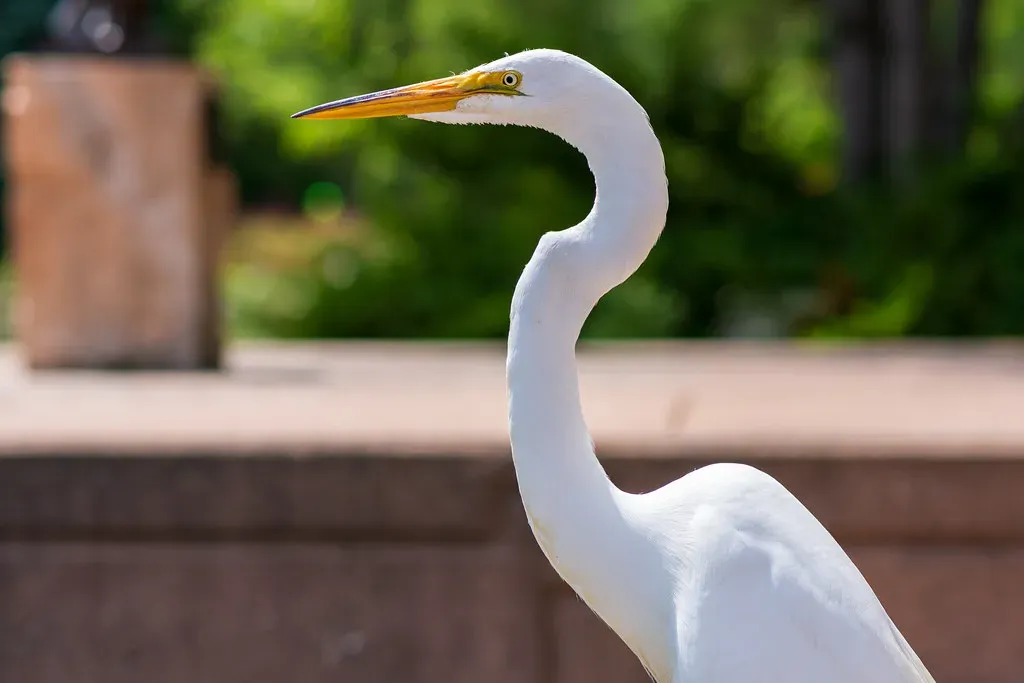
Austin might be famous for live music and breakfast tacos, but it holds one of the most jaw-dropping urban wildlife spectacles in the entire world. If you’ve ever visited Austin and not been bitten by a mosquito, you can thank the 1.5 million Mexican free-tailed bats that live beneath the Congress Avenue Bridge downtown. Every evening at dusk, these bats pour out in a dark ribbon against the Texas sky – and it draws crowds of awestruck humans nightly. It’s extraordinary.
Urban species across Texas range from near-ubiquitous raccoons to highly local javelinas in the desert southwest, and the Austin area is no different, with deer, fox, and coyote populations steady across suburban neighborhoods. For dog owners, the bat colony itself is not a direct threat, but bat rabies is real and worth knowing about. Never let your dog sniff, lick, or investigate a bat found on the ground. A grounded bat is often a sick bat. If contact occurs, contact your vet immediately and don’t wait to see symptoms.
5. Seattle, Washington: Bobcats, Bears, and a City That Actually Tracks Its Wild Neighbors
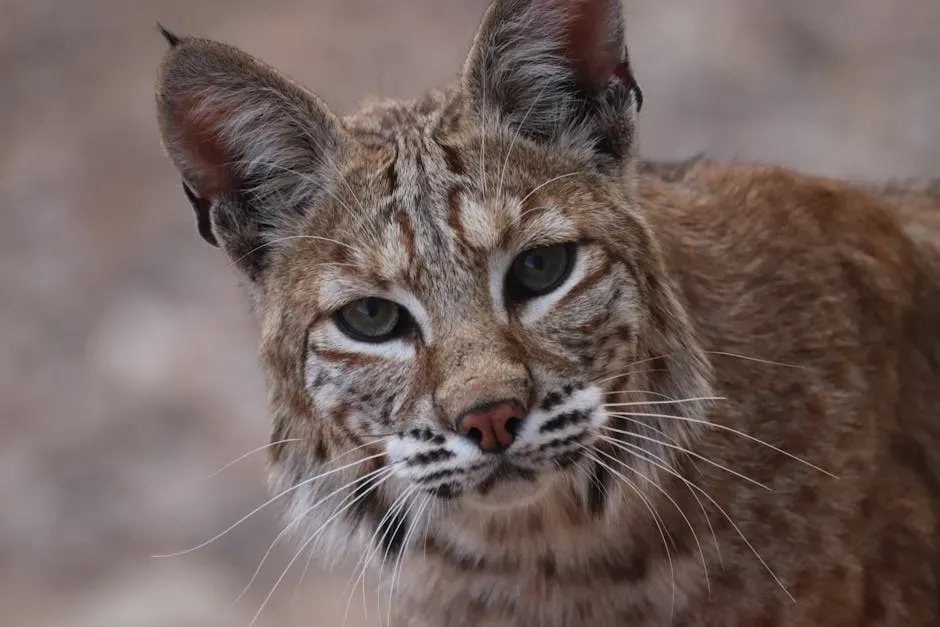
Seattle sits on the edge of vast estuaries and dense forests, and large parts of Seattle border vast estuaries that historically supported rich ecosystems. This geographic reality means wildlife has always had a doorway into the city. The Urban Carnivore Project tracks wildlife in the Seattle area to help residents and local leaders understand their animal neighbors – and the project has turned up coyote sightings in nearly every neighborhood, along with reports of bobcats, mountain lions, and bears. Every neighborhood. Let that sink in.
The Urban Carnivore Project team continues to collect data with a network of camera traps and citizen reports, building one of the most detailed pictures of urban wildlife behavior in the country. Seattle is among many cities taking a closer look at their animal residents to help them thrive peacefully alongside humans, with officials working to increase green space and educate residents about living alongside wild animals. Dog owners in Seattle should pay extra attention in forested park areas. Bobcats, while rarely aggressive, can be provoked if a dog charges toward them. Keep dogs on leash, carry bear spray in wilder trail areas, and look for signs of wildlife activity before letting dogs off-leash in designated areas.
6. Denver, Colorado: Beavers in the Creek and Hummingbirds in Your Garden
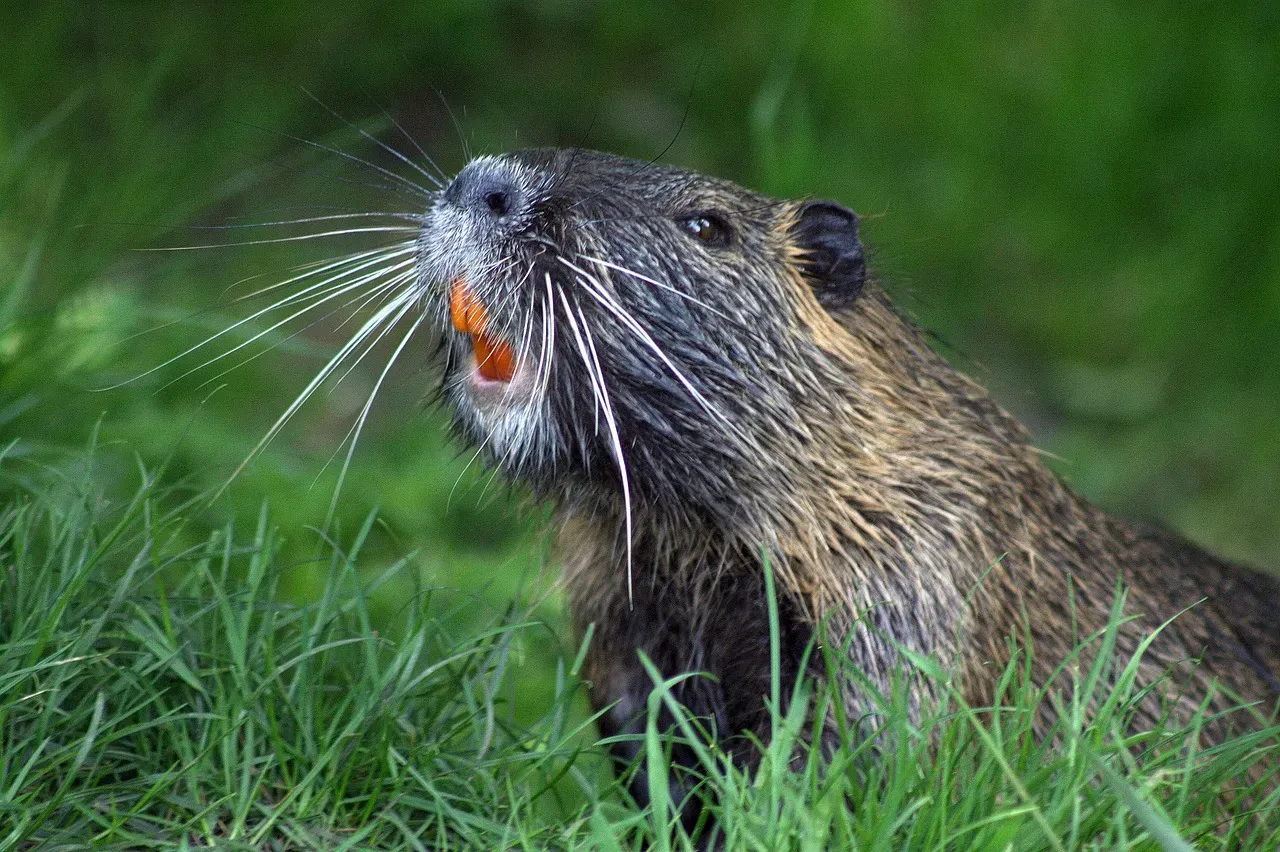
Denver is a city of outdoor lovers, and it turns out the wildlife shares that enthusiasm. Beavers are making surprising comebacks in American cities, with colonies established in urban waterways from Chicago to Portland, building dams and lodges just as they would in wilderness areas. Walking along a creek near downtown Denver, you can discover a beaver lodge tucked against the bank – these natural engineers don’t seem bothered by nearby traffic noise or pedestrians. Wild, right?
From late April onwards, Denver is a hub for hummingbirds, with 11 species returning to the city after wintering in Mexico and Central America, including the broad-tailed, rufous, and black-chinned hummingbirds. Foxes in Denver show greater diurnal activity compared to their eastern counterparts, meaning you are more likely to spot one in daylight here than in other cities. For dog owners, beavers are not typically a threat, but dogs who love water should be monitored near urban creeks. Beaver activity changes water levels and can affect bank stability. And fox encounters, while usually peaceful, should prompt owners to check that their dogs are up to date on rabies vaccinations.
7. Portland, Oregon: Where Wildlife Has 300 Species and a Forest Inside the City
Portland is a city that genuinely seems to embrace its wild side. With around 300 species of fish and wildlife, Portland is a great city to see critters big and small, and Forest Park is the place to head to spot woodpeckers, bees, and the red-spotted garter snake. In September, Vaux’s swifts gather to roost for the night inside the chimney of Chapman Elementary School in northwest Portland before travelling south for the winter – and thousands of residents show up to watch. It has become a community ritual. Something about it is deeply human and beautiful.
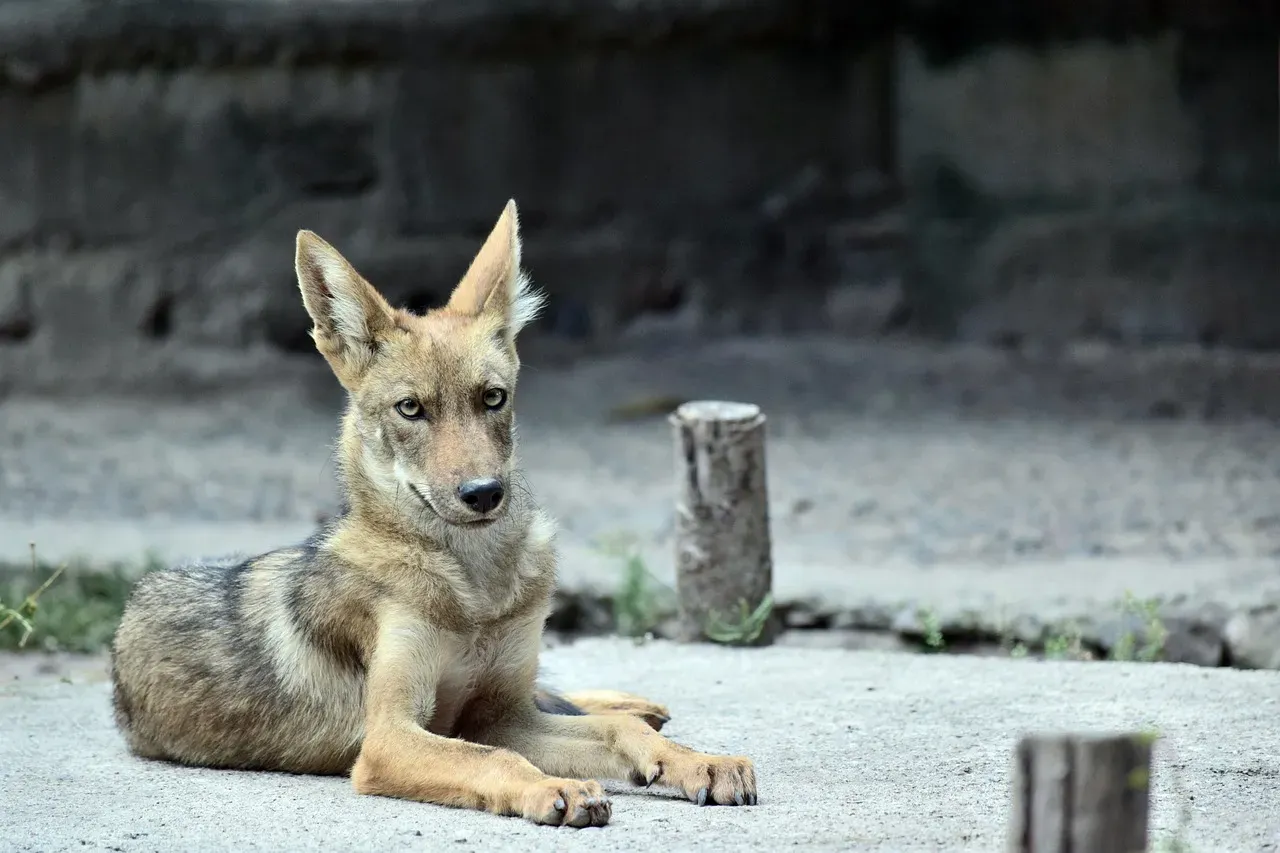
A coyote finds Portland, Oregon a perfectly good habitat, and they are a consistent presence in parks and greenways. National wildlife refuges in the Portland-Vancouver metro area are working with local communities on large-scale habitat restoration to ease flooding, capturing storm water runoff while maintaining habitat for native wildlife species. Dog owners in Portland should be especially alert in and around Forest Park, which functions essentially as a wildlife corridor. Keep dogs on marked trails, be vocal while hiking to avoid surprising wildlife, and always have a recall command your dog knows reliably. A dog that chases a deer into thick brush in an 8-mile forest park can be a frightening situation.
8. Miami, Florida: Alligators, Raccoons, and Wildlife That Means Business
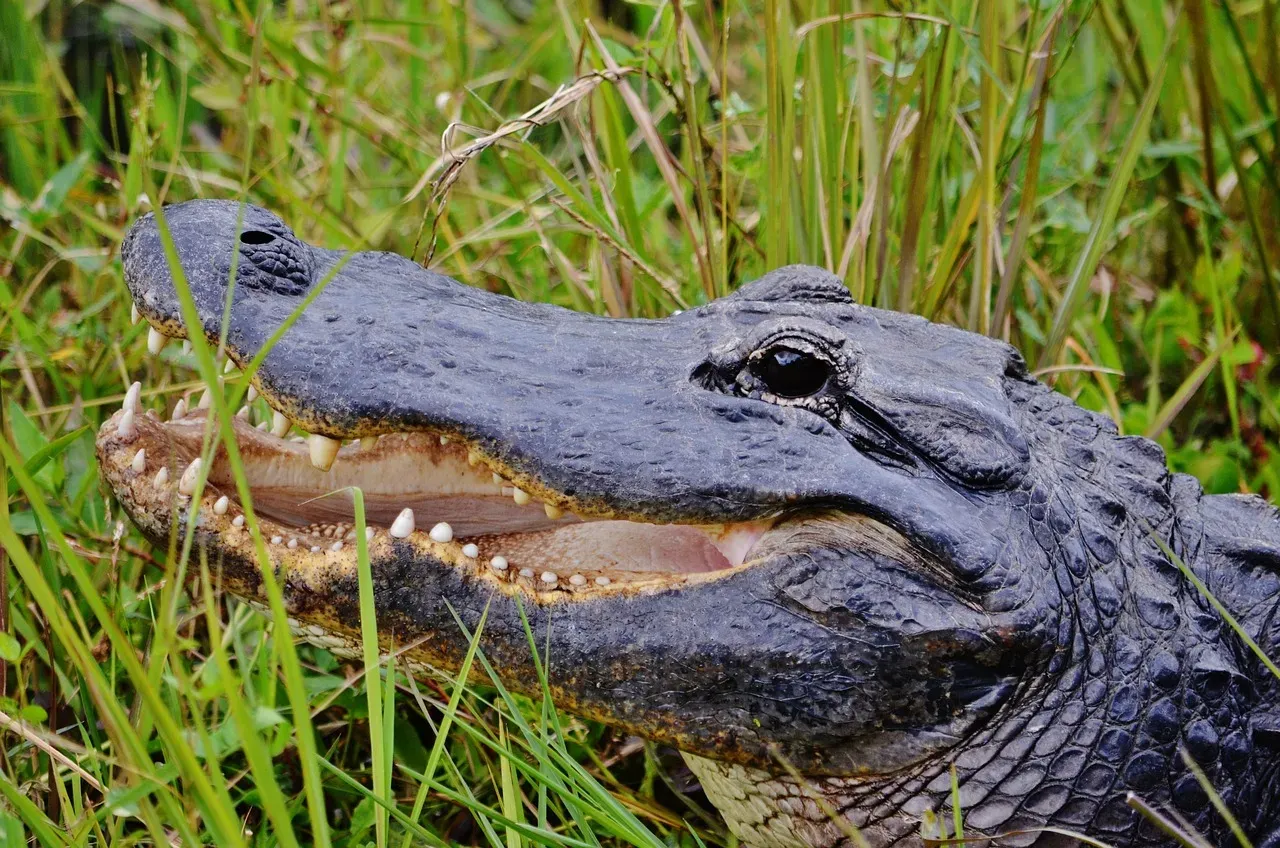
Miami is warm, vibrant, and home to some of the most genuinely dangerous urban wildlife in the United States. Alligators bounced back from near extinction to populate creeks and ponds from Miami to Memphis. Just an hour from Miami’s neon glow, Shark Valley in the Everglades is teeming with life, with alligators basking along canal banks sometimes so close you can count their teeth. This is not metaphorical proximity – alligators are genuinely present in suburban ponds, golf course water hazards, and neighborhood retention lakes throughout the Miami area.
For dog owners in Miami, this is serious. Dogs should never be allowed near the edge of any still body of water in Florida – ponds, canals, retention lakes – especially at dusk and dawn when alligators are most active. Alligators are ambush predators and move with explosive speed. Many tragic pet losses in Florida involve owners who were unaware of this danger. Most urban wildlife is not dangerous if left undisturbed, but alligators are an exception that demands active prevention. Beyond gators, raccoon encounters in Miami are almost daily. Secure trash, never feed wildlife, and keep your yard clear of food attractants to reduce contact.
9. Washington, D.C.: Foxes Near the Capitol and Deer on the Mall
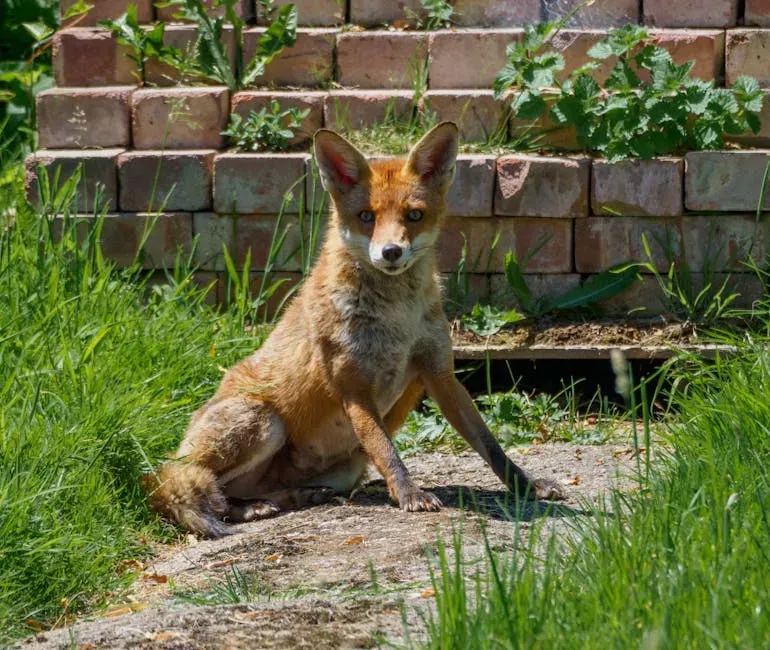
The nation’s capital is, perhaps unexpectedly, a genuinely thriving urban wildlife habitat. Large parts of Washington, D.C. rest atop former wetlands, which creates natural ecological memory in the landscape. Research indicates significant growth in urban fox populations in metropolitan areas like Washington, D.C., Chicago, Los Angeles, and Denver. Foxes have been spotted in Rock Creek Park, near the National Cathedral, and even in residential neighborhoods across the capital region.
In northeastern cities like Washington and New York, urban foxes display highly nocturnal patterns and have become expert navigators of fragmented green spaces, utilizing cemetery grounds, golf courses, and waterway corridors as core habitat. For dog owners in D.C., Rock Creek Park is a gem for walks, but it is also an active wildlife corridor. Canine distemper and parvovirus can spread from domestic dogs to fox populations, which is a sobering reminder that keeping your dog vaccinated protects not just your pet but the wild animals sharing your city. Carry waste bags, respect wildlife boundaries, and treat every park encounter as a privilege, not a given.
What This All Means for You and Your Dog
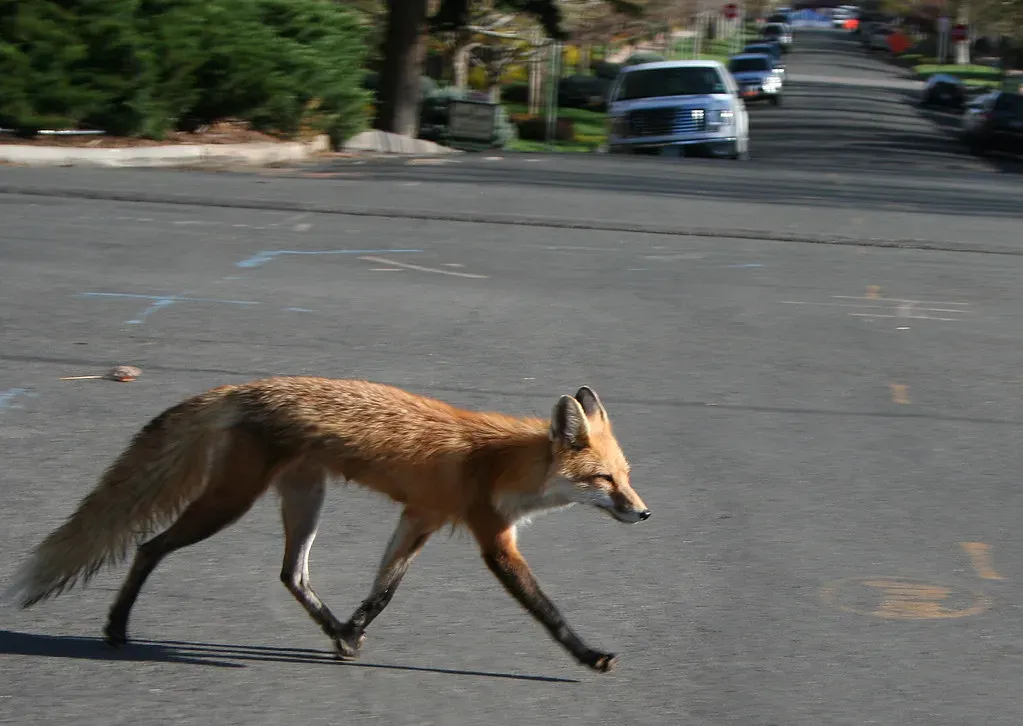
Here’s the takeaway, and I say this as someone who genuinely loves both dogs and wildlife: the cities on this list are not becoming more dangerous. They are becoming more alive. The evidence is overwhelming that people and wildlife can not only coexist in growing cities but can thrive together in ways that benefit both human communities and natural ecosystems. That includes your dog. The key is awareness, not fear.
Pets and livestock are often most at risk from interactions with urban wildlife and may require extra precautions to ensure their protection from native predators. So keep vaccinations current. Leash your dog in unfamiliar or wild areas. Never leave food or pet bowls outside overnight. Learn the wildlife patterns of your specific neighborhood, because a Phoenix suburb and a Portland trail have very different inhabitants. According to recent survey data, roughly two thirds of city residents now support policies to protect urban animals, reflecting a powerful shift in attitudes. We are learning, as a culture, to share.
Your dog already knows the wild is out there. Watch their nose on your next walk. They’re telling you something. The question is whether you’re listening. What unexpected wildlife have you encountered in your city with your dog? Tell us in the comments below.
