
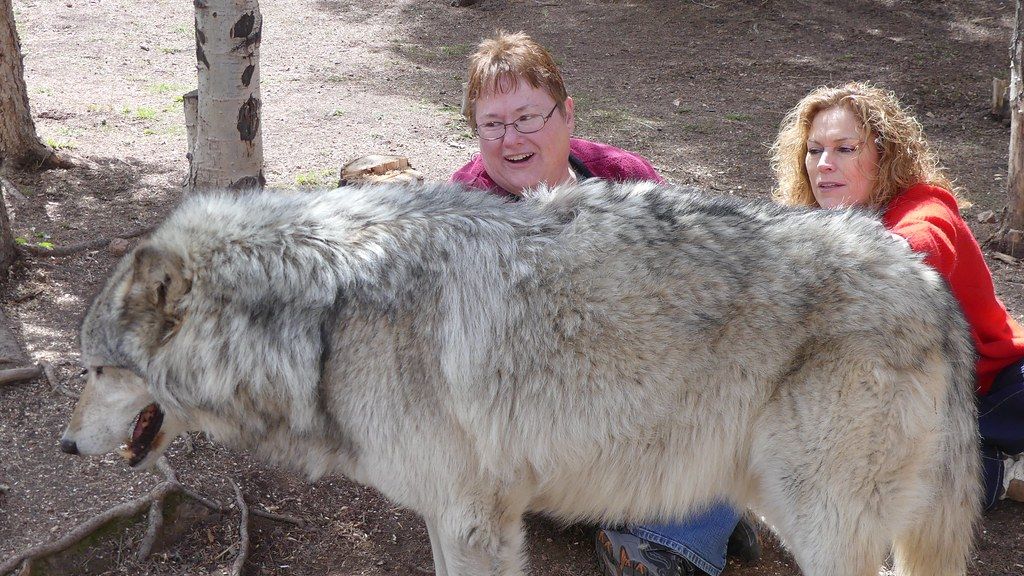
Picture this: you’re settling into your sleeping bag under a blanket of stars when you hear it. A long, haunting howl echoing through the darkness, followed by another, then another. Your heart races as you realize you’re sharing this wilderness with one of nature’s most efficient predators. While wolf attacks are incredibly sporadic events, with only two recorded fatal wolf attacks on humans in the past 100+ years in North America, making critical mistakes in wolf territory can turn a peaceful camping trip into a dangerous situation.
The good news? Most encounters with wolves can be avoided entirely with the right knowledge and preparation. The bad news? Many campers unknowingly make simple yet potentially deadly mistakes that could attract these powerful predators to their campsite. Let’s dive into the expert-backed strategies that could save your life.
Leaving Food and Garbage Unsecured
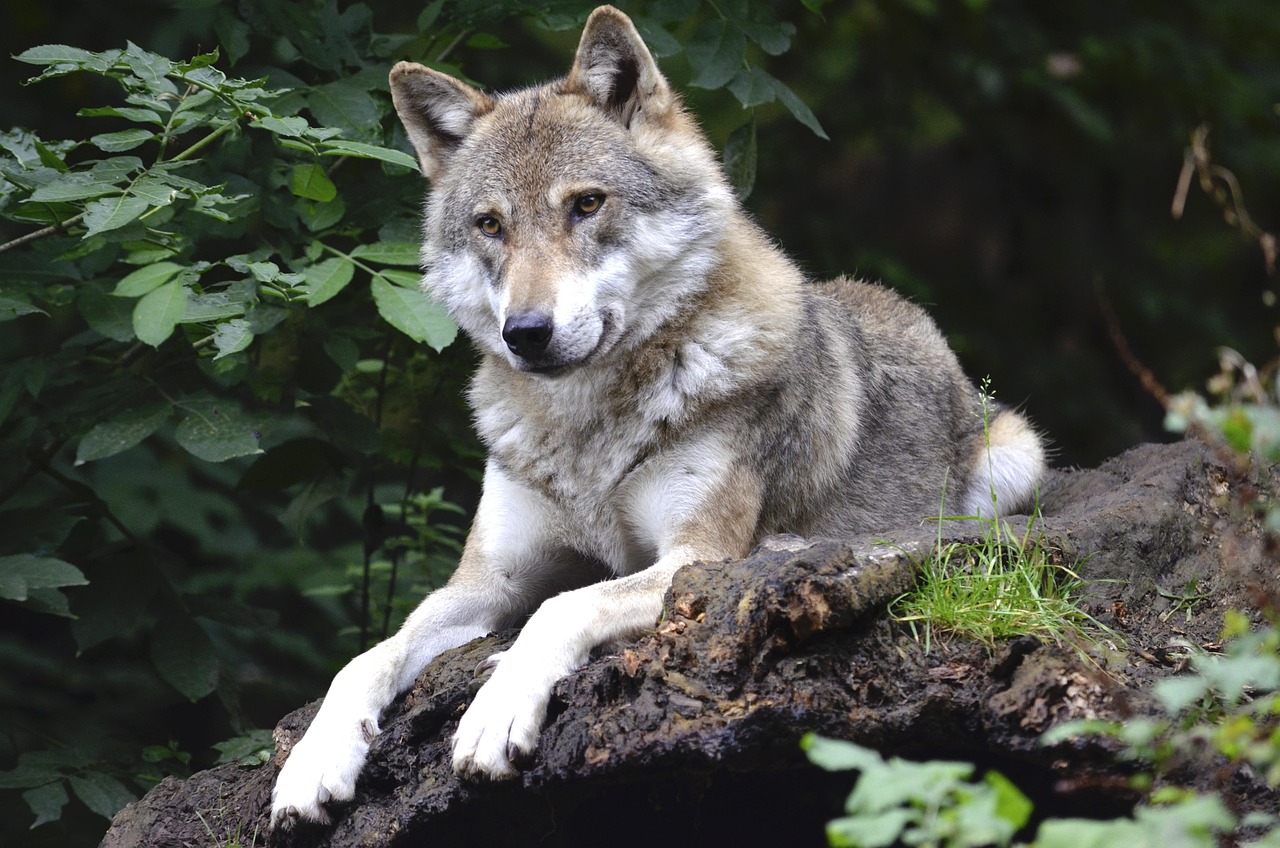
This might seem obvious, yet it’s the mistake that leads to more dangerous wolf encounters than any other. Proper food storage by utilizing bear bags or bear canisters prevents scraps or unsecured food from attracting wolves to campsites, which dramatically increases the risk of negative interactions.
Wolves have a superb sense of smell and will notice if you leave your food out overnight or leave your garbage on the trail. Think of it like sending out a dinner invitation you never intended to write. Suspend food and garbage from a tree up high and out of reach, as wolves are more likely to smell your food if left on the floor than if it is suspended out of reach.
Camping Too Close to Fresh Wolf Sign
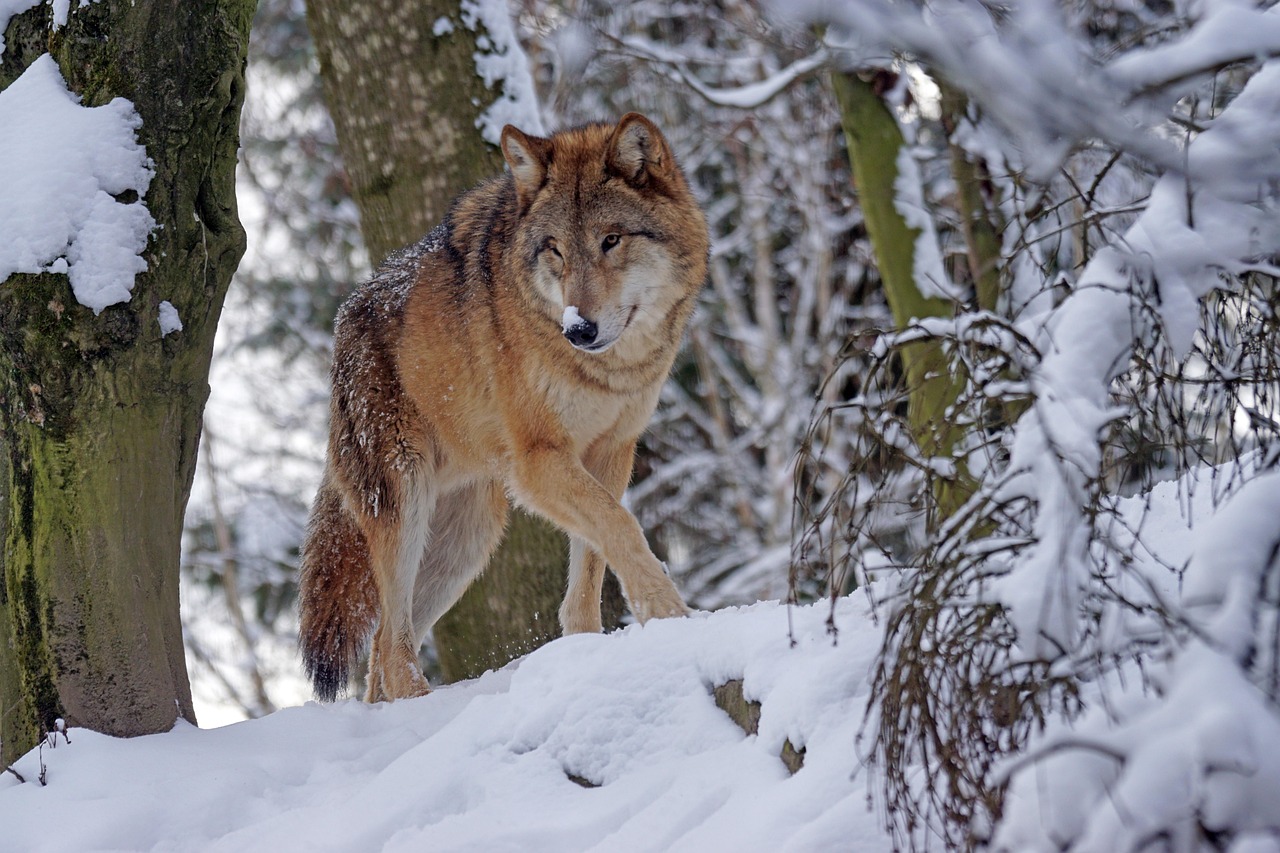
Imagine setting up your tent right in someone’s living room, then wondering why they seem upset. If tracks or scat are fresh, wolves could be nearby, and you should avoid setting up camp near a kill site as this could draw scavengers or lead to territorial aggression.
Smart campers learn to read the landscape like a book. If you see fresh tracks, scat, or signs of a recent kill, move on, as wolves patrol their territory frequently and setting up near their route increases the chances of an encounter.
Bringing Your Dog Without Proper Precautions
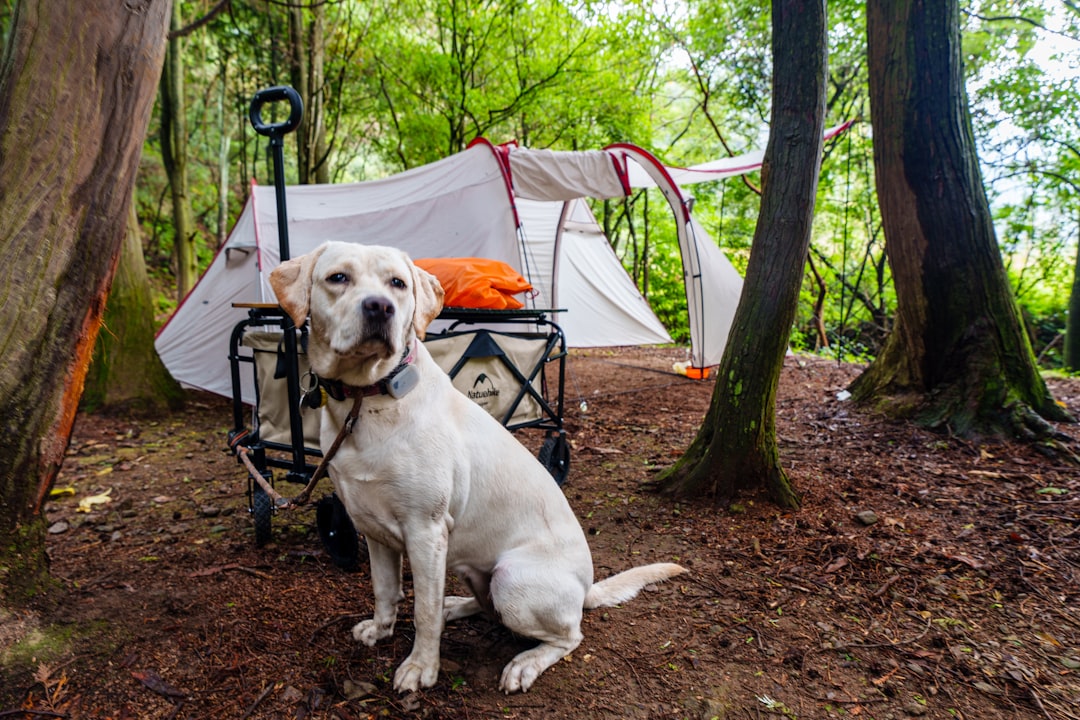
Camping with pets is an additional risk in wolf territory, and the best bet if you’re venturing into areas where wolves are known to be present is to leave your dog at home. However, if you absolutely must bring your furry companion, the rules become non-negotiable.
Always keep dogs on a leash and keep them with you, never leaving them unattended even if they are chained to a stake or tree, as wolves may see them as a threat and attack. Remember, wolves don’t differentiate between pets and wild animals, seeing other canines as competition.
Setting Up Camp in Exposed Areas
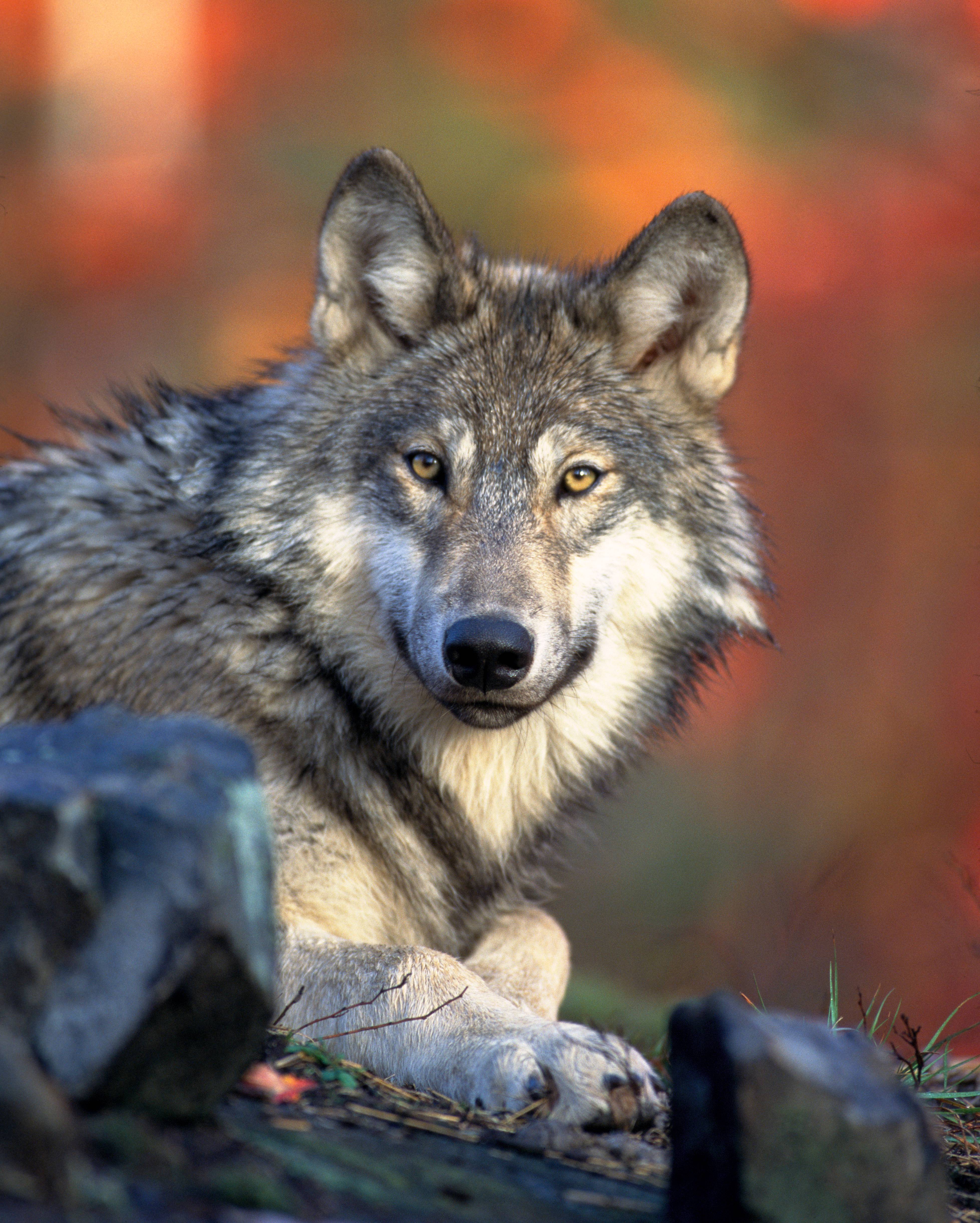
Many campers think wide-open spaces equal safety, but this approach can backfire spectacularly. Instead of avoiding cover altogether, camp near rock outcroppings, thick brush, or trees that create a defensible position to help funnel movement so you can control your surroundings instead of being exposed on all sides.
Think tactically about your campsite placement. Keep sight lines open where possible and choose a spot where you have a good view of approaching areas, especially trails leading into camp.
Traveling Alone or in Small Groups
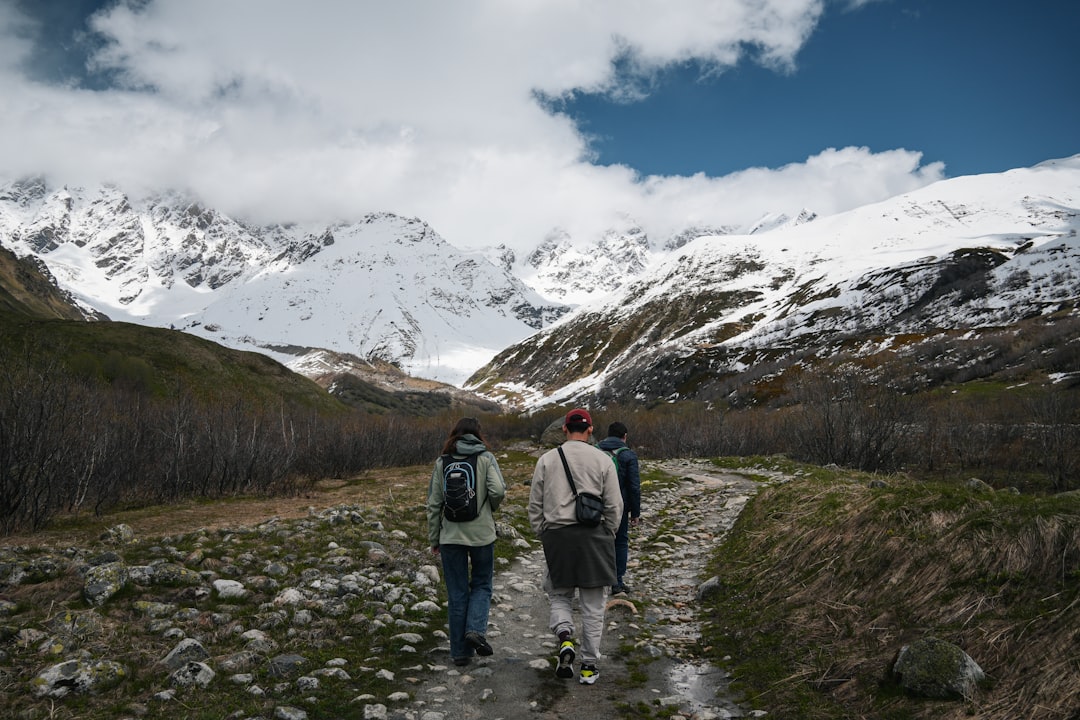
There’s strength in numbers, and wolves understand this better than most humans do. It’s safer to travel with someone else rather than alone, particularly in wolf territory where pack animals respect the presence of other groups.
Hiking or camping in groups helps discourage incidents, as larger groups appear more imposing and minimize risky behavior from habituated or food-conditioned animals. While group size doesn’t change the statistical risk, it provides both safety and peace of mind.
Failing to Supervise Children Properly

Children naturally attract wolves’ attention in ways that adults don’t. Small children are seen as potential prey, and their unpredictable movements can trigger predatory instincts even in normally cautious wolves.
When camping in wilderness areas, travel as a group keeping children comfortably close. Never leave children unattended at campsites, even for brief moments. Wolves may target children as they are not yet big enough to frighten them away like adults are, and they may be too trusting of wolves because they look like dogs.
Approaching or Feeding Wolves
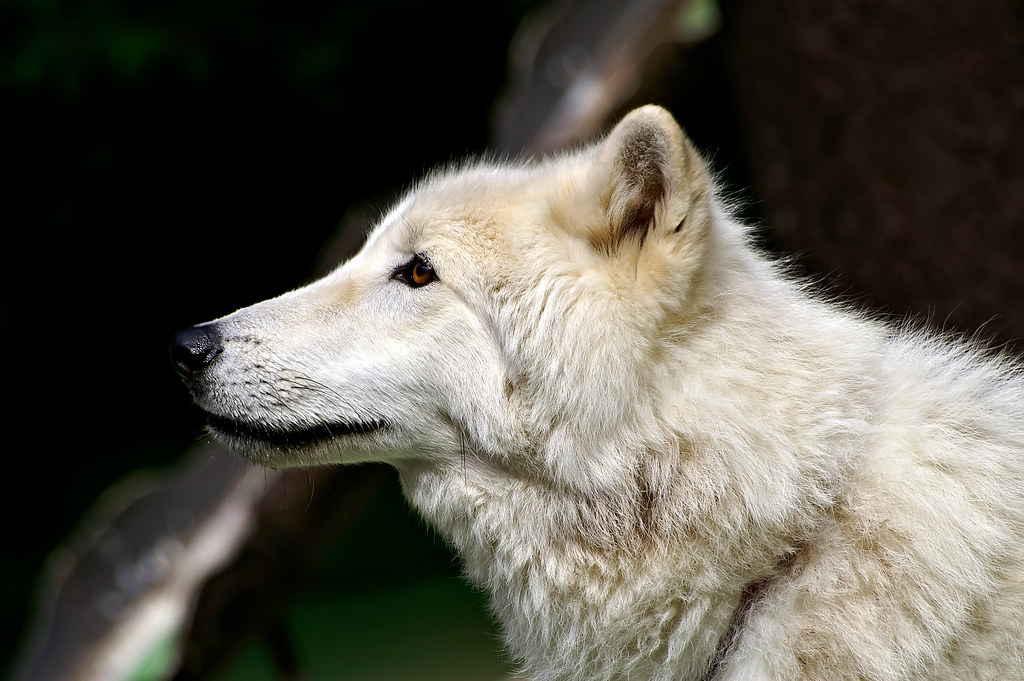
This mistake transforms naturally wary wolves into dangerous problems waiting to happen. Evidence from recent cases of humans being bitten during wild wolf encounters indicates these animals may have been fed by people, thereby losing their natural fear of humans and associating humans with food.
If a wolf is fed by people it begins to expect handouts, and if that wolf approaches a person but gets no food, it can become suddenly aggressive. The lesson? Maintaining natural fear is the best protection for both species.
Ignoring Dawn and Dusk Activity Patterns

Timing matters more than most campers realize. Wolves are most active during dawn and dusk, increasing the chance of an encounter during these critical hours when visibility drops and predator instincts peak.
Winter is actually the safest time, as wolves are more likely to attack in summer when they have hungry pups to feed and food pressure is much greater. Plan your most exposed activities accordingly.
Running When You Encounter a Wolf
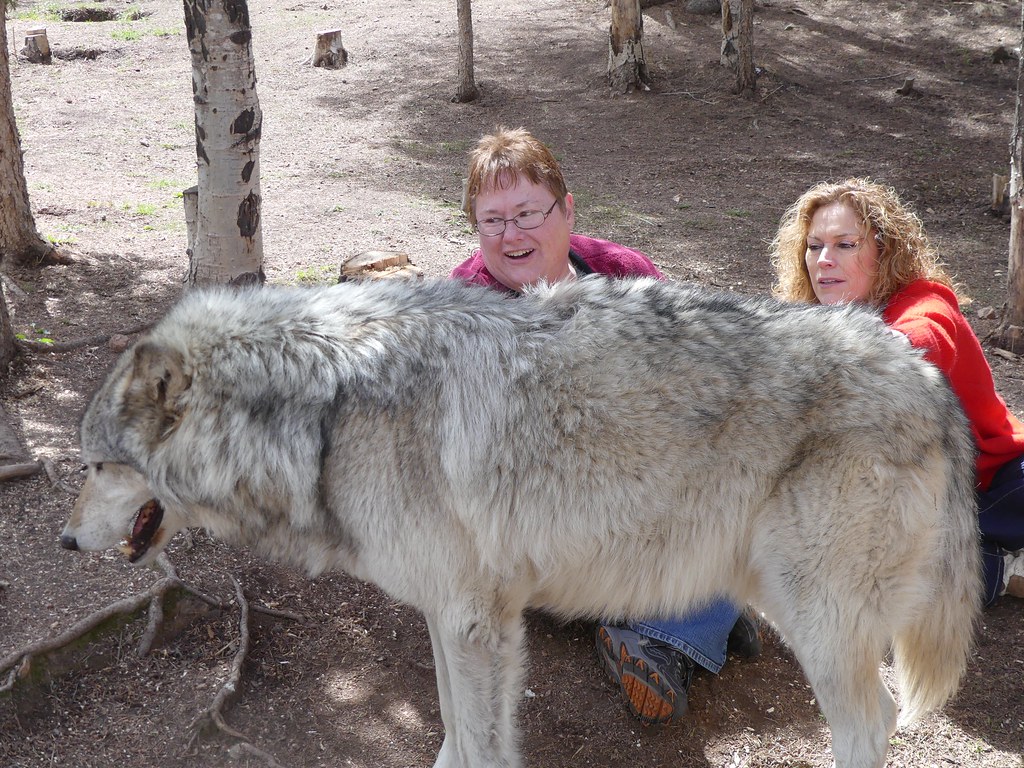
Your fight-or-flight response might literally get you killed in this situation. If wolves do not immediately depart, stand tall and DO NOT RUN. Running triggers every predatory instinct wolves possess.
Running away can stimulate chase instincts, so shouting firmly usually convinces the wolf to disengage, with calling for help and backing away safely ending almost all incidents. Think of yourself as the larger predator in this encounter.
Lack of Proper Safety Equipment
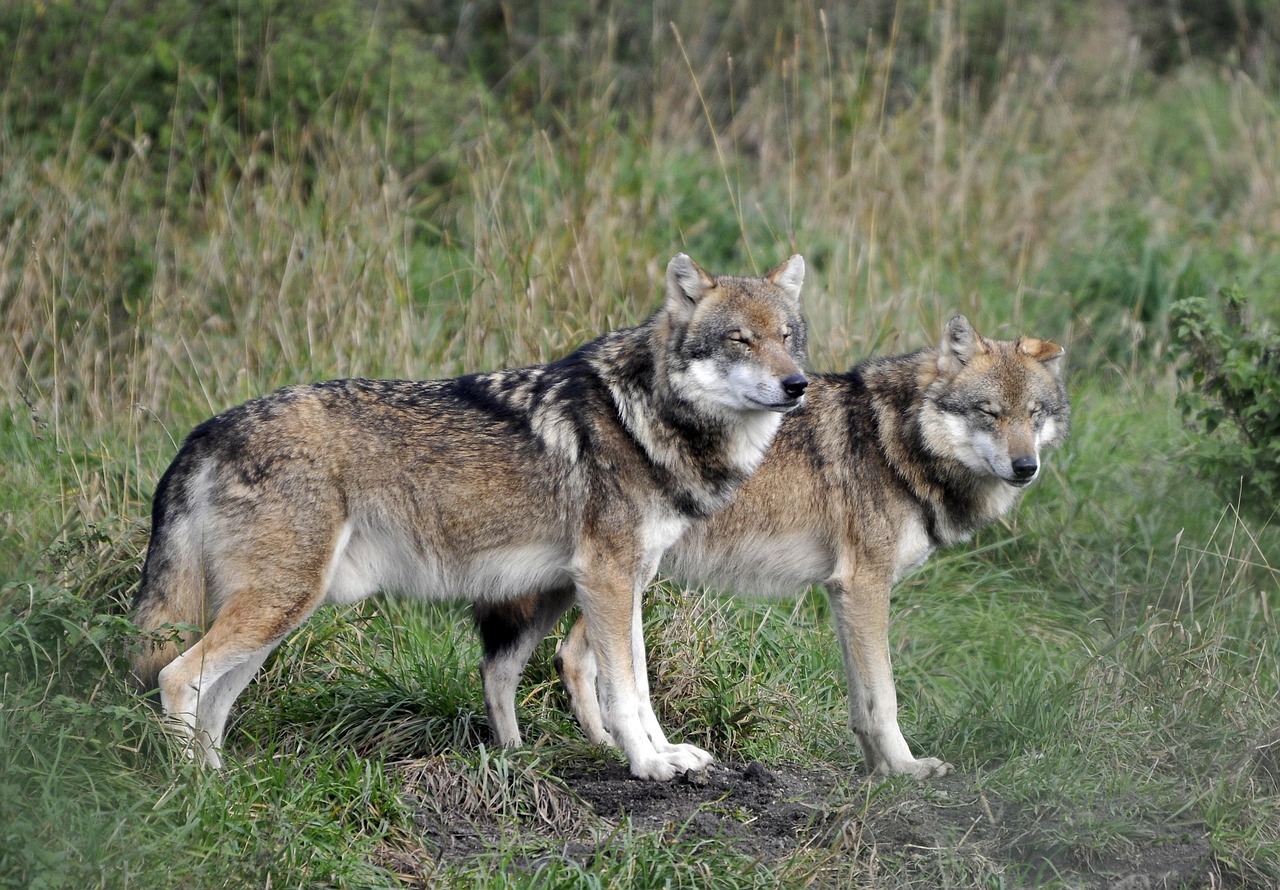
Hope for the best, but prepare for the worst. Experts recommend carrying bear spray, which can be used to deter wolves as well as bears, plus a whistle to make loud noises in case of an encounter.
Noise makers such as air horns may be helpful and should be placed in handy locations if you live in or visit areas that are frequented by wolves. These tools can mean the difference between a close call and a catastrophic encounter.
Conclusion
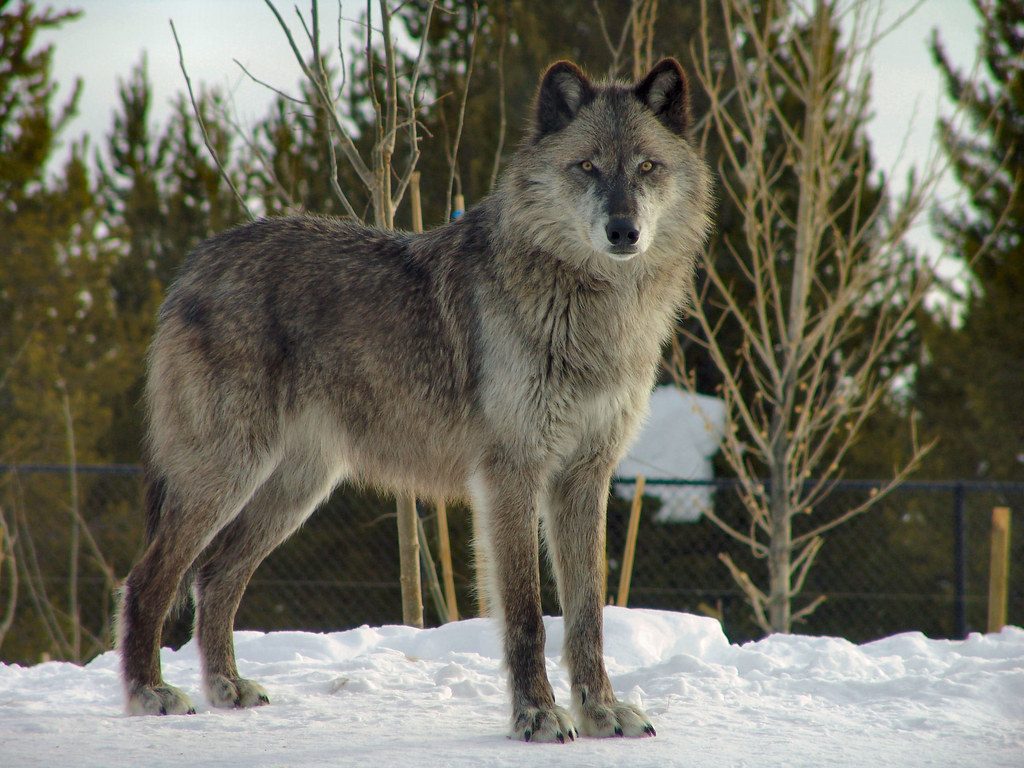
Camping in wolf country doesn’t have to be a terrifying experience. The peril of wolves attacking humans is largely exaggerated, as wolf attacks are incredibly sporadic events considering global wolf populations, with healthy wolves having an innate fear of humans. The key lies in understanding that respect and preparation go hand in hand.
Remember that wolves are intelligent, complex creatures deserving of our respect rather than our fear. By avoiding these ten deadly mistakes, you’re not just protecting yourself, you’re also protecting them from becoming habituated to humans, which ultimately benefits everyone.
What’s your biggest concern about camping in wolf territory? Have you ever had an encounter that taught you something new about sharing the wilderness with these magnificent predators?
