


Climate change is no longer an abstract concept discussed in distant environmental conferences. Its effects are palpably and frequently demonstrated through extreme weather events that are occurring with increasing regularity across the globe. This rise in drastic weather patterns is reshaping communities, ecosystems, and often our day-to-day lives. However, while the impacts can be devastating, they also bring unexpected benefits. Let’s explore how extreme weather is becoming the new normal and consider the good that can sometimes emerge from the bad.
Understanding Extreme Weather

Extreme weather comprises unusual, severe, or unseasonal weather conditions. These can include hurricanes, droughts, floods, heatwaves, and snowstorms. While such events have always been part of Earth’s climate system, their frequency and intensity have increased due to climate change.
The Role of Climate Change

Rising global temperatures, melting ice caps, and increased greenhouse gas emissions play significant roles in altering weather patterns. These factors contribute to warming oceans, which fuel storms, and change atmospheric conditions, leading to more frequent and intense weather events.
Increasing Frequency and Intensity

Studies show that the number of severe weather incidents has escalated over the past few decades. For example, the Atlantic hurricane season has become longer and more destructive, while heatwaves and wildfires have become more widespread.
Impact on Human Populations

Extreme weather affects millions of people worldwide, resulting in loss of life, displacement, and economic turmoil. Communities often have to adapt to these new challenges, which can include building resilient infrastructure and developing more effective response strategies.
Effect on Ecosystems

While damaging, extreme weather events can also stimulate ecosystems’ renewal. For instance, forest fires can lead to the growth of new vegetation by clearing old and dead forest matter. This regenerative aspect helps maintain biodiversity in some ecosystems.
Agricultural Modernization

The unpredictability of weather patterns forces farmers to innovate and modernize agricultural practices. This push towards more sustainable and resilient farming methods can lead to more efficient water usage, improved crop varieties, and advanced technologies.
Technological Advancements

As communities face the challenges posed by extreme weather, technological innovation thrives. We see advancements in weather prediction models, flood defenses, and efficient energy systems like solar and wind power, which reduce dependency on fossil fuels.
Community Resilience and Cooperation

Extreme weather often brings communities together, fostering a cooperative spirit as they rebuild and recover. Shared adversity can lead to stronger bonds and innovative local solutions to future threats.
Policy Change and Awareness

The stark reality of extreme weather has prompted policy changes worldwide. Governments are increasingly recognizing the need for climate adaptation strategies, investing in infrastructure improvements, and pushing for stricter environmental guidelines.
Enhanced Environmental Awareness
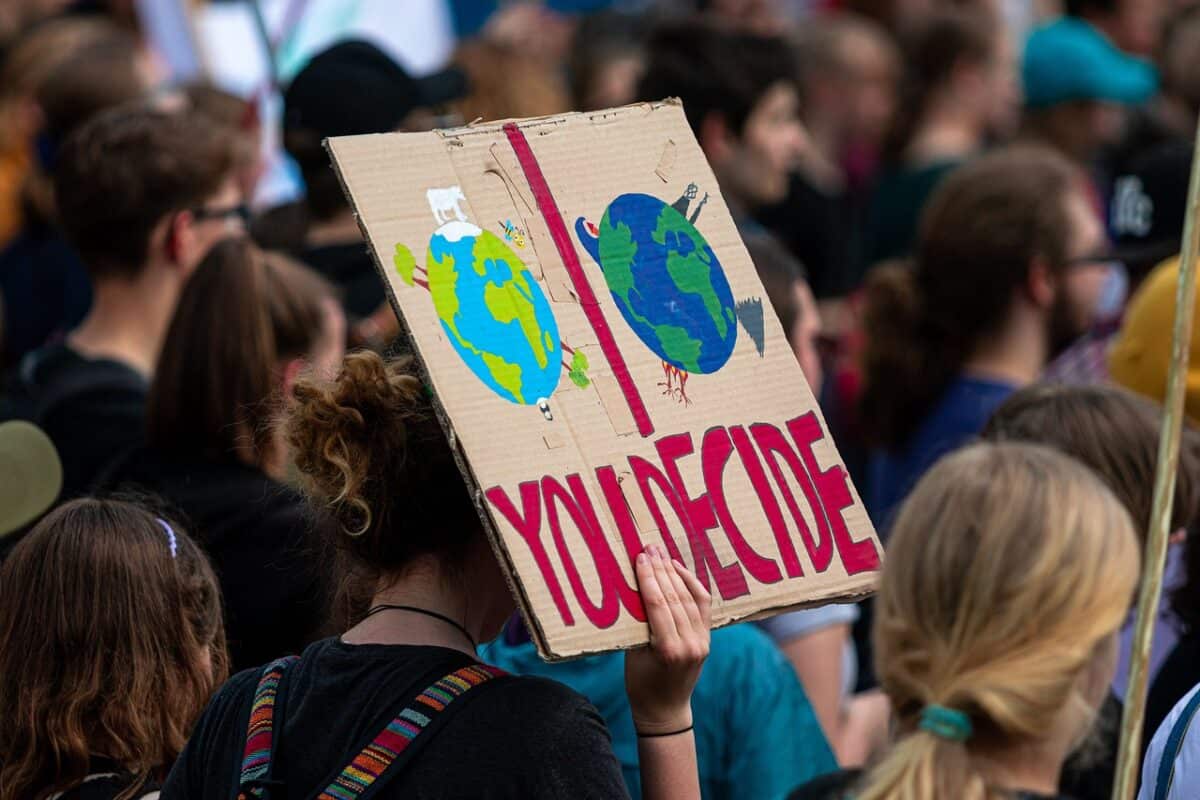
As the world experiences more frequent extreme weather events, public awareness about climate change issues has grown. This consciousness encourages sustainable practices on an individual and organizational level, promoting a more eco-friendly future.
Opportunities for Renewable Energy
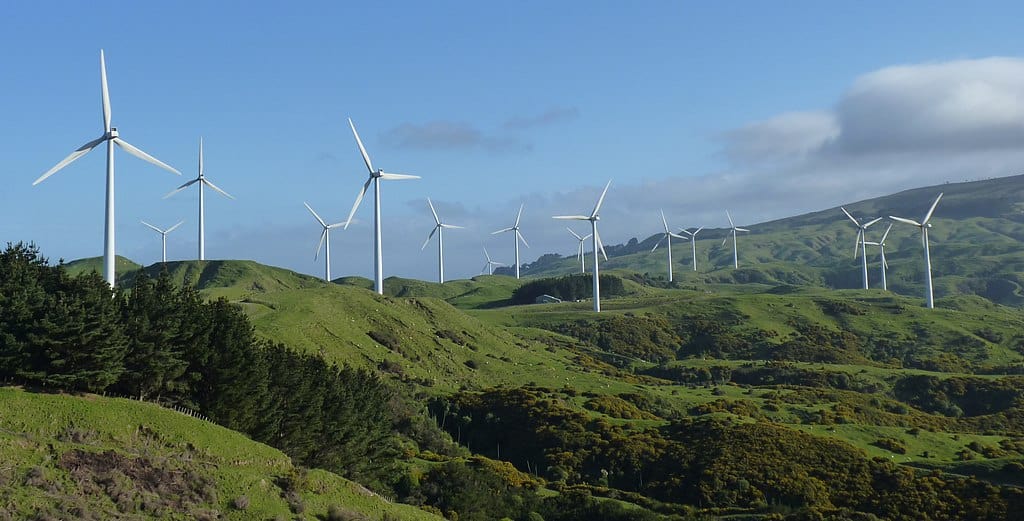
Extreme weather highlights the vulnerabilities of traditional energy systems, pushing the transition towards renewable energy sources. As technology advances, harnessing natural forces such as wind and sunshine becomes increasingly feasible and appealing.
Towards a Future of Adaptation

While extreme weather presents formidable challenges, it also drives adaptation and innovation, paving the way for a future characterized by resilience and sustainability. By fostering an environment where adaptation and mitigation go hand in hand, we can transform what is often perceived as a threat into an opportunity for positive change.
Conclusion: Adapting to Our New Normal

In summary, while extreme weather events pose significant risks and challenges, they also serve as catalysts for progress and innovation. Whether through ushering in technological advancements, stimulating policy changes, or promoting community resilience, the key lies in leveraging these challenges to create a more adaptable and sustainable future. By understanding and harnessing the potential of these events, we can transform the adversities of extreme weather into avenues for positive growth and development.
What are your thoughts on this new normal? Do you think that we still have time to change everything back to the way it was? Comment your thoughts! We’d love to hear from you!

From exploring the marine wonders in the Azores and witnessing the vast savannas of Kenya, to delving deep into the rich biodiversity of South Africa and traversing iconic landscapes in Australia and the US like Yellowstone, Chris's experiences are vast.
With a penchant for diving alongside sharks, the ocean holds a special place in his heart.
Through his academic insights, he champions wildlife conservation, striving with 'Animals Around The Globe' to cultivate a profound connection between humans and animals, enhancing our mutual appreciation.
Connect with him at Feedback@animalsaroundtheglobe.com.
- The Largest Clam Ever Dredged Up From U.S. Waters - July 22, 2026
- How Animated Films Shape What Kids Believe About Animals - July 22, 2026
- The Most Iconic Animals Saved from Extinction in the U.S. - July 22, 2026