

Tigers have prowled through the spiritual landscapes of Eastern cultures for millennia, leaving profound impressions on religious practices, artistic expressions, and philosophical thought. As apex predators with striking beauty and formidable strength, tigers naturally commanded respect and awe, transforming into powerful symbols that transcend their physical existence. Across the diverse tapestry of Eastern traditions—from the mountains of Tibet to the islands of Japan, and from the Siberian forests to the Indian subcontinent—tigers have been venerated as divine messengers, protectors, symbols of power, and spiritual guides. This profound cultural significance continues to influence Eastern spirituality today, creating a rich legacy that helps us understand how these magnificent creatures shaped human consciousness and spiritual development throughout history.
Tigers in Ancient Chinese Cosmology

In traditional Chinese cosmology, the tiger occupies a position of supreme importance as one of the Four Great Guardians or Four Symbols (Si Xiang). Representing the West and the autumn season, the White Tiger (Bai Hu) balances the Azure Dragon of the East in an eternal cosmic dance. This celestial tiger was believed to control the winds and protect against evil spirits, disaster, and bad luck. The tiger’s association with yang energy (masculine principle) made it a counterpoint to the dragon’s yin forces, creating harmony in the universe.
The Chinese zodiac further elevates the tiger’s spiritual significance, designating it as the third animal in the 12-year cycle. People born in the Year of the Tiger are thought to embody the creature’s courage, competitiveness, and unpredictability. The tiger’s image frequently appears in Taoist temples and artwork, where it serves as a guardian against malevolent forces and represents the untamed wilderness that balances civilization. This cosmological importance established the foundation for tiger veneration throughout Chinese history and influenced neighboring cultures’ spiritual perspectives on these magnificent creatures.
Tigers as Divine Mounts in Hindu Tradition

In Hindu spirituality, the tiger serves as the vahana (divine mount) of several significant deities, most notably Goddess Durga, the fierce manifestation of Shakti and divine feminine energy. Depicted riding a tiger into battle against demons, Durga’s association with the predator emphasizes her role as a warrior goddess who combines beauty with tremendous power. This iconic image represents the triumph of good over evil and divine feminine strength over chaotic forces. The tiger, as her companion, symbolizes unlimited power and the ability to overcome fear.
Beyond Durga, Lord Ayyappa (a synthesis of Shiva and Vishnu) is sometimes depicted riding a tiger, while Goddess Parvati occasionally appears with a tiger skin or accompanied by the majestic cat. In these contexts, the tiger represents raw, untamed natural power that has been harnessed for divine purposes. Hindu mythological narratives frequently feature tigers as representatives of primal energy that, when properly channeled, can lead to spiritual enlightenment. This perspective creates a unique spiritual framework where the tiger embodies both the dangerous aspects of nature and the potential for transformation through divine connection.
Buddhist Symbolism and Tiger Tales
Buddhism incorporates tigers into its rich symbolic language across multiple traditions. In Tibetan Buddhism, the tiger is one of the Four Dignities (alongside the snow lion, garuda, and dragon), representing confidence and disciplined awareness. Tiger skins appear in religious iconography as meditation seats for tantric deities and yogis, symbolizing the transformation of fierce emotions into enlightened awareness. This visual tradition emphasizes how even the most dangerous natural forces can be transcended through spiritual practice.
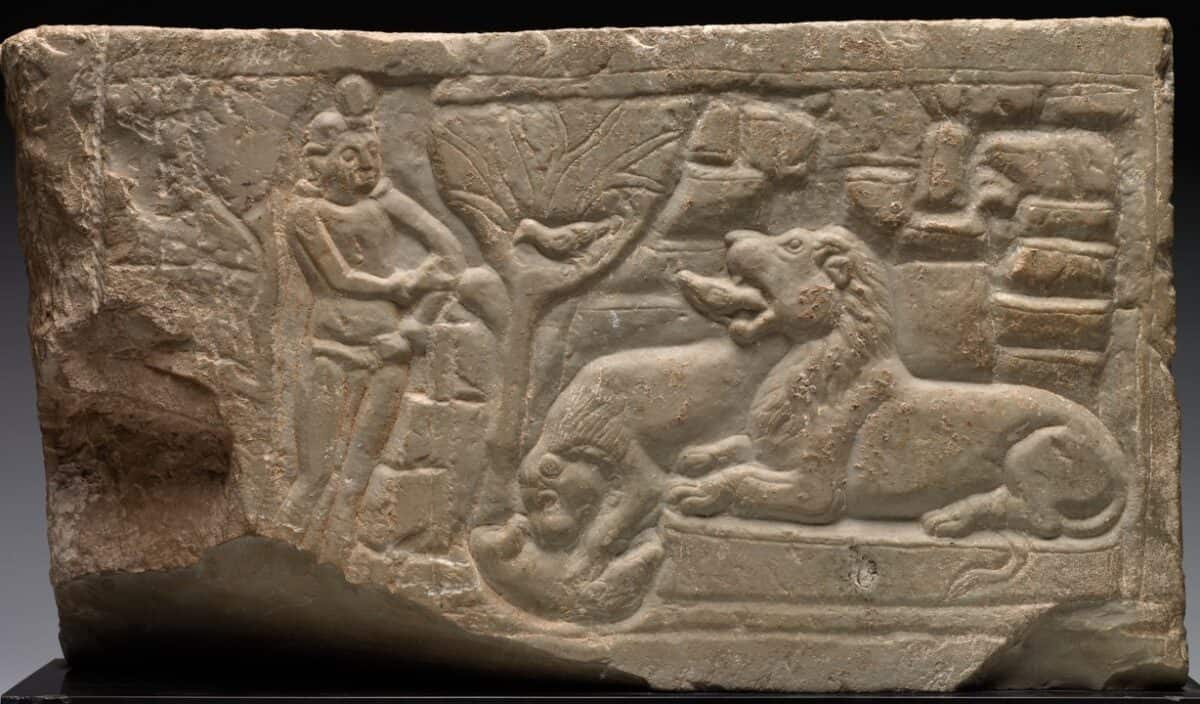
Buddhist Jataka tales, which recount the Buddha’s previous lives, feature stories where he incarnated as a self-sacrificing tiger or encountered tigers during his spiritual journey. One famous narrative describes the Buddha offering his body to feed a starving tigress and her cubs, demonstrating the paramount importance of compassion and self-sacrifice. In Zen Buddhism, tigers appear in koans (paradoxical riddles) and paintings that challenge practitioners to transcend dualistic thinking. The tiger thus becomes a multifaceted spiritual symbol throughout Buddhist traditions, representing both obstacles to overcome and the transformed awareness that emerges through practice.
Tigers in Korean Shamanism and Folk Religion

In Korean spiritual traditions, the tiger occupies a distinctive position as both a mountain god (San-shin) and a messenger between the human and divine realms. San-shin is frequently depicted as an elderly man accompanied by a tiger, representing the unity between human wisdom and natural power. Traditional Korean shamanism (Muism) features tiger spirits prominently in rituals designed to communicate with ancestors and other supernatural beings. These practices reflect the tiger’s perceived ability to traverse different worlds and carry messages between them.
Korean folklore abounds with tiger tales that reveal the creature’s spiritual significance. Unlike in some traditions where tigers are purely fearsome, Korean stories often portray them with human-like qualities—sometimes threatening, other times benevolent or even comical. The famous folk painting style of “hojakdo” (tiger and magpie) depicts tigers alongside magpies, symbolizing the harmony between power and good fortune. During lunar new year celebrations, tiger masks and dances are performed to ward off evil spirits and usher in protection for the community. This rich cultural heritage establishes the tiger as a multifaceted spiritual entity deeply embedded in Korean identity and religious practice.
Japanese Tiger Symbolism Despite Geographic Absence
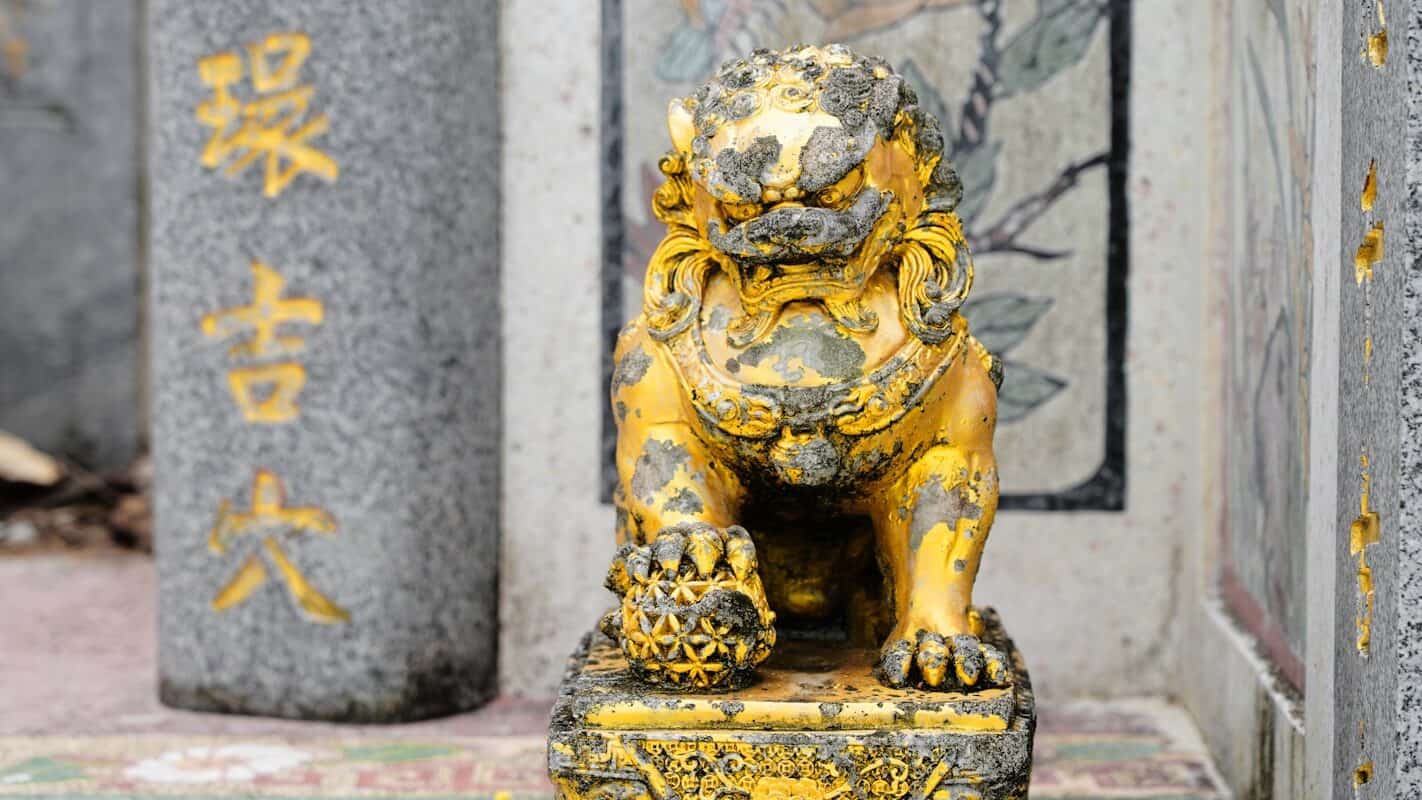
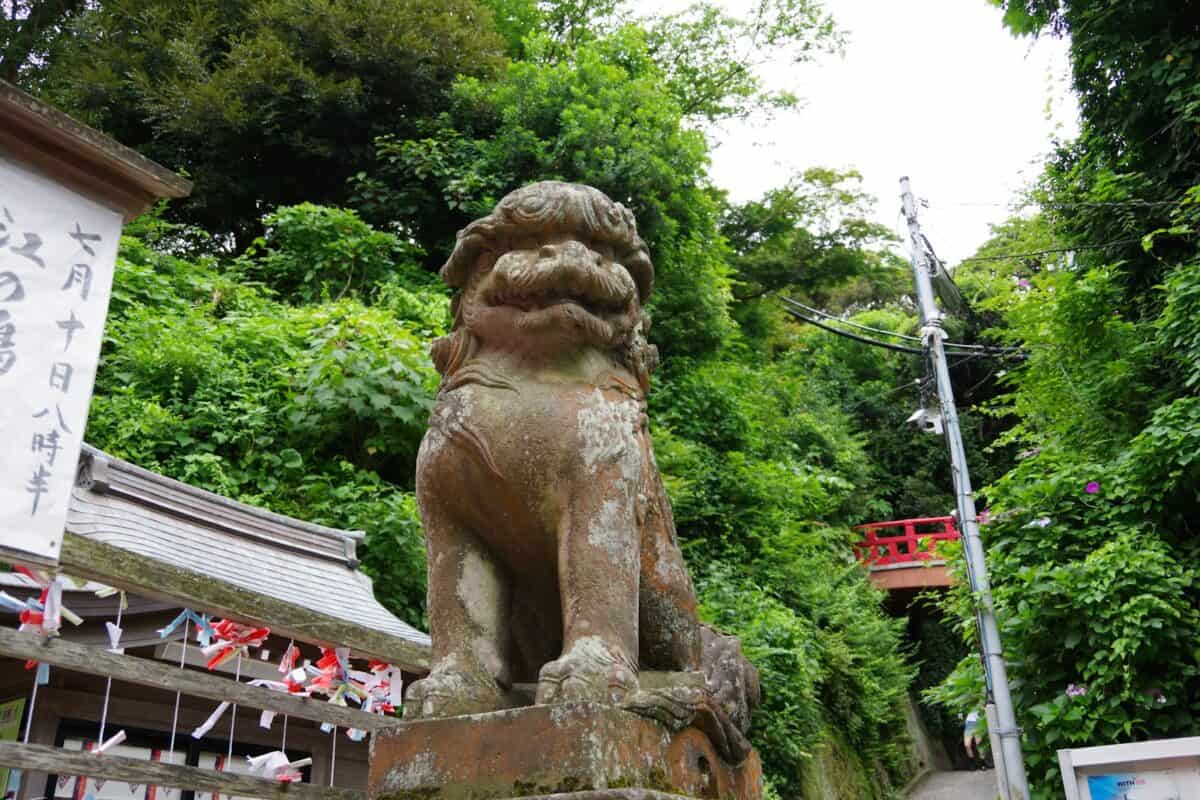
Intriguingly, although tigers never inhabited the Japanese archipelago, they hold significant spiritual importance in Japanese culture, primarily through influence from Chinese traditions. In Japanese Buddhism and Shinto practices, tiger imagery appears in temple guardian statues, painted screens, and religious artwork. The creatures are revered as protectors against evil spirits, disease, and disasters—particularly against the threat of fire, as they were believed to summon rain with their roars.
Japanese art frequently depicts tigers alongside bamboo, creating a symbolic pairing that represents the balance between strength and flexibility. Martial arts traditions incorporate tiger-inspired movements and philosophies, emphasizing the combination of fierce power with disciplined control. During the Year of the Tiger in the zodiac cycle, Japanese communities create special talismans and artwork featuring tigers to invite protection and good fortune. This cultural adoption of tiger symbolism despite the animal’s physical absence demonstrates how spiritual significance can transcend geographical limitations, creating profound connections through shared mythological understanding.
Siberian Tiger Worship Among Indigenous Peoples

Indigenous communities of the Russian Far East, particularly the Udege, Nanai, and Evenki peoples, developed profound spiritual relationships with the Siberian (Amur) tiger that shaped their entire cosmology. These groups regarded the tiger as their ancestor and protector, believing that tigers contained the souls of their shamans and departed relatives. This spiritual kinship established complex taboos around tiger hunting—killing a tiger was considered equivalent to killing a human being, except in ritualized circumstances where the hunt became a sacred act of communication between worlds.
Shamanic practices in these traditions often involved tiger spirits as guides during trance journeys to other realms. Tiger parts—including claws, whiskers, and bones—were treasured as powerful talismans with healing properties and the ability to ward off evil. Traditional stories depicted tigers as judges of human moral behavior who punished wrongdoing while protecting the virtuous. This spiritual framework created a relationship of mutual respect rather than mere worship, establishing an ecological ethic where humans and tigers were seen as interdependent spiritual beings sharing the same ancestral forest landscape.
Tigers in Southeast Asian Spirit Beliefs

Across Southeast Asia, from Myanmar to Vietnam and throughout the Malay Peninsula, tigers feature prominently in traditional animistic beliefs and spiritual practices. Many indigenous communities believe in were-tigers—humans who can transform into tigers and vice versa—representing the permeable boundary between human and animal realms. These shape-shifters often serve as guardians of the forest, punishing those who violate natural laws or harvesting rituals. In some traditions, powerful shamans were believed to transform into tigers after death, continuing their protective role from the spirit world.
Throughout the region, tigers are associated with ancestral spirits who maintain oversight of tribal lands and traditions. In Malaysian and Indonesian spiritual beliefs, tigers sometimes serve as vehicles for particular spirits or as manifestations of specific ancestors watching over their descendants. Village shamans conduct ceremonies to communicate with tiger spirits for healing, divination, and protection. Many communities maintain sacred groves where tiger spirits are believed to dwell, creating physical spaces that honor the spiritual connection between humans and these magnificent predators. These living traditions demonstrate how tiger spirituality remains active in contemporary practice rather than merely existing as historical mythology.
Tiger Symbolism in Tantric Traditions
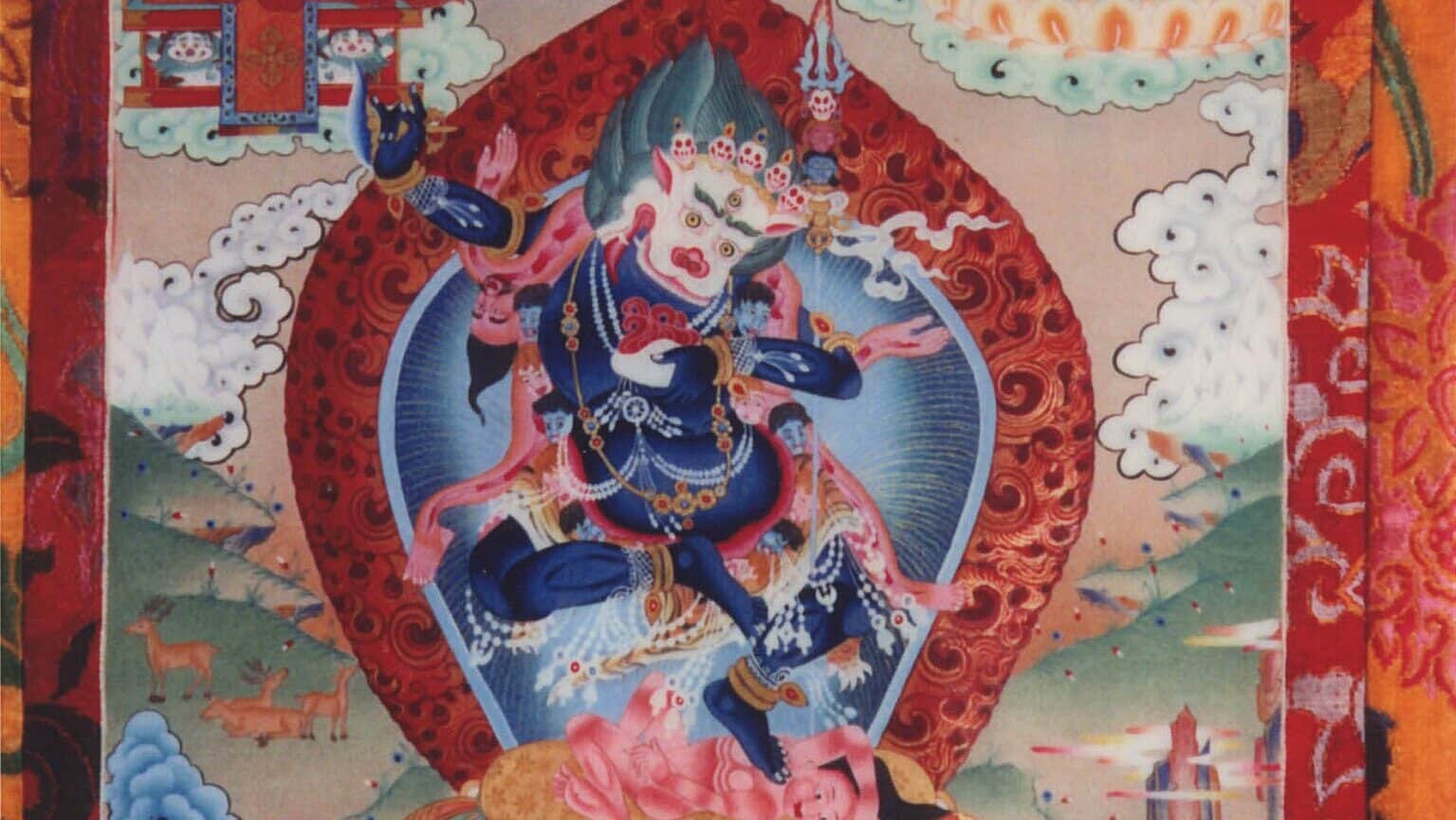
Within the esoteric practices of Tantric Hinduism and Buddhism, tigers hold special significance as symbols of transformed energy and spiritual power. Tantric deities like Dakinis (female enlightened beings) are often depicted wearing tiger skin skirts, representing their triumph over obstacles and ignorance. The fierce goddess Simhamukha appears with a tiger-striped body, embodying protective rage that guards practitioners on their spiritual journey. These iconographic elements communicate the Tantric principle that even the most dangerous forces can be transmuted into enlightened awareness.
Tantric meditation practices sometimes involve visualization of tiger attributes or energy as a means of cultivating courage and overcoming obstacles on the spiritual path. Advanced yogic practitioners may wear tiger skins during certain rituals, symbolically adopting the animal’s power while simultaneously transcending identification with physical form. The tiger’s solitary nature, fearlessness, and mastery of its domain made it an apt metaphor for the tantric practitioner who moves beyond conventional limitations. This sophisticated symbolic language establishes the tiger as a vehicle for spiritual transformation rather than merely an object of worship or fear.
Tigers in Eastern Medicinal Traditions

Throughout Eastern cultures, tigers have occupied a significant place in traditional medicine systems, creating a complex intersection between spiritual beliefs and healing practices. In Traditional Chinese Medicine (TCM), various tiger parts—including bones, whiskers, teeth, and claws—were incorporated into remedies believed to treat ailments ranging from rheumatism to epilepsy and weakness. These medicinal uses were directly connected to spiritual beliefs about the tiger’s vitality, strength, and power being transferable to humans through consumption or contact.
The spiritual dimensions of tiger medicine extended beyond physical healing to include psychological and energetic treatments. Tiger amulets and talismans were prescribed to ward off nightmares, strengthen courage, and protect against evil influences. In some traditions, shamanic healers would channel tiger spirits during healing ceremonies, drawing upon their perceived power to diagnose illnesses and remove spiritual blockages. While contemporary conservation ethics rightfully challenge the use of tiger parts in medicine, understanding these historical practices helps illuminate how deeply tigers were integrated into holistic Eastern approaches to health that connected physical, emotional, and spiritual dimensions of human experience.
Royal Tiger Symbolism and Divine Kingship
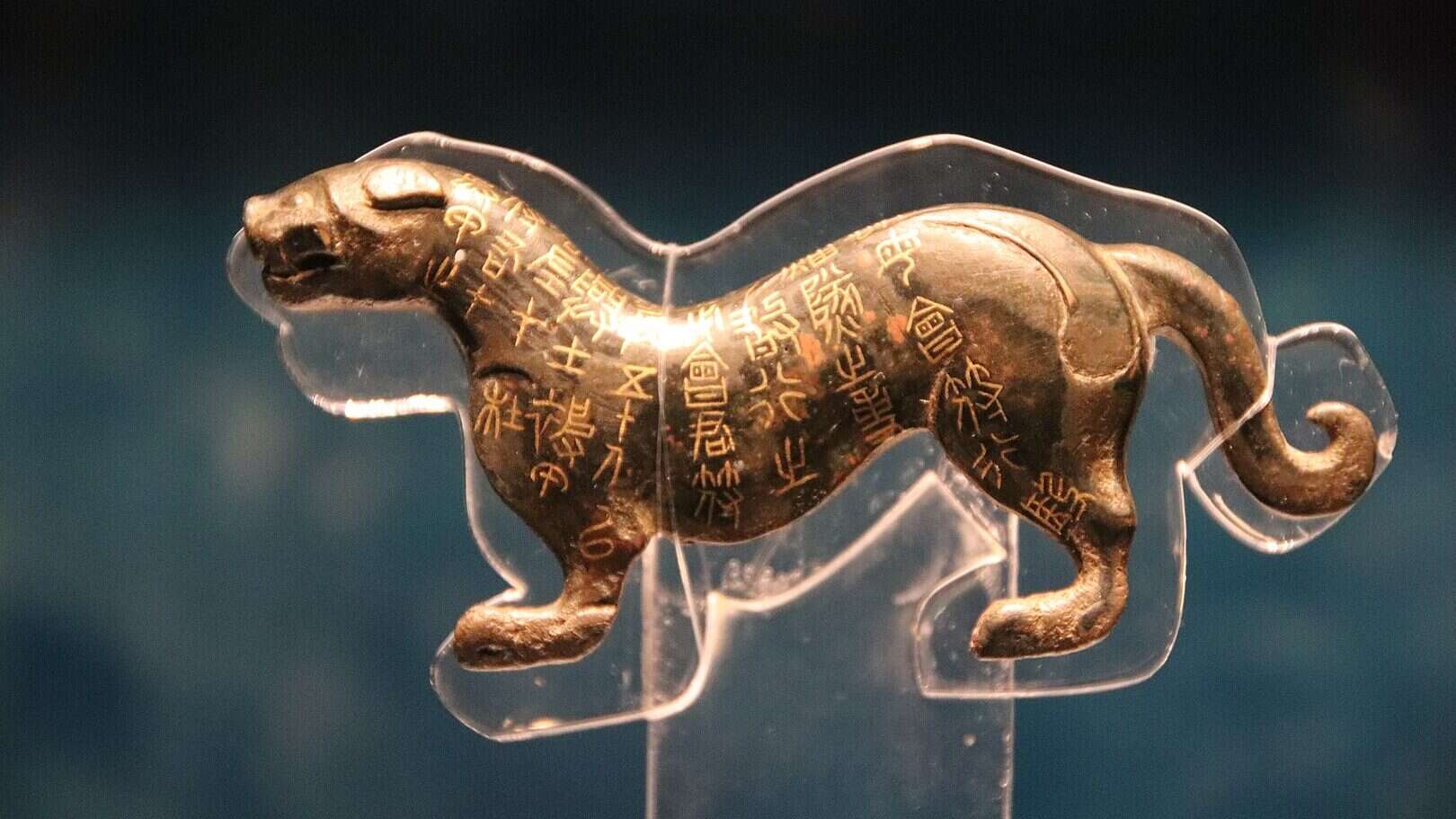
Across numerous Eastern cultures, tigers served as powerful symbols of royal authority and divine kingship. In ancient China, Korea, and Southeast Asian kingdoms, only royalty could hunt tigers or display tiger skins and parts, creating a symbolic connection between the ruler’s power and the predator’s dominance. The concept of the “Tiger General” in Chinese imperial tradition designated exceptional military leaders who embodied tiger-like courage and strategic prowess. This association with elite status extended to noble households who used tiger imagery on family crests and ceremonial objects.
The relationship between tigers and kingship took on explicitly spiritual dimensions in many traditions. Indian rajahs and Southeast Asian kings were often described with tiger attributes in court poetry and official documents, suggesting their divine or semi-divine nature. Royal thrones incorporated tiger imagery or actual tiger skins to communicate the monarch’s role as protector of the realm and embodiment of divine power. In several traditions, kings performed ritual tiger hunts that were understood as cosmic dramas representing the triumph of ordered civilization over chaotic forces. These practices demonstrate how tiger symbolism helped legitimize political authority by connecting it to spiritual power, creating a divine mandate that transcended mere human governance.
Contemporary Revival of Tiger Spirituality

In recent decades, many Eastern cultures have experienced a revival of interest in traditional tiger spirituality, often reconfigured to align with contemporary environmental ethics and conservation values. Modern spiritual practitioners across Asia have developed ceremonies and meditation practices that honor tiger spirits without requiring physical tiger parts or hunting. This evolution reflects a growing recognition that spiritual reverence for tigers can support rather than threaten their survival. Some Buddhist monasteries and Hindu temples have become actively involved in tiger conservation efforts, demonstrating how ancient spiritual values can be applied to modern ecological challenges.
Contemporary artists throughout Asia are reinterpreting traditional tiger symbolism through modern media, creating works that explore the creature’s spiritual significance while raising awareness about conservation issues. These artistic expressions range from reimagined temple paintings to digital art, films, and literature that draw upon ancient symbolic languages while speaking to present concerns. In countries like Thailand, Malaysia, and India, ecotourism initiatives often incorporate educational components about traditional tiger spirituality alongside scientific information, helping visitors understand the cultural context that shapes conservation efforts. This revival represents not merely nostalgia but an active reclamation of spiritual traditions that can contribute to protecting these magnificent creatures for future generations.
The Enduring Legacy of Tiger Spirituality in Eastern Cultures
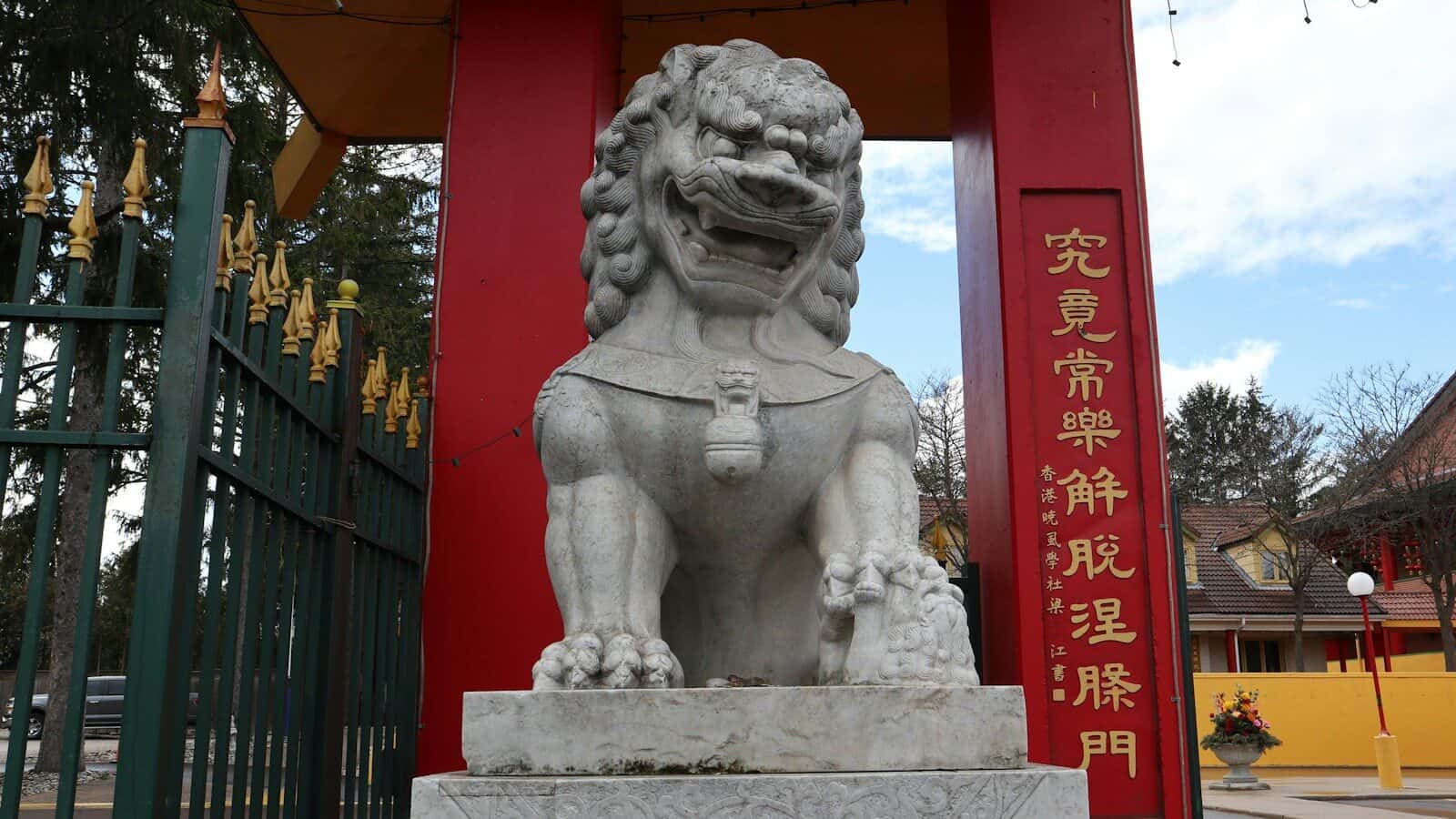
The spiritual significance of tigers in Eastern cultures represents one of humanity’s most profound and enduring relationships with a wild species. Through millennia of coexistence, Eastern civilizations developed sophisticated symbolic systems that transformed these physical predators into multidimensional spiritual entities with the power to shape human consciousness and social organization. Far from being mere superstition, these traditions reflect deep ecological wisdom about the tiger’s role in maintaining balanced ecosystems and the psychological impact of encountering such magnificent predators in their natural habitat. This spiritual legacy continues to influence contemporary art, literature, religious practice, and even conservation efforts throughout Asia.
As modern societies face unprecedented environmental challenges, the ancient spiritual perspectives on tigers offer valuable insights about respectful coexistence between humans and wildlife. The traditional view of tigers as more than mere animals—as ancestors, spirit guides, divine messengers, and cosmic forces—creates ethical frameworks that go beyond utilitarian conservation arguments. By understanding tigers as beings with spiritual significance, Eastern cultures developed relationships characterized by reverence rather than mere exploitation. This enduring legacy reminds us that our connection to tigers and other magnificent creatures transcends the physical realm, touching the deepest aspects of human spiritual experience and offering wisdom that remains relevant in our contemporary world.

- Why Red Wolves Are Only Found in North Carolina’s Wilds - July 17, 2026
- The Spiritual Significance of Tigers in Eastern Cultures - July 17, 2026
- 12 U.S. States Where You’re Most Likely to See Wild Bears - July 17, 2026
Leave a comment
You must be logged in to post a comment.