
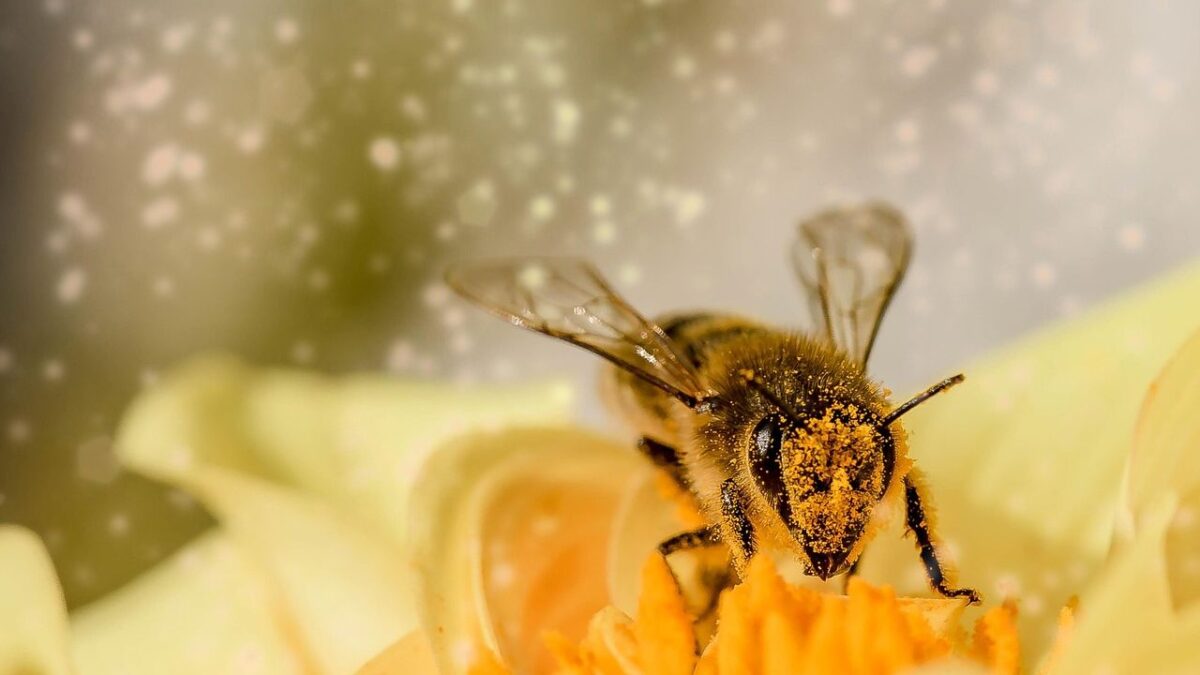
Picture waking up to a world where the familiar hum of bees has vanished completely. No buzzing around flowers, no busy workers collecting nectar, no gentle vibration in the air that signals summer’s arrival. This isn’t just the loss of a single species – it’s the potential collapse of life as we know it.
Bees are instrumental in 35% of global crop production, and nearly 90% of the world’s wild flowering plant species depend, entirely, or at least in part, on animal pollination. Their disappearance would trigger a cascade of events that would fundamentally alter our planet’s ecosystem and human civilization itself. Let’s explore what this devastating scenario would actually mean for our world.
The Immediate Agricultural Catastrophe
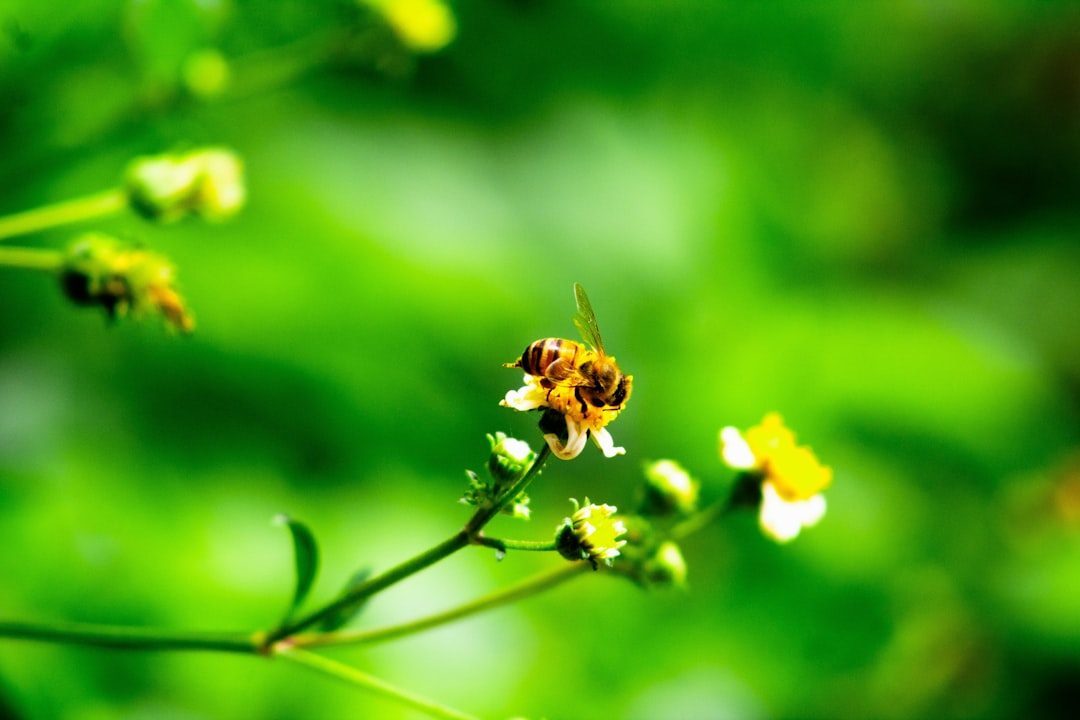
The first shock waves would hit our food system within months. Blueberries and cherries rely on honeybees for up to 90 percent of their pollination, and without bees, almonds “simply wouldn’t exist”. Imagine walking into a grocery store where vast sections of fresh produce have simply vanished.
Coffee, apples, almonds, tomatoes and cocoa would be wiped out, along with countless other crops we take for granted. More than 75% of the world’s food crops depend to some extent on pollination. The economic devastation would be staggering – native bees alone provide approximately $3 billion in crop pollination services every year in the United States.
While the majority of human calories still come from cereal grains, which are wind-pollinated, our diets would become monotonously limited. Hand-pollination could theoretically replace some bee work, but it is incredibly labor-intensive and expensive, and robotic pollinator drones remain prohibitively expensive. Most crops would simply become too costly to produce.
The Collapse of Natural Ecosystems
Beyond our dinner plates, entire ecosystems would begin unraveling. Many plants, such as bee orchids, are pollinated exclusively by specific bees and would die off without human intervention, altering the composition of their habitats and affecting the food webs they are part of. This wouldn’t be a gradual decline – it would be ecological devastation.
Seventy-five percent of flowering plants depend on animal pollination, and without bees, many plants cannot reproduce. The ripple effects would spread through every level of nature’s intricate web. Their contribution to pollination covers not only agricultural products but also around 300,000 plant species in the wild, sustaining habitats and food sources for many animals, from birds to mammals.
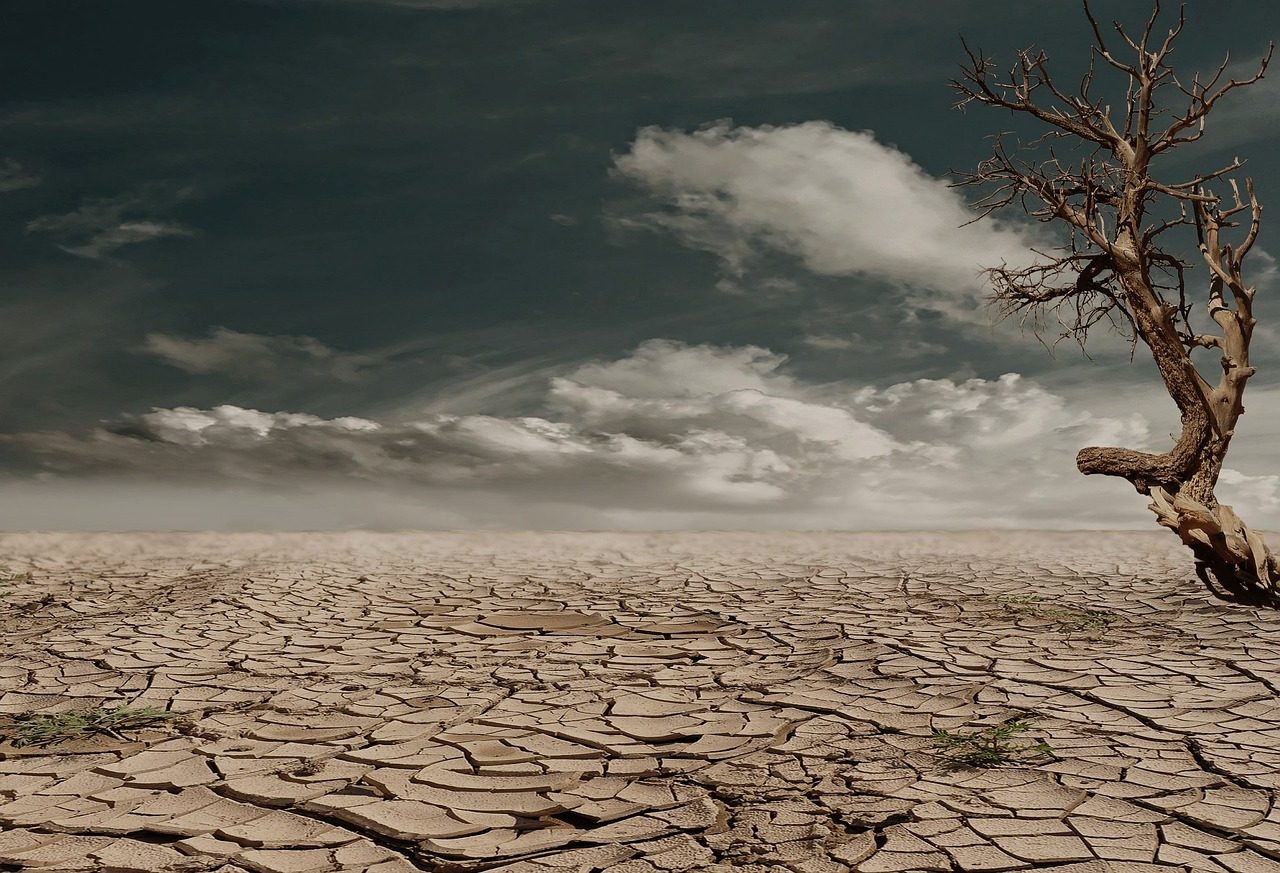
Picture forests where flowers no longer bloom, meadows that lose their vibrant colors, and landscapes that slowly transform into barren wastelands. On a planet without bees, the surface of our home would be barren and the vast richness of Earth’s green cover would disappear, affecting the abundance of wildlife and species that survive in their forest and jungle habitats.
The Domino Effect Through Food Chains
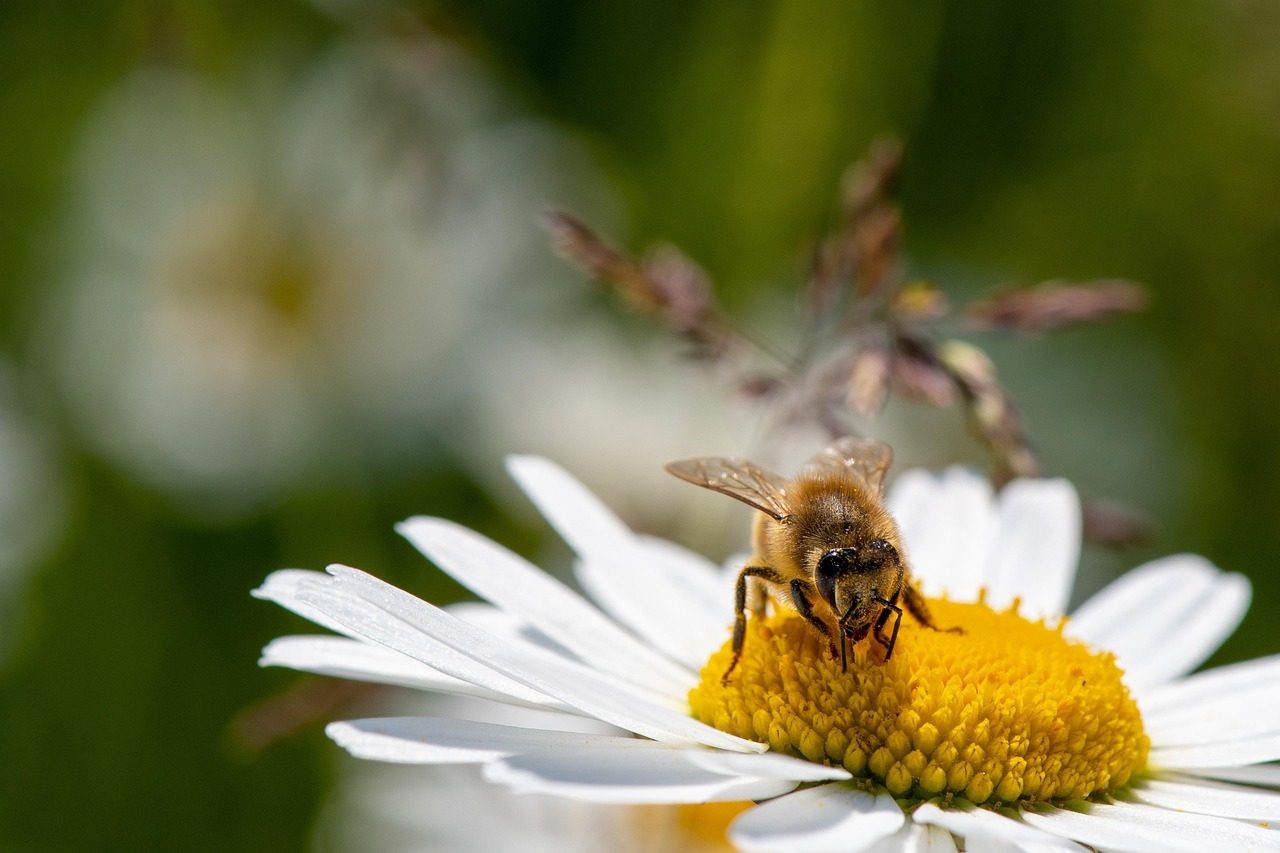
Many bees are keystone species, meaning that they are vital to the health of their entire ecosystems, responsible for the growth of an abundance of flowering plants that provide nutrition to countless species. When these plants disappear, the animals that depend on them face starvation and extinction.
Without bees and other pollinators, those plants wouldn’t be able to grow and thrive, which would lead to food shortages for the animals that depend on them for energy, causing their numbers to decline and starting a domino effect up the rest of the food chain. Think of a rabbit that can no longer find the plants it needs to survive – when rabbit populations crash, so do the populations of foxes, hawks, and other predators that depend on them.
Food webs and food chains would collapse, not only affecting livestock and domesticated animals that rely on bee-pollinated plants, but wild mammals and birds also depend on pollination for the supply of their food. Many animals, such as the beautiful bee-eater birds, would lose their prey in the event of a die-off, creating cascading extinctions throughout nature.
Human Society Under Siege
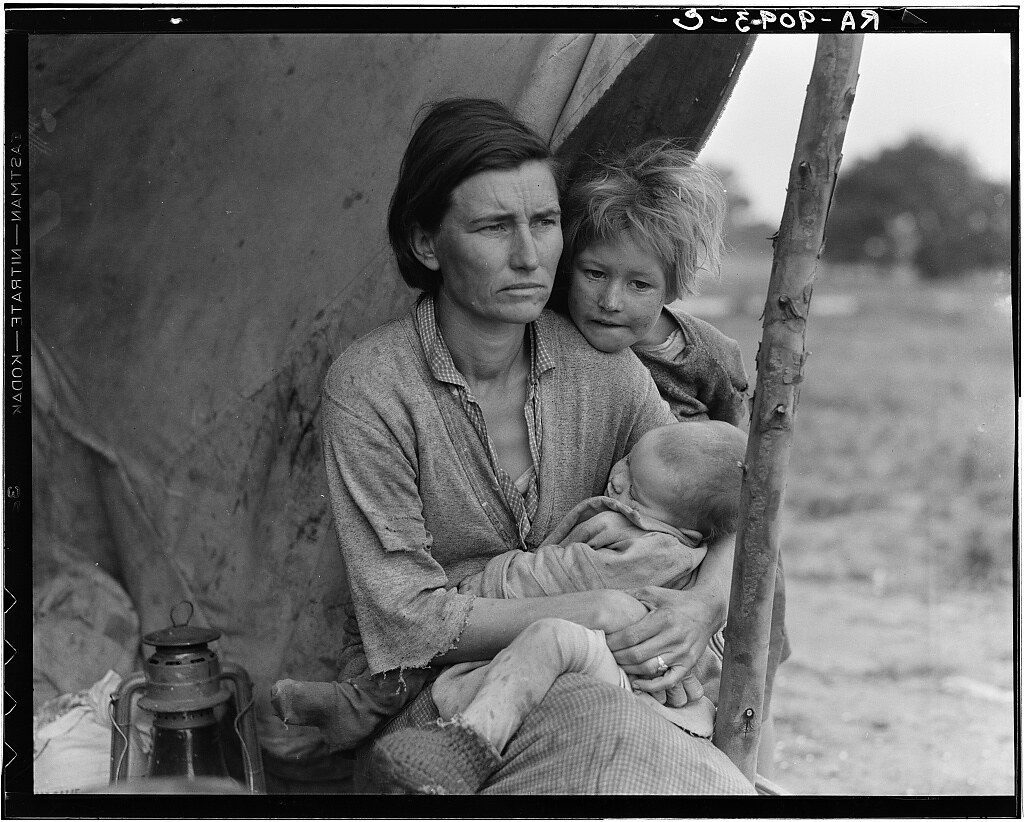
The social and economic upheaval would be unprecedented. Agricultural income would fall, food prices would rise, and a food crisis would be triggered, with sectors dependent on agriculture taking a hit and the honey and bee products industry disappearing. We’re talking about the potential collapse of entire industries built around pollinator-dependent crops.
Access to food would be restricted, dietary diversity would decrease, and the risk of hunger would increase, with rural migration and unemployment growing and social unrest possibly occurring. Countries that currently export fruits, nuts, and other pollinator-dependent crops would see their economies devastated overnight.
Supply chains would be broken by decreasing agricultural output, likely creating conflicts as countries struggled to feed their people. The geopolitical implications would be staggering, with food-secure nations potentially becoming food-poor and sparking massive migrations and international tensions.
The Silent Collapse of Earth’s Life Support Systems
The loss extends far beyond what we can see on our plates. Plants are vital for all life on earth, helping create organic matter which is essential for soil health and fertility, with healthy soils meaning more moisture retention and more support for microbial communities. Without adequate plant reproduction, soil systems would begin to fail.
Plant root systems bind soil together, improving structural integrity and reducing the risk of erosion, while also regulating water by improving infiltration and reducing surface runoff, which leads to flooding. The environmental services that plants provide would gradually disappear, leaving us vulnerable to natural disasters and climate instability.
Vegetation formed as a result of pollination balances the water cycle, prevents erosion, and enriches the soil, meaning bees indirectly contribute to climate stability. Without bees, we’d lose not just individual species, but entire environmental systems that keep our planet habitable.
The Desperate Search for Alternatives
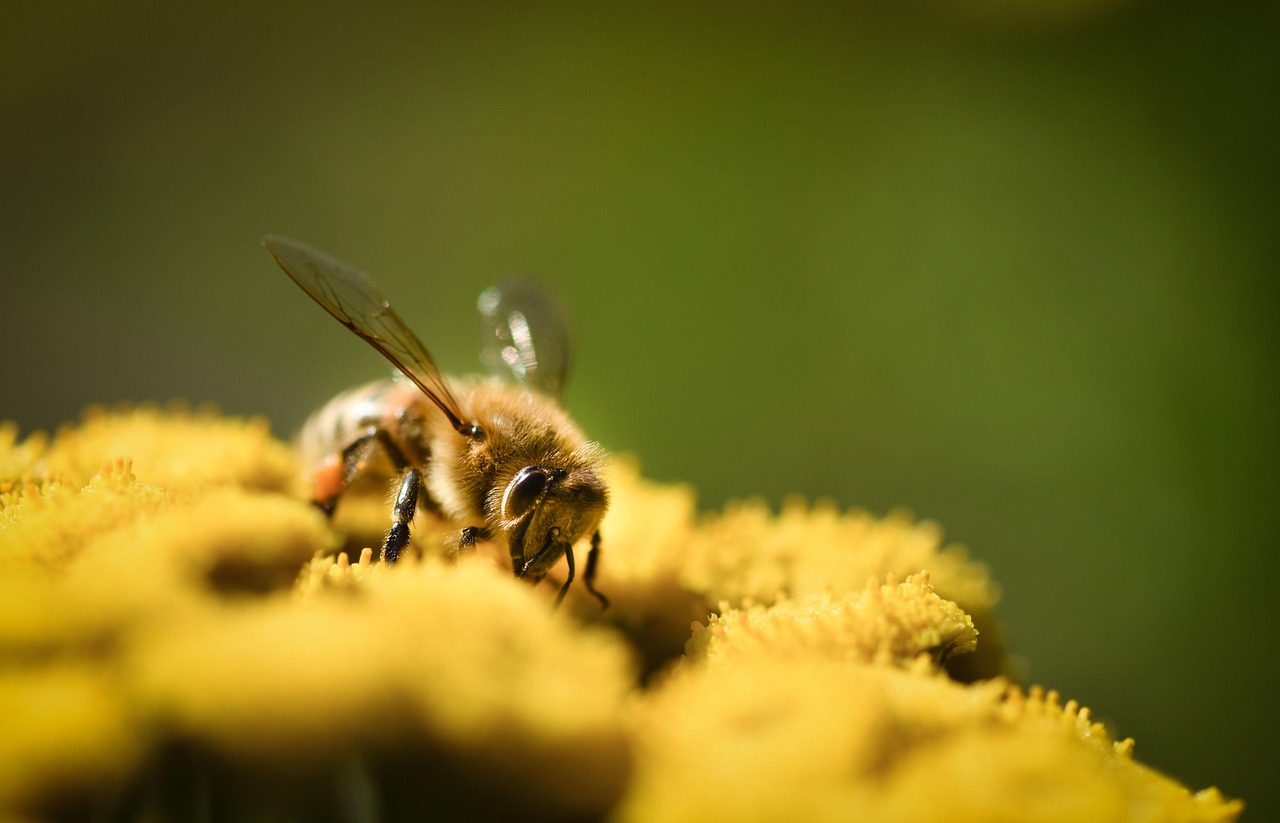
In this nightmarish scenario, humanity would scramble for solutions. Butterflies and beetles are also responsible for helping plants reproduce, but their contribution is not quite like that of bees, and if bees were to disappear, this would put significant pressure on these species to fill their role. The question becomes whether other pollinators could possibly compensate.
The harsh reality is sobering: Bees are purposeful pollinators because their hives’ health and offspring depend entirely on the collected pollen for food, meaning they transfer considerably more pollen on a daily basis than other pollinators, with studies showing that non-bee insects only account for 38% of crop pollination. Other insects simply couldn’t handle the massive workload that bees perform.
Human technology might offer some hope, but the scale would be overwhelming. Some techniques include hand pollination (which is incredibly time-consuming) and drone pollination (very expensive), but no human alternative can compare to the effectiveness and specialty that bees possess. We’d essentially be trying to replace billions of highly efficient biological machines with crude human substitutes.
A Planet Forever Changed
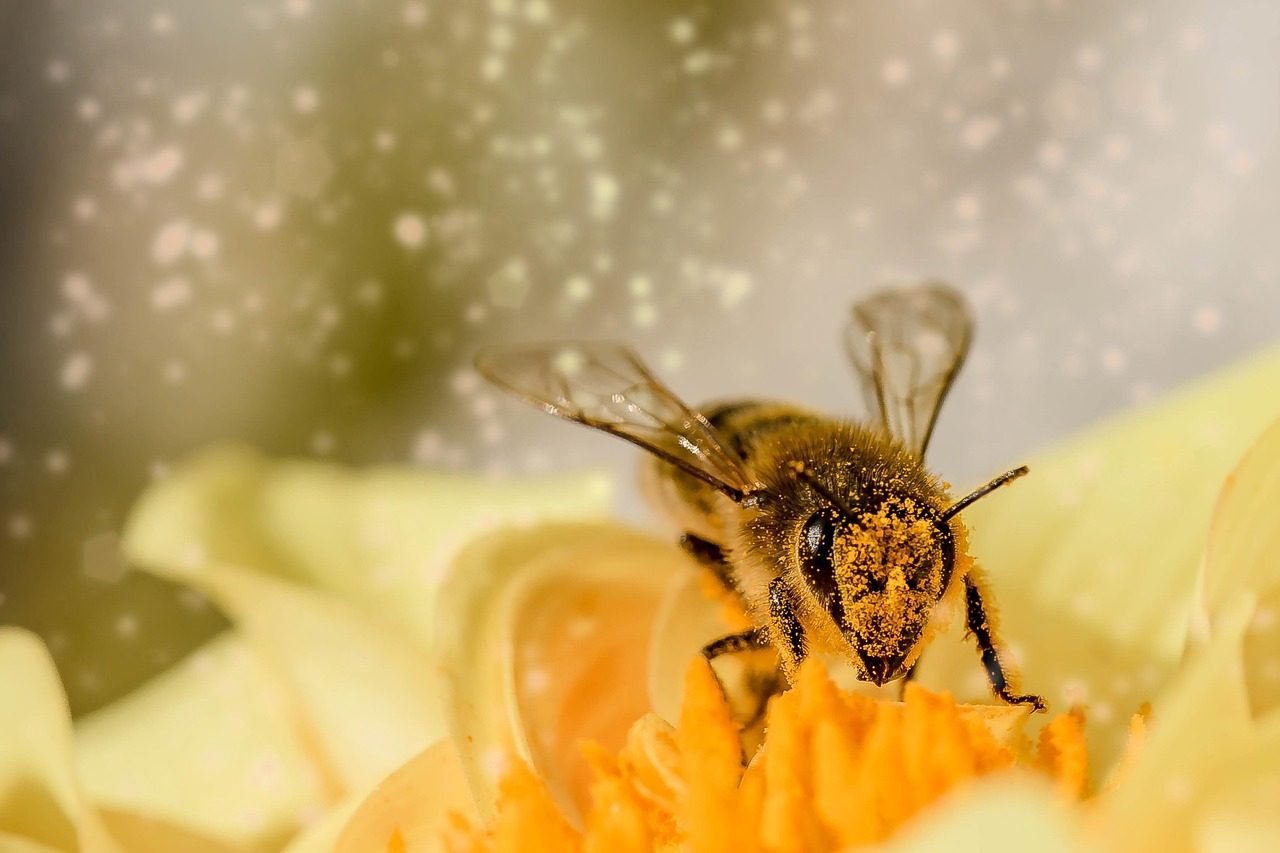
The world after bees wouldn’t just be different – it would be almost unrecognizable. Plant diversity would decline, habitats would deteriorate, herbivores would be unable to find food, and the food chain would collapse, with forests and many species vanishing. The very fabric of life on Earth would be permanently altered.
A world devoid of bees would signal the demise of complex food chains and food webs that delicately balance the existence of all living creatures on this planet, with herbivores who depend on certain plant species being affected first and going extinct if plants ceased to exist. The domino effect would continue until entire continents looked like ecological wastelands.
This isn’t just environmental science fiction – approximately 16% of vertebrate pollinators, such as birds and bats, and 40% of invertebrate pollinators, such as bees and butterflies, are already at risk of extinction. The foundation for this catastrophic scenario is already being laid in the real world.
While scientists debate whether humanity could survive without bees, one thing remains crystal clear: our world would be forever diminished. The loss of these tiny creatures would rob our planet of its color, diversity, and abundance. We’d survive, perhaps, but in a world that would feel hollow and barren compared to the vibrant, buzzing planet we know today.
What strikes me most about this scenario isn’t just the ecological devastation – it’s how quickly we’d realize just how much we took those little buzzing visitors for granted. What do you think about it? Tell us in the comments.
