
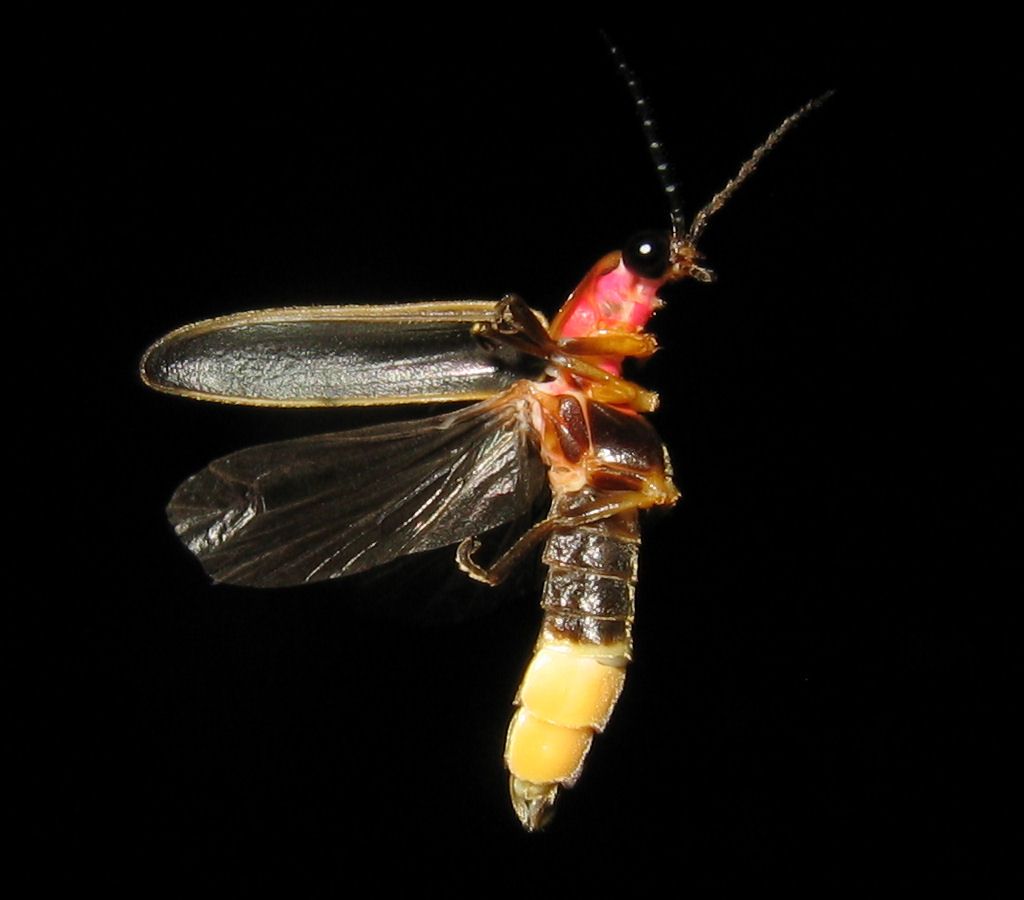
When twilight descends and darkness begins to blanket the landscape, nature transforms into a theater of wonder. Among the most magical performers in this nightly show are the tiny beetles that have captivated humans for centuries with their mysterious light displays. You’ve likely watched in awe as these glowing creatures dance through warm summer evenings, their ethereal bioluminescence creating patterns that seem almost supernatural.
What drives these fascinating insects to produce their own light? The answer reveals one of nature’s most sophisticated communication systems, evolved over millions of years through a remarkable combination of chemistry, physics, and survival instincts. Let’s dive in to discover the fascinating science behind this natural phenomenon.
The Chemical Factory Inside Every Firefly
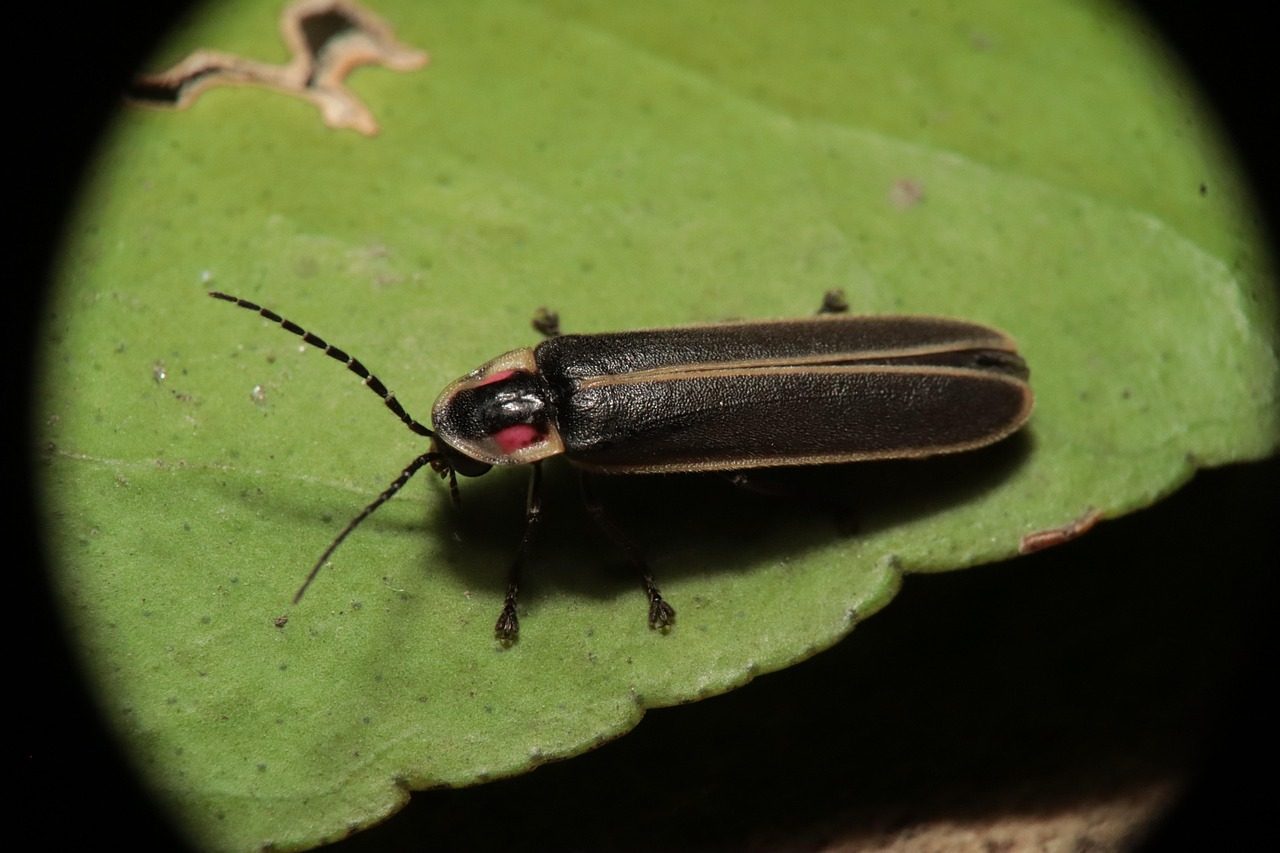
Your understanding of firefly light begins with an extraordinary chemical reaction happening inside specialized organs called photophores. When oxygen combines with magnesium, adenosine triphosphate (ATP) and the chemical luciferin in the presence of luciferase, a bioluminescent enzyme, light is produced. Think of it like a miniature chemical factory perfectly calibrated to create illumination.
What makes this process truly remarkable is its incredible efficiency. Luciferin makes light by losing electrons – a process called oxidation – in the presence of adenosine triphosphate (ATP), a molecule that provides energy for cells, and magnesium. This reaction is mediated by the enzyme luciferase. Unlike the light bulbs in your home that waste most energy as heat, fireflies produce what scientists call “cold light” with virtually no energy lost as heat.
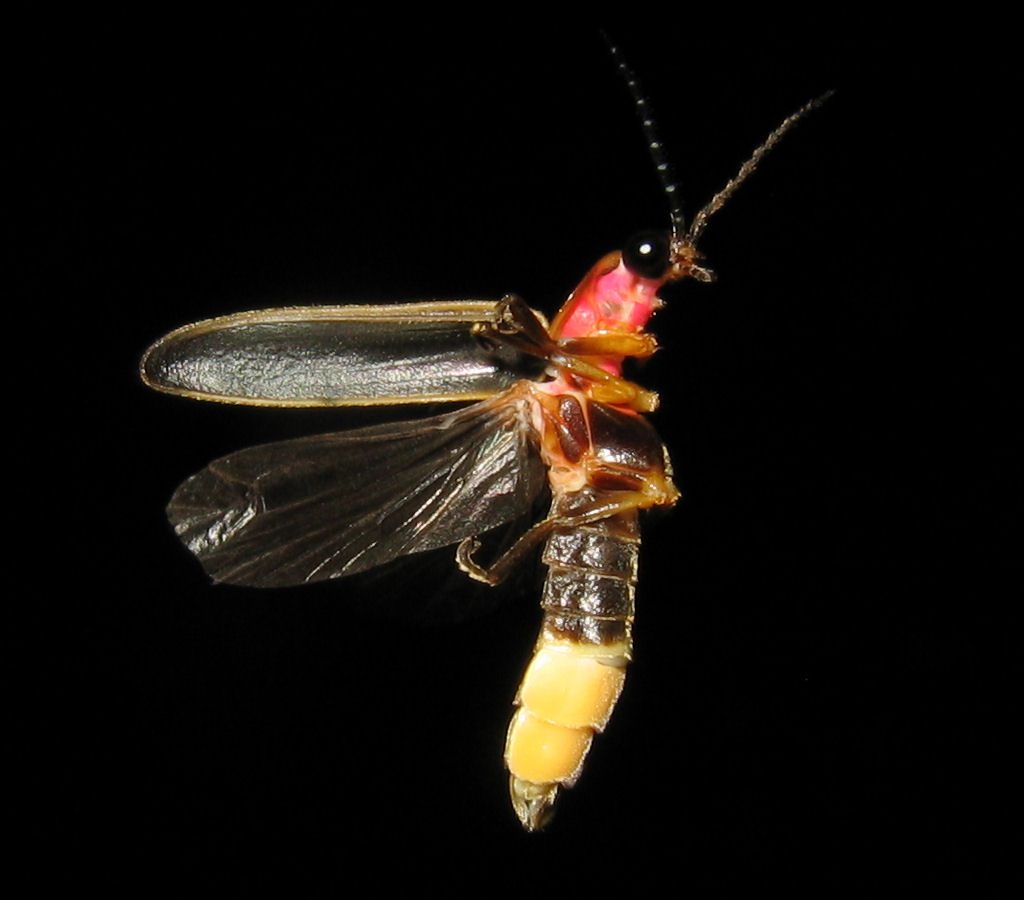
Fireflies have light organs in their abdomens where these reactions occur, which contain a layer of crystallized uric acid that helps reflect and boost light. These cells are chock-full of luciferin and luciferase, as well as an unusually high number of mitochondria. These tiny organelles pump out the ATP fireflies need to get the chemical reaction going.
The Ingenious On-Off Switch
Perhaps you’ve wondered how fireflies control their blinking patterns so precisely. The secret lies in a sophisticated biological control system that would impress any engineer. Researchers fairly recently learned that nitric oxide gas (the same gas that is produced by taking the drug Viagra) plays a critical role in firefly flash control. The presence of nitric oxide, which binds to the mitochondria, allows oxygen to flow into the light organ where it combines with the other chemicals needed to produce the bioluminescent reaction.
Because nitric oxide breaks down very quickly, as soon as the chemical is no longer being produced, the oxygen molecules are again trapped by the mitochondria and are not available for the production of light. This creates a natural dimmer switch that allows fireflies to turn their lights on and off with remarkable precision.
Fireflies are better than glow sticks, however, because they can turn their lights on and off. They do this by controlling how much oxygen enters the light-producing organs at the ends of their abdomens. This natural dimmer switch enables fireflies to signal to other fireflies nearby.
Evolution’s Original Warning System
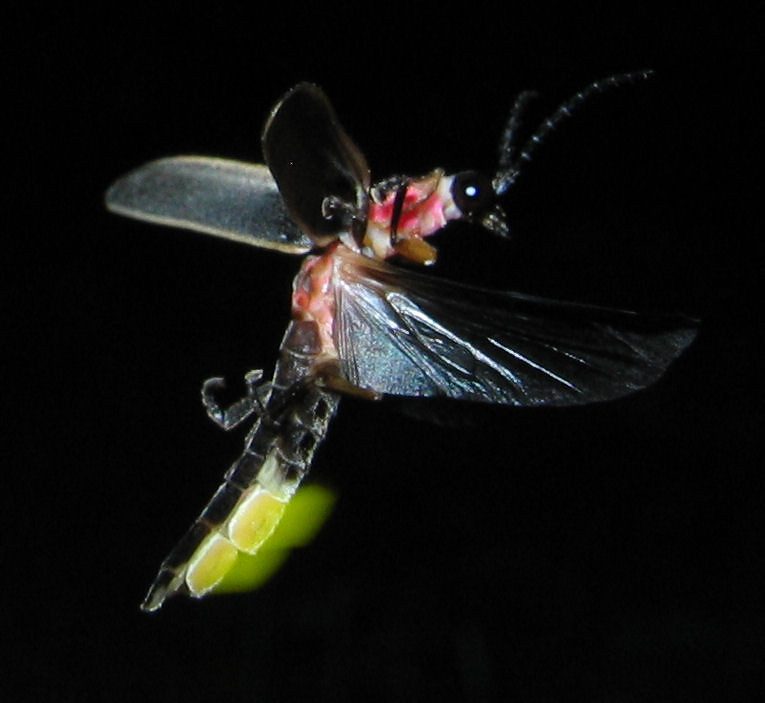
The story of firefly bioluminescence begins long before romantic summer evenings. Light production in the Lampyridae is thought to have originated as a warning signal that the larvae were distasteful. This ability to create light was then co-opted as a mating signal and, in a further development, adult female fireflies of the genus Photuris mimic the flash pattern of the Photinus beetle to trap their males as prey.
It is proposed that firefly bioluminescence originated as an aposematic warning display toward predators and later acquired a role in sexual communication for many firefly species. Research shows that terrestrial beetle bioluminescence at 141.17 (122.63–161.17) Ma and firefly aerial bioluminescence at 133.18 (117.86–152.47) Ma evolved as defensive mechanisms.
All fireflies glow as larvae, where bioluminescence is an aposematic warning signal to predators. This ancient warning system continues to protect fireflies today, as many species contain toxic compounds called lucibufagins that make them unpalatable to predators.
Nature’s Most Sophisticated Dating App
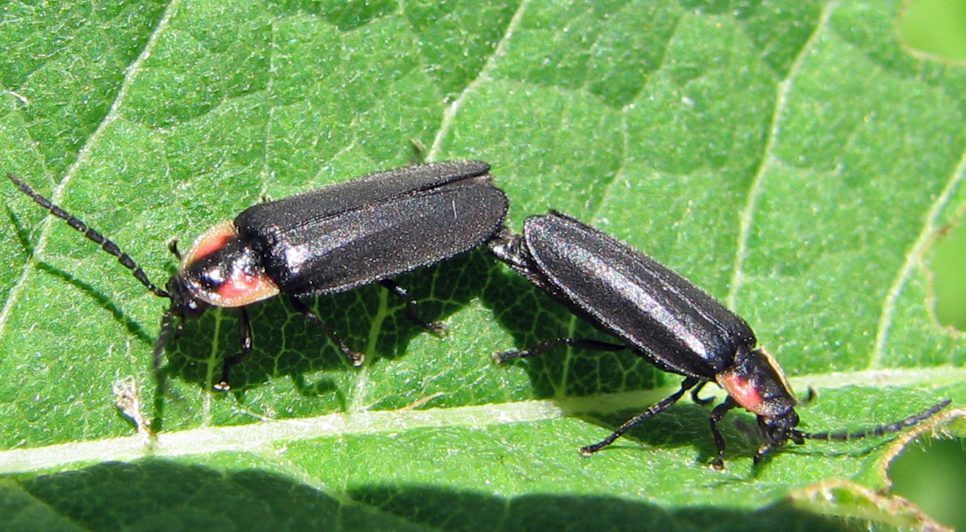
You might think modern dating apps are complex, but fireflies have been perfecting their own matchmaking system for over 100 million years. Each firefly species has its own signaling system. In most North American species, the males fly around at the right height, in the right habitat and at the right time of night for their species, and flash a signal unique to their kind. The females are sitting on the ground or in vegetation, watching for males. When a female sees one making her species’ signal – and doing it well – she flashes back with a species-appropriate flash of her own.
Flash signaling characteristics include differences in duration, timing, color, number and rate of repetitions, height of flight, and direction of flight (e.g. climbing or diving) and vary interspecifically and geographically. There are more than 2,000 firefly species worldwide, each with a particular male flash pattern. Some males flash with slow glows lasting several seconds, while others flicker more than 40 times per second.
The precision required for successful courtship is extraordinary. Females are incredibly discerning, responding only to males who demonstrate the exact flash pattern of their species with perfect timing and intensity. This selective pressure has driven the evolution of increasingly sophisticated signaling systems across different firefly species.
The Science Behind Synchronized Light Shows
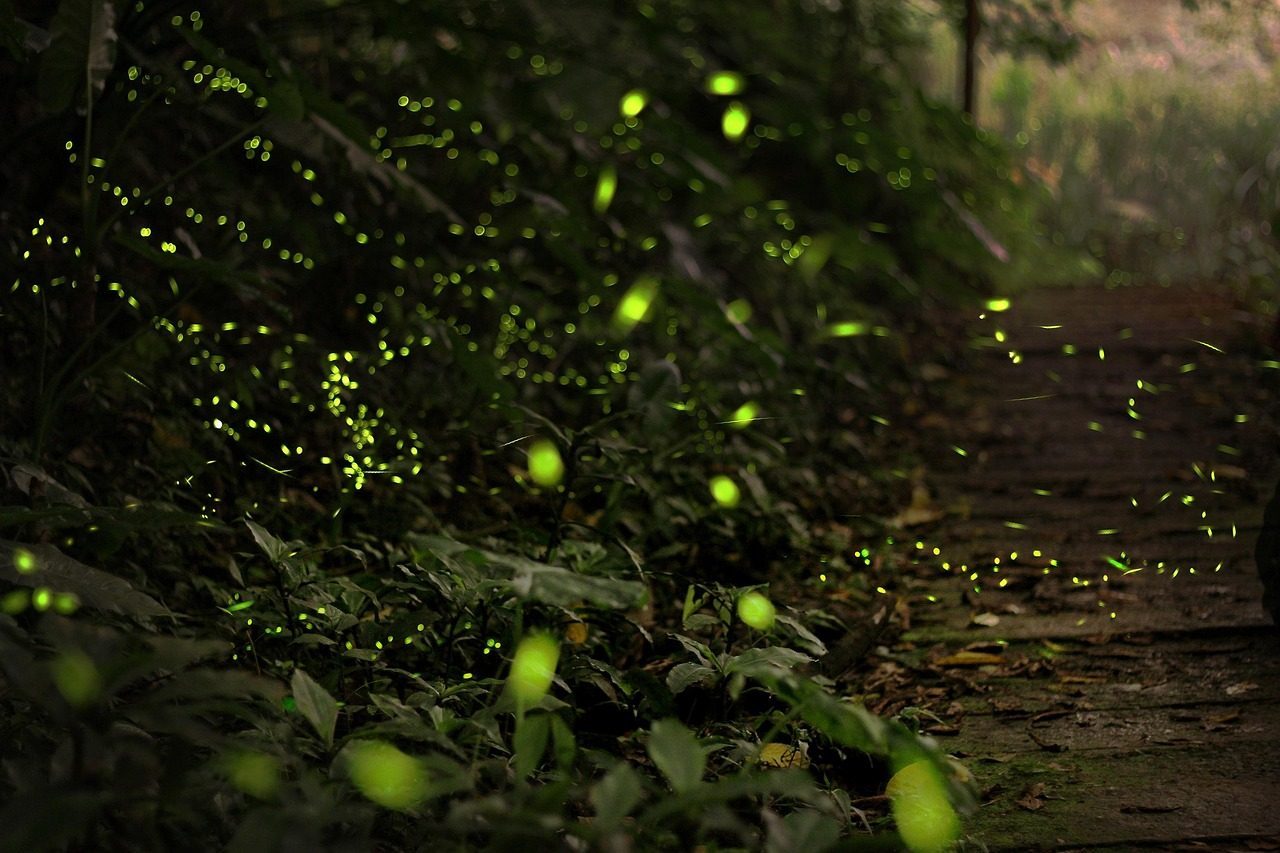
In certain magical locations around the world, you can witness one of nature’s most breathtaking spectacles: thousands of fireflies flashing in perfect synchrony. Scientists estimate that, of the roughly 2,000 species of fireflies around the world, only about 1 percent synchronize their flashes in large groups. This phenomenon occurs in places like the Great Smoky Mountains and Southeast Asian mangrove forests.
Synchronous species of fireflies are often found in high densities, making it hard for female fireflies to see and register a lone male firefly’s signal. This suggests that there is a problem in the female’s information processing, which group synchronized flashing seems to compensate for, according to the study. By flashing the same pattern simultaneously, male fireflies are sending out a clear, unified declaration of their species to the females.
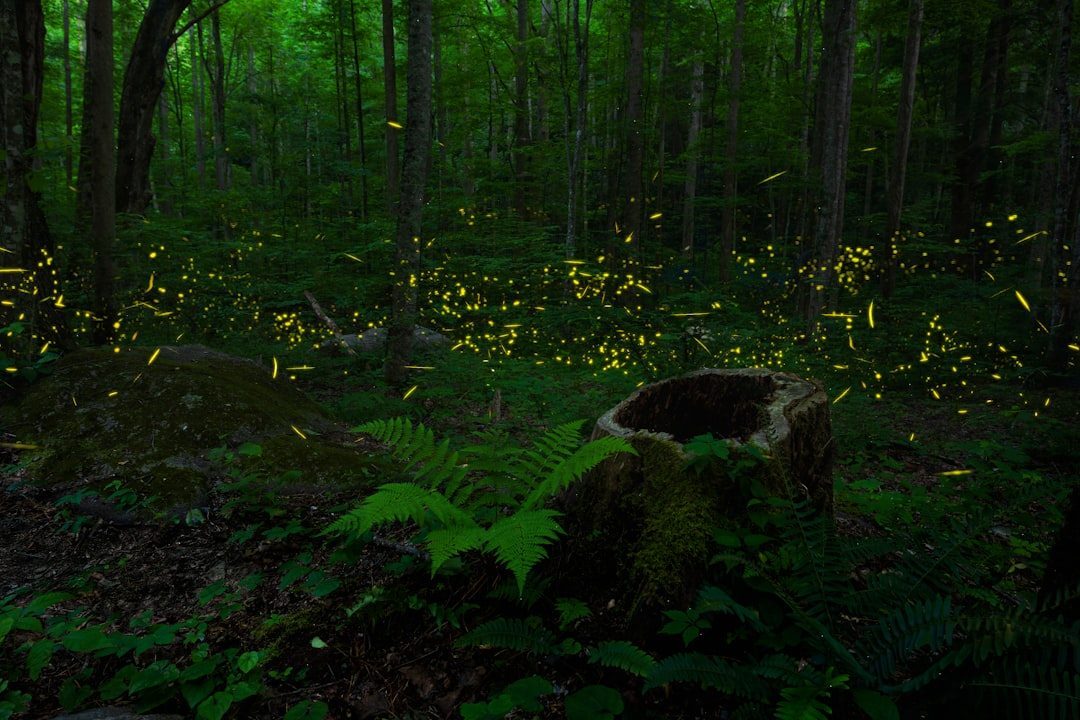
In North America, the two most famous species that do this are the Photinus carolinus of the Appalachian Mountains, including in Great Smoky Mountains National Park, and the Photuris frontalis that light up places like Congaree National Park in South Carolina. In both these species, scientists think the males synchronize so everyone has a chance to look for females, and for females to signal males.
Predator Deterrent That Actually Works
The defensive function of firefly bioluminescence isn’t just theoretical. Scientific studies have demonstrated its effectiveness against real predators. These studies have found that potential predators, such as house mice and jumping spiders, reject noxious fireflies and learn to avoid bitter food with flashing LEDs faster than without light cues. Additionally, nocturnal predator big brown bats have been shown to learn to avoid Photinus pyralis fireflies by integrating information from multiple sensors, including visual bioluminescence signals.
The lightning bugs’ bioluminescence and flight patterns are an example of a multisensory warning display from prey – a process that, while it might seem costly for prey to execute, greatly accelerates the speed at which predators learn to avoid them. This creates a powerful survival advantage that has persisted for millions of years.
Most fireflies are distasteful to vertebrate predators, as they contain the steroid pyrones lucibufagins, similar to the cardiotonic bufadienolides found in some poisonous toads. The combination of warning lights and toxic compounds creates a formidable defense system that keeps most predators at bay.
The Dark Side of Firefly Romance
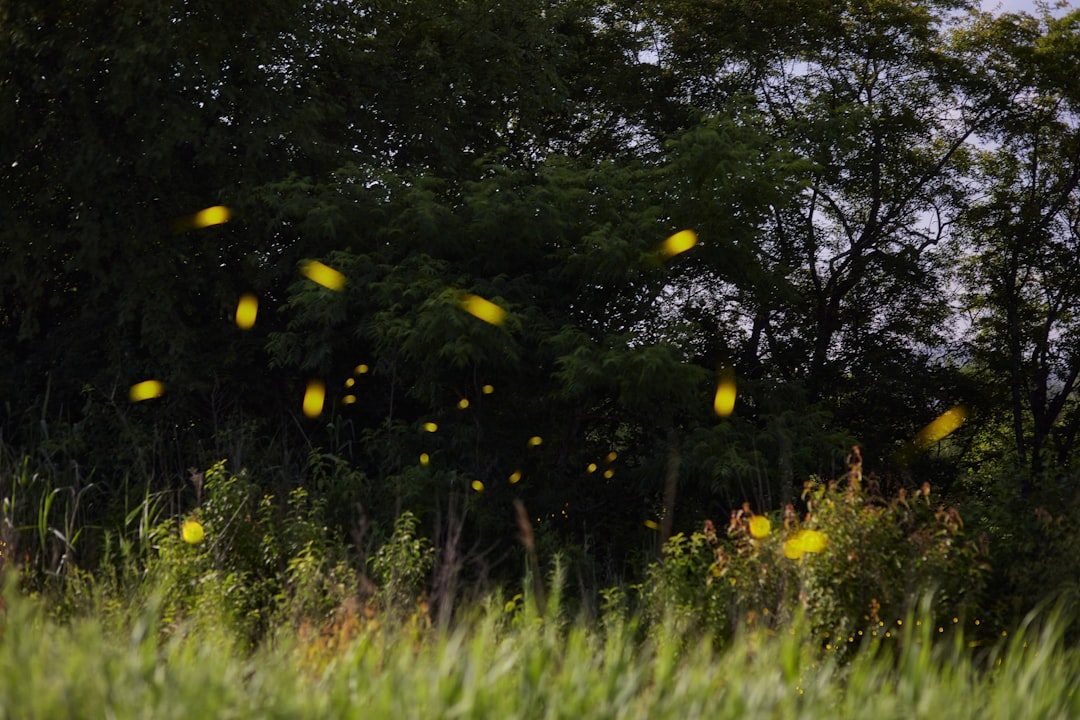
Not all firefly flashing leads to happily ever after. Some species have evolved a sinister twist on the standard courtship routine. Many Photuris fireflies can’t manufacture these defensive chemicals. So the females of these big, long-legged lightning bugs do something surprising: Once they’ve mated, they start mimicking the flashes of female Photinus and then eat the males that respond. These femme fatales go on to use the lucibufagins they acquire from ingesting their severely disappointed prey to protect themselves and their eggs from predators.
They attract these males by detecting their flash patterns and sending a return flash pattern that imitates a female of the appropriate species. Some of these duplicitous insects have a repertoire of five or more different flash patterns. So, every time a male firefly sees a responsive female flash in the grass, he faces a life and death dilemma.
This aggressive mimicry demonstrates the evolutionary arms race that has shaped firefly communication. Males must balance their desire to mate with the very real risk that an enticing flash might be their last encounter. It’s a dramatic reminder that even in nature’s most beautiful displays, survival often comes down to life-or-death decisions.
Colors of the Night: Why Different Species Glow Different Hues
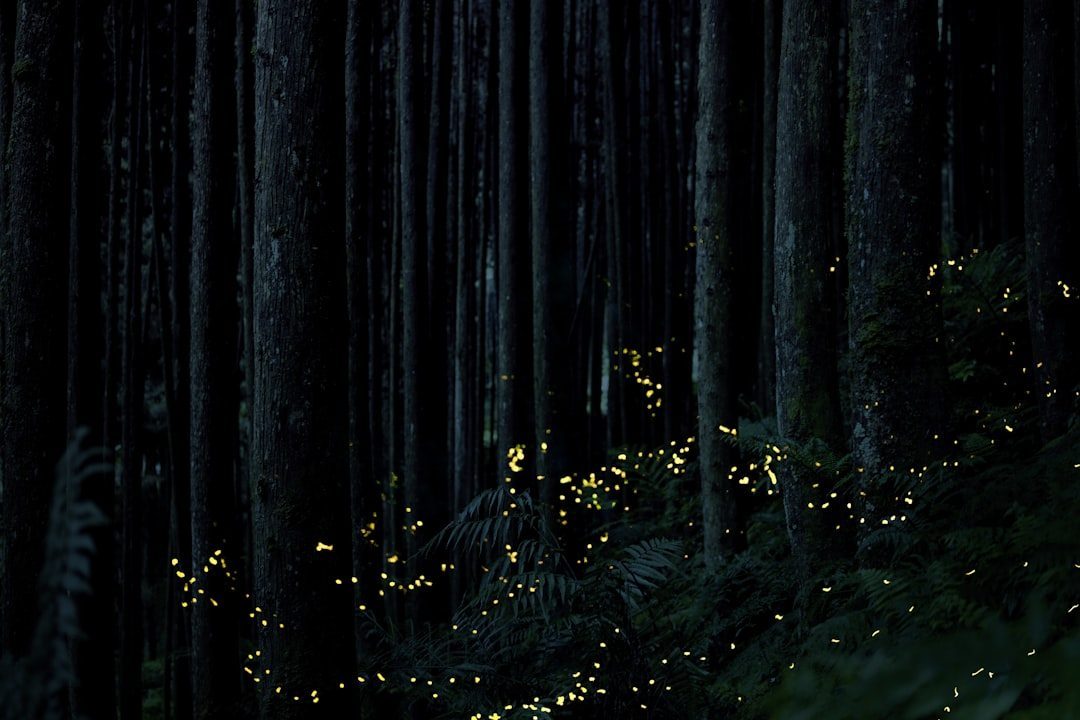
You may have noticed that firefly light varies from green to yellow to orange across different species. Despite the commonality in enzymatic reaction and components, luminescence color can vary widely between species. The European glowworm Lampyris noctiluca, for example, emits green light, the North American Big Dipper firefly Photinus pyralis yellow-green light, and the Japanese lesser firefly Luciola parvula orange-yellow light. The differences in luminescence color are considered to be the consequence of evolutional strategies for warning predators and attracting mating partners more effectively.
The presence of the same luciferin molecule, in combination with various mutated forms of luciferase, can emit light at slightly different wavelengths, ranging from red to yellow to green. The color variations serve multiple functions, from species recognition to environmental adaptation.
Recent research reveals that the synthetic luciferase for the last common firefly ancestor exhibited green light caused by a spatial constraint on the luciferin molecule in enzyme, while fatty acyl-CoA synthetic activity, an original function of firefly luciferase, was diminished in exchange. Combined, our findings propose that, within the mid-Cretaceous forest, the common ancestor of fireflies evolved green light luciferase via trade-off of the original function, which was likely aposematic warning display against nocturnal predation. This suggests that green was the ancestral color, with other hues evolving later for specific purposes.
Conclusion
Fireflies light up at night through an extraordinary combination of ancient evolutionary adaptations and cutting-edge biochemistry. What began as a warning system to deter predators has evolved into one of nature’s most sophisticated communication networks, enabling these remarkable beetles to find mates, defend territory, and ensure species survival across thousands of different varieties worldwide.
The next time you watch fireflies dancing in your garden, you’re witnessing millions of years of evolutionary refinement in action. From the precise chemical reactions in their photophores to the complex neural networks controlling their flash patterns, every aspect of their bioluminescence serves a vital purpose in the ongoing drama of survival and reproduction. What do you think about these tiny living lanterns and their incredible abilities? Tell us in the comments.
