
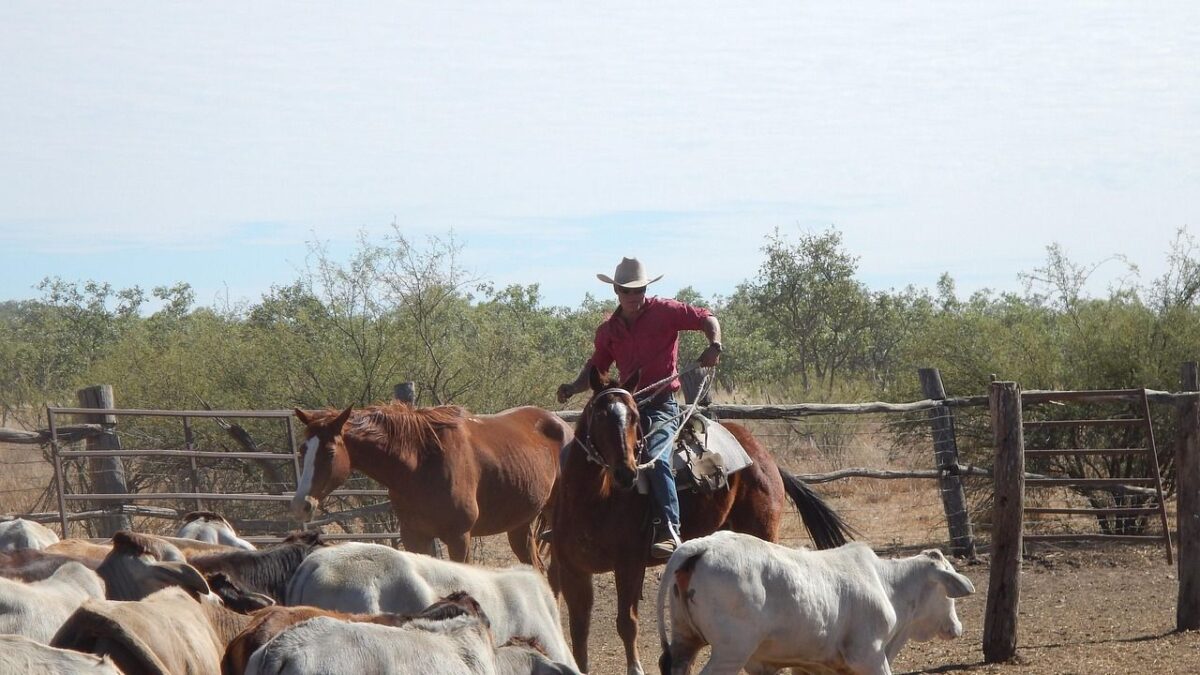
Picture this: You walk out to your pasture on a crisp morning, coffee in hand, expecting to count your livestock peacefully grazing. Instead, you find signs of struggle, scattered wool, and that sinking feeling in your stomach. Predator attacks are one of the most heartbreaking challenges we face as livestock guardians. Whether you’re raising cattle on sprawling ranges or caring for a small flock of sheep near town, the threat is real and growing.
From the traditional methods our ancestors relied upon to cutting-edge innovations like drones, protecting our animals requires a thoughtful approach that respects both our livestock and the wildlife around us. The good news? There are proven strategies that work, and I’m excited to share them with you.
Use Guardian Animals as Your First Line of Defense
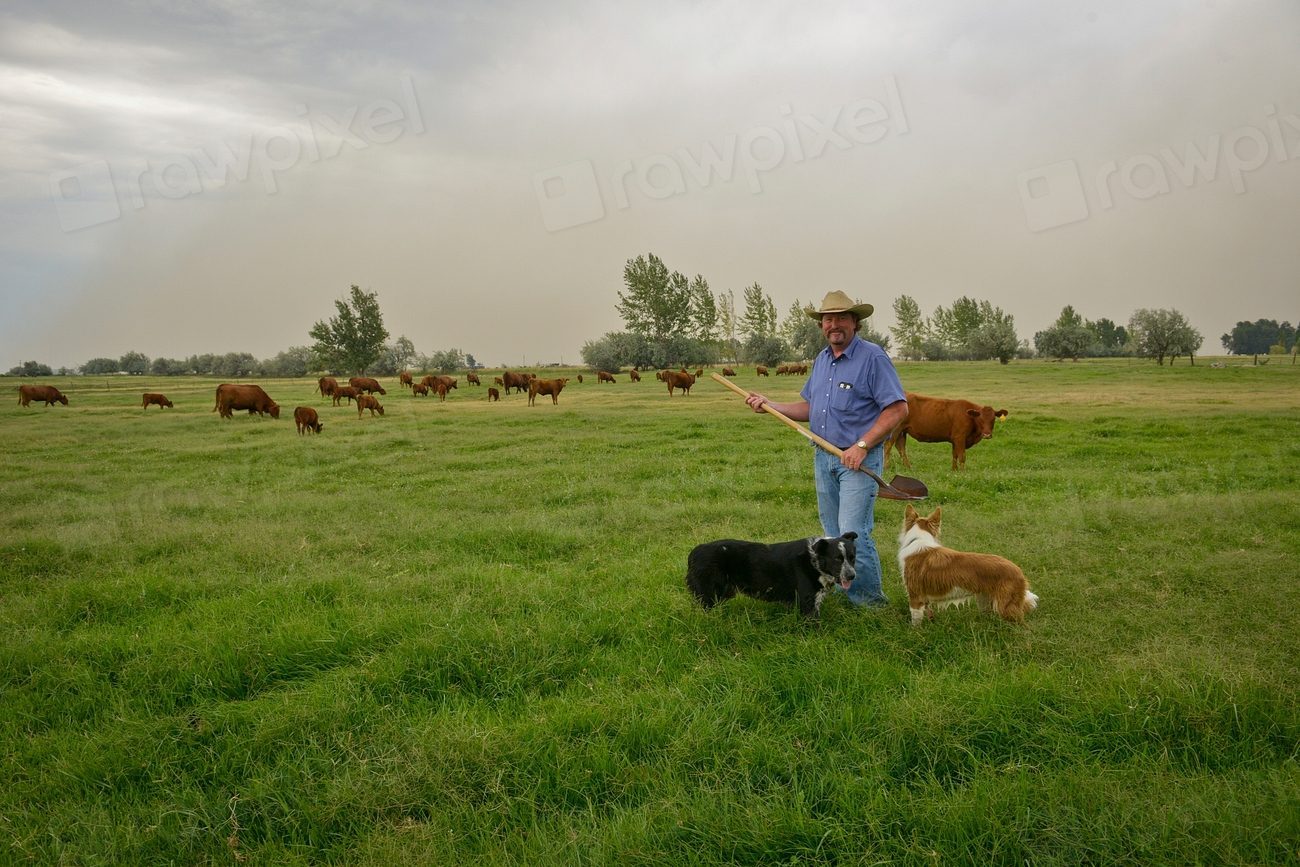
Guardian animals live with and protect . But guardian animals – most commonly dogs, llamas and donkeys – don’t just keep your livestock safe; they can also help relieve stress felt by your herd. Think of them as your 24/7 security team, and honestly, they’re far more dedicated than any human could be.
Less-stressed animals typically gain more weight, so while you’re protecting the animals you’re also increasing your bottom line and overall health of your animals. Llamas and donkeys, on the other hand, live with the livestock at all times, and their keen senses and aggressive nature toward intruders make them excellent full-time protection from predators.
The key to success lies in proper introduction and selection. When you are ready to introduce guardian animals to your herd, start them young and raise them with the herd they will protect. The ideal guardian animal for your herd depends on your livestock, your layout and the farm predators that you’re protecting against, so consult a professional as you’re weighing your options.
Master the Art of Range Riding and Active Monitoring
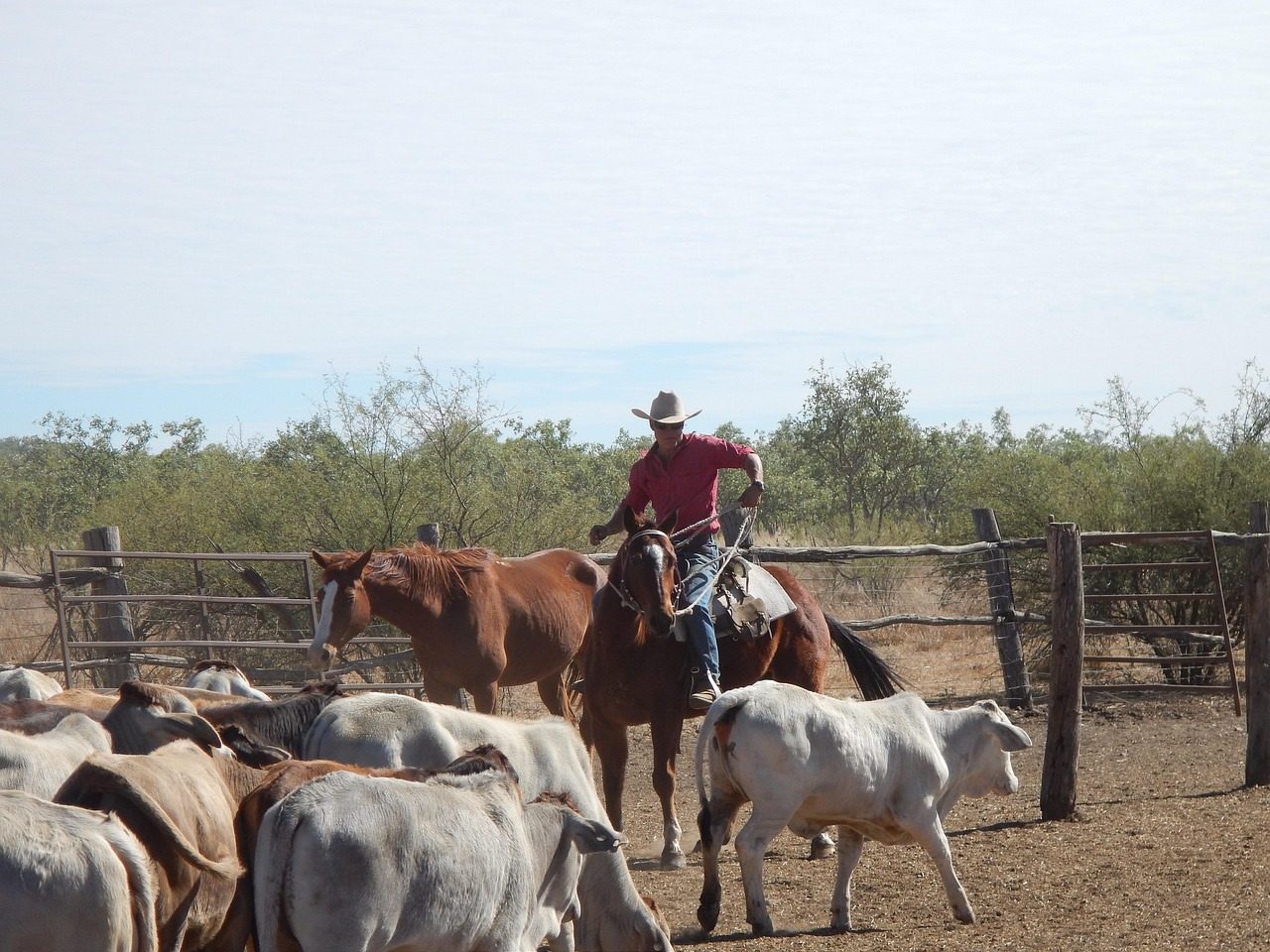
Working on horse, ORV, foot and even mountain bike, these herd supervisors are using nonlethal methods to prevent conflicts between wolves and ranchers; protecting livestock, rural livelihoods and Washington’s recovering wolves. Modern range riding has evolved beyond the romantic cowboy image into a science-based approach to livestock protection.
Range riders are our biggest and most effective tool, especially in rugged country where you can’t drive. According to wildlife management specialists, another crucial thing range riding can do is detect injured livestock and remove them from the open range. Cows and calves become injured for a variety of reasons, and moving them to a protected corral until they heal can go a long ways towards reducing opportunities for predators.
My charge was broad: check cows and report any injuries or illness that might attract predators; look for carcasses so ranchers can remove them and apply for reimbursement if they were killed by wolves, grizzlies, or lions; and survey for predators and report their presence to ranchers so that they can better manage their cattle. In addition to my eyes on the ground, my presence around the cattle could prove another deterrent to predators.
Implement Strategic Nighttime Security Measures
Most predators are nocturnal. That means having a safe, secure location for your animals at night is critical in protecting them. This simple fact often gets overlooked, yet it’s one of the most effective protective measures you can implement.
This can be especially helpful if your animals roam a large area during the day that makes predator-proof fencing too costly or difficult to install. Bringing your goats, sheep and cows to an area that has electrified fencing at night can help protect them when they are most at risk (and when you’re not awake to potentially keep an eye on things).
Killings usually occur at night or in very early morning, when you’re normally asleep. A guardian animal is on duty 24 hours a day, and alert and protective during the hours of greatest danger. Think of nighttime containment as insurance against the odds. While it requires more daily management, moving animals to secure areas before dark dramatically reduces your risk.
Leverage Mixed Grazing and Herd Behavior
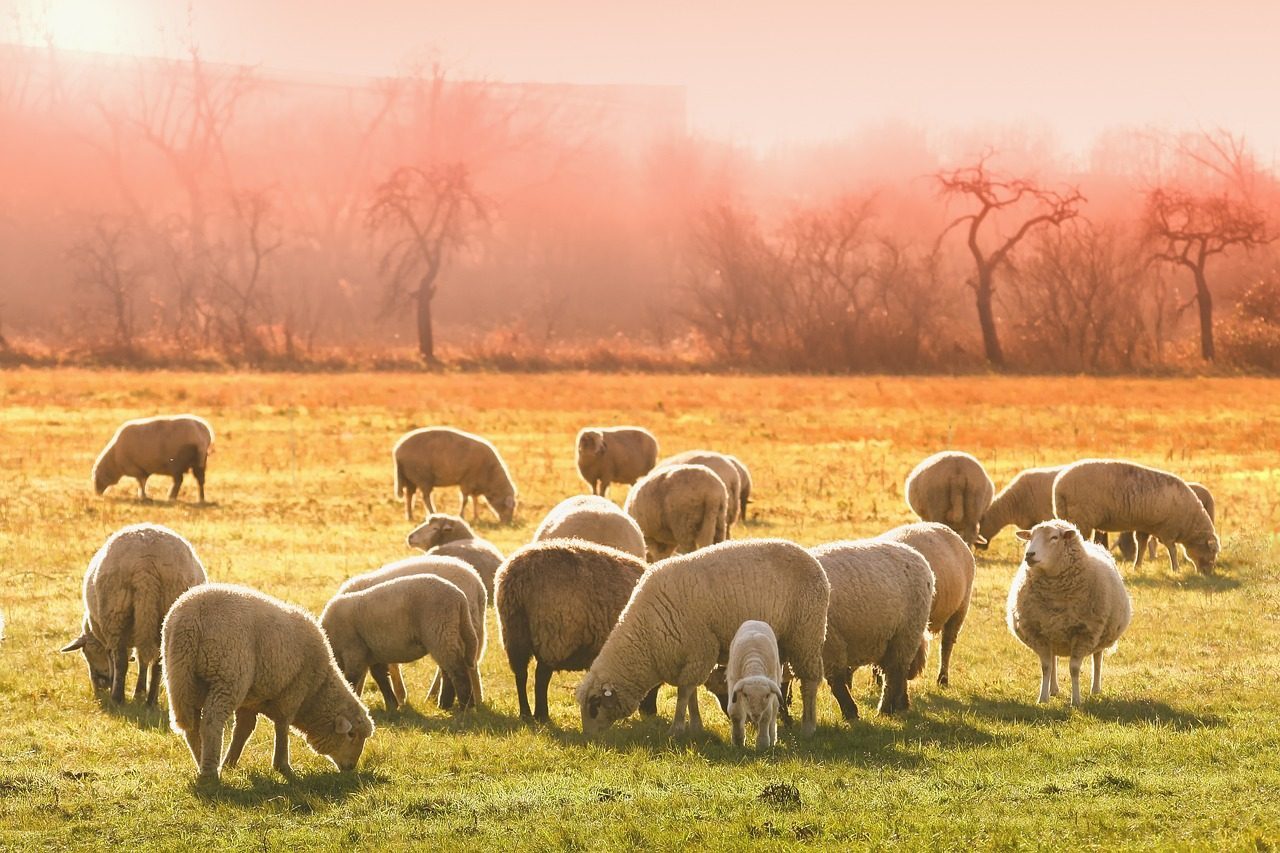
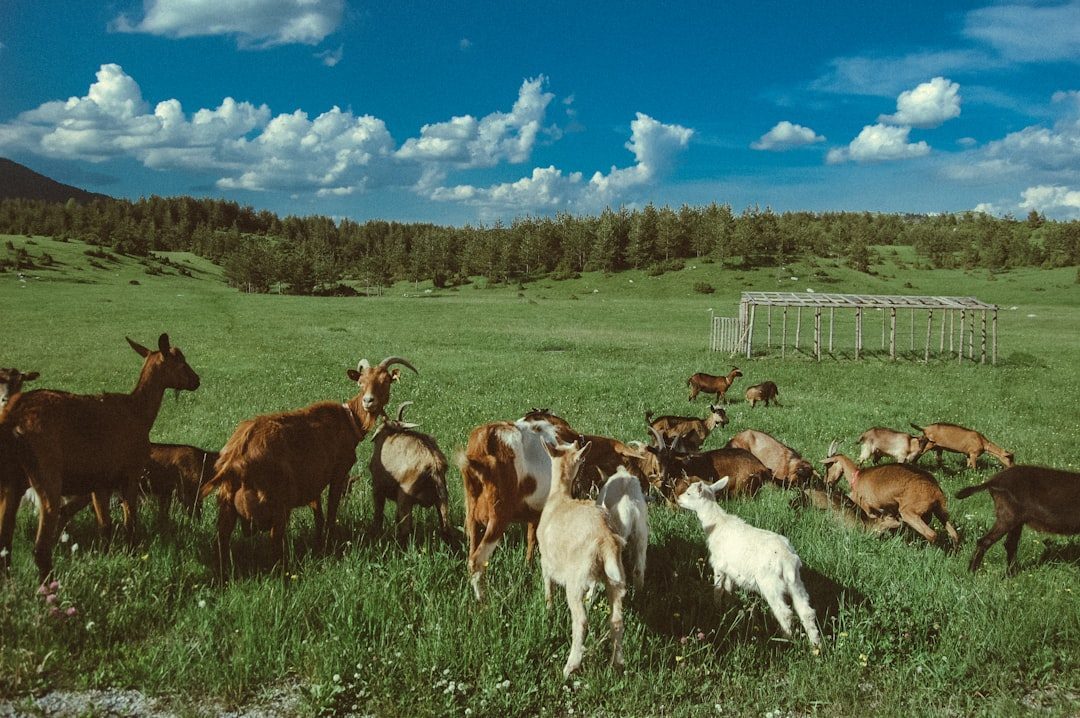
If you have multiple types of grazing animals, such as goats and cows, let them graze together. The cows’ size can be a deterrent to predators that might otherwise be tempted to target the smaller goats. This approach taps into natural protective instincts while improving pasture utilization.
Kehne also stresses the benefits of teaching cows to behave as a herd, to bunch up and face down predators instead of fleeing. Wolves and other predators typically prefer lone animals on the run. Breeding and teaching cows to act more like wild bison or their aurochs ancestors is a centuries old method for reducing depredations.
The size of your pen will determine the ratio of cattle to sheep for the training. Research suggests optimal ratios vary based on pen size and specific conditions. Training animals to stay together requires patience, but the payoff in reduced losses makes the effort worthwhile. Herd animals have a natural tendency to “bunch.” This defense mechanism is how cows and goats protect themselves from predators, which prefer a moving target to animals that stand their ground together.
Deploy Early Warning Systems and Modern Technology
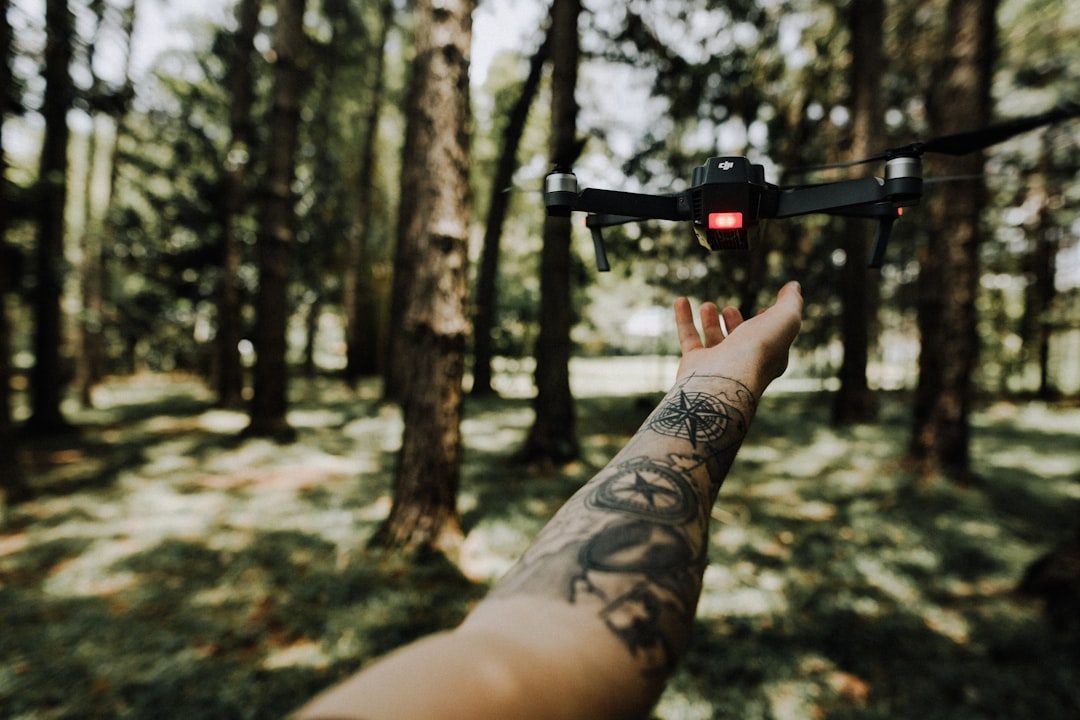
“Early detection is your best means of mitigating conflict before something negative occurs,” said Jared Beaver, an assistant professor and wildlife management specialist at Montana State University. “Before livestock gets killed or before a wildlife species gets in trouble and has to be killed as well.” Technology is revolutionizing how we protect our animals.
This time using a speaker-equipped drone to halt an ongoing attack. The three wolves fled, and the wounded steer survived. “We know for sure that we saved at least one [animal] doing this,” said Dustin Ranglack, the Predator Ecology and Behavior Project leader for Wildlife Services’ National Wildlife Research Center and a collaborator on the Oregon project.
Ranglack’s analysis of the drones’ effects on wolves in Oregon showed that they can reduce attacks. Prior to drone intervention, wolves were killing cattle frequently in the study area. But when drones were used to detect wolves near cattle and then scare them away with recorded voices, wolves killed only two animals over 85 nights. While drones might seem like science fiction, they’re becoming practical tools for many operations. Consider also motion-activated lights, cameras, and even simple bells that can alert you to unusual activity.
Conclusion
Protecting isn’t about choosing one magic solution. It’s about creating layers of protection that work together, much like a well-orchestrated symphony where each instrument plays its part. From guardian animals standing watch through the night to strategic fencing and modern technology, successful predator management combines time-tested wisdom with innovative approaches.
Remember, every farm is different, and what works beautifully for your neighbor might need tweaking for your situation. Start with one or two methods that fit your resources and build from there. The investment in predator protection pays dividends not just in saved livestock, but in peace of mind and reduced stress for both you and your animals.
What’s your experience been with predator challenges? Have you tried any of these methods, or do you have other strategies that work well on your farm? Share your thoughts in the comments below.
