
The concept of has exploded across social media, online quizzes, and everyday conversations. Maybe you’ve heard someone say “pizza is my spirit animal” or seen countless memes about finding your animal guide. It all sounds lighthearted and fun, right? Well, here’s the thing: there’s way more beneath the surface than most people realize. aren’t just about personality quizzes or cute animal pics on your feed. They’re rooted in deep cultural traditions, spiritual practices, and histories that deserve respect and understanding. So let’s dive in.
They Have Ancient Indigenous Roots
emerge from Indigenous peoples’ relationships with animals that are the result of tens of thousands of years of connections to their environments. The Lakota believed strongly in animal powers and the supernatural, incorporating observation of animal behavior into everyday life and creating a belief system that protected all who sought their animal powers. This isn’t some New Age trend that popped up in the nineties. These traditions stretch back through countless generations, deeply woven into the fabric of Native American, Aboriginal, and other Indigenous cultures worldwide.
hold deep spiritual and cultural significance in many Native American traditions, serving not just as symbols or personality traits, but as sacred guides, teachers, and protectors believed to offer wisdom and connection to the natural and spiritual worlds. Think of it like this: while modern culture treats them as personality markers, Indigenous communities view them as sacred connections that shape identity, values, and spiritual understanding. Clan and kinship systems within many American Indian tribal communities reflect relationships to animals. That’s a pretty significant difference from saying your spirit animal is coffee.
The Term Itself Is Complicated
Let’s be real: the phrase “spirit animal” has become controversial, and for good reason. Using the concept of a “spirit animal” while teaching Native American culture trivializes Native relationships to the animal world. The casual use of the term strips away layers of sacred meaning and reduces complex spiritual practices to internet jokes. The pop culture concept has no relation to Native American culture at all, but because of excessive commercialization of New Age books presenting with Native American pictures and trappings, everyone thinks it does.
This use of spirit animal is sometimes considered culturally appropriative of and insensitive to Indigenous peoples as it can be interpreted as mockery or ignorance of their beliefs, traditions, and history, particularly when used casually or even in serious online quizzes if removed from the spiritual traditions they originate from. It’s hard to say for sure where the English phrase came from, but its widespread misuse has created real pain for Indigenous communities. Some suggest using alternatives like “Patronus” from Harry Potter, or simply saying “favorite animal” when that’s what you actually mean.
You Don’t Choose Your Spirit Animal – It Chooses You
You cannot choose your totem spirit; instead, it chooses or has already chosen you, and the Spirit decides to whom they will reveal themselves. This might sound mystical, but it’s a fundamental principle in many Indigenous traditions. No online quiz can tell you what your spirit animal is, no matter how many questions it asks about your personality or favorite color. It is impossible and cheapening to take a quiz and determine your Spirit Animal, rather, the Spirit Animal you are meant to have will choose you.
For some, knowing their totem animal is almost a natural process – as if they’ve always known, inexplicably drawn to the animal, or have a special feeling for its energy. For others, it requires patience, attention, and sometimes ceremonial practices. Much of the process of identifying your spirit animal involves paying attention to both your past and present, developing your inner knowledge and spiritual understanding. It’s not instant. It’s not a game. It’s a journey.
They Appear Through Dreams, Visions, and Repeated Encounters
So how does a spirit animal actually reveal itself? These sacred beings may appear in visions, dreams, or life experiences, often playing a role in one’s personal or communal journey. You might see the same animal repeatedly in unexpected places – on television, in books, or even crossing your path in real life. You can ask the animal to show itself to you and pay attention to what you begin to see from all sources – it doesn’t have to be the actual animal.
Our dreams are intimately connected to our waking lives, so every time you see an animal in yours, write it down the next morning and notice if any particular animal comes up again and again. Dreams hold powerful messages in many spiritual traditions. A Spirit Animal will often present itself during landmark moments in your life, and when you see it nearby, it is trying to tell you something. The key is staying alert and open. Don’t dismiss these moments as mere coincidence.
Different Cultures Have Different Practices
Here’s something that often gets overlooked: not all Indigenous cultures approach animal symbolism the same way. Clan and kinship systems are diverse among the 574 federally recognized Native American tribes. What holds true for one community might be completely different in another. The particular meaning of different animals to Indigenous people varies greatly based on which culture you’re talking about, with the Heiltsuk Nation and surrounding tribes in British Columbia typically identifying with an animal often depicted artistically on a crest.
Hinduism, one of the oldest religions in the world, incorporates a profound reverence for animals and their spiritual representation, where animals are not mere creatures but hold a deep symbolic meaning intertwined with religious rituals and beliefs. Aboriginal Australian cultures, Celtic traditions, African spiritual practices – they all have their own unique relationships with animal symbolism. Lumping them all together under one “spirit animal” umbrella erases these beautiful, distinct traditions.
They Serve as Guides and Teachers
are divine pilots on your journey of life that relate to you with their unique skills and characteristics and manifest themselves to help you overcome challenges on your spiritual walk. Think of them less as magical mascots and more as wisdom keepers. Native Americans believe that animals are our teachers and guides, offering wisdom and guidance as we navigate through life, viewing animals as messengers from the spirit world bringing us messages or lessons from the divine.
Each animal carries specific qualities and lessons. Your animal guide holds a particular quality that could help you navigate life with a bit more ease, faith, and confidence. Animals often emanate certain traits and strengths that we can use more of in our own lives – for example, if you feel called to a crow, you may benefit from channeling the tenacious hunter’s energy it represents. The relationship is reciprocal: you learn from the animal, and you honor its presence in your life.
You Can Have Multiple Throughout Life
Contrary to what you might think, you’re not necessarily stuck with one spirit animal forever. Native American tradition provides that each individual is associated with multiple different animals that may complement them through life, acting as guides, with different animal guides coming in and out of our lives depending on the direction that we are headed and the responsibilities that need to be completed along our journey. That’s right – multiple different animals potentially accompanying you at various stages.
A totem animal is with you for life, both in the physical and spiritual world, though people may identify with different animal guides throughout their lifetimes, with this one totem animal acting as the main guardian spirit. These may vary depending on life circumstances and what we are currently in need of. So you might have a primary spirit animal that stays with you, while others appear when you need specific guidance or strength during particular life challenges.
Respecting Them Means Understanding Cultural Context
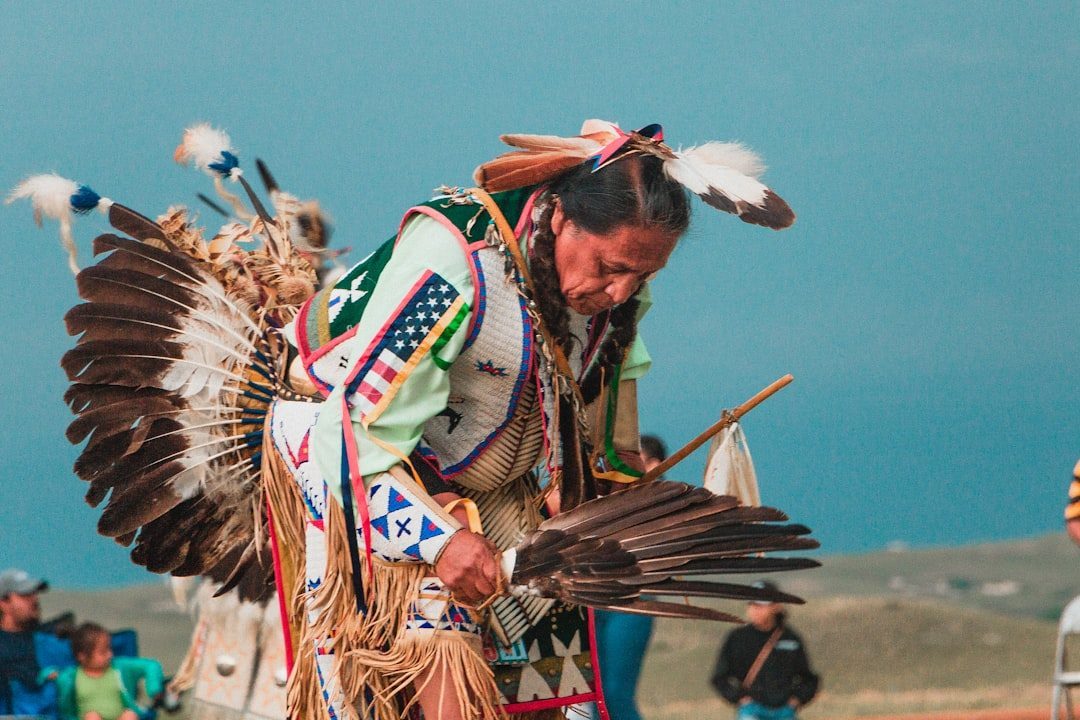
Animals have sustained Indigenous peoples for thousands of years through food, medicine, and clothing, and clan and kinship systems are diverse among the 577 different Native American tribes. Some of these clans have been lost over time through forced colonialization, and so much was taken from Indigenous communities or outlawed by government policy and colonialism – land, families, ceremonies, ways of life, foods and education systems – which is partly what makes this a sensitive issue.
When you understand this history, the frustration makes sense. It can feel trivial and shallow for people not part of Indigenous communities to try and take or mimic spiritual practices themselves when they don’t understand them. Honestly, if you’re not part of these traditions, the best thing you can do is listen to Indigenous voices, educate yourself on the actual cultural contexts, and think carefully about how you use language. It’s not about being overly sensitive – it’s about showing basic respect for living traditions that have survived despite centuries of oppression.
Totemism Is Not the Same Thing
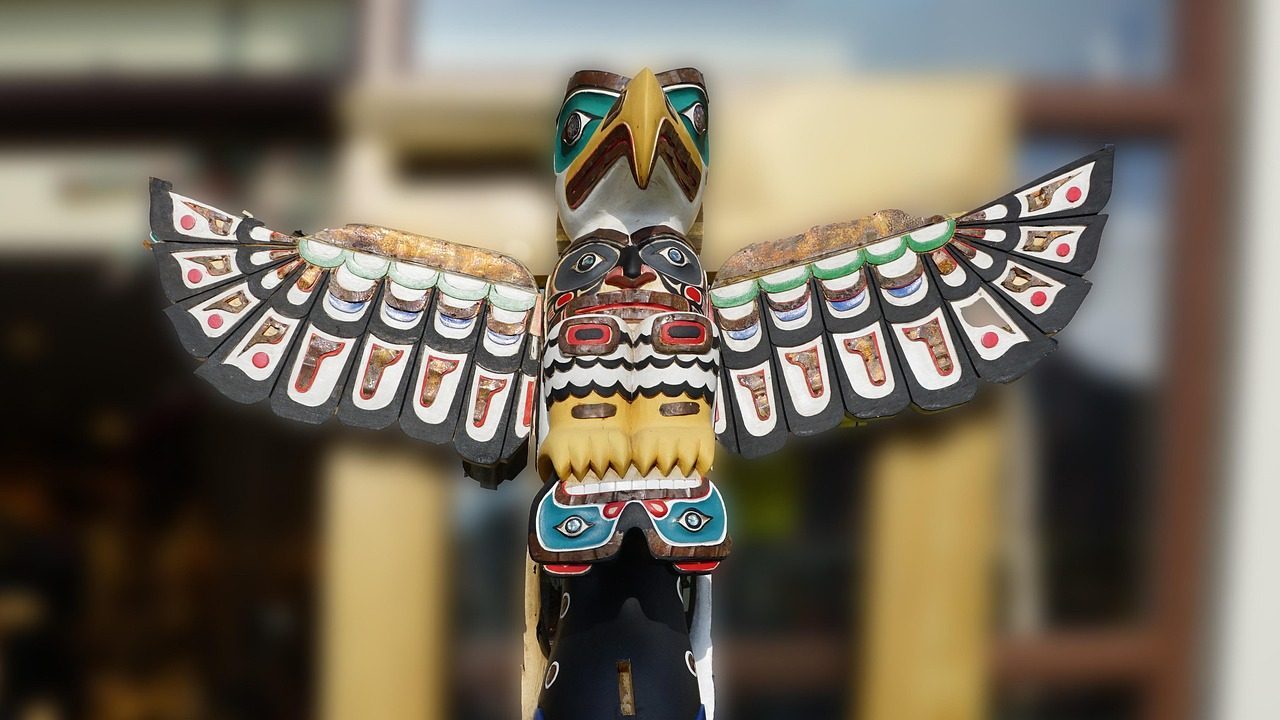
People often confuse with totemism, but they’re distinct concepts. The spiritual beliefs associated with having animal spirit guides are called “totemism,” stemming from the idea that humans have a kinship or a spiritual relationship with , originating with Native American cultures and tradition of hunting and gathering. Totemism is a system of belief that links a group of people, a clan, or an individual to a specific animal or plant species, where this connection is not merely symbolic but believed to be a spiritual bond that transcends the physical world.
Totem animals are associated with a specific group of people representing their lineage and cultural identity, while are personal guides and protectors that an individual connects with on a spiritual level. So totem animals often represent entire families or clans, passed down through generations, whereas are more individual connections. Both are sacred, but they function differently within Indigenous spiritual frameworks.
Working with Requires Intentionality

If you’re genuinely drawn to animal symbolism in a spiritual sense, there are respectful ways to explore that connection. Sit down and do a quick meditation to get quiet and make room for your intuition, then consider one animal that has special significance to you and ask yourself what lessons it could be trying to teach you about your personal power and inner strength, spending a few minutes journaling on the answer and completing this exercise multiple times for different animals.
Once you have encountered your Spirit Animal and desire to understand what message they have for you, find ways to honor and connect with them – have a symbol at your altar, speak to them in prayers and meditations, and call upon their energy and medicine in certain situations where you desire to have their courage, strength, guidance, and resilience. It’s about building a relationship, not claiming ownership. It’s about humility, openness, and genuine spiritual seeking.
Conclusion: More Than a Meme
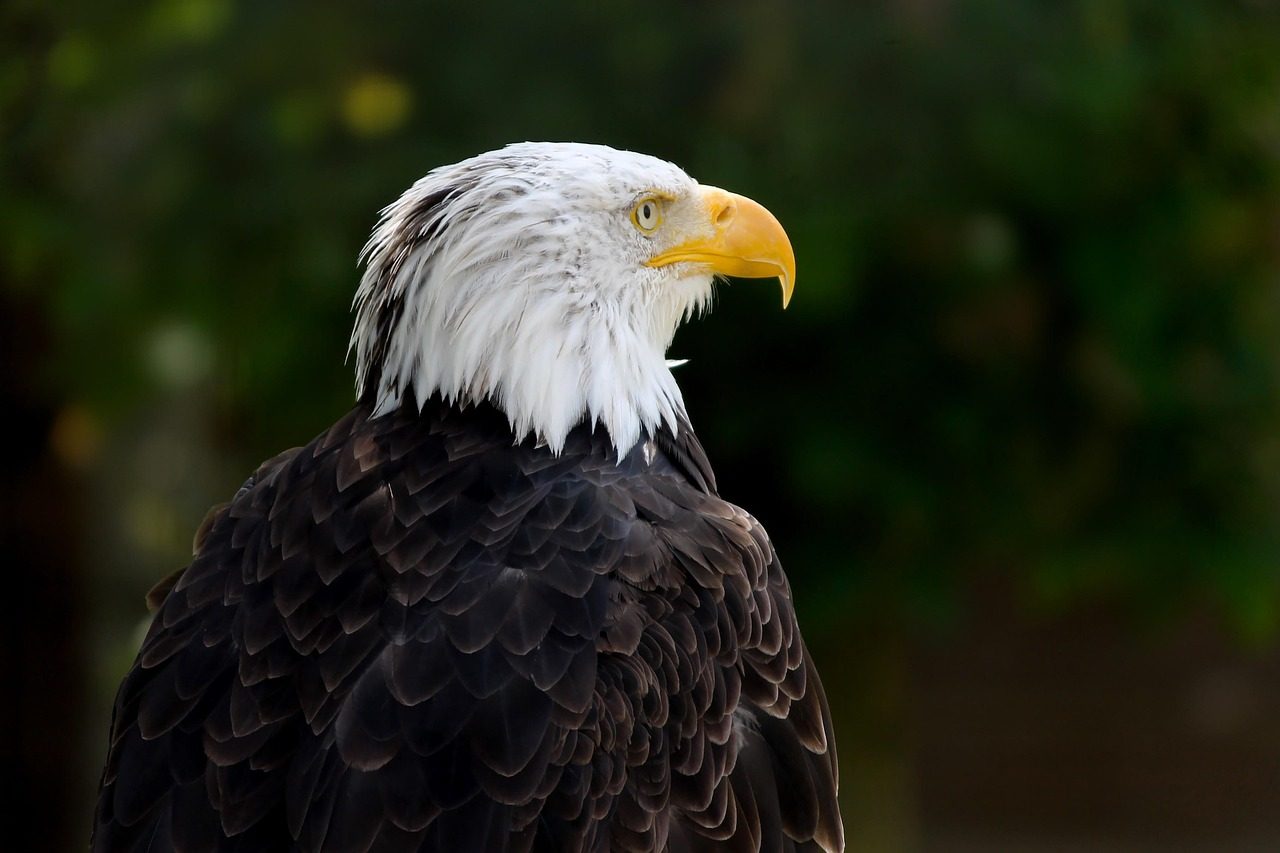
represent something far deeper than internet culture suggests. They’re bridges between humans and the natural world, sacred connections forged over millennia, and living traditions that continue to hold profound meaning for Indigenous communities today. Whether you approach them with spiritual reverence or academic curiosity, they deserve to be understood within their proper cultural contexts, not reduced to personality quizzes or casual slang.
The next time you’re tempted to declare something your spirit animal as a joke, maybe pause for a second. Consider the weight those words carry for people whose ancestors were punished for practicing these very traditions. Think about what it means to honor rather than appropriate. What do you think – can we find ways to appreciate the beauty of these concepts without stripping away their sacred significance?
