
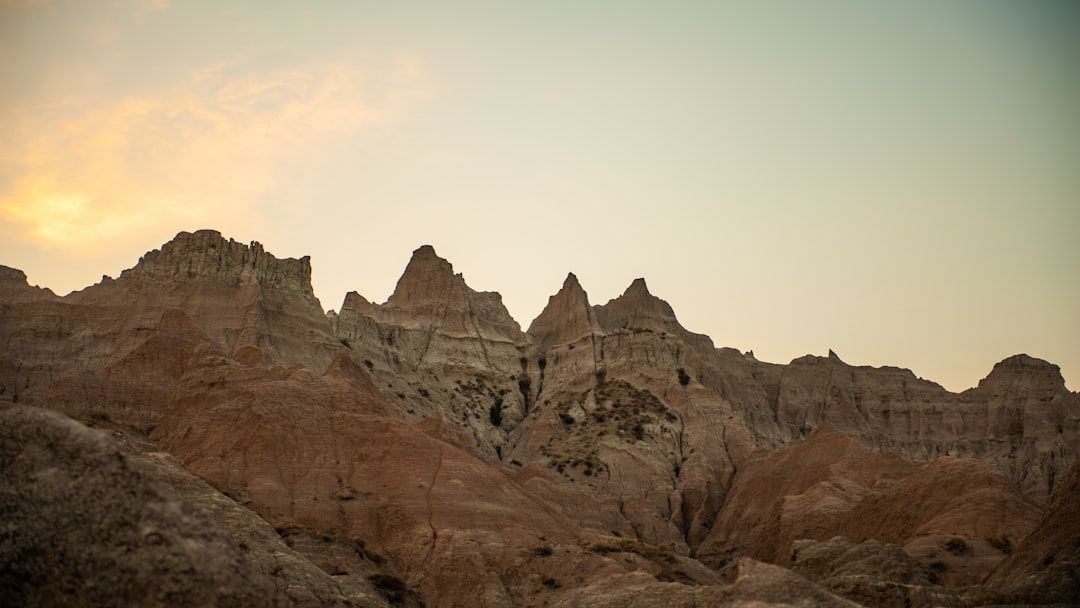
You know that feeling when a place exceeds every expectation you had? That’s Dakota for you. Whether we’re talking about North or South, this incredible region packs an astonishing number of natural wonders, monumental carvings, and wild landscapes into its borders. From granite peaks to otherworldly badlands, Dakota offers something that honestly feels almost cinematic in scale.
Here’s the thing. Most people think they know what to expect when they plan a Dakota trip. Yet the reality is far more compelling than any brochure could capture. These landmarks aren’t just photo opportunities or boxes to check off a list. They’re experiences that shift your perspective on what the American landscape can be. So let’s dive in.
Mount Rushmore National Memorial
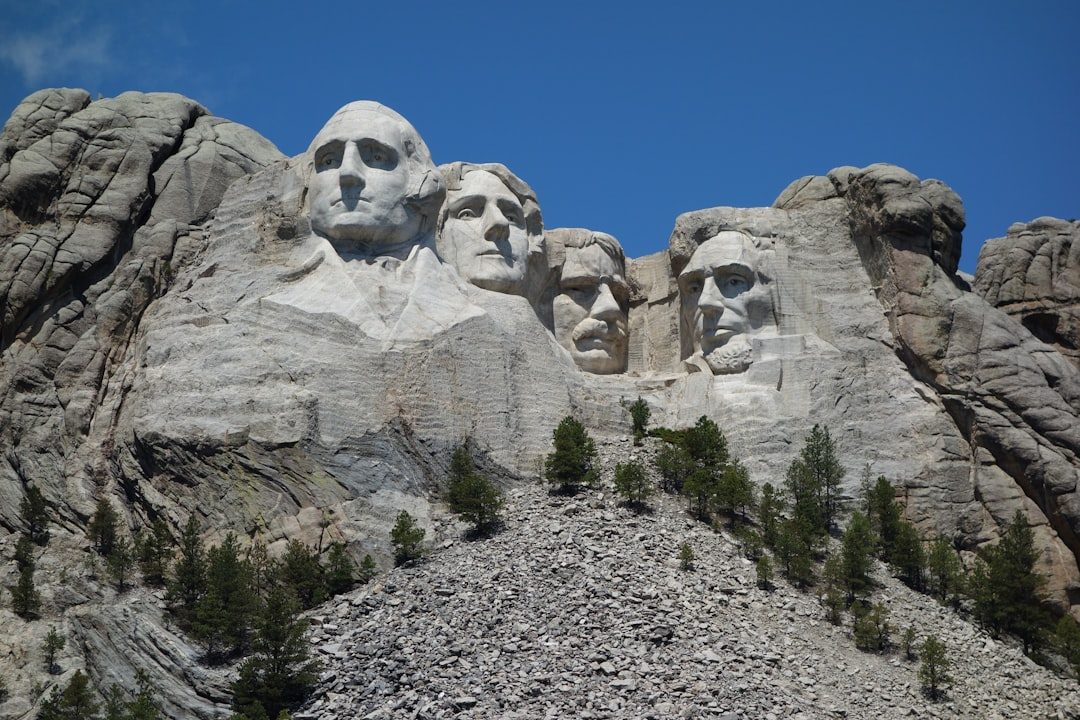
Majestic figures of George Washington, Thomas Jefferson, Theodore Roosevelt and Abraham Lincoln, surrounded by the beauty of the Black Hills of South Dakota, tell the story of the birth, growth, development and preservation of this country. Walking up to see those iconic faces carved into solid granite is genuinely breathtaking, no matter how many times you’ve seen them in photographs.
The faces on Mount Rushmore are 60 feet high, roughly the size of a six-story building, making this monument a remarkable feat of engineering and artistry. The monument draws roughly three million visitors annually, and there’s good reason for that popularity. Open year-round and conveniently located near hotels, the park includes a half-mile walking trail, museum exhibits, Sculptor’s Studio, a bookstore and a cafe.
Badlands National Park
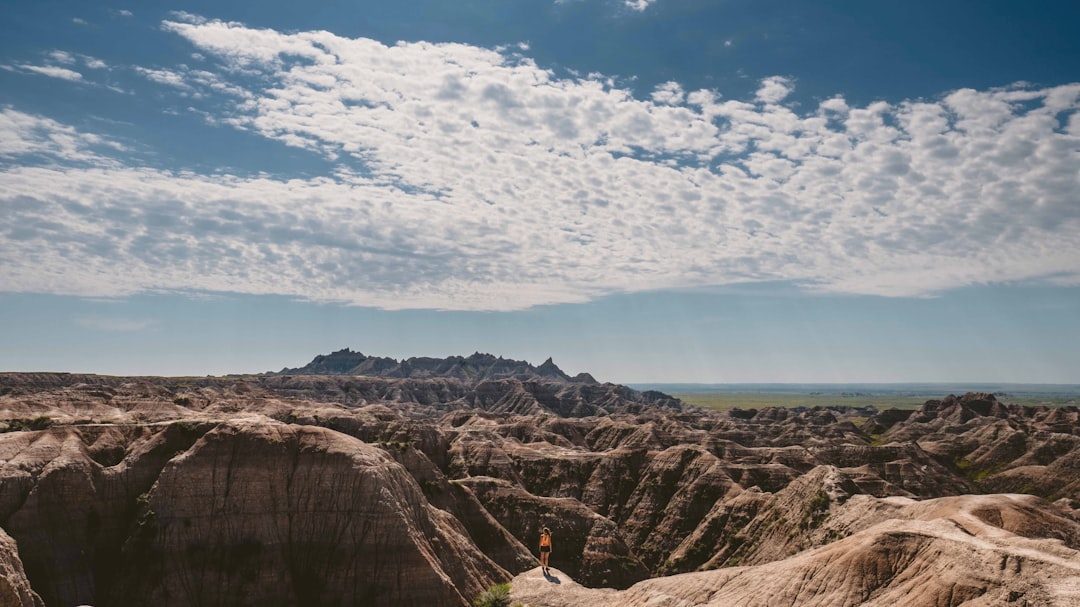
Let’s be real, the first time you glimpse the Badlands, your jaw drops. The rugged beauty of the Badlands draws visitors from around the world. These striking geologic deposits contain one of the world’s richest fossil beds. The landscape looks like something from another planet, with layered rock formations striped in shades of rust, cream, and gray.
The park’s 244,000 acres protect an expanse of mixed-grass prairie where bison, bighorn sheep, prairie dogs, and black-footed ferrets live today. Driving through at sunrise or sunset transforms the experience completely, as the colors shift dramatically with the changing light. This striking South Dakota landscape boasts a maze of buttes, canyons, pinnacles and spires. Skeletons of three-toed horses and saber-toothed cats are among the many fossilized species.
Crazy Horse Memorial
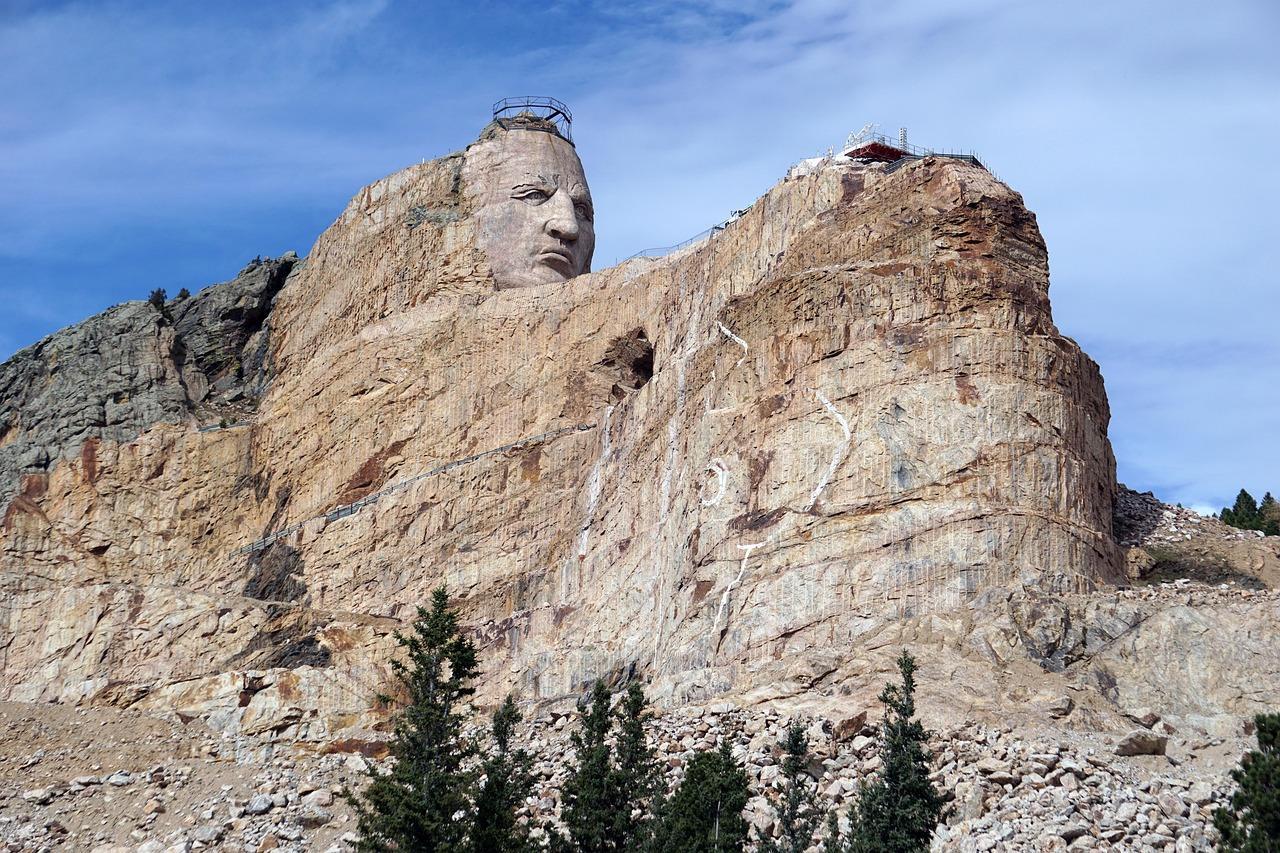
This one honestly takes your breath away, and I mean that quite literally. The world’s largest mountain carving in progress, honoring Native American heritage, located in the Black Hills of South Dakota. Unlike Mount Rushmore, this monument is still being carved, which makes witnessing it feel like you’re watching history unfold.
The sculpture’s final dimensions are planned to be 641 feet long and 563 feet high. Think about that for a moment. The sheer ambition is staggering. At the request of Chief Henry Standing Bear, sculptor Korczak Ziolkowski began work on this colossal tribute to Lakota hero and leader Crazy Horse in 1948. The awe-inspiring work continues to this day. The site also features a cultural center and museum that provide deep insights into Native American heritage.
Custer State Park
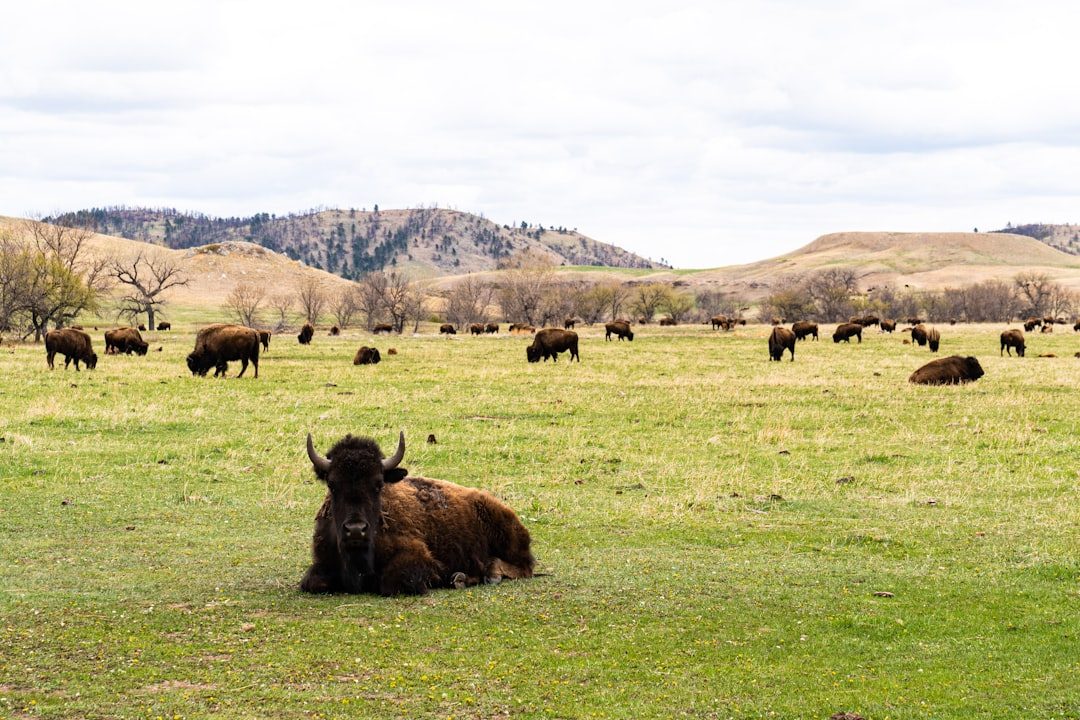
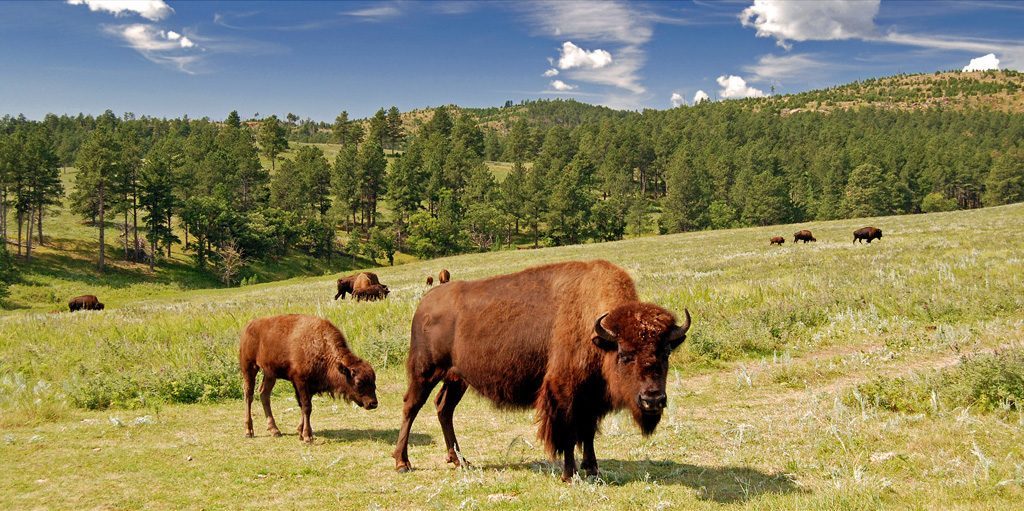
Few truly wild places remain in America. With 1,300 bison wandering 71,000 untamed acres, Custer State Park is one of them. Imagine driving along Wildlife Loop Road when suddenly hundreds of massive bison surround your car, crossing the road at their own leisurely pace. Traffic jams have never been more magnificent.
Encompassing 71,000 acres in the Black Hills, Custer State Park is home to abundant wildlife and adventure; camping, hiking, biking, swimming, fishing, or relaxing, there’s something here for everyone. The Needles Highway snakes through the park with hairpin turns and narrow tunnels framing spectacular granite spires. The park has an annual bison roundup as 400 to 500 calves are born each year. The annual roundups began in 1965 with the viewing crowd growing to 16,000 to 20,000 people.
Theodore Roosevelt National Park
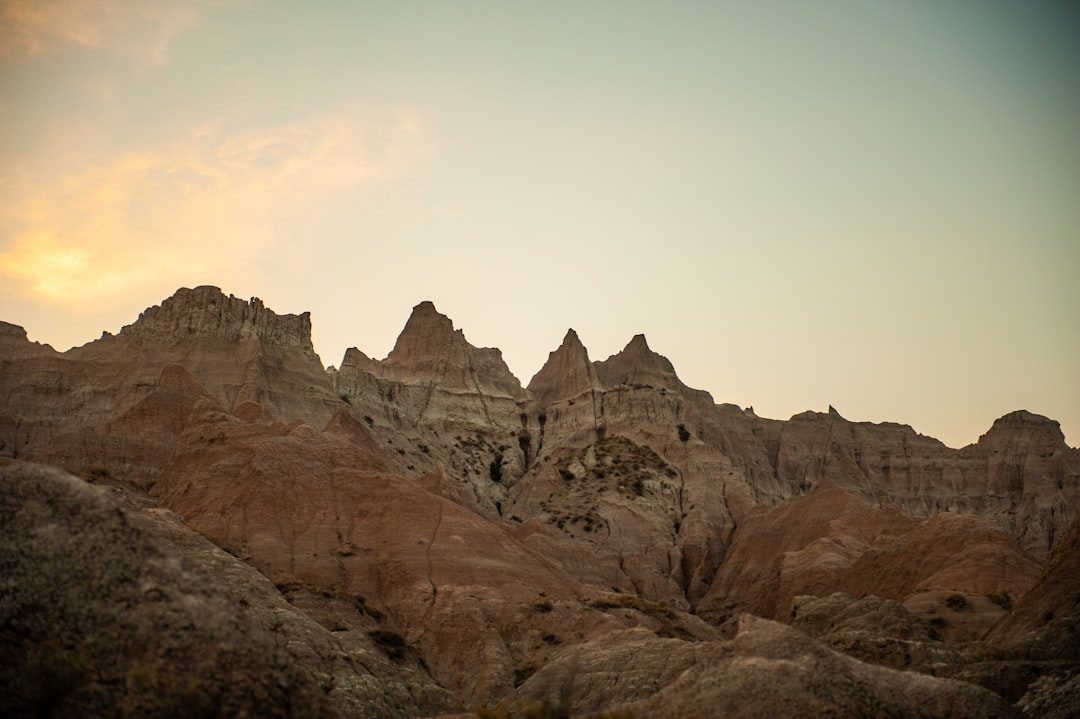
North Dakota’s crown jewel remains somewhat underappreciated, which honestly makes visiting it even more special. Theodore Roosevelt National Park is one of the top outdoor destinations in North Dakota. Named after the naturalist, rancher, and 26th president of the United States, the national park still encompasses the same landscapes that once enamored Roosevelt himself. The park captures the raw essence of the northern Great Plains.
The Little Missouri River winds its way through the rolling hills and Badlands of the park. Visitors are encouraged to hike or simply drive through the park to appreciate the natural beauty alongside free-roaming bison and wild horses. The painted canyons glow brilliantly during golden hour, creating photography opportunities that rival anything you’d find out West. It’s hard to say for sure, but this might be one of the most peaceful national parks in the entire system.
Wind Cave National Park
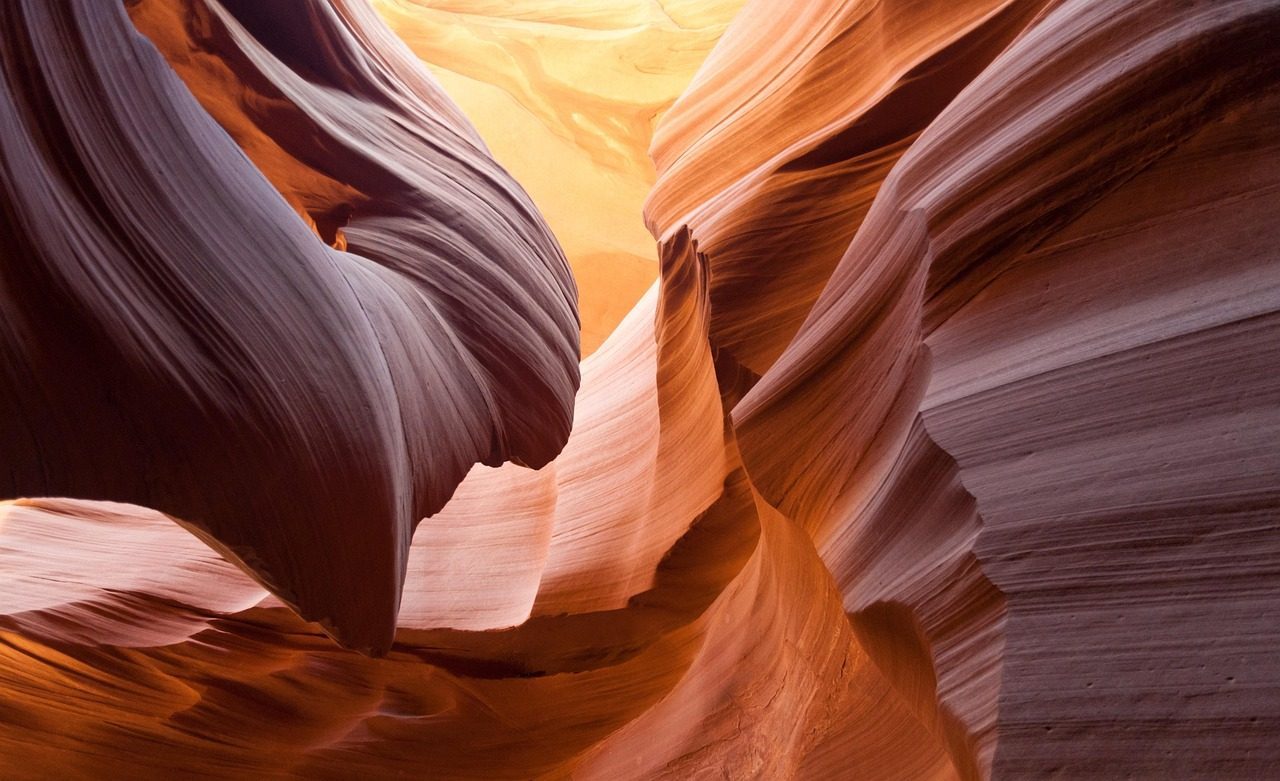
Located in southwestern South Dakota, Wind Cave National Park is home to one of the longest and most complex caves worldwide. Visitors can hike the park’s trails, take guided tours of the cave, or participate in several ranger-led events. The cave itself features unique boxwork formations found almost nowhere else on Earth.
Above ground, the park protects significant mixed-grass prairie where bison and elk roam freely. The contrast between the underground labyrinths and the wide-open prairie creates a uniquely layered experience. Named for the barometric winds that blow in and out of its entrance, Wind Cave remains one of South Dakota’s most fascinating natural wonders.
Deadwood Historic Town
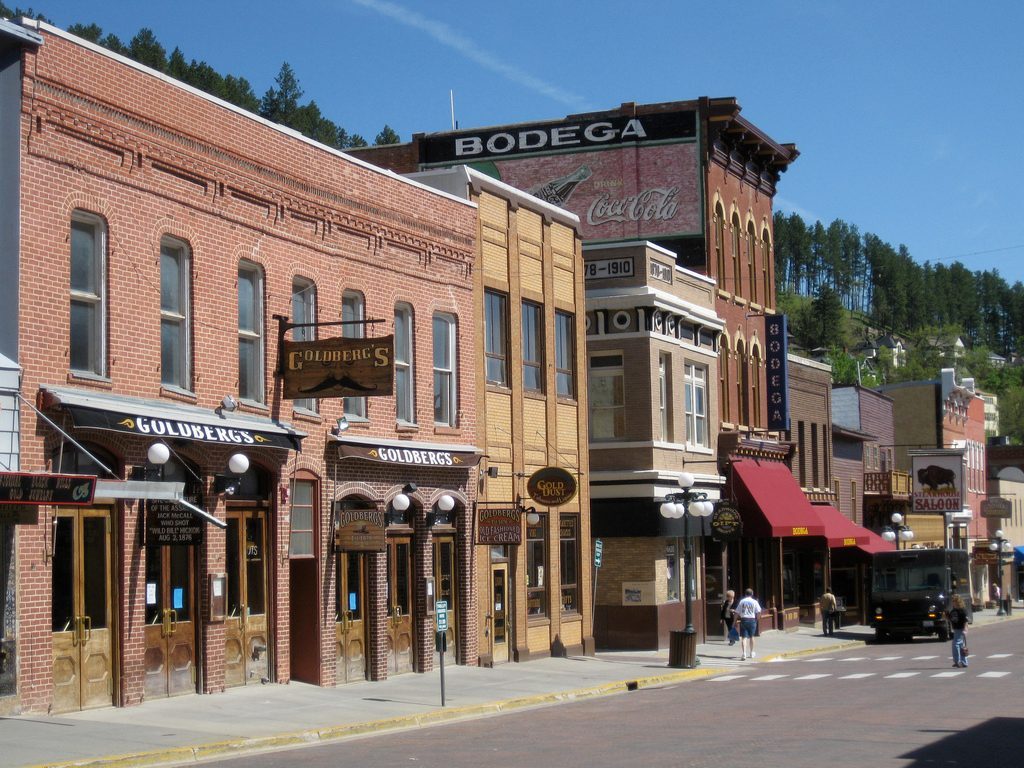
Once a lawless frontier town, Deadwood is now a National Historic Landmark that preserves the town’s colorful history. Visitors can learn about the town’s history at places like the Mount Moriah Cemetery, where Wild Bill Hickok and Calamity Jane are buried, or try their luck at one of the town’s many casinos. Walking down Main Street genuinely feels like stepping back into the Wild West era.
The entire town maintains its historic character while offering modern amenities and entertainment. Gaming halls occupy beautifully restored Victorian buildings, creating an atmospheric blend of past and present. It’s one of those places where history doesn’t just live in museums but permeates the very streets you walk on.
Sylvan Lake
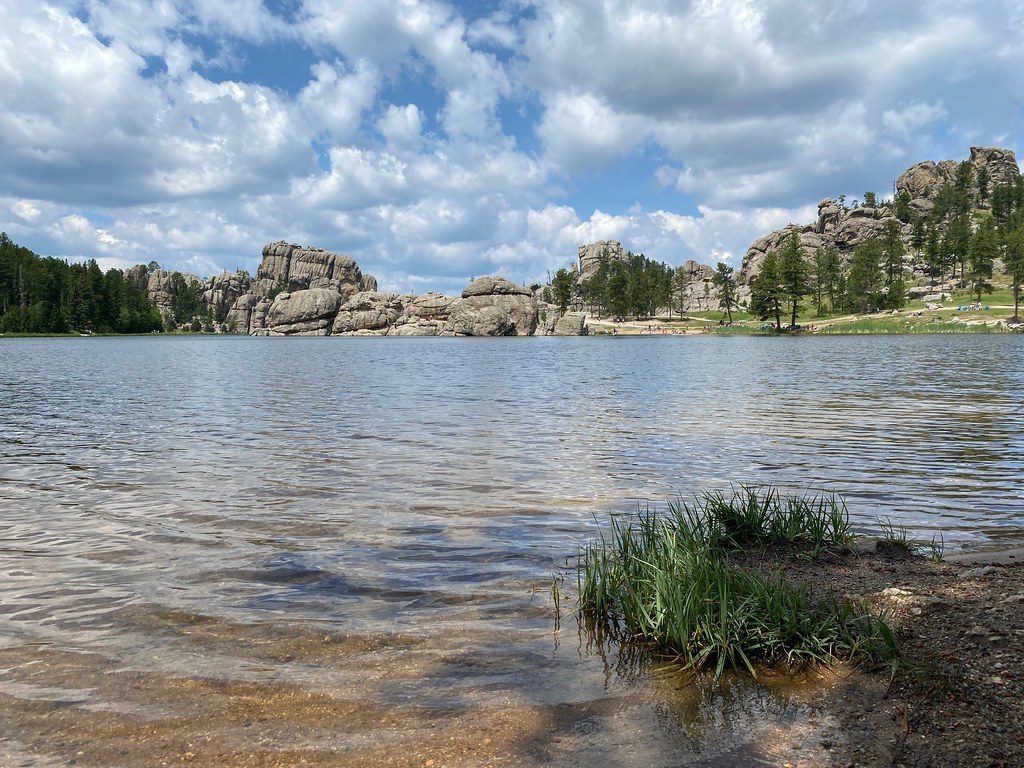
Tucked within Custer State Park, Sylvan Lake might be smaller than its neighboring attractions, yet its beauty rivals anything in the region. Crystal-clear water reflects towering granite formations that surround the shoreline, creating scenes so picturesque they almost look artificial. The lake serves as a gateway to numerous hiking trails, including paths leading to Black Elk Peak.
Early morning visits reward you with mirror-like reflections and serene tranquility before day visitors arrive. Swimming, kayaking, and rock climbing opportunities abound around the shoreline. Whether you’re seeking adventure or peaceful contemplation, this alpine gem delivers both in equal measure.
Conclusion
Dakota’s landmarks showcase nature’s grandeur and human ambition on an epic scale. From the presidential faces of Mount Rushmore to the wild bison herds of Custer State Park, from the otherworldly Badlands to the ongoing carving of Crazy Horse Memorial, this region offers experiences that linger long after you’ve returned home. These aren’t just tourist stops.
They’re places that reconnect you with something essential about American landscapes and heritage. Which of these landmarks surprises you most? Have you experienced any of them firsthand?
