
Water has always been the foundation of life. Rivers, in particular, have shaped how civilizations grew, how cultures formed, and where people chose to settle. They’ve been highways for explorers, lifelines for farmers, and sources of inspiration for artists and poets. But when you think of the great rivers that stretch across our planet, which ones come to mind?
From the longest to the most sacred, from the mightiest to the most mysterious, there are waterways that have earned their place in history books and in the hearts of millions. Some have witnessed the birth of ancient empires, while others continue to support bustling modern cities. Each one has a story to tell. So let’s dive in and explore these liquid giants that continue to carve their way through our world.
Rivers That Shape Continents and Cultures
Rivers are far more than just bodies of water flowing from one point to another. Think about it: without rivers, where would our greatest cities be? Where would trade routes have formed? Rivers provide water supplies to ecosystems across the globe, and these natural flowing watercourses provide habitats, energy, transportation and sources of recreation.
The relationship between humans and rivers goes back thousands of years. They provide a source of drinking water, for obtaining food, to fertilize lands and way to transport goods from place to place. It’s honestly hard to imagine how different our world would look if these mighty waterways didn’t exist.
The Nile: Africa’s Ancient Artery
The Nile River, located in northeastern Africa, is the longest river in at about 4,132 miles. That’s a distance that’s difficult to even comprehend. The river flows through eleven countries: Tanzania, Uganda, Rwanda, Burundi, the Democratic Republic of the Congo, Kenya, Ethiopia, Eritrea, South Sudan, Sudan and Egypt.
The Nile played an extremely important role in the history of Ancient Egypt, as most of Egypt is desert, but the soil along the Nile River is perfect for growing crops. Here’s the thing: without the Nile, the pyramids might never have been built, and one of history’s most fascinating civilizations might never have flourished. More than 300 million people depend on the Nile for their water supply and the irrigation of seasonal crops.
Interestingly, despite being the longest, the Nile has a lower average discharge because of massive water loss to evaporation through the arid Sahara desert. It’s like a marathon runner who starts strong but loses steam along the way.
The Amazon: South America’s Liquid Powerhouse
Now we’re talking about sheer power. The Amazon is the most powerful river in with an average flow rate of 224,000 cubic meters per second, and its discharge could fill more than 83 Olympic-sized swimming pools every single second. Let that sink in for a moment.
The Amazon River is located in South America, and travels through the countries of Brazil, Peru and Columbia, and is the largest river in terms of volume in . While there’s debate about whether it’s truly longer than the Nile, what’s not debatable is its ecological importance. The Amazon is famous for the rainforest found along its shores, which represents about half of Earth’s remaining rainforest and is ‘s largest biological reservoir, home to more than a million species.
The biodiversity here is staggering. About 2,500 fish species have been found within the Amazon system, but many more remain unidentified. I know it sounds crazy, but scientists are still discovering new species in this river system.
The Yangtze: China’s Dragon River
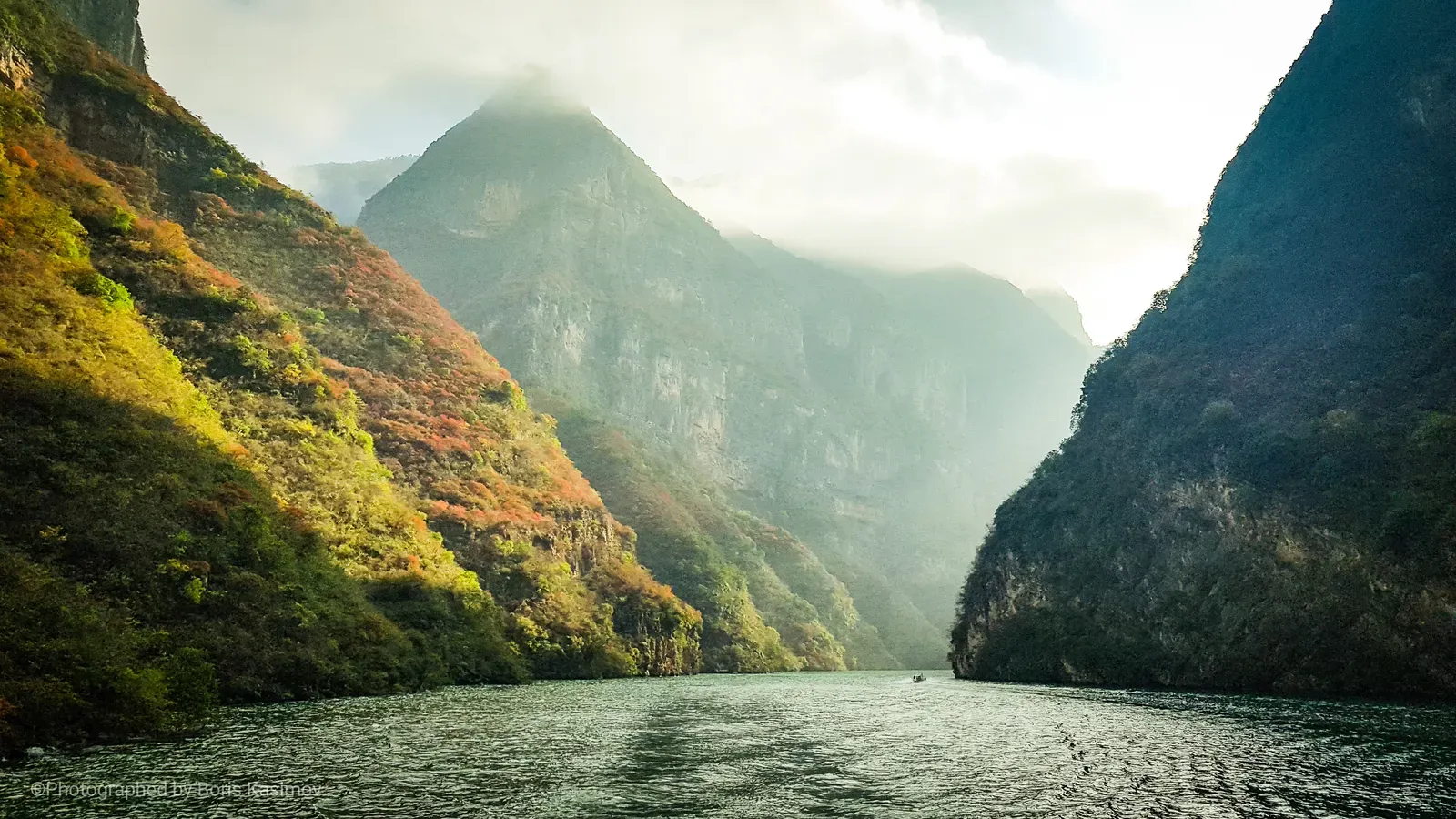
The Yangtze is the longest river in China and the third-longest river in , rising at Jari Hill in the Tanggula Mountains of the Tibetan Plateau and flowing 6,374 kilometers in a generally easterly direction to the East China Sea. That’s a journey that takes it through the heart of one of ‘s most populous nations.
Its drainage basin comprises one-fifth of the land area of China, and is home to nearly one-third of the country’s population. Think about that: hundreds of millions of people depending on a single waterway. The Yangtze Delta generates as much as 20% of China’s GDP, and the Three Gorges Dam on the Yangtze is the largest hydro-electric power station in .
The river has faced challenges, though. In recent years, the river has suffered from industrial pollution, plastic pollution, agricultural runoff, siltation, and loss of wetland and lakes, which exacerbates seasonal flooding.
The Mississippi: America’s Mighty Waterway
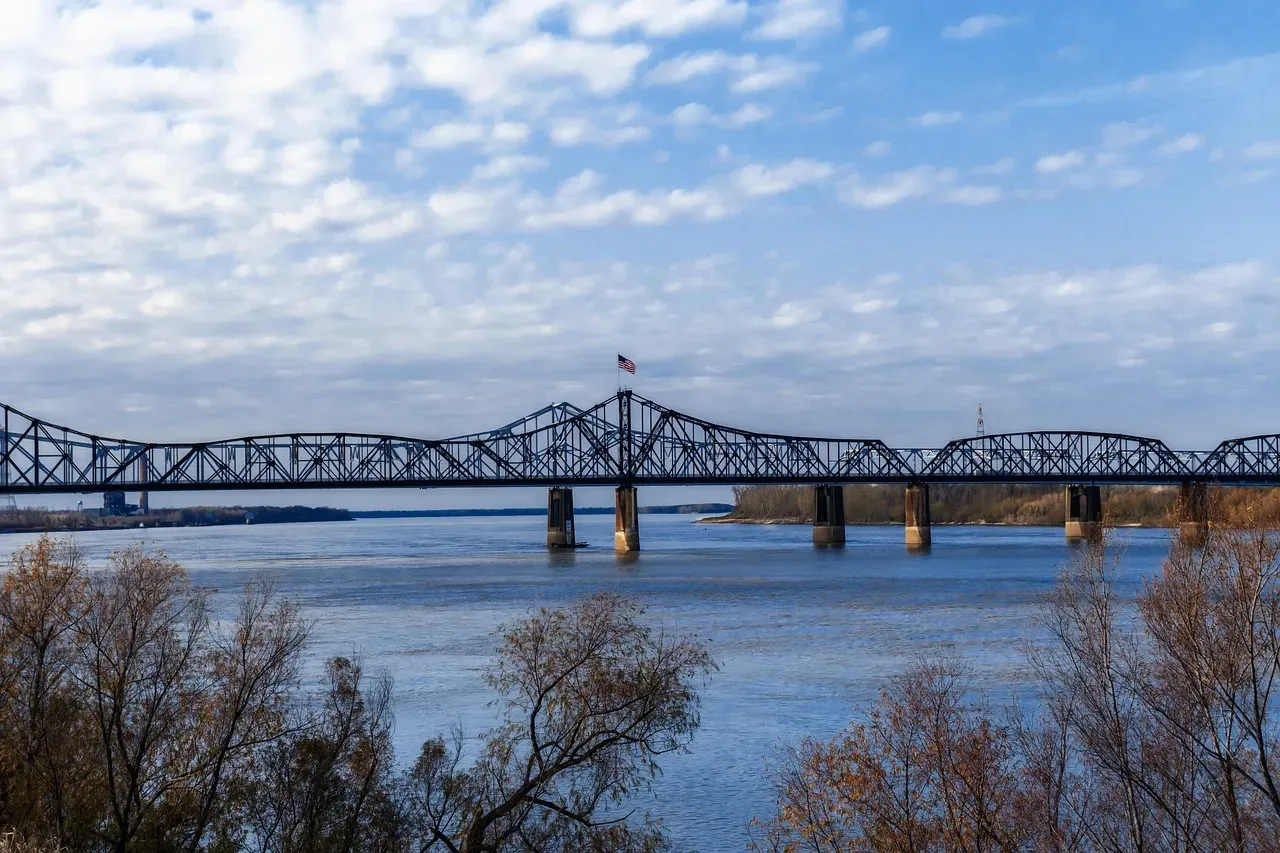
About 2,320 miles long, the Mississippi River is the largest river system in the United States and North America, originating at Lake Itasca and emptying below New Orleans in the Gulf of Mexico. The Mississippi is woven into the fabric of American identity, from Mark Twain’s novels to blues music.
With its many tributaries, the Mississippi’s watershed drains all or parts of 32 U.S. states and two Canadian provinces between the Rocky and Appalachian mountains. It’s hard to say for sure, but this might be one of the most economically significant rivers in North America. Famous steamboats entered trade in the 1820s, with cotton, timber and food transported down the river.
The river’s cultural impact is undeniable. Flowing through the heartland of America, the Mississippi River carries historical and cultural significance for indigenous tribes and modern-day societies alike, revered as a symbol of resilience and unity.
The Ganges: India’s Sacred Stream
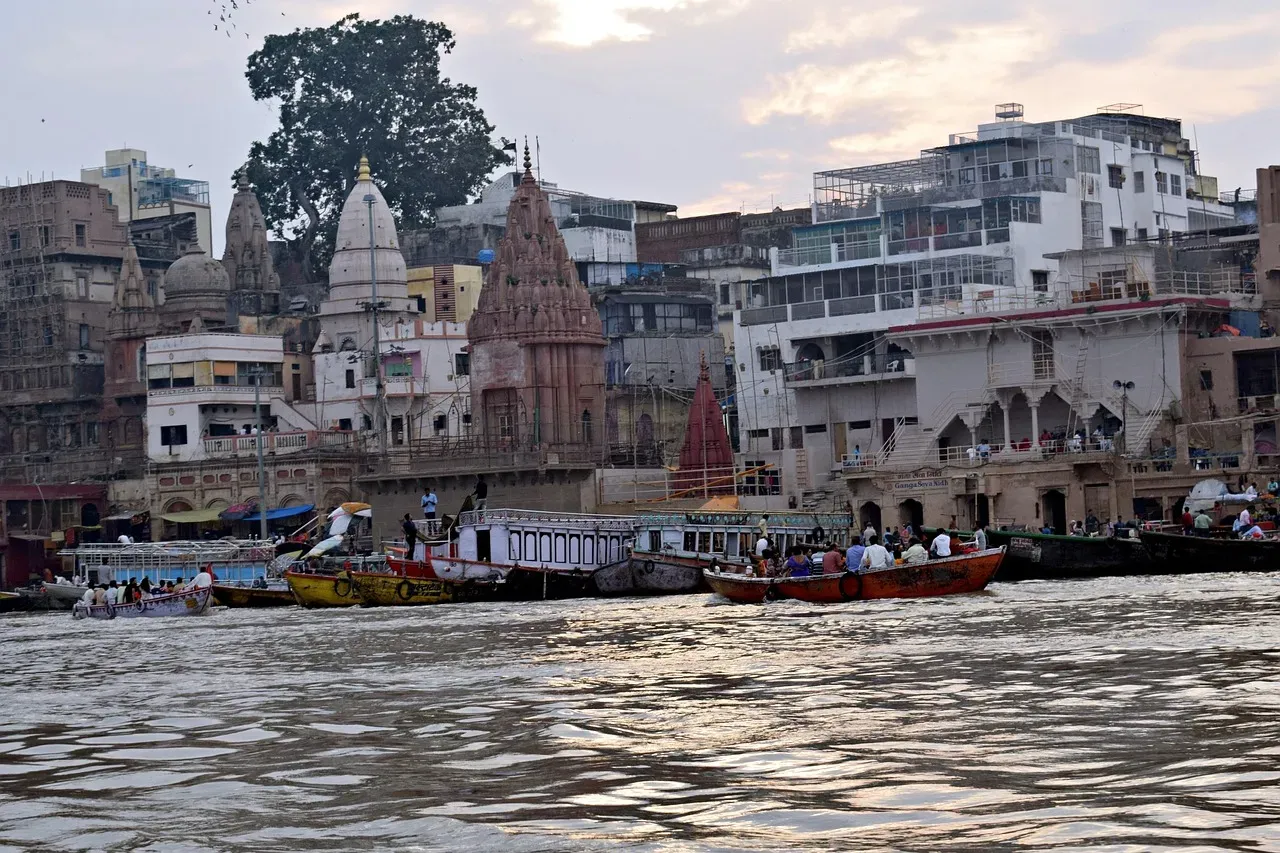
Let’s be real: no river on Earth holds more spiritual significance than the Ganges. The Ganges is the most sacred river to Hindus and is worshipped as the goddess Ganga in Hinduism. The 2,525-kilometre-long river rises in the western Himalayas in the Indian state of Uttarakhand.
The Ganges is a lifeline to hundreds of millions of people who live in its basin and depend on it for their daily needs. Varanasi, one of ‘s oldest continuously inhabited cities, sits on its banks where pilgrims come to bathe in waters they believe can wash away sins.
The river supports remarkable biodiversity too. The river is home to approximately 140 species of fish, 90 species of amphibians, and also reptiles and mammals, including critically endangered species such as the gharial and South Asian river dolphin. Sadly, the Ganges is threatened by severe pollution.
The Mekong: Southeast Asia’s Lifeblood
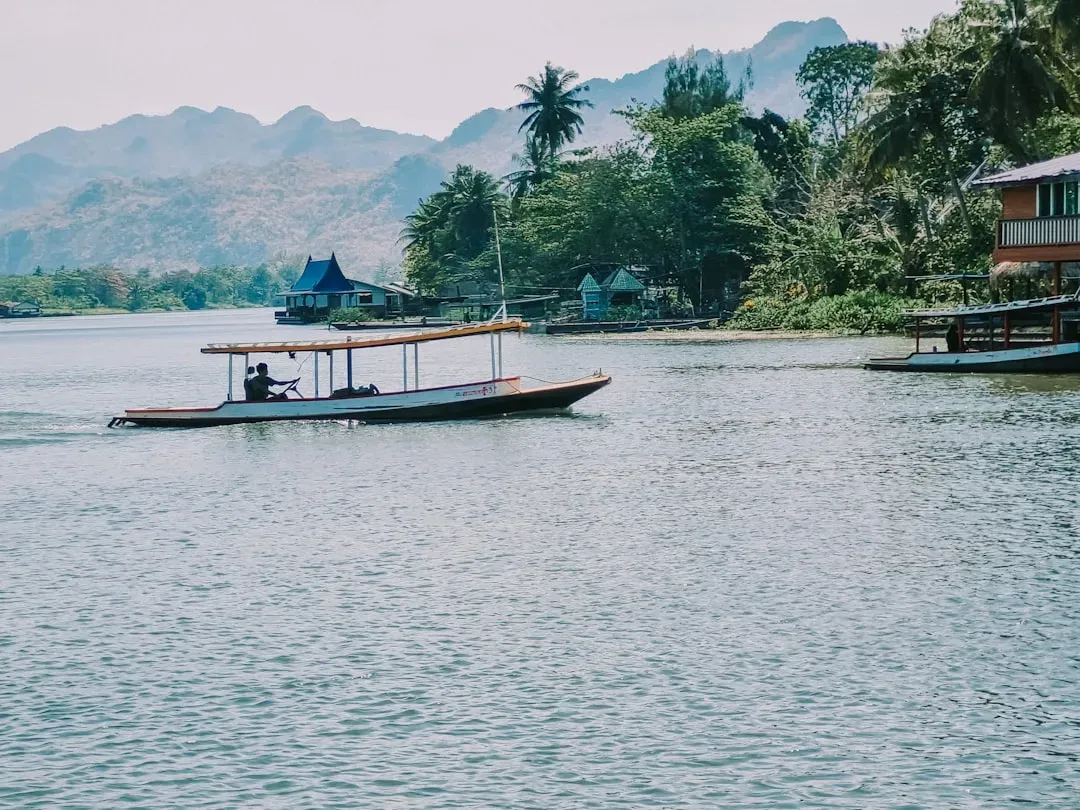
The Mekong river is the 12th longest river in with an estimated length of 4,350 kilometers, running from the Tibetan Plateau through China’s Yunnan province, Burma, Laos, Thailand, Cambodia and Vietnam. That’s six countries depending on one waterway.
Some 60 million people rely on the Mekong River. It supports one of the largest and most diverse fishing industries in , and the Mekong is considered to be second of all rivers in terms of biodiversity importance, behind the Amazon. The variety of life in these waters is truly astonishing.
Flowing through Southeast Asia, the Mekong River sustains millions of people across its basin, nurturing diverse ecosystems and cultures, and is revered as the “Mother of Water.”
The Thames: England’s Historic Flow
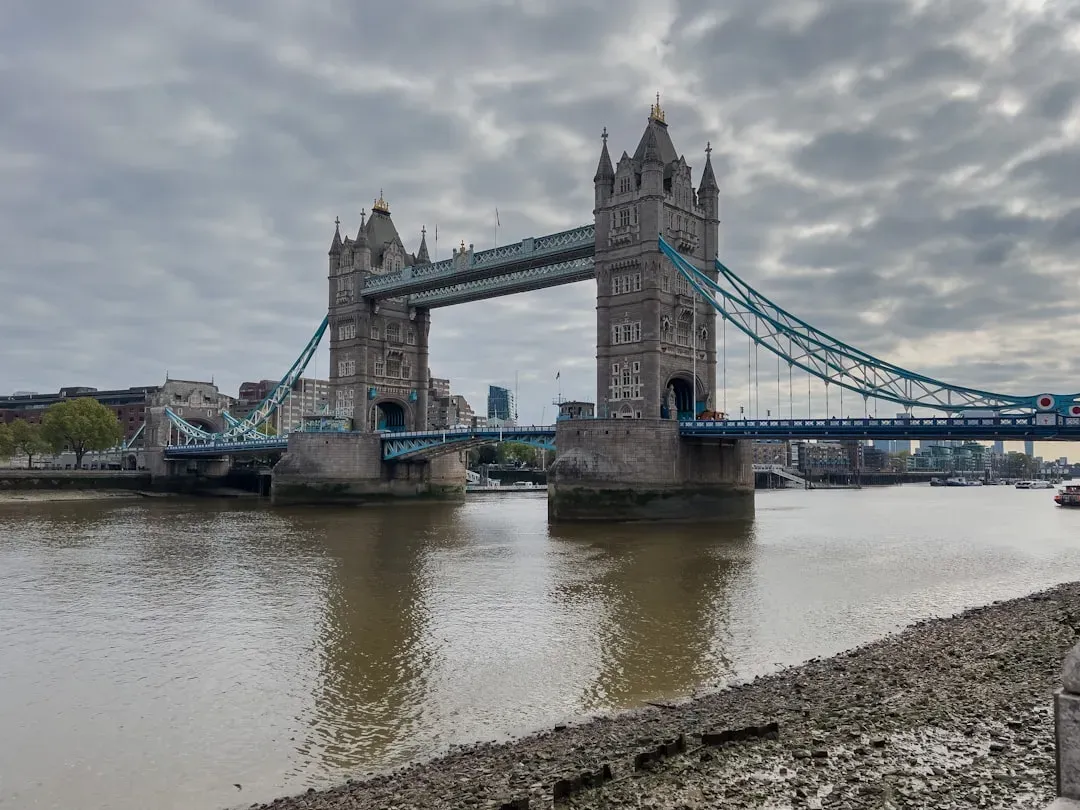
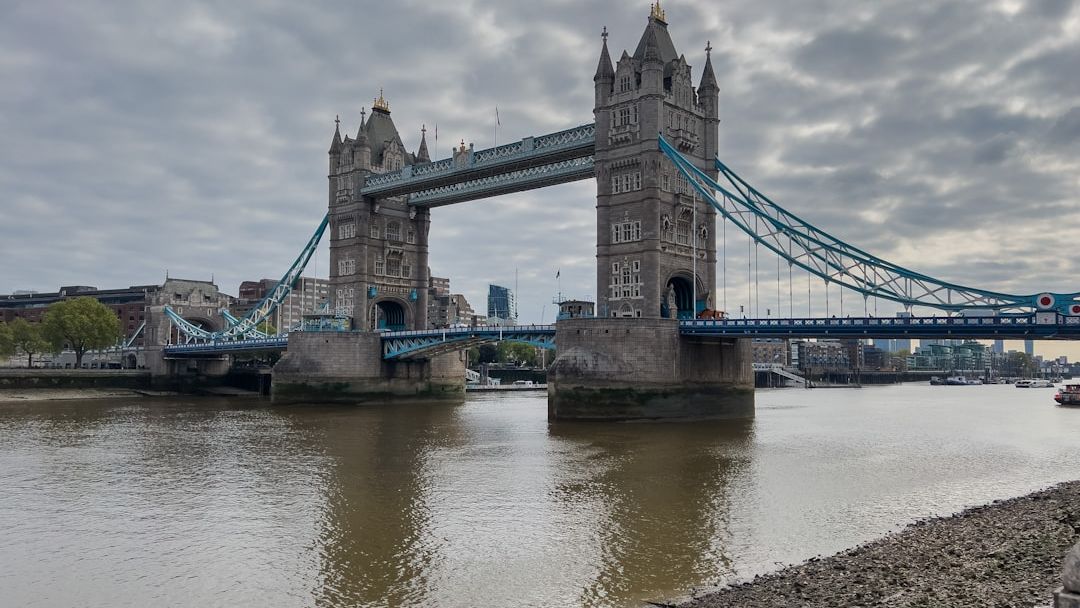
The Thames, in England, is one of Europe’s most historic rivers. While it may not be the longest or the mightiest, its cultural impact is enormous. Along its banks is the city of London, a bustling urban area that has stood for more than a thousand years, and by the first century C.E., London had already become an important Roman settlement and trading post because of its location on the river and near the seacoast.
From the Tower of London to the Houses of Parliament, some of Britain’s most iconic landmarks line its banks. The Thames has witnessed coronations, revolutions, and the rise and fall of empires. As the iconic river flowing through London, the Thames holds a special place in British history and culture.
It’s fascinating how a relatively modest river compared to others on this list can have such an outsized influence on world history.
The Danube: Europe’s Connecting Thread
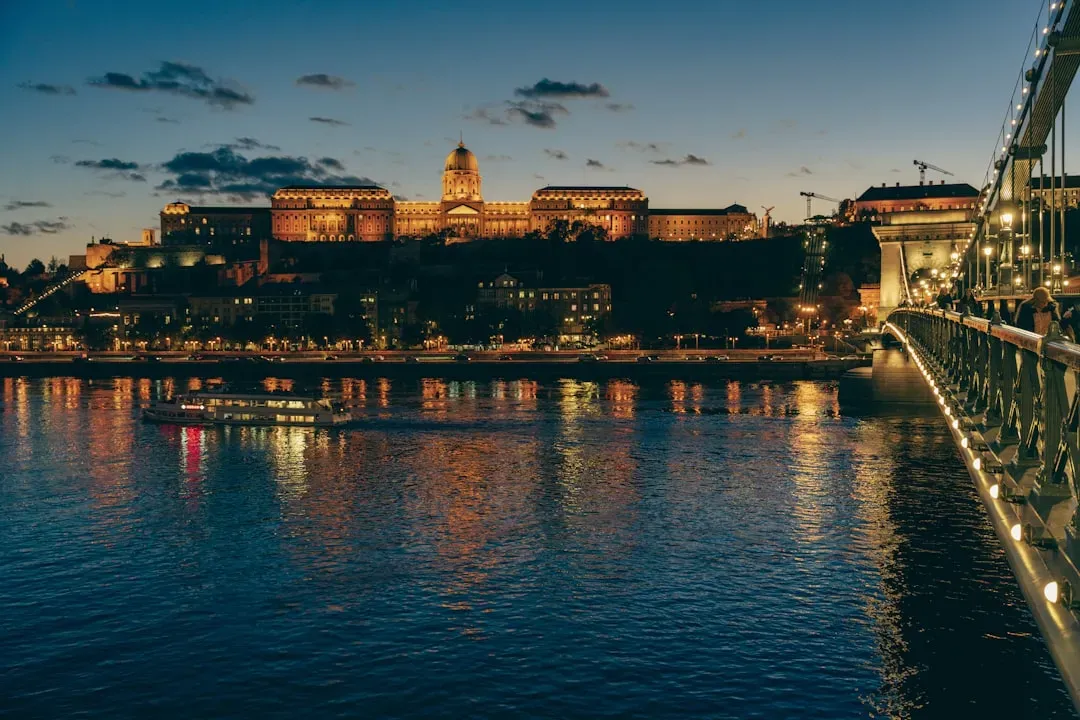
Winding through central and eastern Europe, the Danube River holds cultural and historical importance for the diverse nations it traverses, with its banks bearing witness to centuries of human civilisation from ancient Roman settlements to mediaeval fortresses. The Danube flows through or touches ten countries, making it one of the most international rivers on the planet.
This river has been a connector rather than a divider. It’s allowed goods, ideas, and people to move between Eastern and Western Europe for millennia. Cities like Vienna, Budapest, and Belgrade owe much of their grandeur to their strategic positions along the Danube.
The river has inspired composers like Johann Strauss II, whose famous waltz “The Blue Danube” remains one of the most recognizable pieces of classical music.
The Congo: Africa’s Deep Mystery
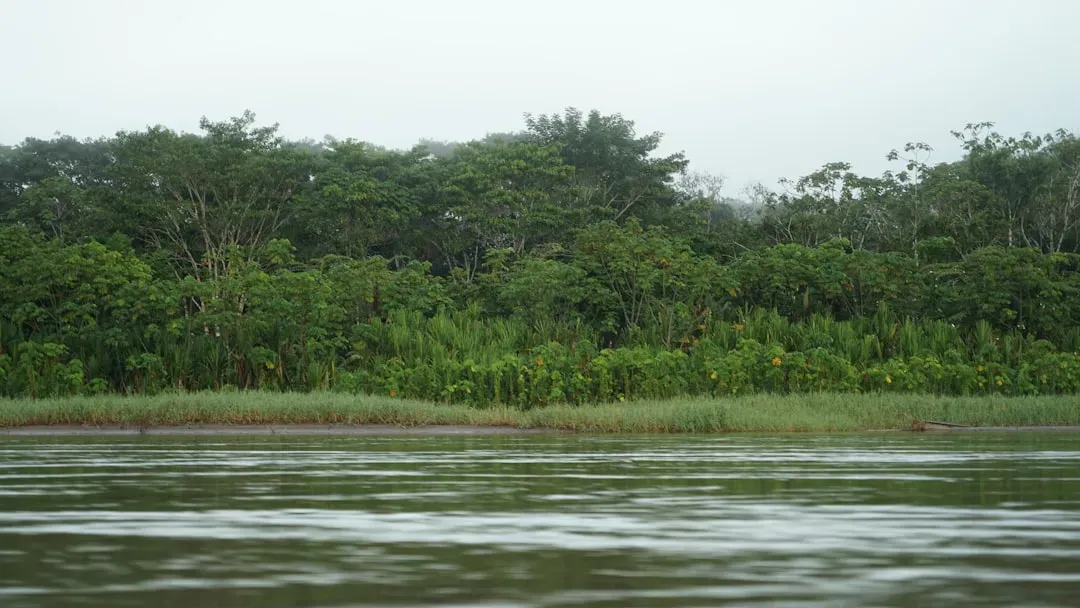
Africa’s mighty Congo is the deepest river in with a discharge of 41,400 cubic meters per second, showing how the equatorial rainforests centralize runoff into a single channel. Its depth reaches an incredible 720 feet in some places, making it deeper than any other river on Earth.
Also known as the Zaire River, it is the second-longest river in Africa, flowing through the Congo Basin, the second-largest rainforest in , which is vital for biodiversity and climate regulation. The Congo Basin is sometimes called ‘s second lung, after the Amazon.
The river remains one of the least explored major waterways on the planet. Large sections are still wild and remote, home to species that exist nowhere else.
The Rhine: Europe’s Industrial Artery
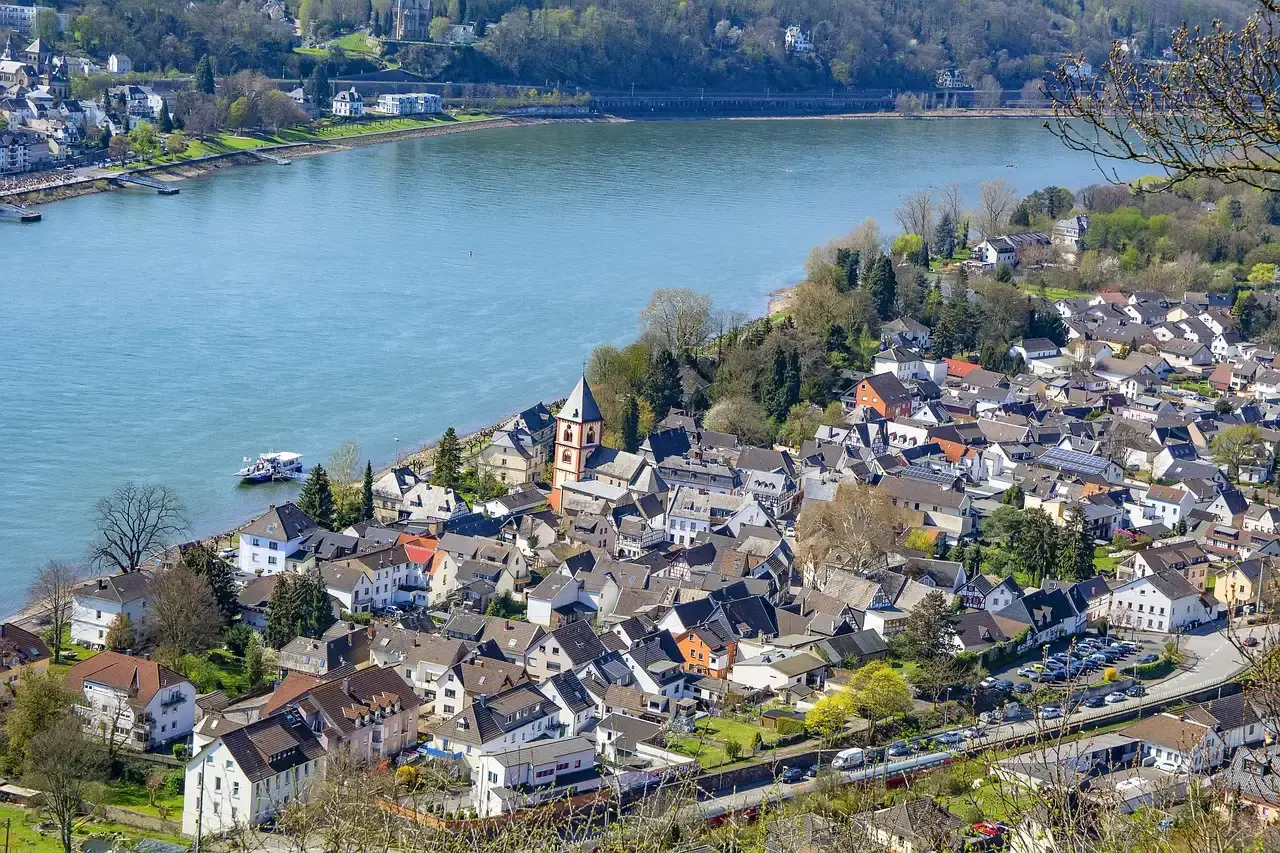
Europe’s busiest river in terms of transport is the Rhine, which runs from the Alps in Switzerland, through Germany and the Netherlands, and empties into the North Sea. This river is the economic backbone of Western Europe, carrying more cargo than any other European waterway.
The Rhine Valley is famous for its castles, vineyards, and picturesque towns. It’s a landscape that seems pulled from a fairy tale. It flows through industrial regions, which has contributed to its rising pollution levels, with about 6,000 toxic chemicals found in the river. Efforts to clean it up have been ongoing.
Despite the environmental challenges, the Rhine remains vital. Millions depend on it for drinking water, transportation, and industry.
Conclusion
Rivers have been humanity’s partners since the beginning. They’ve given us water to drink, fish to eat, and paths to explore. They’ve inspired religions, sparked wars, and connected cultures. From the sacred Ganges to the mighty Amazon, from the historic Thames to the mysterious Congo, each of these ten rivers tells a story larger than itself.
These waterways remind us that we’re part of something bigger, something that flows through time and across borders. They’ve been here long before us and will continue long after we’re gone.
What do you think? Which of these rivers would you most want to see in person? Drop your thoughts in the comments below.
