
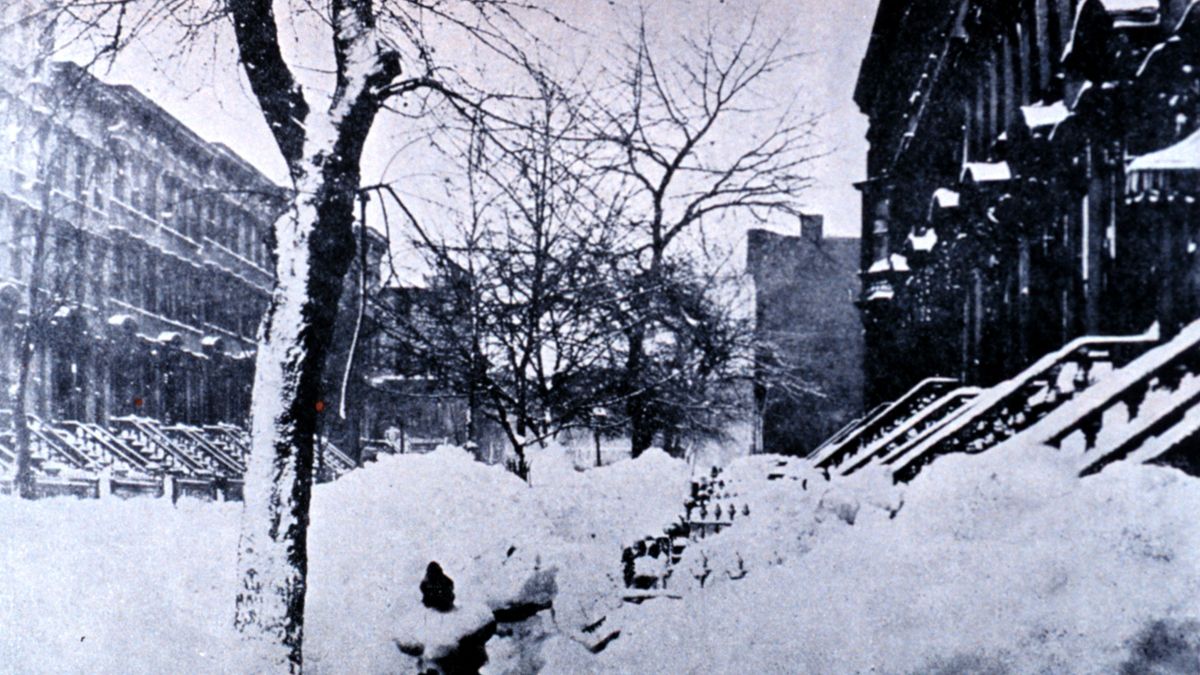
When you think about winter storms, a dusting of snow on your front lawn probably comes to mind. Maybe school closures and hot chocolate by the fireplace. Those are the comforting images we carry with us about the colder months.
The reality? Some snowstorms turned entire regions into frozen wastelands, burying cities for days and claiming hundreds of lives. These weren’t just weather events. They rewrote the rules on how cities build infrastructure, how meteorologists forecast disasters, and how seriously we take winter warnings. Let’s dive into the storms that changed everything.
The Great Blizzard of 1888
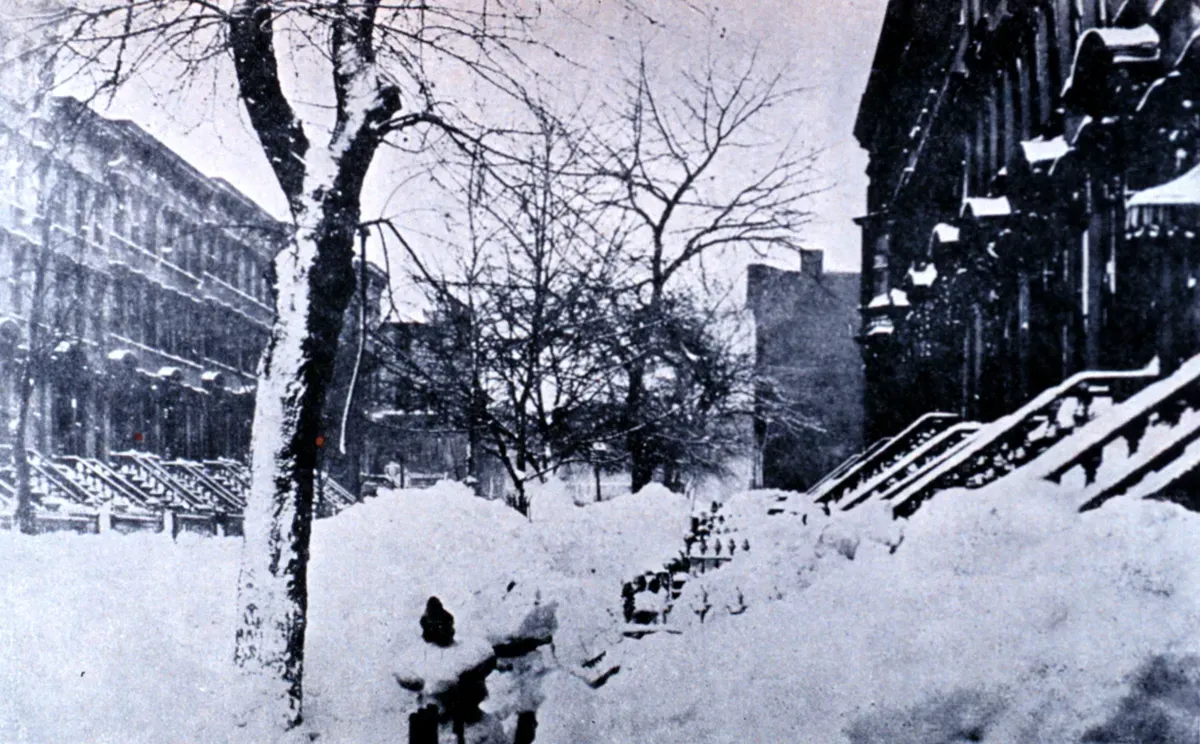
The Great Blizzard of 1888 is considered one of the most severe recorded blizzards and deadliest . Picture this: New Yorkers went to bed on March 10 expecting nothing more than spring showers with temperatures hovering around 50 degrees. When they woke up, the city was buried under a wall of white.
Snow from 10 to 58 inches fell in parts of New Jersey, New York, Massachusetts, Rhode Island, and Connecticut, and winds gusted over 80 mph, creating snowdrifts over 50 feet tall. For context, that’s the height of a five-story building. Over 400 people died, many found buried in snowdrifts along sidewalks in downtown Manhattan. Transportation was impossible for days, and drifts across the New York–New Haven rail line took eight days to clear. Honestly, it’s hard to imagine modern New York completely paralyzed, yet this storm brought the city to its knees for nearly a week.
The Storm of the Century (1993)
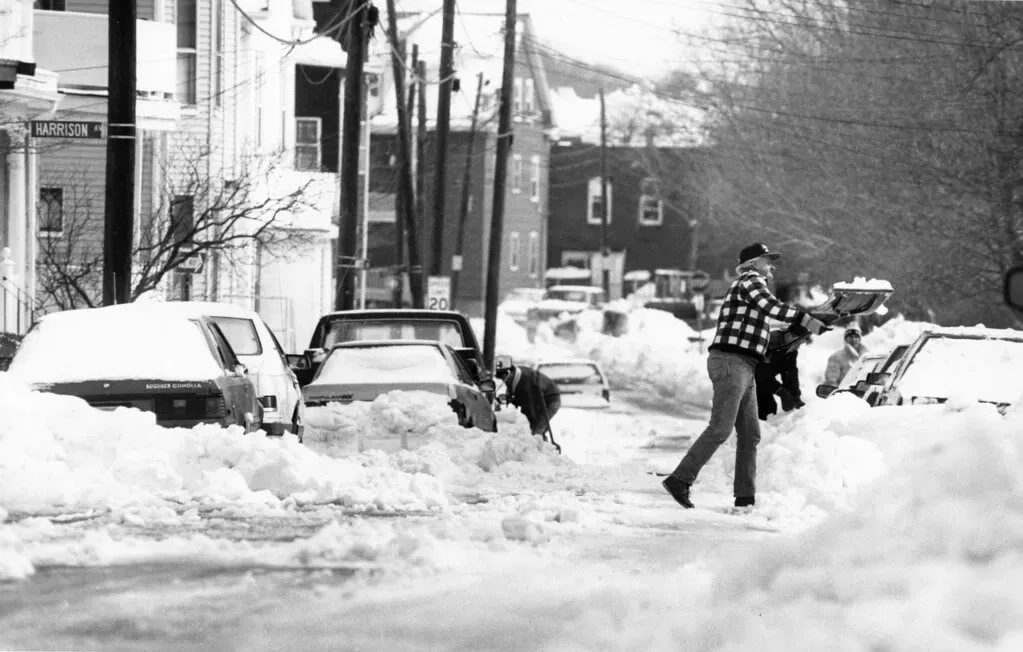
In 1993, an early March storm surged up the East Coast, unleashing snow and wind on a wider area than any other storm in recorded history. Here’s the thing: this wasn’t just a regional inconvenience. Massive snowfalls were recorded from eastern Canada to southern Alabama, with parts of 26 states affected, impacting roughly half the entire United States population.
Mount LeConte, Tennessee, received 60 inches of snow. Meanwhile, Birmingham, Alabama, received more than 17 inches, which is absolutely bonkers for the Deep South. The storm caused 300 deaths and $6 to $10 billion in damages. I think what made this blizzard so terrifying wasn’t just the snow. It spawned tornadoes, knocked out power for millions, and basically demonstrated that Mother Nature doesn’t respect geographical boundaries.
The Knickerbocker Storm (1922)
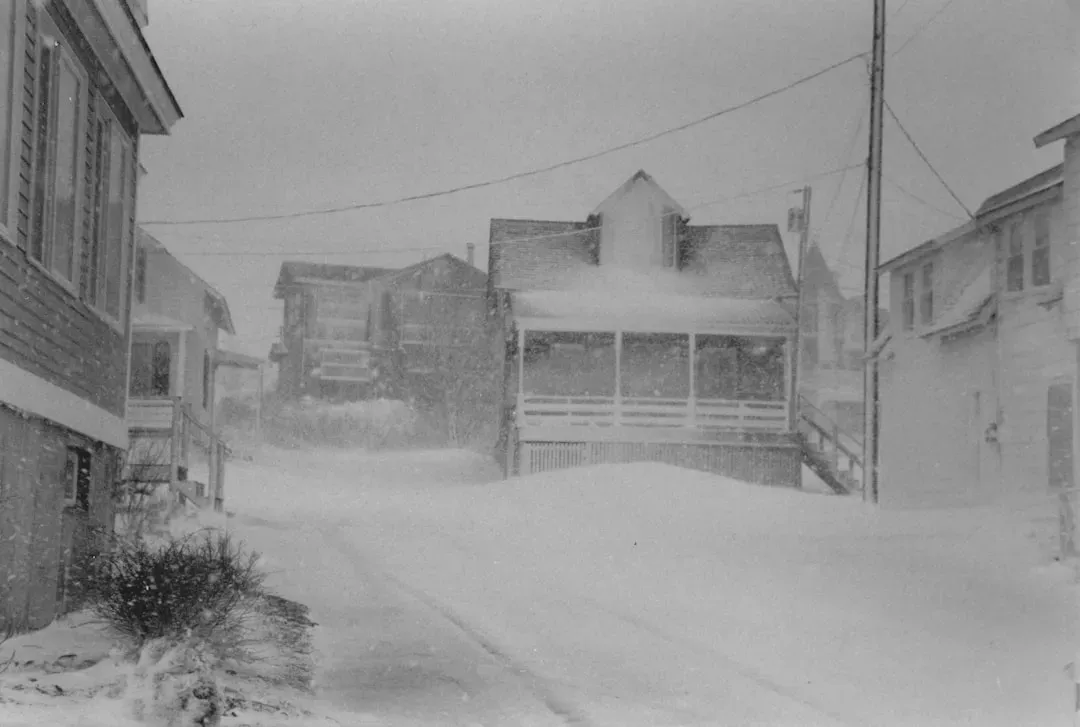
The Knickerbocker Storm battered the upper South and middle Atlantic United States for two days, dumping a record-breaking 28 inches of snow on Washington, D.C. What should have been a routine January weekend turned into one of the deadliest weather disasters in Washington’s history. People thought the worst had passed and ventured out for entertainment.
Several hundred people went to see a silent film at the Knickerbocker Theatre when the flat roof gave way under the weight of wet snow, killing 98 people. Concrete, bricks, and metal rained down on the audience during intermission. The tragedy sent shockwaves through the nation and forced architects to rethink building codes related to snow loads. Sometimes it takes a catastrophe to expose our vulnerabilities, and this storm certainly did that.
The Blizzard of 1978
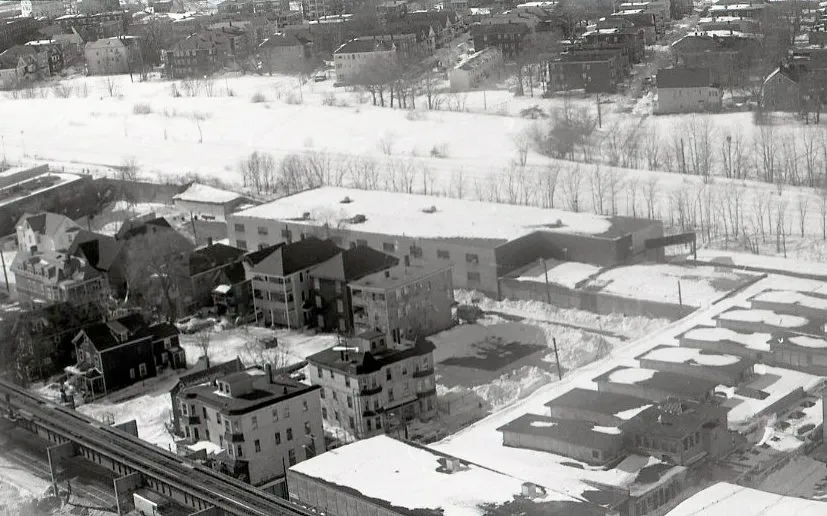
Vehicles were snowbound on Route 128 South in Massachusetts in the aftermath of this massive blizzard on February 8, 1978. The storm pummeled gridlocked highways, forcing drivers to abandon their cars, and massive snowdrifts trapped families in their homes while roughly 10,000 took refuge in shelters.
Boston was paralyzed. The 26.3 inches of snowfall at Boston Logan International Airport remains the 2nd largest single snowstorm total in Boston’s history. An estimated 100 people perished in this crushing nor’easter. Let’s be real: coastal flooding combined with blizzard conditions created a disaster scenario that few were prepared for. Roads became impassable, power was out for over a week in some areas, and emergency services struggled to reach people in desperate need.
Winter Storm Jonas (2016)
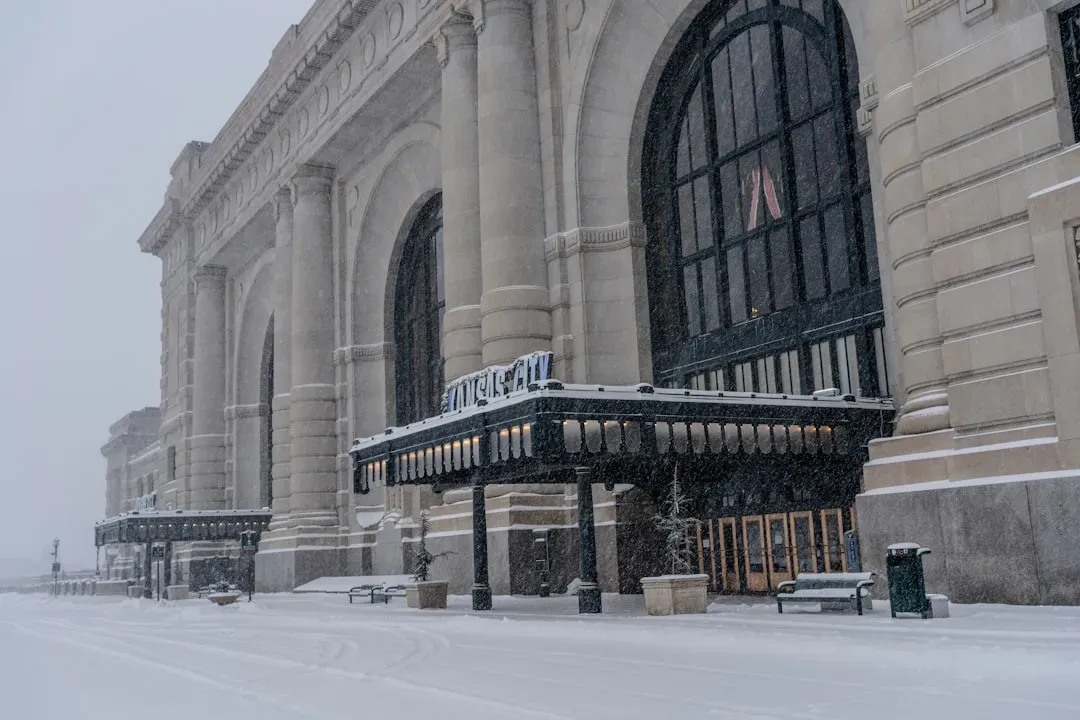
Winter Storm Jonas had days of warning, and snowfall totals reached over 40 inches in some locations. From January 22-24, 2016, Jonas brought deep snow to the Eastern Seaboard, with levels reaching around 2 feet 6 inches at JFK Airport. This beat the 2006 snowfall record that New York thought would stand forever.
Airports were shut down, highways were closed, and more than 50 people lost their lives, despite proper warnings. A state of emergency was declared with travel bans put in place until the snow was cleared. What struck me about Jonas was how even with all our modern forecasting technology and advance warnings, we still couldn’t prevent the chaos. It proved that predicting a storm and surviving it are two very different things.
Conclusion
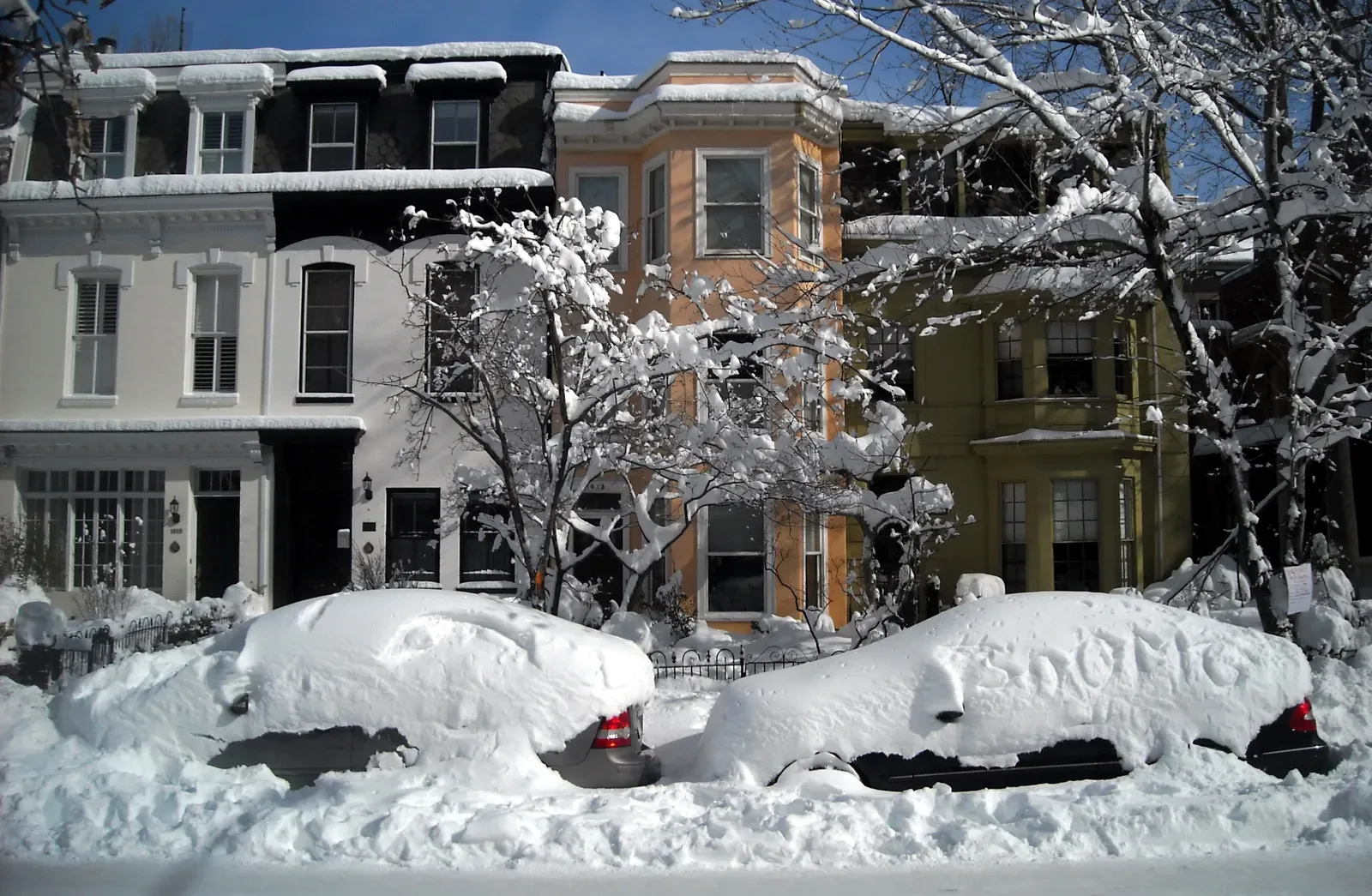
These five blizzards remind us that winter isn’t just about snowball fights and cozy evenings indoors. When nature unleashes its full fury, entire cities grind to a halt, infrastructure crumbles, and lives are lost. Each of these storms reshaped how America prepares for extreme weather, from building underground subways after 1888 to improving architectural standards after the Knickerbocker disaster.
The lesson here? Respect the forecast, take warnings seriously, and never underestimate a winter storm. What surprises you most about these historic blizzards? Did you ever experience a storm that changed how you view winter?
