
Service dogs transform lives in ways most people never witness. They’re not just companions. They’re lifelines for those with disabilities, offering independence where there was once struggle.
Yet not every dog can handle the job. It takes a specific combination of intelligence, temperament, physical capability, and unwavering dedication. Some breeds stand out naturally in service work, consistently proving their worth in hospitals, homes, streets, and public spaces worldwide.
1. Labrador Retriever: The Gold Standard Service Companion
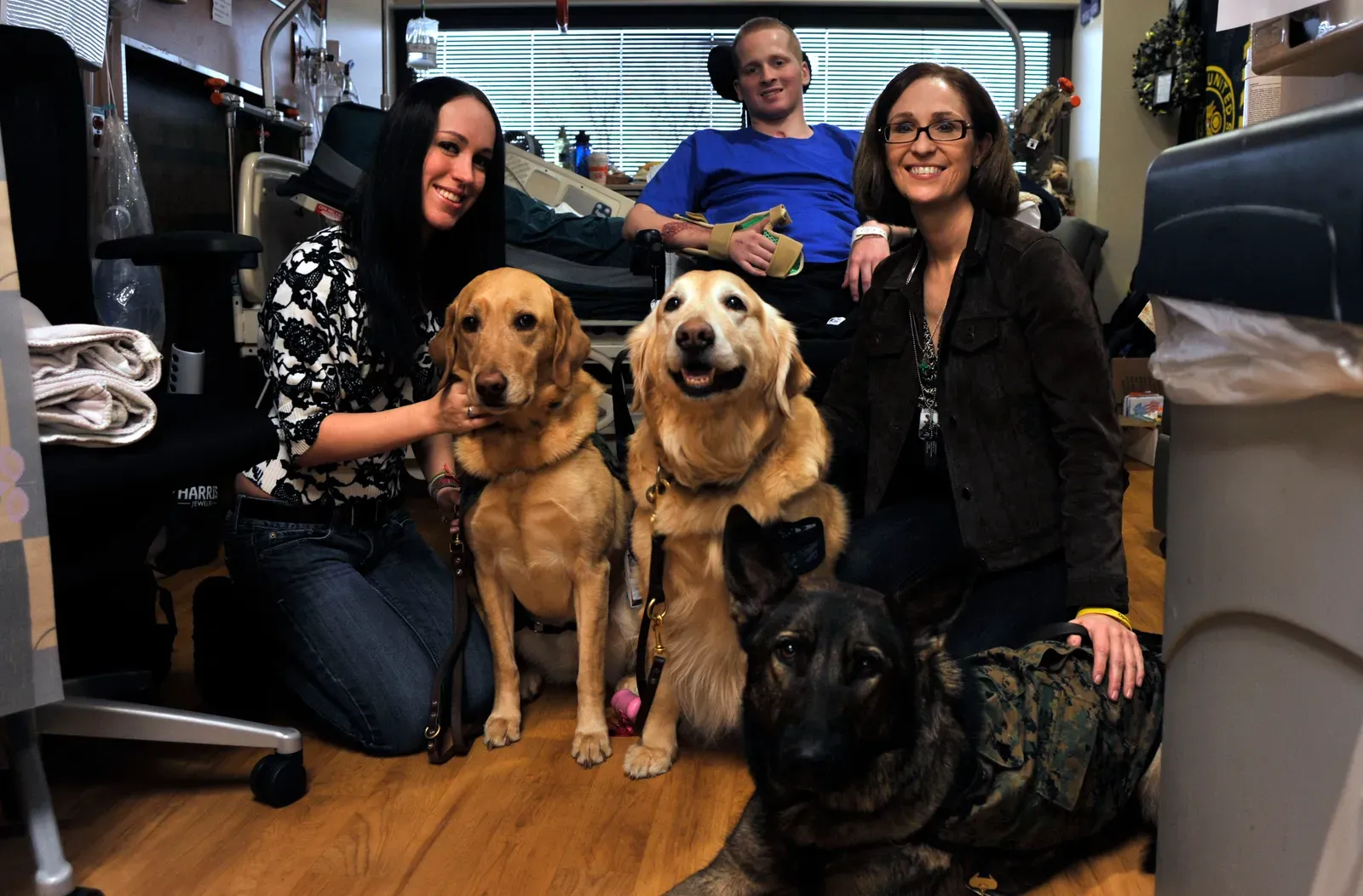
Labrador Retrievers are one of the most popular service dog breeds, thanks in part to their friendly and easy-going nature paired with decades of ranking among America’s favorite dogs. There’s a reason Labs appear everywhere from guide dog schools to veterans’ organizations. Their reliability isn’t accidental.
Labrador retrievers consistently exhibit an ideal temperament that complements the unique needs of the people they serve, including veterans with PTSD, children with autism and neurodevelopmental disabilities, and adults with physical challenges. They have an innate desire to work and please their humans, originally bred to work alongside human partners with a natural love of learning.
What sets them apart physically? Typically weighing roughly 55 to 70 pounds, Labs are equipped with an optimal combination of height and strength for effective task performance, striking a balance between being large enough to perform tasks like mobility support and small enough to interact easily in public spaces. These service animals can learn over 60 cues and perform tasks that help individuals in various ways, from alerting to medical episodes to interrupting anxious behaviors or supporting someone’s balance.
Their short coat is another advantage. A Labrador’s short coat is water-repellent, allowing them to easily wick away water and mud, which means less maintenance for the person they’re serving – often a person with physical disabilities.
2. Golden Retriever: The Gentle Heart With Unwavering Focus
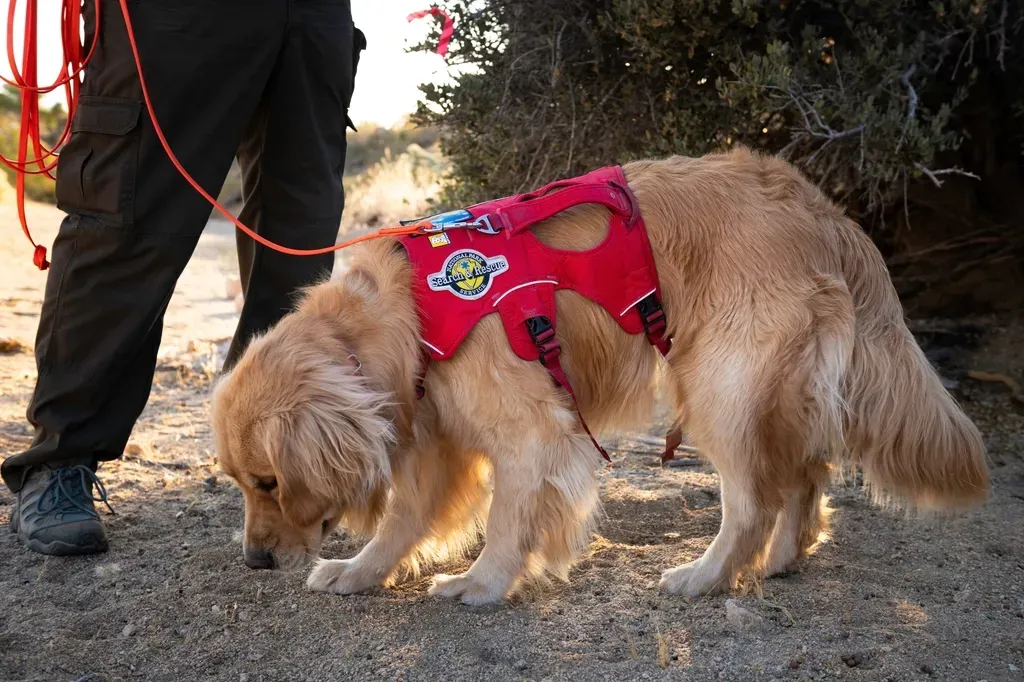
Think of Golden Retrievers and you probably picture family dogs playing with kids. That gentle nature translates beautifully to service work. Golden Retrievers are one of the most popular service dog breeds because their size, temperament, and intelligence are the perfect combination for the role.
Golden retrievers are incredibly loyal and predisposed to following their owner around, which can be very helpful for an individual who needs their service dog to remain at their side for long periods of time; they are very friendly in nature with a tendency to be loving to everyone they meet. This friendliness isn’t a flaw in service work. It’s essential.
People with disabilities often need to navigate crowded spaces. Their friendly demeanors help them remain calm in different social settings and adapt to new environments, people, and animals, remaining dependable and focused no matter what distractions are around them while keeping everyone around them calm as well.
But here’s something interesting: Golden Retrievers typically don’t show the same type of outward confidence as Labradors; if a new person walked into a house for the first time, Goldens are more likely to survey the situation from afar while Labradors will happily investigate. Bred initially as hunting dogs given the task of retrieving shot ducks, golden retrievers enjoy the challenge of learning new skills and being given a chance to prove themselves to their owners.
3. German Shepherd: The Loyal Protector Turned Devoted Helper
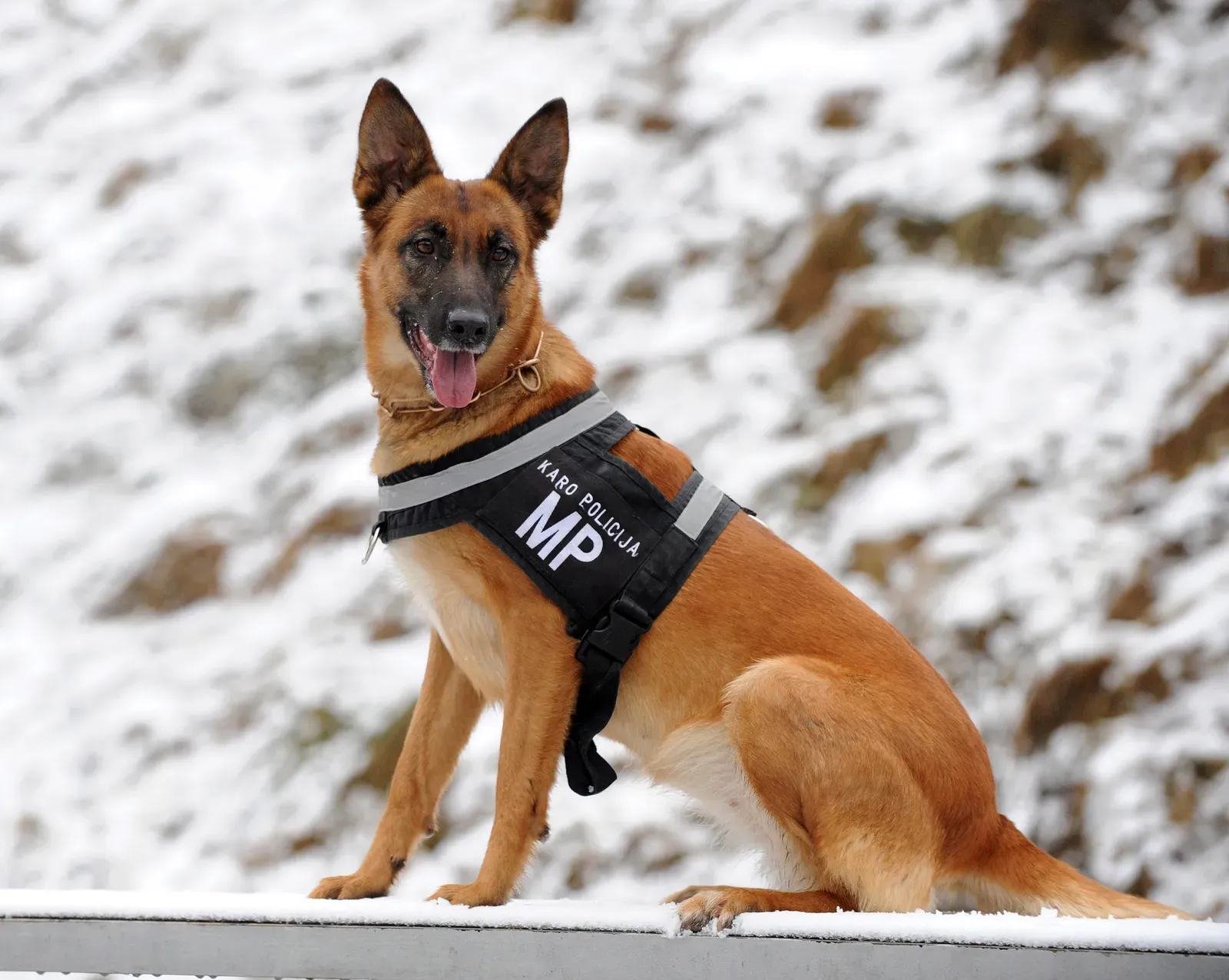
German Shepherd Dogs were the first guide dogs in the 1920s, and they also served as the first service dogs in the United States. Their history speaks volumes about capability. Let’s be honest, most people think of police dogs when they see a German Shepherd. That working instinct is precisely what makes them exceptional service animals.
German Shepherds have various wonderful characteristics such as intelligent, alert, watchful, curious, loyal, obedient, courageous, and confident; the breed has shown itself to be one of the most intelligent, trainable, loyal, and work-loving breeds of all others. Their breed characteristics include a strong desire to please, an excellent work ethic, and extreme loyalty, along with being extremely courageous with impressive versatility.
Their physical presence matters too. Large-breed German Shepherds are renowned for their strength and sturdy build, with males usually weighing 65 to 90 pounds while females at 50 to 70 pounds provide the strength to support mobility tasks. Intelligent, fearless, and extremely loyal, GSDs can learn a wide range of tasks and assist with a variety of disabilities.
There’s a caveat worth noting. They have a strong, protective instinct and are suspicious of strangers; when they sense anxiety from the handlers in public, German Shepherds can become anxious or even act aggressively in public. Proper training from an early age is absolutely critical with this breed.
4. Standard Poodle: The Brilliant Hypoallergenic Performer
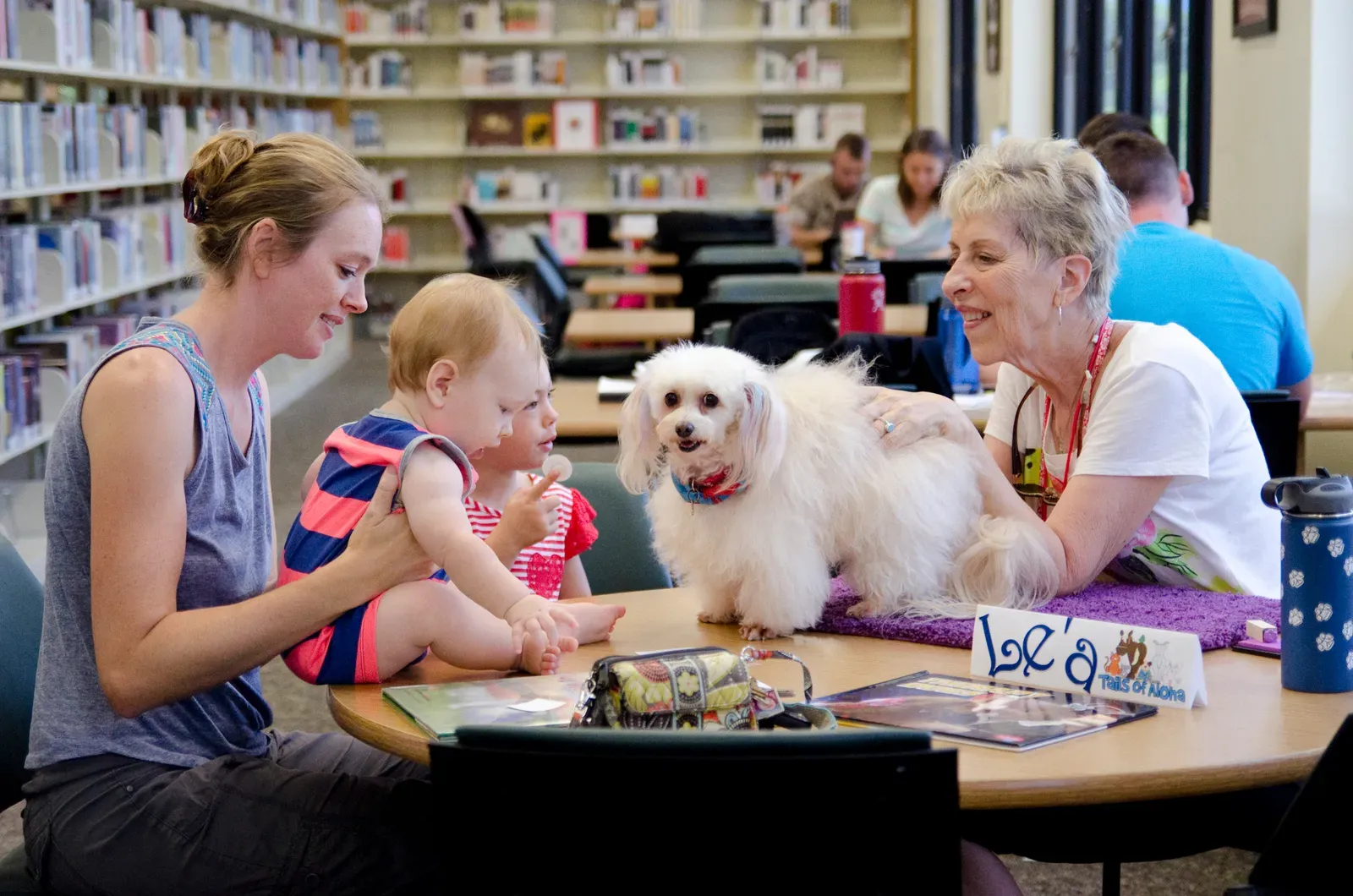
Forget the stereotypes about prissy show dogs. This intelligent, cheerful breed has a nose for detecting allergens, a life-saving talent for those suffering from deadly allergies, but their trainability and sociable nature also make them good at a wide range of service dog tasks.
The best poodles for service work are full-size Standard Poodles; these dogs are large enough to help with many physical tasks, and their high intelligence makes them well-suited for working and learning new things with a reputation for being easy to work with and easy to train.
Here’s the game-changer for many handlers: Poodle coats have less dander and are less likely to cause allergic reactions than many other breeds, which makes the poodle a good choice for people who suffer from allergies. The larger Standard Poodle can serve well as a mobility dog, while the Miniature and Toy varieties can serve in less physically demanding roles.
Working with a Standard Poodle means partnering with a dog that can problem-solve its way through unexpected situations; they learn tasks remarkably quickly and often show creative approaches to challenges. Think of them as the honors students of the dog world, constantly eager for the next challenge.
5. Bernese Mountain Dog: The Gentle Giant With a Service Heart
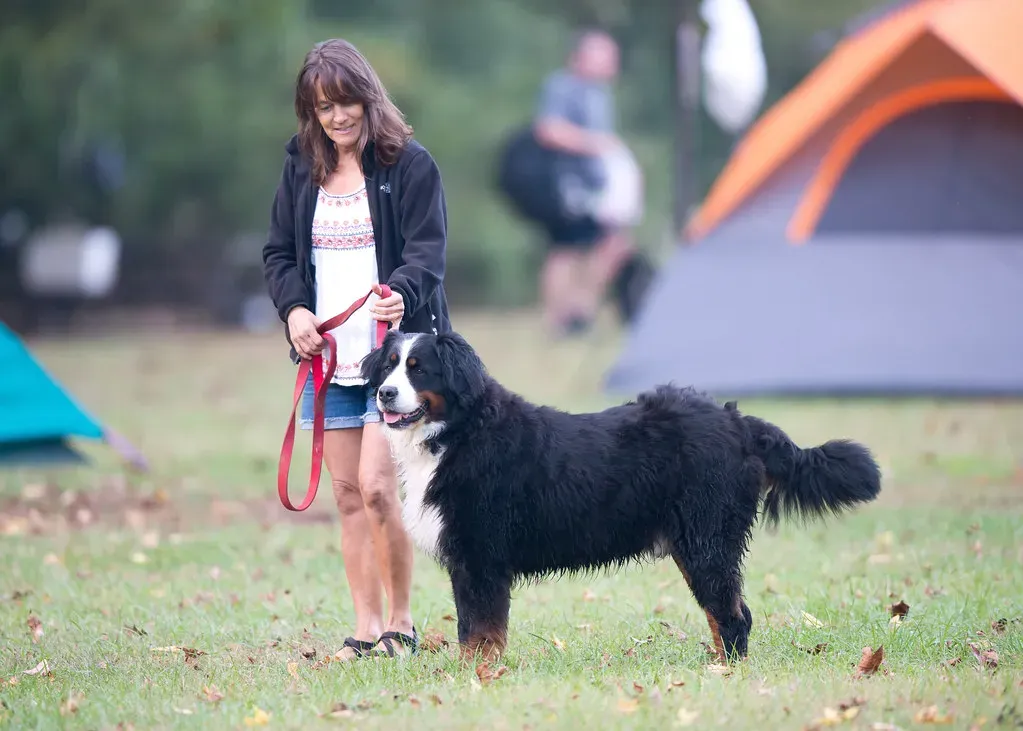
Bernese mountain dogs exhibit many of the most important traits to look for in a service dog, including a friendly disposition, impressive intelligence, and a strong work ethic; they’re also big and strong enough to perform some physical tasks. When you need real physical support, size matters.
Bernese Mountain Dogs bring a special combination of strength and sweetness to mobility service work; their substantial build provides excellent support for handlers who need help with balance or bracing, while their patient, easy-going temperament makes them wonderful partners in public settings.
There’s something uniquely comforting about a Berner. They tend to be quietly attentive without being anxious and typically have a calm confidence that serves them well in service work; their thick coat provides comfortable gripping points for handlers who need physical support, and they’re generally unfazed by the strange environments and situations service dogs encounter.
An elegant, dutiful, and gentle breed, Bernese mountain dogs are large animals that take well to service work; they are extremely friendly, love to please, and are physically strong enough to help their handlers with physical tasks, especially suited for guidance and mobility support work. Good for both those with physical disabilities and those in need of psychiatric service dogs or medical alert service dogs, Bernese mountain dogs are capable of learning complex tasks and love to work with their handlers.
6. Border Collie: The Intellectual Athlete of Service Work
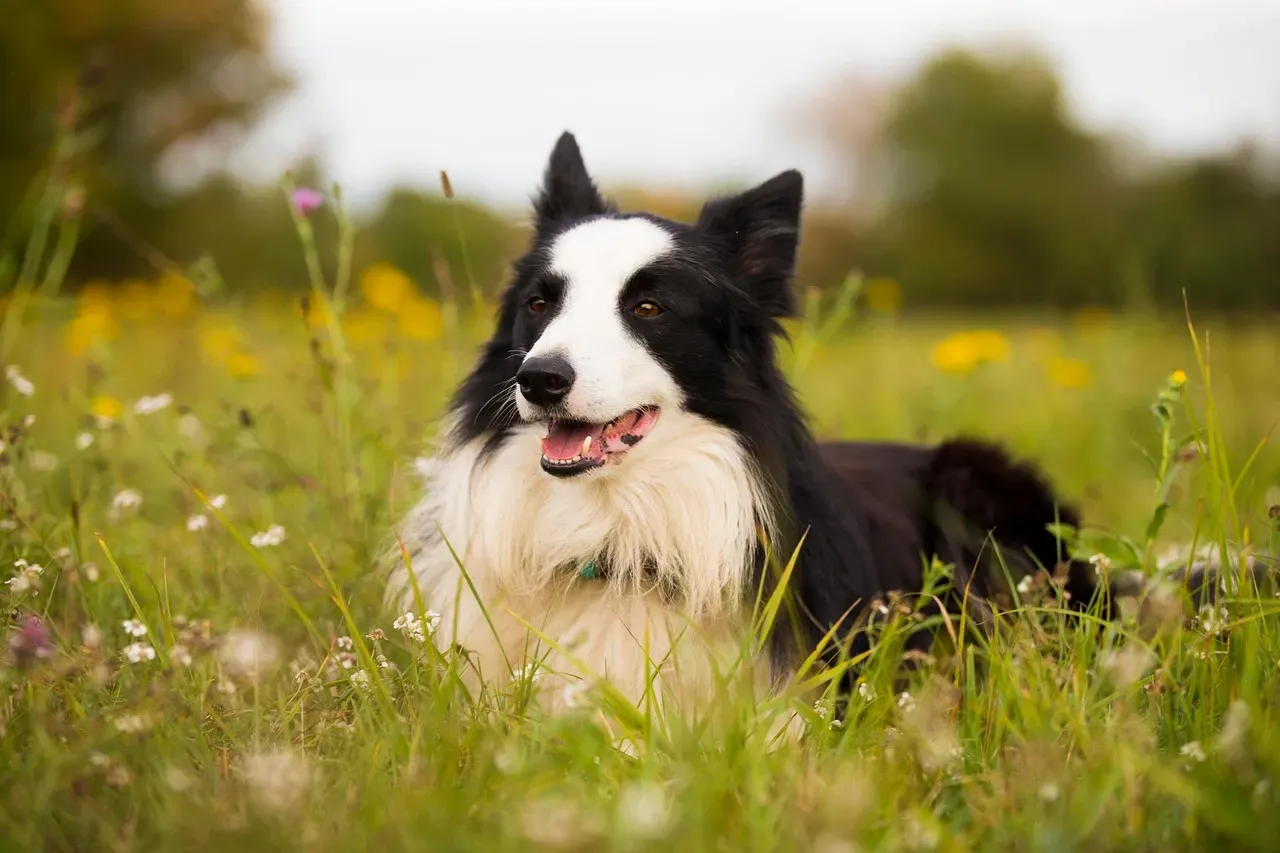
Border Collies consistently top the list of most intelligent dog breeds, making them ideal for learning any number of complex tasks they’ll need to know to help their owner; they’re fast learners who love a challenge, and service dog training is one of the most fulfilling challenges they can take on.
Here’s the thing about Border Collies: they’re not for everyone. Known for their intelligence, focus, and high energy, Border Collies are one of the smartest dog breeds; their ability to learn complex commands quickly makes them an option for advanced service dog training programs. If properly trained and mentally stimulated, they can assist with psychiatric service dog tasks, such as alerting to panic attacks or interrupting repetitive behaviors.
They are a herding breed, originally bred to herd sheep between Scotland and England; because of this, they’ve developed a strong work ethic, great stamina, and the determination to do whatever they set their minds to, needing a job to continue to be happy and motivated.
What makes Border Collies particularly valuable for certain handlers is their extraordinary ability to learn complex sequences of behaviors; a well-trained Border Collie can master intricate tasks with remarkable precision. Their history as a herding breed also makes them naturally protective of their family and keenly perceptive to body language, a great skill for a variety of service tasks, including detecting a change in their owner’s emotional state.
The downside? Living with a Border Collie means committing to meeting their considerable mental and physical needs; these dogs have an almost desperate need for both physical exercise and mental challenges, and without proper outlets, they can develop anxious or obsessive behaviors.
Choosing Your Perfect Service Partner
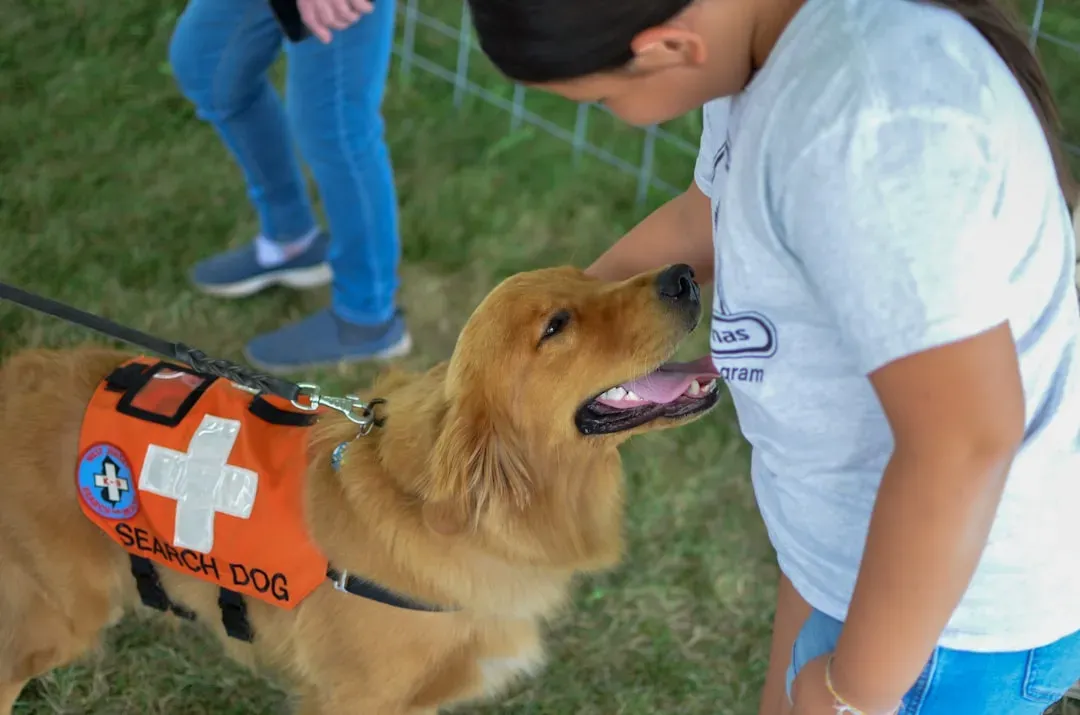
The best service dogs are smart and have temperaments that make them easy to train; they must be reliable, calm under pressure, and not easily distractible, with breeds that have long histories of these traits and are purposely bred to maintain these qualities making the best service dogs.
Each of these six breeds brings something extraordinary to service work. Labs offer reliability and versatility. Goldens provide gentle devotion. German Shepherds deliver strength and loyalty. Poodles combine brains with hypoallergenic coats. Bernese Mountain Dogs bring comforting power. Border Collies offer unmatched intelligence.
The right choice depends entirely on your specific needs, living situation, and the tasks required. Physical disabilities might need the bracing support of a larger breed. Someone with allergies benefits immensely from a Poodle. Active individuals could thrive with a Border Collie’s energy.
What’s your take on these incredible working dogs? Have you witnessed the life-changing impact a service animal can provide? The bond between handler and service dog represents one of the most profound partnerships humans can experience with animals.
