
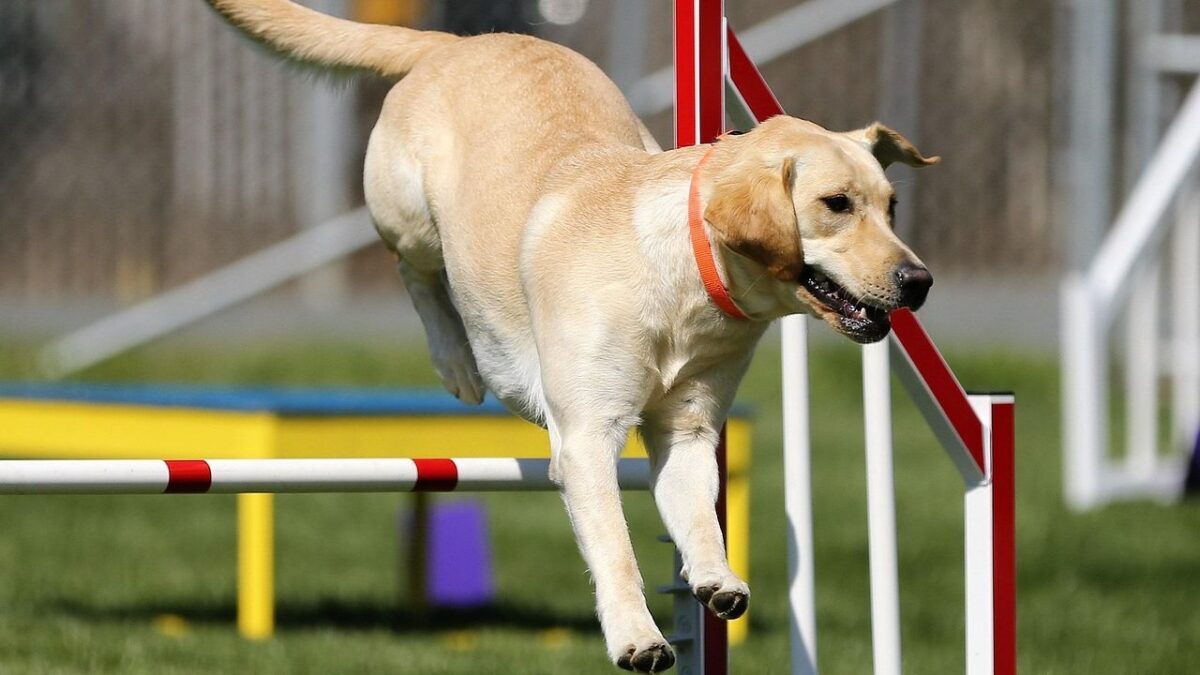
Picture this: You’ve just walked through the door after a long day. Your muscles ache. Maybe you’re craving a quiet evening with a warm beverage and something mindless on TV. Then you see those eyes. Those pleading, restless, desperate eyes. Your dog is bouncing off the walls because you’ve only given them an hour of exercise today. It’s not enough. It never seems to be enough.
Some dog breeds are like living, breathing energy vortexes. They’re magnificent animals, sure. Intelligent, athletic, loyal to a fault. Yet they require so much more than the average person expects. There’s this misconception that any breed will adapt to your lifestyle if you’re loving enough. That’s only partially true. Some dogs were literally engineered to work all day, every single day. Without an outlet, that energy doesn’t just vanish. It transforms into chewed furniture, constant barking, escape attempts, or worse. Let’s be real, not everyone has three hours a day to dedicate to rigorous exercise and mental games. So, let’s dive in and explore which breeds will have you gasping for breath and which ones will happily join you on the couch.
Border Collie: The Workhorse That Never Stops
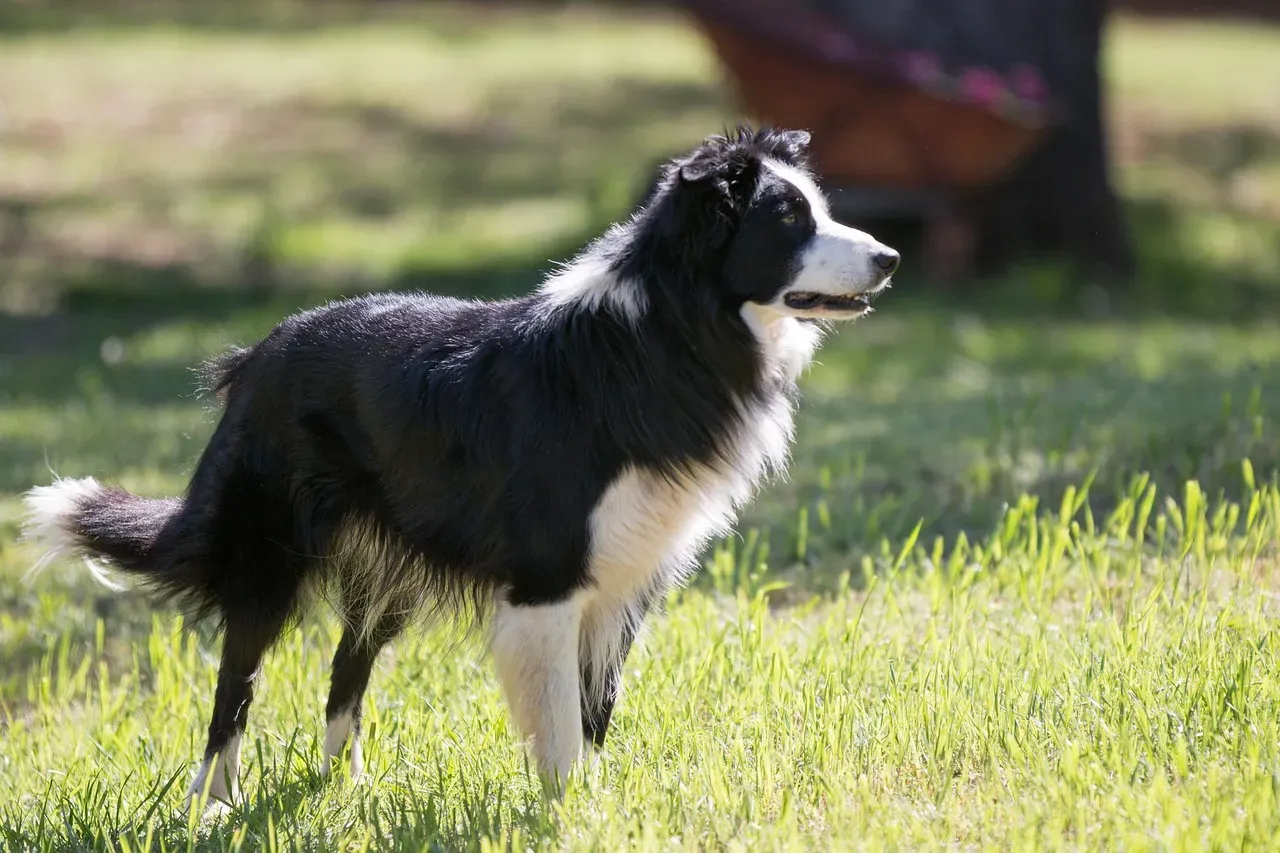
Border Collies are some of the most intelligent, energetic, and hardworking dogs, so energetic that it’s almost impossible to tire them out. They’re absolute marvels when it comes to herding sheep, solving puzzles, or learning tricks. Seriously, these dogs are smarter than some people I know.
Your adult Border Collie will need around two hours of exercise daily, divided among long walks, swimming, playing fetch, and agility training. That doesn’t include the mental stimulation part. This high-energy dog breed needs a lot of mental stimulation through scent games, herding balls, and learning new tricks. If you’re working full time and don’t have a farm or serious athletic hobbies, this breed will overwhelm you.
They were bred to herd livestock with little direction, which means they need constant mental and physical challenges to stay balanced, and without structured work or training, they quickly become frustrated and destructive. Think about that before falling for those adorable floppy ears.
Belgian Malinois: The Tactical Powerhouse
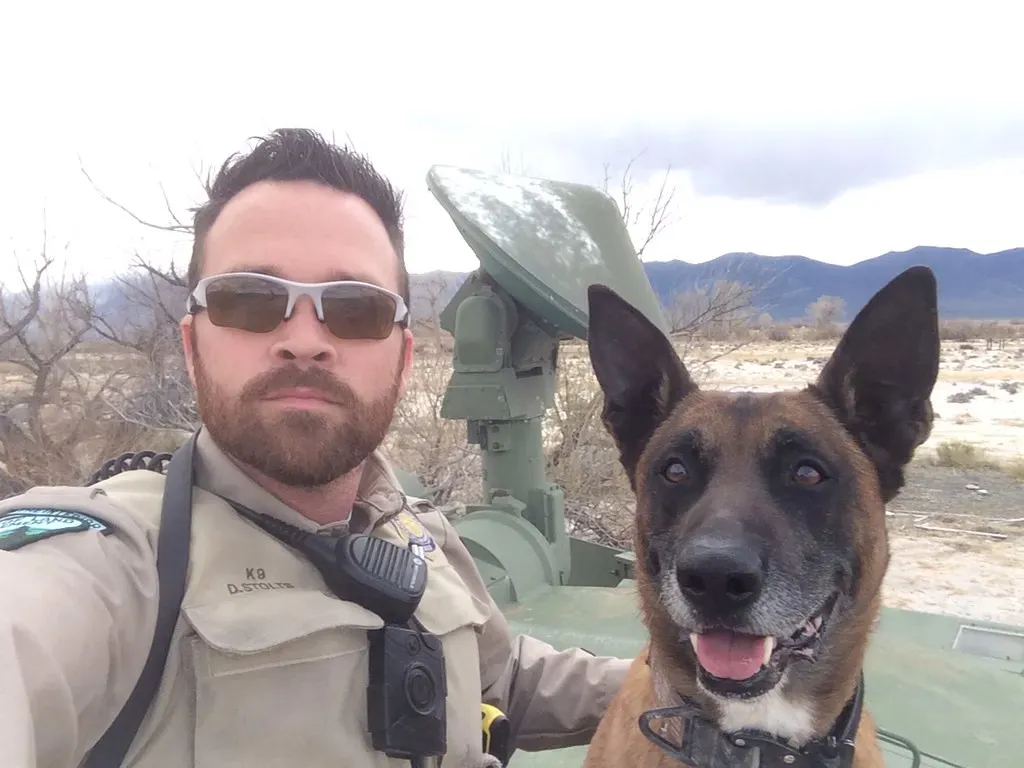
Belgian Malinois are often chosen for police and military work due to their intelligence and drive, and at home, these traits make them demanding pets that need both mental and physical stimulation. They’re not your typical family pet, honestly.
This breed requires 2-3 hours of intense exercise daily, including running, obedience training, or protection work. Notice the word “intense.” These aren’t leisurely strolls in the park. We’re talking serious, purposeful activities that challenge them physically and mentally.
These dogs need clear direction, constant activity, and serious training from experienced handlers, and when their energy and intensity go unmet, they turn reactive, anxious, and sometimes aggressive. Honestly, most suburban homes aren’t equipped for this level of commitment.
Siberian Husky: The Escape Artist With Endless Stamina
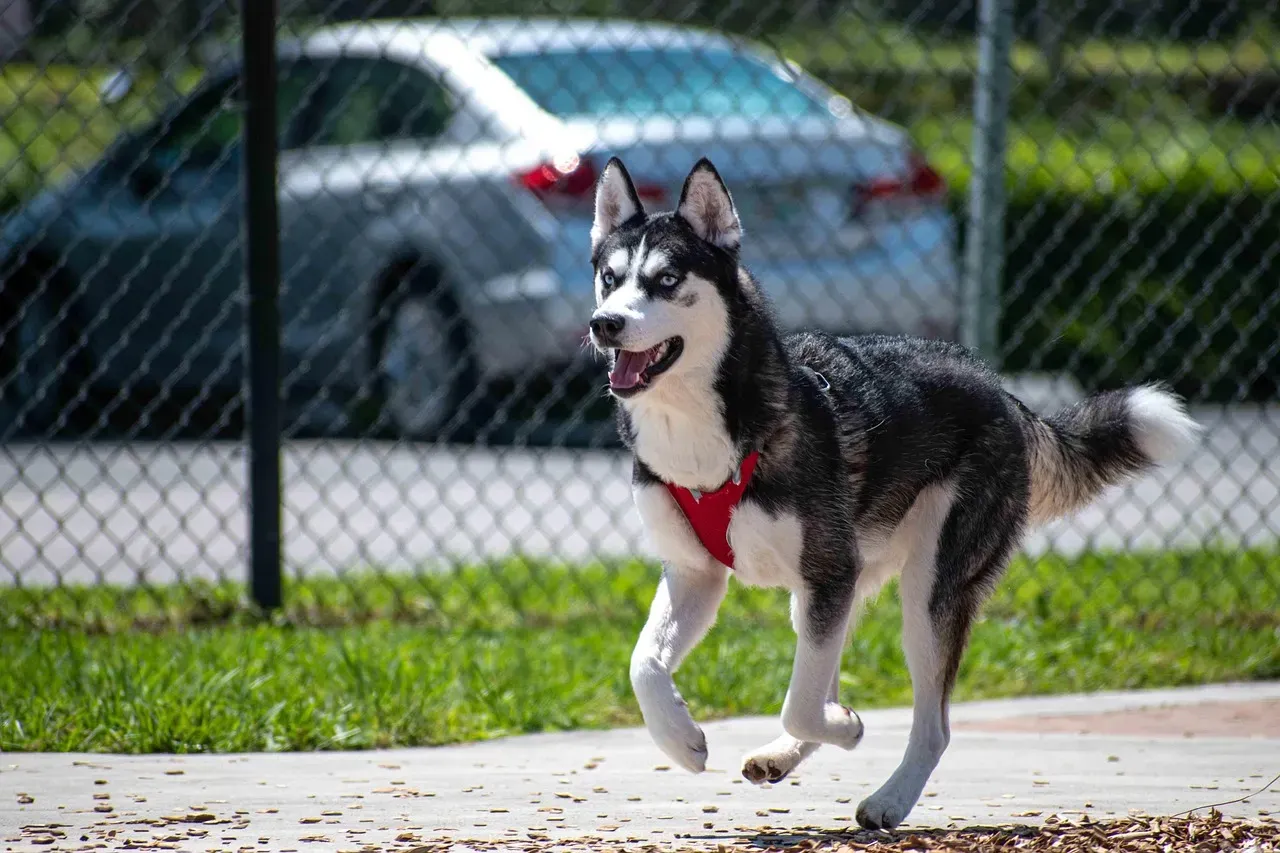
Let’s talk about those gorgeous blue eyes that have caused countless impulse adoptions. Siberian Huskies are high-energy dogs that require over two hours of exercise a day to tire them out, and to keep them mentally stimulated, walking routes should be varied with time for off-lead play.
Two things set Siberian Huskies apart from other dogs: they love running around all day and enjoy being a part of a pack, and a husky’s exercise requirements consist of almost two hours of robust daily activity. They were bred to pull sleds across frozen tundra. That kind of stamina doesn’t just disappear because they live in an apartment now.
Bred to pull sleds across long distances, they have a need for movement and stimulation that most families underestimate, they’re escape artists, vocal, and incredibly independent which makes training difficult, and their stubbornness and energy level overwhelm most homes that aren’t prepared for daily, vigorous activity. They also howl. A lot.
Australian Cattle Dog: The Herder With Intensity
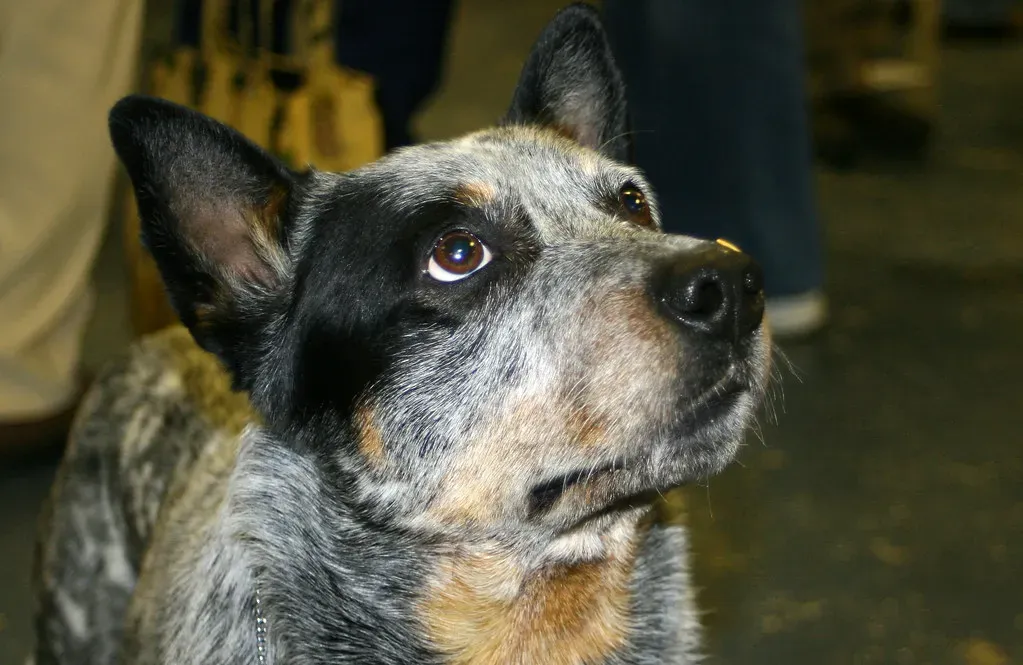
This breed doesn’t mess around. These dogs were bred to herd cattle over rugged terrain, which means they are constantly alert, energetic, and looking for a job, and in a typical household, they often turn to herding children, chasing cars, or becoming possessive and reactive because they don’t just need walks, they need purpose, direction, and lots of it.
Known for their herding instincts, these dogs are naturally inclined to work and need regular mental and physical challenges to stay engaged, requiring a significant amount of exercise with daily walks, runs, or play sessions. They’re brilliant problem solvers, which sounds great until they figure out how to open your fence latch.
Without proper outlets, they become frustrated. That frustration manifests in ways you won’t enjoy.
German Shorthaired Pointer: The Athletic Hunter
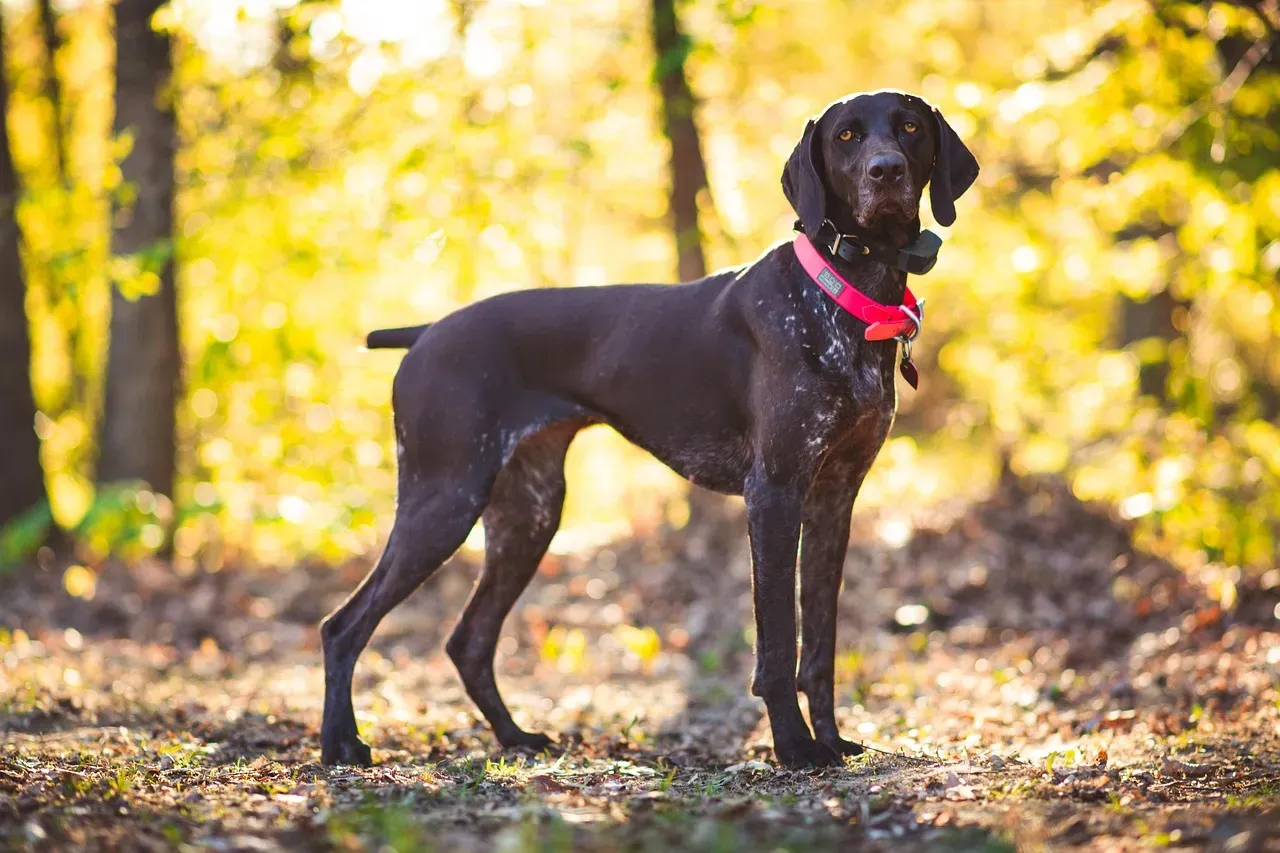
The German Shorthaired Pointer needs a full two hours of varied exercise every day, and though walking should be part of their daily routine, leisurely walks aren’t enough activity for this athletic breed. They were built for all-day hunting in the field.
Built for all-day hunting in the field, German Shorthaired Pointers are high-drive, high-energy dogs that need a job to do, and a fenced yard and a walk around the block won’t be enough because they need running, retrieving, and advanced training to stay balanced.
These dogs excel at activities like flyball, agility courses, and field training. If you’re not into outdoor adventures several times a week, this isn’t your breed. They’re gorgeous and affectionate, but that energy has to go somewhere.
Dalmatian: The Carriage Runner With Endless Drive
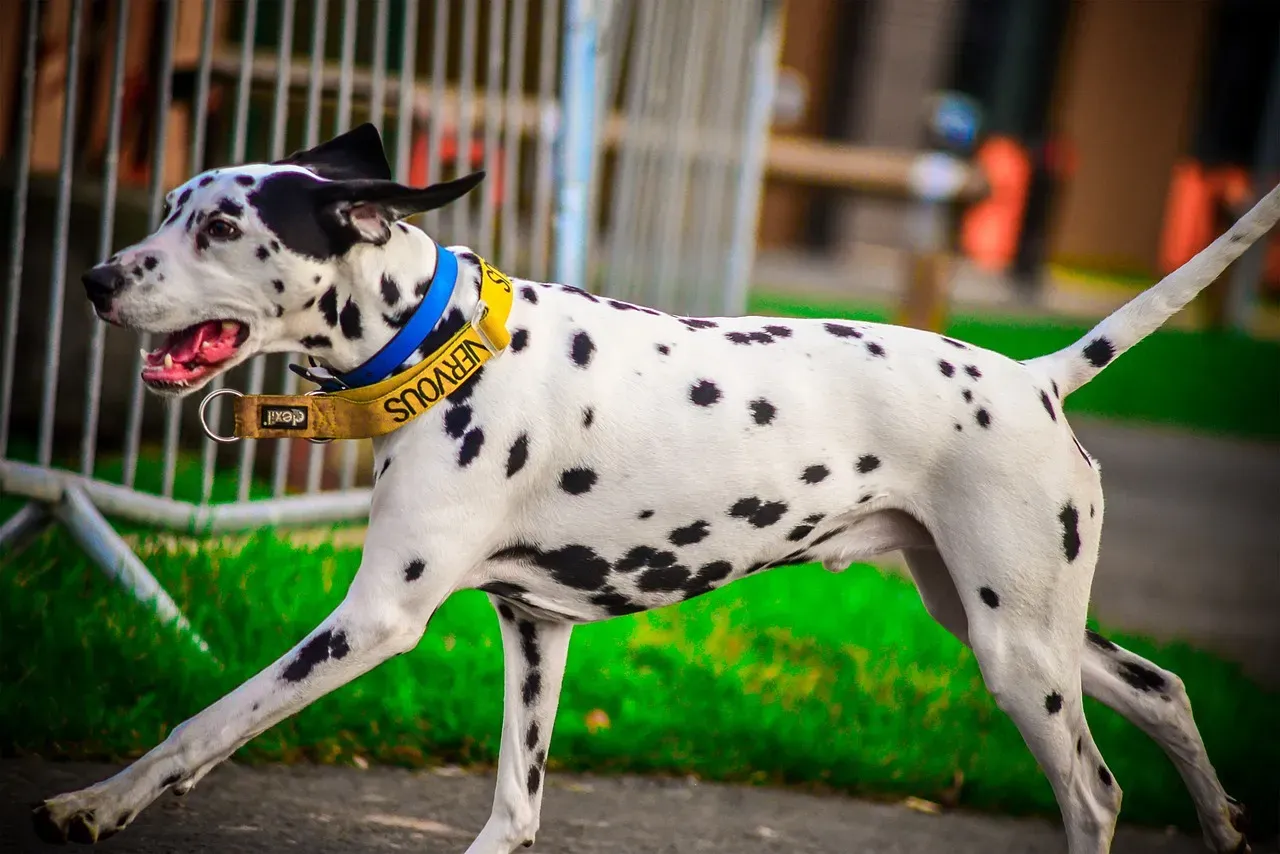
Dog trainers recommend this breed has two hours of exercise a day split between at least two walks, and once known as carriage dogs for running alongside carriages in centuries gone by, long distances still run in a dalmatian’s blood. That heritage isn’t just historical trivia. It defines who they are.
These high-energy dogs require regular physical activities to keep them from becoming restless, and Dalmatians are known for their playful nature and love for running and playing fetch. They’re also territorial and alert, which can make them reactive if not properly trained and socialized.
Without proper exercise, these dogs can become hyperactive or develop destructive habits. I’ve seen what a bored Dalmatian can do to a living room. It’s not pretty.
Jack Russell Terrier: Small Size, Massive Energy
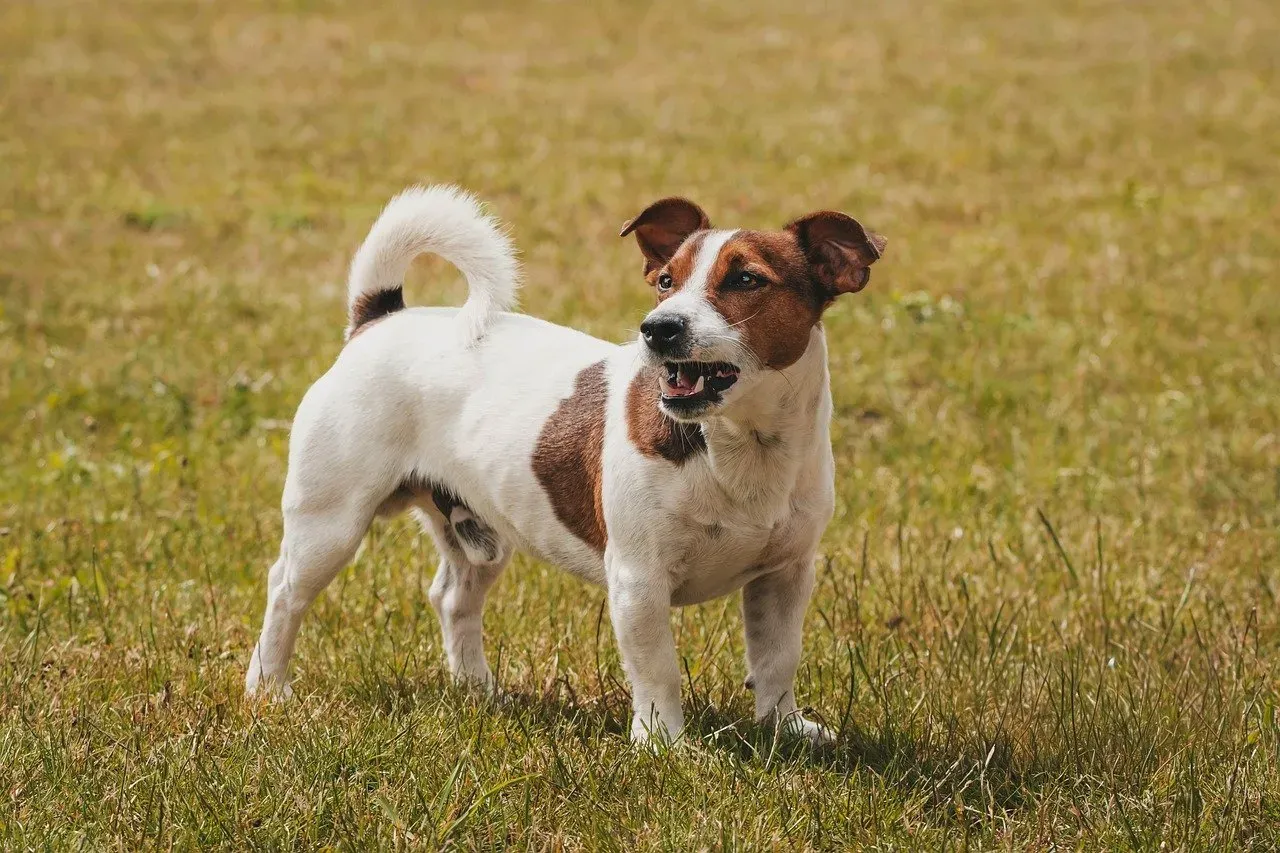
Don’t let the small package fool you. The Jack Russell Terrier is a force to be reckoned with, a dog with high activity requirements that needs consistent regular exercise and quality time with its people to truly shine. These little dynamos were bred to hunt vermin, which required speed, tenacity, and relentless energy.
Jack Russells love to dig, and due to their high prey drive, can be a very vocal breed. They’re also incredibly smart, which means they’ll outsmart you if you’re not careful. They need constant engagement, both physical and mental.
Many people adopt them thinking a small dog equals low maintenance. Wrong. Jack Russells can exhaust owners twice their size.
Labrador Retriever: The Beloved Ball Of Energy
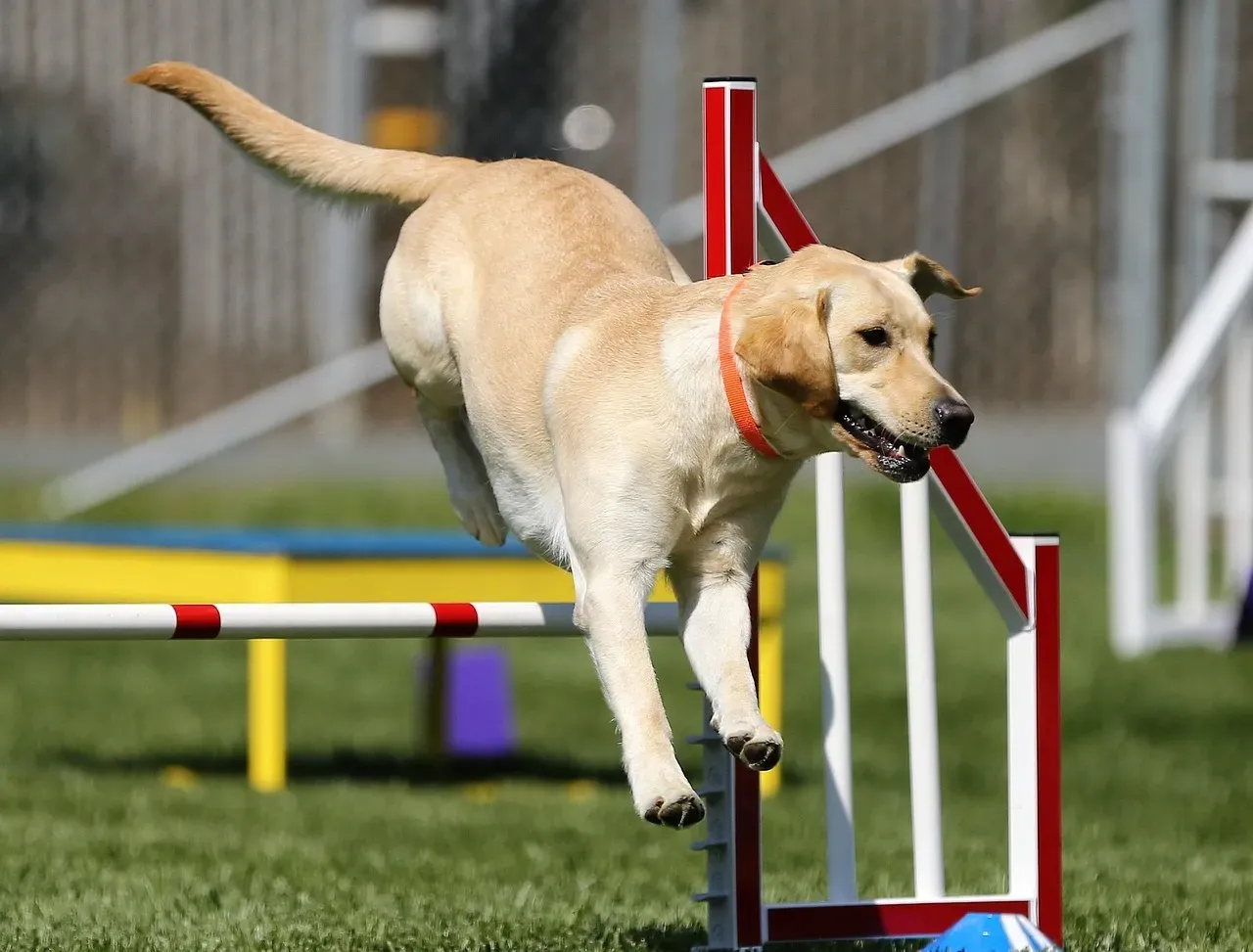
Yes, the family-friendly Lab makes this list. These family favourite canines require around two hours of exercise a day, and it’s in their genes as Labradors were initially bred to retrieve game for hunters in such physically demanding work that could involve swimming, running and hiking, activities Labradors still delight in today.
Labrador Retrievers are affable, energetic dogs who need an abundance of daily exercise, somewhere between one and one-and-a-half hours of vigorous activity about right for the breed. They’re enthusiastic about everything, which is charming until you realize that enthusiasm never turns off.
Though they’re energetic, food-loving Labradors are prone to canine obesity, which regular exercise and a healthful diet can combat. So not only do they need tons of exercise, but without it, they’ll pack on pounds quickly.
Basset Hound: The Couch Companion

Now we shift gears completely. From the scent hound group, the Basset Hound gets along well with everyone and everywhere if introduced to various living situations at puppyhood, and they are incredibly calm and social dogs that enjoy their couch time with their pet parents. Those droopy ears and sad eyes? They match their low-key personality perfectly.
Sure, they were bred for endurance hunting, but modern Basset Hounds are more interested in napping than tracking. Though they need outdoor activities such as long periods of daily walks and playtime, they do not make high-energy dogs, and overall basset hounds make low-maintenance dogs thanks to their low energy levels.
Just watch their diet. They’re prone to obesity, so some activity is necessary. Still, they won’t demand marathon training sessions from you.
Cavalier King Charles Spaniel: Royal Relaxation
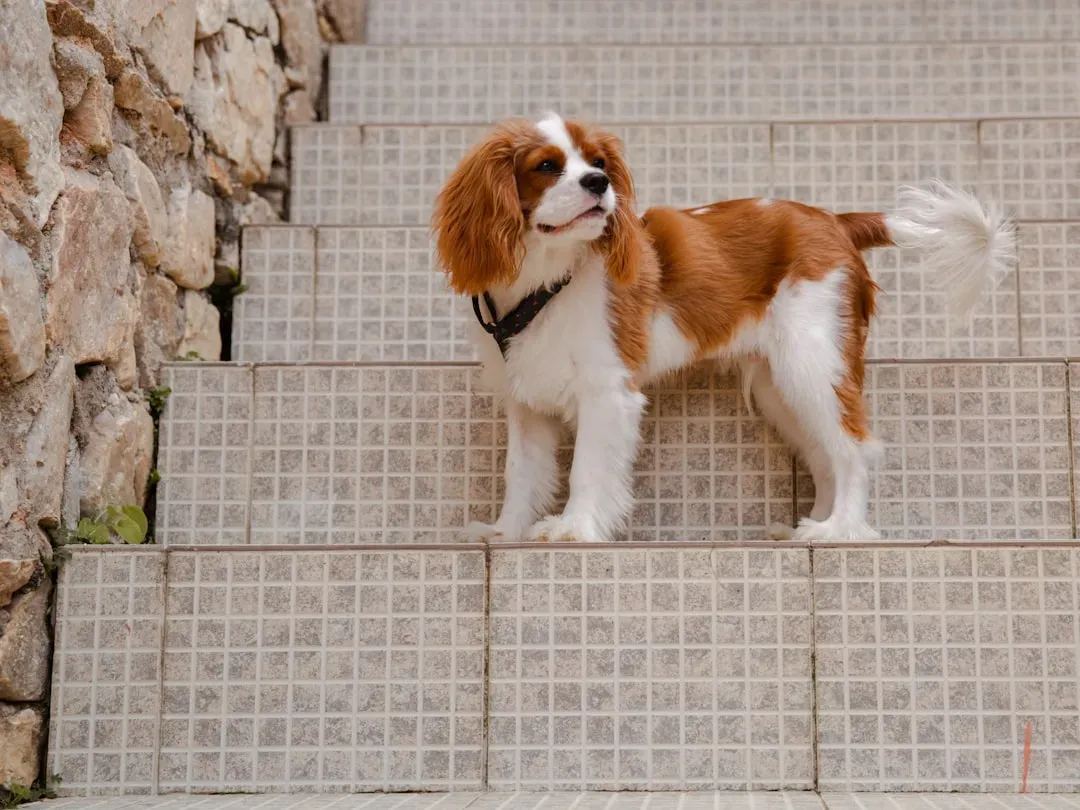
These royal companions with their expressive eyes and silky coat are well-suited for a calm household, and Cavalier King Charles Spaniels are happy with gentle play and love to snuggle up on the couch with their friendly and affectionate demeanor. They were literally bred to be lap warmers for royalty.
Even luxurious lap dogs like Cavalier King Charles Spaniels must put in a minimum amount of exercise to satisfy their activity levels and stay fit, aiming for 20 to 30 minutes of exercise. That’s it. Half an hour. Compare that to the two-plus hours needed for high-energy breeds.
They’re adaptable, gentle, and genuinely enjoy just being near you. Perfect for someone who wants companionship without the athletic commitment.
English Bulldog: The Ultimate Couch Potato
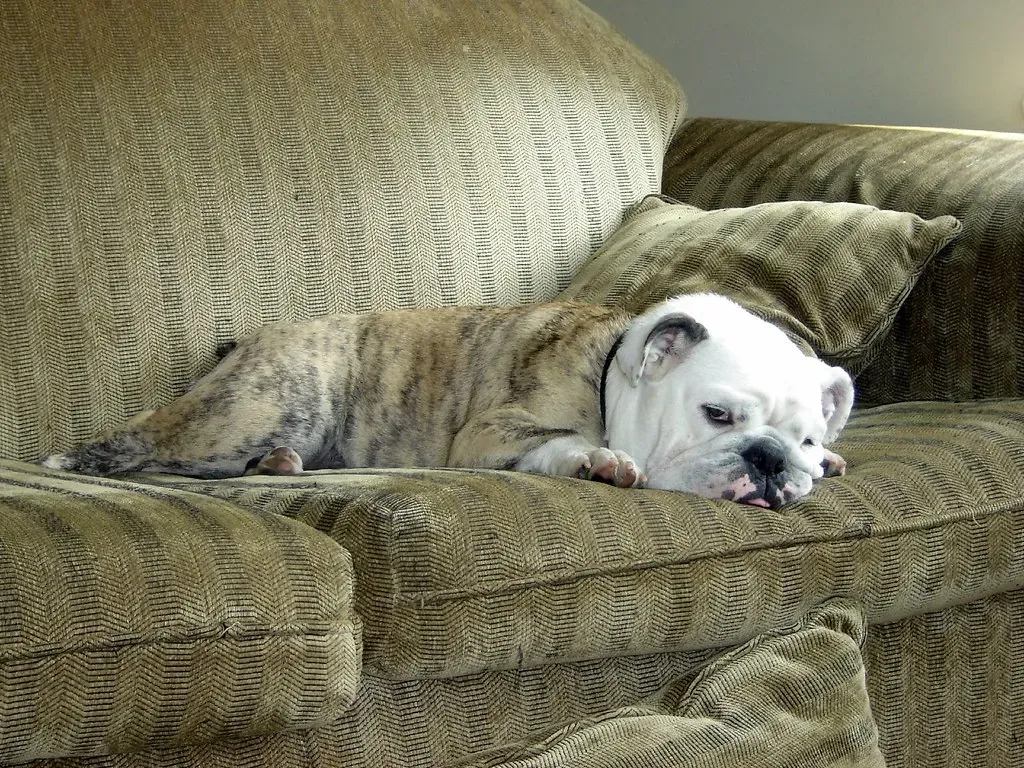
Stubborn yet sensitive, the English bulldog is equal parts majestic and comedic, and they’re low-energy but playful dogs by nature, though breathing difficulties common in the breed due to them being flat-faced may mean they need more downtime than normal.
These family-friendly cuties fit the snoozing stereotype, alright, and Bulldogs love nothing more than a good nap. They’re sweet-natured and love companionship, but they overheat easily and have breathing issues that limit their exercise tolerance.
Bulldogs thrive in short walks, indoor play in yards and snoozing, and to avoid weight gain in these medium sized dogs, pet owners should consider their weight management requirements because Bulldogs prefer to be your lap dog and you cannot stop them from trying to be couch potatoes. Honestly, they’re perfectly content with minimal activity.
Shih Tzu: The Compact Companion

The Shih Tzu is one of the most popular low-energy dog breeds, and on average, a Shih Tzu weighs 9–16 pounds when full-grown, which means that a short walk or some indoor play will suit their need for exercise. They were bred as companion animals for Chinese emperors, not as working dogs.
They’ve been friendly house pets for hundreds of years, so it’s no surprise Shih Tzus are low maintenance minus their long but low-shedding coats, and some owners will stick with the shorter puppy cut just for that reason.
The breed’s flat face can increase the likelihood that they will experience heatstroke or overheating, so prioritize indoor activities during periods of hot weather. They’re perfectly happy lounging around indoors most of the day.
Greyhound: The Surprising Speedster Sloth
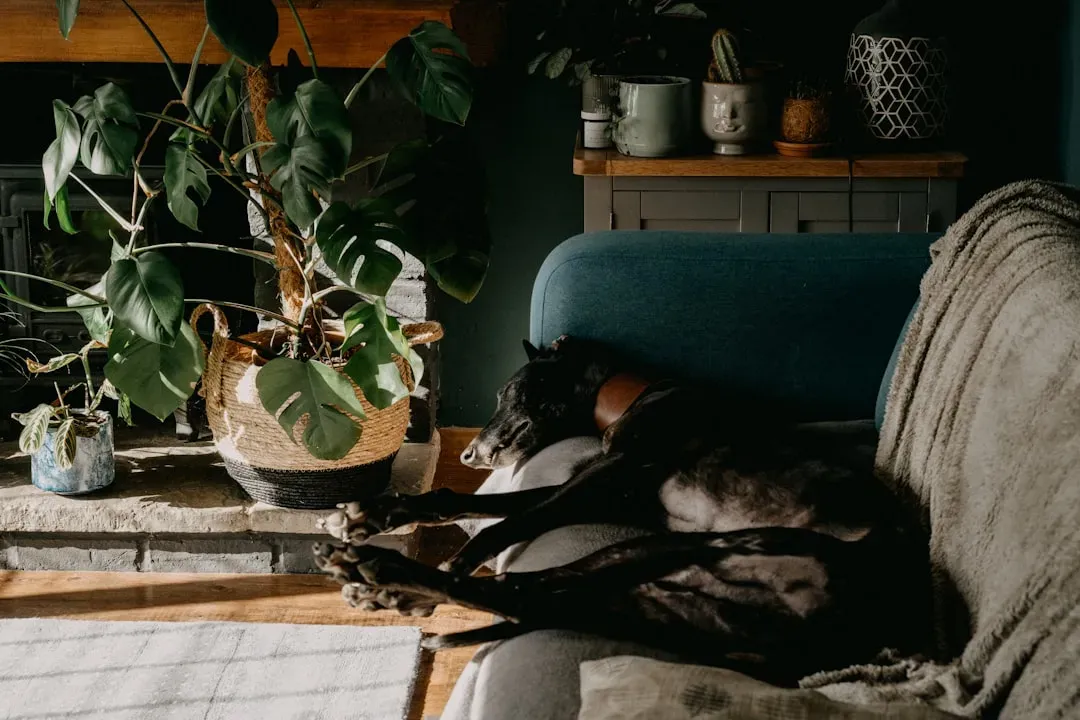
Here’s something unexpected. Bred for speed, the Greyhound might seem like a surprise as a low-energy dog breed, but the reality is that these large dogs are quite lazy at home and are often referred to as couch potatoes, though Greyhounds do require a daily outlet for pent-up physical and mental energy with a leashed walk or short sprint within a fenced space.
This laid-back pooch needs to go outside and run off their energy, however this dog gets energy in bursts, and when they are indoors they much prefer a relaxed approach to life, enjoying sitting by a warm window or lying at their owner’s feet.
They’re incredibly gentle and calm inside the house. After a quick sprint to burn off steam, they’ll happily nap for hours. Perfect for someone who wants a large dog without the constant exercise demands.
Conclusion

Choosing a dog isn’t just about which one looks cutest on Instagram. It’s about matching energy levels, lifestyle, and realistic time commitments. Those high-energy breeds we discussed first? They’re phenomenal animals, but they’re basically full-time jobs. If you’re not genuinely excited about hours of daily exercise, extensive training, and constant mental stimulation, you’ll both end up miserable.
The calmer breeds offer something different. Companionship without exhaustion. Affection without demands for endless activities. They’re happy to match your pace rather than set it. Regular exercise is vital for the physical health and mental well-being of all dog breeds, even if they are considered to be low-energy. Every dog needs some activity.
Think honestly about your life right now. Not the idealized version where you hike every weekend and have endless free time. The real version. Then choose accordingly. Your future self and your future dog will thank you. What kind of energy level honestly matches your daily routine?
