

Caring for a horse is one of those things that looks easier than it actually is. You might think it’s all about tossing some hay into a stall and brushing down a coat now and then. Truth is, horse ownership comes packed with responsibilities that many well-meaning owners accidentally overlook or flat-out get wrong.
The thing is, even seasoned equestrians stumble into patterns that can seriously impact their horse’s health over time. Some mistakes are obvious once you know what you’re looking at, while others are sneaky little habits passed down through barn gossip or outdated traditions. Let’s be real, most of us didn’t grow up with a veterinary degree, so it’s easy to miss the finer details.
What follows are some of the most widespread missteps in horse care and feeding that can cause everything from mild discomfort to serious health crises. So let’s dive in and see where things tend to go sideways.
Skipping Regular Hoof Care
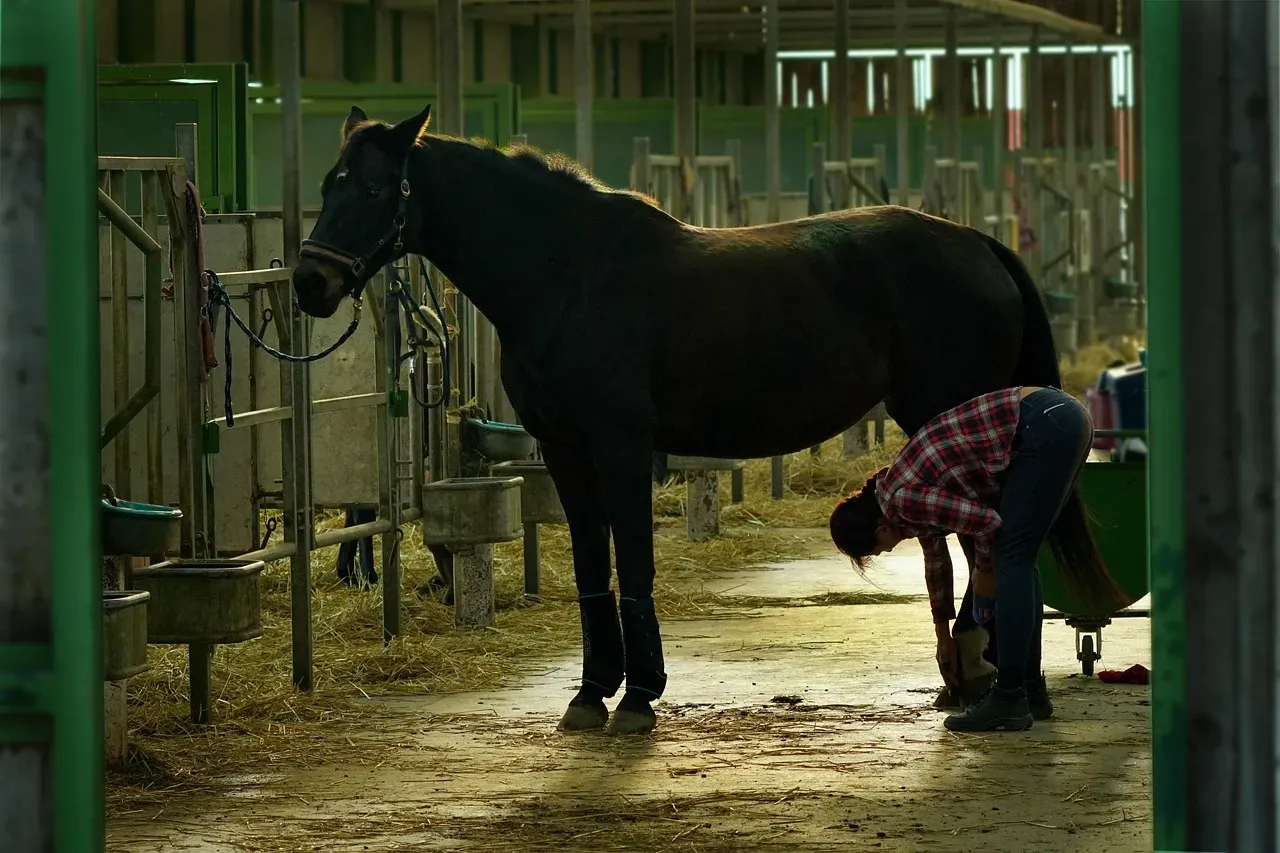
Here’s the thing about hooves: out of sight really shouldn’t mean out of mind. Hooves need consistent attention regardless of terrain, riding frequency, or shoeing, and letting hoof trims slide can lead to imbalances, lameness, or worse. A shocking number of owners think their horse’s feet are fine just because they’re not visibly limping.
Sticking to a 4–6 week farrier schedule is not negotiable if you want to avoid long-term problems. Horse hooves grow continuously, kind of like your fingernails, except they’re literally holding up roughly half a ton of animal. Daily observation, including picking out all four hooves, is one of the easiest ways to know what’s happening with your horse’s feet, and many times a problem has started to develop but it’s missed early because people weren’t looking at the feet daily.
Mud and packed debris aren’t just unsightly. Wet, soggy footing can cause the feet to become soft and unhealthy leading to conditions such as thrush, and if mud or clay packs into your shod horse’s feet, it can create sole pressure that bruises and creates sensitivity. Honestly, spending five minutes a day with a hoof pick is a small price to pay for preventing something that could sideline your horse for weeks.
Overfeeding Concentrates and Ignoring Forage Quality
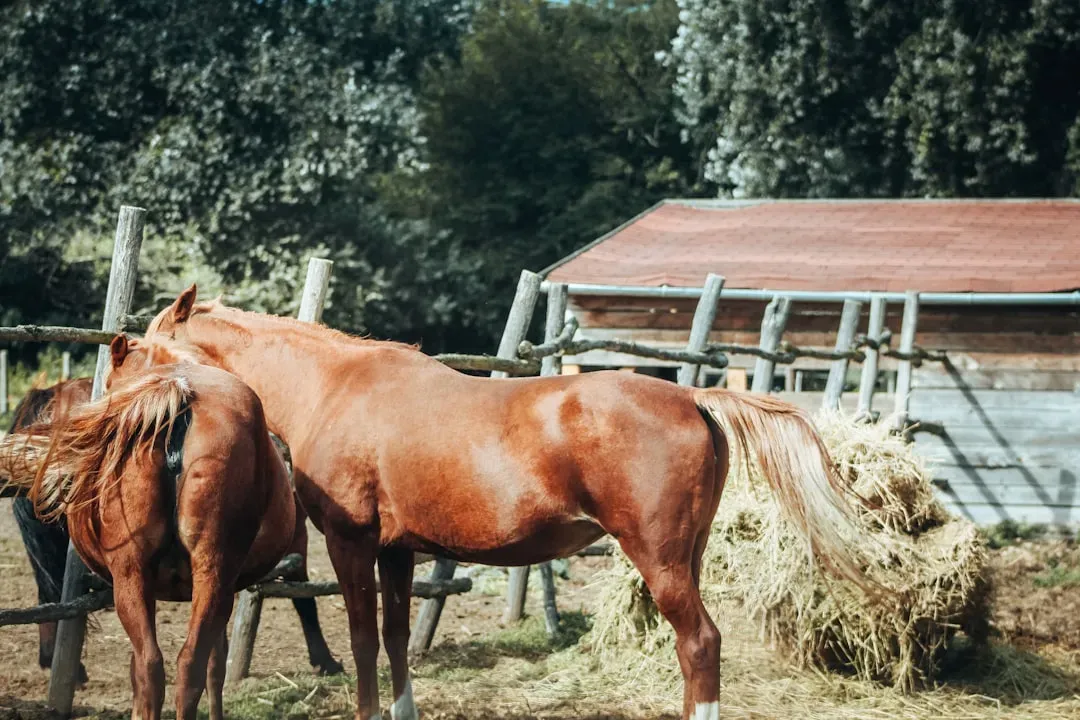
Many owners assume grain equals energy and nutrition, but in reality, forage should always be the foundation of a horse’s diet. I’ve seen it time and time again: someone buys fancy supplements and expensive grain mixes but feeds mediocre hay. That’s backwards.
Ideally, the average horse’s ration is primarily hay and pasture grass with modest amounts of concentrates, but too many people think that hay is just busywork for the horse and do not realize that it is a major calorie source that can vary greatly with quality. Poor-quality hay doesn’t just mean less nutrition; it can contain dust, mold, or contaminants that trigger respiratory issues or digestive upset.
Overfeeding, providing too much food or the wrong type, can lead to obesity, colic, or digestive issues. Equine obesity is becoming alarmingly common, and it’s not just about aesthetics. Extra weight stresses joints, increases the risk of laminitis, and makes everything harder on your horse’s body. If you can’t feel your horse’s ribs at all when you run your hand along their side, there’s a good chance they’re carrying too much weight.
Feeding by Volume Instead of Weight
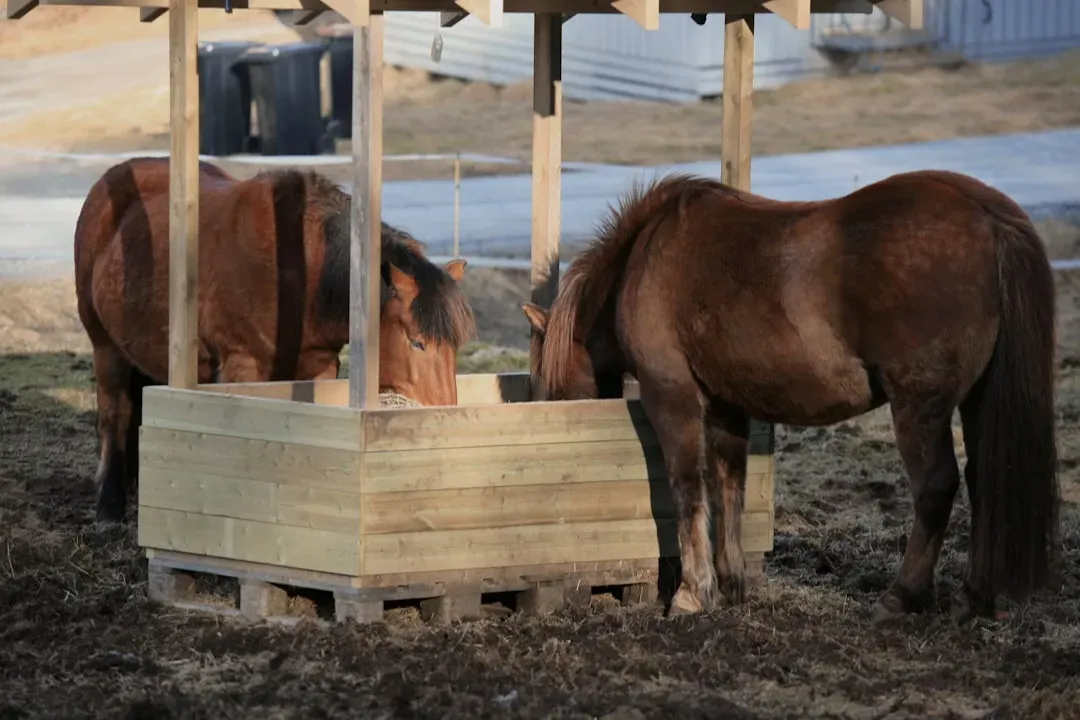
Most of us grab a scoop and call it good, right? Problem is, different feeds have wildly different weights and calorie contents. A coffee can filled with corn will weigh significantly more than one containing oats, and corn is also higher in calories than other feeds; when it comes to calculating nutrition, it is the weight that matters, not the volume.
When was the last time you checked the feeding rate on your horse’s feed bag or weighed out the feed you provide? Commercial feeds are formulated by equine nutritionists to meet specific nutritional needs based on factors like age, weight, and activity level. If you’re eyeballing portions, chances are you’re either overfeeding or underfeeding critical nutrients.
If your horse is receiving less than the recommended rate of a commercial feed, there are likely nutritional deficiencies present; to avoid this common feeding mistake, review the feeding instructions on the product you are using and weigh out the amount being fed to your horse daily with a scale. A basic kitchen scale works fine and costs less than a single vet visit. It’s a no-brainer investment.
Neglecting Dental Care
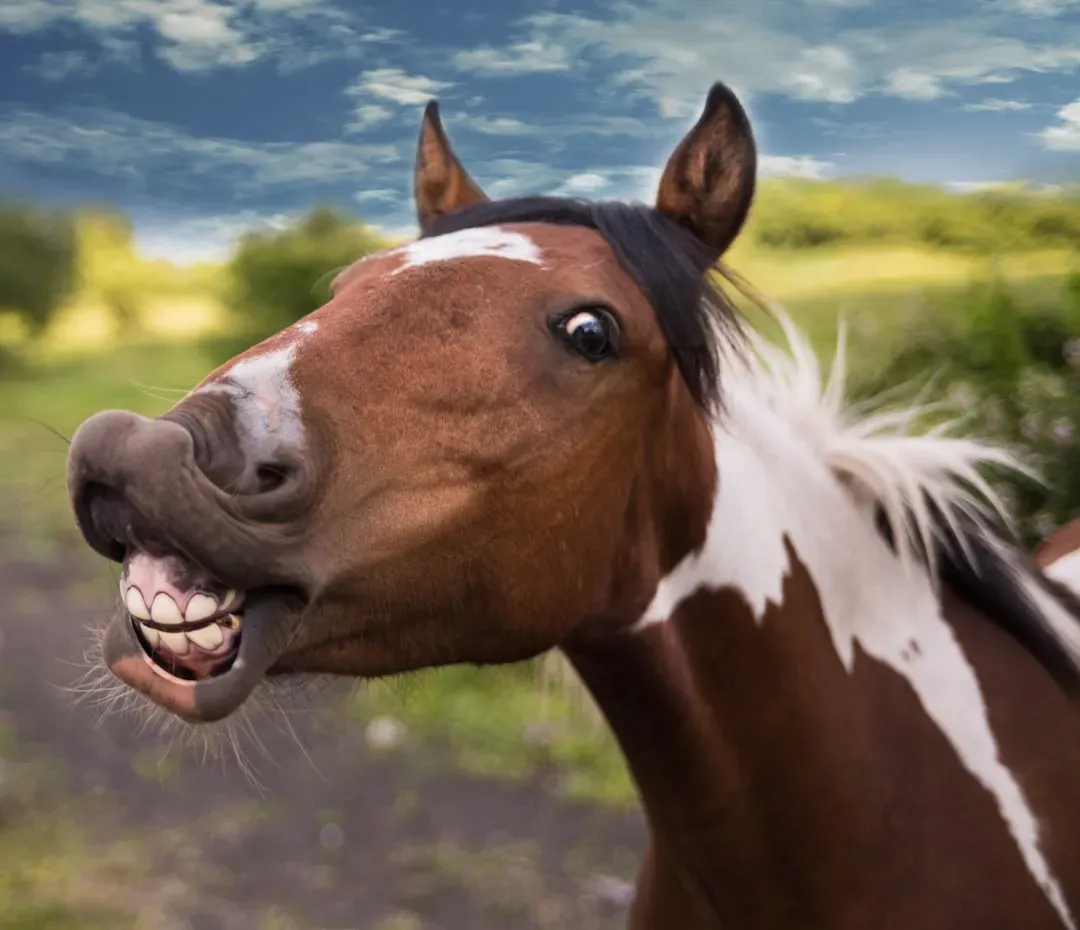
This one surprises a lot of people. Horses’ teeth grow continuously throughout their lives, and as they chew rough fibre, their teeth naturally wear down around 2-3mm each year, but often this natural wear is uneven, causing painful dental problems. Sharp points and hooks develop, making chewing uncomfortable or even painful.
Getting your horse’s teeth checked by a qualified equine veterinary surgeon or an equine dental technician every six to 12 months is recommended so unidentified dental issues can be treated quickly. Here’s the kicker: horses are very good at hiding their pain, meaning that many of these dental problems go unintentionally unnoticed until your horse shows health or behavioural signs.
Lapses in dental care can create health problems for horses: sharp points can cause ulcers or abscesses on tongue or cheek tissue, wolf teeth can be the source of pain and consequent behavioral problems, and crooked, loose, or painful teeth can keep horses from processing feedstuffs adequately to derive optimal nutrition from them. Weight loss, dropping food while eating, or suddenly becoming fussy under saddle can all point back to dental issues. I think it’s one of those things you don’t fully appreciate until you see the difference proper dental care makes.
Forgetting About Salt and Water
Sodium and chloride, the components of table salt, are electrolytes essential to many bodily functions, both are lost in sweat and must be replaced from the diet, and these are also the only essential nutrients that are not naturally present in grasses and grains. It sounds almost too simple, but a shocking number of horses don’t get enough salt.
Sodium is one of the most commonly deficient nutrients in equine diets, and horses are typically provided with free choice access to a salt lick, but this rarely meets their sodium requirements. Loose salt in a feeder works better than a block because horses can consume it more easily and in appropriate amounts.
Water is equally non-negotiable. Horses can drink anywhere from five to fifteen gallons a day depending on temperature, workload, and diet. Signs that your horse may be water deficient include decreased feed intake and physical activity and signs of dehydration like dry mucous membranes in the mouth, dry feces, and decreased capillary refill time; possible causes include no water source, low water palatability, or accessibility. In winter, heated buckets can encourage drinking when horses might otherwise avoid icy cold water.
Relying on Barn Gossip Instead of Professional Guidance

Relying solely on barn gossip or old habits can lead to outdated or incorrect care practices. Look, I get it. The woman who’s been riding for forty years seems like she knows everything, and maybe she does know a lot. Still, equine science has come a long way in recent decades.
If something is off, your vet is your first call, not your last resort. Waiting to see if that minor wound heals on its own or asking Facebook for supplement advice before consulting a professional can turn a small issue into a catastrophic one. Tiny wounds below the knee or hock can be life-threatening, and horses have an unfortunate design flaw in this regard.
Vaccinations, dental care, fecal egg counts, and deworming programs are the real money-savers in horse ownership, routine care is not optional, and it’s the cheapest and most effective insurance you have. Cutting corners on routine veterinary care almost always costs more in the long run, not to mention the toll it takes on your horse’s quality of life. Investing in professional guidance, whether from your vet, a certified farrier, or an equine nutritionist, pays dividends you can’t put a price on.
Conclusion
Taking care of a horse is equal parts science, routine, and paying attention to the little things that add up. The mistakes we’ve covered aren’t signs of bad ownership; they’re simply gaps in knowledge that almost everyone encounters at some point. What matters is recognizing them and making adjustments before they snowball into bigger problems.
Your horse depends entirely on you for their well-being, from the quality of their hay to the condition of their teeth to the footing under their hooves. None of this has to be overwhelming. Small, consistent habits like daily hoof checks, weighing feed, scheduling regular dental exams, and keeping your vet on speed dial will keep your horse healthier, happier, and sounder for years to come.
What mistakes have you caught yourself making? Sometimes the best lessons come from realizing what we didn’t know before.
