
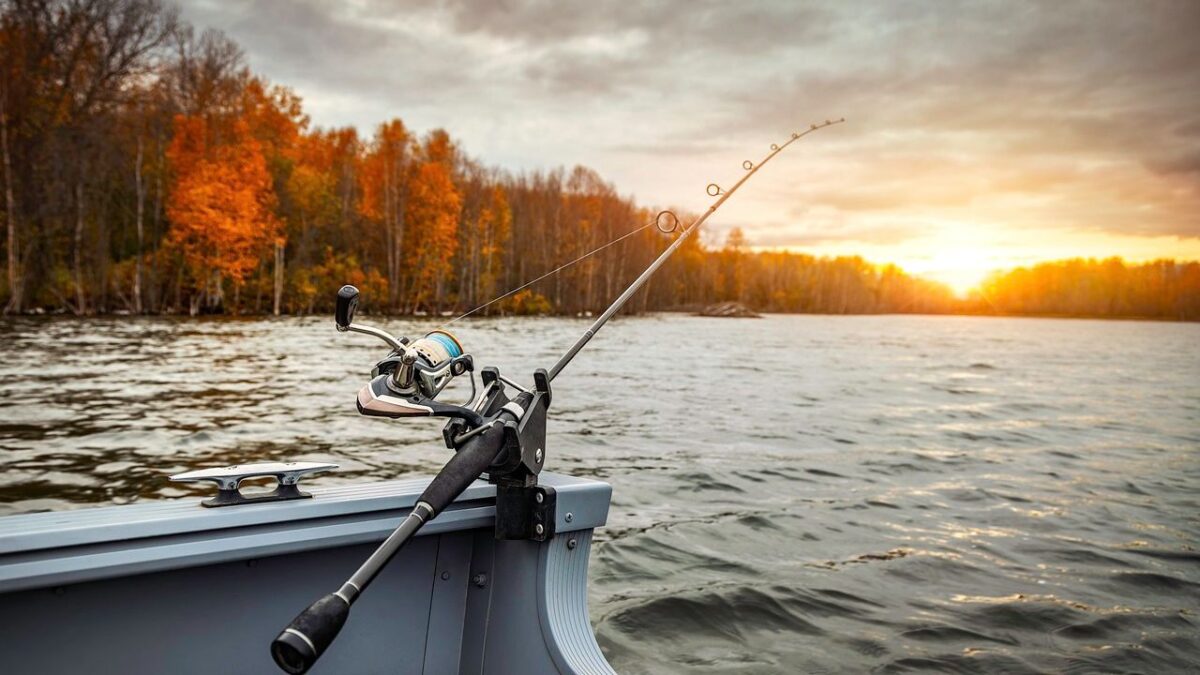
Montana has a way of making anglers feel like they’ve discovered something the rest of the world hasn’t found yet. The water runs cold and clear, the mountains stay in frame no matter which direction you cast, and the rainbow trout here grow with a kind of stubborn wildness that keeps people coming back year after year.
Montana made the decision to stop stocking trout in most rivers back in the 1970s, which means that most of the rainbows you’ll encounter in the state’s rivers are genuinely wild fish. A typical Montana rainbow trout measures between 14 and 20 inches, and these fish are highly adaptable, showing up in mountain streams, lakes, and major river systems alike. The six spots below represent a range of experiences, from classic tailwaters to wide canyon rivers, and each one earns its reputation honestly.
1. Missouri River Below Holter Dam
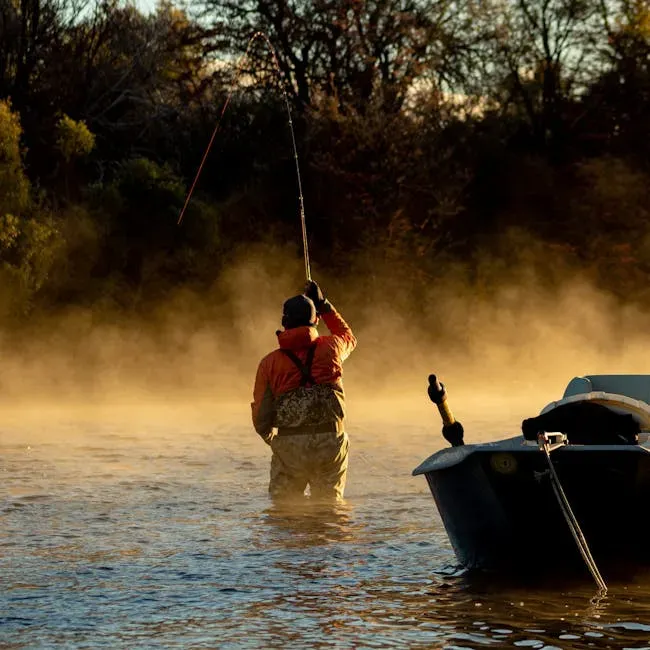
Few stretches of trout water in the American West carry the same consistent reputation as the Missouri River below Holter Dam. Below Holter Dam, the Missouri is a tailwater system with consistent flows and water temperatures, making it a near-perfect environment for trout to thrive.
The stretch from Holter Dam down to the city of Cascade spans roughly 40 miles and is home to an estimated several thousand fish per mile, with large populations of rainbow and brown trout making it a destination hotspot for avid fishermen. The 35-mile stretch below Holter Dam is world-famous for its dry fly fishing, and when the hatches line up in late spring, the surface activity can be remarkable.
With its steady flows and abundant hatches, the Missouri River offers excellent dry fly fishing opportunities. Numerous and easy public access points are spread all along the river, so finding a place to put in is rarely a problem.
2. Madison River
Flowing through Southwest Montana, the “Fifty Mile Riffle” of the Madison River deserves its reputation as one of the best trout streams in Montana. The Madison is sometimes called the 50 Mile Riffle, which makes it ideal for fly anglers.
The Madison offers an impressive diversity of water in its 183 miles of flow, from its thermally influenced water along the geysers of Yellowstone National Park to its boulder-strewn tailwater below Hebgen Lake, with pocket water and floatable runs throughout. Large rainbow and brown trout, along with an occasional mountain whitefish, will keep you entertained for days, and evening caddis and mayfly spinner falls in summer are worth staying out late for.
The Madison River, with its productive flows and healthy insect life, is a mecca for Montana fly anglers. Whether you’re wading the riffles near Ennis or floating the lower sections, the river rarely disappoints.
3. Yellowstone River
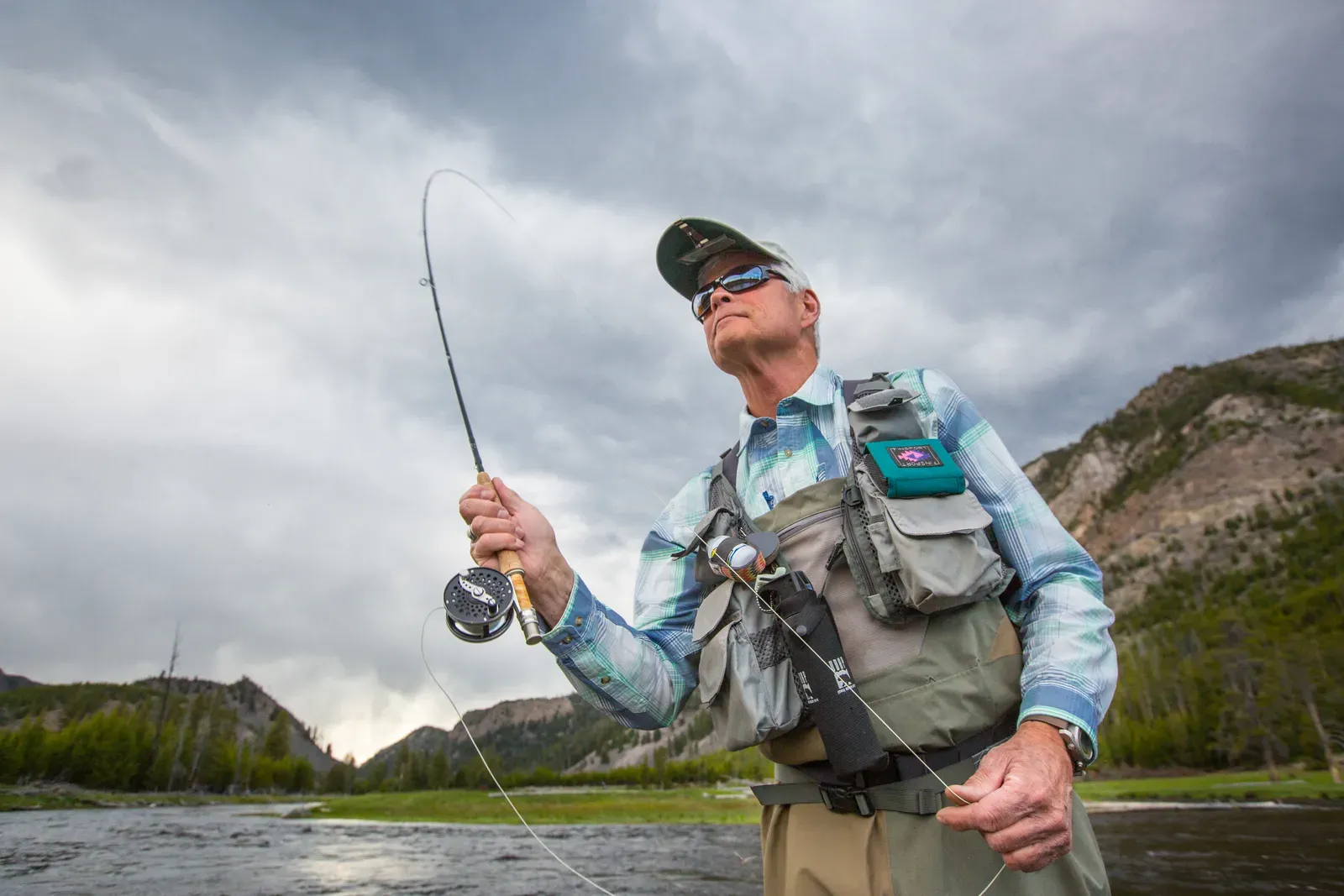
The Yellowstone River holds a special place among anglers and is considered by many guides to be the best river to fly fish in Montana, running wild and free as the longest undammed river in the country. Great populations of wild rainbow and brown trout populate the river along its entire length in Montana.
Fly fishing on the Yellowstone is freestone fishing at its finest, with great hatches of stoneflies, caddisflies, and mayflies, as well as the annual hopper bite, making for some of the best dry fly fishing anywhere in Montana. The stretch from Gardiner, Montana to Columbus, Montana is generally considered the blue ribbon section.
The Yellowstone upstream from Livingston is a world-class trout fishery through and through, while its lower reaches provide exceptional warm water sport fishing as well. Few rivers in the state offer the same combination of scenery, access, and sheer variety of water.
4. Clark Fork River
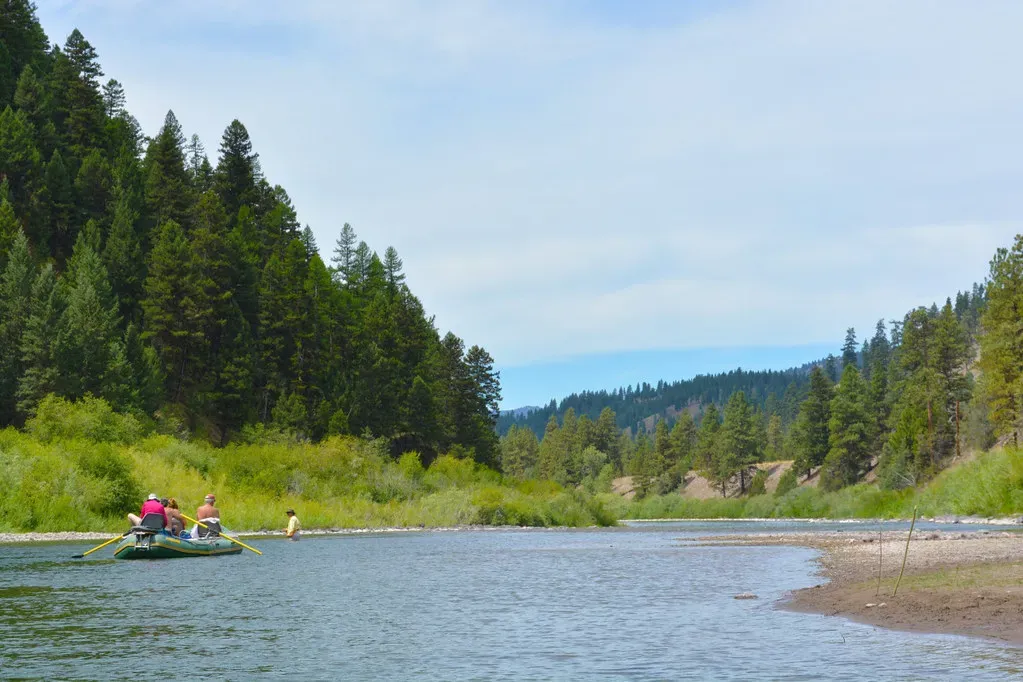
The Clark Fork has recovered from mining and flooding in the early 1900s to become one of the most productive trout rivers in Montana today, hosting monster wild rainbows that are considered by many to be the hardest-fighting trout in the state. That reputation alone is worth making the drive.
The Clark Fork is the largest river by volume in Montana, draining an extensive region of western Montana and northern Idaho into the Columbia River watershed. Each section of the river is unique and offers a great deal of water to the dry fly angler. After runoff in late June the river comes alive with stonefly activity, and golden stones can be found crawling on every willow bank.
Missoula sits at the heart of some of the best dry fly fishing in the state, with the Clark Fork and Bitterroot Rivers both excellent options, while Rock Creek is another classic float in June when salmonflies take over. It’s a region that rewards explorers who take the time to cover different sections of the river.
5. Kootenai River
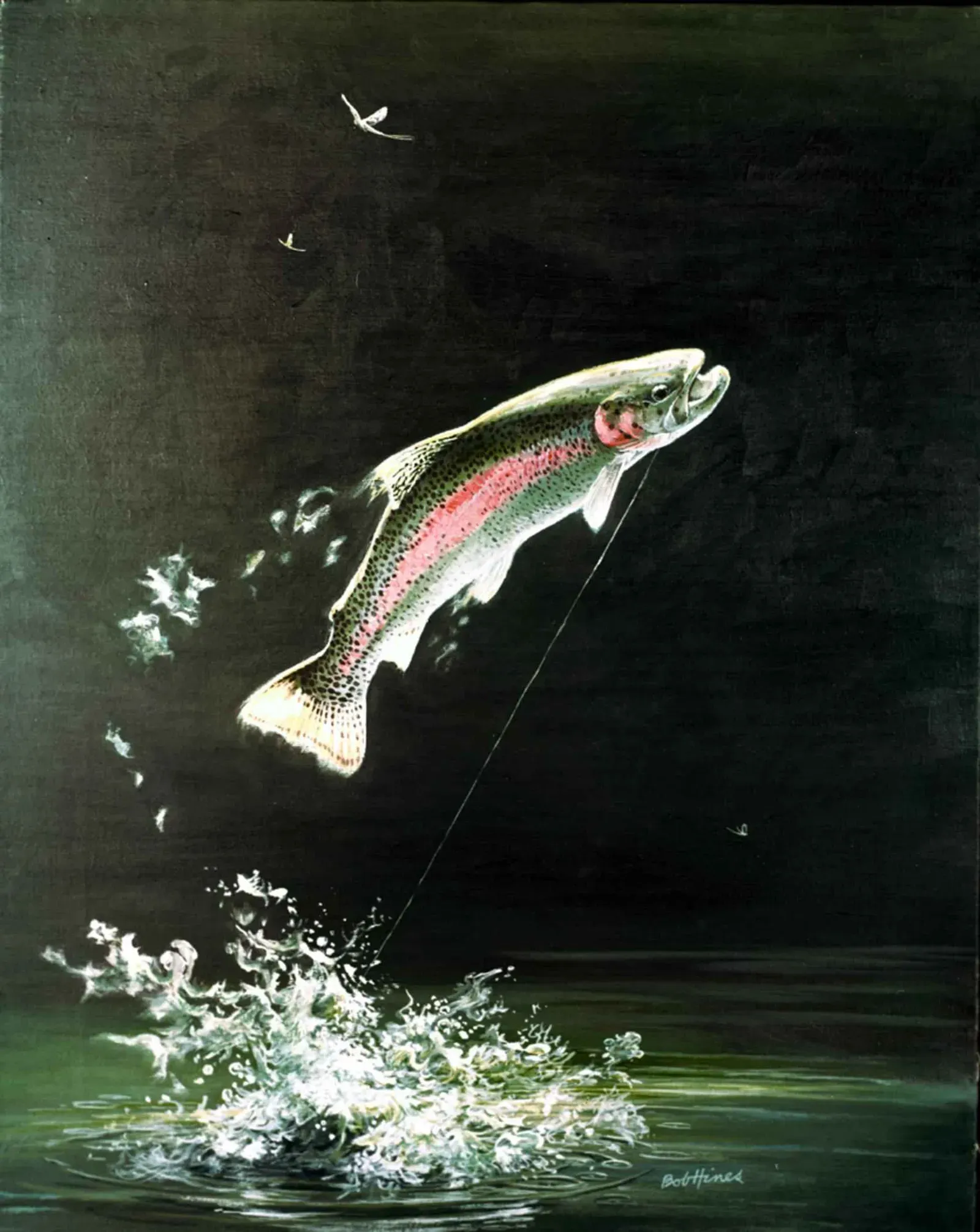
Rainbow trout are actually native to Montana, with a population native to the Kootenai River in the far northwest part of the state. That alone gives this river a particular kind of significance that the other fisheries on this list can’t quite match. The fish grow particularly large in the Kootenai River below the dam, where mysis shrimp are expelled from the reservoir and provide a rich food source.
The Kootenai is perhaps best known for producing the Montana state record rainbow trout, which tipped the scales at over 33 pounds. The river sports abundant public access for wade fishing, and its large size makes it a strong candidate for float fishing out of a drift boat or raft.
6. Gallatin River
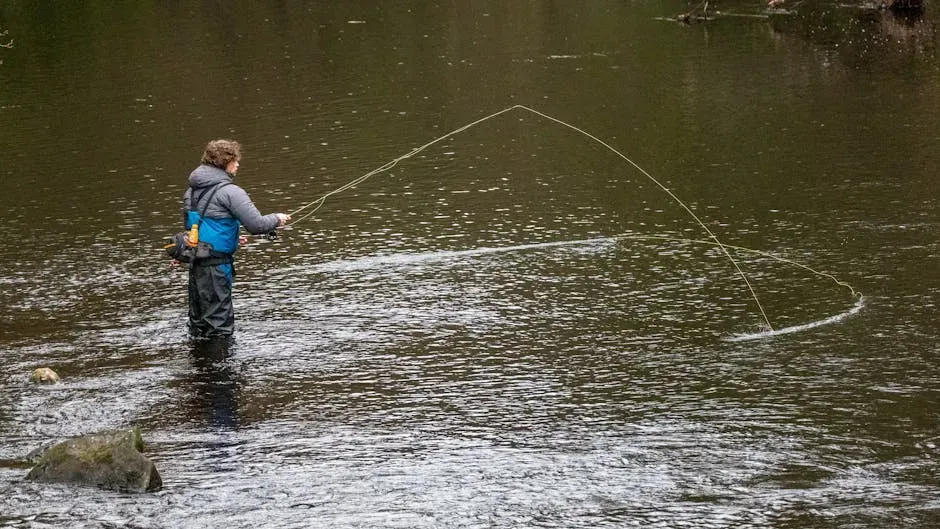
The Gallatin is a float-fish prohibited river that rewards waders with smaller but plentiful trout, especially from Big Sky downstream through the canyon, and with plentiful road access through the National Forest, it’s a great option for a DIY unguided fly-fishing trip. The canyon section in particular has a rawness to it that feels far removed from anywhere else.
In its upper reaches the Gallatin flows through a spectacular alpine environment within the canyon, where fishing scenes from the movie A River Runs Through It were filmed. It’s a very picturesque river with crystal clear water and lots of trout, though not particularly known for trophy fish, it often produces fast action and high catch rates.
Spring is a prime season for rainbow trout on the Gallatin, as lengthening days and rising temperatures make trout more active. The Gallatin is, in many ways, the most accessible introduction to serious trout fishing that Montana has to offer.
Conclusion: Montana’s Rainbow Trout Are Worth Every Mile
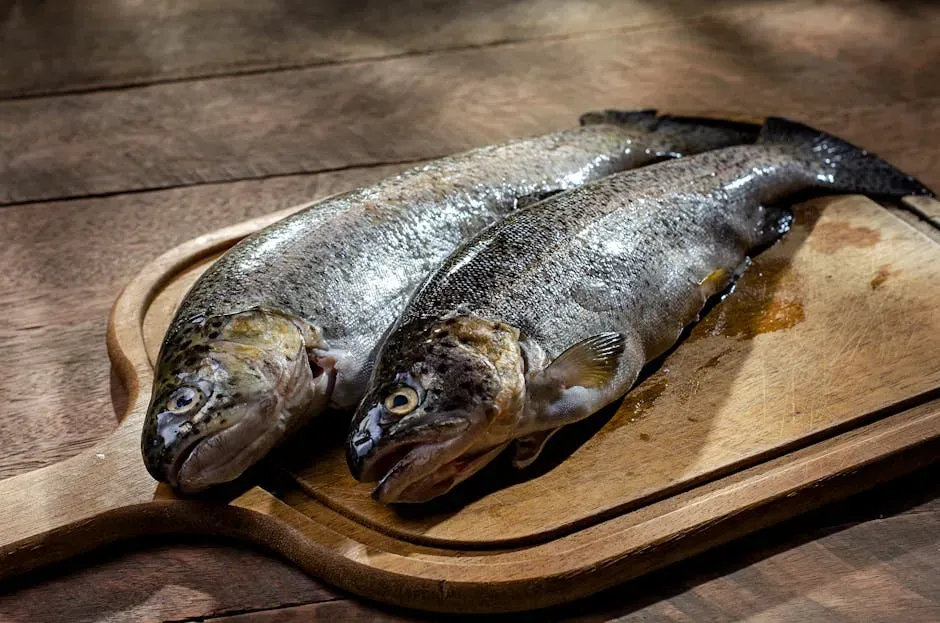
Montana’s rainbow trout fisheries didn’t earn their global reputation by accident. Fed from glaciers, winter snowpack, and deep mountain springs, Montana’s pristine chilly waters create a near-perfect habitat for trout. The fish that live in these rivers and tailwaters are conditioned by cold, clean water and wild insect populations, and they fight accordingly.
Each of these six spots offers something slightly different. The Missouri delivers numbers and legendary hatches. The Madison rewards persistence. The Yellowstone offers wild freedom. The Clark Fork fights back. The Kootenai carries genuine biological history. The Gallatin keeps things accessible without sacrificing beauty. Montana’s fishing regulations are designed to protect and sustain these fish populations, ensuring that anglers can enjoy high-quality fishing for generations to come.
Whatever draws you to trout fishing, whether it’s the technical challenge, the solitude, or simply standing knee-deep in a river that looks nothing like the world you came from, Montana delivers. The fish are real, the water is cold, and the experience tends to stick with you longer than you expect.
