

Most people take their dog outside because it feels like the right thing to do. The dog needs a walk, so out you go. What’s less obvious is how much that daily habit is quietly working in your favor too. The benefits go well beyond fresh air and a tired dog at bedtime.
Science and common sense tend to agree on this one. Regular outdoor time with your dog triggers a cascade of physical, mental, and social rewards for both of you – and several of them are genuinely unexpected. Here’s a closer look at what’s actually happening when you step outside together.
Your Heart Gets a Quiet Workout Every Single Day
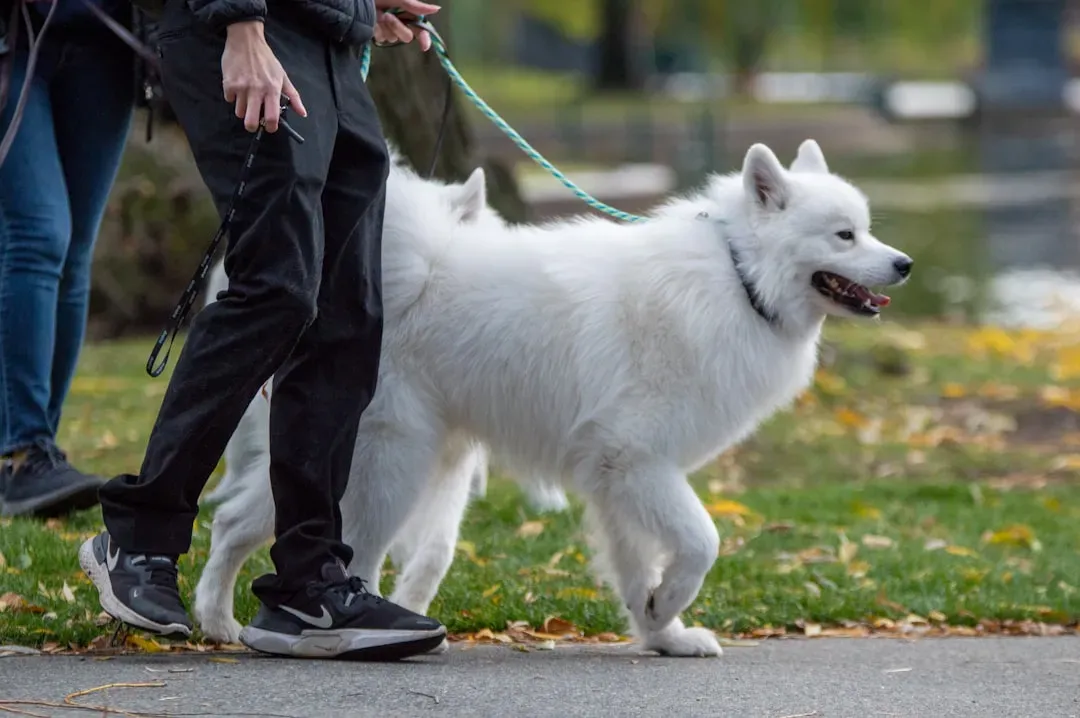
Walking, jogging, or playing a vigorous game of fetch with your dog reduces the risk of cardiovascular disease, Type 2 diabetes, osteoporosis, and certain cancers. These aren’t minor perks – they’re outcomes linked to one of the most accessible habits imaginable.
Regular walking or playing with pets can decrease blood pressure, cholesterol levels, and triglyceride levels. The consistency that a dog demands is, in effect, the very thing that makes the benefit stick.
Research shows that over 60% of American dog owners meet the recommended weekly exercise amounts mainly because of walking their dogs, which helps lower risks associated with obesity, heart disease, and some cancers. That’s a striking number, and it speaks to just how effective a dog can be as an unintentional fitness coach.
Your Brain Chemistry Actually Shifts on the Walk

Whether it’s a quick stomp around the local park or a longer walk in the countryside, regular walks and physical activity triggers the release of chemicals such as dopamine and serotonin, which boost mood and reduce stress. That post-walk lightness you feel isn’t imaginary.
A study found that heading outside with your dog companion helps to boost the brain chemical GABA, which helps calm us down. Notably, this calming effect appears to be stronger when you’re walking with your dog compared to walking alone.
Research found that a daily walk with your dog can reduce the chances of humans developing depression, anxiety, and stress disorders, because this light physical activity boosts calming GABA chemicals in the body. It’s a surprisingly direct physiological effect from something as simple as a daily stroll.
Your Dog’s Behavior Improves Too – Noticeably
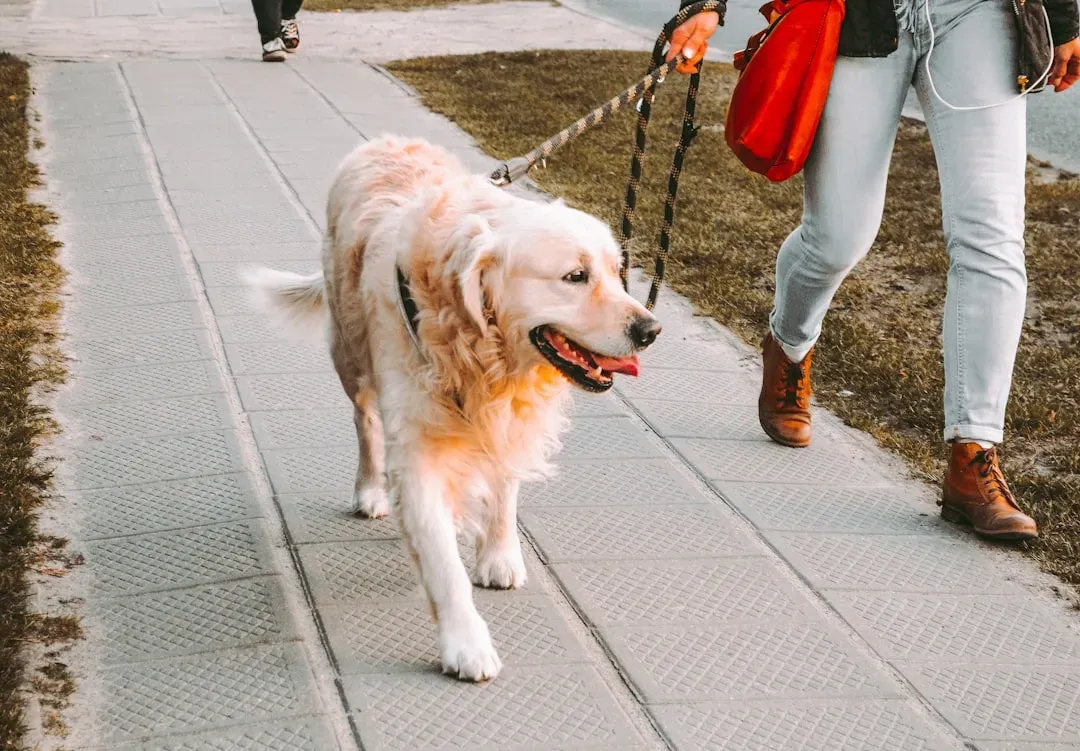
If dogs don’t receive daily doses of outside stimulation, they can get restless and develop behavioral problems and aggressive tendencies. A dog that pulls furniture apart or barks constantly is often just a dog that needs more time outdoors.
Dogs instinctively explore their environment through sniffing and observing, which provides mental stimulation and helps them unwind. That nose-to-the-ground behavior during a walk is genuine mental engagement, not just dawdling.
Although keeping your dog indoors protects them from various dangers, prolonged confinement can lead to mental and physical stagnation, contributing to health issues like obesity and behavioral problems such as aggression. Outdoor time, then, isn’t optional enrichment – it’s basic maintenance for a well-adjusted dog.
Your Sleep Quality Can Improve Without Changing Anything Else

A consistent walking routine doesn’t just make you happier – it also helps regulate sleep patterns. Moderate exercise during the day promotes deeper, more restful sleep at night. With better rest, your body and mind feel recharged, allowing you to handle stress more effectively.
You’ve probably seen your dog passed out on the floor when they get home from a long walk – this is because exercise is tiring. Studies have shown that regular exercise does help improve your amount and quality of sleep. The dog collapses. You sleep better. Everyone wins.
Sleep deprivation is associated with a higher risk of developing conditions like obesity, diabetes, and high blood pressure. Lack of sleep can also negatively impact your mental health. That’s a lot of risk that a daily outdoor walk is quietly working against.
You Become More Connected to Your Community

Walking a dog naturally encourages social interaction. It’s common to meet fellow dog owners, develop friendships, and deepen your ties to local communities. These exchanges are crucial for emotional health and can help fight feelings of loneliness.
Walking your dog also encourages social interaction. You’re likely to meet neighbors, other dog owners, or even strangers who stop to admire your pup. These small interactions build community and reduce feelings of isolation. For many people, having a dog provides a natural icebreaker and makes socializing less intimidating.
Over time, these encounters can turn into friendships, which add another layer of emotional support and mental well-being. It’s a social benefit most people never anticipated when they first brought a dog home.
Your Bond With Your Dog Deepens in Ways That Matter

Outdoor activities create shared adventures, whether it’s discovering a new trail, playing fetch, or simply relaxing under a tree. These moments strengthen the connection between you and your dog, building trust and mutual understanding.
Beyond simply offering ample playtime and exercise, outdoor enrichment yields numerous health benefits that contribute to your dog’s happiness and well-being. The time you spend outdoors can also strengthen the bond between you and your beloved dog, fostering a deeper connection and enhancing your relationship.
Although walking in general is known to be stress-relieving, it was clear that walking for most dog owners was enhanced by the specific presence of dogs and the desire for the fun they bring. There’s something qualitatively different about outdoor time with a dog compared to going it alone – a shared quality that’s hard to replicate.
Your Immune System Gets a Daily Dose of Support
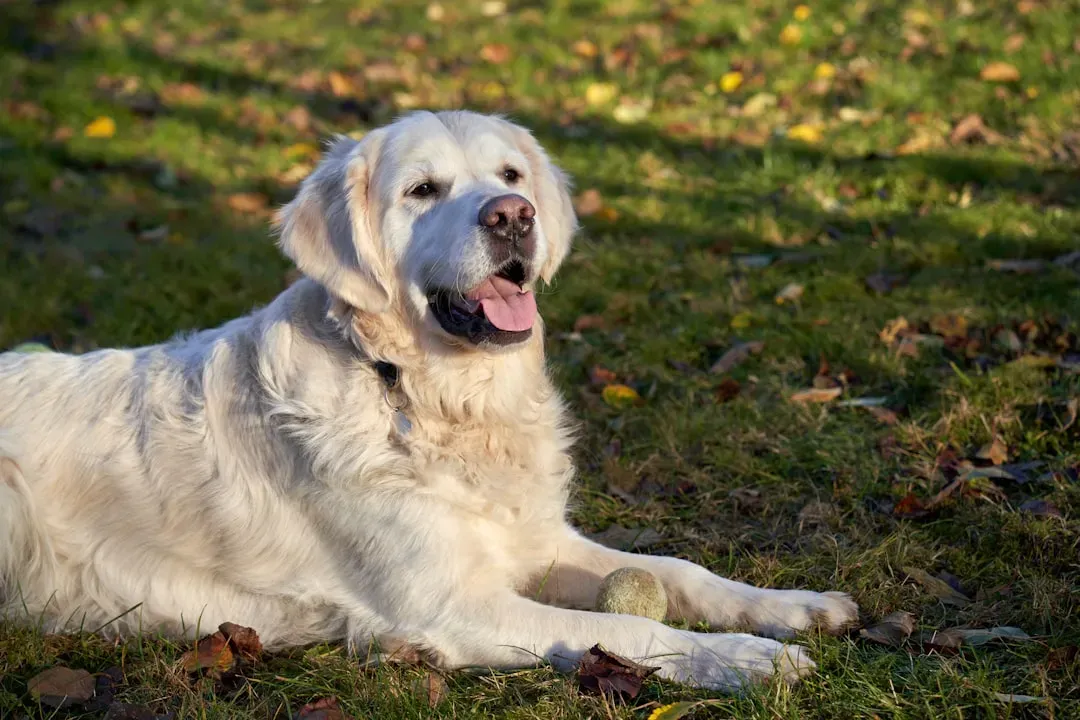
Spending time outside with your dog enhances blood circulation, helps your body produce vitamin D, and strengthens your immune defenses. People who regularly go outdoors tend to experience fewer upper respiratory illnesses such as colds and coughs compared to those who remain mostly indoors.
Spending time outdoors exposes both you and your dog to fresh air and sunlight, essential for overall health. Sunlight promotes vitamin D production, which supports bone health and immune function in humans and dogs alike.
Depending on where you live, outdoor air quality is generally better than indoor air quality. Unless you live a green lifestyle, you and your dog may be exposed to indoor air toxins ranging from household cleaners to the chemicals that off-gas from plastics, carpets, and upholstery. Letting your dog spend a good chunk of time outdoors every day helps reduce the amount of time he’s exposed to these toxins. It’s a benefit that works in both directions – cleaner air for both of you.
Conclusion: The Walk Is Doing More Than You Think
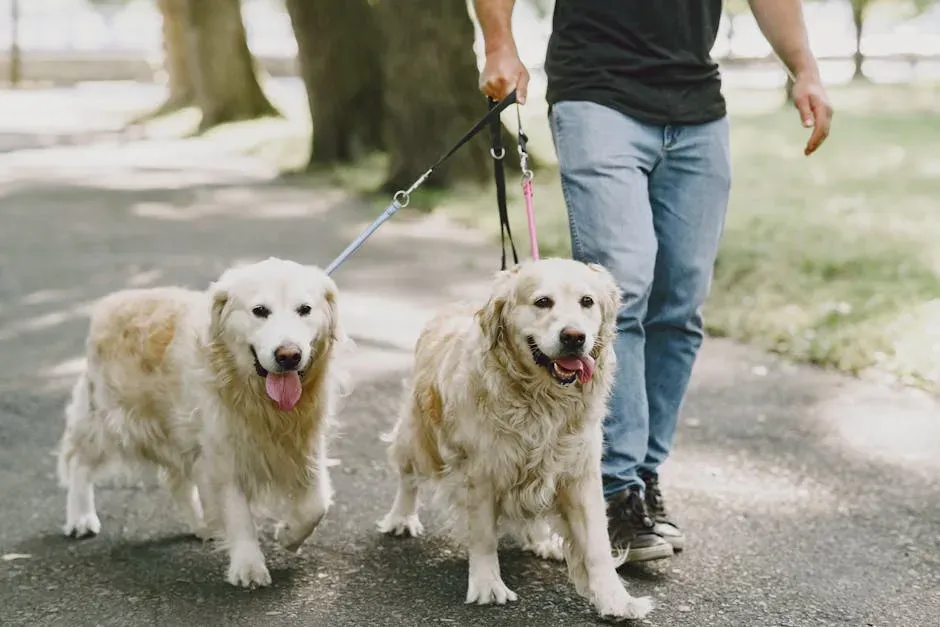
It’s easy to treat the daily walk as a chore, something you do because your dog demands it. The reality is that those twenty or thirty minutes outside each day are quietly building better cardiovascular health, steadier moods, improved sleep, a stronger immune system, and a more socially connected life.
In a largely physically inactive society, dog walking in natural outdoor environments may be a simple way of promoting physical activity and health. That simplicity is actually what makes it sustainable – no gym membership, no rigid schedule, just a dog at the door ready to go.
The dog never doubts that going outside is worth it. Maybe that’s the one habit worth borrowing from them.
