
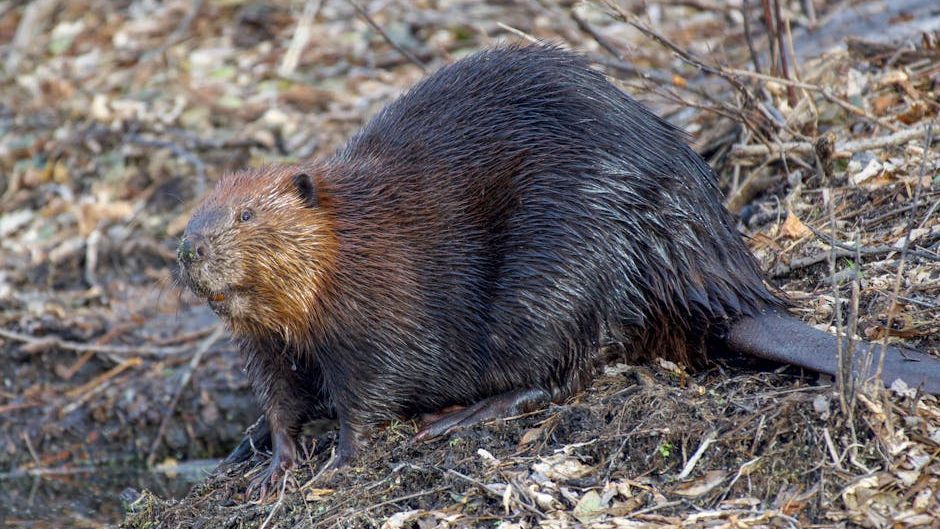
Most people picture beavers as industrious nuisances, chewing through riverside trees and flooding inconvenient patches of land. The reputation isn’t entirely unfair. Their dams do back up water in places people would prefer stayed dry. What that reputation misses, though, is something far more significant happening underneath all that gnawing and mud-slapping.
Across the country, scientists, land managers, and conservationists have been quietly reframing the beaver as one of the most powerful restoration tools available. Not a tool you build in a lab, or fund through an infrastructure bill, but one that has been shaping North American waterways for millions of years and is now, slowly, being invited back.
A Population That Nearly Vanished and What That Cost the Land
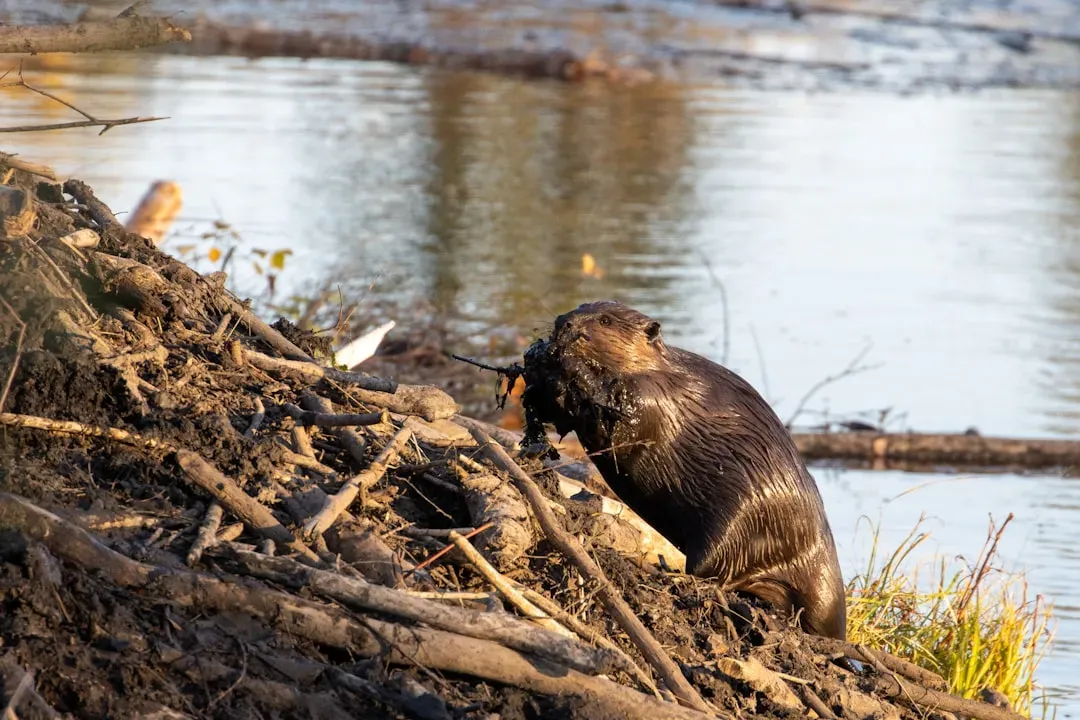
Beaver populations in North America have fallen from an estimated 60 to 400 million before European colonization to roughly 10 to 15 million today, because of extensive hunting, habitat degradation, and trapping. That collapse wasn’t just a wildlife statistic. It reshaped entire watersheds.
Historic beaver loss disconnected streams from their floodplains, warming waters, sinking water tables, and killing plants. The land dried out in ways that took decades to fully understand.
Wisconsin alone has lost half of its historic wetlands, with declining beaver populations playing a role. Similar patterns played out in states across the West, the Midwest, and the South. The fur trade took the beavers. The wetlands followed them out the door.
What Beavers Actually Do to a Landscape
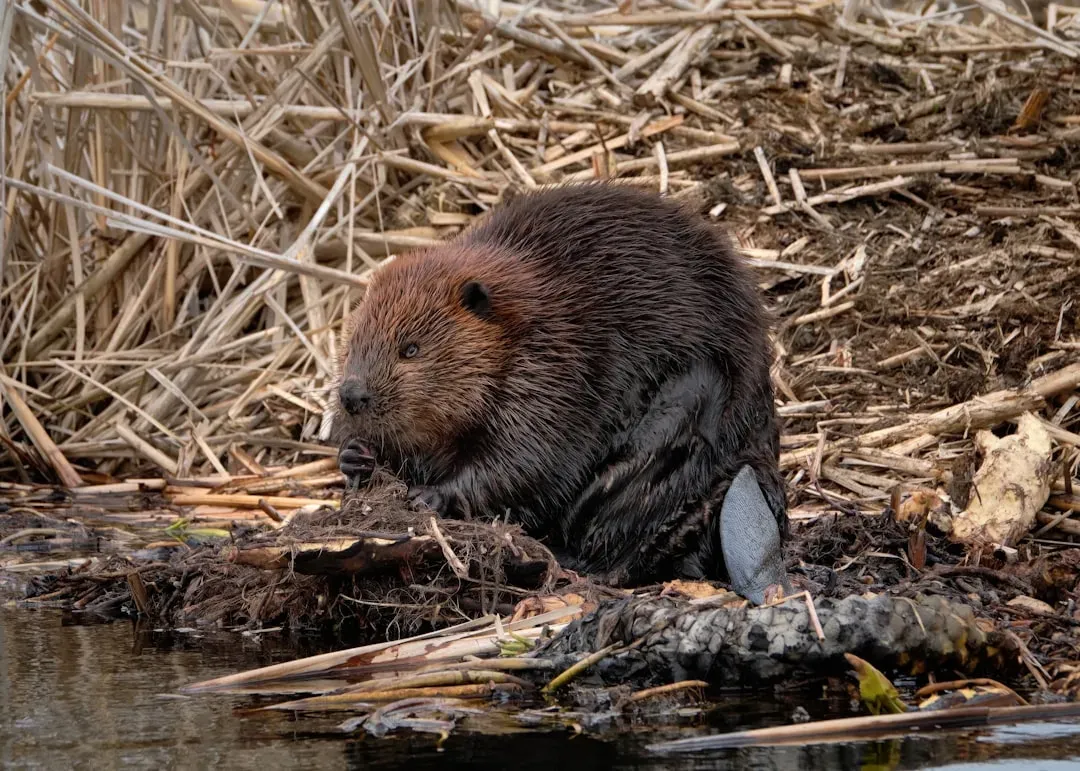
Beavers are nature’s foremost freshwater ecological engineers, second only to humans in their capacity to transform landscapes. That’s not promotional language. It’s an assessment shared across multiple peer-reviewed studies.
By constructing dams that impound water and retain sediment, beavers substantially alter the physical, chemical, and biological characteristics of the surrounding river ecosystem, providing benefits to plants, fish, and wildlife. The possible results include higher water tables, reconnected and expanded floodplains, higher summer base flows, expanded wetlands, improved water quality, and greater habitat complexity.
Beavers frequently construct multiple dams within an area, creating a wetland network of surface water and vegetation known as “beaver wetland complexes.” These complexes do something that no single restoration project easily replicates: they sustain themselves, adapt over time, and grow more ecologically complex with each passing season.
Water Storage, Wildfire Defense, and Climate Resilience
Beaver dams slow water, create wetlands that store rain and snowmelt, recharge groundwater, filter out sediment, and provide critical habitat for wildlife. In regions where water scarcity is becoming a chronic problem, those functions carry serious weight.
These complexes provide long-term freshwater storage and recharge groundwater, a crucial benefit especially in the American West, where dwindling surface water supplies are the result of years of sustained climate change-driven drought and over-allocation of surface water supplies, as seen in the Upper Colorado River Basin.
Beaver-created wetlands also help fight wildfires. Streams and ponds retain water longer, keeping surrounding vegetation green during the dry season. Studies show areas with active beaver dams burn far less intensely and with lower vegetation loss than similar landscapes without wetlands. In fire-prone states like California, Oregon, and Montana, that difference is increasingly hard to ignore.
Reintroduction Programs Taking Root Across the Country
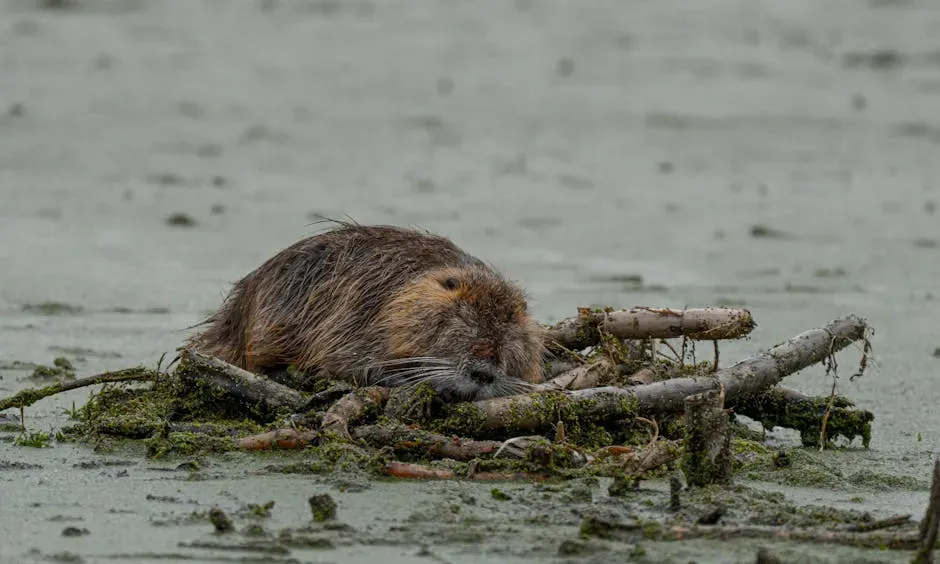
In Washington State, the Methow Beaver Project has relocated problem beavers from human conflict areas to headwater streams in need of restoration, creating over 300 acres of new wetlands since 2008. It’s one of the older and better-documented programs in the country.
A recent report from the California Department of Fish and Wildlife indicates that beavers released between October 2023 and September 2024 have produced litters and built dams at three of the five pilot-release sites. Progress isn’t always linear, but activity at most sites suggests the animals are settling in.
Tribal nations have been particularly active in beaver restoration, with the Tulalip Tribes in Washington and the Yurok Tribe in California implementing comprehensive programs that combine beaver reintroduction with traditional ecological knowledge. That integration of indigenous land management with modern conservation science has become one of the more thoughtful elements of the current restoration movement.
Montana Fish, Wildlife and Parks is currently considering a Beaver Transplant Program that would create a framework for state wildlife managers and partners to relocate beavers from areas of conflict to places within their historical range where their natural behavior can help restore degraded watersheds. Where beavers currently cause flooding problems on private land, that kind of program turns a conflict into a conservation outcome.
The Real Limits and the Careful Work Still Needed
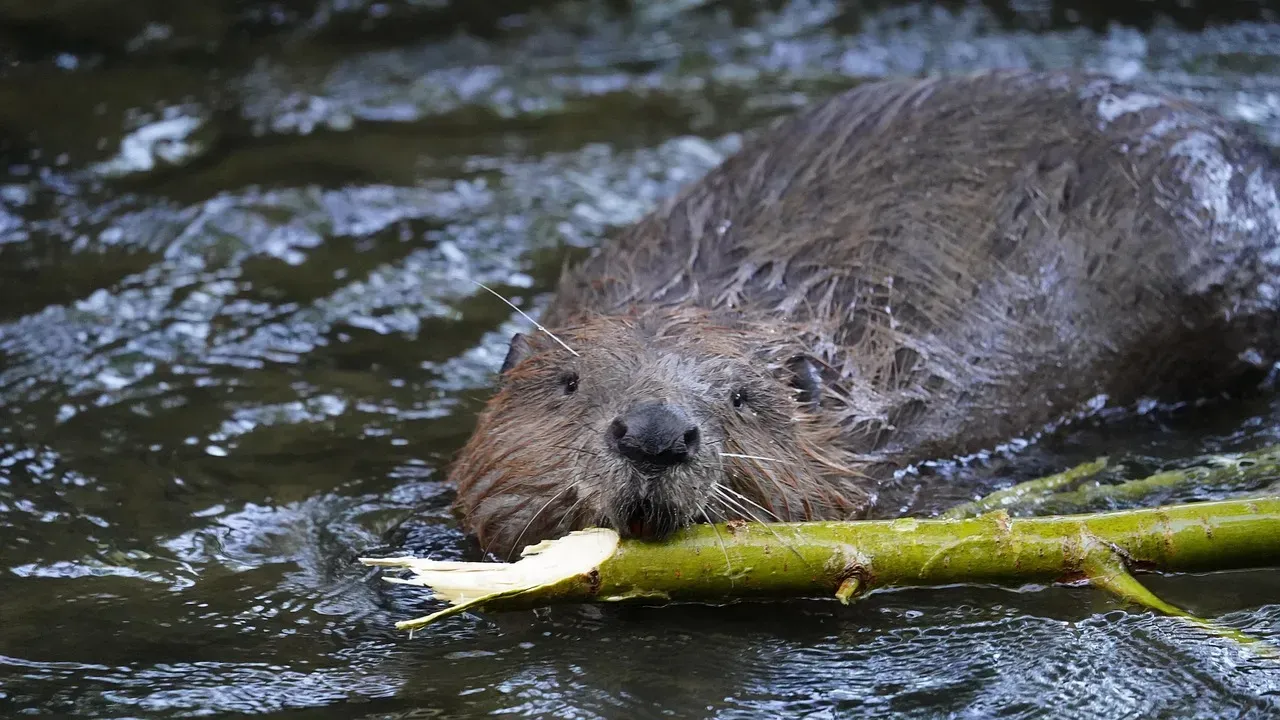
In recent years, beaver-based restoration has rapidly grown in popularity, but some researchers warn that beaver reintroductions should not be considered a panacea for reducing fire risk. Despite all the benefits of beavers, beaver-based restoration must be considered in a site-specific context. The enthusiasm is warranted, but so is the caution.
Beaver activity can create problems for nearby communities. New dams can temporarily reduce water flows, putting stress on downstream water users already struggling to find sufficient surface water supplies during drought conditions. Unmanaged beaver populations can also pose a flooding threat to homes, crops, and infrastructure.
Low-tech process-based restoration strategies have been surging in popularity among the river restoration and beaver restoration communities, however, the regulatory and permitting framework still needs to catch up. The current policy landscape remains a patchwork of regulations that vary from jurisdiction to jurisdiction. That regulatory gap is one of the more practical challenges facing the field right now.
Researchers envision dynamic risk maps that policymakers, watershed managers, and ecologists can use to quantitatively evaluate where, when, and how to bring back beavers. The science is moving in that direction, even if policy hasn’t fully caught up.
Conclusion
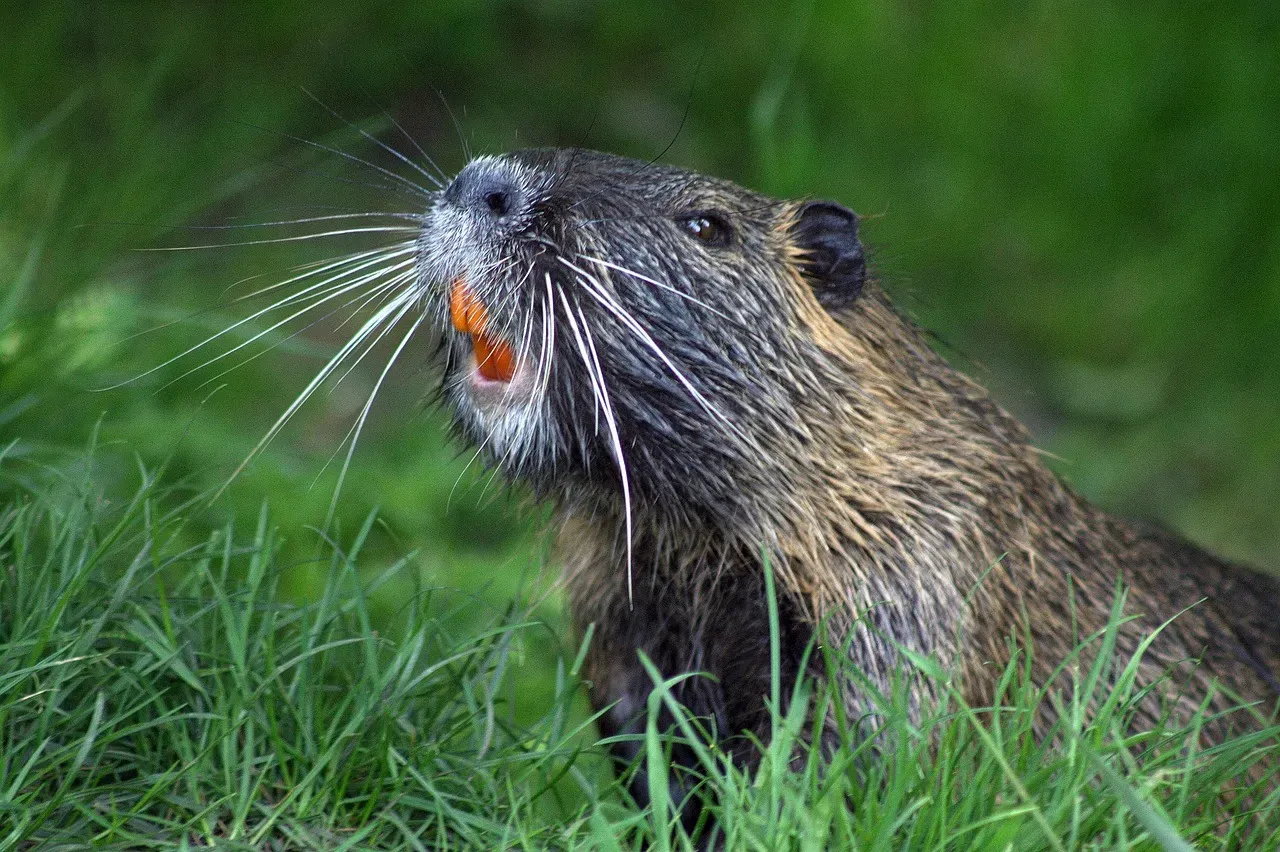
Beavers didn’t disappear quietly. Their removal reshaped rivers, dried meadows, and left watersheds less resilient to exactly the kinds of droughts and fires now pressing in from every direction. Recognizing that is the first step. Acting on it, carefully and site by site, is the harder work.
What makes the beaver story genuinely compelling isn’t just that these animals are useful. It’s that restoring them means restoring a process, one that self-organizes, self-repairs, and compounds its benefits over time in ways that concrete infrastructure simply cannot.
The land, given the right conditions, tends to remember what it once was. Beavers, it turns out, are one of the clearest invitations for it to return there.

- 13 Dog Breeds Experienced Groomers Quietly Stopped Recommending to First-Time Owners After Seeing Too Many Heartbroken Families - June 19, 2026
- What Happened When Scientists Played Recordings of Dead Whales to Their Former Pods (The Response Shocked Researchers) - June 19, 2026
- 12 Dog Breeds That Sense When You’re About to Cry Before You Even Know It Yourself - June 19, 2026