
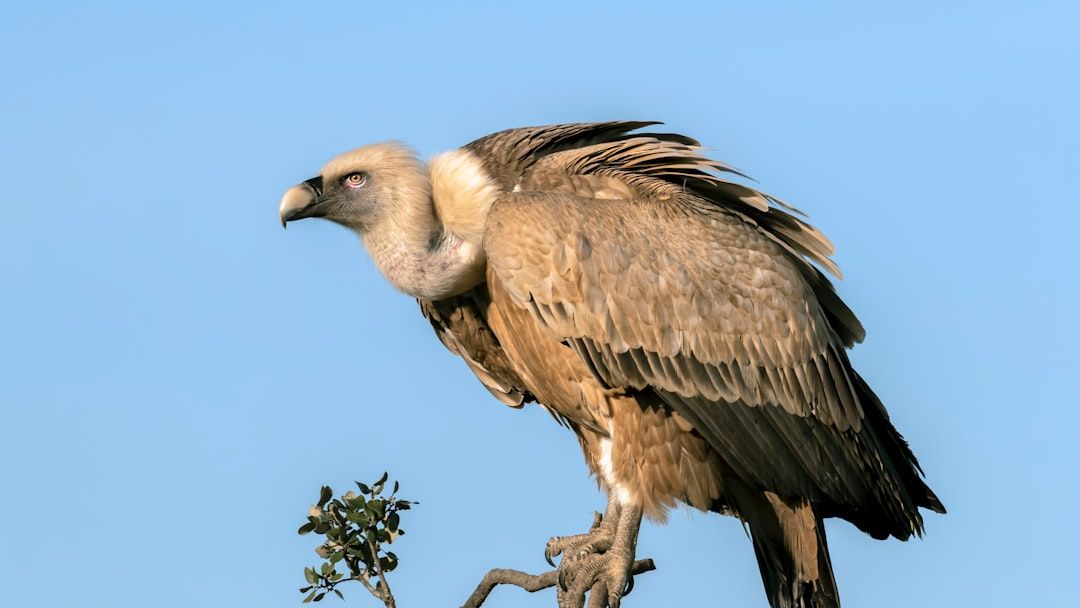
The Draw of Convenient Roosting Spots
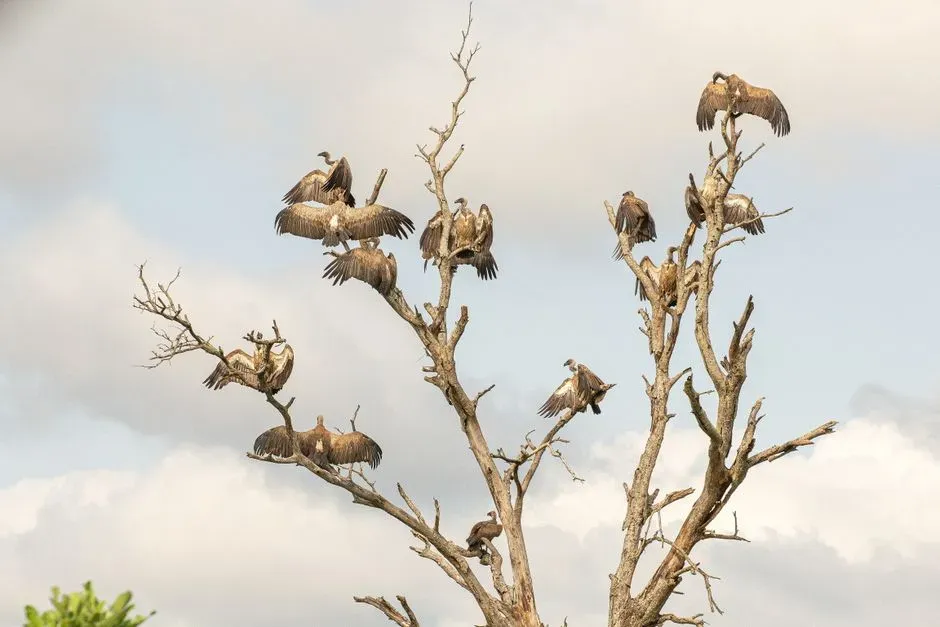
Vultures often select neighborhoods because the mix of tall trees, open spaces, and man made structures offers reliable places to rest overnight. They gather in groups since these birds are social by nature and prefer company when settling down for the night. Dark roofs or paved surfaces can also provide extra warmth, especially during cooler months when the birds need to raise their body temperature before taking flight in the morning.
Once a spot proves suitable, more birds tend to join over time as word spreads through their circling flights. This behavior explains why a few visitors can quickly become a larger gathering without any single dramatic event triggering the change. The choice usually comes down to practical comfort rather than any hidden threat nearby.
Indicators of Local Wildlife Activity
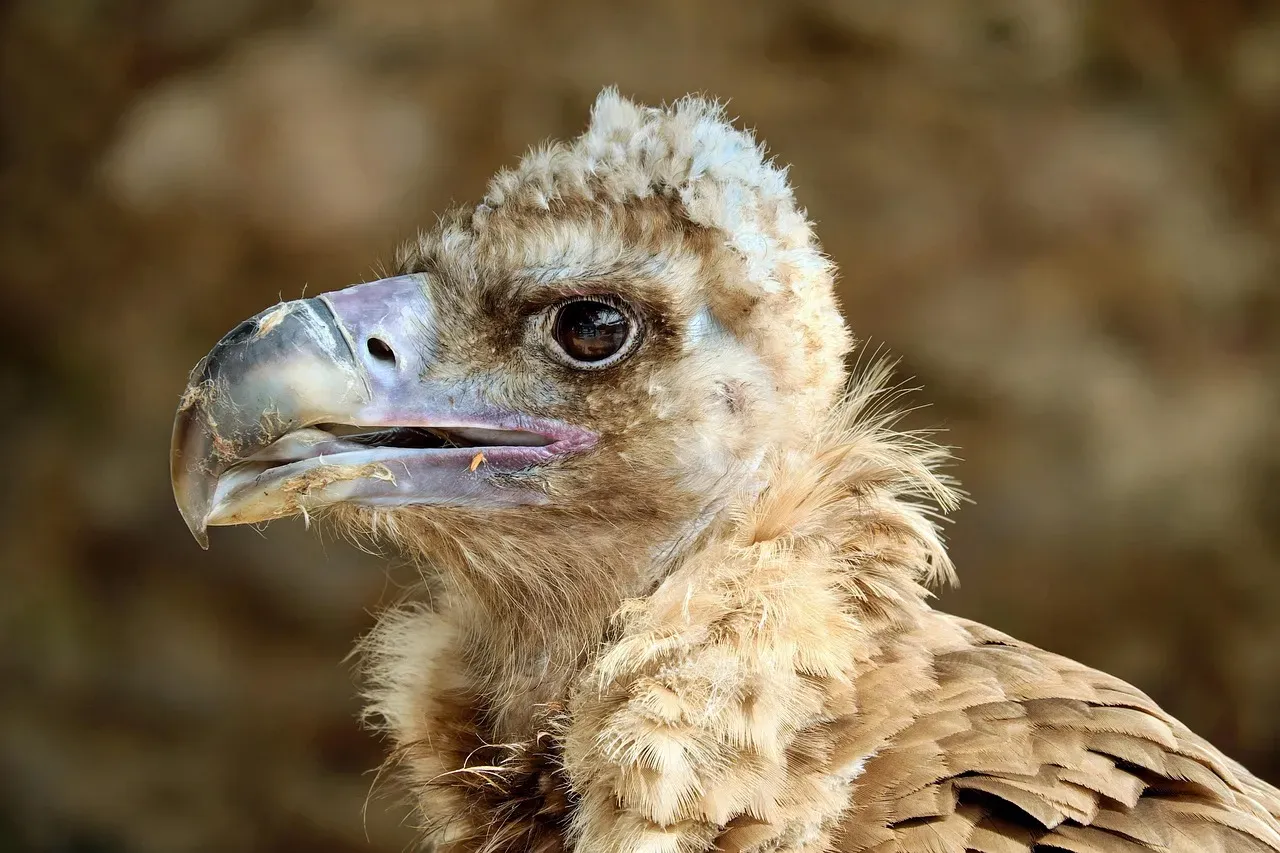
When vultures appear regularly, it frequently points to the presence of animal remains somewhere in the broader area, even if nothing obvious shows up in your own yard. Their keen sense of smell helps them locate carrion that other animals overlook, turning your neighborhood into a convenient dining hub. Suburban expansion sometimes increases these opportunities through roadkill or occasional pet losses that go unnoticed.
At the same time, the birds may simply be passing through during migration or shifting ranges as climates warm. Their arrival does not always signal a sudden die off of local wildlife. Instead it reflects how adaptable they have become to living alongside people in mixed landscapes.
Valuable Cleanup Crew in Action
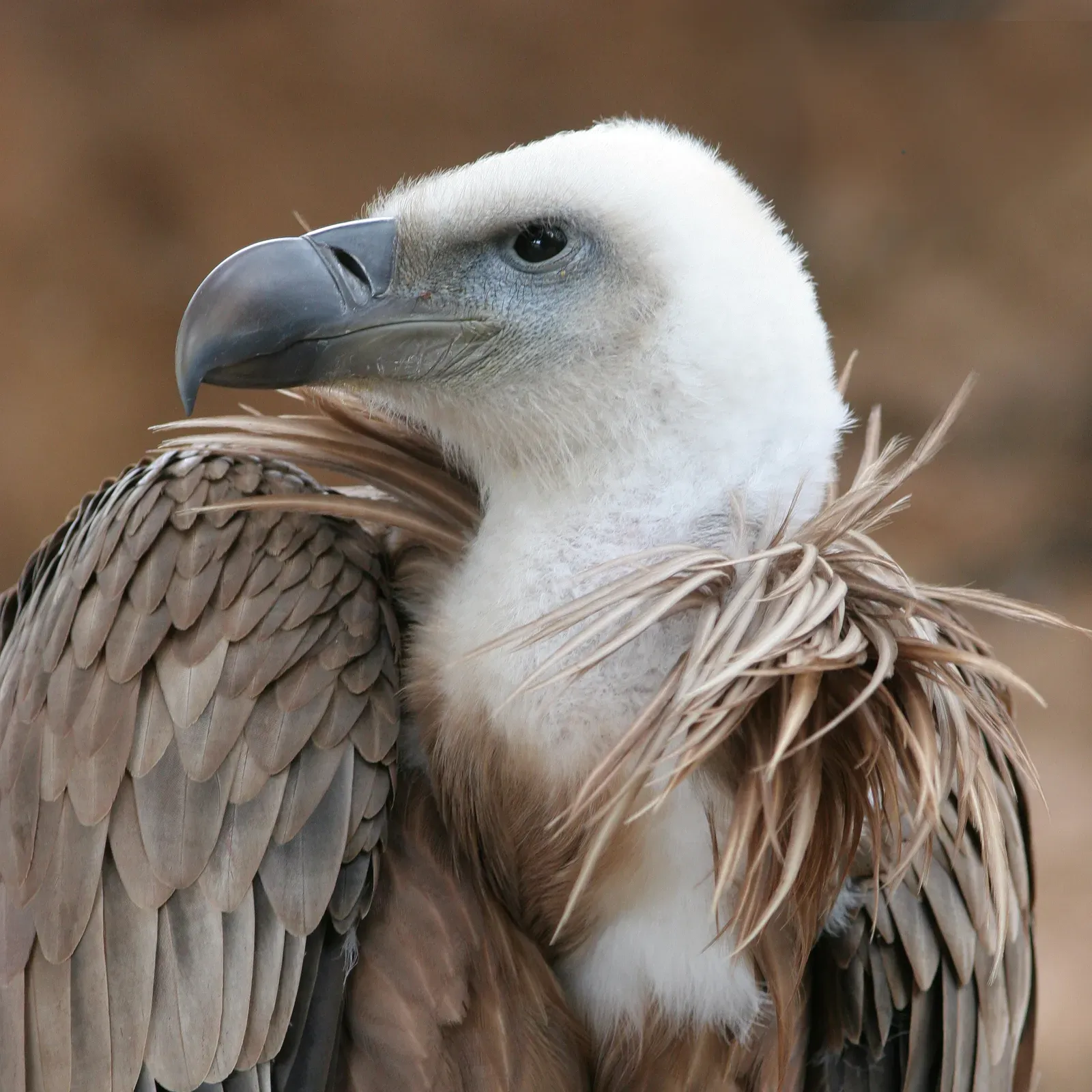
These scavengers play an important part in keeping environments cleaner by consuming dead animals before decay sets in. Without them, carcasses would linger longer and potentially spread bacteria or attract other pests. Their digestive systems handle pathogens that would sicken many other creatures, making them efficient natural sanitizers.
Residents sometimes overlook this service because the birds stay quiet and focus on their work from a distance. In rural edges or growing suburbs, their presence helps maintain balance in ways that go unnoticed until the numbers grow large enough to draw attention. Supporting their role means recognizing how they reduce waste that would otherwise require human intervention.
Understanding the Mess They Can Make
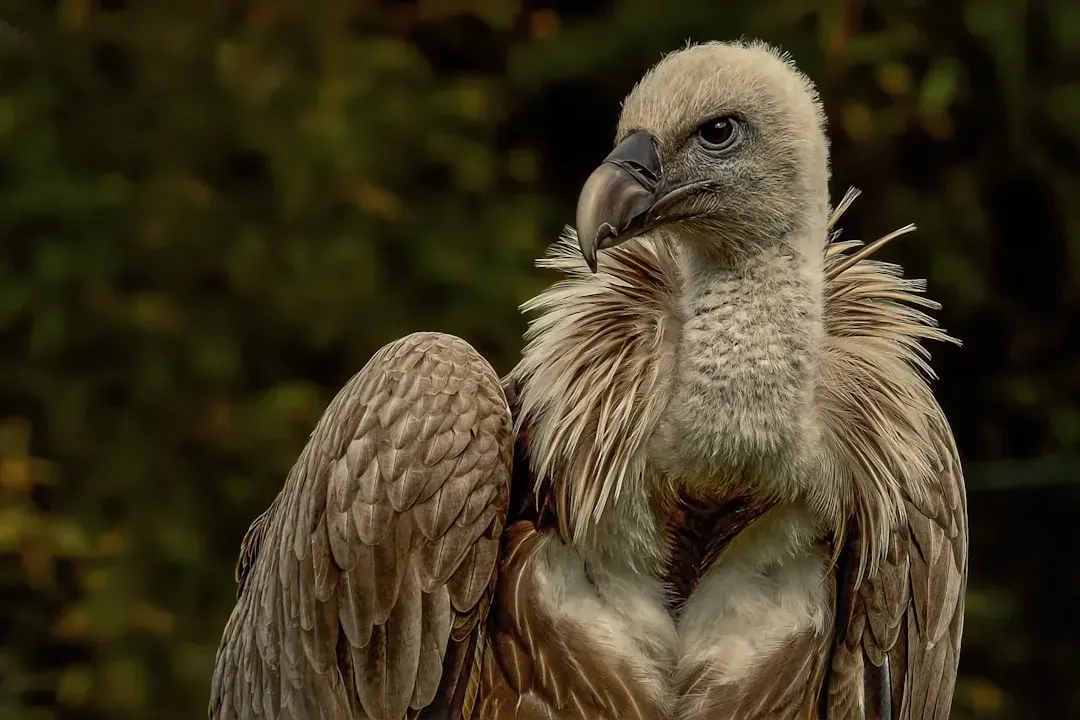
Roosting vultures leave behind droppings that can stain roofs, decks, and vehicles over time. The whitewash effect builds up quickly when dozens gather nightly, and the ammonia smell can become noticeable on warm days. Some birds also regurgitate partially digested food when startled, adding to the cleanup challenges for homeowners directly underneath.
Property damage remains another occasional issue, particularly when the birds perch on shingles or gutters and loosen materials with their weight or claws. These problems tend to appear only after a roost becomes established for weeks or months. Early awareness helps residents decide whether tolerance or gentle discouragement makes more sense for their situation.
Addressing Common Concerns About Safety
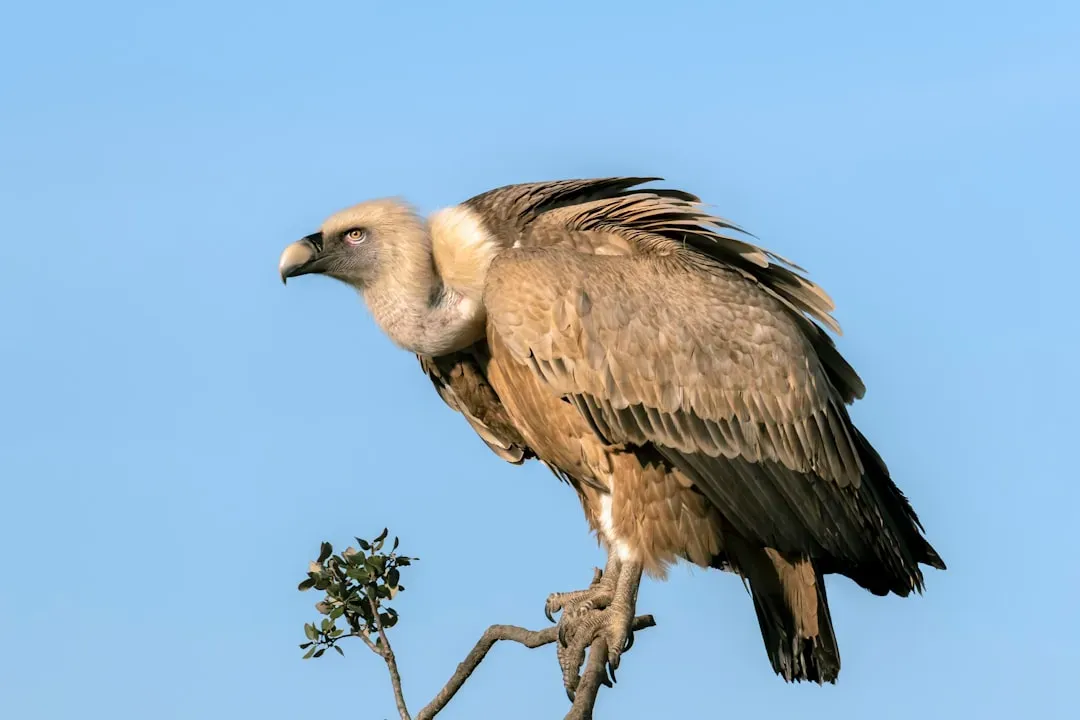
Many people worry that vultures pose risks to children or pets, yet these birds focus almost entirely on carrion and show little interest in living animals. They lack the talons or hunting instincts of raptors, so direct attacks remain extremely rare. Their defensive vomit serves mainly to deter predators rather than to target humans.
Health questions often arise around droppings and possible disease transmission. While any bird waste carries some bacteria, vultures themselves carry fewer harmful organisms than many assume because of their specialized stomachs. Basic hygiene around roost sites usually addresses the main concerns without needing extreme measures.
Navigating Regulations Around Protected Birds
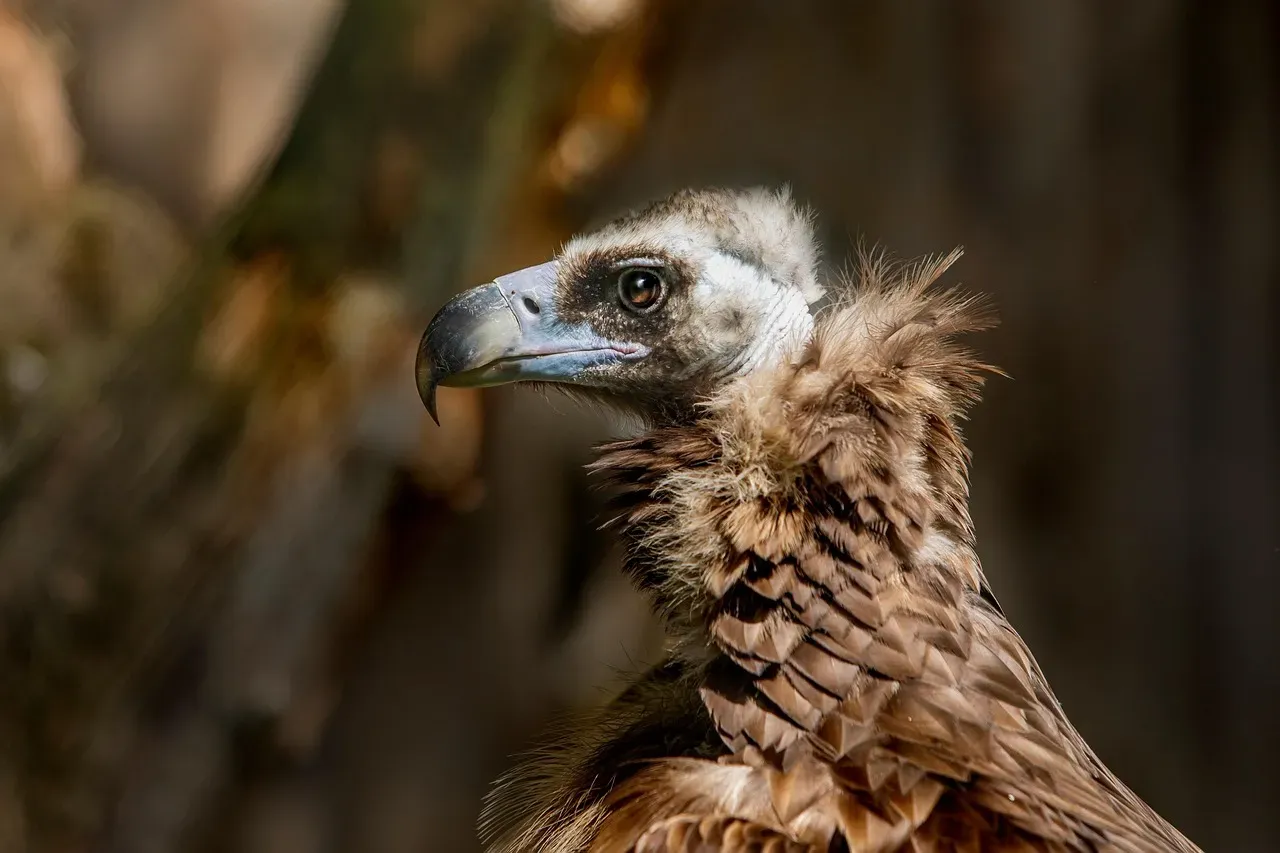
Both turkey vultures and black vultures enjoy federal protection in the United States, which limits options for removal or harassment. Homeowners cannot simply shoot or poison them without permits, and even relocation efforts require careful planning. This status reflects their ecological value and the need to prevent population declines seen in other scavenger species.
Local wildlife agencies can offer guidance when conflicts grow serious, yet most situations resolve through minor adjustments rather than formal intervention. Understanding these rules early prevents frustration and keeps actions within legal bounds. Many communities now treat vulture presence as a manageable part of suburban wildlife rather than an emergency.
Practical Ways to Encourage or Discourage Roosting
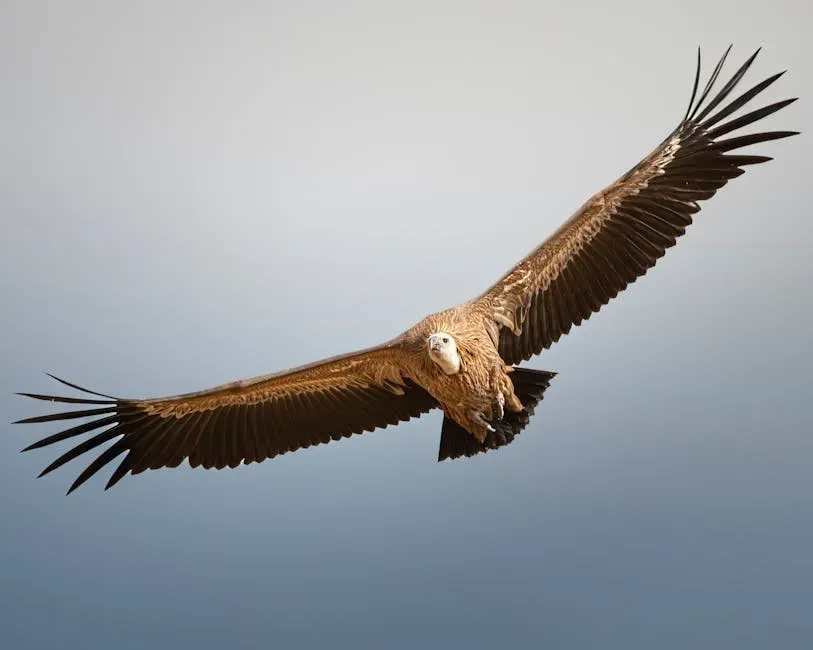
If the birds cause no real trouble, simply leaving them alone often works best since they provide free cleanup services. Planting or preserving tall trees away from structures can steer future roosts toward less intrusive locations. Some residents even enjoy watching the graceful soaring flights these birds perform during the day.
When problems do arise, simple deterrents like hanging reflective tape, installing motion sprinklers, or trimming branches near buildings can make sites less appealing. Consistency matters more than intensity because the birds learn routines quickly. Professional advice from wildlife specialists helps tailor solutions without harming the animals or violating protections.
Vultures remind us that nature finds ways to thrive even in places shaped by people. Their arrival invites a closer look at what else shares the neighborhood rather than a rush to push them away. Paying attention to these quiet signals often leads to better balance for everyone involved.
- 17 Things Cat Owners Did in the 1980s That Vets Would Never Recommend to Anyone Today - August 9, 2026
- What Cats Really Do at Night Will Surprise You 19 Behaviours Researchers Still Cannot Explain - August 9, 2026
- 18 American Places Park Rangers Say Almost Nobody Visits That Genuinely Deserve Far More Attention - August 9, 2026