

Everyone assumes the old dog pacing the hallway at 2 a.m. is just being stubborn, or slipping into senility. That’s the story most owners tell themselves. It’s also almost never the truth.
What’s actually happening is quieter and sadder: fading eyesight, aching joints, and a nervous system that no longer trusts the dark. The good news is that fixing it rarely takes a miracle. It takes small, specific changes that most people never think to try – and a few of them might genuinely surprise you.
#1 – A Predictable Bedtime Routine (Same Every Night)

For an old dog, randomness at night feels like danger. Senior dogs cling hard to patterns, and when the house goes quiet at a different time, or the lights flick off in a new order, an aging brain fills in the blanks with worry instead of comfort.
A simple, exactly-the-same-every-night routine tells their nervous system: nothing bad is coming. Try a 10-20 minute wind-down – last potty break, a short sniff walk, a gentle brushing, water bowl topped off, lights dimmed – done in the same order, every single night. Owners who commit to this often notice their dog stops pacing and starts walking themselves to bed.
#2 – A Warm, Orthopedic Bed That Actually Fits Their Body
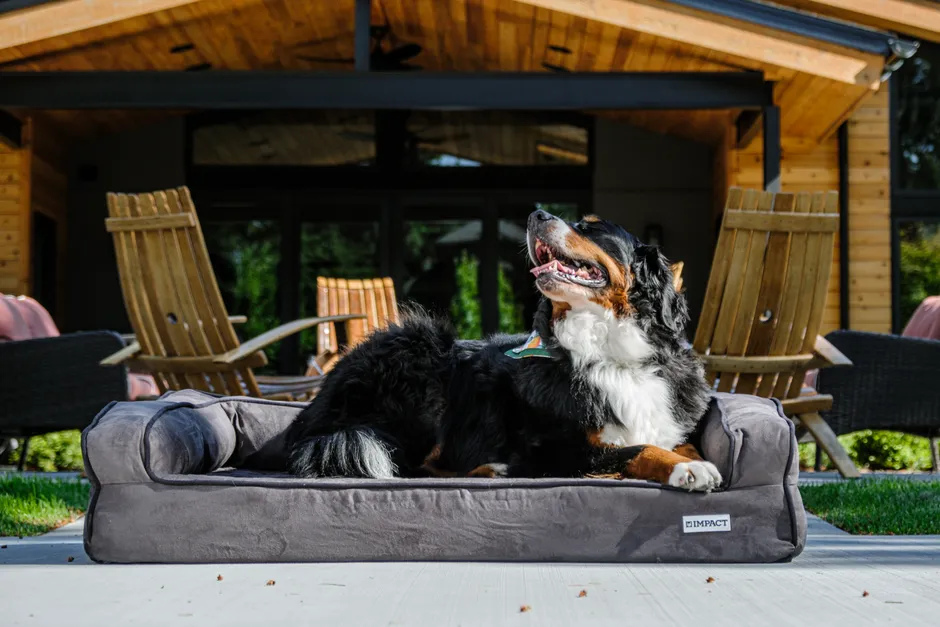
Most people grab a fluffy bed and assume it’s good enough. For arthritic joints, that assumption is exactly the problem. Hip pain and spinal stiffness explode in the senior years, and a thin or lumpy bed can make every single position hurt – which is why the dog keeps getting up, circling, and pacing instead of settling.
A real orthopedic bed made of thick, supportive foam that doesn’t flatten out can cut nighttime restlessness almost immediately. Look for one large enough for a full stretch, with low or no bolsters so stiff legs can step in easily, placed away from drafts and heavy foot traffic. Some owners think a “fancy bed” is a waste of money – until it’s the first night their dog has truly slept in months.
Why It Stands Out
- Thick memory or orthopedic foam that springs back instead of flattening under weight
- A low entry edge so stiff hips don’t have to climb over a bolster
- A removable, washable cover for inevitable accidents or shedding
- Placement on a non-slip surface, away from vents, drafts, and busy foot traffic
#3 – A Gentle Night Light for Aging Eyes and Brains
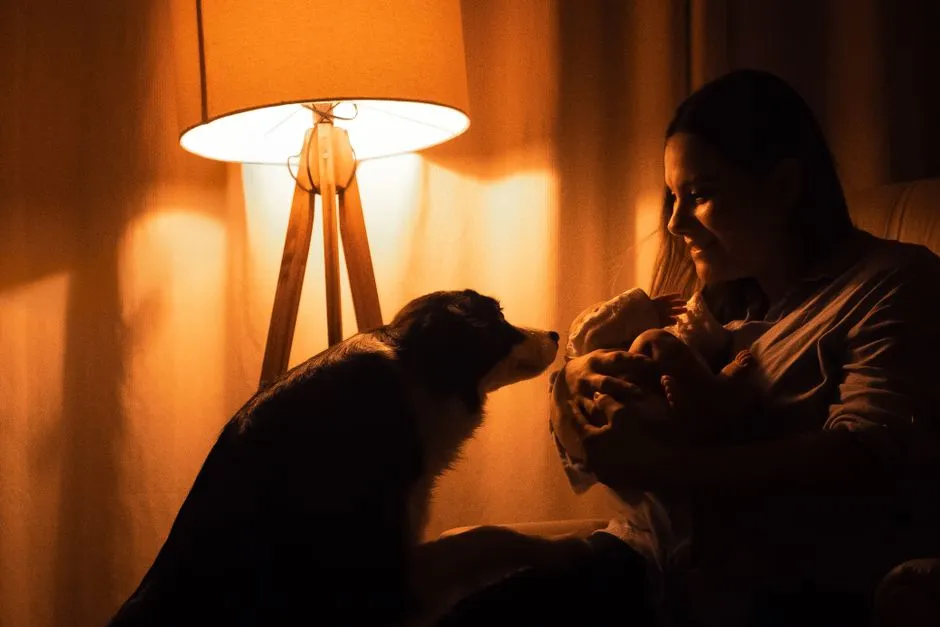
It sounds silly to buy a night light for a dog, until you picture what the dark actually feels like to one. Vision and cognition both fade with age, and a hallway that was effortless at five years old can turn into a confusing maze at twelve. Dogs dealing with cognitive decline or cloudy eyes can genuinely panic when they lose track of where they are.
A soft, warm night light in the hallway or bedroom lowers that fear of getting lost almost instantly, helping them find water, the door, or their bed without crashing into furniture. Skip anything bright enough to keep them awake – a small plug-in light, a low lamp in the corner, or a dimmable lamp out of licking range works best. Less pacing and fewer confused “stuck in the corner” moments usually follow.
#4 – A Realistic Security Sound (Fan, White Noise, or TV Murmur)

Silence can be terrifying for a dog that spent years sleeping through the normal noise of a busy house. When everything suddenly goes quiet at night, every creak and distant sound stands out sharply. Older dogs also lose some hearing, which sounds like it should help – but partial hearing often makes random noises feel even more startling, not less.
A low, constant background sound acts like a safety blanket. A box fan on low, a white-noise app, or a TV playing quiet voices with no explosions or sudden music can make a dog feel like the family is still right there. Some people swear dogs need total silence to sleep – but plenty of senior-dog owners have watched their anxious night-barkers finally relax once there’s something steady humming in the background.
#5 – A Soft, Worn Shirt That Smells Like Their Favorite Human

This one sounds cheesy. It isn’t. Scent is a dog’s primary way of understanding the world, and it holds up long after vision, hearing, and memory start slipping. When everything else feels unreliable, your smell is still a lighthouse they can find in the dark.
Tucking an unwashed T-shirt or pillowcase that smells like you into their bed can noticeably calm nighttime anxiety. Use something lightly worn rather than freshly laundered, skip anything doused in perfume or fabric softener, and re-scent it every few days. People worry this will make a dog more clingy – in practice, it usually does the opposite, giving them the confidence to settle even when you’ve left the room.
#6 – A Short, Calm Pre-Bed Massage (Not Just Petting)

A quick head pat doesn’t cut it. Intentional touch does. Old dogs live with a constant, low hum of discomfort they have no way of explaining, and thirty seconds of absent-minded petting won’t touch that.
A slow, predictable five-to-ten-minute massage before bed can signal the entire nervous system to power down. Long strokes along the back, gentle circles around the neck and shoulders, and light pressure down the legs – if they enjoy it – all help. Watch for sighing, drooping eyelids, and slower breathing; those are the green lights. Anyone who has lived with a stiff, aching senior knows this isn’t optional pampering – it’s relief.
#7 – A Stable Water Setup That’s Easy to Reach in the Dark
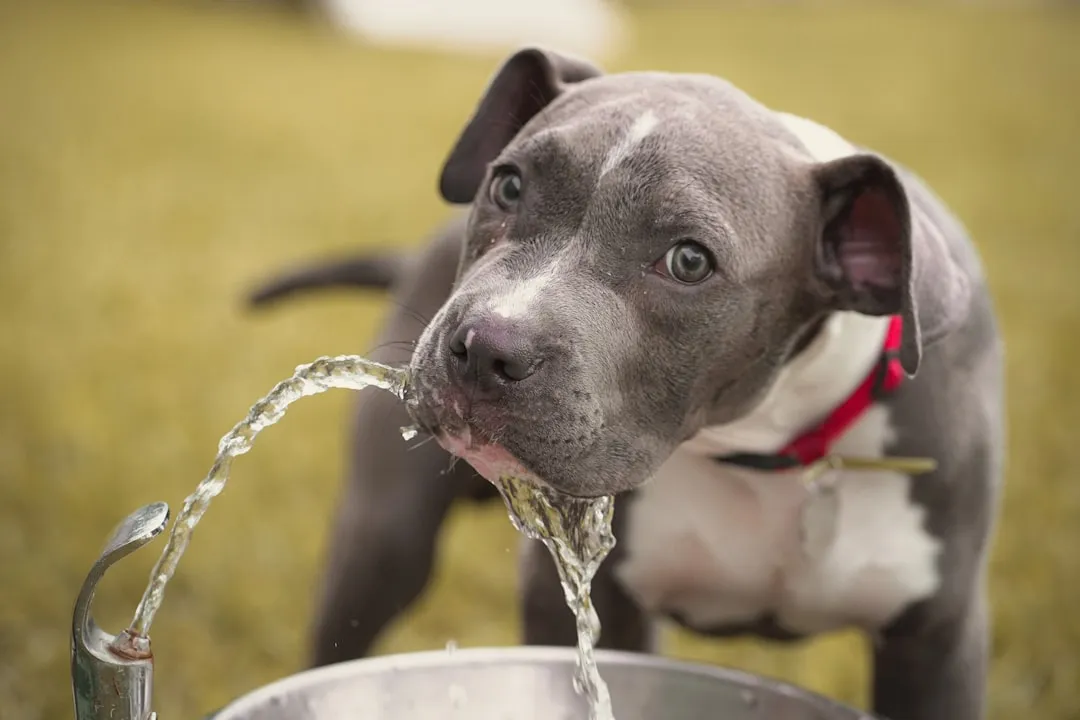
This one gets missed constantly because it seems too small to matter. Senior dogs often get thirsty at night, especially on certain medications or with kidney issues starting to develop. But crossing a slippery floor in the dark toward a flimsy bowl that skids away when they bump it feels risky – so instead of drinking, they pace or whine.
A large, heavy, non-slip water bowl kept in the exact same spot near their bed removes that risk entirely. A weighted or wide-base bowl, a non-slip mat underneath, and a consistent fill level all help. Many older dogs also drink more easily from a bowl raised just a few inches, not chest-height – a tiny fix that can quietly prevent a whole night of restlessness.
#8 – A Safe, Gated Night Zone Instead of Roaming the Whole House
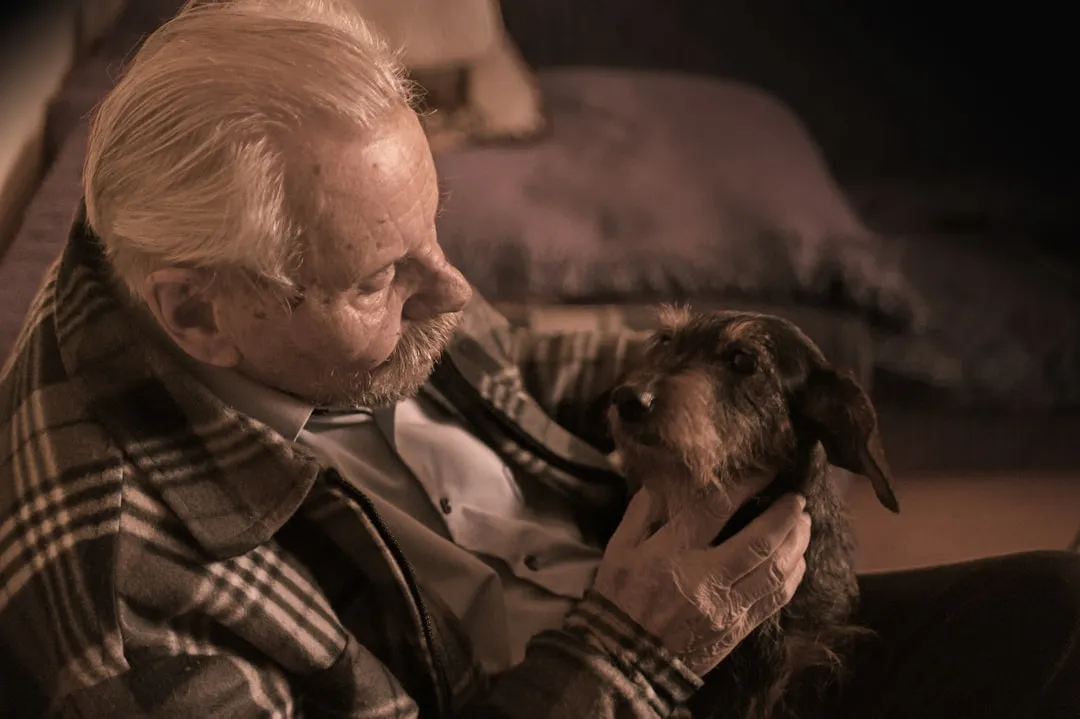
Letting an old dog roam the whole house at night feels generous – until you consider what fading vision and weaker balance actually mean in a big, dark space. They can get wedged behind furniture, slip on stairs, or freeze in panic in an unfamiliar-feeling room, even one they’ve lived in for years.
Setting up a small, secure night zone with a baby gate or closed doors often makes seniors visibly calmer – think cozy studio apartment instead of empty mansion. Fill it with their bed, water, a night light, white noise, and a rug for traction. Some people call this confinement cruel; behaviorists tend to see the opposite in seniors – less pacing, fewer accidents, and deeper sleep once their world shrinks down to something manageable.
Worth Knowing
- Pick a room they already associate with calm – a bedroom nook beats a laundry room or garage
- Keep the zone small enough that bed, water, and door are all just a few steps apart
- Add a rug or yoga mat over hard flooring so paws don’t slide mid-turn
- Block off stairs and thresholds entirely rather than trying to “dog-proof” them
#9 – Temperature Tweaks: Warmer Than You Think, but Not Hot

Most people set the thermostat for their own comfort, not their old dog’s. Senior dogs, especially thin or short-coated ones, lose muscle and slow down in circulation, which means a room that feels perfectly fine to you can feel genuinely cold to them.
A slight bump in nighttime warmth, plus an extra blanket, can noticeably deepen how well they sleep. Watch for shivering or curling tightly, which usually means cold, versus restless panting or avoiding the bed, which usually means too hot. A fleece blanket, a bed moved away from drafty vents, or a ceiling fan for dogs that run warm can all make the difference. Senior bodies simply don’t regulate temperature the way younger ones do.
#10 – Late-Day Pain Relief and a Vet-Approved Joint Plan
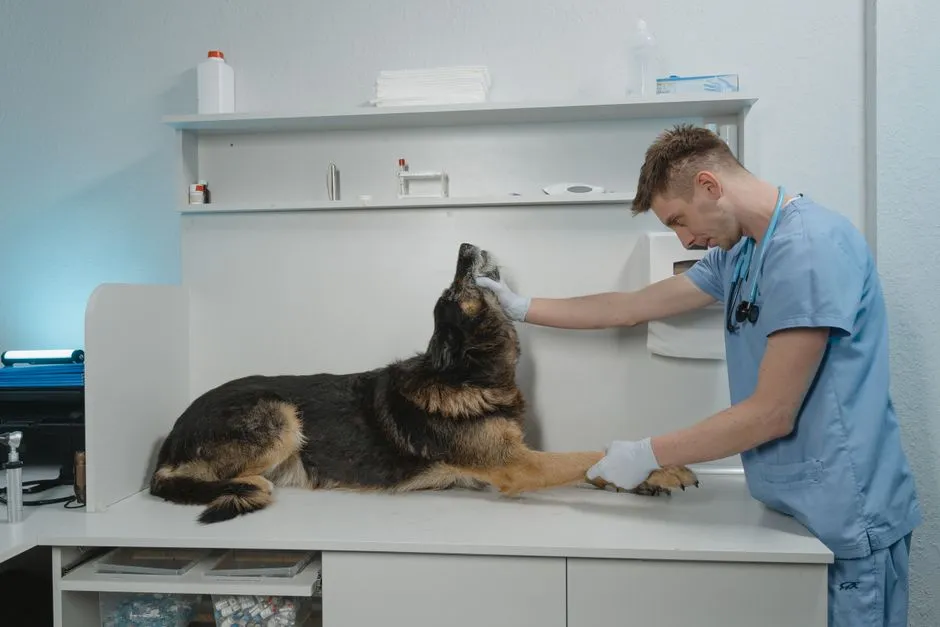
Here’s the unglamorous truth most people avoid: a huge share of what looks like nighttime anxiety is actually untreated pain. They pace because lying down hurts. They whine because shifting position feels like being stabbed.
When a vet properly manages arthritis, dental disease, or other chronic pain – often with medication timed for the evening – nighttime behavior can transform within days. This isn’t about sedating a dog into stillness; it’s about making their body livable again. Ask specifically about joint supplements, dosing schedules that peak overnight, and hidden pain sources like ear infections. Some people online resist “putting a dog on meds,” but talk to anyone who’s watched their old dog finally sleep peacefully after months of stiffness, and you’ll hear real regret about waiting so long.
Fast Facts
- Studies estimate that
#11 – A Calm, Unhurried Last Potty Break
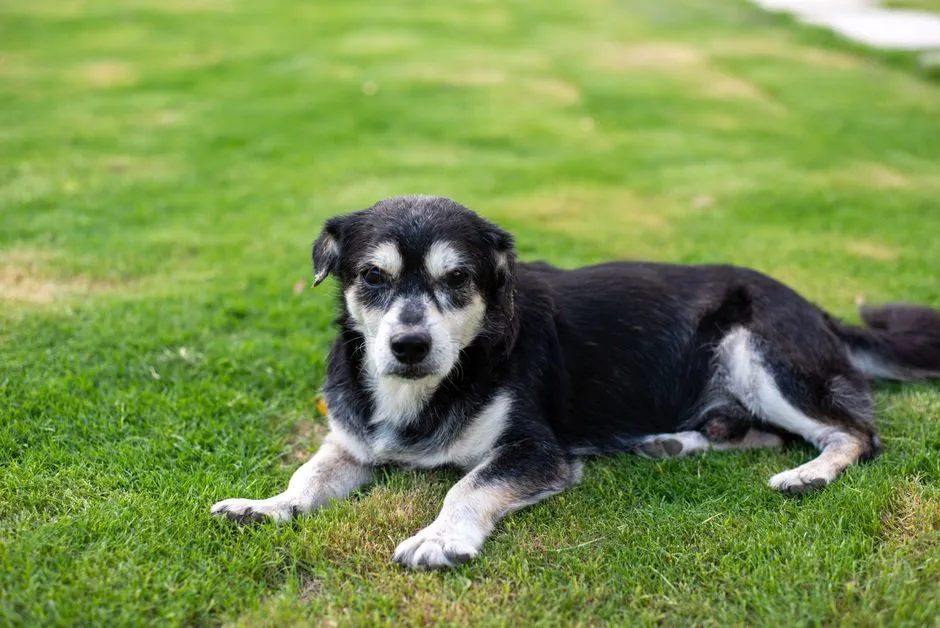
Most owners treat the final potty break like a chore to check off before bed. For an old dog, it needs to feel like anything but rushed. A chaotic or hurried last trip outside can leave a senior worrying half the night about needing to go again – or genuinely unable to hold it, and knowing it.
A calm, unhurried, no-pressure last outing tells their body and brain that everything’s been taken care of. Go out on leash or into a secure, well-lit yard, give them time to actually sniff and circle, and use a consistent phrase like “last potty” to mark the routine. Standing outside in the cold for five extra minutes is annoying. For a lot of seniors, it’s also the difference between a restless night and a solid one.
#12 – A Comfort Object: Old Toy, Soft Chew, or Scented Blanket

Not every dog wants a “lovey.” But for the ones that do, it matters more than people realize. Some senior dogs form real attachments late in life to one specific object – a ratty stuffed animal, a soft chew, a worn-out blanket.
Letting them keep that object in bed night after night works like a security anchor, its familiar texture and smell quietly saying, you know this, you’re home. Keep it mostly reserved for bed and quiet time rather than rough play, wash it only when truly necessary to preserve the scent, and swap it out discreetly once it becomes unsafe. People roll their eyes at “emotional support toys” for dogs, but longtime senior-dog fosterers see the pattern constantly: once the dog has their chosen thing, they settle faster and sleep deeper.
#13 – Sleeping in the Same Room as You

This is where opinions get loud. Some trainers still insist dogs must sleep alone to build independence. Many senior dogs tell a different story – as their senses and confidence fade, simply hearing you breathe or shift in the same room can be enough to finally let go and rest.
They don’t need to be on your bed, just near it – a dog bed at the foot of yours, a crate with the door open beside you, or a mat in the corner all work. Some old dogs genuinely prefer their own separate space, and forcing closeness can backfire on them. But if your senior is pacing hallways or crying at closed doors, a week of same-room sleep can change everything.
Quick Compare
- Same room: hearing you breathe or shift can be enough to let an anxious senior finally settle
- Same room: easier to notice nighttime distress, coughing, or accidents early
- Separate space: some independent or easily-overstimulated dogs actually sleep deeper alone
- Separate space: better option if snoring, restlessness, or pacing disrupt your own sleep
#14 – Quiet, One-on-One Reassurance Time Before Lights Out
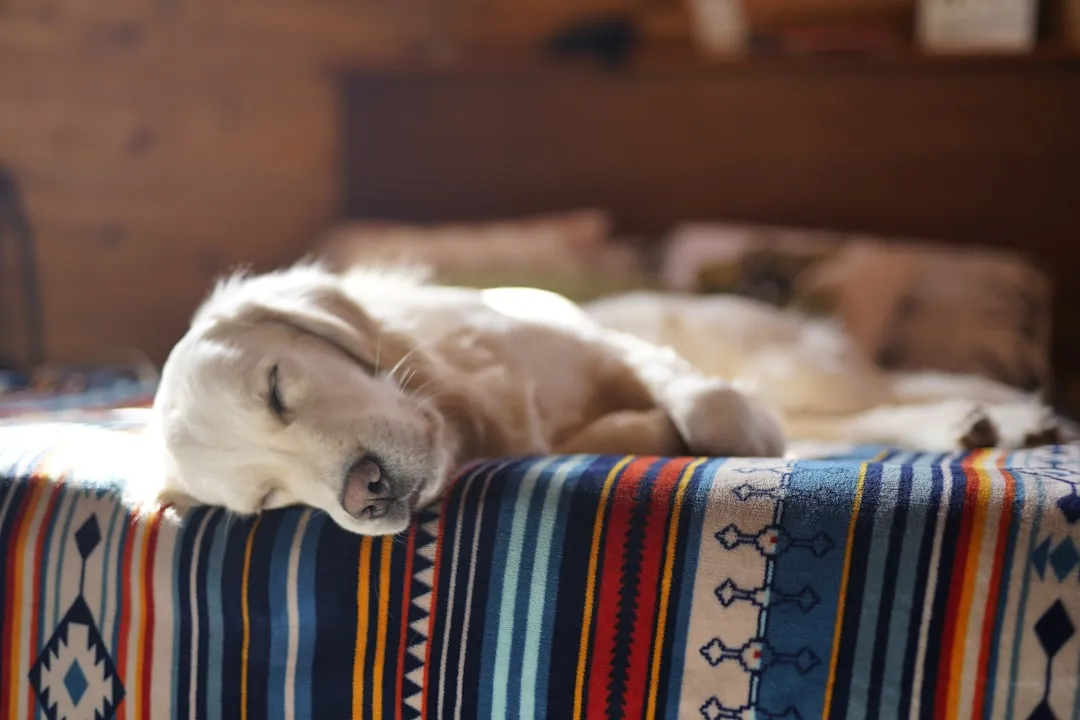
This is the smallest thing on the list – and for a lot of old dogs, the most powerful. Evenings tend to get rushed: phone in one hand, TV on, half-distracted pats on the way to bed. Senior dogs feel that distance more than most people ever notice.
Five to ten focused minutes before bed – no screens, no multitasking, just you and them – can completely reset how safe they feel overnight. Sit on the floor with them, speak softly, use their name, let your hand rest on them if they like touch. It sounds overly sentimental until you watch it work: dogs who used to “check on” every room in the house instead just settle, once they know someone truly saw them that day.
The Bottom Line
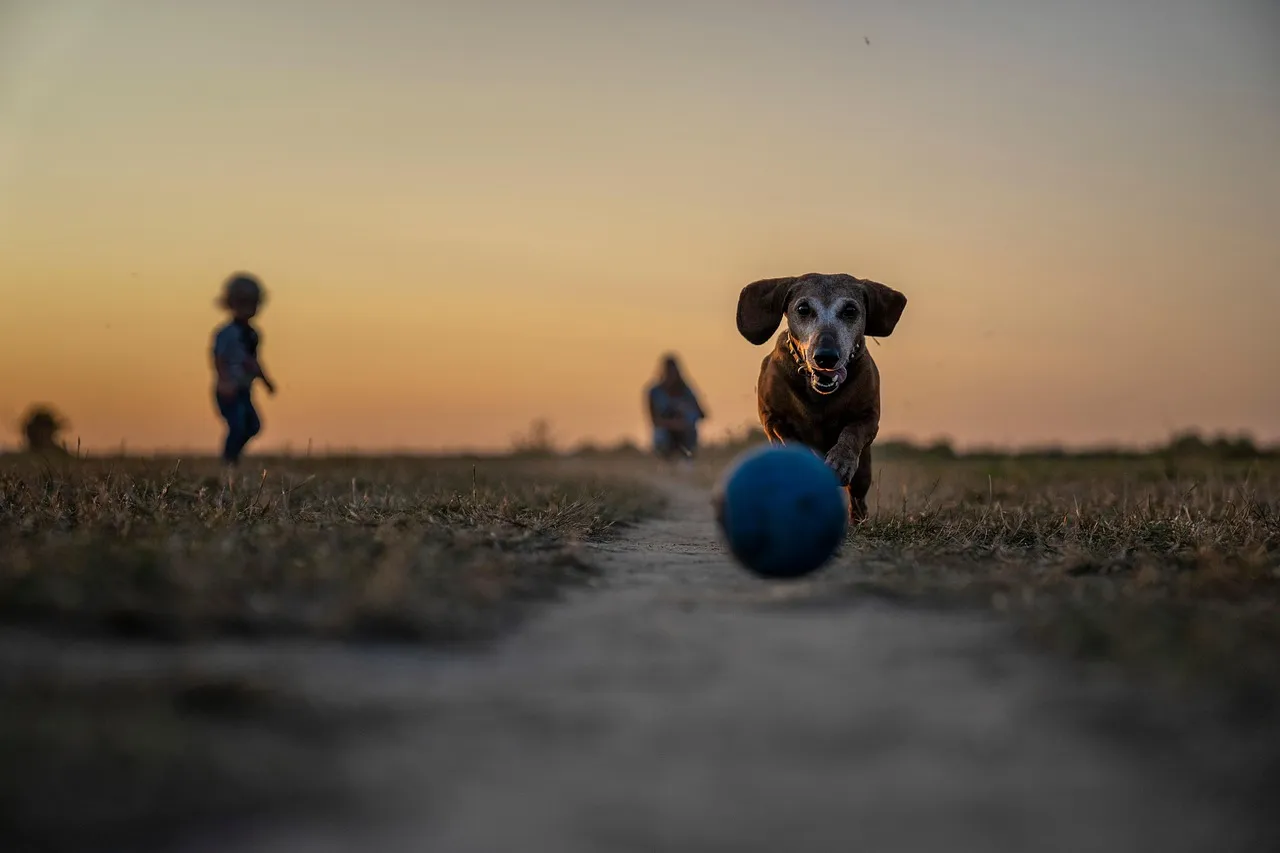
Nighttime trouble in senior dogs is almost never about bad behavior. It’s fear, pain, fading senses, and a brain that no longer trusts the dark the way it used to.
What’s genuinely surprising is how little it takes to fix that – a better bed, a predictable routine, a night light, your scent on a shirt, a body in the same room. None of it is glamorous, and someone will always insist dogs don’t need any of it. But if you’ve ever watched a gray-muzzled old friend finally sigh, curl up, and sleep straight through the night after weeks of pacing, you already know it was worth every small adjustment.
Which of these would you do without a second thought for your own old dog – and which one do you think people are overdoing?
