

In a groundbreaking development that has sent ripples through the scientific community, researchers have discovered that ancient DNA preserved in cave sediments can reveal the presence of animals that lived tens of thousands of years ago—even without a single bone being found. This remarkable advancement in paleogenomics is revolutionizing our understanding of prehistoric ecosystems and challenging long-held assumptions about animal migrations, extinctions, and evolutionary timelines. By analyzing microscopic genetic material that organisms shed during their lifetimes and that became trapped in dirt, scientists are now piecing together a more complete picture of ancient biodiversity that was previously inaccessible. This “dirt DNA” technology is opening new chapters in animal history books and may ultimately rewrite what we thought we knew about the ancient world.
The Revolutionary Discovery of Environmental DNA
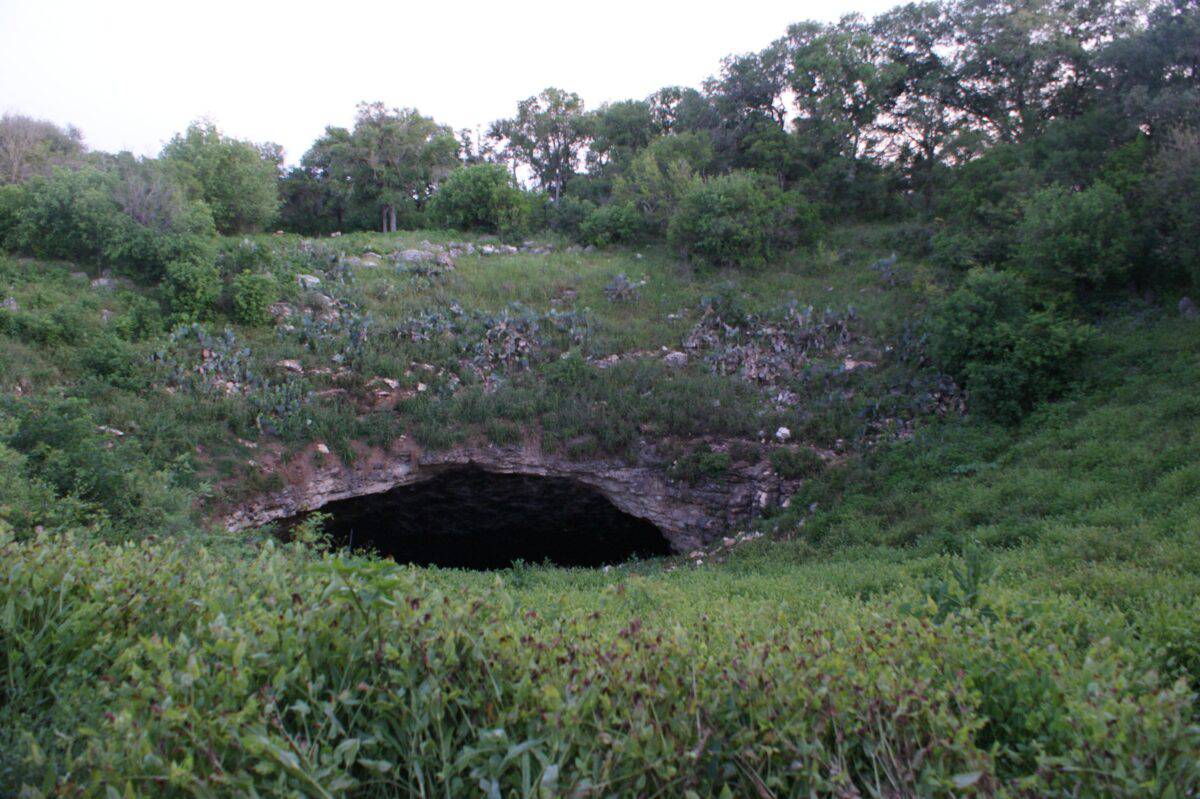
The technique being employed is known as environmental DNA (eDNA) analysis, which involves extracting genetic material directly from environmental samples rather than from the organisms themselves. When animals inhabit a space, they continually shed cells through hair, skin, bodily fluids, and excretions that contain their DNA. In cave environments, this genetic material can become trapped in sedimentary layers and, under the right conditions, preserve for thousands or even hundreds of thousands of years.
What makes this discovery truly revolutionary is that it bypasses the need for physical remains, which are exceedingly rare in the fossil record. Paleontologists estimate that less than 1% of species that ever lived have been discovered as fossils, creating an enormous gap in our knowledge. Environmental DNA analysis offers a way to detect the presence of species that may have left no other trace of their existence, effectively democratizing access to prehistoric biological information and dramatically expanding the scope of paleontological research.
How Scientists Extract Ancient DNA from Dirt
The process of retrieving ancient DNA from cave sediments is painstaking and requires extraordinary precision. Scientists collect small samples of dirt from stratigraphic layers in caves, each representing a different time period. These samples are then taken to specialized clean labs where researchers wear full-body suits, masks, and gloves to prevent contamination with modern DNA. The sediment undergoes a series of chemical treatments to break down the minerals and release any trapped organic material.
After extraction, the DNA fragments—typically highly degraded and present in minute quantities—are amplified using techniques such as polymerase chain reaction (PCR). Next-generation sequencing technologies then read these fragments, and sophisticated bioinformatics algorithms compare them against databases of known genetic sequences to identify the species they came from. The entire process represents a remarkable fusion of geology, molecular biology, and computer science, allowing scientists to detect genetic signatures from organisms that walked the earth thousands of generations ago.
Landmark Studies That Changed Our Understanding
Several landmark studies have demonstrated the power of sedimentary ancient DNA. In 2017, a team led by researchers from the Max Planck Institute for Evolutionary Anthropology published findings in Science showing they had recovered Neanderthal DNA from cave sediments in sites where no Neanderthal bones had ever been found. This study proved that human occupation of prehistoric sites could be detected solely through the DNA left behind in the dirt.
More recently, a 2021 study published in Nature examined sediments from Denisova Cave in Siberia, revealing a complex history of occupation by different hominin groups—Neanderthals, Denisovans, and modern humans—as well as a diverse array of mammals including woolly mammoths, woolly rhinoceroses, and cave hyenas. The chronological precision offered by analyzing different sediment layers allowed scientists to track species turnover through time with unprecedented detail, creating a dynamic picture of changing animal communities over more than 300,000 years.
Challenging the Conventional Extinction Timelines
One of the most significant ways ancient DNA from cave sediments is rewriting animal history involves extinction timelines. Traditional methods of dating extinctions rely on the youngest dated fossil of a species—but the last known fossil rarely represents the last living individual. This creates what scientists call the “Signor-Lipps effect,” where extinctions appear more sudden in the fossil record than they actually were.
Environmental DNA analysis has revealed that many species persisted long after their supposed extinction dates. For example, research from caves in New Zealand has shown that certain bird species survived up to 2,000 years longer than previously thought based on fossil evidence alone. Similarly, studies in North America have suggested that some megafauna species coexisted with humans for longer periods than traditionally believed, complicating narratives about human-driven extinctions. These revelations are forcing paleontologists to reconsider not just when animals disappeared, but also the rate and causes of prehistoric extinction events.
Uncovering Hidden Biodiversity
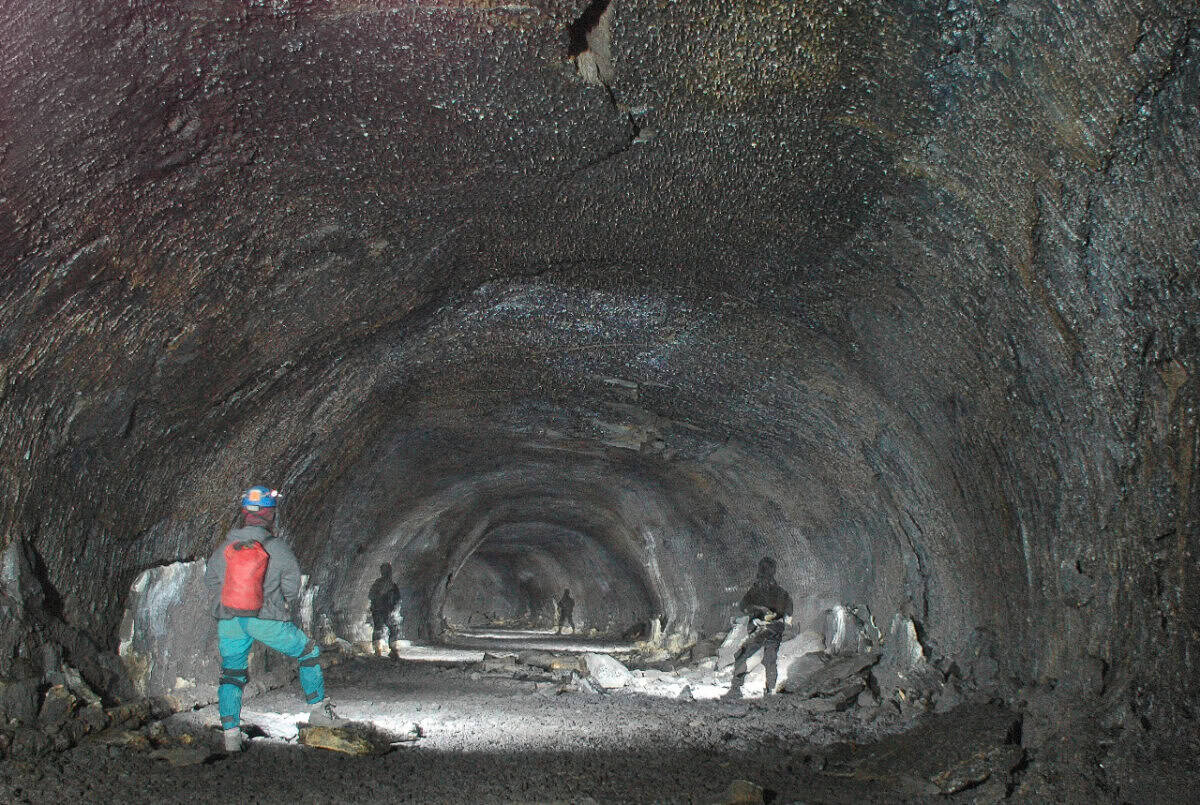
Perhaps the most exciting aspect of sedimentary ancient DNA research is its ability to detect species that left little or no fossil record. Small mammals, birds, amphibians, and invertebrates are notoriously underrepresented in paleontological collections due to their fragile skeletons, yet they constitute the bulk of animal biodiversity. By analyzing DNA from cave sediments, researchers have identified numerous species that were previously invisible in the fossil record of particular regions.
A particularly telling example comes from arctic environments, where a 2021 study published in Nature identified DNA from dozens of plant and animal species in sediments dating back 2 million years—the oldest environmental DNA ever recovered. This research revealed a previously unknown ecosystem in northern Greenland that included species adapted to temperate forests, such as mastodons and horseshoe crabs, in an area that today supports only sparse tundra vegetation. These findings demonstrate that climate and ecosystems in the far north were radically different in the distant past, with implications for understanding climate change resilience in modern species.
Revising Animal Migration Patterns
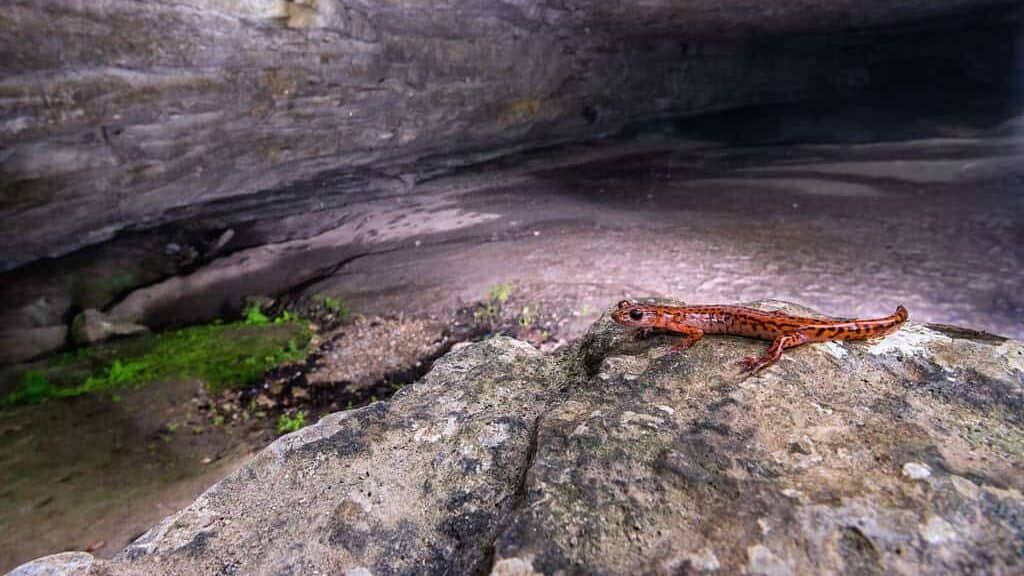
Ancient DNA from cave sediments is also transforming our understanding of how animals migrated and dispersed across continents over time. By establishing precise chronologies for when certain species appeared in particular locations, researchers can track the movement of animal populations in response to climate shifts, habitat changes, or competition with other species. This information is crucial for understanding evolutionary processes like adaptation and speciation.
For instance, studies of cave sediments across Europe have revealed that different cold-adapted species moved south during glacial periods at different rates and along different routes. Some species that were thought to have migrated together actually moved independently, challenging assumptions about stable ecological communities. Similarly, research in Australia has used sedimentary DNA to track the arrival and spread of dingoes across the continent, providing new insights into how these predators impacted native marsupial populations. These revised migration patterns help explain modern animal distributions and genetic diversity.
The Tantalizing Case of “Ghost” Species
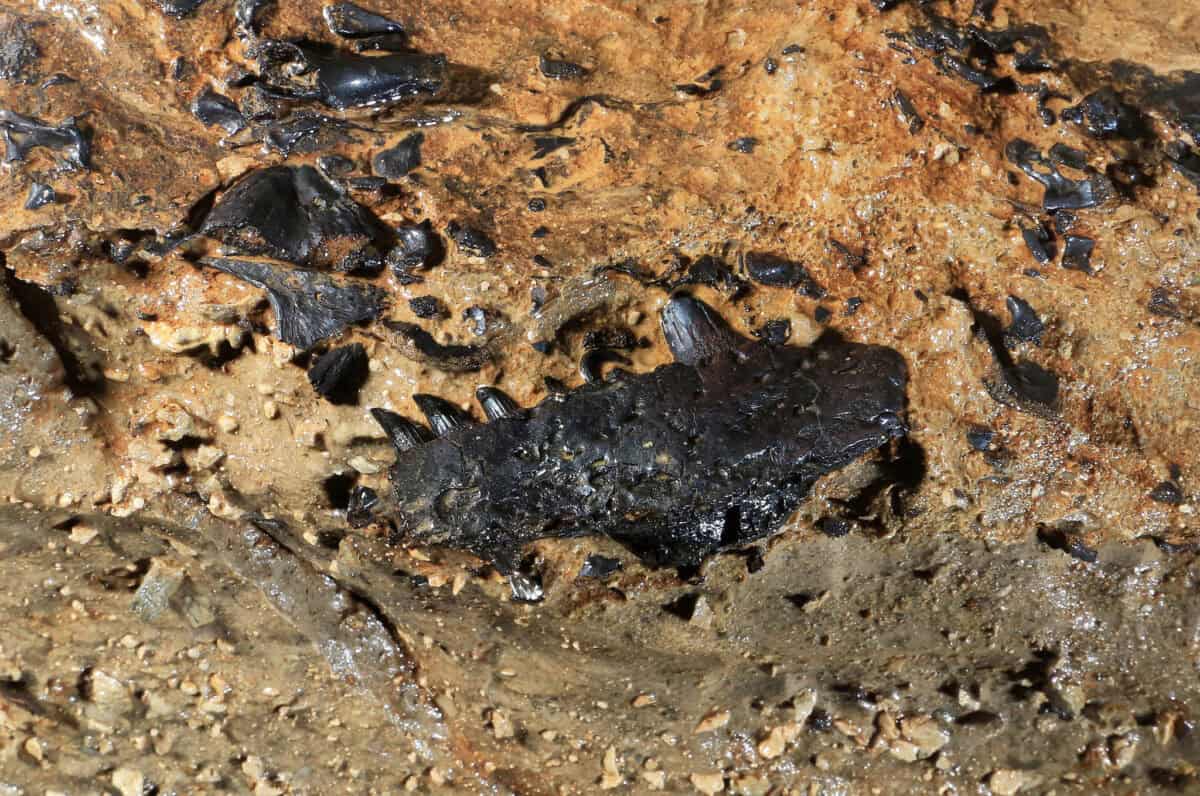
One of the most intriguing outcomes of sedimentary DNA analysis is the detection of what scientists call “ghost” species—organisms whose genetic signatures appear in environmental samples but have never been identified in the fossil record. These discoveries suggest that our understanding of prehistoric biodiversity has significant blind spots, with entire species potentially missing from conventional paleontological accounts.
In several cases, researchers have found DNA sequences that don’t match any known species, yet clearly belong to distinct animal lineages. For example, studies in Siberian caves have detected genetic material from a previously unknown type of hyena that appears to have been widespread across northern Eurasia during the Pleistocene. Similarly, sediment samples from caves in southern Europe have yielded DNA from unknown felid species that may represent extinct lineages of large cats. These ghost species raise fascinating questions about how many animal types have come and gone without leaving sufficient physical evidence for traditional detection methods.
Implications for Human Evolution and Interaction
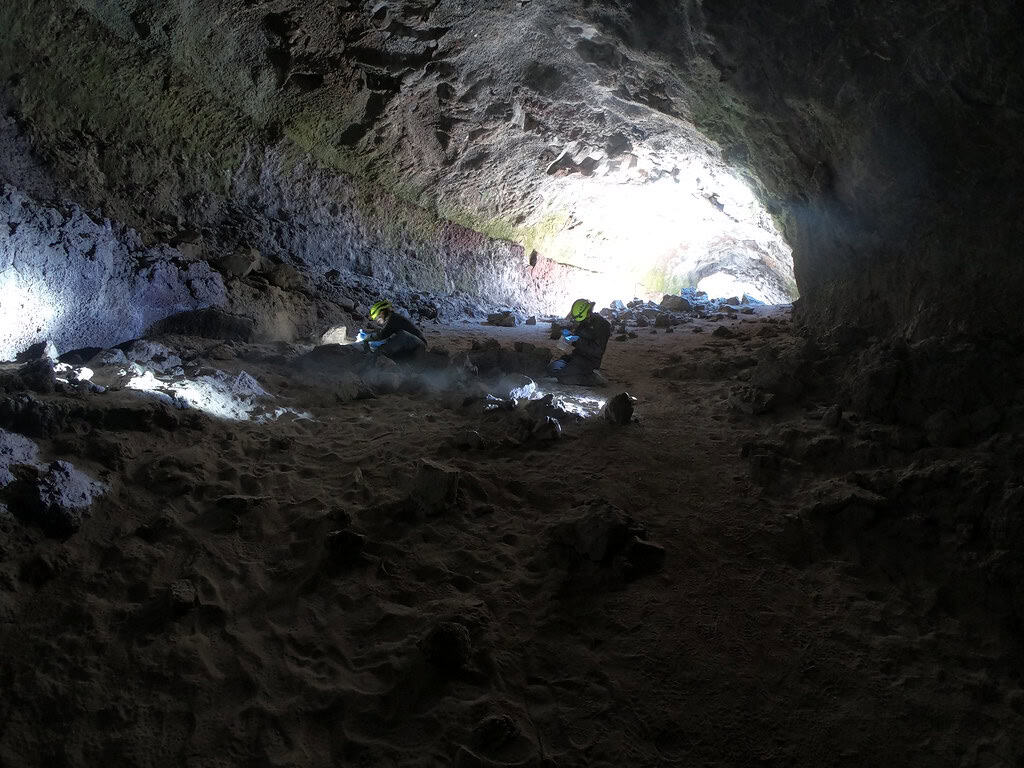
The analysis of ancient DNA from cave sediments has particular significance for understanding human evolution and our ancestors’ interactions with other animals. By establishing which animal species were present at sites of human habitation, researchers can infer information about hunting practices, domestication processes, and the impact of human activities on local ecosystems.
Sedimentary DNA studies have revealed that early human species had more diverse diets than previously thought, with evidence of exploitation of small mammals, birds, and fish that rarely preserve as obvious food remains. This research has also shown that the timing of animal domestication events—particularly for dogs, pigs, and cattle—may need revision based on the earlier-than-expected appearance of their DNA at human occupation sites. Perhaps most significantly, this technology allows scientists to track how animal communities changed following human arrival in new territories, providing direct evidence for our species’ ecological impact throughout prehistory.
Technical Challenges and Limitations
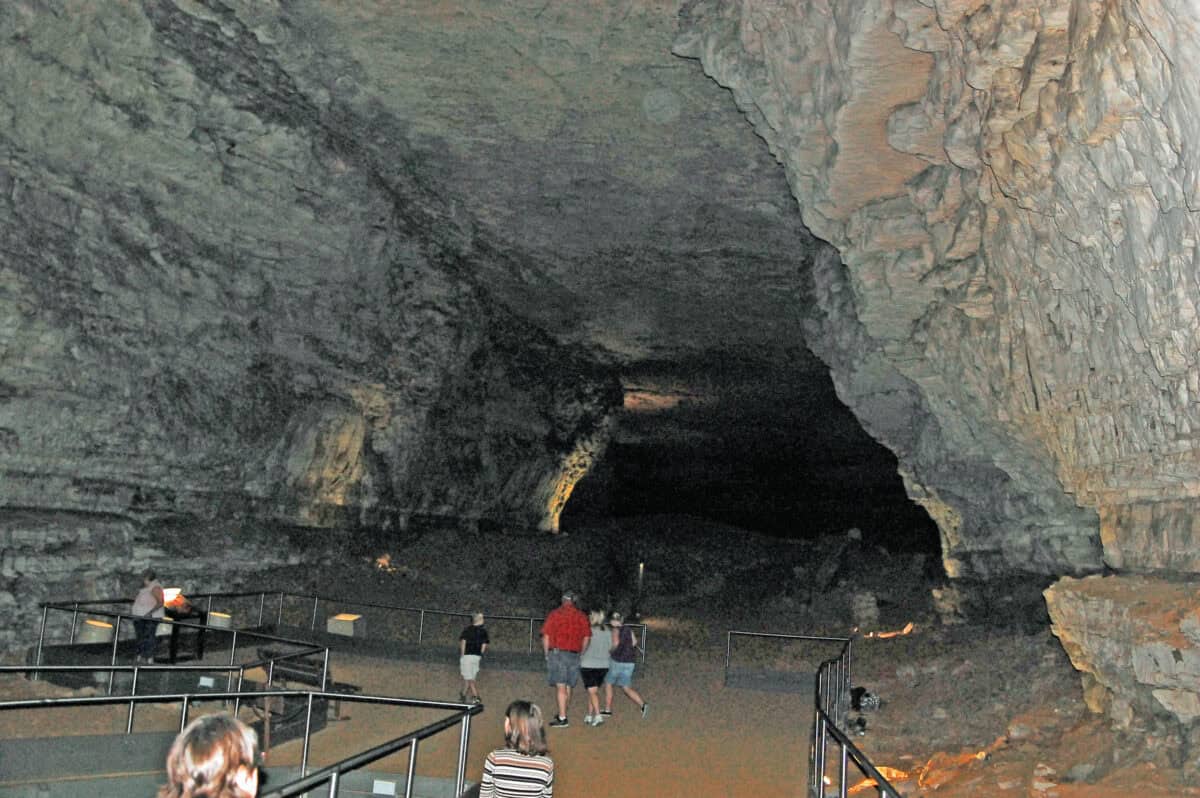
Despite its revolutionary potential, the analysis of ancient DNA from cave sediments faces significant technical challenges. Ancient DNA is highly fragmented and chemically damaged, making it difficult to extract and sequence. Contamination with modern DNA is a constant concern, requiring stringent laboratory protocols. Additionally, not all environments preserve DNA equally well—cold, dry, and stable conditions like those found in certain caves offer the best preservation.
There are also interpretive limitations. While sedimentary DNA can confirm an animal’s presence, it cannot always determine abundance, as a single individual might leave behind numerous DNA traces. The horizontal and vertical movement of DNA through sediment layers can also complicate chronological interpretations. Furthermore, the technology currently works best for mammals and birds, with less sensitivity for reptiles, amphibians, and invertebrates. Scientists are actively working to overcome these limitations through improved extraction techniques, more sensitive detection methods, and more sophisticated data analysis approaches.
Future Directions in Sedimentary Ancient DNA Research
The field of sedimentary ancient DNA analysis is advancing rapidly, with new technologies and methodologies continuously emerging. One promising direction involves single-molecule sequencing techniques that can read longer DNA fragments directly, without the amplification steps that can introduce biases. Another area of development is in targeted capture approaches that focus sequencing efforts on specific genetic markers, allowing for more efficient identification of particular taxonomic groups.
Researchers are also expanding beyond caves to analyze sediments from lake beds, permafrost regions, and even open-air archaeological sites. Each environment presents unique preservation conditions and research opportunities. As the field matures, scientists anticipate being able to reconstruct not just the presence of species but also aspects of ancient ecosystems like predator-prey relationships, disease dynamics, and responses to climate change. The integration of sedimentary DNA data with other paleoenvironmental proxies such as pollen records, isotope studies, and archaeological findings promises to create increasingly detailed and nuanced pictures of prehistoric life.
Ethical Considerations in Rewriting Animal History

As with any powerful scientific advancement, the analysis of ancient DNA from cave sediments raises important ethical considerations. One concern involves the destructive nature of sampling—even taking small amounts of sediment from archaeological or paleontological sites permanently alters those sites for future researchers. This is particularly sensitive when the sites have cultural significance for indigenous communities or when they are located in protected areas.
There are also questions about ownership and control of genetic information recovered from territories associated with specific cultural groups. In response to these concerns, researchers are developing more inclusive practices that involve consulting with indigenous communities and local stakeholders before sampling, sharing research findings, and incorporating traditional knowledge into scientific interpretations. Additionally, as the technology becomes more accessible, there are discussions about establishing global standards for data sharing, sample archiving, and research transparency to ensure that this revolutionary approach benefits scientific understanding while respecting cultural heritage.
Conclusion: A New Chapter in Understanding Our Natural Past

The discovery that ancient DNA can be extracted and analyzed from cave dirt represents nothing short of a paradigm shift in how we study prehistoric animal life. By offering glimpses of species that left no fossil remains, challenging established extinction timelines, revealing unknown biodiversity, and clarifying ancient migration patterns, this technology is fundamentally rewriting animal history. The ability to detect genetic traces of animals that walked the earth thousands or even millions of years ago provides an unprecedented window into the past, filling gaps in our knowledge that were once thought to be permanent.
As research techniques continue to improve and more sites are analyzed, we can expect further revelations that will reshape our understanding of evolutionary history and ecological change over time. Perhaps most importantly, this developing field reminds us that scientific knowledge is not static but constantly evolving as new methods emerge. The stories we tell about animal history—including human history—must remain open to revision as evidence accumulates. In the dirt beneath our feet lies a vast library of genetic information waiting to be read, promising to illuminate the shadows of our planet’s biological past in ways that previous generations of scientists could scarcely have imagined.

- The Comeback of the Bald Eagle: What Made It Work - June 3, 2026
- Top 10 Animals and Wildlife in Oklahoma - June 3, 2026
- Do Conservation Efforts Favor ‘Cute’ Animals Over Ecologically Important Ones? - June 3, 2026