


Today we will look at animals that are much better than their reputation.
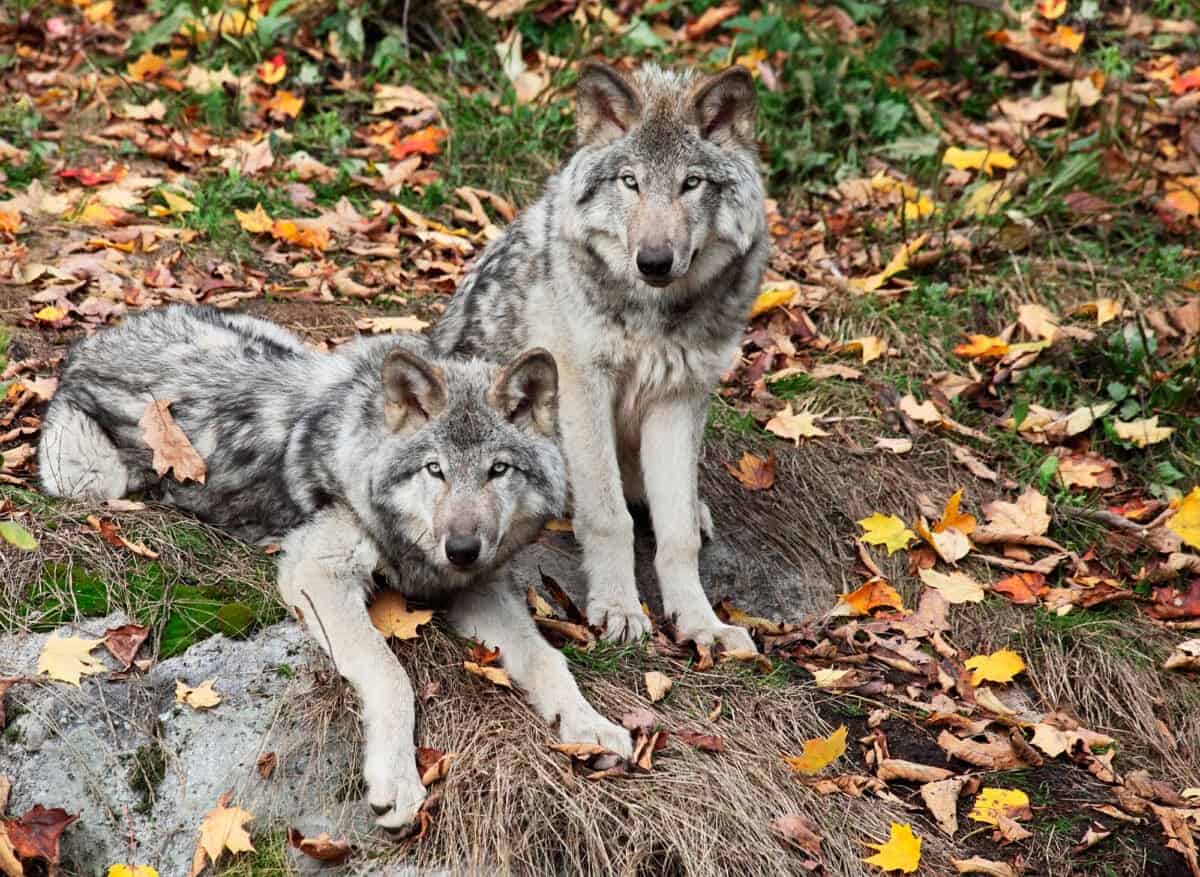
Wolves
🔥 Would you like to save this?
We'll email this post to you, so you can come back to it later!
Often depicted as menacing predators, wolves actually play a crucial role in maintaining healthy ecosystems and generally avoid human interaction
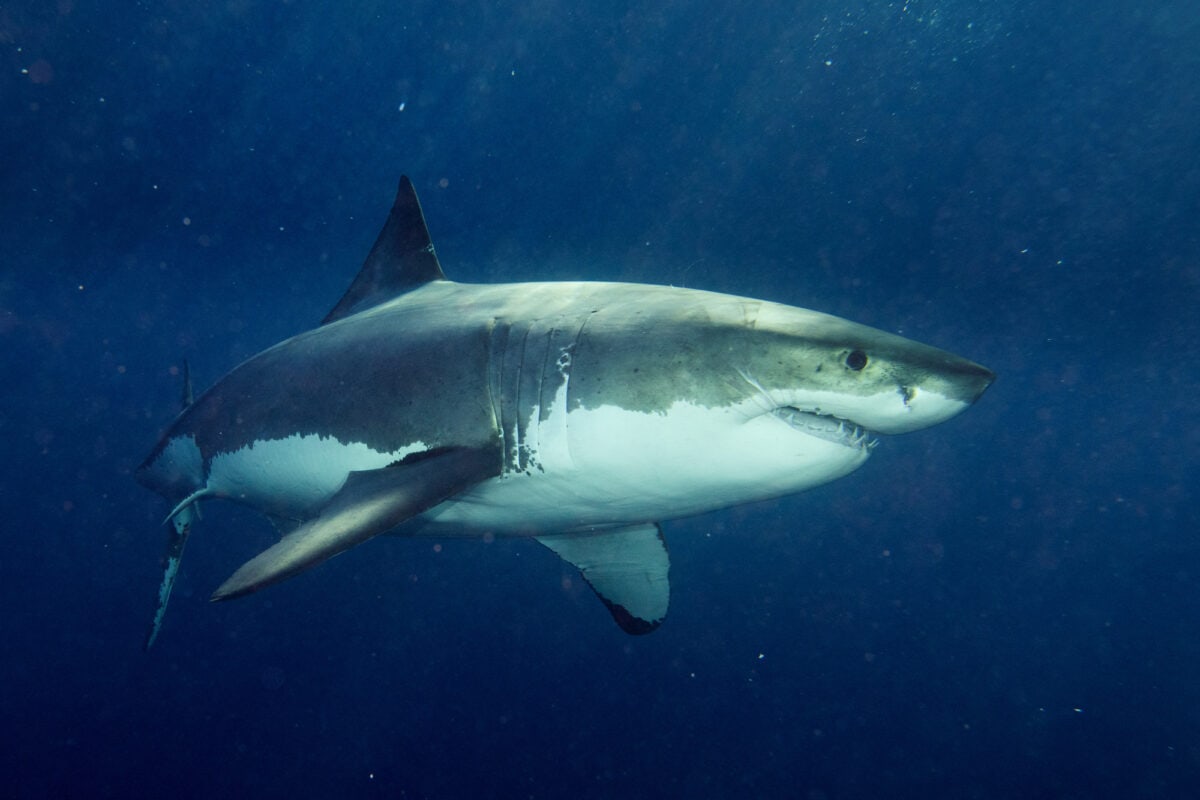
Sharks
🔥 Would you like to save this?
We'll email this post to you, so you can come back to it later!
Despite their fearsome reputation, most shark species are not dangerous to humans, and attacks are extremely rare.
Bats

🔥 Would you like to save this?
We'll email this post to you, so you can come back to it later!
Commonly misunderstood, bats are vital for ecosystems, acting as pollinators and controlling insect populations.
Spiders

🔥 Would you like to save this?
We'll email this post to you, so you can come back to it later!
Although many people fear them, spiders are largely harmless and beneficial by eating pests like mosquitoes and flies.
Rats

🔥 Would you like to save this?
We'll email this post to you, so you can come back to it later!
Often seen as pests, rats are highly intelligent and social creatures capable of forming strong bonds with their families.
Hyenas

🔥 Would you like to save this?
We'll email this post to you, so you can come back to it later!
Frequently mislabeled as cowardly scavengers, hyenas are effective hunters with complex social structures.
Pit Bulls

🔥 Would you like to save this?
We'll email this post to you, so you can come back to it later!
Despite a reputation for aggression, pit bulls can be loving and loyal pets with proper training and socialization.
Snakes

🔥 Would you like to save this?
We'll email this post to you, so you can come back to it later!
Feared by many, the majority of snakes are non-venomous and play essential roles in controlling pest populations.
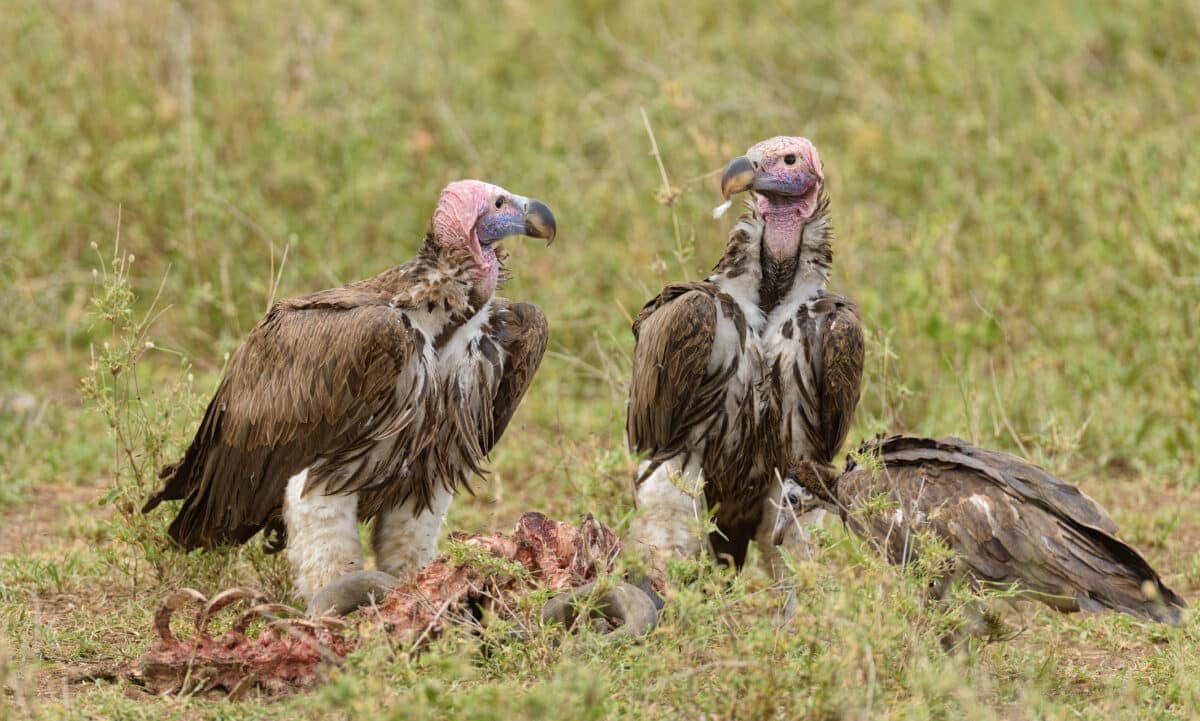
Vultures
🔥 Would you like to save this?
We'll email this post to you, so you can come back to it later!
Although their scavenging is viewed negatively, vultures are critical for ecosystems, preventing the spread of disease by consuming dead animals.
Crocodiles

🔥 Would you like to save this?
We'll email this post to you, so you can come back to it later!
Seen as aggressive man-eaters, crocodiles are actually shy and complex creatures, with attacks on humans being rare and often provoked.
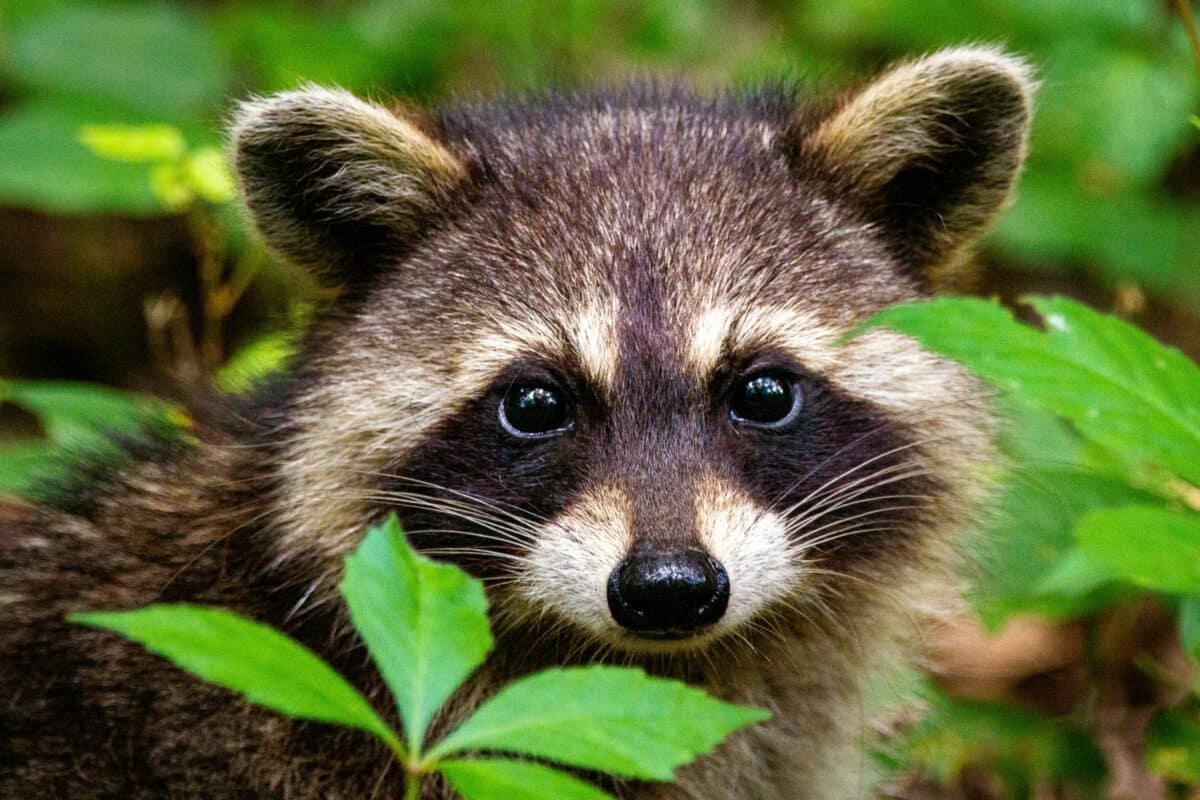
Raccoons
🔥 Would you like to save this?
We'll email this post to you, so you can come back to it later!
While often considered nuisances, raccoons are highly intelligent and have adapted impressively to urban environments.
Coyotes

🔥 Would you like to save this?
We'll email this post to you, so you can come back to it later!
Misunderstood as dangerous pests, coyotes are naturally fearful of humans and help control rodent populations.
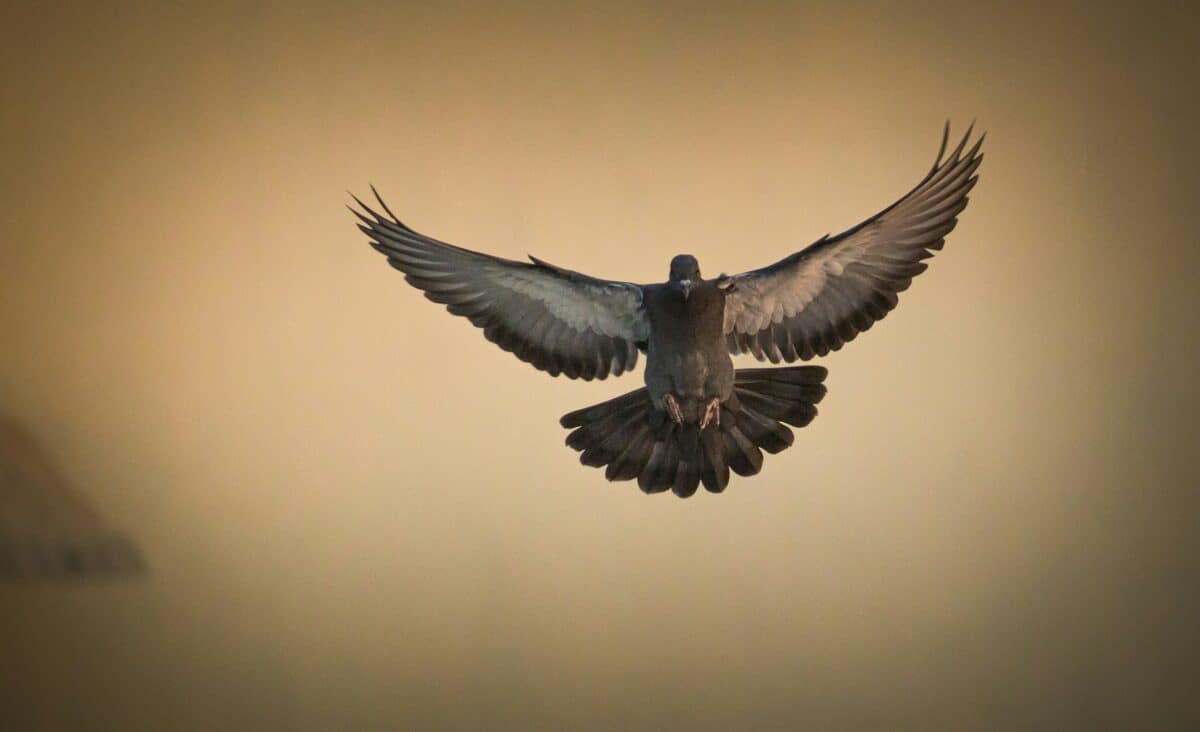
Pigeons
🔥 Would you like to save this?
We'll email this post to you, so you can come back to it later!
Frequently dismissed as “flying rats,” pigeons are actually highly intelligent and have a remarkable ability to navigate.
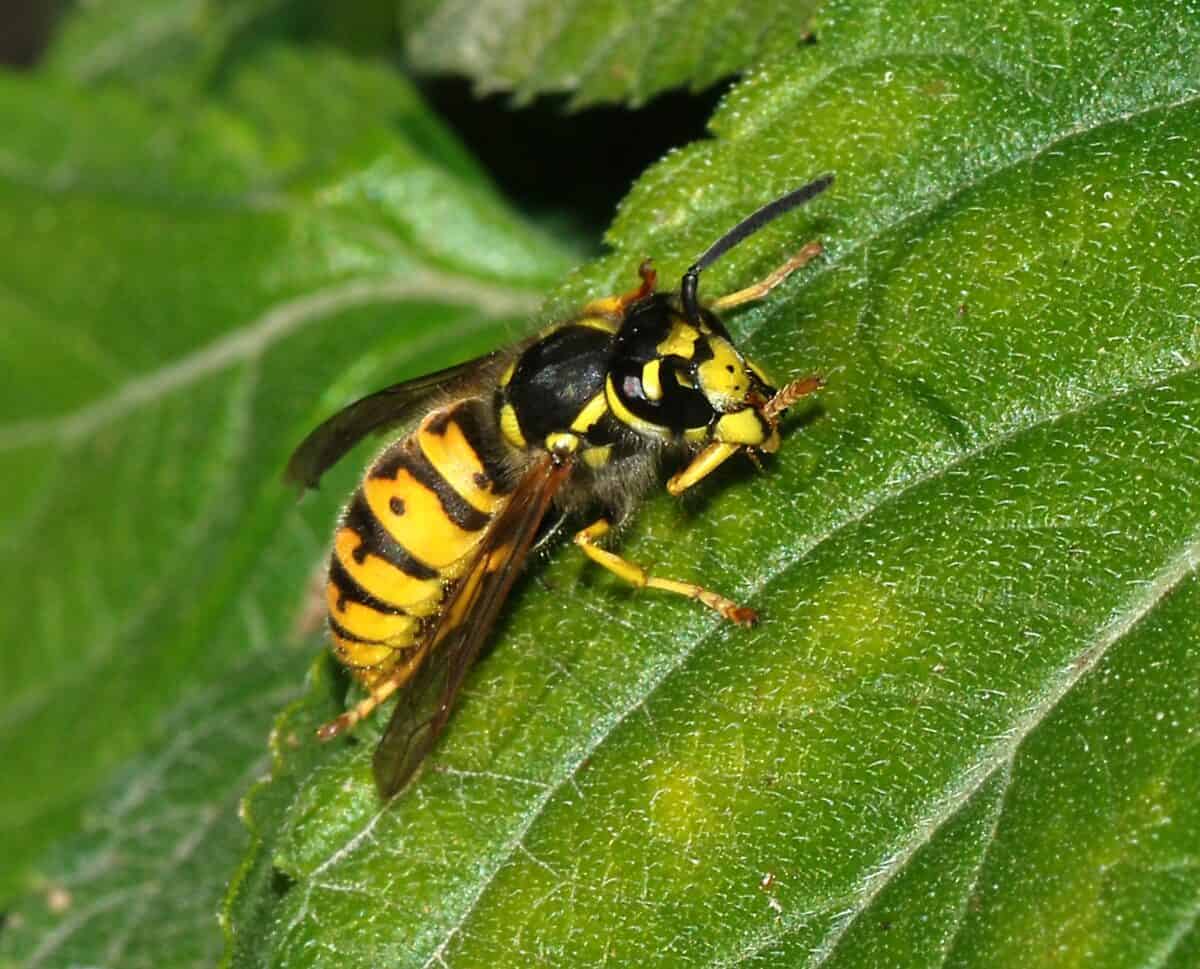
Wasps
🔥 Would you like to save this?
We'll email this post to you, so you can come back to it later!
Though their stings are feared, wasps are crucial for natural pest control and even pollination.
Owls

🔥 Would you like to save this?
We'll email this post to you, so you can come back to it later!
Sometimes considered bad omens, owls are important for controlling rodent and insect populations and are symbols of wisdom in many cultures.
Wolverines

🔥 Would you like to save this?
We'll email this post to you, so you can come back to it later!
Known for their ferocity, wolverines are solitary animals that rarely encounter humans and play a role in their ecosystem similar to that of scavengers.
Dingoes

🔥 Would you like to save this?
We'll email this post to you, so you can come back to it later!
Often vilified as dangerous wild dogs, dingoes are important apex predators that maintain the balance of ecosystems they inhabit.
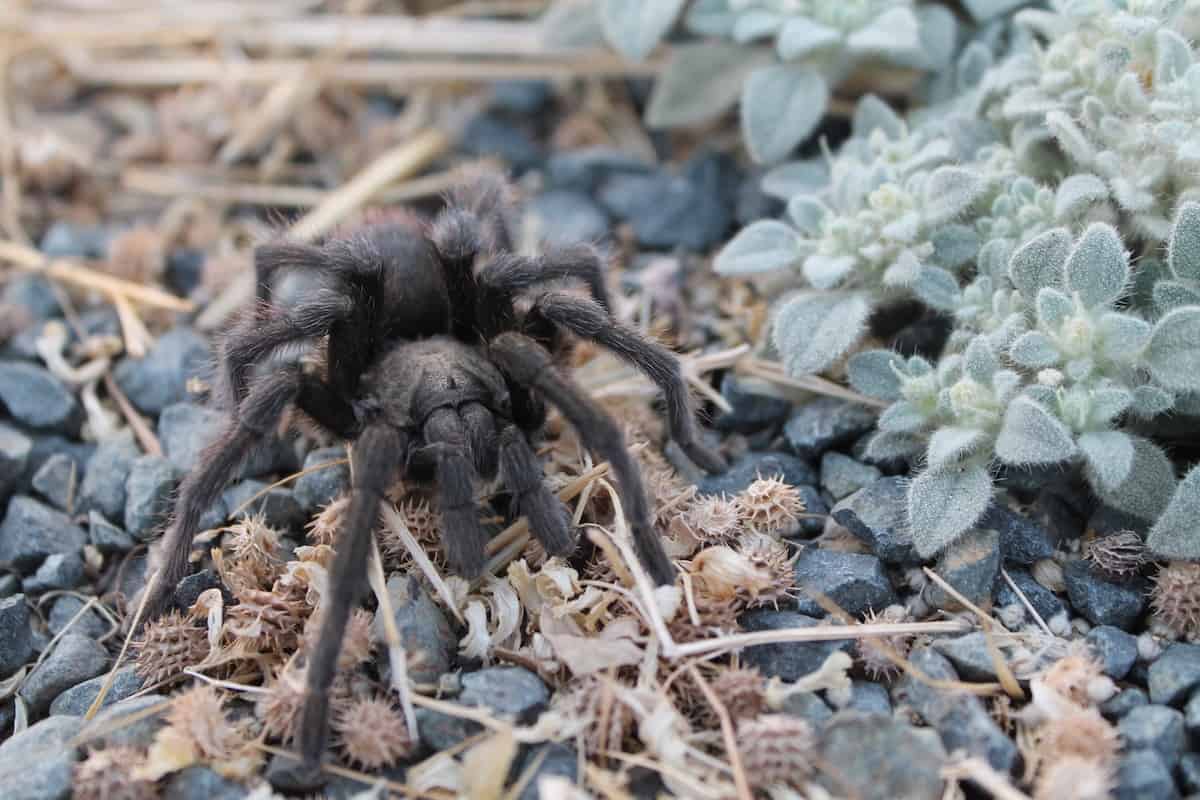
Tarantulas
🔥 Would you like to save this?
We'll email this post to you, so you can come back to it later!
Despite their intimidating appearance, tarantulas are mostly harmless to humans and can help control populations of insects and other small pests.
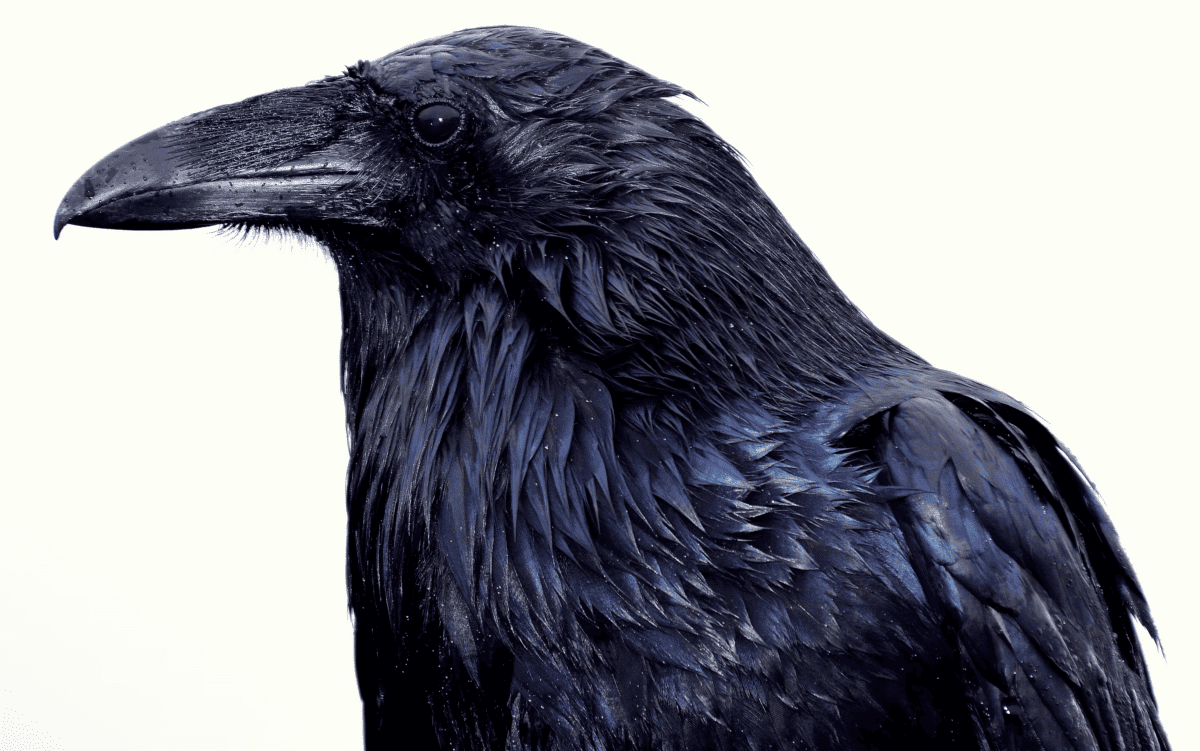
Ravens
🔥 Would you like to save this?
We'll email this post to you, so you can come back to it later!
Commonly associated with bad omens, ravens are extremely intelligent, capable of problem-solving, and play key roles in folklore and mythology as symbols of wisdom.

As a little kid, I fell in love with nature, wildlife, and animals. Living in the USA, South Africa, Italy, China and Germany gave me the opportunity to discover the world's Wildlife. My favorite animals are Mountain Gorillas, Siberian Tigers, and Great White Sharks.
I'm a certified PADI Open Water Diver, went to Everest Base Camp and Trekked Gorillas in Uganda. I hold a Master of Science in Economics and Finance.
Please send any feedback to feedback@animalsaroundtheglobe.com
- 12 Common Mistakes Pet Owners Make and How to Fix Them - November 5, 2026
- 11 Creatures That Can Survive a Nuclear Blast - November 5, 2026
- 10 Things That Attract a Bald Eagle And 3 That Drive It Away - November 5, 2026