
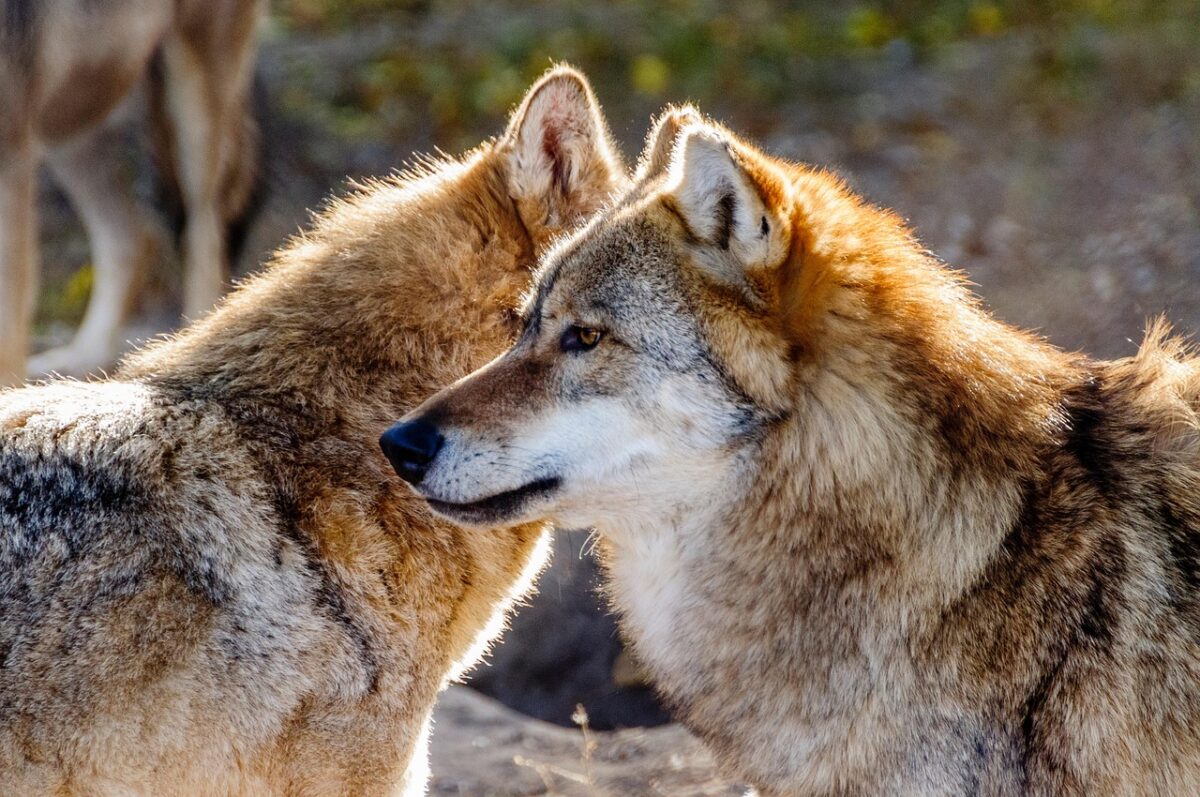
What if the greatest lessons about family aren’t found in human psychology books or parenting guides, but in the wilderness, watching creatures that have perfected their social bonds over thousands of years? While humans often struggle with relationships that fracture over minor disagreements or neglect, wolves have maintained family structures so remarkable that they’ve survived in some of Earth’s harshest environments. Perhaps it’s time we looked beyond our own species to understand what truly makes a family thrive.
Modern families face unprecedented challenges. Divorce rates climb, children struggle with behavioral issues, and many adults report feeling disconnected from their relatives. Yet in the wild, wolf packs operate as bonded family units centered around a male-female pair that raises pups communally. These aren’t temporary arrangements or convenience-based partnerships – they’re lifelong commitments built on cooperation rather than competition.
The Real Wolf Pack: A Nuclear Family That Actually Works
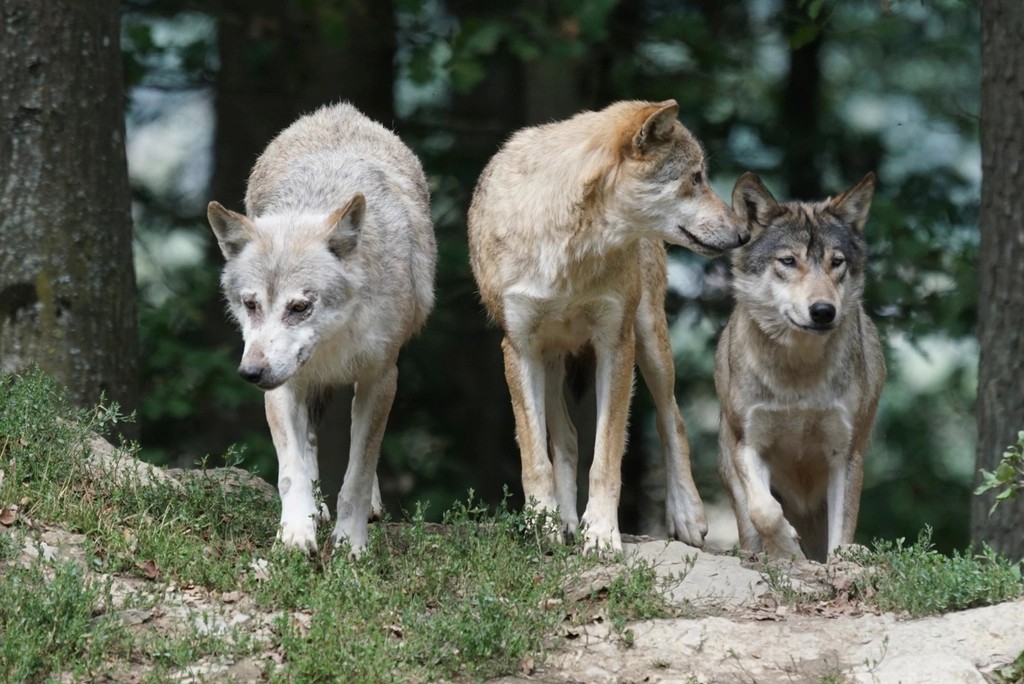
The popular image of wolf packs as ruthless hierarchies dominated by aggressive alphas is completely wrong. Modern research has disputed this theory, pointing out that it was based on the behavior of captive packs consisting of unrelated individuals, while in nature a pack is usually made up of members of a family. The typical wolf pack is a family, with the adult parents guiding the activities of the group in a division-of-labor system.
Think about this for a moment. The pack is typically a nuclear family unit consisting of typically 2-8 mostly related individuals, specifically a typically unrelated breeding pair, their offspring, and occasionally other wolves. Packs are often family units, with a breeding pair at the top that leads not through domination but rather through experience, guidance, and protection. This familial structure provides stability within the pack, minimizing aggressive behaviors.
Loyalty Beyond Human Understanding
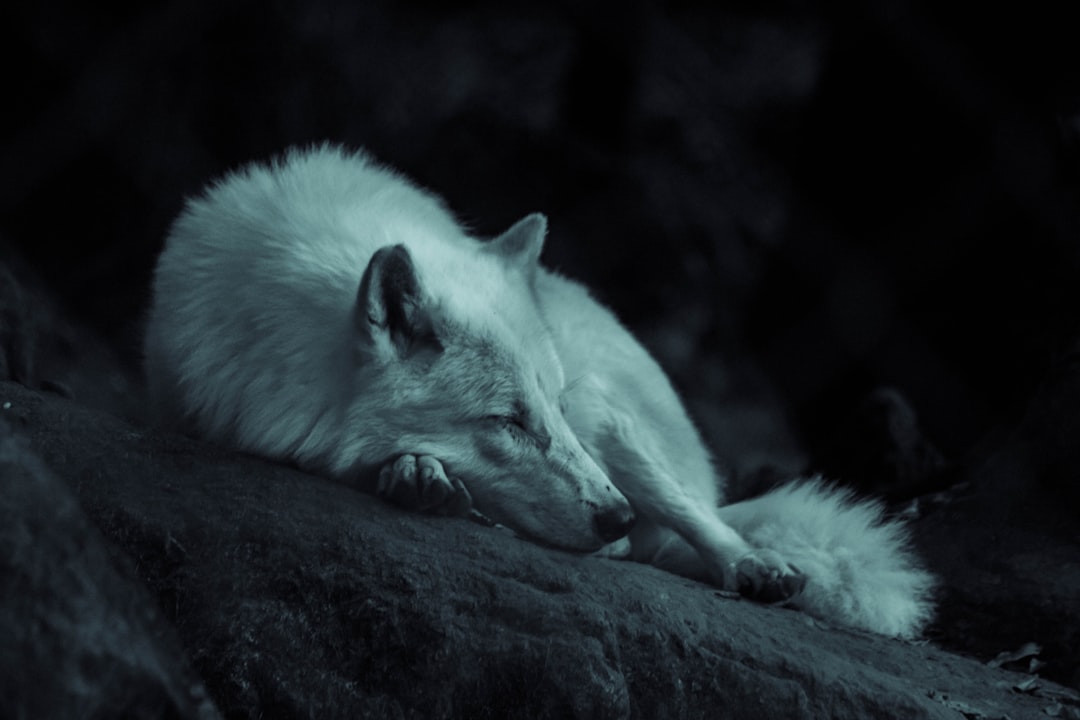
Wolf packs demonstrate remarkable loyalty through their attentive care for injured or ill packmates. When a wolf is injured, the pack often adjusts its traveling pace to accommodate the wounded member. The only way an injured wolf could have survived is for the other wolves of his pack to have fed him. They would have had to regurgitate food for him, nurturing him as they would a pup. They would not leave him behind to starve.
This isn’t just survival strategy – it’s genuine care. In the wild, wolves usually take great care of old and/or injured pack mates. Examples exist of wolves bringing food to their injured pack mates, even pre-chewing meat for them. When did you last see humans show such unwavering commitment to family members who could no longer contribute?
Grief That Matches Our Own
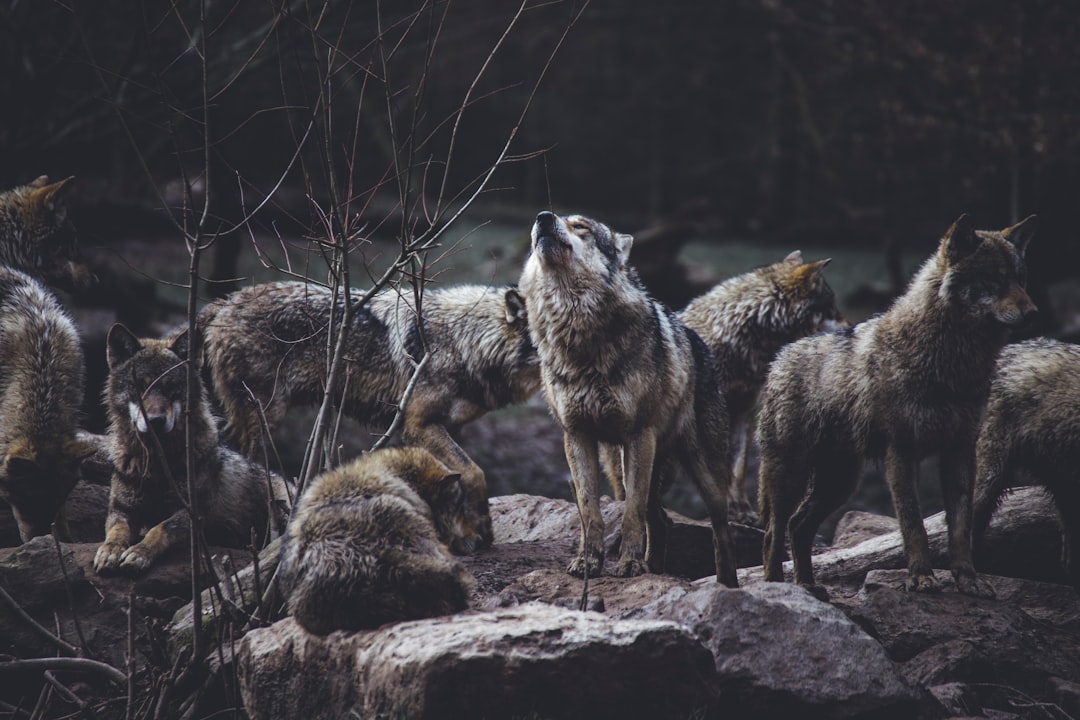
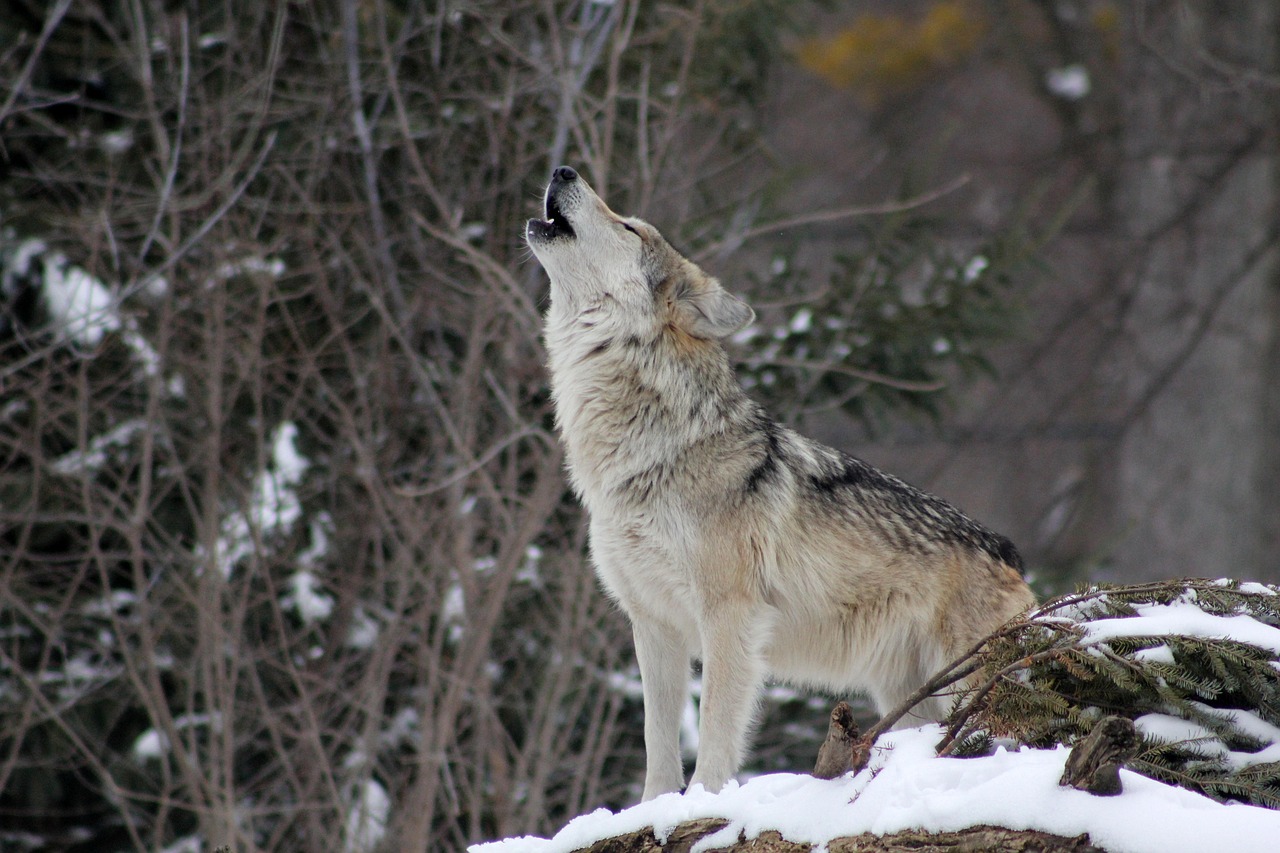
Perhaps most striking is how wolves handle loss. When they lose a pack mate, there is clear evidence that they suffer and mourn that loss. The howls associated with death have distinctive qualities. Researchers and wildlife observers have noted these “grief howls” often contain longer, more mournful notes and may continue for extended periods.
In a particularly touching example documented in Yellowstone, when the famous alpha female known as “06” was killed by hunters, her mate reportedly showed behavioral changes and spent time alone before rejoining the pack before rejoining what remained of their pack. Such emotional responses indicate that wolf loyalty extends beyond utilitarian cooperation and reflects genuine emotional bonds that persist even after death. The neurological basis for this isn’t imagined – wolves possess many of the same brain structures humans use to process emotions, including a developed limbic system. Studies of wolf brains show they have the neurological hardware necessary for complex emotional experiences.
Community Parenting That Puts Humans to Shame
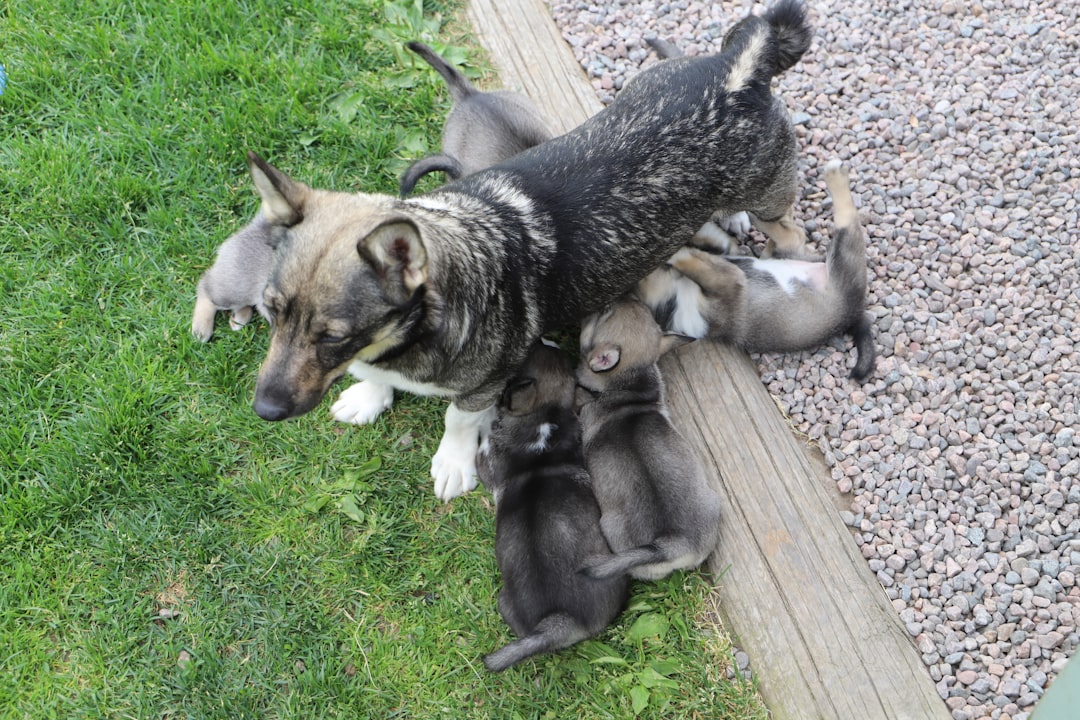
Perhaps most remarkable is wolves’ cooperative approach to parenting. All pack members contribute to pup-rearing, with older siblings often serving as “babysitters” while parents hunt. Pack members collaborate in hunting, territory defense, and pup-rearing with roles that shift based on age and experience. Older siblings often serve as “helpers at the den,” bringing food to nursing mothers and babysitting younger pups – gaining valuable parenting experience before establishing their own families.
This creates something remarkable: This alloparental care creates a multi-generational teaching environment where survival skills are refined and passed down. Research from Yellowstone National Park has shown that packs with experienced older members have higher hunting success rates and better territorial maintenance, demonstrating the critical importance of family knowledge transmission.
Education That Spans Generations
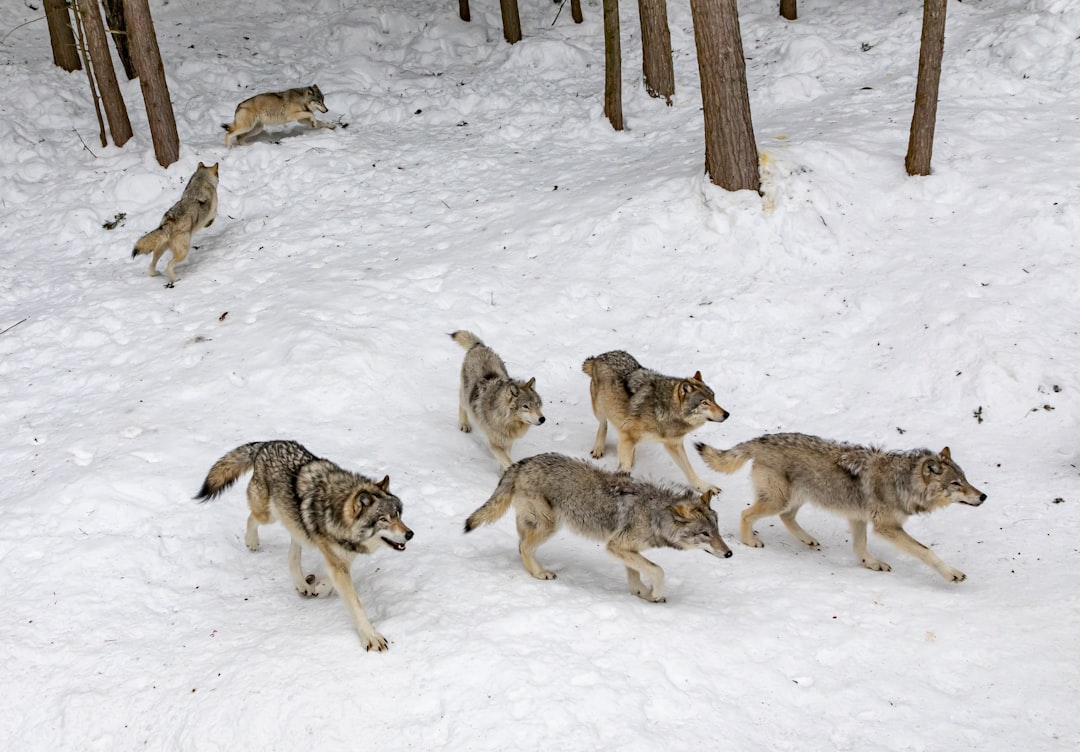
Pack structure enables communication, the education of the young and the transfer of knowledge across generations. A family group can persevere for several generations, even decades, carrying knowledge and information through the years, from generation to generation. The older wolves, as more experienced hunters, share hunting strategies and techniques with younger wolves, passing down knowledge from one generation to the next, maintaining a culture unique to that pack.
The socialization begins at around six to eight months of age when cubs start to follow the adults on hunting trips (“hunting school”). Unlike human families where children are often left to figure things out on their own, wolf pups receive intensive, hands-on education from multiple family members throughout their development.
Cooperation Over Competition
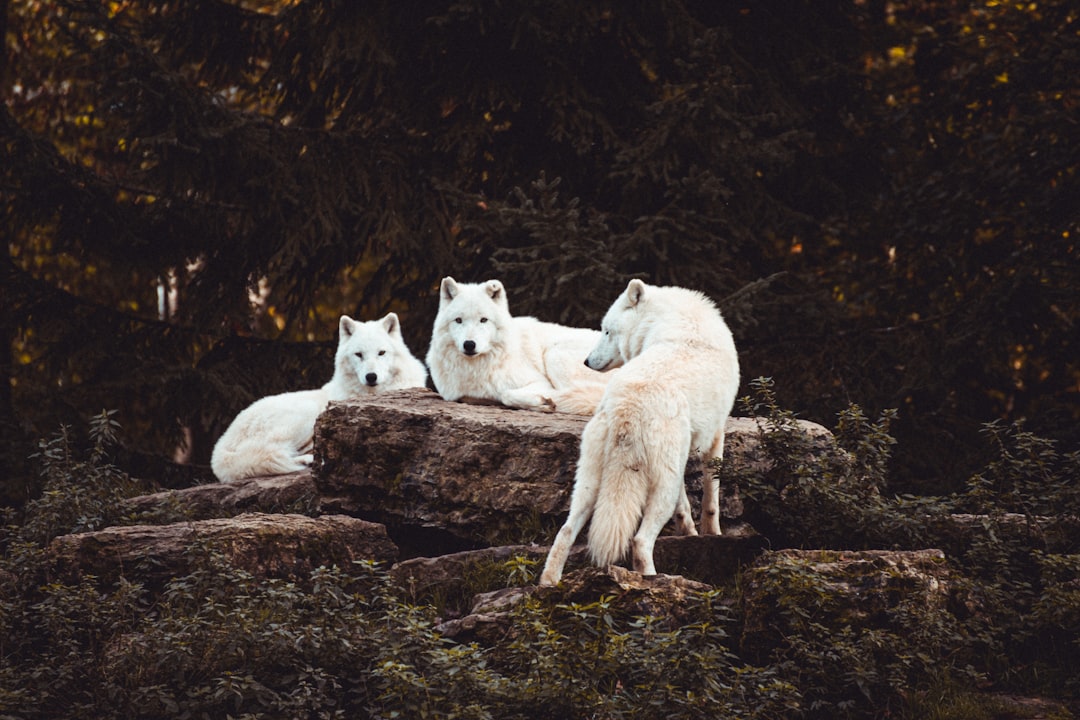
While human families often become battlegrounds over resources, inheritance, or attention, wolves operate differently. Subordinate wolves overtly challenged the dominant ones to subtract food from them. Wolves are cooperative hunters and, in terms of mutual beneficial exchanges, all members of the pack have the possibility to access food, independently of their ranking position.
Subordinate wolves overtly challenge the dominant ones to subtract food from them. Wolves are cooperative hunters and, in terms of mutual beneficial exchanges, all members of the pack have the possibility to access food, independently of their ranking position. This suggests that power in wolf society isn’t about domination – it’s about collective survival and shared prosperity.
The Bonds That Never Break
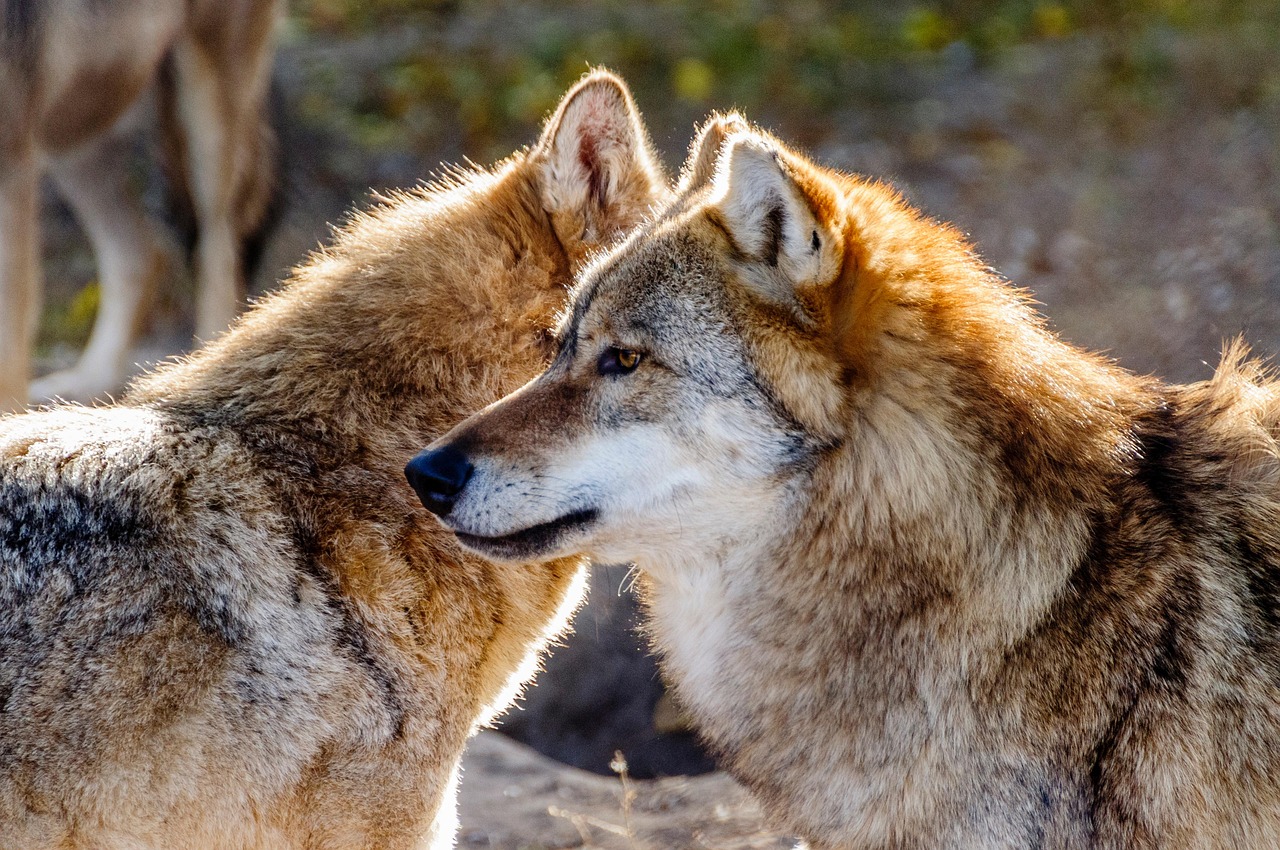
Like us, wolves form friendships and maintain lifelong bonds. They succeed by cooperating, and they struggle when they’re alone. Like us, wolves need one another. A lone wolf is a wolf that is searching, and what it seeks is another wolf. Everything in a wolf’s nature tells it to belong to something greater than itself: a pack.
This reveals something profound about the nature of family bonds. Wolves, males and females alike, may go through periods alone, but they’re not interested in lives of solitude. A lone wolf is a wolf that is searching, and what it seeks is another wolf. Everything in a wolf’s nature tells it to belong to something greater than itself: a pack. The famous phrase “lone wolf” that humans use to describe rugged individualism actually represents failure in wolf society – it describes an animal desperately seeking to reunite with family.
What Humans Are Missing
The contrast is humbling. Living in a pack not only facilitates the raising and feeding of pups, coordinated and collaborative hunting, and the defense of territory, it also allows for the formation of many unique emotional bonds between pack members, the foundation for cooperative living. Wolves care for each other as individuals. They form friendships and nurture their own sick and injured.
Some species raise their young by cooperating: not only the mother but also the group. That kind of backup, shared burden, consistent protection, is extremely powerful. Modern human families, increasingly isolated and nuclear, have lost much of this cooperative spirit that wolf packs maintain effortlessly.
Perhaps most telling is this observation: When we look at wolves, we are looking at tribes – extended families, each with its own homeland, history, knowledge, and indeed, culture. Wolves communicate, collaborate and share knowledge across generations.
Wolves haven’t just survived – they’ve thrived by creating family structures based on genuine cooperation, unwavering loyalty, and shared responsibility. While humans struggle with fractured relationships and isolated nuclear families, wolves demonstrate that another way is possible. They show us that true family strength comes not from dominance or individual achievement, but from the profound understanding that we are stronger together than apart.
What do you think about that? Could we learn something from these remarkable creatures about how to build stronger, more connected families?
