

The mountains have always offered refuge. For creatures seeking cooler air and a respite from the sweltering lowlands, elevation has long been nature’s thermostat. However, as temperatures climb across the planet, something remarkable is happening to the tiny, iridescent birds that dart through the Rocky Mountains. Hummingbirds are moving up, drawn to higher altitudes in a desperate search for conditions that suit their extraordinary metabolisms.
What does this upward migration mean for these jewel-toned acrobats of the sky? The answer isn’t as simple as you might think. It’s a story about survival, adaptation, and the invisible barriers that even wings can’t overcome.
The Natural Journey Upward
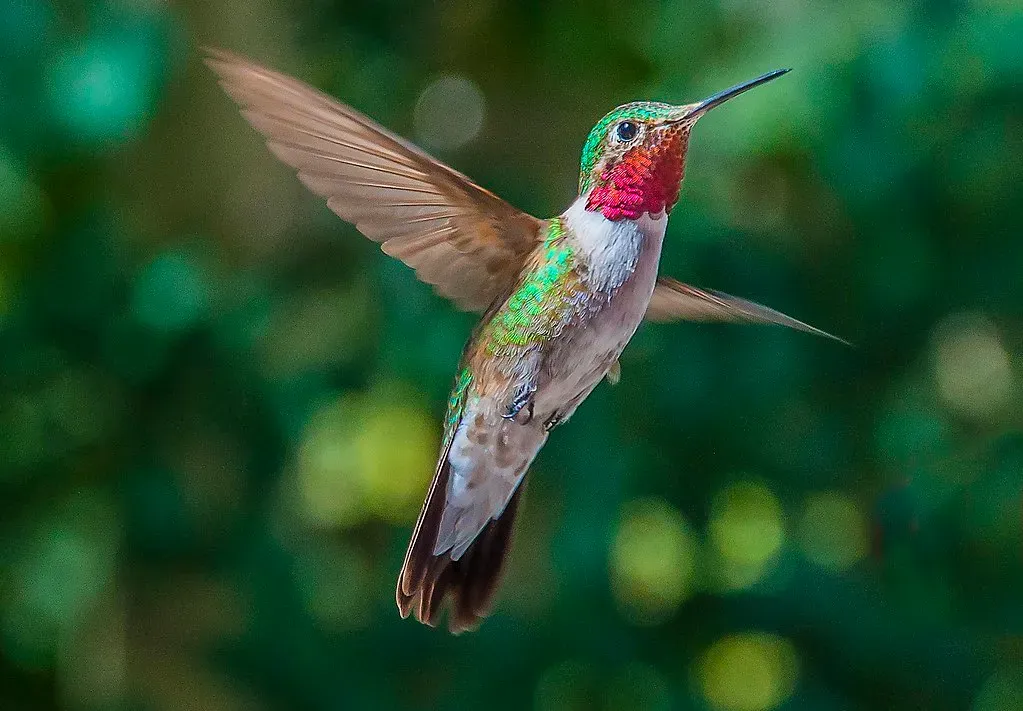
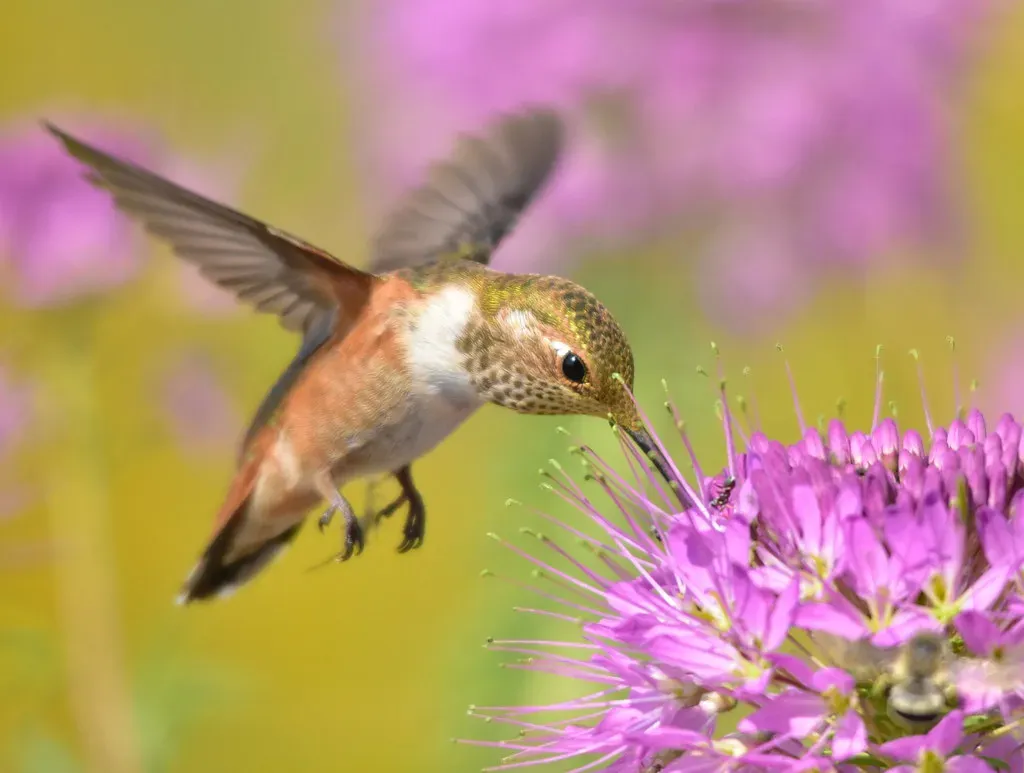
Hummingbirds naturally shift elevation throughout the year, moving up to alpine meadows of the Rocky Mountains where flowers bloom in full splendor during the summer months. This isn’t new behavior. Species like the Rufous and Calliope hummingbirds have followed this pattern for generations, chasing nectar along what’s been called the “floral highway.”
Rufous hummingbirds are often spotted in the Rockies during fall, making their way down from Alaska and the Pacific Northwest. The mountains serve as their corridor south. Yet the timing and extent of these movements are changing.
Studies reveal that hummingbirds have already started a progression to higher terrain due to warmer climates. It’s an ongoing shift, happening right now beneath our noses. Mountain areas serve as a refuge for lowland species as they remain relatively cooler during climate change, and hummingbirds are among the first to respond due to their high metabolic requirements. Their need for constant fuel makes them particularly sensitive to environmental changes.
The question is whether this upward drift will continue, or whether these birds will hit a wall they can’t fly over.
When Thin Air Becomes a Problem
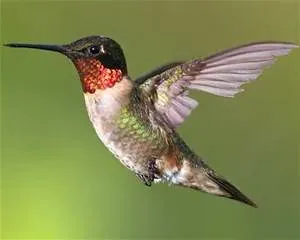
Moving higher sounds like a smart strategy. Cooler temperatures, fresh flowers, fewer competitors – what could go wrong? Plenty, it turns out. Moving up a mountainside brings a decrease in oxygen availability along with cooler temperatures, and for animals with high metabolic rates like hummingbirds, this combination may make life at high altitudes impossible.
Anna’s hummingbirds displayed a lower hovering metabolic rate at altitudes above their normal elevation range, meaning reduced oxygen and lower air pressure at higher elevations reduced energy efficiency and impacted their ability to fly effectively. Think about that for a moment. These birds burn energy at a staggering rate – their hearts can beat over a thousand times per minute. When they can’t hover efficiently, they can’t feed. When they can’t feed, they can’t survive.
Researchers relocated 26 birds from various elevation ranges to a location over 12,000 feet above sea level to test their limits. The results were eye-opening. While the birds could handle the cold by entering torpor at night, their flying performance suffered dramatically in the oxygen-thin air.
Some populations may adapt over time. Anna’s hummingbirds living at higher elevations were found to have larger hearts than those in lower areas, implying their bodies eventually adapted to areas with lower oxygen. Evolution, though, moves slowly. Climate change does not.
Torpor: The Nightly Shutdown
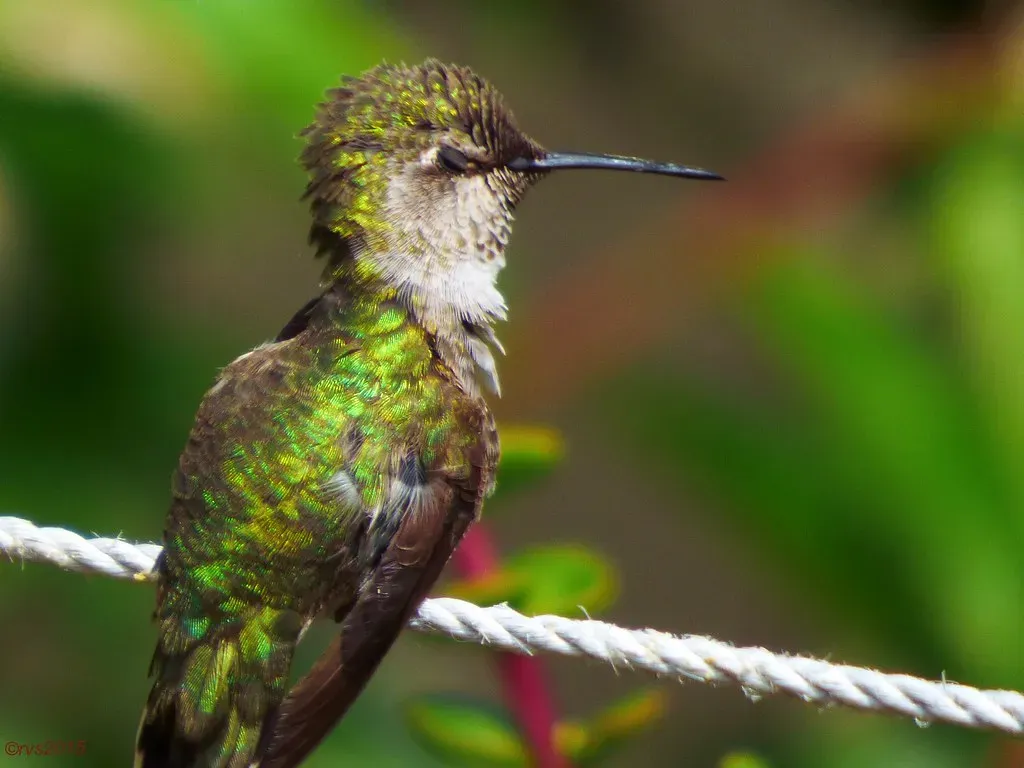
There’s a trick hummingbirds use to survive cold mountain nights. High-mountain hummingbirds can lower their body temperature by extreme amounts at night, going into a state called torpor, an energy-saving adaptation. It’s essentially mini-hibernation. Their metabolism slows, their heart rate plummets, and they become almost unresponsive.
In the Peruvian Andes, hummingbirds enter torpor at night, dipping their body temperature to as low as 38 degrees Fahrenheit. That’s practically freezing. Hummingbirds can reduce energy use by more than 90 percent by resetting their metabolism, with large drops in body temperature occurring in almost every bird every night.
At high altitudes, hummingbirds were torpid for more than 87.5 percent of the chilly night, no matter where they originally came from. This ability is impressive, even beautiful in its efficiency. Yet it also reveals vulnerability. If nights grow too cold, or if food becomes scarce during the day, even torpor may not be enough to save them.
The balance is razor-thin. Survival hinges on finding enough food to build fat reserves before nightfall. Lose too much weight overnight, and the bird may not make it to morning.
The Escalator to Extinction
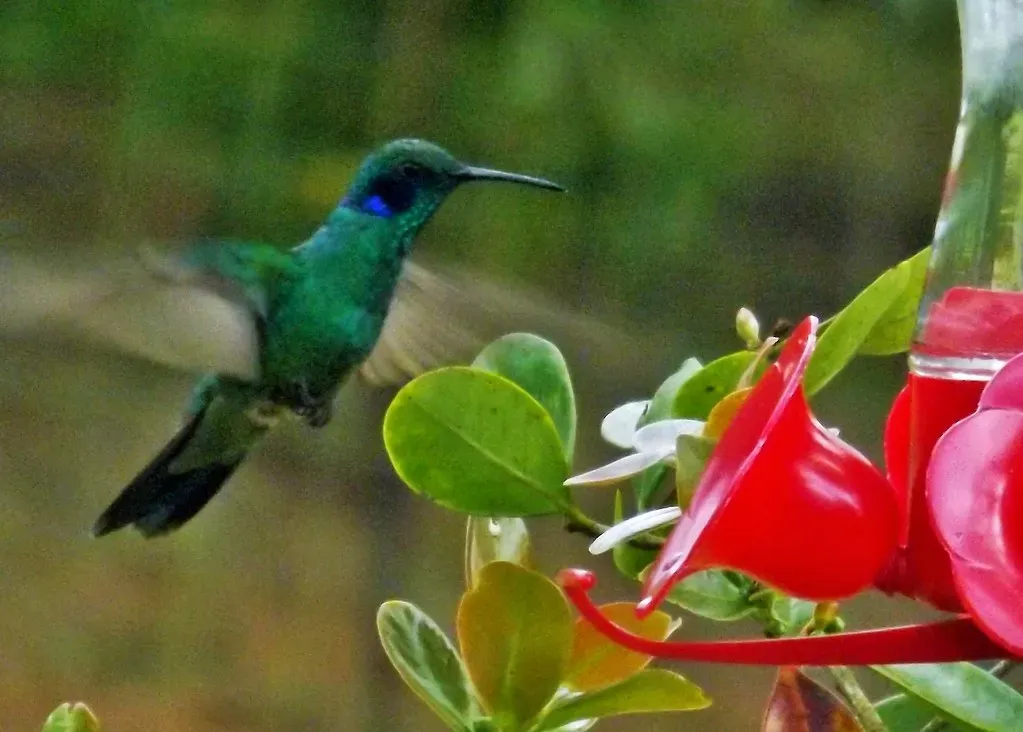
Research in the Peruvian Andes showed that birds’ uphill push for cooler terrain has resulted in population losses for most species and the probable extirpation of five species that were common at the top just 33 years ago. Scientists have a name for this phenomenon: the escalator to extinction.
The escalator to extinction hypothesis proposes mountain species move their lower and upper range limits upslope at similar rates until they eventually run out of room at the mountaintop. It’s a grim image – creatures climbing higher and higher, chasing cooler air, until there’s nowhere left to go.
When plants and animals move uphill, they can lose habitat simply because mountains become smaller the higher you climb. The pyramid shape of a mountain means less space at the top. Species that once had vast territories find themselves squeezed into shrinking pockets of suitable habitat.
Hummingbirds face additional challenges beyond space. The shift upward might not be driven only by direct temperature effects but also by climate effects on their diets, habitat, and predators. Flowers may bloom at different times. Insects may disappear. The entire ecosystem shifts, and not always in ways that favor these delicate birds.
What Comes Next for Rocky Mountain Hummingbirds
Here’s the thing: not all the news is catastrophic. Many mountain species have maintained largely stable distributions and abundances despite warming temperatures, particularly in the temperate zone. Some hummingbirds may persist in place, adapting rather than fleeing. Others might lean upslope, increasing their abundance at higher elevations while maintaining their lower range limits.
By 2080, four species of hummingbirds will likely be forced north thanks to warming temperatures, according to climate models. The Rockies may see different species than those present today. Migration routes could shift. Wintering grounds may move.
Hummingbirds are vulnerable to climate change effects since they rely on finding the right conditions in so many different habitats at just the right times. Their annual circuit through western North America depends on precise timing – spring in one location, summer in another, fall somewhere else entirely. Disrupting any part of that cycle could have cascading consequences.
Yet there’s room for cautious optimism. If we protect habitat corridors, preserve high-elevation forests, and reduce other stressors like habitat fragmentation, hummingbirds may find ways to cope. They’ve survived ice ages and continental shifts. They’re tougher than they look.
Conclusion
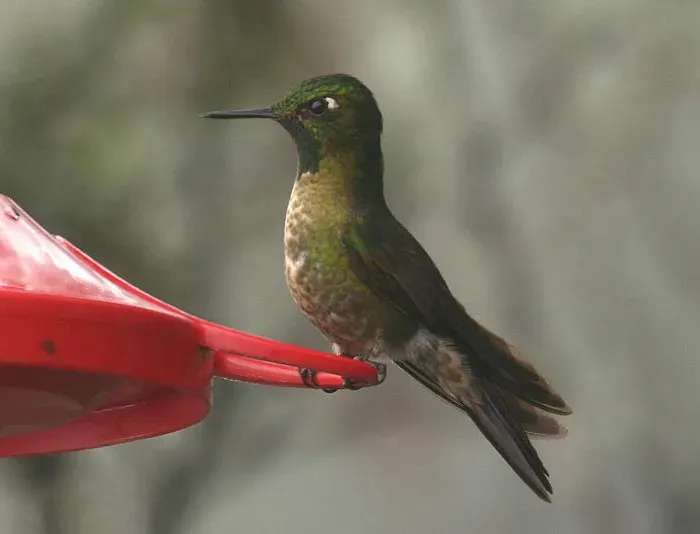
The sight of a hummingbird hovering in midair, wings a blur, throat feathers flashing in the sun – it’s one of nature’s small miracles. Watching them inch higher into the Rockies, seeking refuge from rising temperatures, reminds us that even the smallest creatures are caught in the web of climate change. They can’t turn down the thermostat. They can only move, adapt, or disappear.
Research findings indicate that hummingbirds show an acute response to novel hypoxic conditions, which are certain to remain in the face of rising temperatures. The challenge ahead is real. Whether these remarkable birds will continue to grace our mountain meadows depends on forces much larger than their tiny bodies.
What will the Rockies look like in fifty years? Will we still hear the hum of their wings in alpine clearings? Time will tell, though perhaps we already know the answer depends on choices we make today. What’s your take on it – do you think they’ll find a way to survive the climb?
