
The debate over land use between ranchers and wolves has been a longstanding issue, with both sides presenting compelling arguments for their respective claims. This discussion unfolds against a backdrop of ecological balance, economic necessity, and cultural heritage, raising the fundamental question: who deserves the land more? This article delves into the intricacies of this age-old conflict and provides insights into the broader implications for wildlife conservation, agriculture, and community dynamics.
The Historical Conflict

Historically, the conflict between ranchers and wolves dates back centuries. As settlers expanded westward in North America, wolves were often seen as vermin that threatened livestock and, by extension, the livelihood of ranchers. Over time, extensive hunting campaigns aimed at eradicating wolves from vast areas led to significant population declines. Understanding this historical context is crucial in appreciating the tensions and relationships that exist today between human and wolf populations.
The Importance of Wolves in Ecosystems

Wolves play a crucial role in ecosystems as apex predators. They help maintain the balance of populations within their habitat, particularly of herbivores like elk and deer. By controlling these populations, wolves indirectly contribute to the health of various plant species and overall biodiversity. The presence of wolves can even lead to changes known as “trophic cascades,” where their influence cascades down the food chain, benefiting the entire ecosystem.
Ranchers’ Economic Concerns

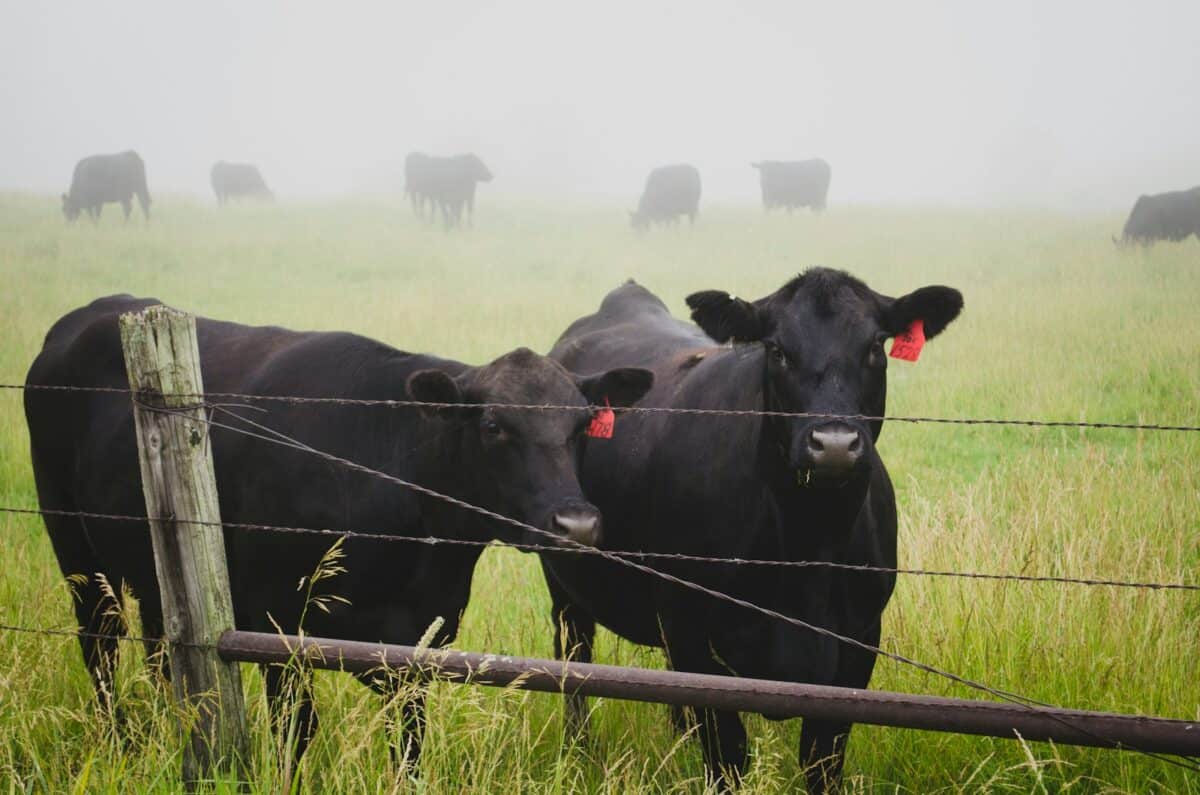
For ranchers, wolves represent a threat to their economic stability. Livestock depredation by wolves can lead to significant financial losses, impacting not only the immediate income from livestock sales but also future breeding prospects. To mitigate these losses, some ranchers employ non-lethal methods such as guard animals, fencing, or noise devices, but these solutions are not foolproof and require time and resources to implement effectively.
Conservation Efforts and Challenges

Conservationists argue for the protection of wolves, emphasizing their ecological importance. Reintroduction programs have been implemented in several areas, such as the Yellowstone National Park, with varying degrees of success. However, these efforts are not without challenges. Social acceptance, funding, and legal battles often hinder conservation measures, complicating efforts to increase wolf populations sustainably.
Government Policies and Support Programs

Various governments have developed policies aimed at balancing the needs of wildlife conservation with agricultural interests. Compensation programs are one such initiative designed to reimburse ranchers for livestock losses attributed to wolf predation. These programs aim to alleviate economic pressures on ranchers while encouraging coexistence with wolves. However, their efficacy is often debated, with concerns about adequacy in compensation and bureaucratic delays in payments.
Community Impact and Social Perspectives

The ranchers vs. wolves debate often extends beyond individual economic concerns to become a community-wide issue. Many rural communities have cultural ties to ranching, viewing it as a way of life intrinsic to their identity. These cultural perspectives shape attitudes toward wildlife and conservation efforts, sometimes leading to friction between rural communities, urban populations, and government entities.
Non-lethal Control Measures

In attempts to find common ground, non-lethal wolf management strategies are increasingly promoted. Techniques such as fladry (a method involving hanging strips of fabric along a rope around pastures), livestock guardian dogs, and visual deterrents are gaining traction among ranchers open to sustainable coexistence principles. While not universally adopted, these methods represent a promising compromise, reducing conflicts without resorting to lethal measures.
The Role of Education and Awareness

Education plays a pivotal role in resolving conflicts between ranchers and wolves. Raising awareness about the ecological benefits of wolves and reducing misconceptions can foster a more nuanced understanding of their role in the environment. Education initiatives aimed at young people, in particular, can shift perceptions over time, creating future generations that value balanced ecosystem management.
Technological Advancements in Monitoring

Modern technology contributes new dimensions to managing these conflicts. Advanced monitoring systems, including GPS collars and satellite tracking, allow for better insight into wolf movement patterns, helping predict and prevent potential conflicts before they occur. These tools enable data-driven strategies that balance ecological and economic concerns.
Legal Considerations and Debate

Legal frameworks surrounding wolf management and protection are often contentious and inconsistent. The classification of wolves under endangered species lists fluctuates, sometimes resulting in periods of increased legal protection followed by times of reduced safeguards. This legal volatility poses challenges for both conservationists and ranchers, who must navigate the changing regulatory landscape.
Case Studies of Successful Coexistence

Several regions around the world have reported successful implementation of coexistence programs that mitigate conflict between wolves and human interests. Examples include initiatives in Europe, where countries like Slovenia have successfully integrated wolves into the landscape through comprehensive management plans that highlight collaboration between stakeholders.
Future Directions for Coexistence
Looking to the future, the path to coexistence lies in continued dialogue and innovative management strategies embracing the needs of both ranchers and wildlife. By fostering collaborative approaches incorporating scientific, economic, cultural, and environmental considerations, a balanced solution can be achieved, ensuring both biodiverse landscapes and sustainable agricultural practices.
In conclusion, the debate regarding ranchers vs. wolves is multifaceted, involving ecological, economic, and social dimensions. While both sides have valid concerns, a sustainable resolution will depend on collaborative efforts that respect the needs of wildlife and agricultural communities. By investing in education, employing technological advancements, and supporting inclusive policy-making, it is possible to create a future where ranchers and wolves coexist peacefully on shared landscapes.

- How Penguins Navigate Without a Compass - August 18, 2026
- Why You Should Always Respect a Lone Bison - August 18, 2026
- The Secret World of Animals That Glow - August 18, 2026