
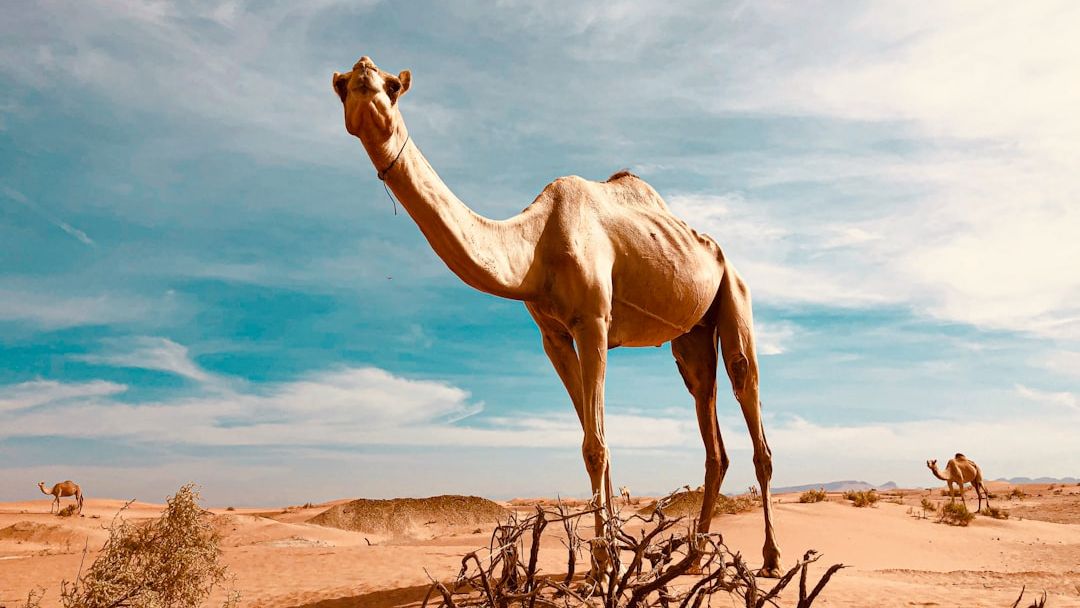
You’ve probably heard of survival stories that leave you shaking your head in disbelief. We’re not talking about humans here, though. Think smaller. Much smaller. The creatures scientists keep finding in deserts around the world are rewriting what we thought was possible when it comes to toughness.
Some places on Earth have conditions so harsh that you’d expect nothing to survive, yet some very hardy creatures manage to thrive where most others would quickly perish. The desert isn’t just scorching sand and relentless sun. It’s a proving ground for nature’s most extreme experiments. What lives there has learned tricks we’re only beginning to understand. Let’s dive into the world of these remarkable survivors and see what makes them so extraordinary.
The Microscopic Giants of Endurance
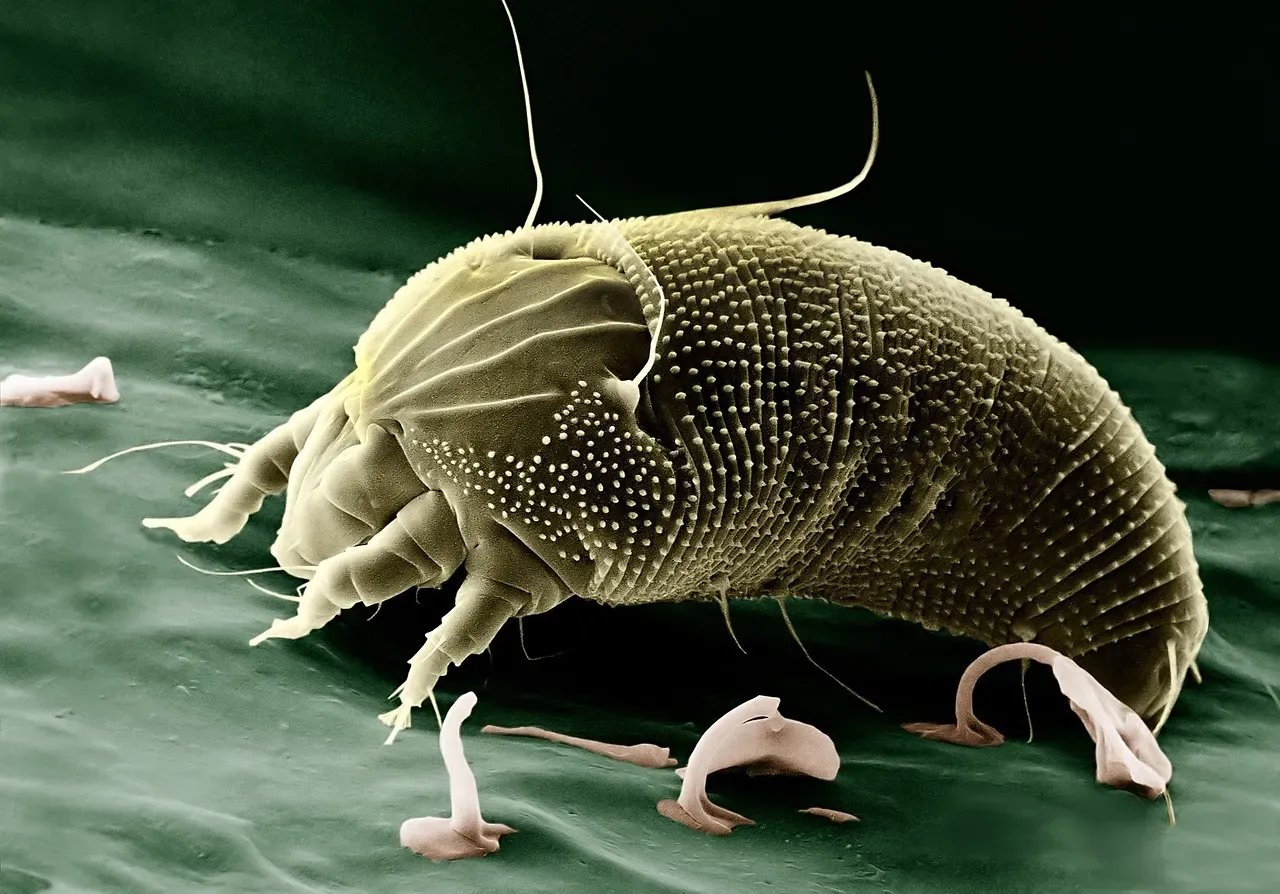
Tardigrades live in diverse regions of Earth’s biosphere including deserts, and they are among the most resilient animals known, with individual species able to survive severe conditions such as exposure to extreme temperatures, extreme pressures, air deprivation, radiation, dehydration, and starvation that would quickly kill most other forms of life. These tiny creatures, barely visible to the naked eye, have been found thriving in desert environments where nothing else should exist.
Over a thousand species of tardigrades have been identified, with terrestrial species inhabiting environments like moss, leaf litter, lichen, grassland, and deserts. Here’s the thing that gets me. Tardigrades can go up to 30 years without food or a water supply, can live in very cold temperatures even at absolute zero, and can survive above boiling temperatures. That’s not just resilient. That’s nearly immortal by most standards.
Water bears are found nearly everywhere on Earth, from parched desert landscapes to the frosty Arctic, however we know far less about how the different species are distributed locally. Their desert cousins have perfected the art of waiting. Terrestrial tardigrades are able to tolerate long periods when water is not available by forming a desiccated cyst called the cryptobiotic tun state where no metabolic activity takes place, and in this state they can go without food or water for several years.
The Secret Weapon Against Extinction
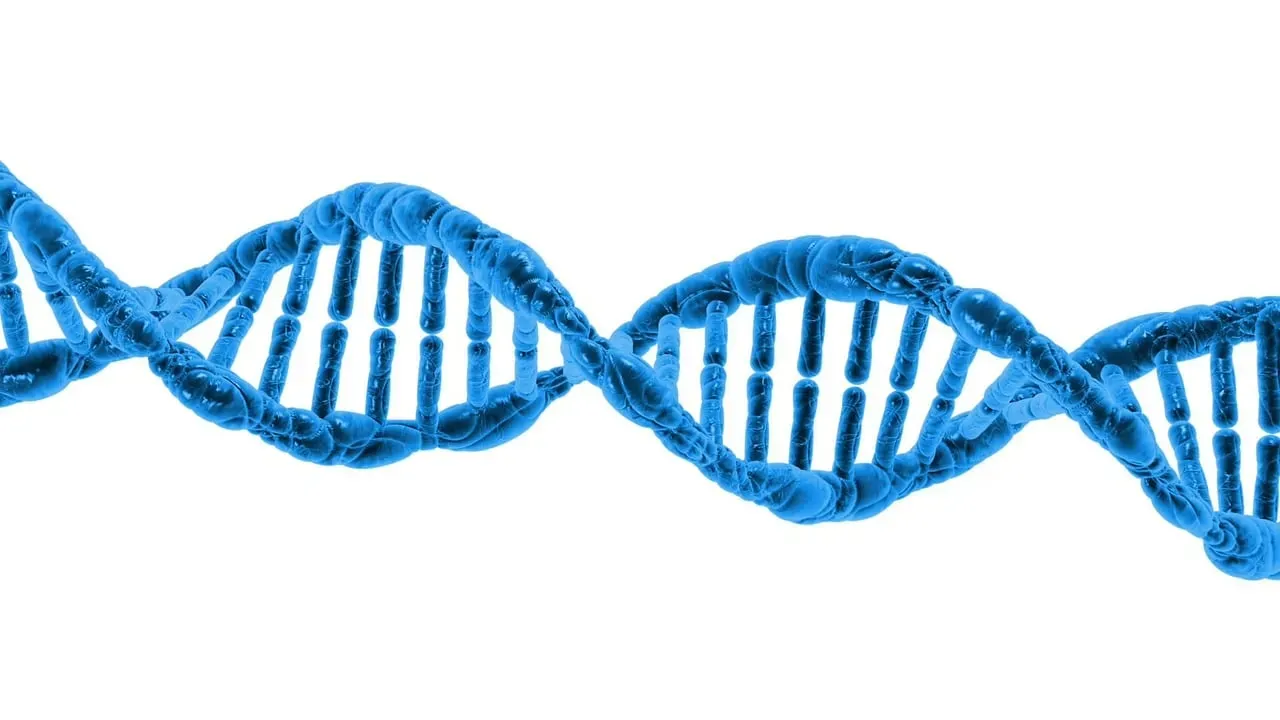
Let’s be real, if you could design the perfect survivor, you’d probably end up with something like a tardigrade. A protein named Dsup binds and forms a protective cloud against extreme survival threats such as radiation damage. Scientists have been studying this protein because it does something almost magical.
A unique protein in their bodies called Dsup, short for damage suppressor, protects their DNA from harmful ionizing radiation which is present in soil, water, and vegetation. Think about that for a second. These microscopic animals carry around their own molecular bodyguard. The team discovered that Dsup binds to chromatin, the form of DNA inside cells, and once bound, Dsup protects cells by forming a protective cloud that shields DNA from hydroxyl radicals which are produced by X-rays.
The applications are mind blowing. Researchers are studying a protein tardigrades produce that may help protect healthy cells in cancer patients receiving radiation therapy. Who knew that studying desert survivors could lead to breakthroughs in human medicine? Nature’s been working on these solutions for millions of years while we’ve only just started paying attention.
Desert Masters Beyond the Microscopic
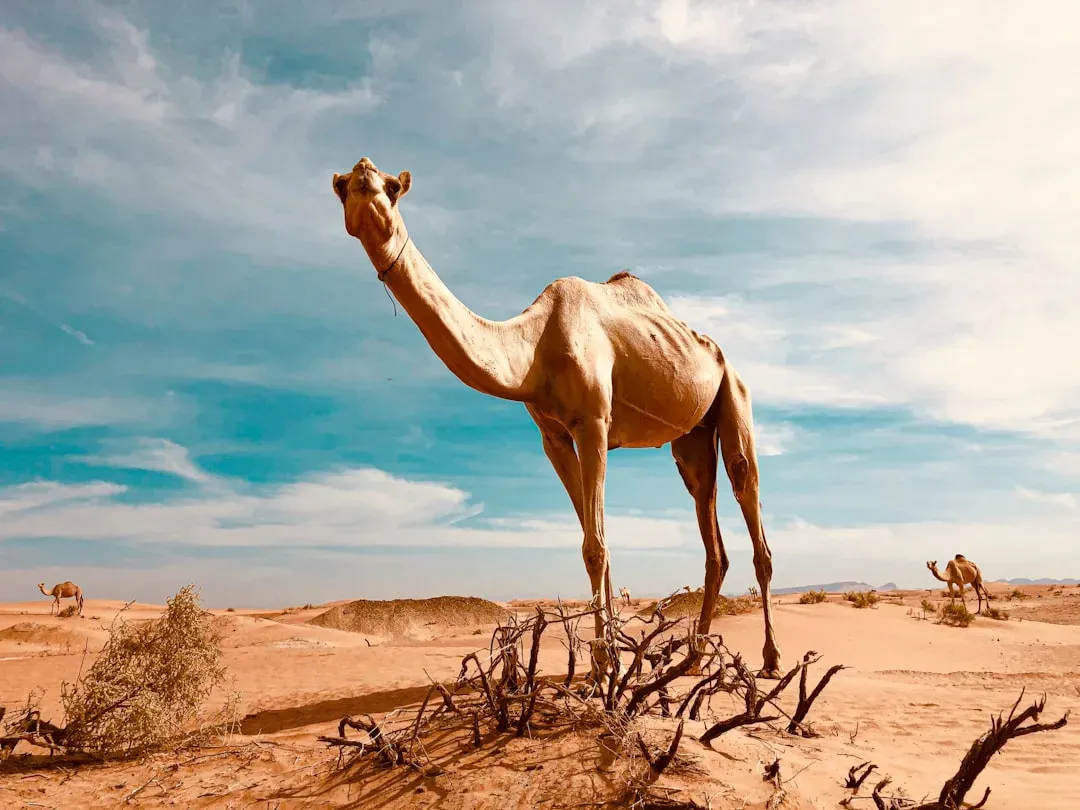
Tardigrades aren’t the only ones showing off in the desert. Camels are called ships of the desert because their adaptations make them some of the few animals that can survive in extreme desert climates, with the hump on their backs filled with fat that allows them to regulate their body temperatures and serves as an energy store. The brilliance doesn’t stop there.
Dromedary camels in the African and Middle Eastern deserts can live for around two weeks without drinking water, and when they do drink they can absorb the liquid at an incredible rate. I know it sounds crazy, but camels have essentially turned themselves into walking water tanks with built in climate control. The mucus membranes in the camel’s nose cool the exhaled breath so its water content condenses inside the nose and is reabsorbed, rather than being lost to the desert air.
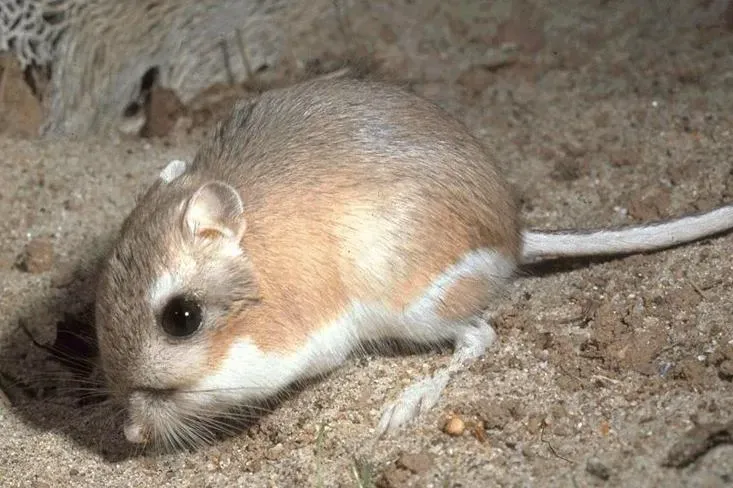
The kangaroo rat has perhaps the most amazing combination of adaptations for desert survival, living in a burrow, being nocturnal, and recapturing its own body moisture by storing food within its burrow where dry seeds absorb moisture from the kangaroo rat’s breath which condenses in the cooler underground temperatures. That’s engineering on a level most of us can barely comprehend.
When Playing Dead Is Actually Living Smart
Cryptobiosis is a state of inactivity triggered by a dry environment where tardigrades push all the water content out of their body, pull in their head and limbs, and roll up into a small ball. It’s hard to say for sure, but this might be one of nature’s cleverest hacks. Essentially, these animals hit the pause button on life itself.
The secret to the tardigrade’s incredible capacity to survive extreme environments is found in its unique ability to enter cryptobiosis, a reversible state in which the animal suspends its metabolic activities when exposed to desiccation, cooling and other extreme environmental challenges, and scientists have observed tardigrades waking up and reproducing after thirty years of cryptobiosis. Thirty years. Let that sink in.
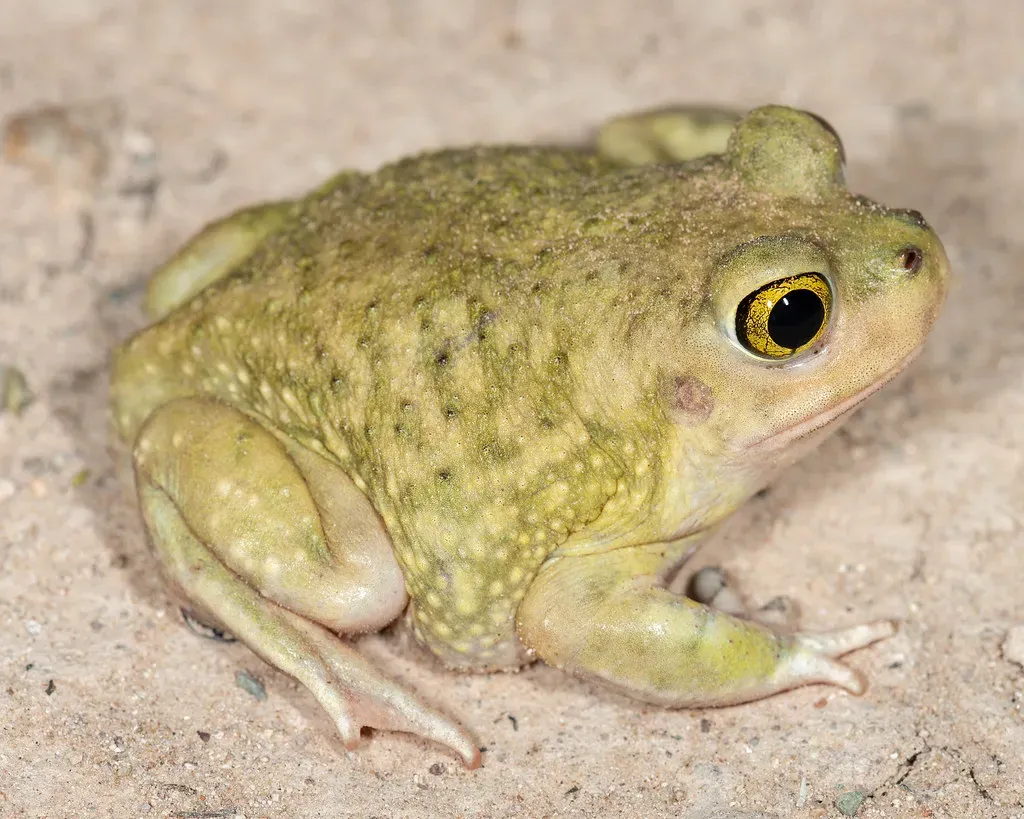
The spadefoot toad is another amazing adaptable species found living in deserts all over the world with unique spade shaped feet which allow them to dig deep into sand and soil up to two meters in search of food and water, and they can go into a state of suspended animation for extended periods allowing them to conserve energy when resources are scarce. The desert has essentially created a library of suspended animation techniques that would make science fiction writers jealous.
The Future Written in Desert Sand
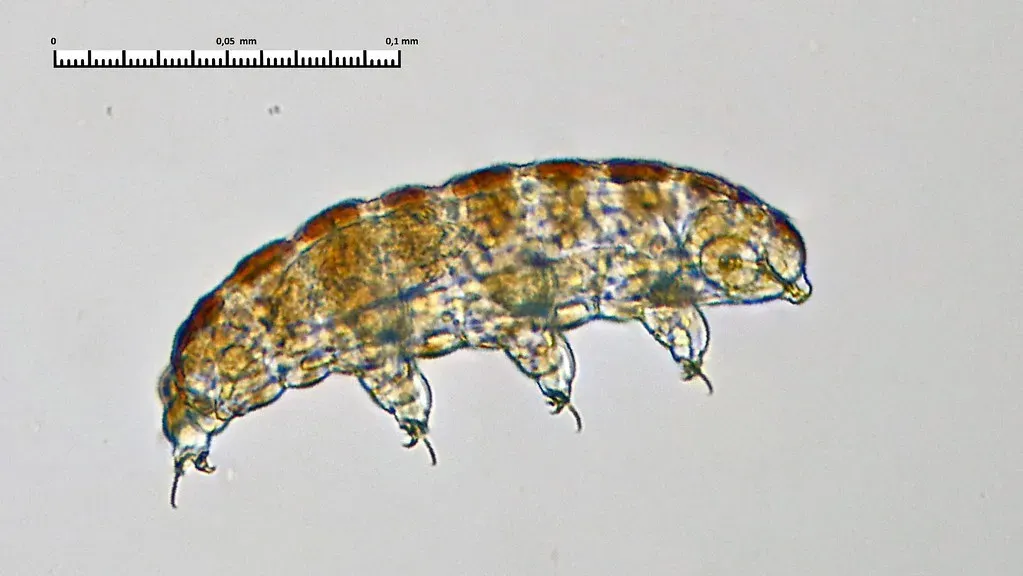
The world’s most indestructible species, the tardigrade, will survive until the Sun dies according to research, with the tiny creatures surviving the risk of extinction from all astrophysical catastrophes and being around for at least 10 billion years, far longer than the human race. Honestly, there’s something both humbling and inspiring about that fact.
These robust little creatures have been on Earth for about 600 million years, preceding the dinosaurs by about 400 million years, and tardigrades have survived all five mass extinction events. While we worry about our own survival as a species, these microscopic desert dwellers have already proved they can outlast almost anything the universe throws at them.
The real question isn’t just how they survive. It’s what we can learn from them. Desert creatures all over the world have evolved special adaptations to survive in the extreme water shortage environment, and utilizing surface structures is one of the major strategies to achieve water collection. From water harvesting to radiation protection, these tiny survivors are teaching us lessons we desperately need as our planet faces new challenges.
Conclusion
The most resilient animals on Earth aren’t roaring predators or massive mammals. They’re microscopic organisms perfecting survival in the planet’s harshest deserts. These masters of the extreme possess remarkable adaptations that allow them to not just survive, but to thrive where most others would quickly perish.
From tardigrades with their damage suppressing proteins to kangaroo rats recycling their own breath, desert life has cracked codes we’re only beginning to understand. These creatures prove that size has nothing to do with strength and that the fiercest battles for survival happen on scales we can barely see. They’ve been at it for hundreds of millions of years, outlasting dinosaurs and ice ages, quietly demonstrating that true resilience isn’t about avoiding hardship but about adapting to it in ways that seem almost impossible.
What do you think about these incredible survivors? Does it change how you view the tiny creatures around you?
