
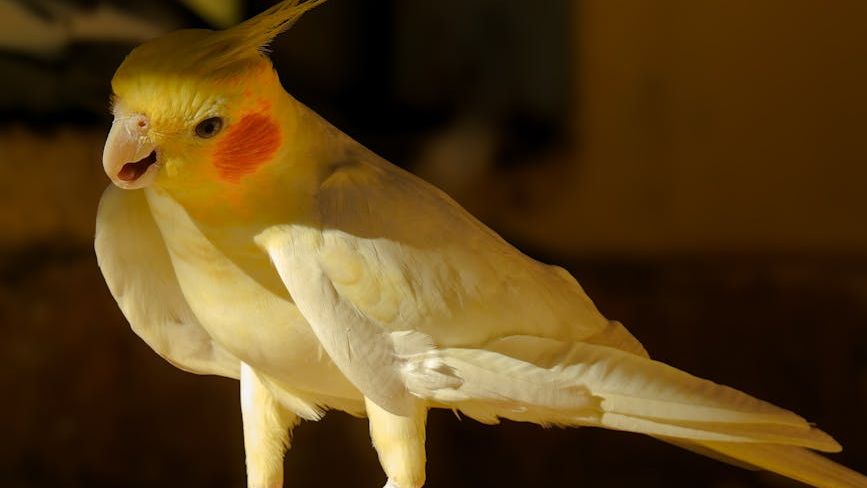
Imagine walking through a park and hearing someone call out your name, only to look around and find no person nearby, just a bird perched on a branch, staring back at you with sharp, knowing eyes. It sounds like something out of a movie. Honestly, it’s not. Some birds can replicate human voices so convincingly that people have genuinely been fooled into thinking a real person was speaking.
This is not a quirky party trick. It’s a profound biological and neurological phenomenon that scientists are still working to fully understand. What drives a creature with no lips, no vocal cords, and a brain the size of a walnut to produce sounds that rival human speech? The answer is more surprising, and far more fascinating, than you might expect. Let’s dive in.
The Remarkable Cast of Avian Vocal Mimics
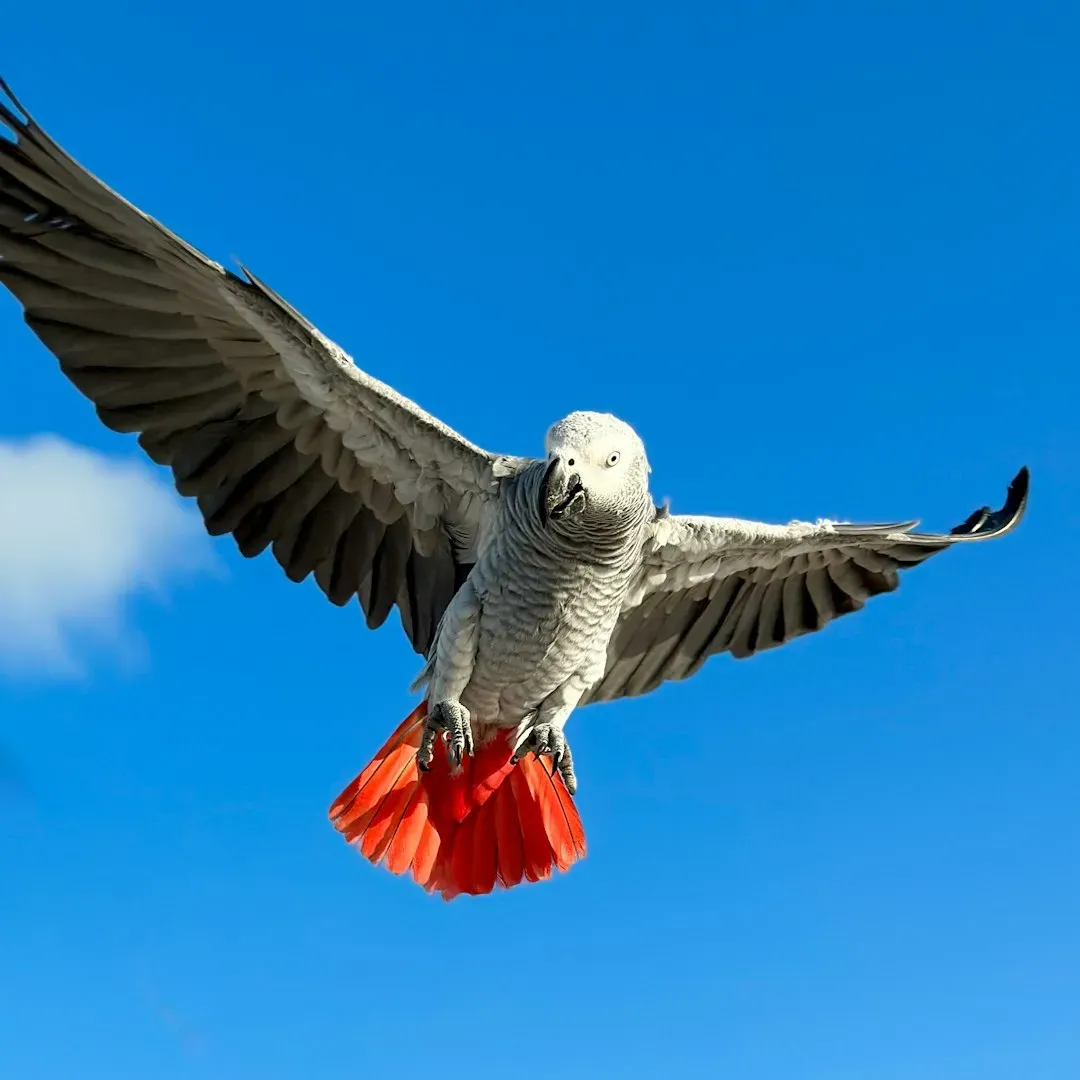
Not every bird that can mimic sounds is doing the same thing at the same level of sophistication. There is a clear hierarchy here, and some species genuinely stand above the rest. Songbirds and parrots are the two groups of birds able to learn and mimic human speech. That alone already narrows the field considerably out of the roughly ten thousand known bird species on the planet.
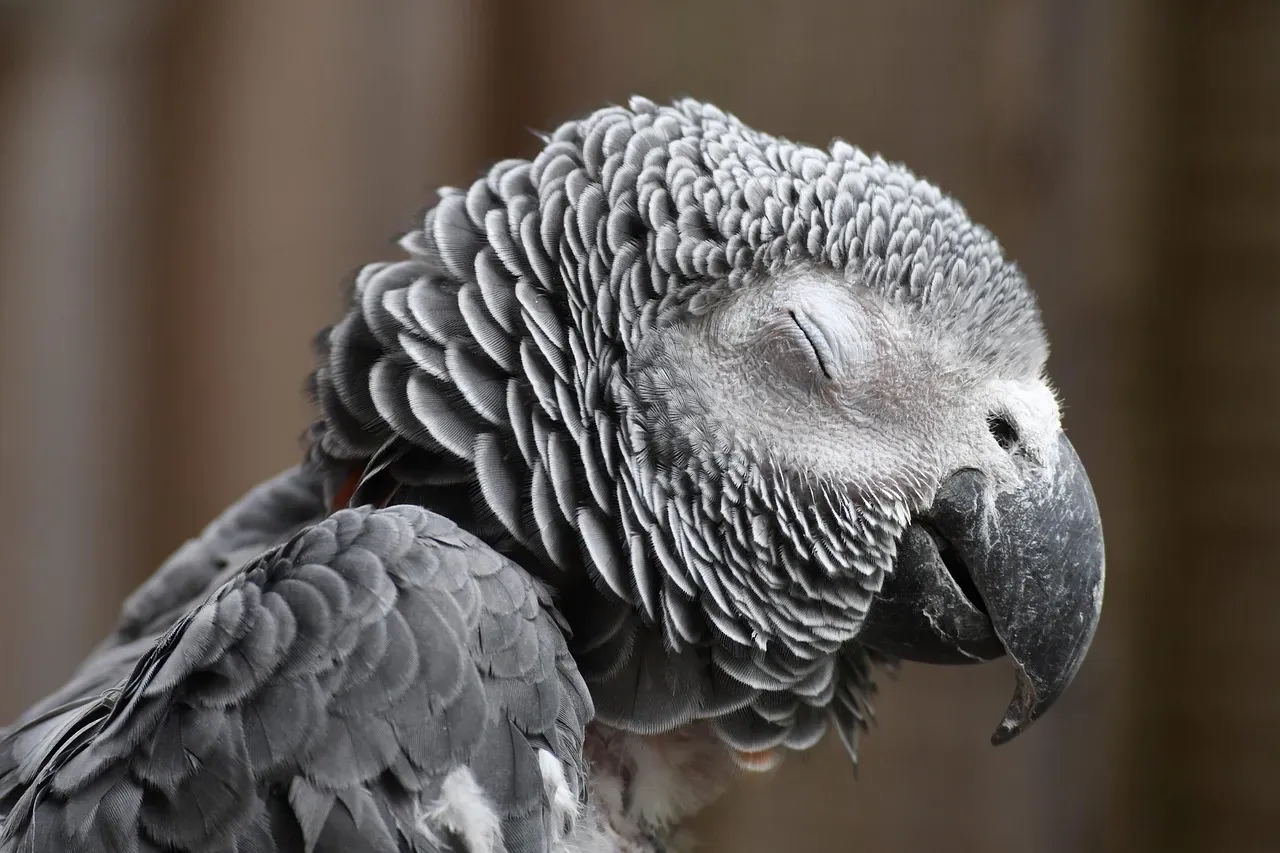
Widely regarded as the most skilled avian vocal mimic, the African Grey Parrot stands at the pinnacle of speech imitation abilities. These medium-sized parrots don’t just repeat words – they can learn vocabularies of up to 1,000 words and use them in context. That is not a small feat. That is closer to what a toddler does with language.
The common hill myna is renowned for its ability to mimic the human voice. It has been claimed that the common hill myna is the best talking bird and the best mimic in the world. Then there is the lyrebird. Lyrebirds can mimic not only human speech but also almost any sound in the world, and they do so accurately. Unlike other talking birds, even wild lyrebirds can mimic speech upon interacting with humans.
The common starling is an exceptional mimic, including of human speech. Its ability at mimicry is so great that strangers have looked in vain for the human they think they have just heard speak. Let that sink in for a moment.
The Strange and Brilliant Anatomy Behind the Talent
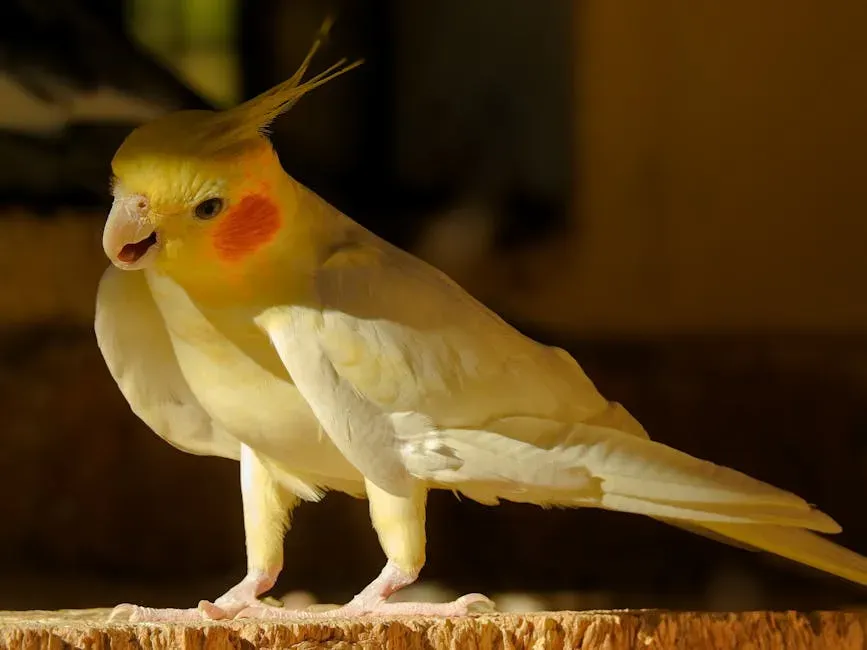
Here’s the thing that trips most people up: birds have no vocal cords. Zero. So how on earth do they produce words? While birds also have a larynx, it doesn’t produce sound. Instead, birds have a wholly unique structure called the syrinx, which sits not at the top of the trachea as the larynx does, but at the bottom, right at the bronchial split.
This placement is not accidental. This unique forking anatomy allows some birds to lateralize their sounds, meaning making different sounds on the left or right side, sometimes even at the same time. Think about that – producing two different sounds simultaneously, like a living mixing board.
The repertoire of parrots is further enhanced by their fleshy tongue, which can manipulate airflow and produce more human-like speech. Unlike songbirds, which produce sounds by vibrating membranes in two different syrinxes, parrots have only one syrinx, located at the bottom of the windpipe. This is somewhat similar to humans, who also have only one sound-producing organ, the larynx. That structural similarity is a big part of why parrots, in particular, sound so uncannily human.
African greys mimic human voices using frequency modulation, just like we do, making their speech sound uncannily human. Budgies, on the other hand, use amplitude modulation, which makes their words clear but distinctly birdlike. Even within the world of mimicry, the technique varies.
The Neuroscience: A Bird Brain Is No Insult
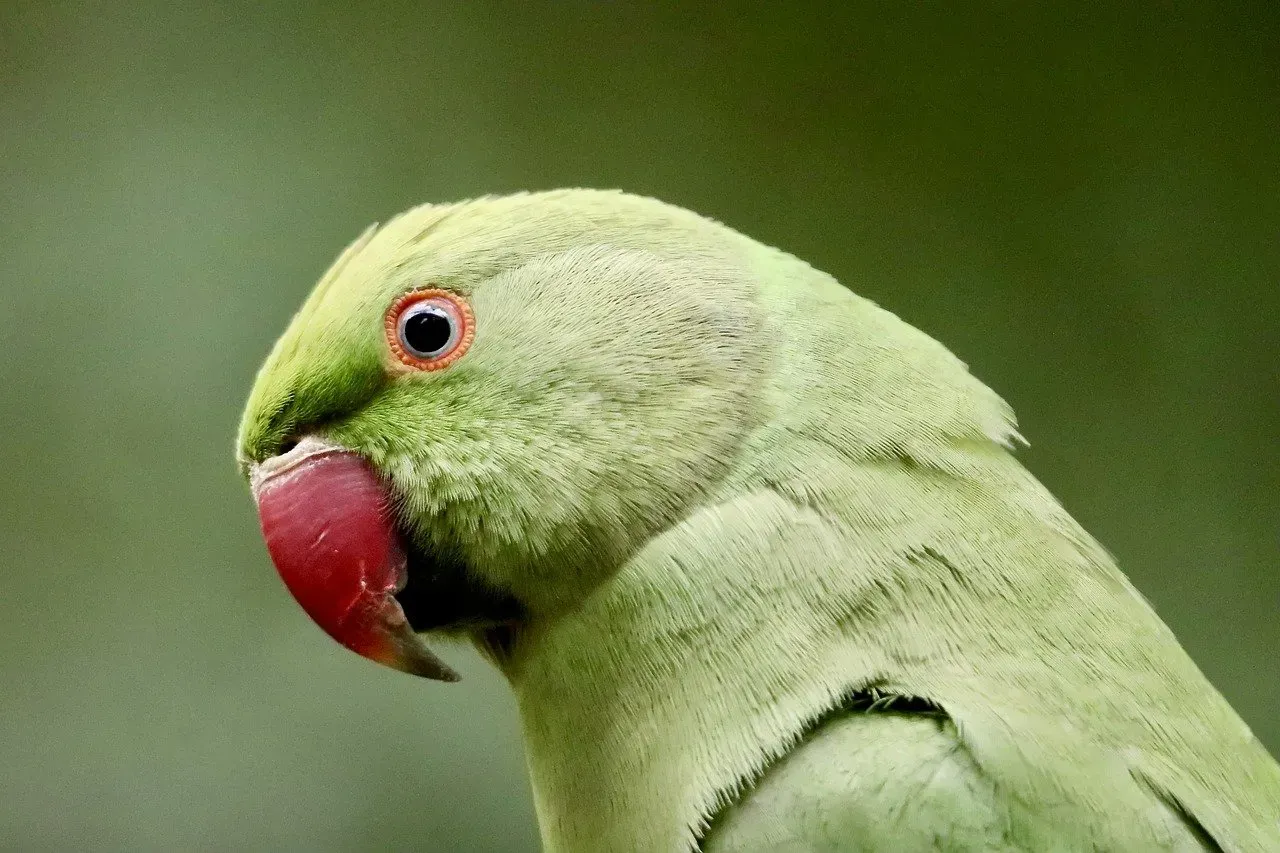
I know it sounds crazy, but the brains of certain birds share remarkable similarities with the human brain, specifically in how they process and produce speech. A new study explains how a parakeet’s brain helps it to mimic human words. By recording for the first time the brain activity of parakeets as they made sounds, a research team at NYU Grossman School of Medicine found that their brains generate patterns seen before only in humans as they speak. Published in the journal Nature, the study mapped the activity of a group of nerve cells in the bird’s brain called the central nucleus of the anterior arcopallium, which is known to strongly influence the muscles in its vocal organ.
Different groups of these cells were found to produce sounds akin to consonants and vowels. When parakeets sing, certain cells become active at specific pitches, like pressing the keys on a piano, with the newfound pattern resembling the organization behind human speech. That piano analogy is genuinely one of the most elegant descriptions of what’s happening inside a bird’s brain.
From a neurological perspective, parrots’ unique mimicry skill stems from a specialized vocal learning pathway in their brains. Unlike many other birds, parrots possess a highly developed “song system,” an area in the brain responsible for producing and controlling learned vocalizations. This system features direct connections between the brain regions responsible for hearing and those responsible for motor control in vocal production. In essence, this allows parrots to closely link what they hear to what they produce vocally, enabling them to imitate sounds with remarkable accuracy.
Beyond its evolutionary and cognitive dimensions, the research could have practical applications for human health. By better understanding how these brain regions organize vocal output in budgerigars, researchers hope to gain new insights into human speech disorders, such as aphasia and Parkinson’s disease, which can impair a person’s ability to produce language. A parrot helping us treat human illness. Now that’s a plot twist.
Why Do They Even Bother? The Social Reason Behind the Mimicry
The question that genuinely puzzles people most is not how birds mimic us, but why. It seems like a lot of neurological effort for something that doesn’t, on the surface, seem to serve an obvious survival purpose. The answer lies in something deeply social.
Parrots are social animals that thrive in the wild in large flocks. These flocks utilize complex vocal communication for various purposes, such as signaling danger, locating each other, and reinforcing social bonds. The richer a parrot’s vocal repertoire, the better its ability to interact within the flock, leading to a higher chance of survival and reproduction.
Birds raised in captivity might mimic humans, particularly their owners, to gain acceptance as a member of the family, or flock. If they hear a word or phrase repeatedly, they might interpret that as a vocalization distinct to their flock. They then attempt to make the vocalization themselves to maintain their membership. It is, in a very literal sense, the bird trying to fit in. Honestly, that’s kind of touching.
The male lyrebird, for example, adorns his song with many different mimicked sounds, often the songs of other nearby birds, but these can include car horns, chainsaws and barking dogs. For the lyrebird, sheer vocal variety is a display of fitness. The more sounds he can copy, the more impressive he appears as a mate. Mimicry, in his case, is essentially a peacock’s tail, but for your ears.
The Legends: Famous Talking Birds and What They Revealed
No article about bird speech mimicry would be complete without acknowledging the extraordinary individuals who changed what we thought was possible. In 1995, a California parakeet earned the Guinness World Record for having the largest human vocabulary among birds. “Puck the Budgie” had learned an astounding 1,728 words before passing away at the young age of five in late 1994. Puck even formed original phrases, showcasing a high cognitive ability that makes these tiny avians some of the smartest birds you can keep as pets.
Then there was Alex. By the end of his life, researcher Pepperberg’s Alex had learned to identify 50 objects, seven colors, six shapes, and quantities up to eight. He could tell you how many purple popsicle sticks were on a tray of assorted objects. He could also identify things that were the “same” or “different,” as well as “bigger” and “smaller.”
African Greys can replicate human voices with uncanny accuracy, often adopting the exact tone and inflection of family members, making them sound eerily human. Their exceptional cognitive abilities, comparable to that of a 5-year-old child in some respects, enable them to use language functionally rather than just mimicking sounds. That last detail is the one that still raises eyebrows in scientific circles.
Mimicking human speech is not limited to captive birds. Wild Australian magpies, lyrebirds and bowerbirds that interact with humans but remain free can still mimic human speech. Wild birds, under no training whatsoever, picking up our words just from proximity. It’s hard to say for sure exactly where learned behavior ends and something deeper begins, but these cases certainly make you wonder.
Conclusion: A Mirror Held Up by Wings
What birds that mimic human speech reveal is something far bigger than the novelty of a parrot saying “hello.” They reveal that vocal learning, the sophisticated process of hearing a sound and deliberately reproducing it, is one of nature’s rarest and most powerful cognitive tools. Only a very small number of all the species on earth engage in vocal learning: just a few mammals such as humans, bats, elephants, dolphins, and whales, and a relatively large number of birds, including parrots, songbirds, and hummingbirds.
The fact that birds evolved this ability independently of humans, arriving at strikingly similar brain solutions through a completely different evolutionary path, is one of the most humbling discoveries in modern biology. We thought speech made us special. Turns out, nature had other ideas.
Long’s research team is now working with machine learning researchers to attempt a “translation” of budgerigar vocalizations. If successful, this work could provide deeper insights into what these birds are truly communicating when they mimic human speech and each other’s calls.
The next time a bird opens its beak and greets you by name, maybe don’t brush it off. It might be telling you something you haven’t quite figured out how to hear yet. What does it make you feel, knowing a creature so different from us evolved a path so remarkably similar to our own voice? Drop your thoughts in the comments.
