
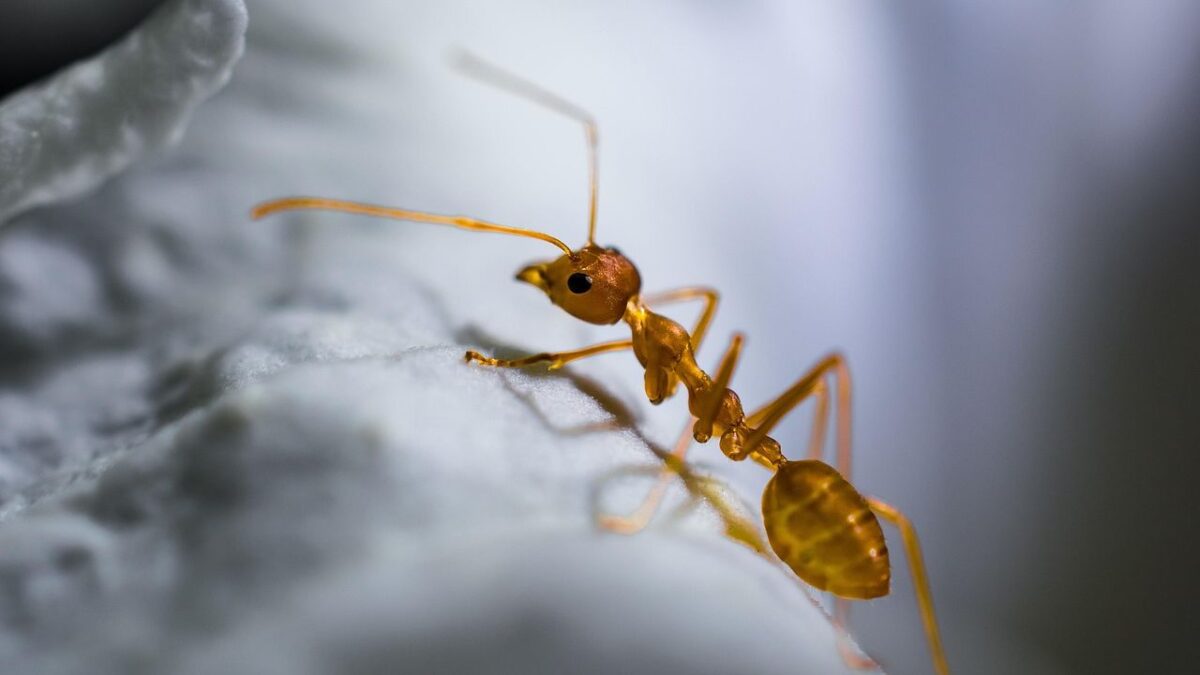
Living in the Texas Hill Country brings stunning vistas, rolling terrain, and an incredible sense of freedom. Yet, there’s one downside that most homeowners discover pretty quickly once they settle in. The region’s unique climate and limestone geography create a virtual paradise for pests that can invade your home year after year.
From arachnids hiding in stone crevices to aggressive insects building mounds in your backyard, the Hill Country has its fair share of uninvited guests. Some are merely annoying. Others can cause serious damage to your property or even pose health risks to your family and pets. Let’s take a closer look at the pests you’re most likely to encounter and what makes this region such an attractive habitat for them.
Scorpions: The Hill Country’s Stealthy Nighttime Hunters
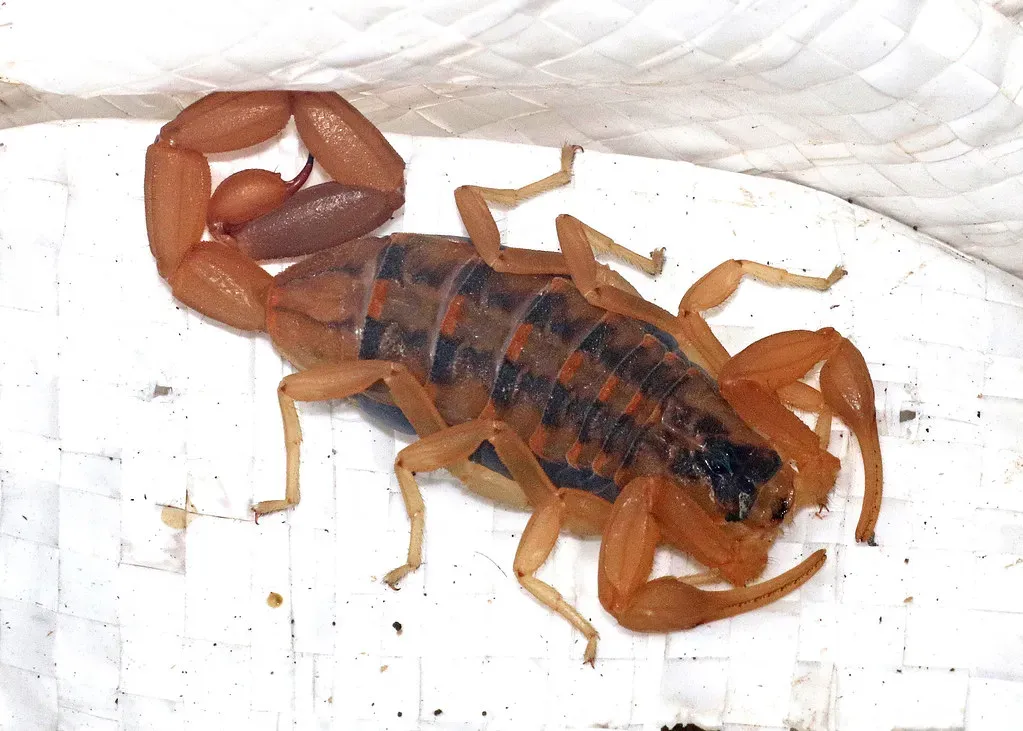
Here’s the thing about scorpions in the Hill Country: they’re not just occasional visitors. Hill Country properties often require specialized scorpion treatments, which typically add $50-$100 to standard service packages, as the limestone terrain provides countless hiding spots for these arachnids. The most common species is the Striped Bark Scorpion, easily identifiable by its pale yellow or tan color and two dark stripes running down its back.
These nocturnal creatures are surprisingly resourceful. Scorpions hide during the day in cool, dark places and come out at night to hunt, with common hiding spots in homes including under rocks, logs, debris, and within cracks or crevices, as well as in shoes, closets, and garages. You might be surprised to find one crawling across your bathroom floor at 2 AM or lurking inside a pair of boots you left by the door.
Their presence isn’t just about startling encounters. Scorpions are common pests in Texas, with the bark scorpion being the most dangerous, as these smaller scorpions have venom that can cause serious health issues. Though stings are rarely fatal to healthy adults, they can be quite painful and especially concerning for young children or pets.
The limestone-rich soil gives them endless places to hide. Every crack in your foundation, every gap under a rock becomes potential real estate. It’s hard to say for sure, but once you’ve lived here long enough, you realize that keeping them out requires constant vigilance.
Honestly, if you’re new to the area, don’t underestimate these little guys. Regular professional treatment around your home’s perimeter makes a massive difference. Sealing cracks and crevices helps too.
Checking your shoes before putting them on becomes second nature after your first close call. Keep outdoor lights to a minimum at night since they attract the insects that scorpions feed on.
The reality is that scorpions are simply part of Hill Country living. You learn to coexist, stay alert, and take preventive steps to keep encounters to a minimum.
Fire Ants: The Aggressive Ground Invaders
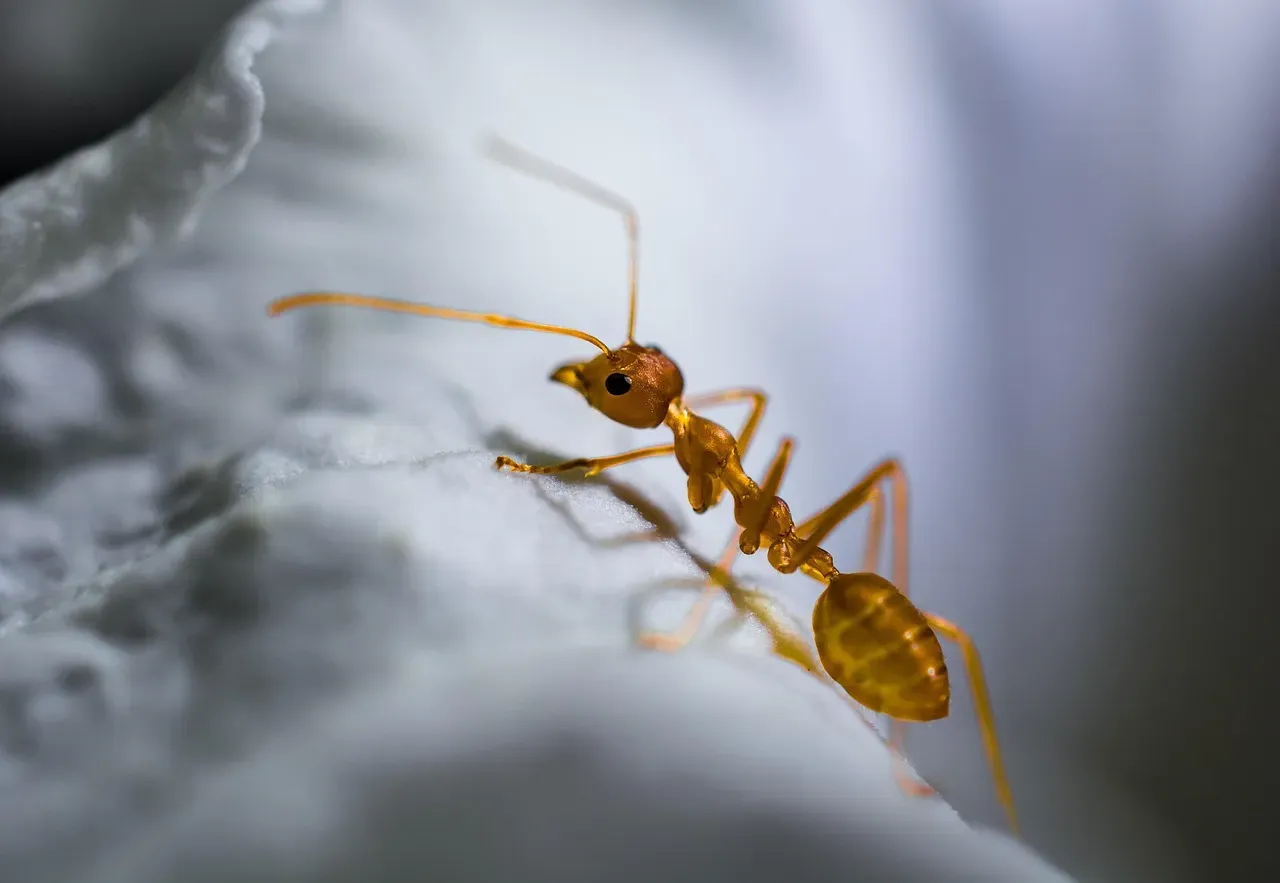
Fire ants were accidentally introduced from South America in the 1930s, and these aggressive ants can infest yards, damage electrical equipment, and deliver painful stings that are especially dangerous to children and pets. Let’s be real: anyone who’s lived in Texas for more than a week has probably had an unpleasant run-in with these red terrors.
Red imported fire ants build mounds of soft soil rarely larger than 18 inches in diameter, and when disturbed, they emerge aggressively, crawling up vertical surfaces, biting and stinging all at once, usually leaving a white pustule on the skin. That synchronized attack is no accident. They’re territorial and relentless.
What makes fire ants particularly frustrating is their sheer numbers. A single colony of fire ants can contain as many as 200,000 ants and have underground tunnels extending as far as 25 feet away from the mound. You might treat one mound only to discover three more popping up the following week in different corners of your yard.
A Texas A&M study reports that fire ants currently cost Texas over one billion dollars a year, with fire ants found in more than two-thirds of the counties in Texas, and their sting being painful and potentially causing allergic reactions in some people. That’s not small change.
The warm Hill Country climate means these pests stay active nearly year-round. Unlike northern states where cold winters provide relief, here you’re dealing with fire ants during barbecues, garden work, and even simple trips to the mailbox.
Professional baiting systems work far better than DIY approaches. Fire ants require specialized baiting systems that most homeowners can’t effectively implement themselves. The key is targeting the queen and disrupting the entire colony rather than just killing visible workers.
Kids playing outside, pets exploring the yard – they’re all vulnerable to painful stings that can trigger serious reactions. It’s one of those pests that demands respect and consistent management.
Termites: Silent Destroyers Lurking in the Woodwork
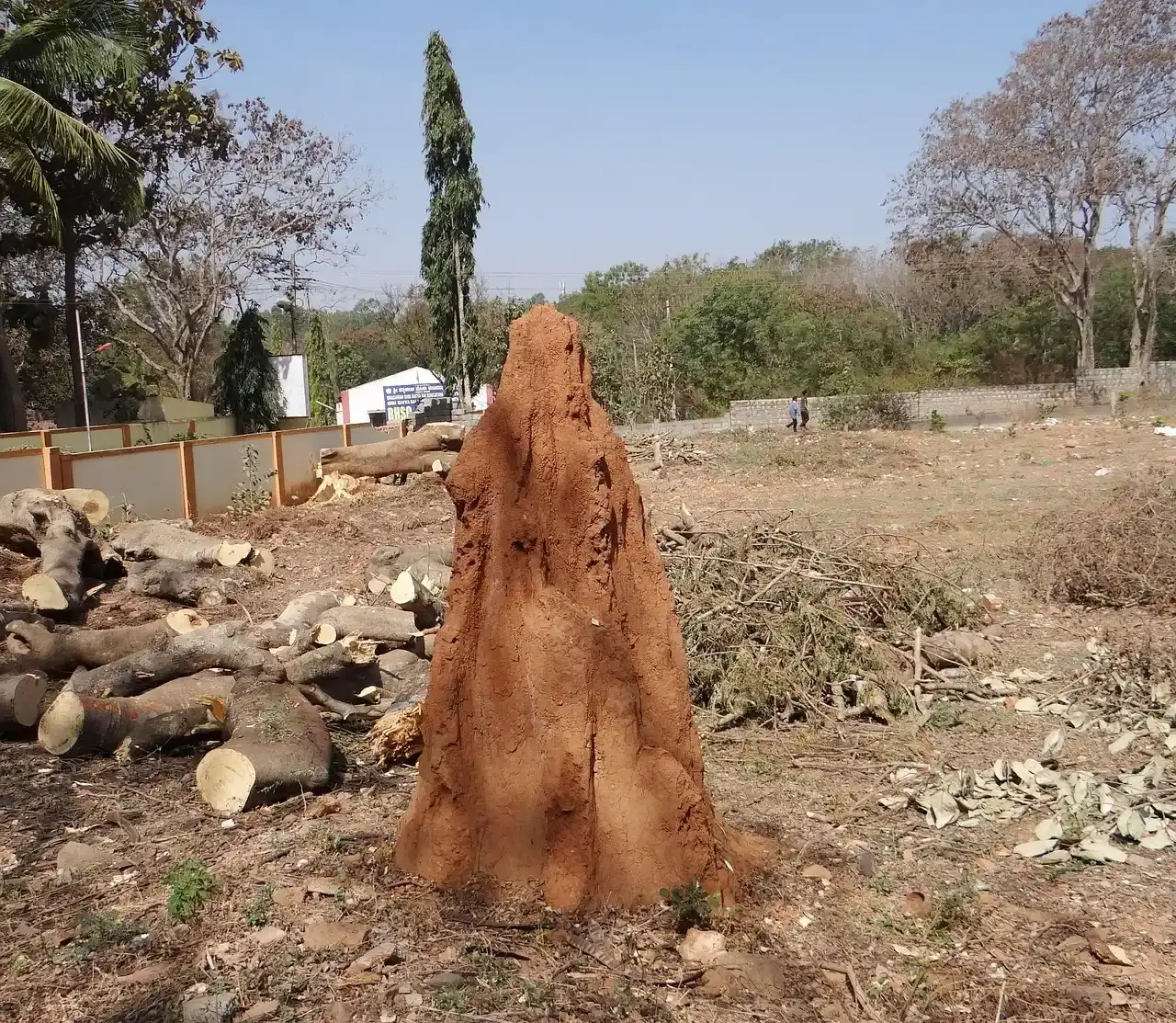
Texas has one of the highest concentrations of termites in the country. That fact alone should get your attention if you own property in the Hill Country. These wood-eating insects operate quietly, often causing thousands of dollars in damage before homeowners even realize there’s a problem.
Termites cause extensive structural damage to homes and buildings by feeding on wood, wallpaper, and even insulation materials, with Texas being home to the Eastern subterranean termite, Formosan subterranean termite, and drywood termite. Each species has slightly different behaviors, but all share one goal: consuming the cellulose in your home’s structure.
During spring and summer, subterranean termites swarm as part of their mating routine, often occurring in the morning or night and sometimes mistaken for flying ants, with only fertile females and males growing wings to find a mate before losing their wings and crawling into cracks and crevices to begin new colonies, with wings along windowsills or floorboards being a sign of infestation.
Another telltale sign? Subterranean termites build mud tubes or tunnels to transport food to the ground while keeping protected from predators and the elements, with these tubes running along walls and nearby trees, and spotting them usually meaning infestation. Those pencil-thin mud tubes are basically highways for thousands of hungry termites.
Prevention starts with eliminating moisture around your foundation and removing wood-to-ground contact. Firewood stacked against your house? That’s an open invitation. Mulch piled too high near the foundation creates another pathway.
I know it sounds crazy, but termite damage can compromise the structural integrity of your entire home. Regular inspections by licensed professionals catch infestations early before repair costs spiral out of control.
Mosquitoes and Flying Pests: The Seasonal Swarmers

Summer is peak season for swarms of mosquitoes that drive Hill Country homeowners crazy. The region’s combination of standing water sources and warm temperatures creates ideal breeding conditions for these disease-carrying insects.
Texas has approximately 85 mosquito species, with the most common being Aedes aegypti, Aedes albopictus, and Culex pipiens, which thrive in warm temperatures and standing water, posing health risks as they can transmit diseases like West Nile virus and Zika virus. Those aren’t just itchy bites; they’re potential vectors for serious illnesses.
What you might not expect is how persistent mosquitoes can be even during drier periods. The NPMA predicts that Texas will experience more mosquito days than usual, with drier conditions potentially driving pests indoors in search of moisture, creating unique challenges for homeowners during the hottest months.
Bird baths, clogged gutters, pet water bowls left outside, even plant saucers can become breeding grounds. Mosquitoes only need a small amount of stagnant water to lay eggs and multiply rapidly. Emptying these sources weekly makes a huge difference.
Screens on windows and doors are your first line of defense. They seem like basic protection, yet it’s surprising how many homes have torn screens or gaps around door frames that let mosquitoes slip inside.
Timing matters too. Dawn and dusk are when mosquitoes are most active. If you’re planning outdoor activities during those times, insect repellent becomes essential rather than optional.
Professional mosquito control services target both adult mosquitoes and breeding sites. Some treatments create barriers around your property that significantly reduce mosquito populations for weeks at a time.
Rodents and Other Unwelcome Wildlife

Rodents are a common pest problem that most home and business owners in the Hill Country region deal with at one time or another. Mice and rats don’t just contaminate food and spread disease – they also chew through electrical wiring, creating fire hazards inside your walls.
The two most common species of rodents in Texas are the Norway rat and roof rat, with mice being smaller than rats and having a pointed snout with colors ranging from gray to reddish-brown. Roof rats prefer higher spaces like attics, while Norway rats tend to burrow and nest closer to ground level.
NPMA’s Bug Barometer forecasts increased rodent activity as temperatures drop, with Texas expecting significant pest pressure during winter, particularly from rodents seeking warmth and shelter, suggesting more indoor pest activity than typical winter seasons. So even when other pests slow down, rodents ramp up their search for cozy indoor spaces.
Sealing entry points is critical. Prevention includes sealing gaps in your roof and foundation, repairing damaged weatherstripping around windows and doors, installing door sweeps on all exterior doors, placing mesh covers over drains leading into your home, and sealing spaces around cables and utilities entering your home with rigid material like steel wool.
You’ll notice gnaw marks on food packaging, droppings in cabinets, or strange scratching sounds behind walls at night. At the first sign of rodents in your home, such as rodent droppings, noises behind walls, gnaw marks, or holes in food containers, reach out for professional help.
Traps and baits help, but they only address part of the problem. Finding and sealing the entry points stops new rodents from replacing the ones you’ve caught. It’s an ongoing process that requires attention to detail.
Conclusion

The Texas Hill Country offers an incredible lifestyle with its natural beauty and welcoming communities. Yet, that same environment supports a wide variety of pests that homeowners must actively manage throughout the year. Scorpions hiding in limestone crevices, fire ants building sprawling colonies, termites silently consuming structural wood, mosquitoes breeding in standing water, and rodents seeking shelter – all of these present real challenges that require consistent attention.
Understanding these pests, their behaviors, and the conditions that attract them gives you a fighting chance at protecting your property. Prevention measures like sealing entry points, eliminating moisture, and maintaining your yard help reduce pest pressure. Still, professional pest control services often provide the expertise and treatments necessary to keep infestations under control long-term.
Living here means accepting that pest management is simply part of homeownership. The good news? With the right strategies and regular maintenance, you can enjoy everything the Hill Country has to offer without surrendering your home to unwanted invaders. What’s been your biggest pest challenge since moving to the area?
