
Winter transforms our world into a magical snowy landscape, complete with crystalline formations and crisp air that makes even the most mundane walk feel like an adventure. Yet beneath this winter wonderland lurks a collection of hidden dangers that can turn a pleasant outing with your beloved canine companion into a nightmare scenario. Many dog owners assume their furry friends are naturally equipped to handle cold weather, thinking their built-in fur coats provide all the protection they need. This misconception leads to countless emergency veterinary visits each year.
The truth is that dogs face numerous seasonal threats during winter months, from invisible chemical hazards to life-threatening temperature extremes. Understanding these risks isn’t about becoming paranoid or keeping your dog locked indoors all season. Rather, it’s about becoming an informed pet parent who can recognize warning signs and take simple preventive measures. Let’s dive into the six most dangerous winter hazards that every dog owner should know about.
Hypothermia and Frostbite: The Silent Cold Weather Killers
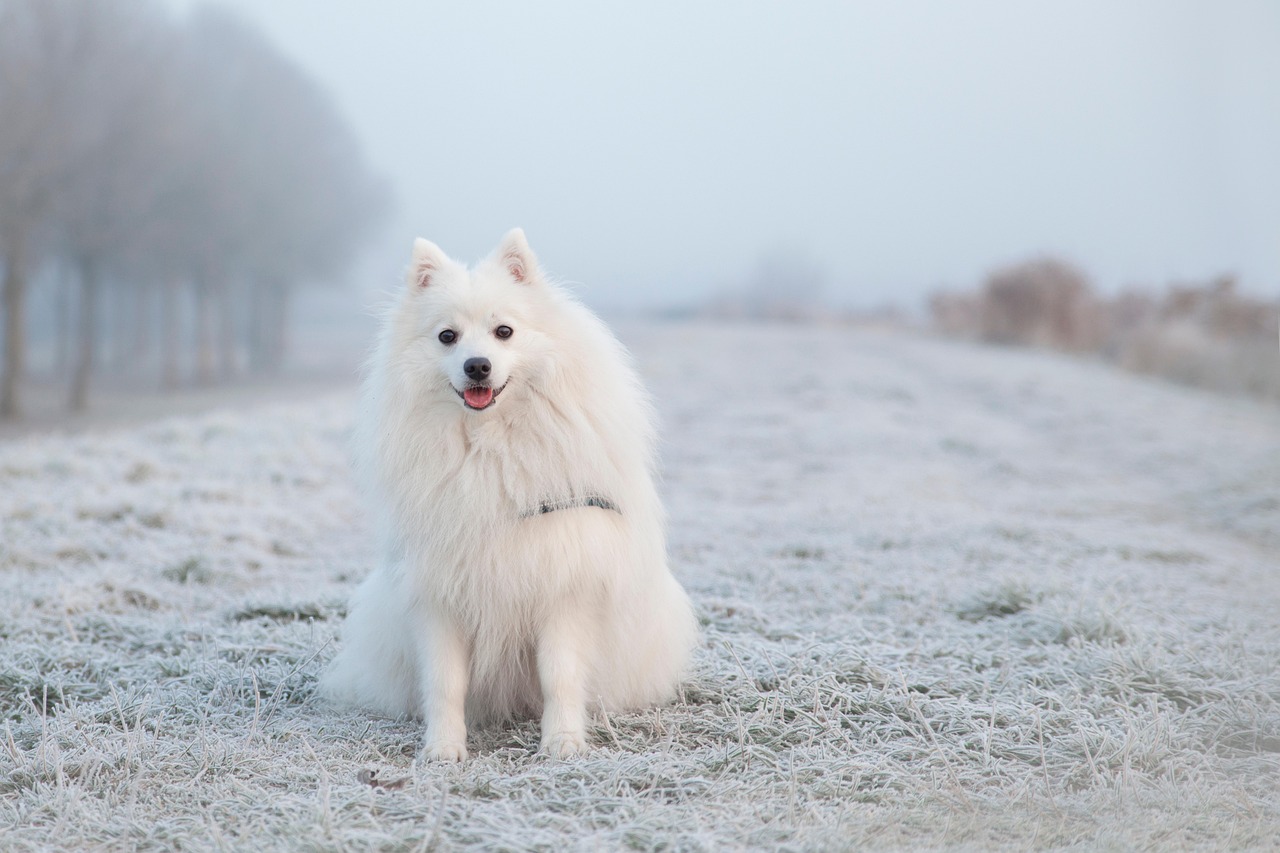
When a dog’s core temperature drops below 99 degrees Fahrenheit, they can experience hypothermia, a life-threatening condition that develops when the body loses heat faster than it can generate warmth. Puppies, seniors, and pint-sized dogs are most susceptible to hypothermia, though any dog can fall victim when exposed to extreme conditions for extended periods.
Frostbite often accompanies hypothermia, targeting extremities where blood circulation becomes restricted during cold exposure. Ears, paws and tail tips are most commonly affected, and the damage isn’t always immediately visible. Frostbite is harder to detect initially, and it may take a few days to determine the extent of the damage.
Watch for telltale warning signs like excessive shivering, lethargy, or your dog seeking warm places to burrow. Shivering, whining, pulling their paws back, tucking their tail, and avoiding going outside indicate that your dog is feeling the cold. The moment you notice these symptoms, bring your dog inside immediately and contact your veterinarian if symptoms persist.
Toxic Antifreeze: The Sweet Poison That Attracts Dogs
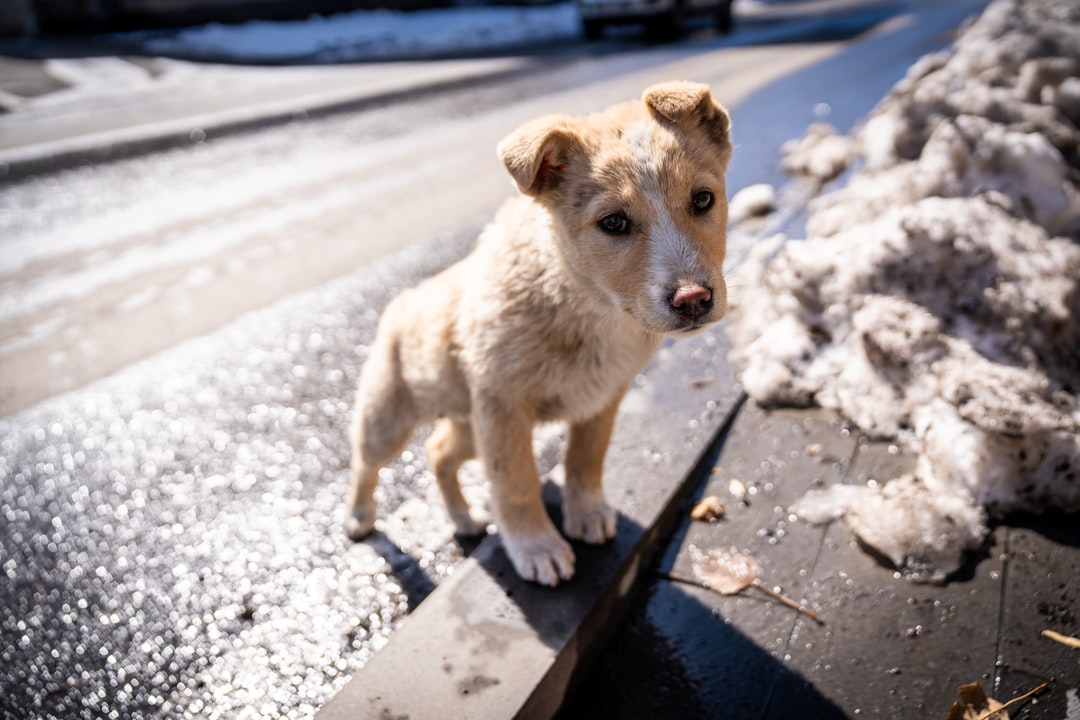
Antifreeze presents one of winter’s deadliest threats to dogs, precisely because it seems so harmless on the surface. Antifreeze poses a special danger for dogs because it emits a sweet, tantalizing odor, making it irresistible to curious canines who encounter puddles on driveways or streets. Antifreeze products containing ethylene glycol can be deadly to pets.
When the temperature dips, hoses and hose clamps also contract, and rubber gaskets may pull away from metal surfaces and allow fluid to escape, resulting in puddles of antifreeze scattered across streets and driveways. Even tiny amounts can prove fatal, which is why immediate veterinary intervention becomes critical if you suspect ingestion.
Prevention involves thorough cleanup of any spills around vehicles and choosing safer alternatives when possible. Consider using products that contain propylene glycol rather than ethylene glycol, which are less toxic though still requiring careful handling. Always keep antifreeze containers securely sealed and stored out of reach.
Road Salt and De-Icing Chemicals: Burning Paw Pads and Toxic Ingestion
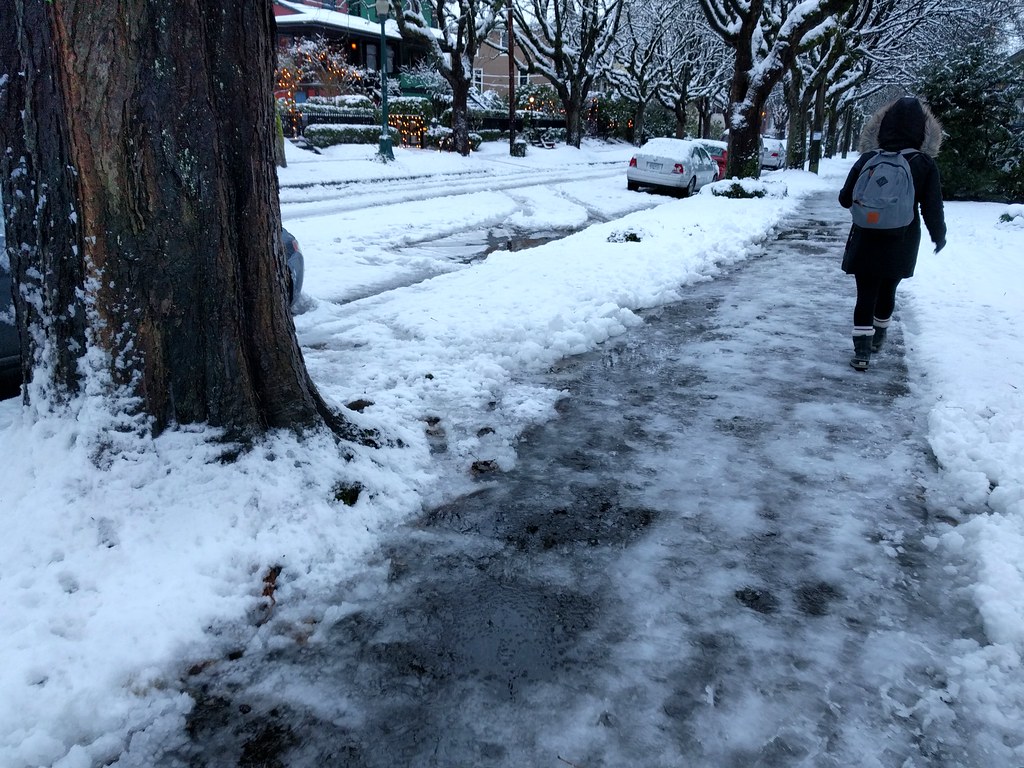
The very substances that make winter walking safer for humans create a chemical minefield for our four-legged friends. Common types of ice melts are sodium chloride, magnesium chloride and potassium chloride, which can cause mild skin irritation, while calcium chloride is more dangerous and can cause chemical burns on the paws and burns in the mouth and stomach when ingested.
It’s easy for these pellets to get stuck to or wedged between the pads of a dog’s paws, where they can cause a burning sensation, and when the dog licks his paws for relief, he consumes the rock salt or chemicals. Ingesting 2-3 grams of salt per kilogram of the dog’s body weight could be lethal – for example, if a 20 pound dog ate 1.28 ounces of rock salt, it could be fatal.
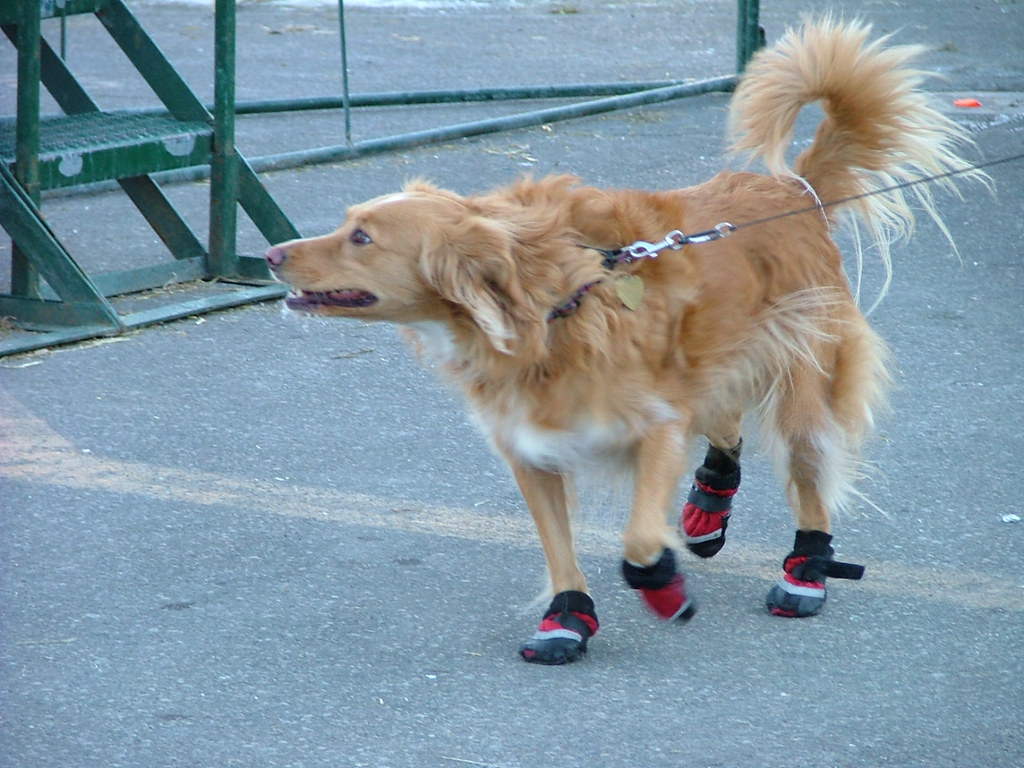
The solution lies in post-walk paw care and protective measures. Wipe or rinse the paws after a walk using a towel or pet wipe, or briefly soak the paws in lukewarm water and then wipe them off to remove salt and chemicals. Consider applying protective paw balm before walks or investing in well-fitted booties to create a barrier against these harmful substances.
Ice-Related Injuries: Hidden Dangers Beneath the Snow
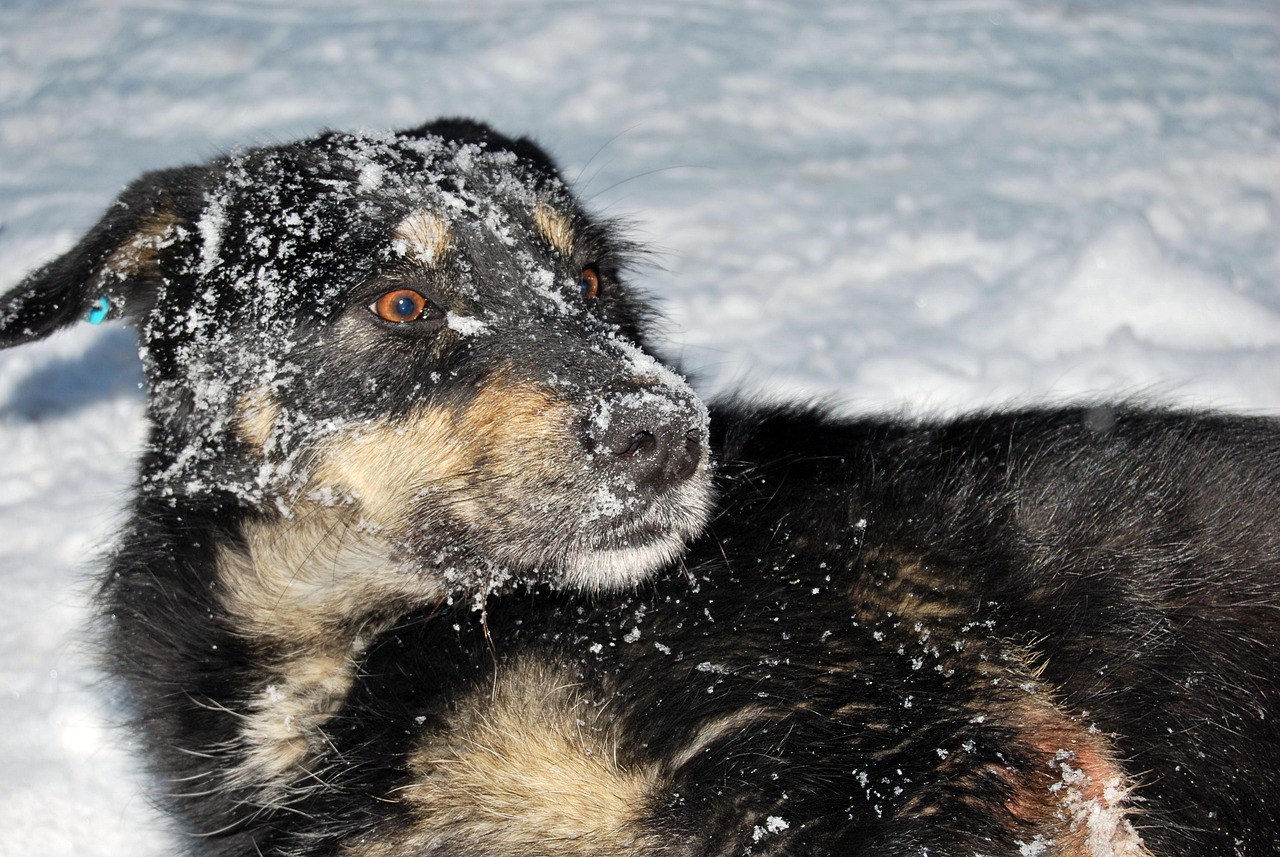
Ice creates multiple hazard categories that many dog owners overlook until it’s too late. Ice can cut into paw pads, and clumps of snow can get stuck to the fur between the toes, creating painful ice balls that restrict movement and potentially cause frostbite. Snow and ice can compact between your dog’s toes, forming hard clumps that lead to frostbite or general discomfort, especially for long-haired dogs.
Frozen bodies of water present another serious threat that often catches pet owners off guard. Use extreme caution around frozen ponds or lakes and do not walk dogs on frozen bodies of water to avoid the risk of falling in through weak ice that can’t support their weight. Even experienced dogs can’t accurately judge ice thickness or stability.
Snow can conceal sharp objects like broken glass or debris, which can injure paw pads, making every step potentially dangerous. Regular paw inspections during and after walks become essential for identifying problems before they worsen. Look for cuts, embedded objects, or signs of ice buildup between toes.
Reduced Visibility and Traffic Hazards: When Darkness Meets Winter Weather
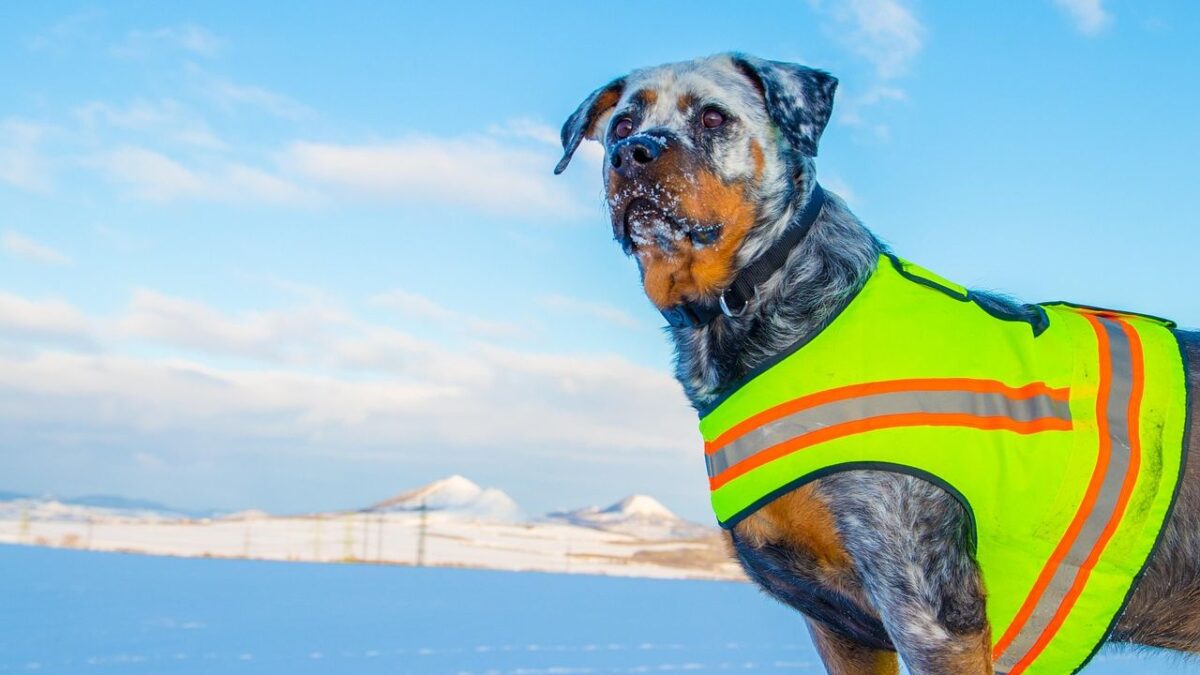
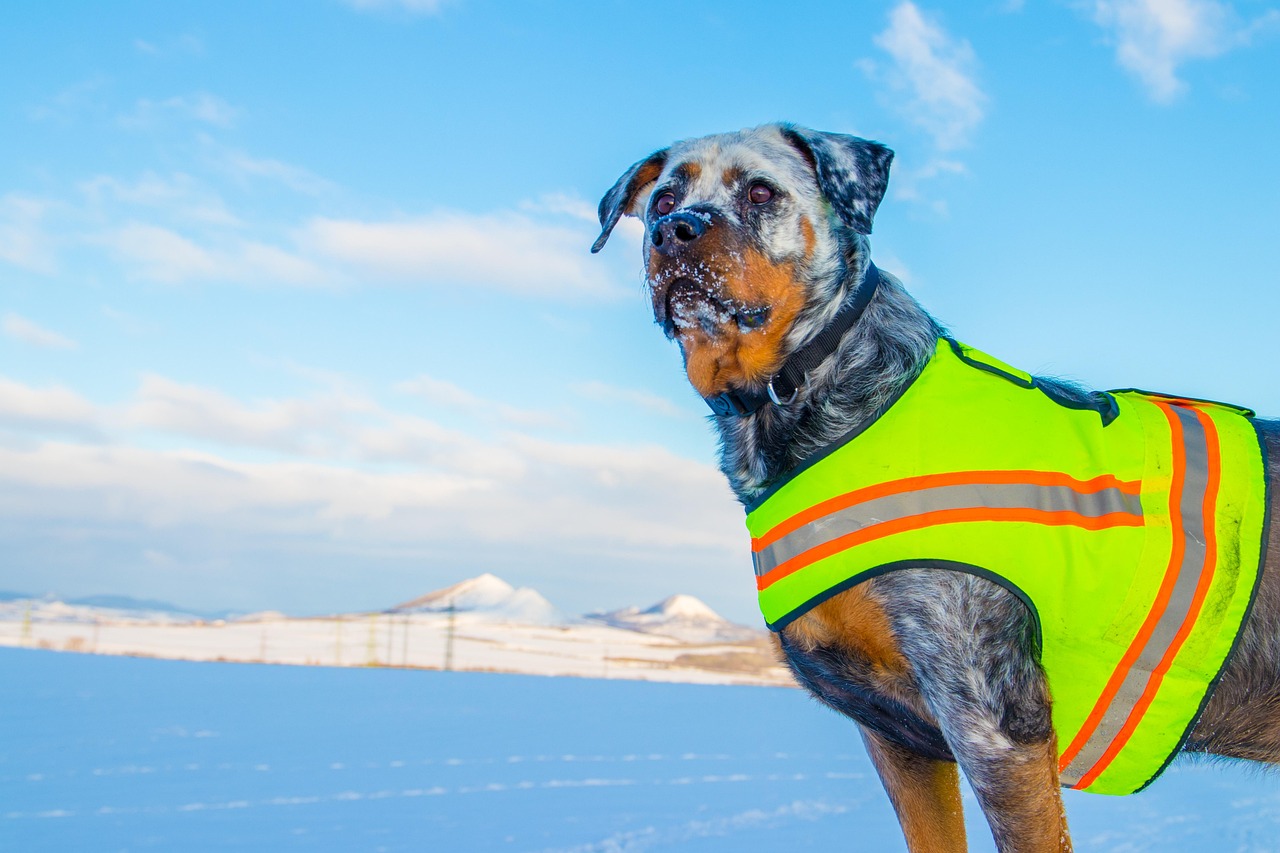
With shorter days in the winter, morning and evening dog walks are often done in the dark, dramatically increasing the risk of traffic accidents and other visibility-related injuries. When walking your dog at dusk, dawn or dark, wear reflective clothing and carry a flashlight so drivers can easily see you, and consider a reflective or light-up collar or leash for your dog.
Winter weather compounds visibility problems through snow glare, fog, and precipitation that makes it harder for both drivers and pedestrians to see clearly. If your dog pulls on leashes, consider switching to a front-clipping harness and avoid using expandable leashes to prevent accidental slips on ice. Maintaining close control becomes even more crucial when navigating slippery sidewalks and reduced visibility conditions.
It is much easier for pets to become lost during winter, especially since snowstorms bury familiar scents. Dogs rely heavily on scent markers to navigate their world, and snow effectively erases these olfactory landmarks. Keep identification tags updated and consider a GPS tracker for dogs who might bolt if startled by winter sounds like snow plows or ice falling from roofs.
Indoor Heating Hazards and Winter Behavioral Changes
Many pet parents focus exclusively on outdoor winter dangers while overlooking indoor hazards that develop during heating season. Indoor heating keeps us cozy but can dry out your dog’s paws, causing paw pads to crack and dry out, which is uncomfortable and may lead to more serious issues if untreated. Repeatedly going into the cold and then coming back into a warm home can cause itchy, flaking skin.
When the weather gets chilly, outdoor cats and other animals seek out warm resting places like car hoods next to still-warm engines, which can result in burns if the engine is too hot or much worse if the car is turned on – always knock on your car hood and honk your horn to scare away any hiding animals before starting your vehicle. This applies to your own pets who might seek warmth in dangerous locations.
Winter also brings increased use of space heaters, fireplaces, and heating pads that pose burn risks to pets seeking warmth. With the colder weather, rodents seek warmth indoors, so more people use poisons around their homes, and pets might eat the bait before any rats or mice do. Even successful rodent control creates secondary poisoning risks if dogs consume poisoned rodents.
Conclusion
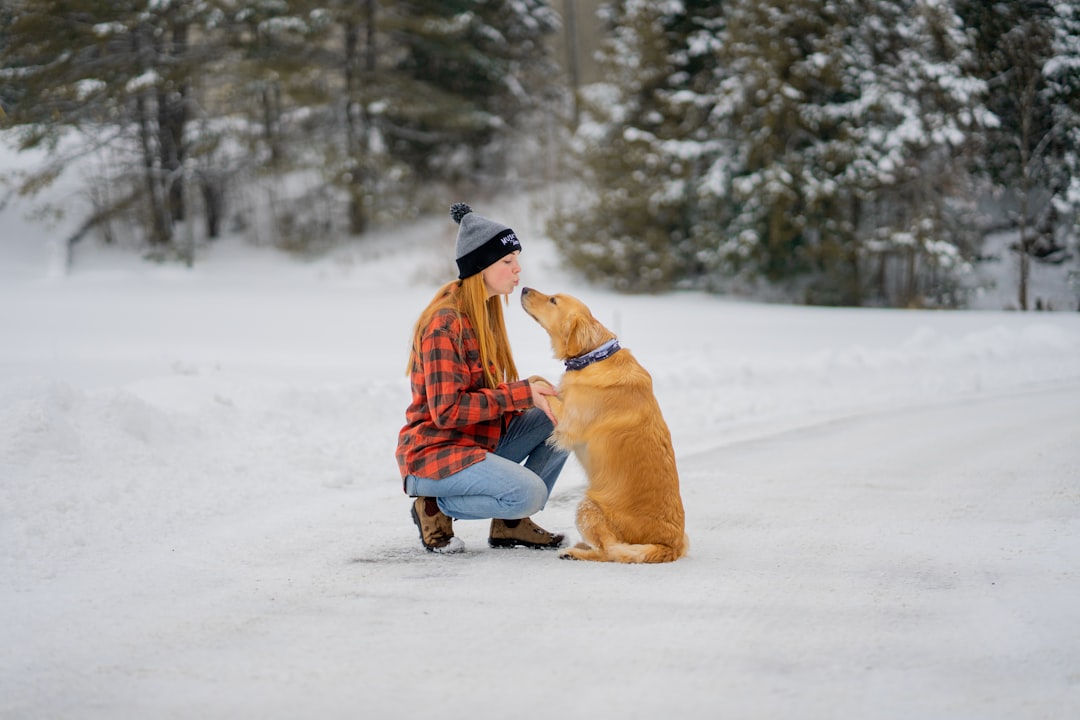
Winter doesn’t have to be a season of worry and anxiety for dog parents. Armed with knowledge about these six major hazards, you can take simple preventive steps that keep your furry family member safe while still enjoying the magic of the season. Remember that preparation beats reaction every time. Stock up on paw balm, invest in well-fitting booties, establish post-walk cleaning routines, and always trust your instincts when something seems off with your dog’s behavior or health.
The key lies in striking the right balance between caution and enjoyment. Your dog still needs exercise, mental stimulation, and outdoor adventures during winter months. They just need a more vigilant guardian watching out for their wellbeing. By staying alert to these common winter threats and taking appropriate precautions, you and your canine companion can create wonderful cold-weather memories that last a lifetime. What winter safety measures have you found most effective for keeping your dog protected? Share your experiences with other pet parents who might benefit from your wisdom.
