
Have you ever wondered which American cities are quietly losing a battle against an invisible army of tiny invaders? While we’re busy scrolling through news about politics and weather updates, rats and mice have been staging their own territorial conquests across the urban landscape. The numbers tell a story that most of us don’t want to hear but desperately need to know. From gleaming coastal cities to historic northeastern hubs, rodent populations are exploding at alarming rates, and some places are dealing with infestations that would make your skin crawl.
These aren’t just random occurrences or isolated incidents. There’s a pattern emerging, shaped by climate shifts, urban sprawl, and human behavior that’s essentially rolling out the welcome mat for our furry foes. So let’s dive into which cities are struggling the most.
Los Angeles Claims the Unwanted Crown

In a historic shift, Los Angeles has dethroned Chicago from its decade-long reign as the top spot on Orkin’s Rattiest Cities list. Think about that for a second. The City of Angels, known for palm trees and movie stars, now has another claim to fame that nobody asked for.
Year-round warm weather, a booming culinary scene and dense neighborhoods offering ample access to food and shelter make Los Angeles check every box for rodent survival. The irony isn’t lost here. Los Angeles’ dense population, compact community structure, high restaurant density and warm climate together create perfect conditions for rodent survival.
Chicago Slides to Second Place
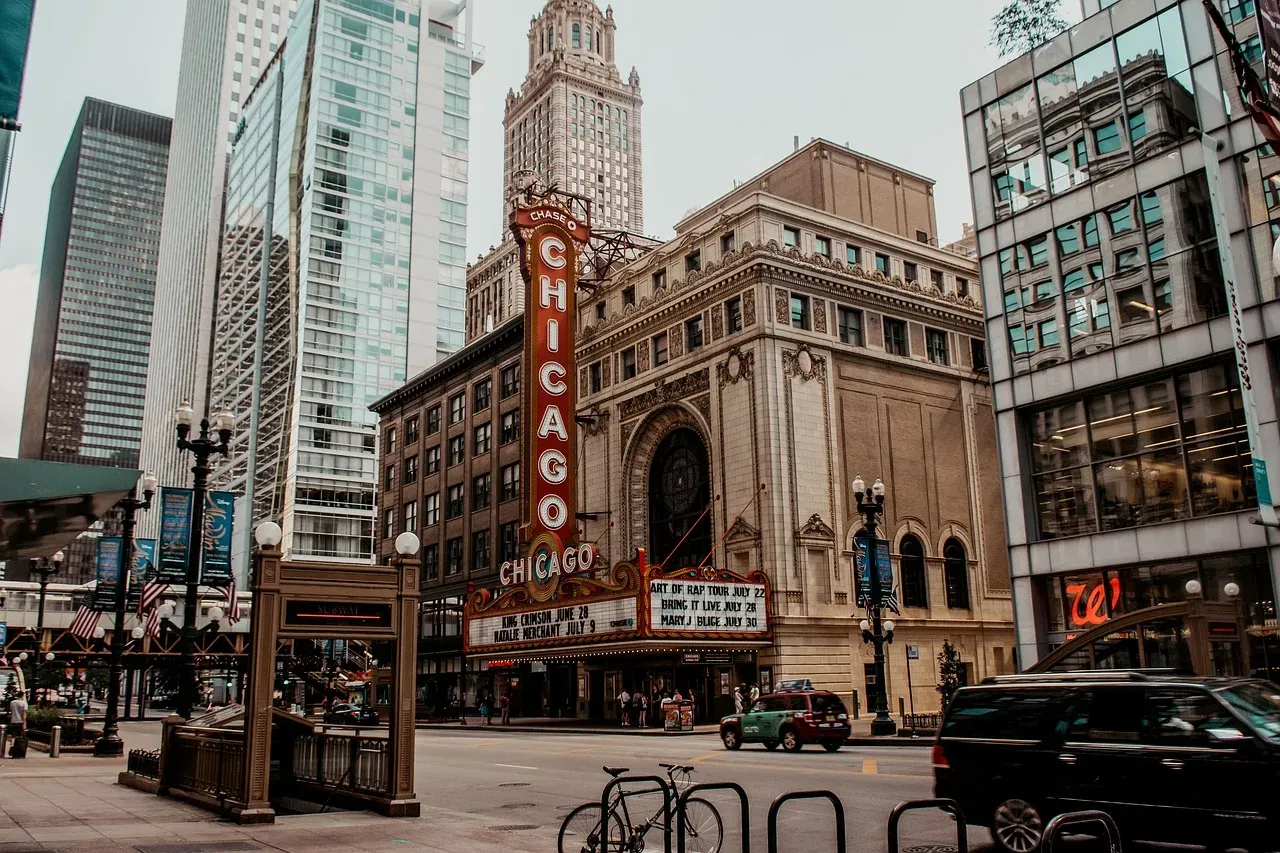
For the tenth year in a row, Chicago held the title of the Rattiest City in America until 2025. Even though it dropped to second place, the Windy City still battles serious rodent problems. Chicago’s abundance of alleys provides rodents with hidden havens, offering plenty of space to hide while feasting on trash.
Here’s the thing about Chicago. Rodents love to burrow, finding shelter beneath subway tracks or around underground pipes, and in these hidden spots, the rodent population can grow if left unchecked. The city spends millions trying to manage this crisis, yet the rats keep coming back.
New York City Continues Its Notorious Struggle
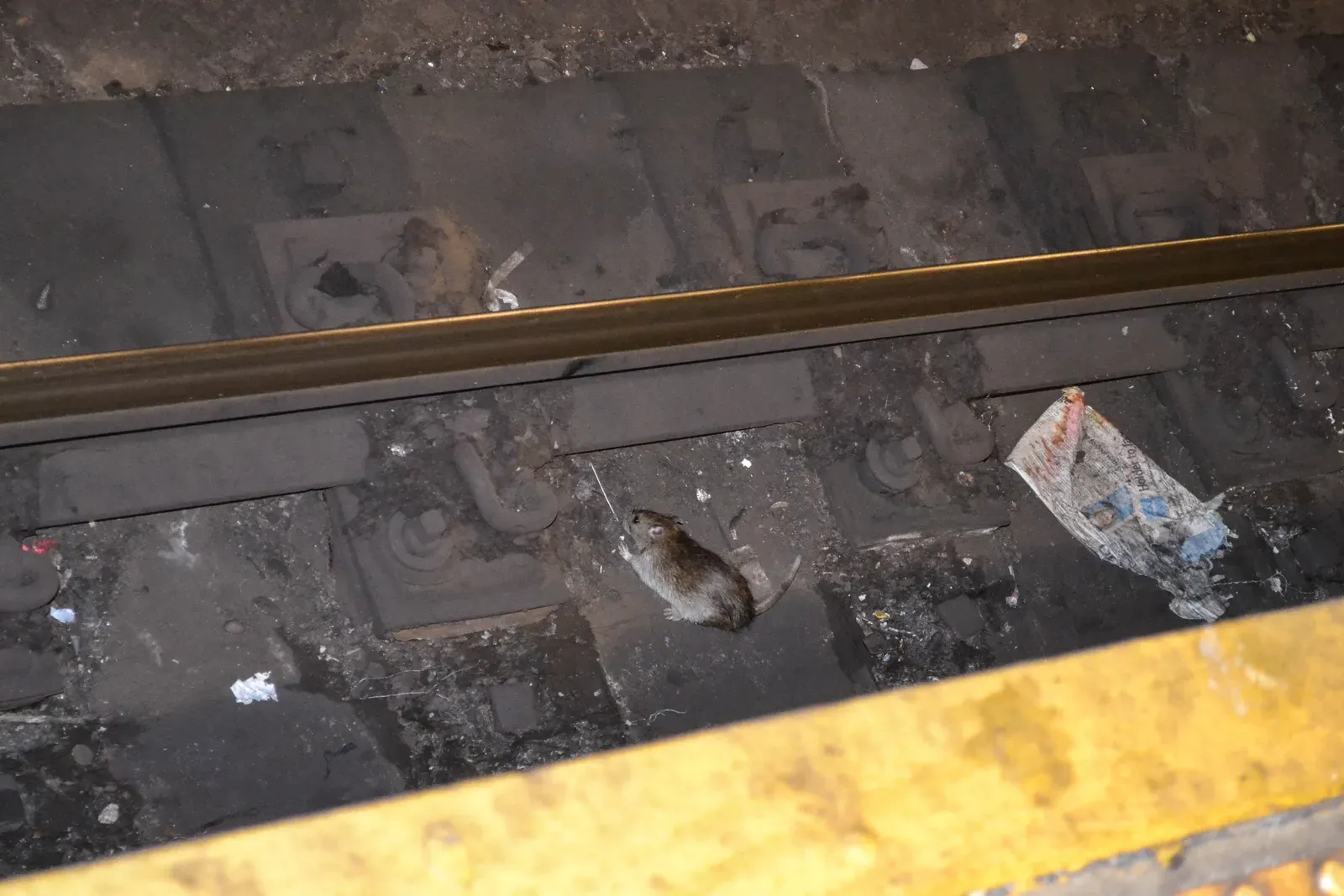
New York City follows at third place, with its vast subway system and abundance of food and shelter sources contributing to ongoing pest challenges. Anyone who’s lived in or visited NYC knows this isn’t news. A recent study claims that there are now over 3 million rats in NYC, a 50 percent increase since 2010.
The Big Apple got so desperate that it took drastic measures. In 2023, the city appointed its first “Rat Czar” to combat the issue full-time. According to the city’s sanitation department, the number of rat complaints decreased by up to 66% in the year following the trash can implementation in September 2023.
San Francisco’s Growing Rodent Crisis

San Francisco ranks fourth among the nation’s most infested cities, and the problem keeps getting worse. The city has experienced a 10% increase in rats over the last 12 years, largely due to rising urban temperatures. Let’s be real, warmer weather means rats can breed longer and survive winters more easily.
Fisherman’s Wharf in San Francisco is the biggest tourist trap in the country, full of food and plenty of people, making it a rat’s paradise. Meanwhile, California has become a hotspot, and some have pointed to the state’s passing of the Poison-Free Wildlife Act, which banned most rat poisons, as a possible accelerant.
Washington DC Stands Out Among the Worst
A 2024 study by RentHop found that the nation’s capital had the highest number of rat complaints per 10,000 residents. That’s honestly shocking when you think about it. The seat of American power can’t even control its rodent population. On several occasions in the last five years, the city has even closed down public parks due to infestations.
Even among the rattiest cities identified in studies, Washington, DC, stood out. The problem has become so pervasive that residents are now accustomed to seeing rats in broad daylight, not just scurrying through alleyways at night.
Philadelphia and Baltimore Face Major Infestations

East Coast cities are hotspots, with Philadelphia, New York, Washington, D.C., Baltimore, and Pittsburgh identified among the 50 most rodent-infested cities. Philadelphia consistently ranks high on every major pest control company’s list. Baltimore’s situation has gotten so dire that officials tried something radical.
The rodent problem in Baltimore has escalated to the point that the city has begun using rat contraceptives in place of traditional bait poisons to better manage its growing population. Think about that. They’re literally trying to control rat birth rates now. Meanwhile, these cities battle aging infrastructure that provides endless entry points for rodents.
Detroit, Boston, and Other Major Metropolitan Areas

Detroit has climbed Orkin’s rankings each of the last three years, prompting the city to spend upwards of $300,000 annually combating the problem, including providing free traps and bait stations to residents. That’s taxpayer money being thrown at a problem that refuses to go away. Boston isn’t faring much better.
Though complaints slightly dipped last year, Boston remains one of the most rodent-infested cities in America, and in 2024, city officials implemented a rat control action plan for every neighborhood. Cities like Seattle, Sacramento, and Minneapolis also feature prominently on national lists, showing this isn’t just an East Coast problem or a California issue.
Understanding the Widespread Impact
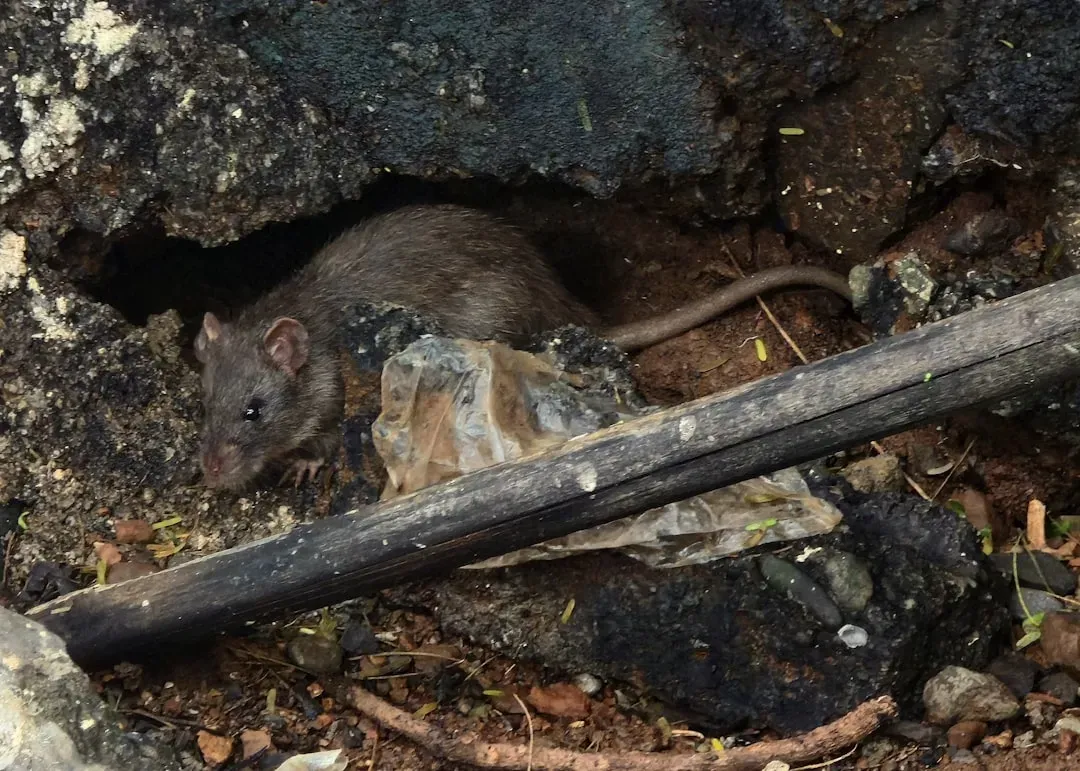
Here’s what really matters beyond the rankings. Each year, rodents invade an estimated 21 million homes in the U.S., with the majority of infestations occurring in the colder months. That’s not just a few unlucky homeowners; that’s a massive national crisis affecting millions of families.
In the U.S. alone, mice and rats cause over $200 million in vehicle repairs each year. They cause an estimated $27 billion of damage each year . Studies linked rat increases to several factors, including high population densities and low amounts of urban vegetation, but the predominant influence was warmer average temperatures. Climate change isn’t just melting ice caps; it’s making cities more hospitable for rodents who thrive in moderate conditions year-round.
What do you think about your city’s rodent situation? Did you expect some of these places to rank so high? The reality is sobering, and it’s only getting worse as urban areas expand and temperatures rise.
