
You might think that choosing a pet is all about finding the cutest face or the most unique creature. Many people dream of owning something wild, exotic, or just plain different from the usual cat or dog. However, there’s a darker side to this desire that most folks don’t consider until it’s too late.
Veterinarians across the country have seen firsthand the consequences of poorly chosen pets. From severe injuries to devastating diseases, some animals simply weren’t meant to live in our homes. What makes a pet dangerous isn’t always obvious at first glance either. So let’s take a closer look at the creatures that professionals strongly advise against bringing into your home.
Big Cats Are Beautiful But Deadly
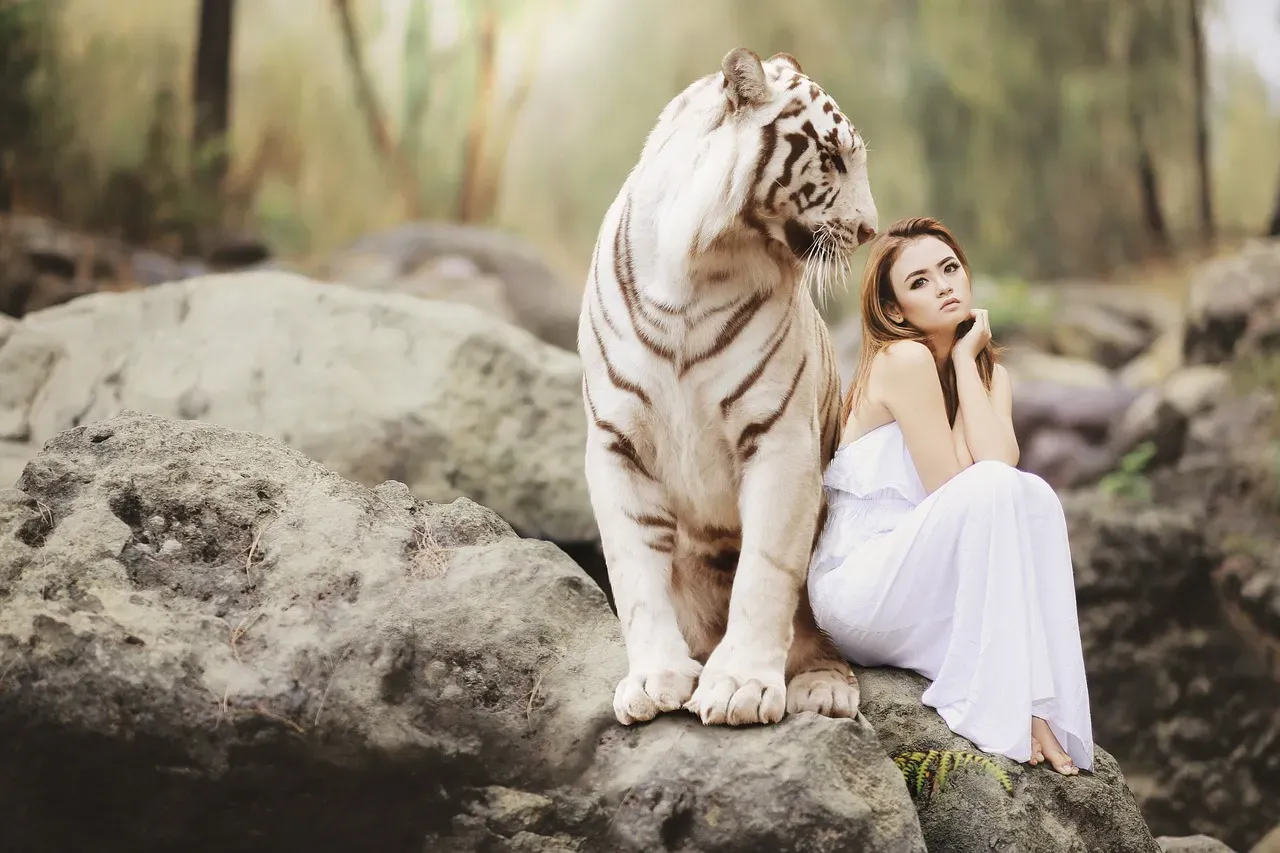
Thousands of captive tigers live with private owners rather than in accredited zoos across the United States. That should tell you something right there. These exotic animals are cute and cuddly when they are young but have the potential to kill or seriously injure people and other animals as they grow.
Owning big cats such as tigers or lions requires extensive resources for large outdoor spaces, specialized diets, and proper veterinary care. The American Veterinary Medical Association doesn’t mince words on this topic either. They strongly oppose keeping wild carnivore species as pets and believe all commercial traffic of these animals for such purposes should be prohibited.
Even if you think you’ve bonded with a tiger or lion, their predatory instincts never disappear. Even a seemingly friendly and loving animal can attack unsuspecting individuals. It’s hard to say for sure, but the risk simply isn’t worth taking when human lives are at stake.
Primates Carry Fatal Diseases
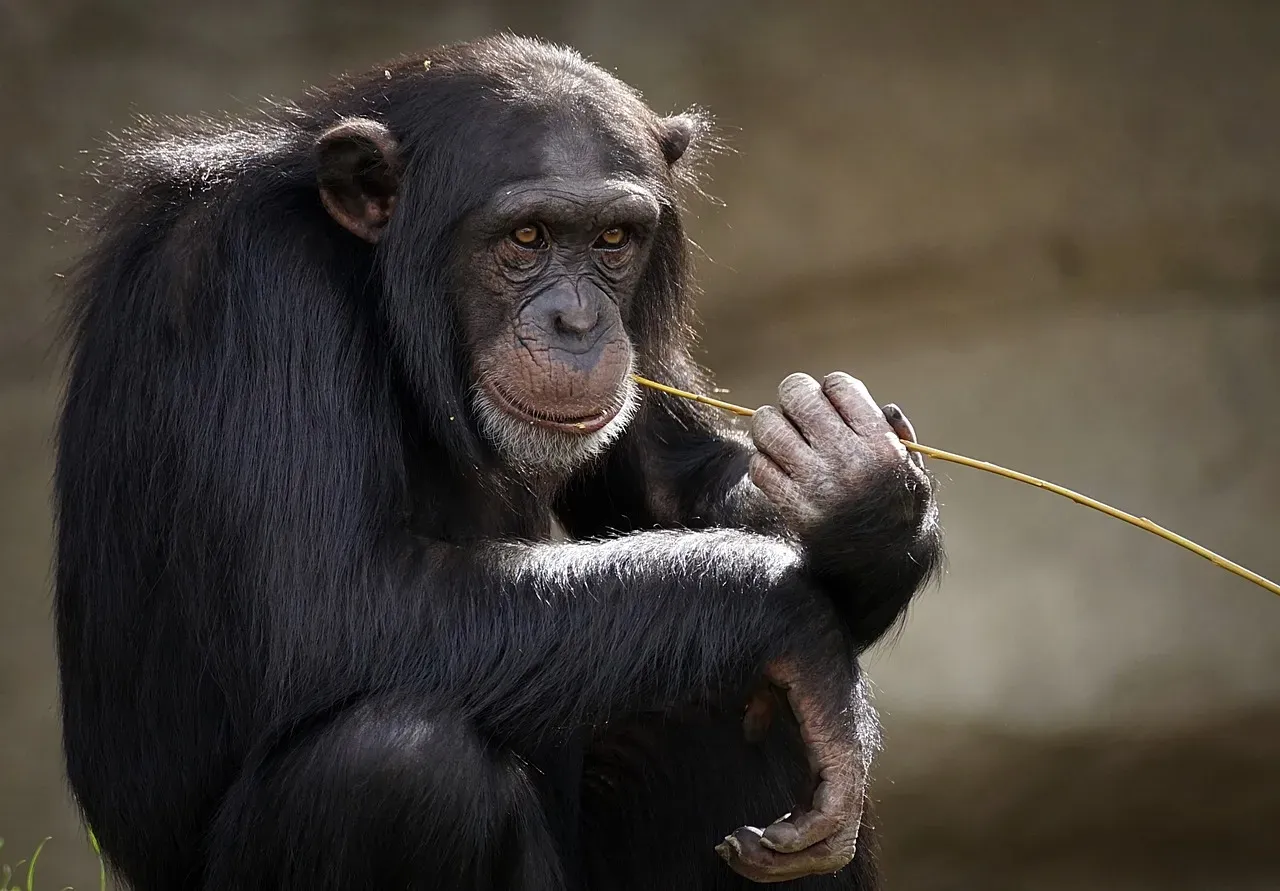
Monkeys might look adorable in videos, yet the reality of primate ownership is genuinely terrifying. At the age of two, monkeys begin to exhibit unpredictable behavior, with males becoming aggressive and both males and females biting to defend themselves and establish dominance.
Here’s the thing that really gets me. Macaques can transmit the potentially fatal Herpes B virus, and a large percentage of macaque monkeys carry the Herpes B virus. Let’s be real, that’s not something you want to gamble with.
Veterinarian Jane Mahlow points out that buying exotic pets such as monkeys can be dangerous to both humans and the animals themselves. Many monkey bites have resulted in serious injury to the individual who possessed the animal, to a neighbor, or to a stranger on the street. The CDC even tracked these incidents, documenting the serious risks involved.
Reptiles Pose Multiple Threats
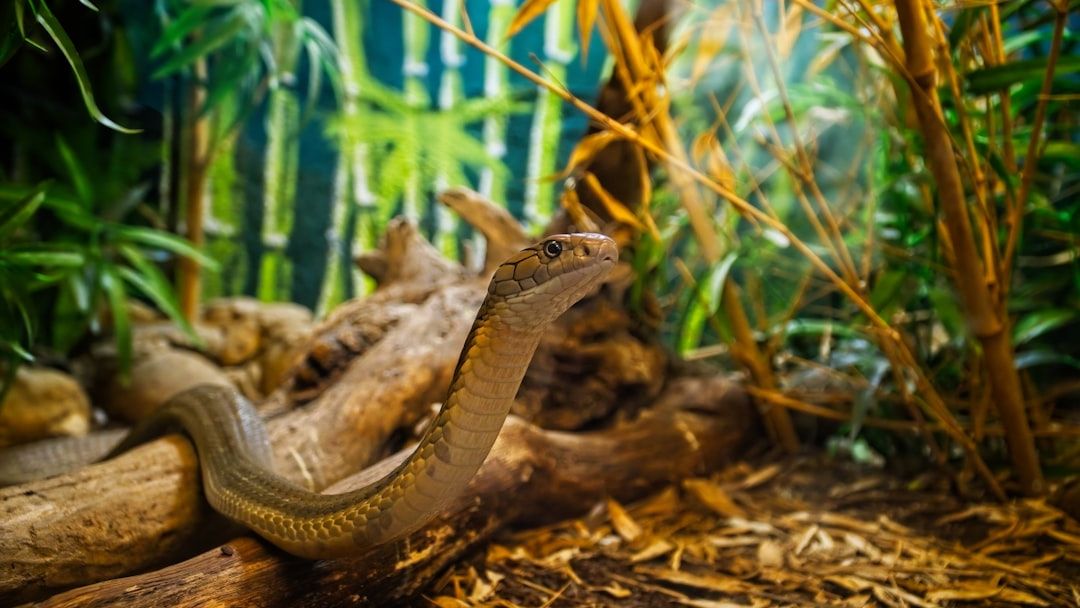
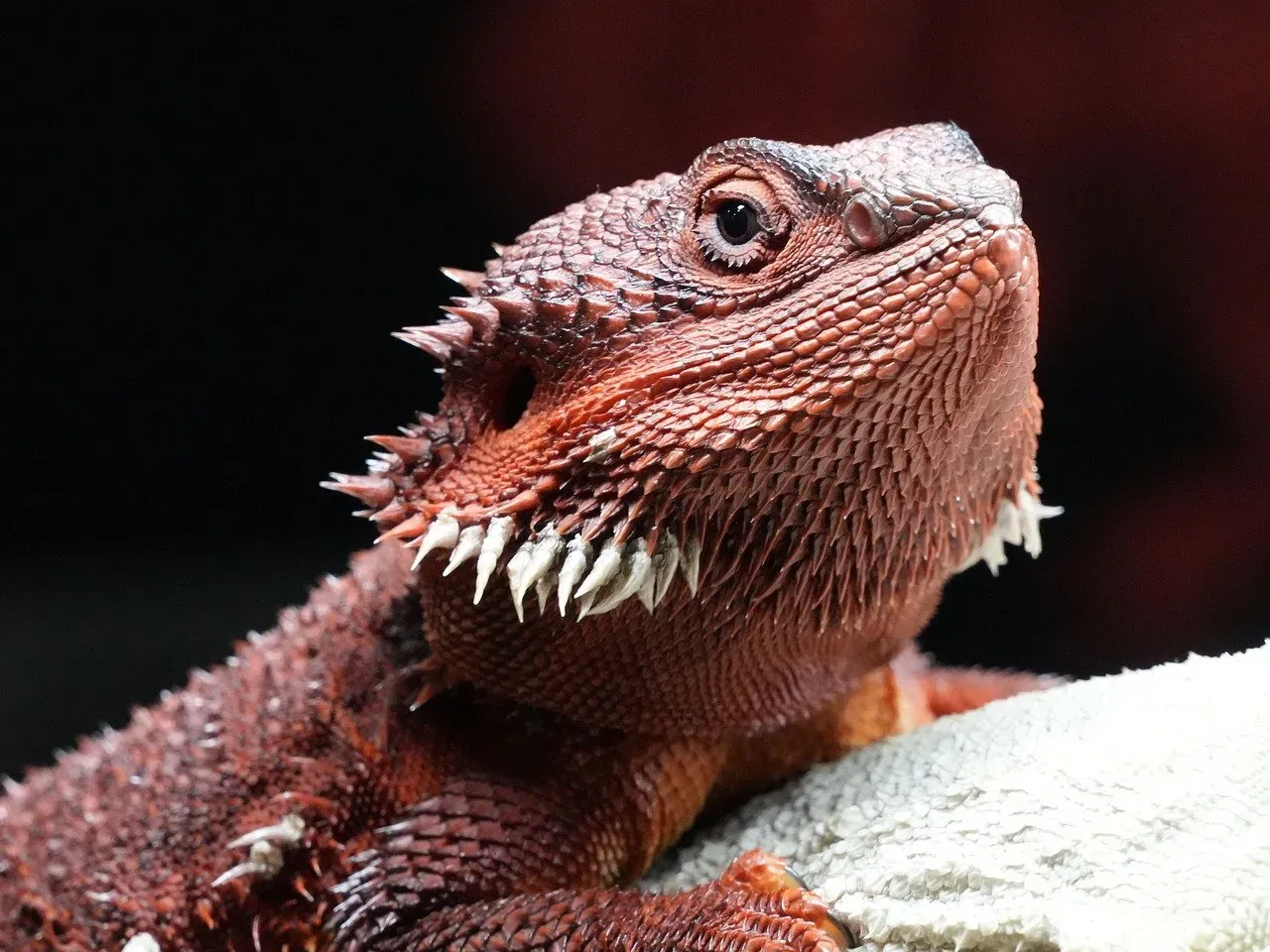
Snakes and other reptiles seem like low-maintenance pets, but veterinarians warn otherwise. According to statistics from the Humane Society of the United States, 18 deaths were attributed to exotic reptiles between 1990 and 2011. That includes pythons, boa constrictors, and venomous species.
The disease risk alone should make you think twice. The Centers for Disease Control and Prevention estimates that roughly 90 percent of all reptiles carry and shed salmonella bacteria in their feces. Organizations like the CDC recommend that children under five avoid contact with reptiles due to the risk of Salmonellosis.
Large snakes like pythons can be unpredictable and pose safety risks to families, with Burmese pythons growing over 20 feet long and requiring live prey. Honestly, the care requirements alone are beyond what most people can handle. Reptiles pose safety risks to humans, with many incidents reported of escapes, strangulations, and bites from pet reptiles across the country.
Owls Require Impossible Care Standards
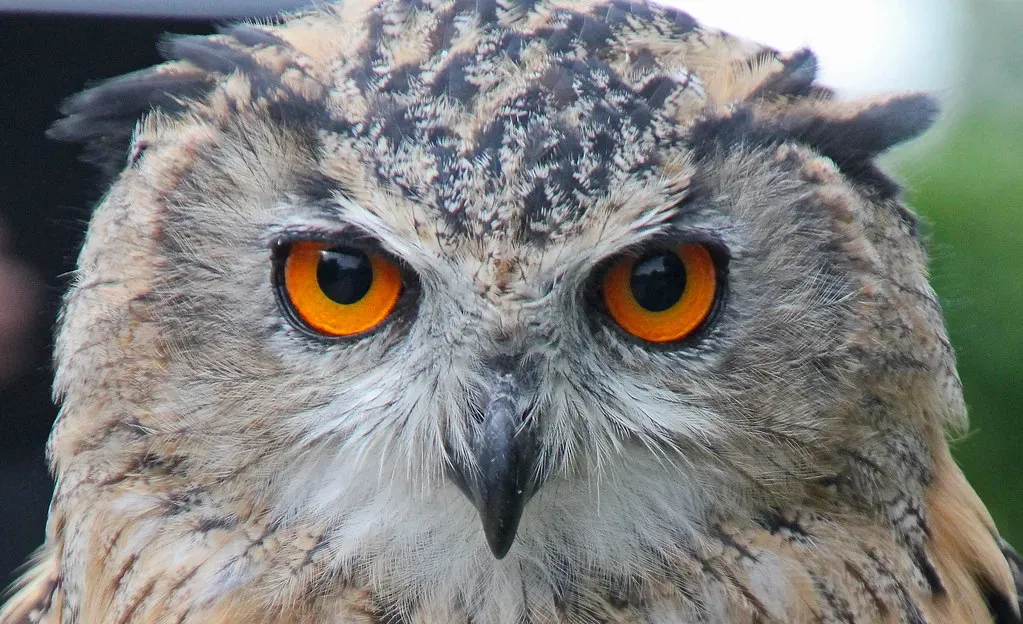
The popularity of certain fantasy franchises made owls seem like desirable pets. Reality couldn’t be more different. It is completely illegal to keep an owl as a pet in the United States, and few private owners can comprehend the level of care involved, the nocturnal noise, and the level of destruction an owl can be capable of in a residential home.
Even most veterinarians don’t have adequate levels of training to adequately and safely care for owls, including regular talon and beak maintenance. Think about that for a moment. If trained vets struggle with these birds, what chance does the average person have?
Owls use their beaks and sharp talons to eviscerate and kill prey and attack threats, including human adults and children if threatened. If keeping your chest freezer stocked with frozen rats, mice, and rabbits, plus thawing and dicing dead animals every night for the next 10 years isn’t appetizing, then you’re not cut out for owl ownership. I know it sounds crazy, but that’s the actual commitment required.
Exotic Mammals Hide Serious Problems

Exotic animals like lions, tigers, wolves, bears, and non-human primates belong in their natural habitats and not in the hands of private individuals as pets. Exotic animals retain their wild instincts and can pose safety risks, with many being carriers of zoonotic diseases that can be transmitted to humans.
The financial burden is also staggering. Although some people believe exotic pets are cheaper, the costs are often equivalent to or even higher than those of traditional pets, with owners facing high costs for intricate habitats, specialized food, and specialized veterinary care.
An exotic pet housed wrong, fed a nutritionally deficient diet, or not monitored properly is a recipe for disaster, as exotics hide illness as a survival mechanism so people often present these creatures to a veterinarian when they are too far gone. Most troubling of all, many exotic pets are too far gone when the vet first sees them, making the lack of success the most difficult part of exotics practice. That’s heartbreaking for everyone involved.
Conclusion: Listen To The Experts
The allure of exotic and dangerous pets can be strong, especially when you see them as adorable babies or in carefully edited social media posts. Yet veterinarians who work with these animals day in and day out paint a very different picture. They’ve witnessed the injuries, the diseases, the financial ruin, and the tragic outcomes that so often follow.
The American Veterinary Medical Association, the United States Department of Agriculture, and the Centers for Disease Control and Prevention have all expressed opposition to the possession of certain exotic animals by individuals. When multiple major health and veterinary organizations agree on something, it’s probably worth listening.
The truth is, these animals deserve to live in environments where their complex needs can actually be met. Bringing them into homes where they don’t belong creates suffering for both the animals and the people around them. Before you consider an unusual pet, ask yourself if you’re truly prepared for the reality, not just the Instagram-worthy moments.
What’s your take on exotic pet ownership? Have you ever considered one of these animals before learning about the risks? The conversation matters, because education is often the only thing standing between a dangerous decision and a safe one.
