

Most people picture a black bear as a large, lumbering creature wandering through forest edges in search of berries or fish. That image isn’t wrong, but it’s barely scratching the surface. Black bears are among the most behaviorally complex, physically capable, and ecologically important animals in North America, and a lot of what most people assume about them turns out to be either incomplete or outright surprising.
There’s far more going on inside that thick, dark coat than meets the eye.
They’re Not Actually Always Black
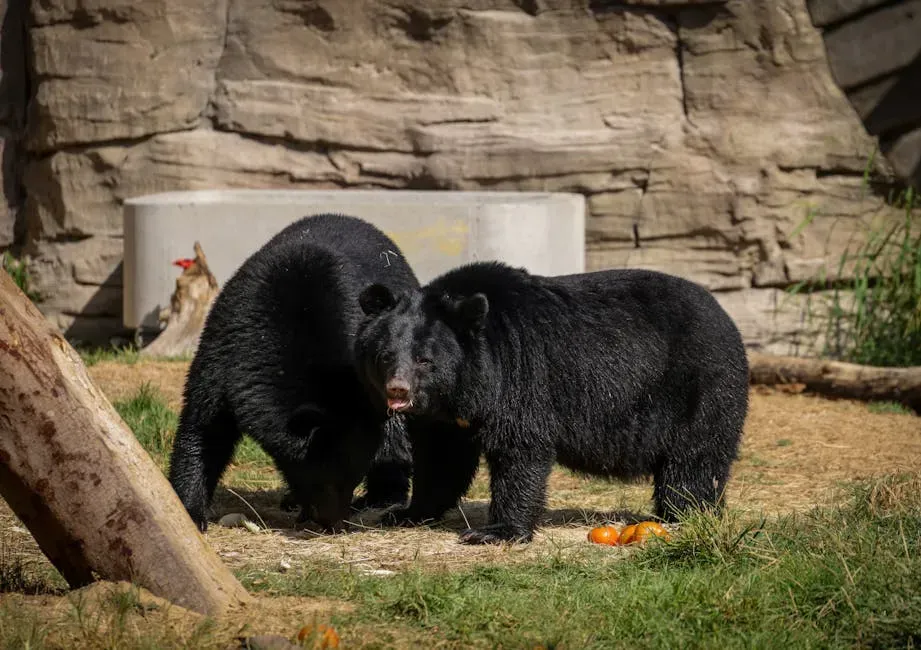
One of the most striking facts about black bears is their surprising color variation. Despite their name, black bears can range in color from traditional black to shades of brown, cinnamon, bluish-gray, and even white.
The color variations depend largely on where they live. In the Southeast, bears are mostly black and often have a brown snout, while in the western United States, their fur can also be shades of brown, cinnamon, or blond.
The white or “spirit” bear, a rare subspecies found in British Columbia, is particularly unique. It carries a deep cultural significance for Indigenous communities in the region, and seeing one in the wild is considered genuinely rare. So the next time someone tells you a bear “doesn’t look like a black bear,” they’re probably just seeing the full range of what this species actually looks like.
Their Sense of Smell Outperforms Almost Everything
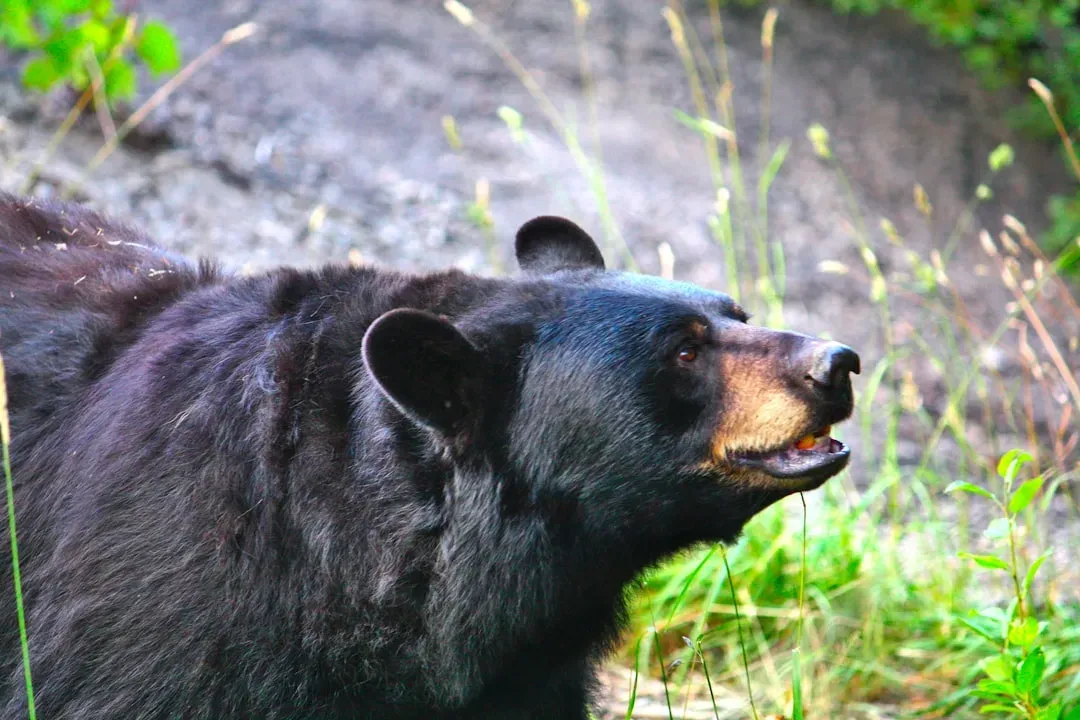
Black bears have excellent memories and their sense of smell is unparalleled – more than seven times greater than a dog. That’s a remarkable figure when you consider how capable dogs already are as scent animals.
They spend their days learning about particular foods and developing their memory about where they can be encountered. This isn’t random wandering. It’s a highly organized, sensory-driven strategy for survival.
Bears will travel more than 100 kilometres to a known food source like a berry patch or a stand of beech trees, and they will return to these same locations year after year. That kind of precision, guided largely by smell and memory, places their sensory capabilities in a different category entirely.
Black Bears Are Smarter Than Most People Realize
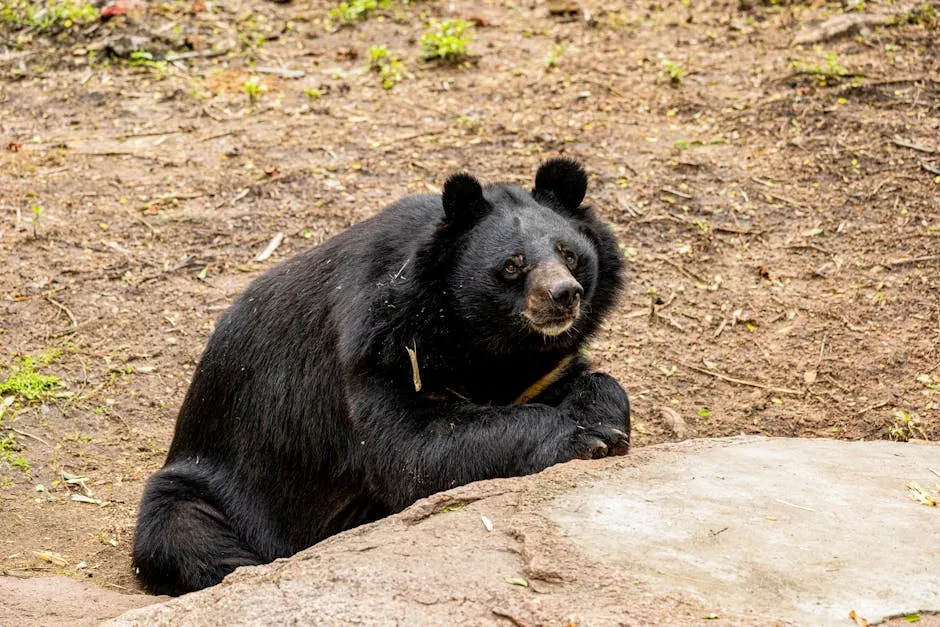
Considered by many wildlife biologists to be one of the most intelligent land animals of North America, bears possess the largest and most convoluted brains relative to their size of any land mammal. In the animal kingdom, their intelligence compares with that of higher primates.
American black bears are very intelligent and have excellent long-term memory and much better navigation skills compared to people. That navigation ability is especially striking. Bears can find their way home after being relocated significant distances away.
Bears have the largest relative brain size of any carnivore, which partially explains their problem-solving abilities in the wild. Black bears have been known to mimic human behaviors, such as opening car doors and coolers. That’s not coincidence or accident. It’s learned behavior, which tells you a lot.
Hibernation Is More Complex Than “Just Sleeping”
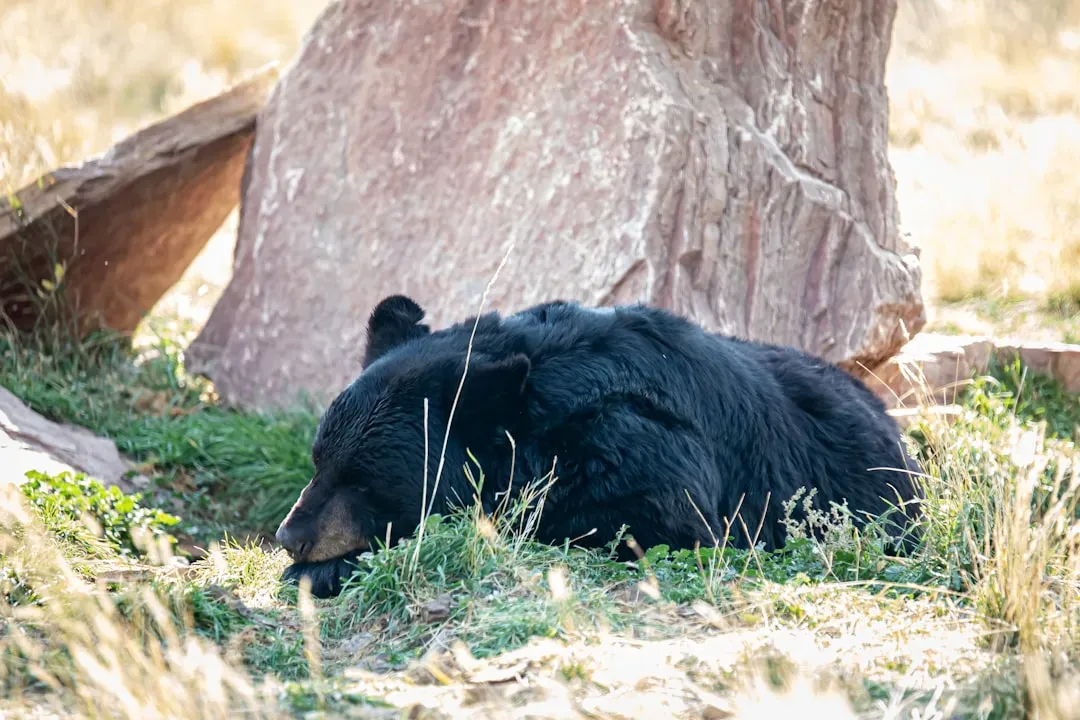
While in hibernation, black bear heart rates typically drop very substantially from 40 to 50 beats per minute down to 8 beats per minute, and there are other beneficial physiological changes which help them maintain this prolonged state of torpor, but their body temperatures do not drop significantly.
Unlike other hibernators, black bears are dormant but don’t need to wait to bring up body temperatures, and thus can awaken and arouse quickly. This condition allows bears to defend themselves and their cubs more effectively should an outside predator disturb them in the den.
Amazingly, black bears do not lose significant bone density or muscle mass during hibernation, a physiological feat that scientists are still trying to fully understand. Researchers studying this adaptation believe it could hold clues for treating human muscle and bone conditions. American black bears can survive without food during hibernation for as long as seven months.
Cubs Are Born Almost Impossibly Tiny
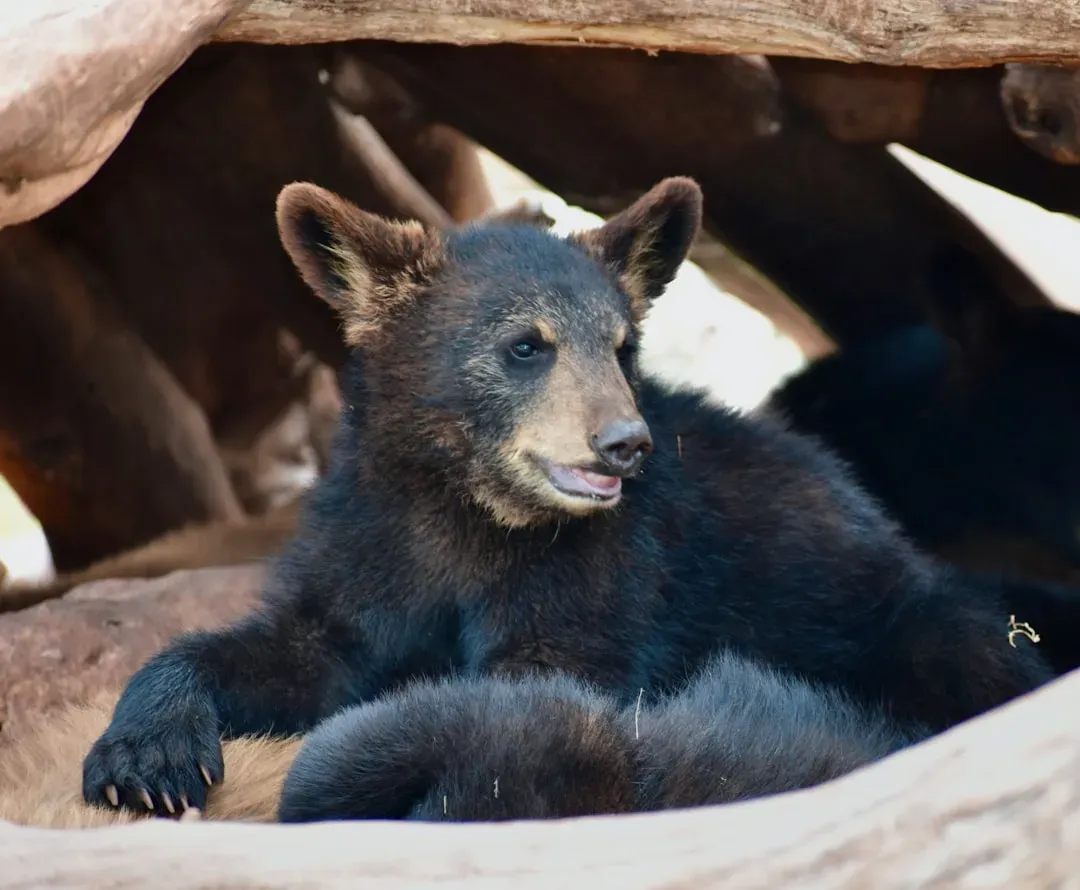
For an animal that can weigh over 600 pounds as an adult, black bear cubs start life astonishingly small. At birth, cubs are tiny and hairless, weighing just about half a pound. They’re born during winter hibernation, usually around January or February.
The cubs are blind and deaf, have poorly developed hindquarters, and are covered with fine down-like hair. They suckle frequently from the female in the den and emerge with her in the spring.
Impregnated females go through a process called delayed implantation, so actual embryo development does not begin until November or December. This means the mother’s body essentially pauses the pregnancy until conditions inside the den are right, a remarkable biological adaptation that ensures the cubs are born at the safest possible time.
They’re Deceptively Fast and Athletic
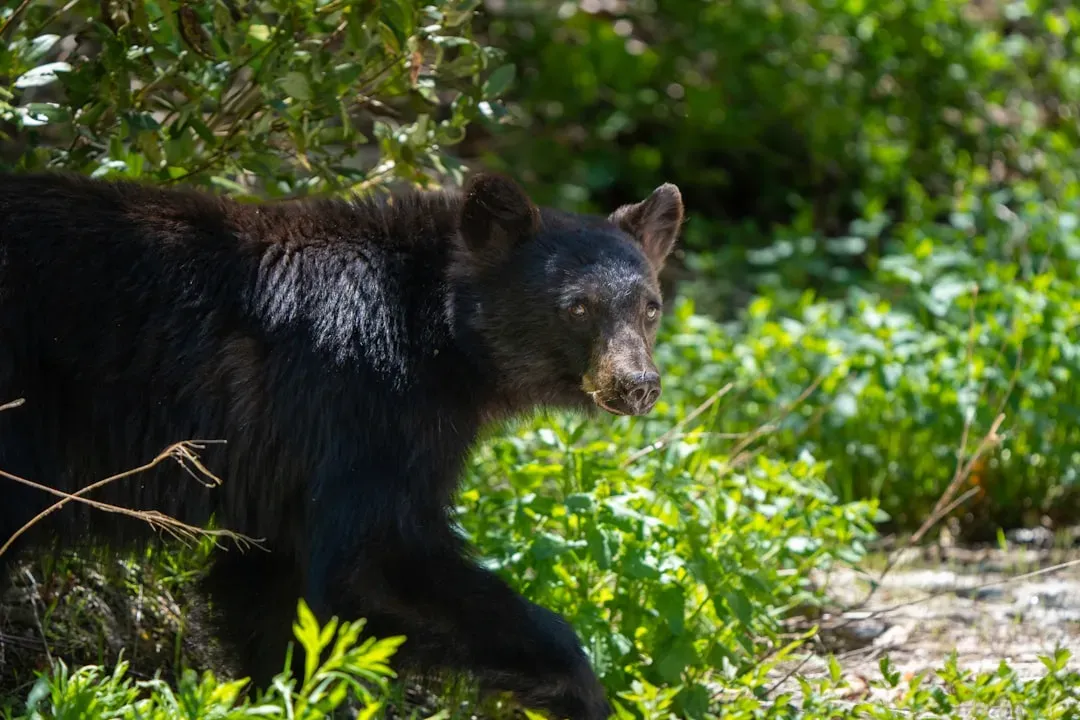
Black bears are impressively fast runners, capable of reaching speeds of up to 35 miles per hour, whether moving uphill, downhill, or across flat terrain. That’s faster than most people would ever guess from watching one amble through a campground.
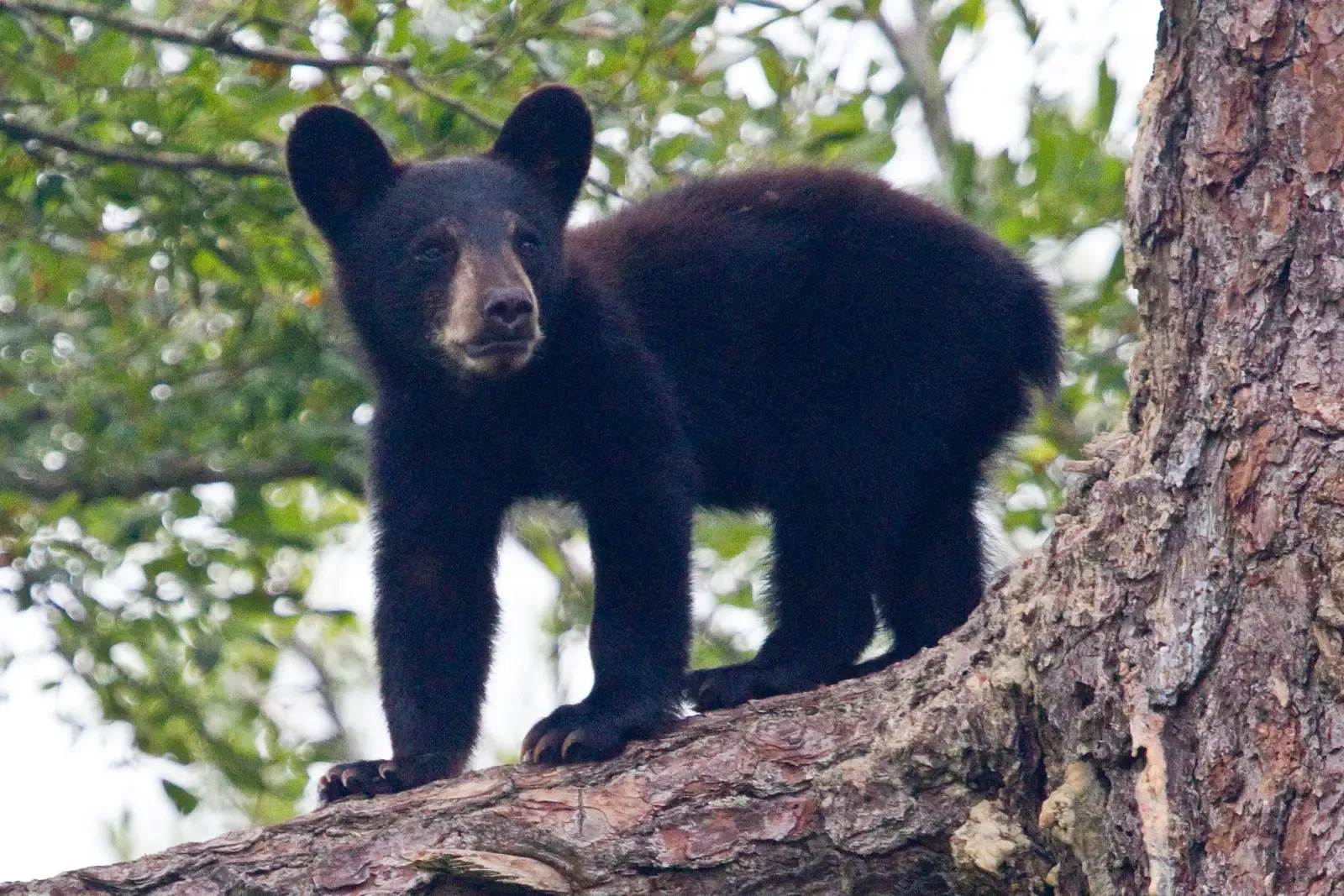
The fastest Olympic sprinters max out around 28 miles per hour in short bursts. A black bear would leave even elite athletes in the dust. Speed aside, black bears are also highly skilled climbers, aided by their short, sharp claws. These claws provide a powerful grip, allowing even young cubs to expertly climb trees.
In addition to being skilled climbers, black bears are also strong swimmers, often swimming more than a mile in search of food such as fish. Speed, climbing, swimming – the full athletic picture of a black bear is genuinely impressive.
They’re Mostly Vegetarian, Despite Being Classified as Carnivores
Despite their classification as carnivores, black bears are primarily plant eaters, with roughly 85 percent of their diet consisting of plants, berries, and nuts. The gap between their official biological classification and their actual eating habits is wider than most people expect.
The majority of the animal portion of their diet consists of insects, such as bees, yellow jackets, ants, beetles, and their larvae. American black bears are also fond of honey and will gnaw through trees if hives are too deeply set into the trunks. When they do raid beehives, they’re actually more interested in the protein-rich larvae than the honey itself.
Black bears eat an average of 5,000 calories per day. However, as they prepare for winter, they can consume up to 20,000 calories per day. That enormous caloric push, known as hyperphagia, is the body’s way of building enough fat reserves to survive months without eating.
They Play a Quiet but Important Role in Forest Ecosystems
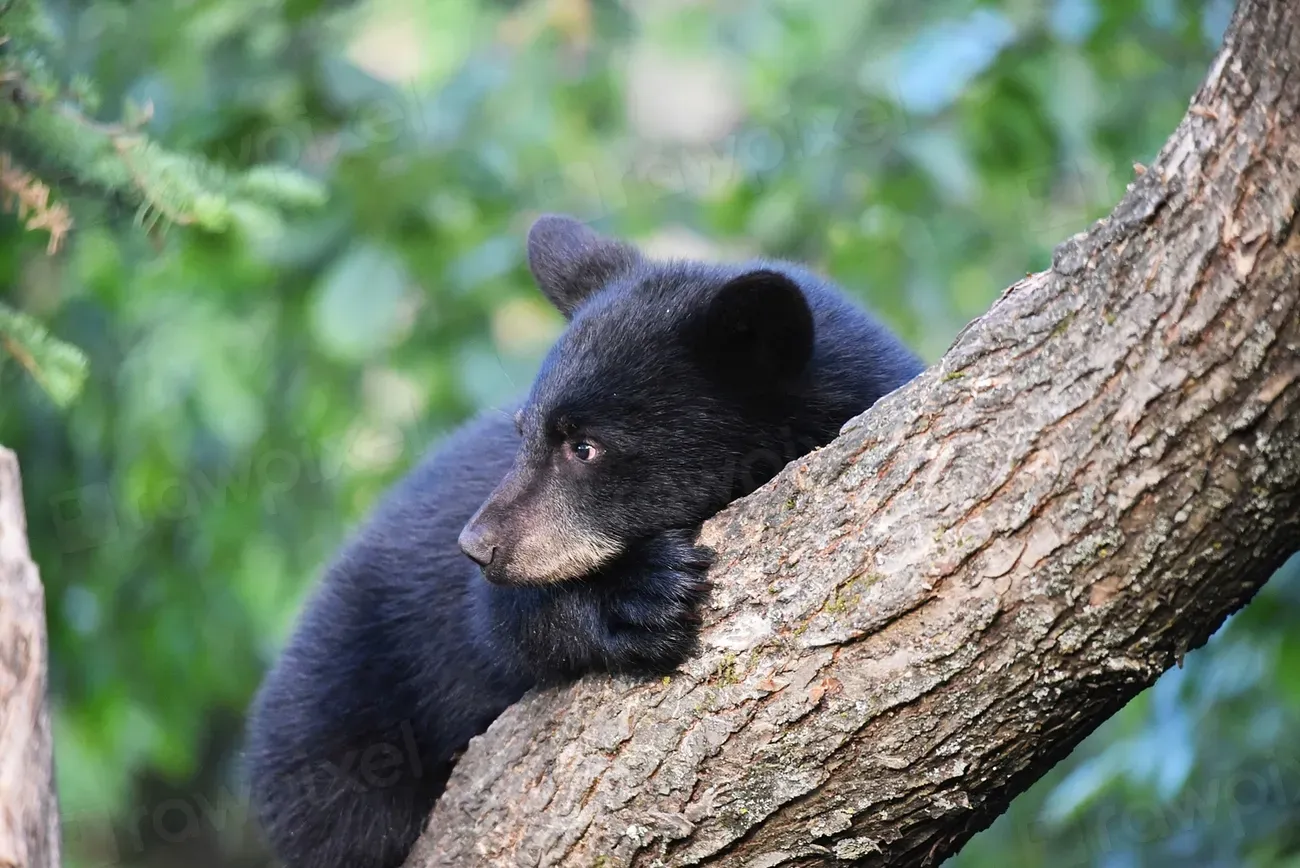
Black bears play an important role in forest ecosystems as seed dispersers and nutrient providers. Berry seeds pass through the bear unbroken and are able to germinate. Not only that, but the seeds come with their own pile of fresh manure as fertilizer.
They distribute seeds over vast distances, aid in the decomposition of trees which returns nutrients to the soil, and open up forest canopies, allowing sunlight to filter through and promote biodiversity.
This quiet, ongoing contribution to forest health often goes unnoticed, but it’s ecologically significant. Black bears are listed as “least concern” on the IUCN Red List of Threatened Species, and their population is currently on the rise. Still, they do face a range of threats, including habitat loss and trophy hunting.
Their Communication Is Richer Than It Looks
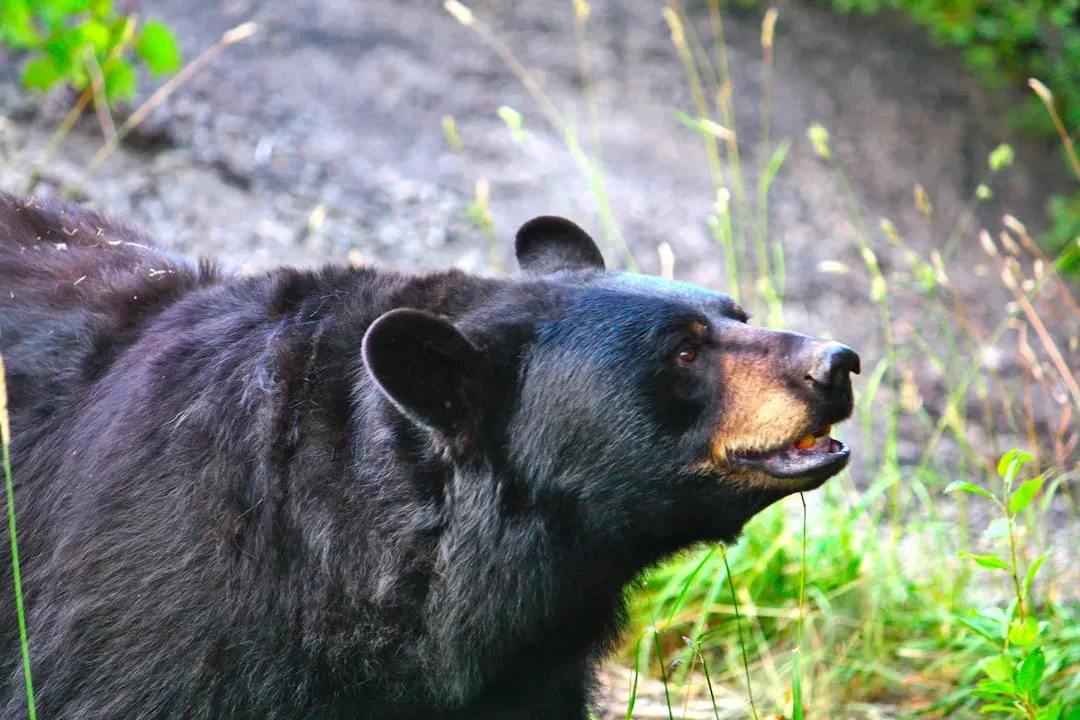
Black bears use scent marking to communicate with each other. They rub against trees, leaving behind their scent to signal their presence and potentially convey information about their identity and reproductive status.
A bear that feels threatened does not roar or growl. They may slap the ground, “huff,” or blow air forcefully through their nose or mouth, and snap their teeth together. If these behaviors don’t scare off the source of their unease, the bear may bluff charge, running toward the source and then veer away.
Black bears are curious animals. They often do a lot of sniffing and may stand up on hind legs to get a better view and smell their surroundings. This is normal behavior and is not a sign of aggression. That standing-up posture, so often misread as threatening, is actually a bear just trying to get a better look at the world.
A Final Thought
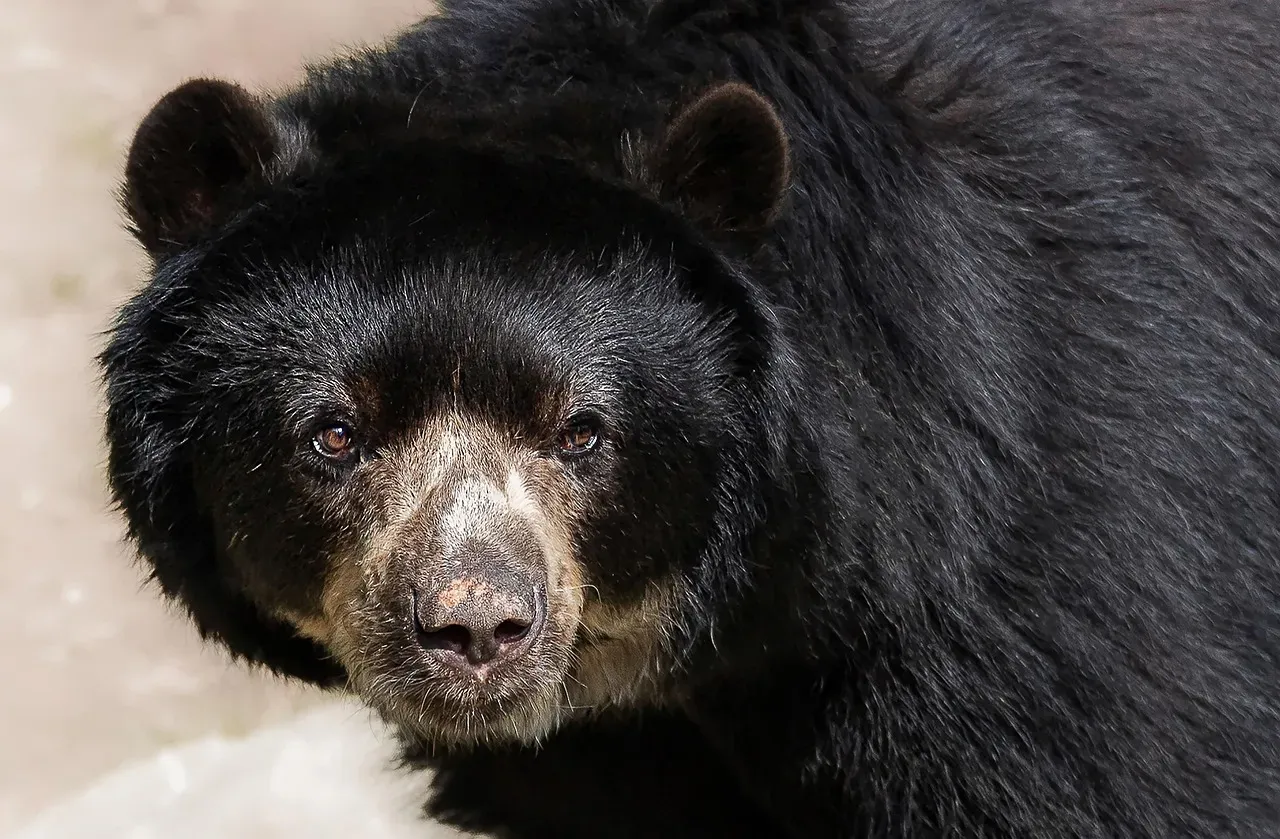
Black bears have shared North American forests with humans for thousands of years, and in many ways they’ve adapted to that relationship far more thoughtfully than we have. They learn, remember, navigate, communicate, and contribute to their ecosystems in ways that only become apparent when you look closely.
The more you understand them, the harder it is to see them as just background wildlife. They’re deeply capable animals living complex lives, mostly out of sight, mostly unbothered by the stories we tell about them.
That, in itself, might be the most fascinating fact of all.
