
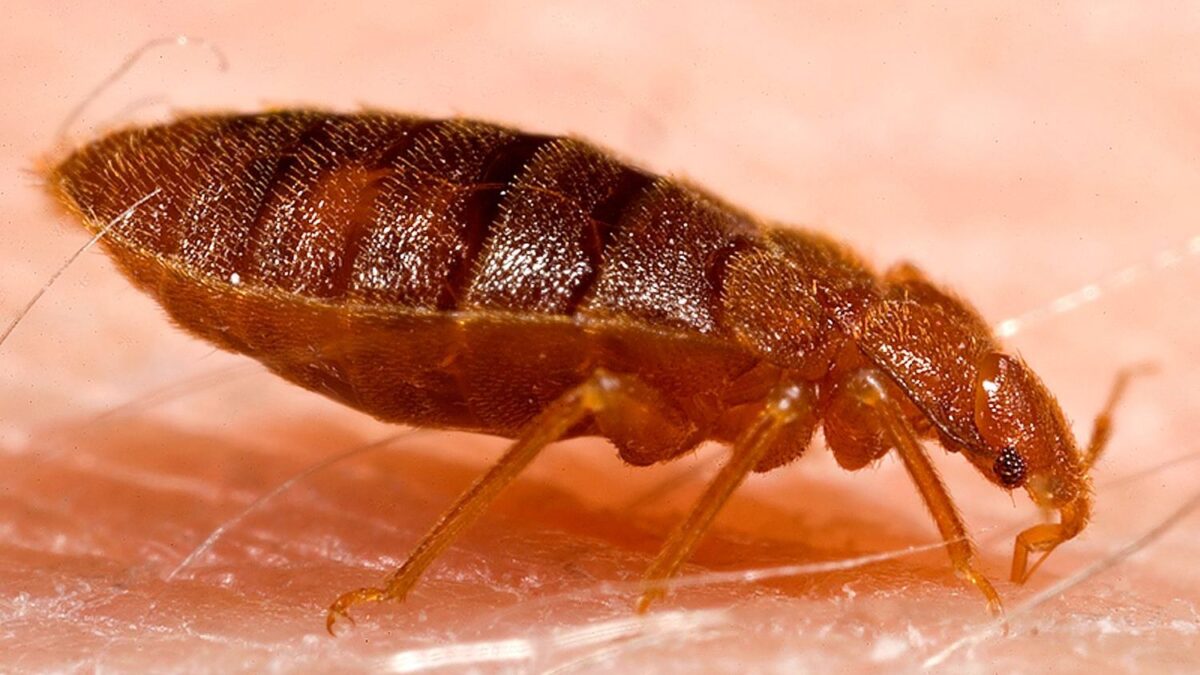
Let’s be real. Nobody wants to think about bed bugs invading their sacred sleeping space. These tiny, nighttime bloodsuckers are the stuff of nightmares, and yet somehow, they’ve made a spectacular comeback in recent years.
Here’s the thing. A lot of us have no clue that what we’re wearing, washing, or simply leaving around the bedroom could be rolling out a red carpet for these pests. The aroma that makes you feel fresh and confident? It might just be the dinner bell for bed bugs.
Sure, you’ve probably heard about avoiding hotels with bad reviews and checking your mattress seams. However, the story goes far deeper than surface-level inspections. Scents play a shocking role in how these creatures find their way into our homes and, more importantly, into our beds. So let’s dive in.
Carbon Dioxide: The Silent Dinner Bell
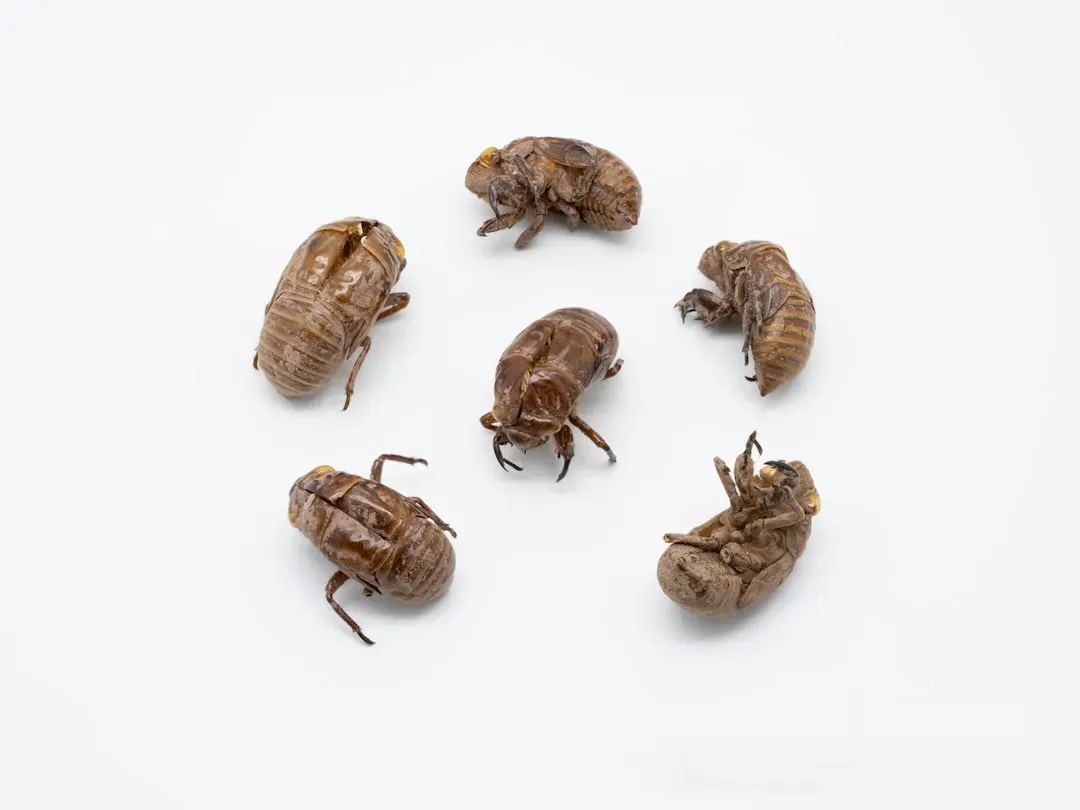
When we exhale, we release carbon dioxide into the air, and bed bugs detect this plume from a distance to locate their prey. Think about that for a second. Every breath you take while sleeping creates an invisible trail leading straight to you.
In fact, one study has shown that CO2 is more attractive to bed bugs than heat. That means the very act of breathing is one of your biggest vulnerabilities when it comes to these pests. During sleep, we exhale steadily for hours, creating concentrated levels of carbon dioxide around our heads and upper bodies.
Humans spend a lot of time in bed while sleeping and exhale carbon dioxide, creating a concentrated plume that bed bugs can easily detect and follow. Honestly, there’s not much you can do about breathing less. It’s fascinating and horrifying at the same time how these creatures have evolved to exploit such a basic biological function.
Researchers have even used carbon dioxide in traps to lure bed bugs out of hiding. The gas doesn’t just attract them – it activates them, signaling that a warm meal is nearby. It’s like ringing the dinner bell at a five-star restaurant.
The Scent of Your Skin and Sweat
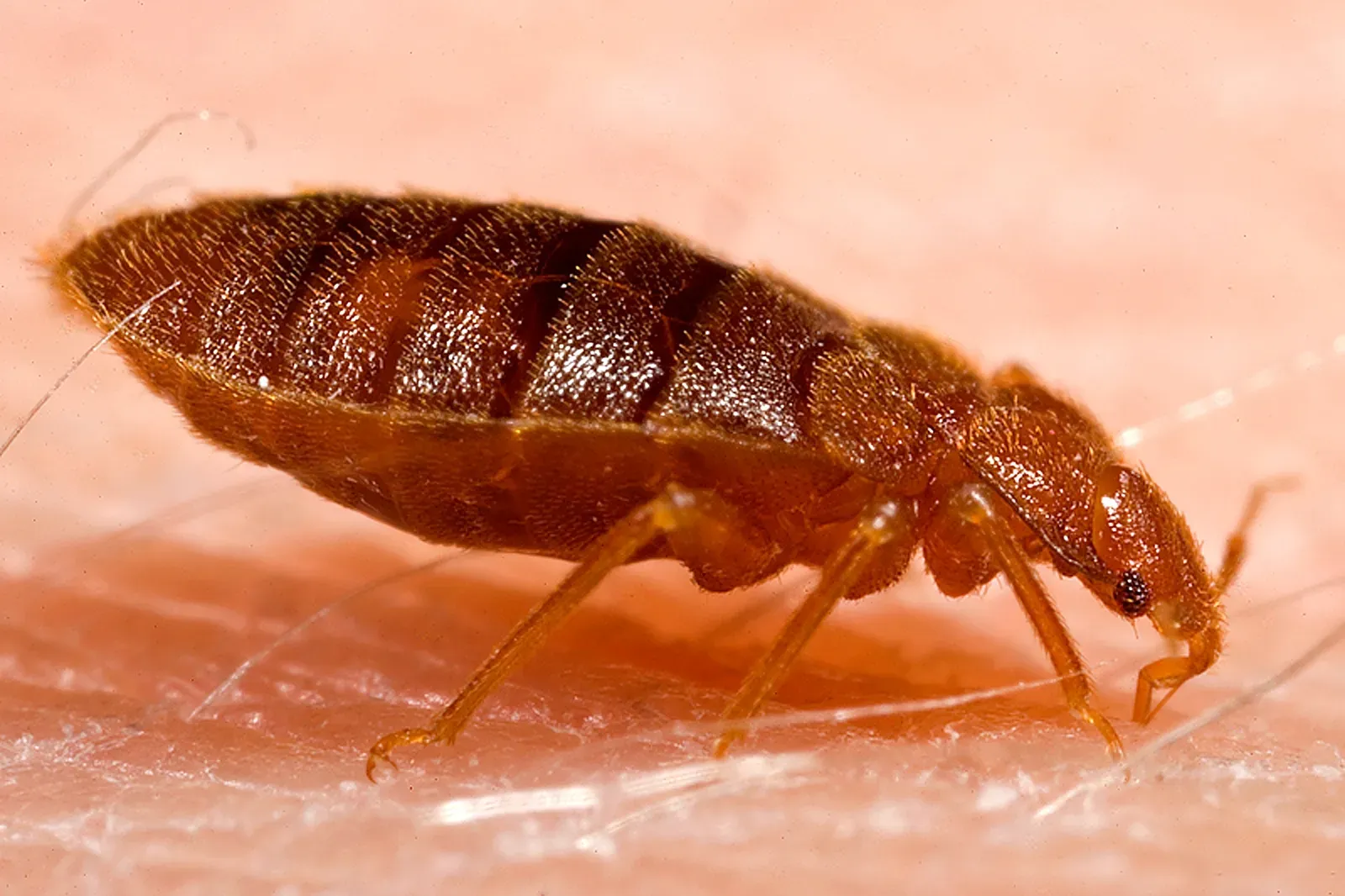
When humans sweat, the lactic acid mixes with other chemicals and bacteria on the skin, creating a unique smell that bed bugs can detect. Your body produces an invisible perfume made of lactic acid, fatty acids, and ammonia. To bed bugs, this scent is irresistible.
Your body naturally produces pheromones from the apocrine glands located in the underarms and groin, and these pheromones contain fatty acids that bed bugs find highly alluring. I know, it’s uncomfortable to think about. Yet the reality is that our natural body chemistry is like a homing beacon.
The scent of lactic acid signals the presence of a potential food source – human blood – and bed bugs have a keen sense of smell to detect it from a distance. They’ve been perfecting this skill for thousands of years as human parasites.
It’s hard to say for sure, but some researchers believe that people who sweat more may attract bed bugs more readily. While this isn’t an excuse to stop exercising, it’s worth keeping in mind that a quick shower before bed might reduce the scent signals you’re sending out.
The worst part? Bed bugs aren’t deterred by clean people or clean homes. They’re equal opportunity feeders. All they need is a human nearby, and your skin chemistry does the rest.
Dirty Laundry: A Bed Bug Magnet

Bed bugs are strongly attracted to the scent of dirty laundry, as the sweaty, human-like smell left on unwashed clothes and bedding mimics the scent of a living host. This is where things get wild.
Even in the absence of a human host, bed bugs were twice as likely to end up in bags with dirty clothes than in those containing clean clothes. A landmark study from the University of Sheffield proved this. Researchers placed clean and dirty laundry in separate bags in infested rooms, and guess what? The bugs swarmed the dirty stuff.
Residual human odour on soiled clothes acts as an elicitor of host-seeking behaviour in bed bugs. So that pile of worn gym clothes on your bedroom floor? It’s practically a vacation resort for bed bugs. They crawl in, settle down, and wait for you to return.
Bed bugs were twice as likely to make their home in dirty laundry as they were clean laundry. If you’re traveling and tossing your used clothes into an open suitcase in a hotel room, you might as well send them an invitation card.
If you’re piling dirty clothes up in a corner of the hotel room or on the closet floor, you’re inviting any bed bugs present to crawl into the pile and ride home with you. Always seal dirty laundry in a plastic bag when traveling. It’s such a simple step, but it could save you from bringing home unwanted passengers.
Interestingly, studies found that worn clothes retain body odor, sweat volatiles, and skin cells – all the things bed bugs love. Washing clothes in hot water and drying them on high heat kills any bugs or eggs that might be hitching a ride.
Perfumes and Fragrances: The Unexpected Culprit

Certain perfumes, particularly those with floral or fruity notes, can unintentionally attract bed bugs, as alcohol-based additives in fragrances may mimic natural scents that bed bugs associate with food or safety. Shocking, right?
Floral scents draw bed bugs in, and perfume and cologne can also entice bed bugs because floral smells, fruit extracts, and specific kinds of alcohol are examples of additives that may become airborne. When you spray cologne or perfume near where you sleep, you could be luring bedbugs to the area.
Let’s be clear. Not every fragrance is a problem. However, the issue is that many popular perfumes contain compounds that bed bugs can detect and respond to. They don’t exactly appreciate good taste – they’re just wired to follow certain chemical signals.
Bed bugs have an excellent sense of smell to find fresh sources of food, and they can presume there is a human around when they smell perfume. Essentially, your designer fragrance might be confusing them into thinking you’re nearby even when you’re not.
There is no conclusive evidence to suggest that bed bugs prefer specific types of perfume. Still, many pest control experts recommend avoiding heavy floral or fruity scents in spaces where bed bugs might be present. Better safe than sorry, honestly.
Some people wear perfume to bed thinking it’ll mask their natural scent. Unfortunately, it can have the opposite effect. If you’re dealing with a bed bug problem or staying somewhere questionable, skip the bedtime fragrance ritual.
Histamine and Pheromones: Bed Bugs Calling for Backup
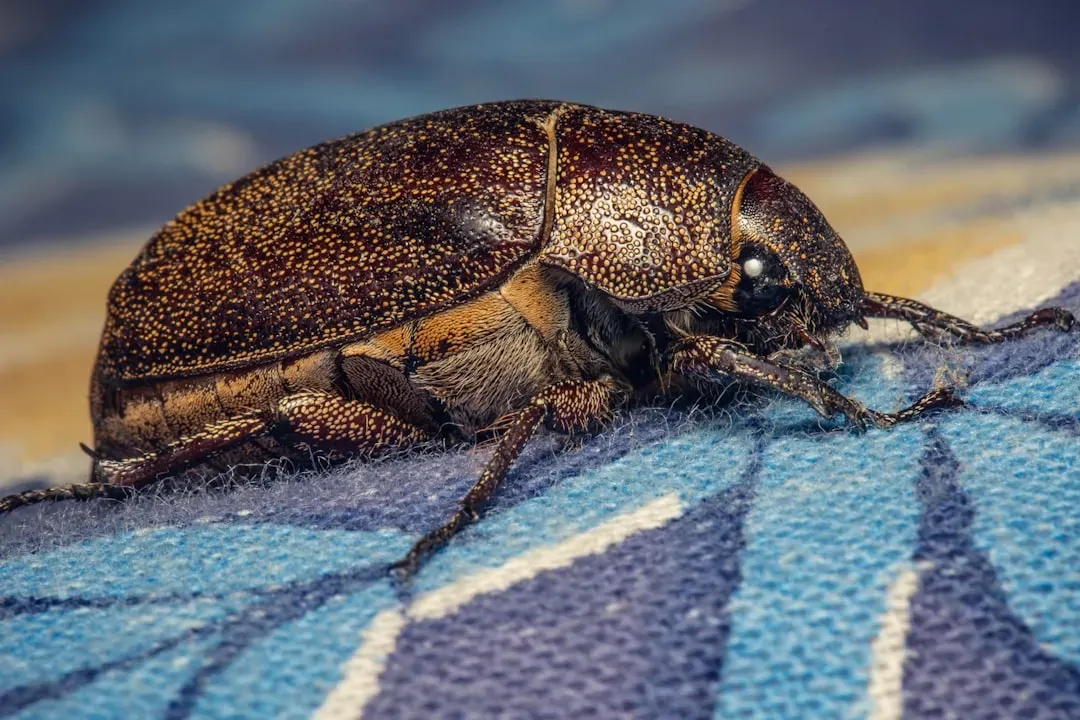
When bed bugs feed on blood, they produce a chemical-like odor called histamine, and this scent serves as a signal to other bed bugs, indicating that a safe, food-rich area is nearby. It’s their way of communication.
Bed bugs produce histamine whenever they bite a person and feed on their blood, which draws more bed bugs to that area, and this is why they tend to congregate in a single location. Think of it as leaving a Yelp review for other bed bugs. Five stars, would recommend.
The fecal matter of bed bugs contains pheromones that can attract other bed bugs to the area. I know it sounds disgusting, but this is how infestations grow rapidly. One bed bug becomes ten, then a hundred.
Once an area becomes infested, the buildup of histamine and pheromones creates a feedback loop. More bugs arrive, they feed, they release more histamine, and the cycle continues. Breaking this cycle requires professional intervention in most cases.
Scientists have even developed traps that mimic these pheromones to lure bed bugs out of hiding. It’s a clever way to exploit their own communication system against them.
Mold, Mildew, and Moisture: The Overlooked Attractants

Mold and mildew are attractive to bed bugs because they are associated with moisture, which is essential for the survival of bed bugs, and they require a moist environment to survive and reproduce. This one surprised me when I first learned about it.
Most people don’t associate bed bugs with damp environments. However, these pests need moisture to thrive, and areas with mold or mildew signal that water is present. Basements, bathrooms, and poorly ventilated bedrooms can become hotspots.
Maintaining a clean and dry living environment, regularly inspecting and cleaning areas where mold and mildew may grow, and properly ventilating these areas to prevent moisture buildup can help avoid attracting bed bugs. It’s not just about cleanliness – it’s about controlling humidity levels.
If your bedroom has a musty smell or visible signs of mold, address it immediately. Use dehumidifiers, fix leaks, and ensure proper airflow. Bed bugs are opportunistic, and they’ll exploit any favorable conditions they find.
Interestingly, the scent of mold and mildew can travel, meaning bed bugs might be attracted from adjacent rooms or units in apartment buildings. Keeping your space dry protects you and potentially your neighbors.
Conclusion: Small Changes, Big Impact
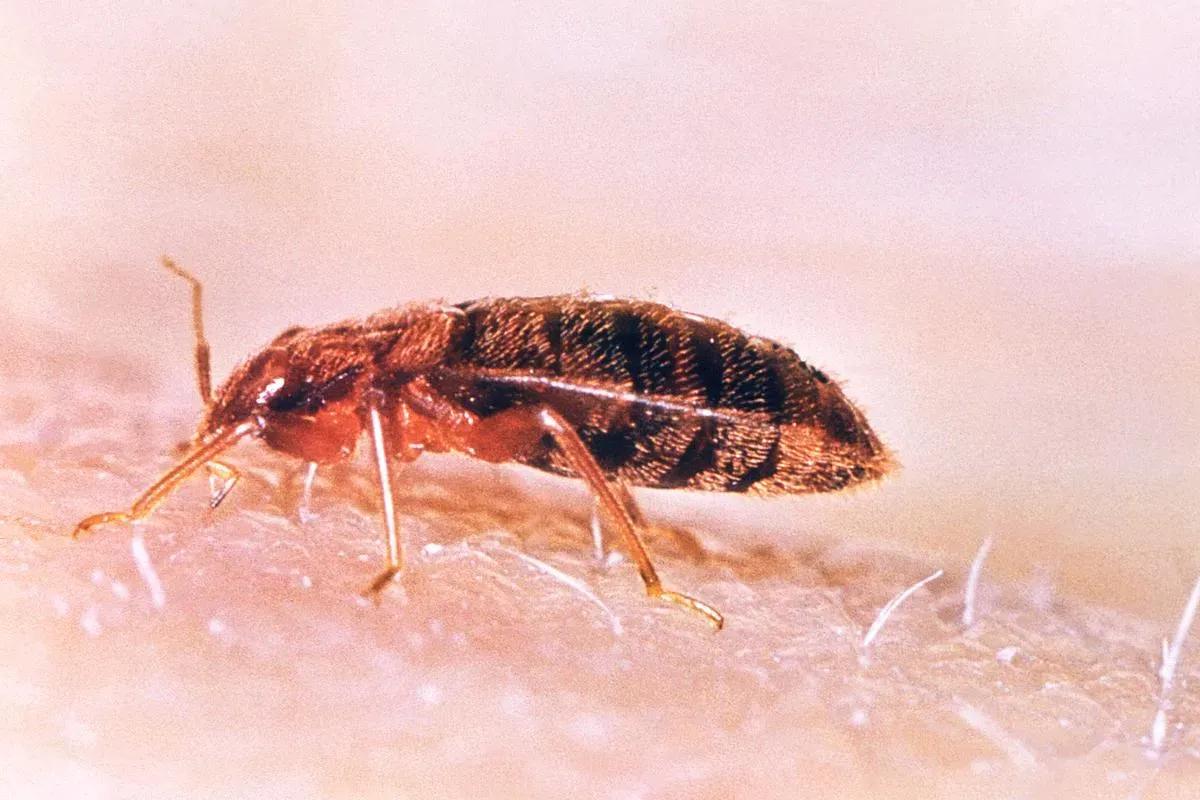
The truth is, bed bugs are incredibly sophisticated hunters. They’ve evolved to exploit every sensory signal we emit – from the carbon dioxide in our breath to the lactic acid on our skin to the lingering scent on our dirty laundry. It’s unsettling.
Here’s the thing, though. Awareness is power. By understanding what attracts bed bugs, you can take simple, proactive steps to reduce your risk. Seal your dirty laundry when traveling. Avoid heavy perfumes in the bedroom. Keep your space dry and well-ventilated. Wash bedding regularly in hot water.
None of these actions guarantee complete protection – bed bugs are notoriously resilient – but they stack the odds in your favor. Prevention is always easier than dealing with a full-blown infestation.
And if you suspect you’ve brought bed bugs home? Act fast. The longer you wait, the worse it gets. Professional pest control is usually necessary, and there’s no shame in calling for help.
So, what do you think? Did any of these scent attractants surprise you? Let us know your thoughts.
