
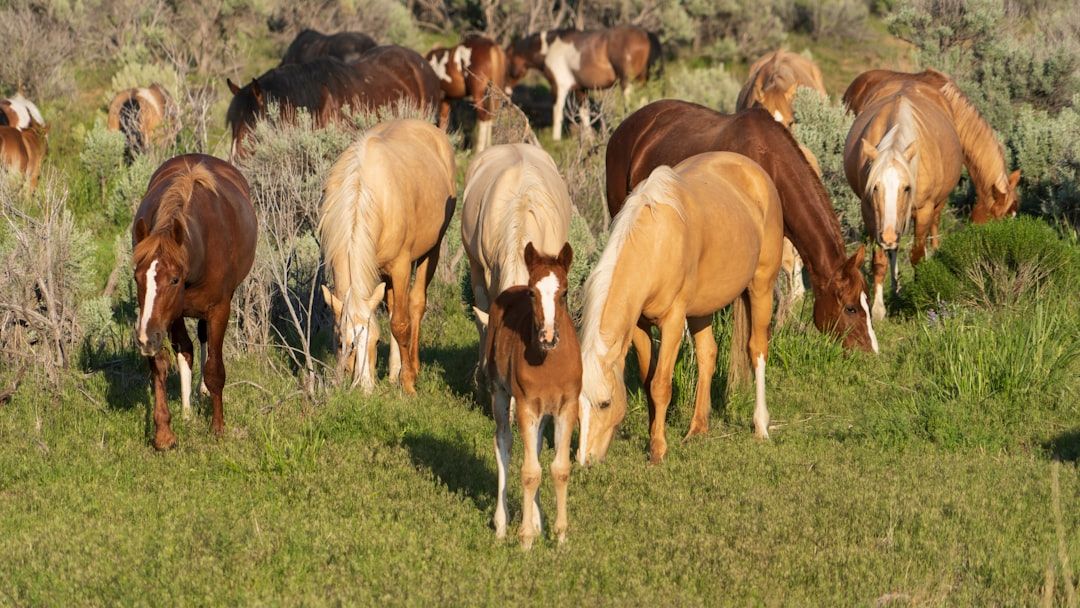
Few images capture the American West quite like a band of wild horses moving across open desert at dusk. These animals have become inseparable from the mythology of the frontier, yet the story of which state holds the richest and most varied population is more nuanced than most people realize. It’s not simply a matter of sheer numbers. Diversity here means something deeper: genetic lineage, physical variety, habitat range, and the layered history that each herd carries in its bloodlines.
More than half of all free-roaming mustangs in North America are found in Nevada, with other significant populations in California, Oregon, Utah, Montana, and Wyoming. Nevada’s dominance in raw population is hard to argue with. Still, when the lens shifts from quantity to genuine biological and historical diversity, the picture gets considerably more interesting across several states.
Nevada: The Undisputed Capital of Wild Horse Country
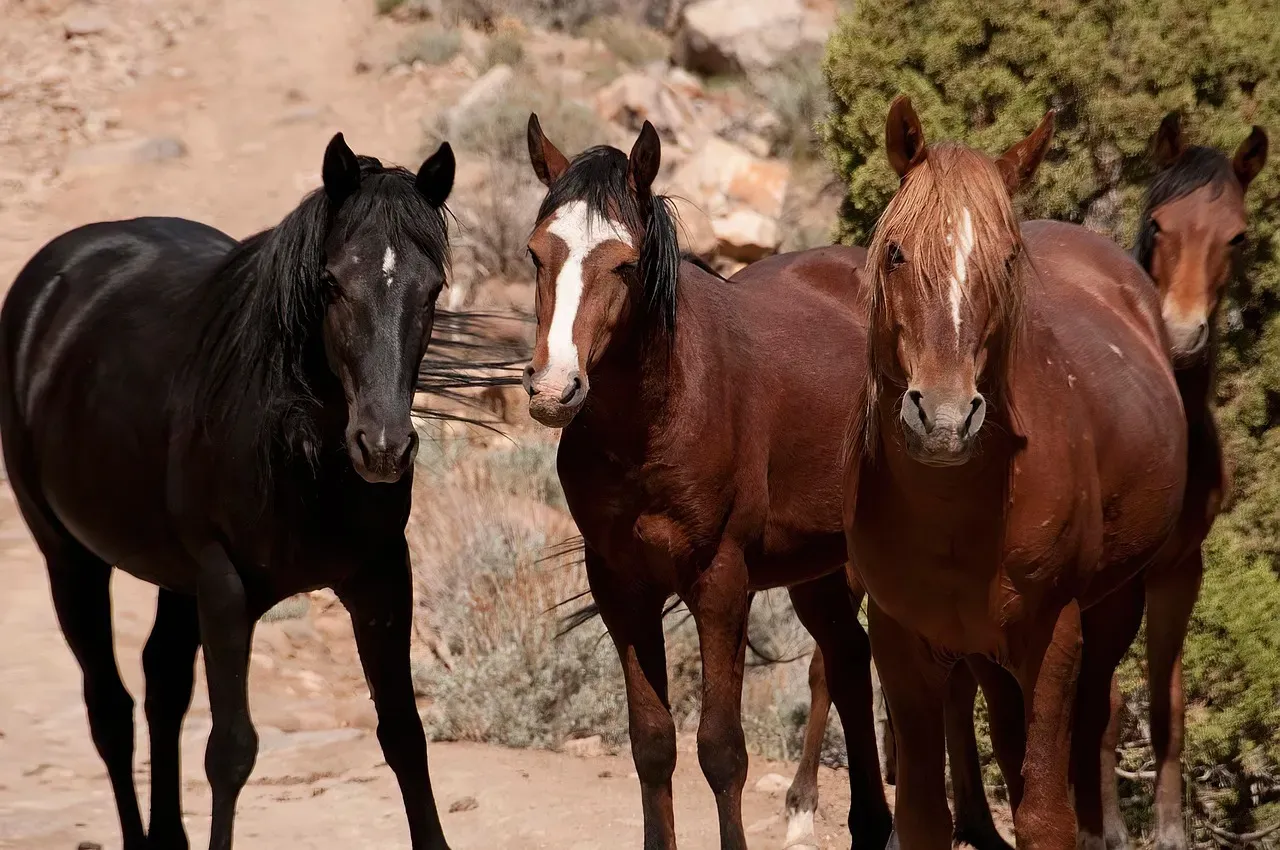
Nevada’s claim to the title starts with staggering numbers. Over half of all the free-roaming horses and burros under the management of the BLM live in Nevada, where there are 83 separate Herd Management Areas. That figure alone makes it unlike any other state on the map.
BLM Nevada alone manages 83 wild horse and burro herd management areas on approximately 15.6 million acres. The sheer geographic scale means herds in the northern high desert live in entirely different conditions than those in the arid south, producing real variation in physical traits and behavior over generations.
Nevada holds the title as America’s wild horse capital, with nearly half of all free-roaming horses in the nation calling this state home. Over 40,000 wild horses and burros roam across Nevada’s vast public lands, from the high desert near Reno to the remote valleys around Elko and the Carson Valley region.
The herds located in two Herd Management Areas in central Nevada produce Curly Horses, a genuinely unusual type that stands apart from the broader mustang population. That kind of phenotypic variation, repeated across dozens of separate managed areas, is part of what makes Nevada’s population so broad in scope.
The Mixed Bloodlines That Define the Modern Mustang
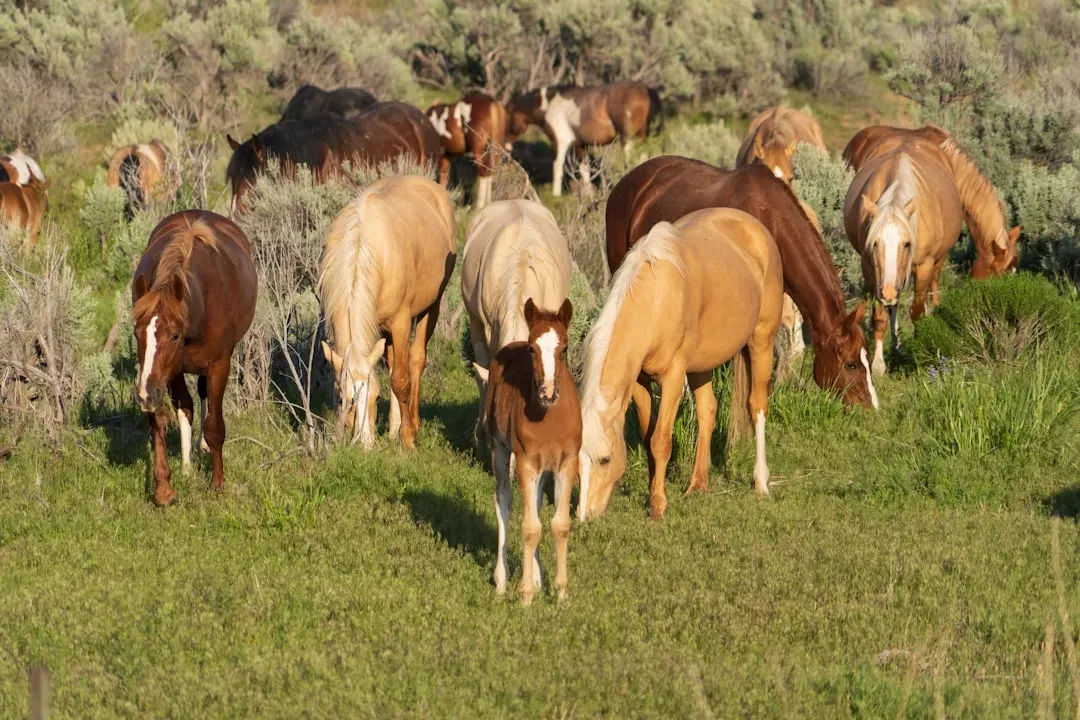
The original mustangs were Colonial Spanish horses, but many other breeds and types of horses contributed to the modern mustang, now resulting in varying phenotypes. That centuries-long mixing process is the foundation of every diversity discussion about wild horses today.
The original feral horse herds in the Americas were of Spanish horse ancestry. Additional stock brought by eastern settlers moving west, ranging from draft horses to Arabians and Thoroughbreds, added a variety of other horse types. The genetic fingerprint of each herd reflects whichever domestic animals were turned loose or escaped in that particular region across different eras.
The original mustangs were Colonial Spanish horses, but many other breeds and types of horses contributed to the modern mustang, resulting in varying phenotypes. In the 21st century, mustang herds vary in the degree to which they can be traced to original Iberian horses. Some contain a greater genetic mixture of ranch stock and more recent breed releases, while others are relatively unchanged from the original Iberian stock, most strongly represented in the most isolated populations.
Genetic contributions to today’s free-roaming mustang herds include assorted ranch horses that escaped to or were turned out on the public lands, and stray horses used by the United States Cavalry. For example, in Idaho some Herd Management Areas contain animals with known descent from Thoroughbred and Quarter Horse stallions turned out with feral herds. Each of those contributions left a distinct mark that researchers can still trace today.
Wyoming and the Pryor Mountain Herds
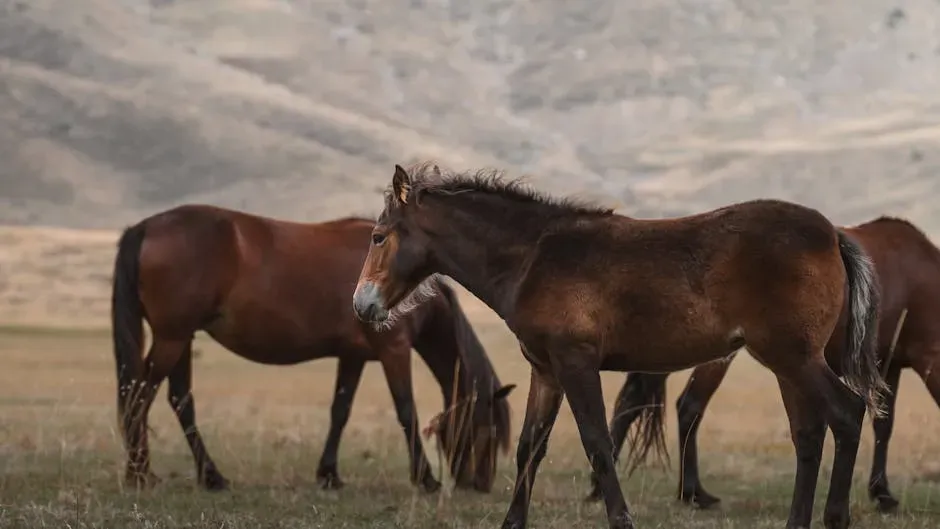
Wyoming’s contribution to wild horse diversity is less about volume and more about lineage. Wild horses still roam freely in the Pryor Mountains outside of Lovell, Wyoming. Because of these horses, the area around Lovell is truly Mustang Country. The herd is very special because of its Colonial Spanish American heritage. This tough little horse, derived from the horses of Portugal and Spain, has been present in this rugged mountain area for nearly 200 years.
Blood marker analysis verified a few herds to have significant Spanish ancestry, namely the Cerbat Mustang, Pryor Mountain Mustang, and some horses from the Sulphur Springs HMA. The Kiger Mustang is also said to have been found to have Spanish blood and subsequent microsatellite DNA confirmed the Spanish ancestry of the Pryor Mountain Mustang.
Certain bands in Wyoming have characteristics consistent with gaited horse breeds. That trait, relatively uncommon among free-roaming western horses, points to a distinct genetic thread woven into some Wyoming herds that sets them apart from the broader mustang population. Wyoming supports around 3,800 wild horses, spread across Herd Management Areas like the Red Desert Complex and the Green River Basin, with landscapes featuring rolling plains, sagebrush steppes, and mountainous backdrops providing ample grazing opportunities.
Utah’s Sulphur Spring Herd and Other Genetic Treasures
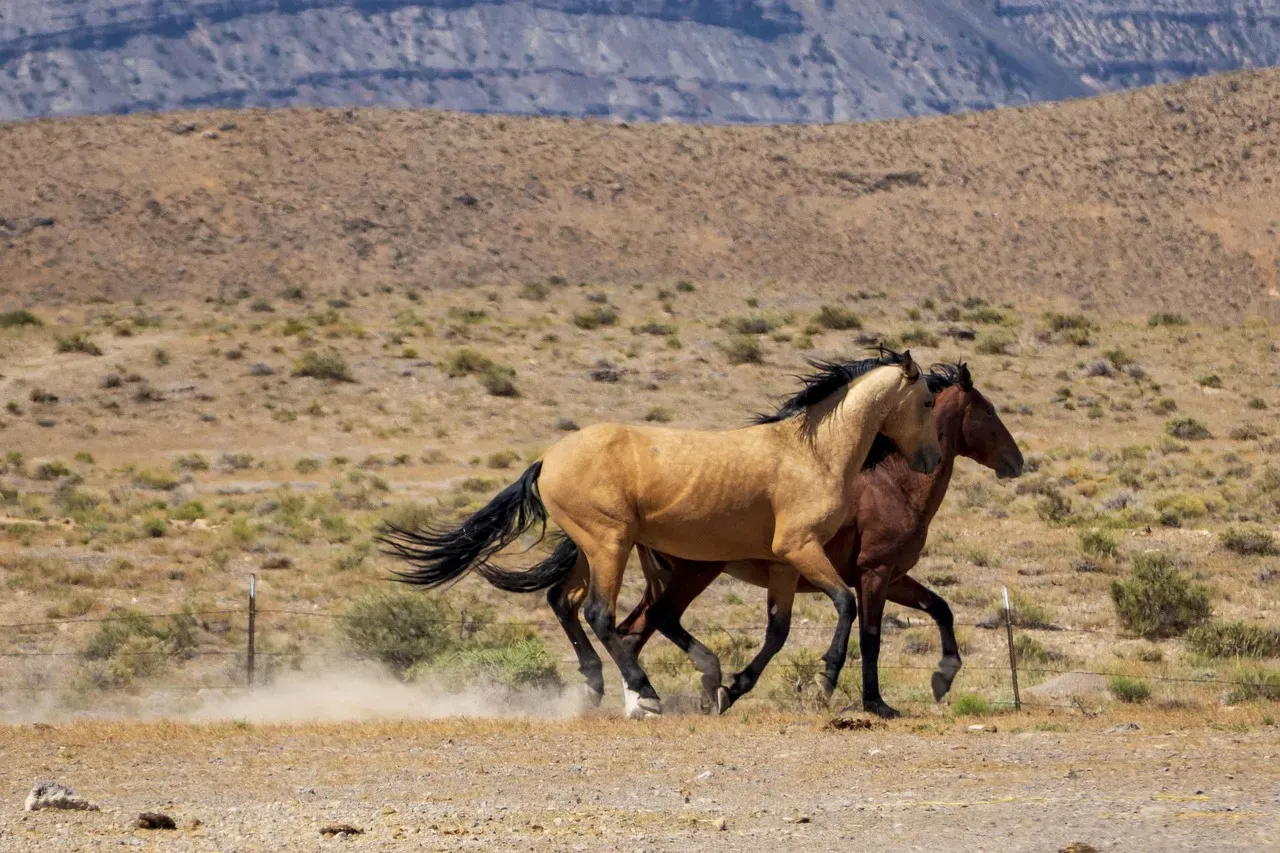
Utah may not dominate the population charts, but it holds something arguably more precious: one of the most genetically distinctive wild horse herds in North America. Some herds, such as Utah’s Sulphur Spring herd, are a direct link to the primitive Iberian horse and have been recognized by geneticists as a resource of “truly unique and irreplaceable genotypes, a zoological treasure.” These horses retain many traits of the endangered Sorraia breed, including triple dorsal stripes, zebra-striped legs and chest barring.
That combination of rare physical markings and confirmed ancient lineage makes Utah’s Sulphur Springs horses a scientific and cultural landmark. They represent something close to a living archive of equine prehistory in the western hemisphere. Few other herds anywhere in the country carry that distinction.
Natural selection has preserved the hardy traits of the horses that shaped the American West: a 1998 Kansas State University study found that wild horses are far less affected by bone disease than their domestic counterparts. In addition, a University of Kentucky study has shown that, despite intense culling, wild horse herds are still genetically far more diverse than any breed of domestic horse. Utah’s most isolated herds exemplify exactly why that finding matters.
Oregon, California, and the Spread Across Ten Western States
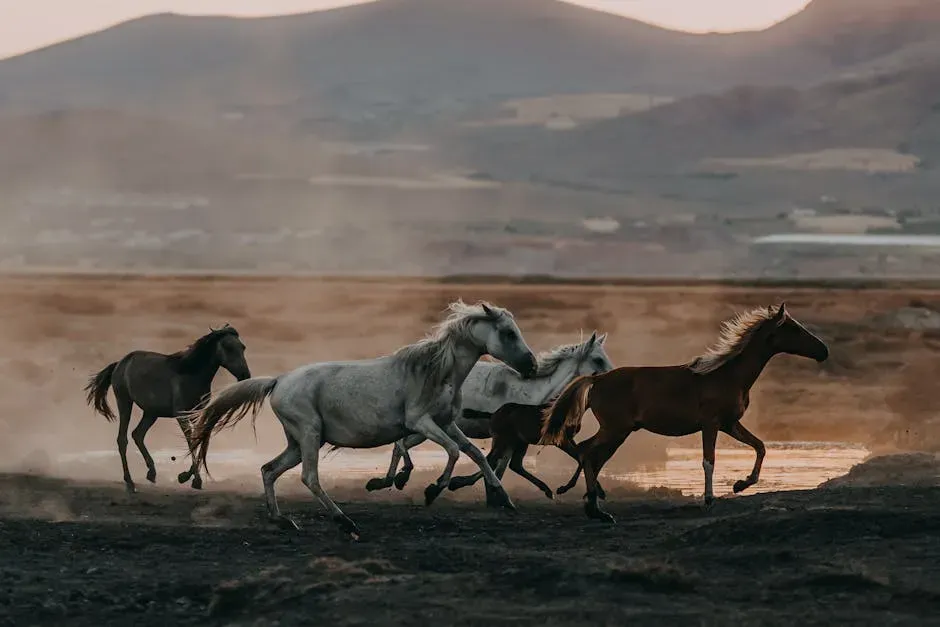
Kiger mustangs in Oregon live in small, isolated herds and their bloodlines are largely descended from the early Spanish horses, which means they mixed less with other breeds. Their genetic purity is almost miraculous given the centuries that have passed. Oregon is quieter about its wild horses than Nevada, but it arguably has some of the most distinctive.
California adds another dimension entirely. The state’s diverse terrain offers everything from coastal ranges to interior deserts, providing varied habitats for different horse populations. Wild burros also share the California landscape with horses, particularly in the southeastern desert regions. That habitat variation alone drives physical and behavioral differences between herds that would never encounter one another.
Wild horses can be found in California, Colorado, Idaho, Montana, New Mexico, Oregon, Utah, and Wyoming, each state contributing its own chapter to the wider story. Each of these herds is incredibly unique, with their own genetic backgrounds, histories, and survival techniques honed from years of living in deep relationship with their surrounding environment. The ten-state spread is itself the most important context for understanding wild horse diversity: no single state holds the complete picture alone.
How Population Management Shapes Diversity Over Time
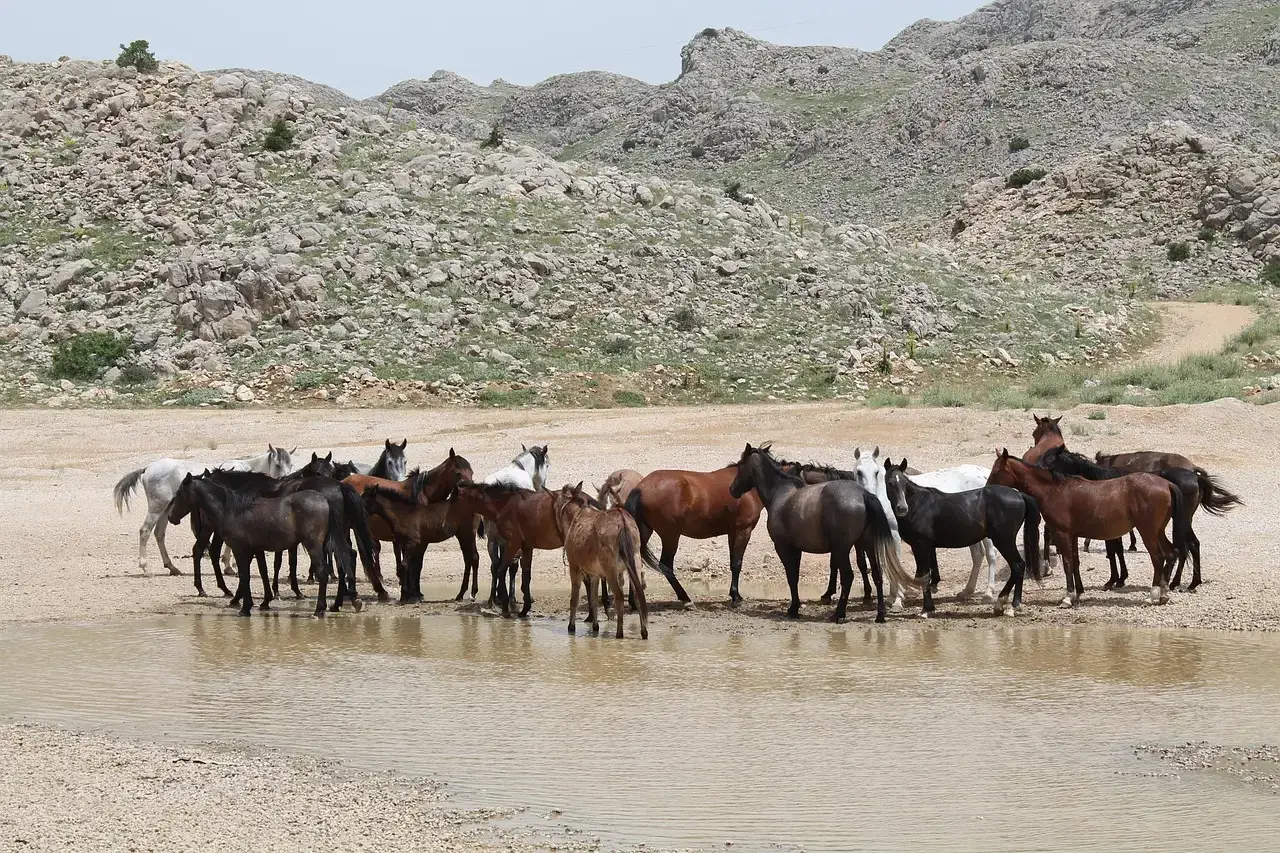
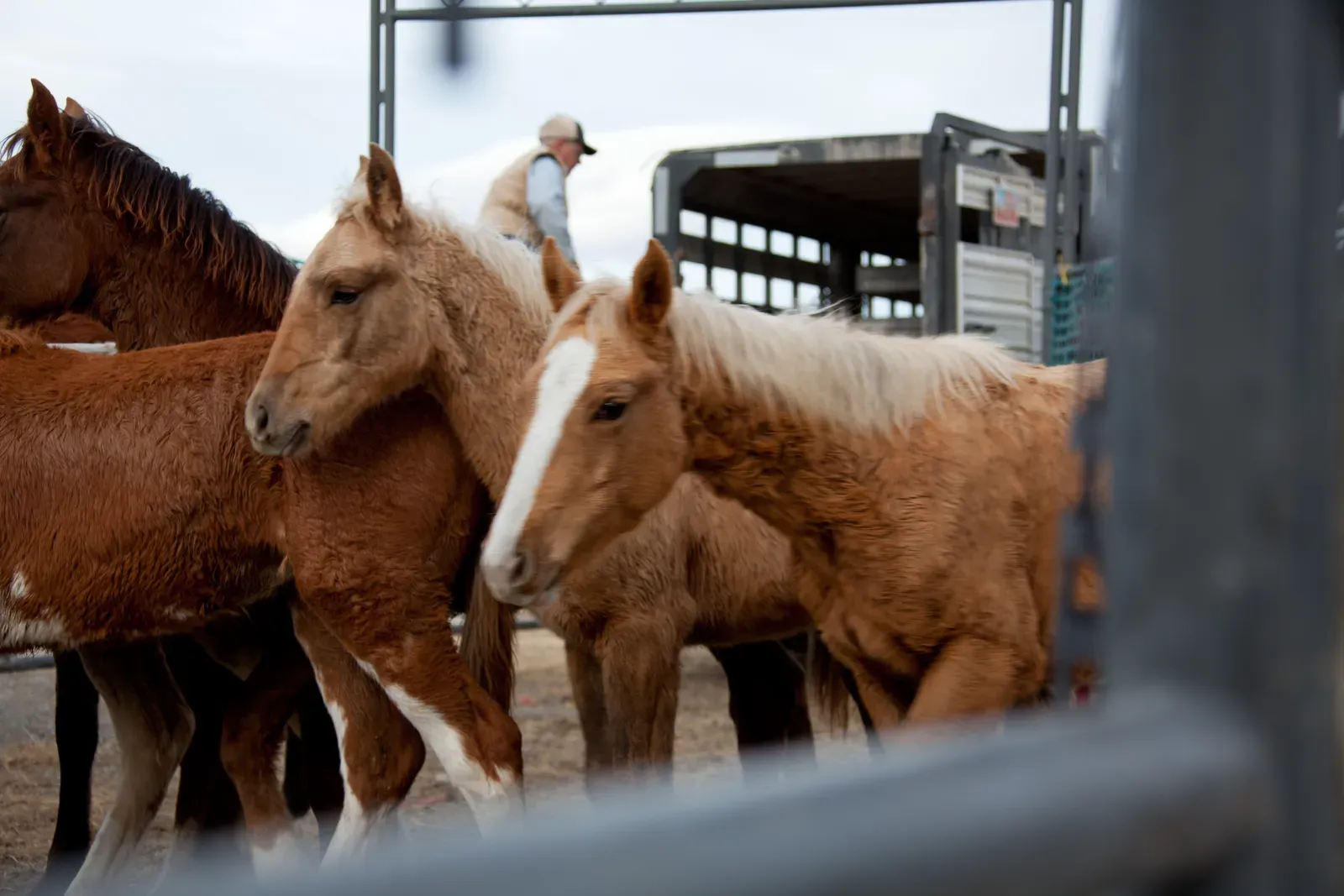
Diversity in wild horse populations is not a static thing. It is actively shaped by how herds are managed, gathered, and monitored. The BLM monitors the genetic diversity of each herd through collection of hair samples during gather operations. Under an assistance agreement, researchers at Texas A&M University analyze the samples and report recommendations to the BLM for specific herds.
Equine population estimates in each Herd Management Area can vary significantly from year to year, depending on habitat condition in a given area, fecundity of the animals, or if a gather has occurred. Census-gathering methods also vary, and wild horse advocacy groups frequently question the validity of the population counts. That uncertainty is real and worth acknowledging. The numbers are estimates, not census counts in the traditional sense.
The nationwide population estimate stood at 85,466 wild horses and burros as of March 1, 2026. That figure reflects a meaningful rise from the prior year, reinforcing the ongoing challenge of balancing herd health, land capacity, and genetic viability simultaneously. To support healthy conditions on public lands, the BLM determines what it calls the Appropriate Management Level, which is the number of wild horses and burros that can thrive in balance with other public land resources and uses.
Conclusion: Nevada Leads, but Diversity Is a Collective Story
If the question is which single state holds the most diverse wild horse population, Nevada makes the strongest case by almost every measurable standard. Its 83 Herd Management Areas span millions of acres of varied terrain, supporting herds with different physical characteristics, behavioral patterns, and genetic compositions. No other state comes close in terms of raw breadth.
Still, the full picture of American wild horse diversity lives across a mosaic of western landscapes. Wyoming’s Pryor Mountains preserve ancient Spanish lineage. Utah’s Sulphur Springs horses carry genetics that scientists treat as irreplaceable. Oregon’s Kiger mustangs remain some of the most genetically pure descendants of colonial-era stock anywhere on the continent.
Thinking about wild horse diversity as belonging to one state is, in the end, a little like asking which note makes a symphony great. Nevada may hold the most horses, the most herds, and the widest range of habitat, but the richness of America’s wild horse heritage is something built across ten states, centuries of history, and thousands of miles of open land that still belongs, at least in part, to the animals that roam it.
