
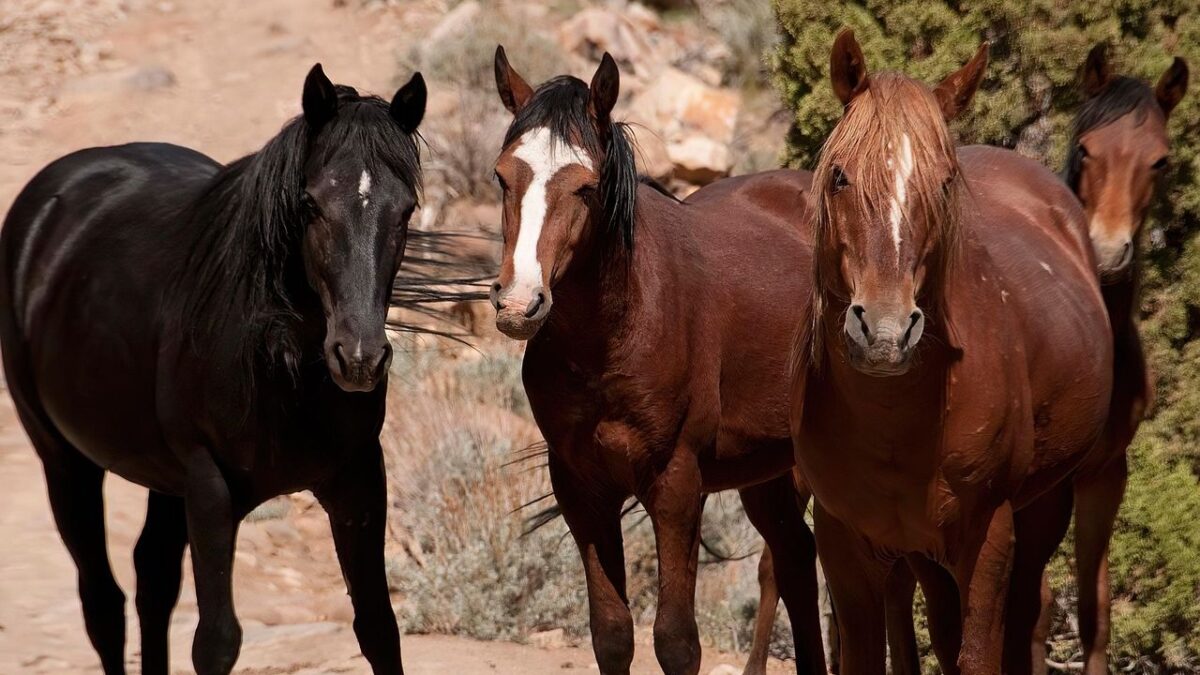
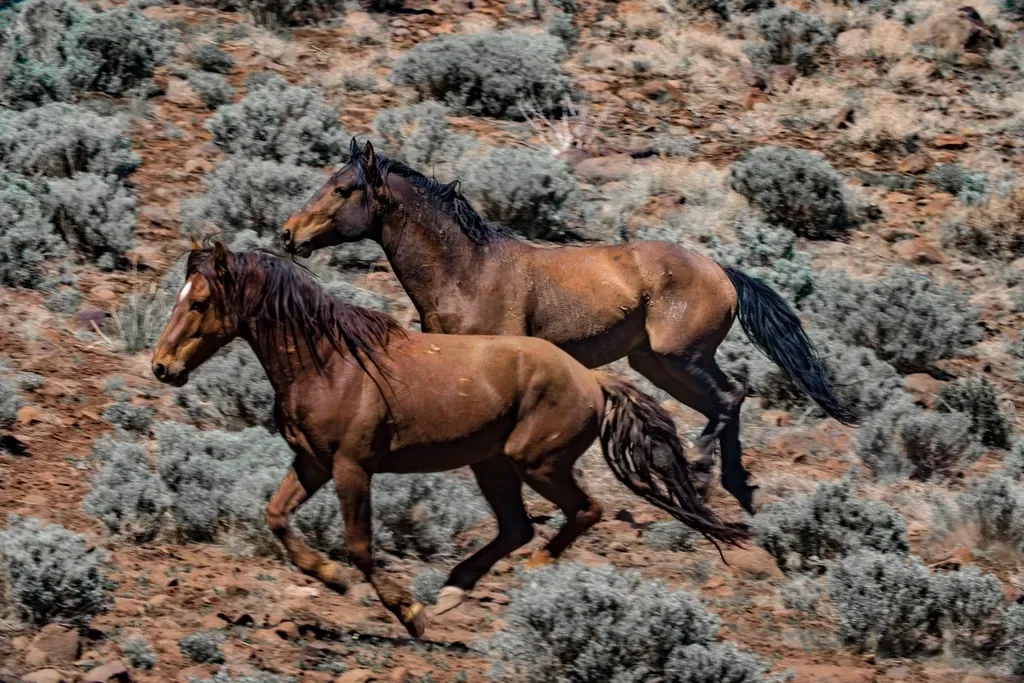
There’s something that stops you mid-thought when you see a mustang herd moving across an open Nevada plain. Manes catching the wind, hooves raising a low column of dust, the whole band moving as a single, instinctive unit. It’s one of the more striking things the American landscape still offers, and it hasn’t always been guaranteed.
Mustang horses, descendants of Spanish breeds introduced to the Americas in the 16th century, embody the untamed spirit of the American West. They’ve endured drought, shrinking habitat, political battles, and population upheaval. Today, their story is one of striking biological tenacity, complicated management realities, and a public debate that shows no sign of settling down.
A Population That Refuses to Stand Still
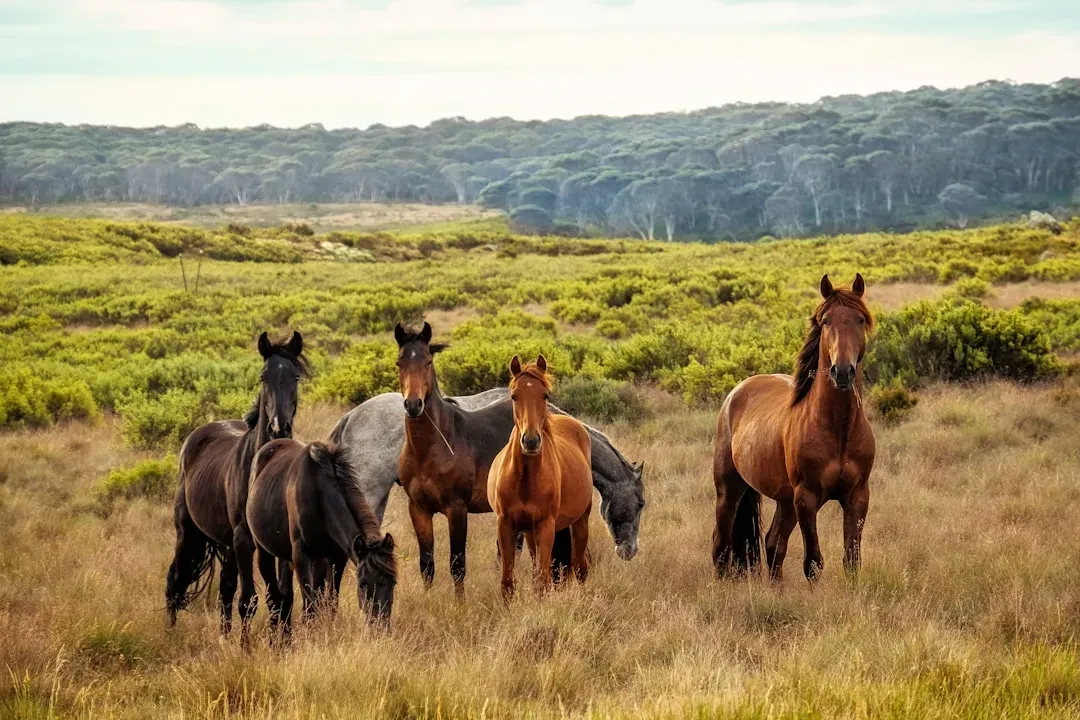
The numbers themselves tell an extraordinary story. As of March 1, 2026, the nationwide population estimate stands at 85,466 wild horses and burros roaming BLM-managed lands in the West. That figure represents a remarkable climb from what was already a contested count just a year earlier.
The population has more than doubled in just the past ten years and continues to grow at a rate of ten to fifteen percent annually. For context, that kind of growth rate is exceptionally high for large hooved mammals.
Without natural population controls, such as predation, herds can increase at a rate of up to twenty percent annually, doubling in size in just four to five years, if not appropriately managed. It’s a biological fact that cuts to the core of why wild horse management remains so difficult, and so contentious.
Built for Survival: The Mustang’s Biological Edge
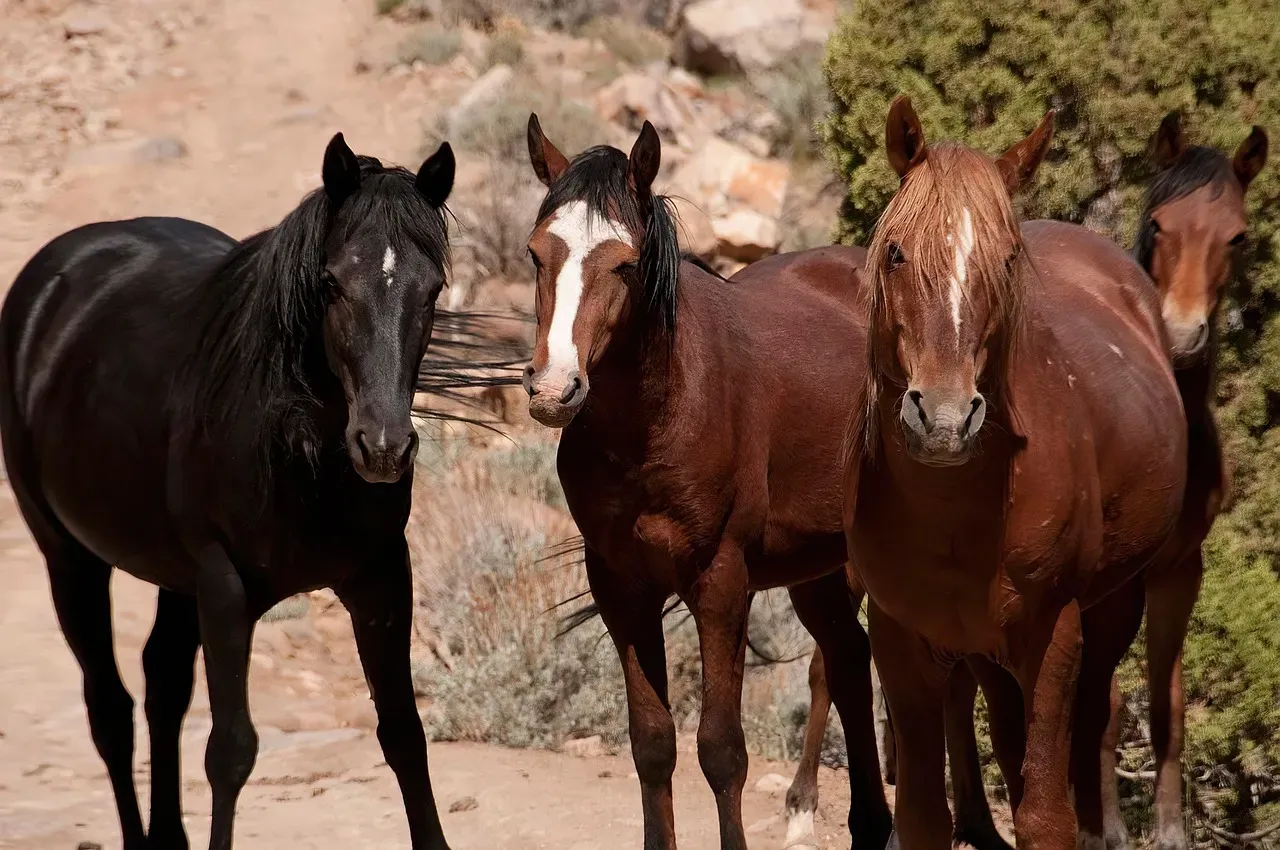
These horses occupy a variety of ecosystems, including grasslands, deserts, and mountainous terrains. In grasslands, they travel long distances for food, showcasing their endurance. In deserts, despite extreme temperatures and scarce water, mustangs survive by digging for water and efficiently managing hydration. In mountainous terrain, they exhibit agility and robustness, migrating seasonally for optimal nutrition.
Mustangs can cover vast distances to find food and water, ranging five to ten times as far as cattle to find forage in more inaccessible areas. Horses are also hindgut fermenters, meaning they digest nutrients by means of the cecum rather than a multi-chambered stomach. While this means they extract less energy from a given amount of forage, they can digest food faster and make up the difference by increasing their consumption rate.
One of the most remarkable physical features of the mustang is its hooves. These horses are known for having strong, durable hooves that require very little maintenance. Their hooves have adapted to rough, rocky, and often unforgiving terrain, making them less prone to damage and requiring little to no shoeing. That kind of physical self-sufficiency, developed over centuries of natural selection, is genuinely hard to overstate.
How Federal Law Shapes Their Fate
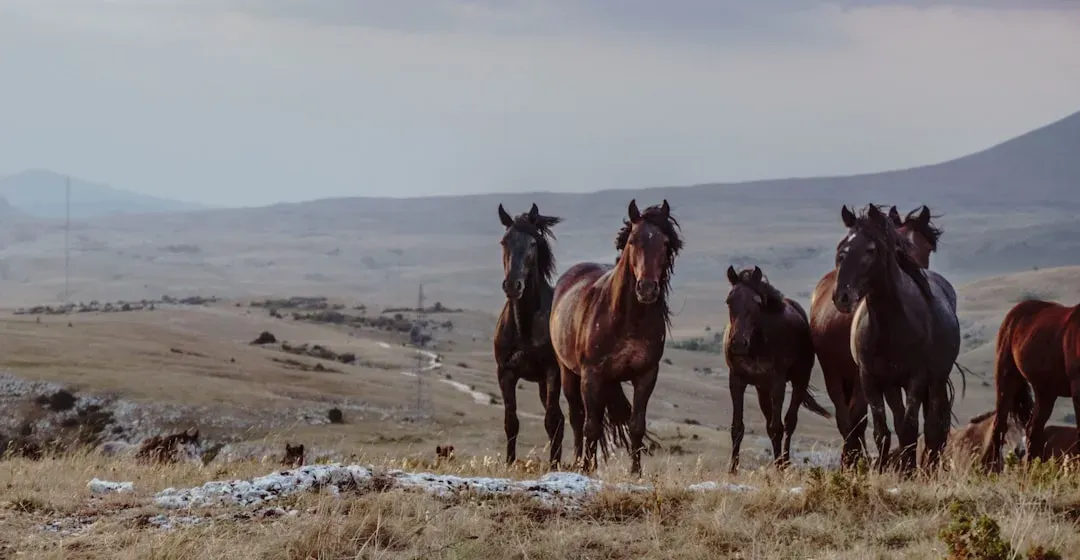
The Bureau of Land Management created the Wild Horse and Burro Program to implement the Wild Free-Roaming Horses and Burros Act, passed by Congress in 1971. Broadly, the law declares wild horses and burros to be “living symbols of the historic and pioneer spirit of the West” and stipulates that the BLM and U.S. Forest Service have the responsibility to manage and protect herds in their respective jurisdictions.
The BLM manages wild horses and burros in 175 herd management areas across ten western states, with each area unique in its terrain features, local climate, and natural resources, just as each herd is unique in its history, genetic heritage, coloring, and size distribution.
To support healthy conditions on public lands, the BLM determines what it calls the Appropriate Management Level, which is the number of wild horses and burros that can thrive in balance with other public land resources and uses. Wild horses and burros that exceed this level are to be removed from the range, in accordance with the 1971 Act. The current on-range population sits at roughly three times that target level, which frames the entire debate about what comes next.
The Push and Pull of Population Management
By one key measure, the roundup approach is a success. The number of free-roaming wild horses and burros on federal land is now at the lowest level in nearly a decade, making it easier for the bureau to protect soils, vegetation, and already scarce water resources the animals need to survive. That progress, however, has come with a steep cost.
As of fiscal year 2024, off-range holding cost over one hundred million dollars, representing sixty-six percent of the BLM’s annual Wild Horse and Burro Program budget. The financial math of capture-and-hold has become increasingly difficult to defend at scale.
Population modeling has shown that immediately implementing fertility control alongside any removal that the BLM is already conducting is the only realistic way to stabilize herd growth, replace removals as the agency’s primary management tool, and save taxpayer dollars over the long run. The science increasingly points in one direction, even as the political will to follow it remains inconsistent.
The Trump Administration’s Fiscal Year 2026 budget proposal slashes funding for the BLM’s Wild Horse and Burro Program by twenty-five percent and removes long-standing protections against horse slaughter, raising concerns about the fate of tens of thousands of federally protected animals currently in government holding facilities. The debate over their future has rarely felt more urgent.
What Resilience Really Looks Like
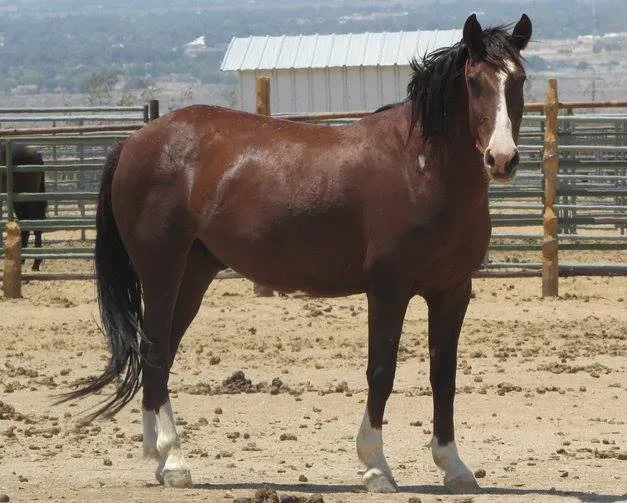
Today’s mustangs carry a mix of bloodlines, from sturdy Spanish stock to ranch horses that slipped their bridles. Their very existence tells a tale of resilience, adaptation, and the enduring impact of human movement across continents.
Wild horses are known for their strong social structures and complex behaviors. They typically live in herds led by a dominant mare, with stallions establishing territory and protecting the group. These social bonds are vital for their survival, as they provide safety in numbers and support during challenges.
Wild horses have been bred for survival, and survival demands that they are strong and efficient. They are medium to heavy boned, carry themselves in a collected manner, and are surefooted over rough terrain. Centuries of natural selection have produced something genuinely difficult to diminish.
Today, the mustang remains a symbol of freedom, strength, and the untamed spirit of the American West. Though their numbers have fluctuated over the years, the mustang’s resilience and adaptability have ensured that they continue to thrive in the wild.
Conclusion: An Animal That Outlasts the Argument
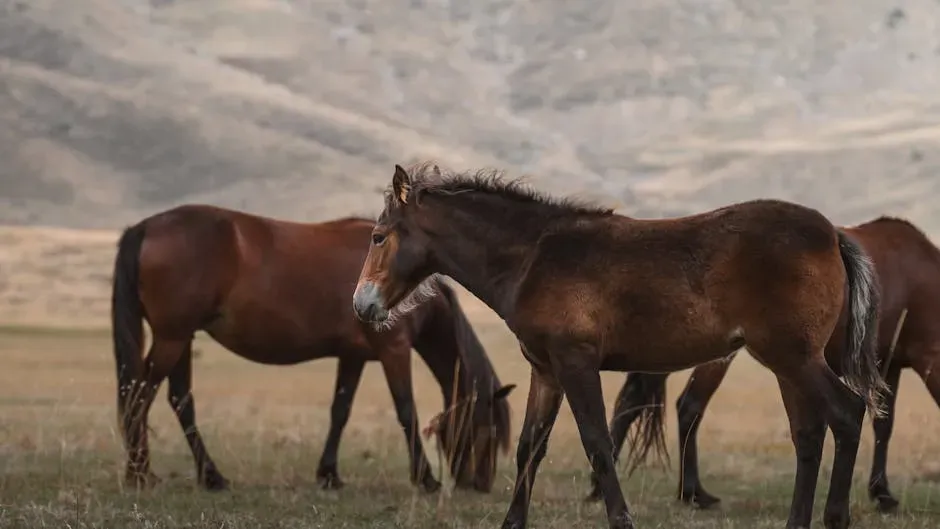
Wild horses have outlasted near-extinction, political indifference, brutal roundups, and decades of bureaucratic gridlock. Their population numbers, whatever lens you apply to them, reflect an animal with a fundamentally strong will to persist.
The conversation around management, funding, and protection is genuinely unresolved. Finding a balance between protecting the ecosystem and maintaining healthy mustang populations remains a complex issue. That complexity deserves honest acknowledgment rather than easy resolution.
What’s harder to argue with is the animal itself. Centuries of natural selection on rugged, unforgiving land have produced a horse that adapts, endures, and multiplies under pressure. The West keeps changing around them. The mustang, for now, keeps pace.
