
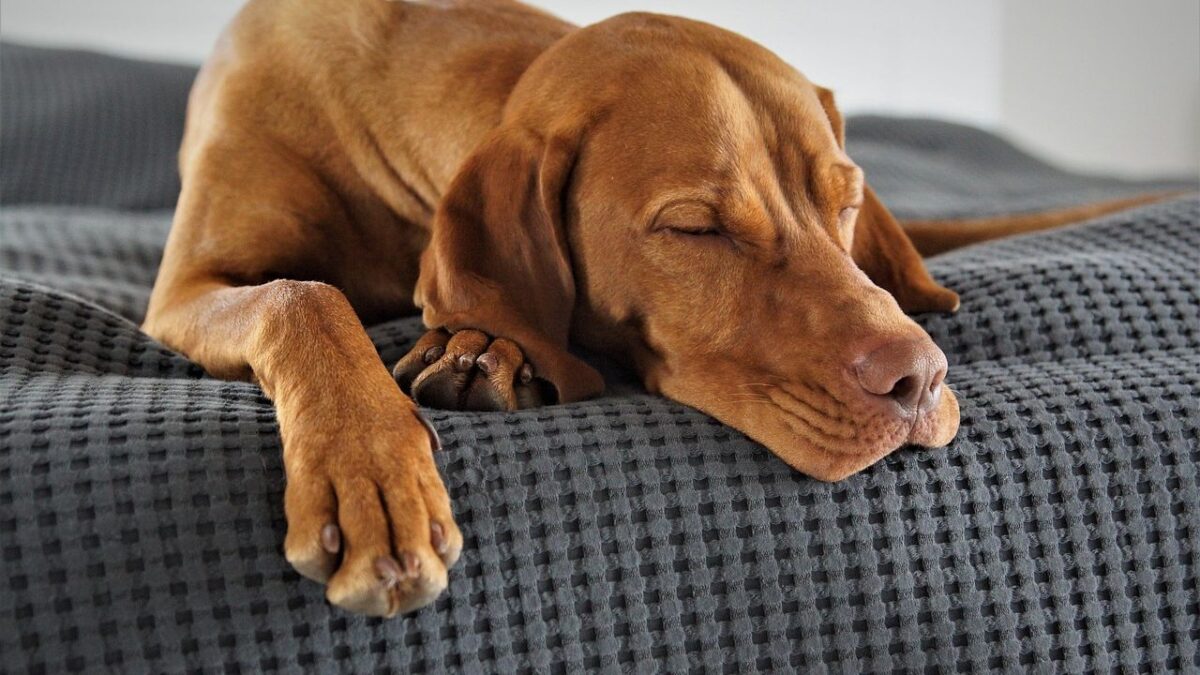
Most dog owners have watched it happen. Their dog is deeply asleep, and then, without warning, the paws start twitching, a muffled bark escapes, and the legs churn as if sprinting across some invisible field. It’s one of those small, oddly moving moments that makes you genuinely curious about what’s going on inside that sleeping head.
Science, it turns out, has a great deal to say on the subject. The answer is both more layered and more touching than most people expect.
The Architecture of a Dog’s Sleep
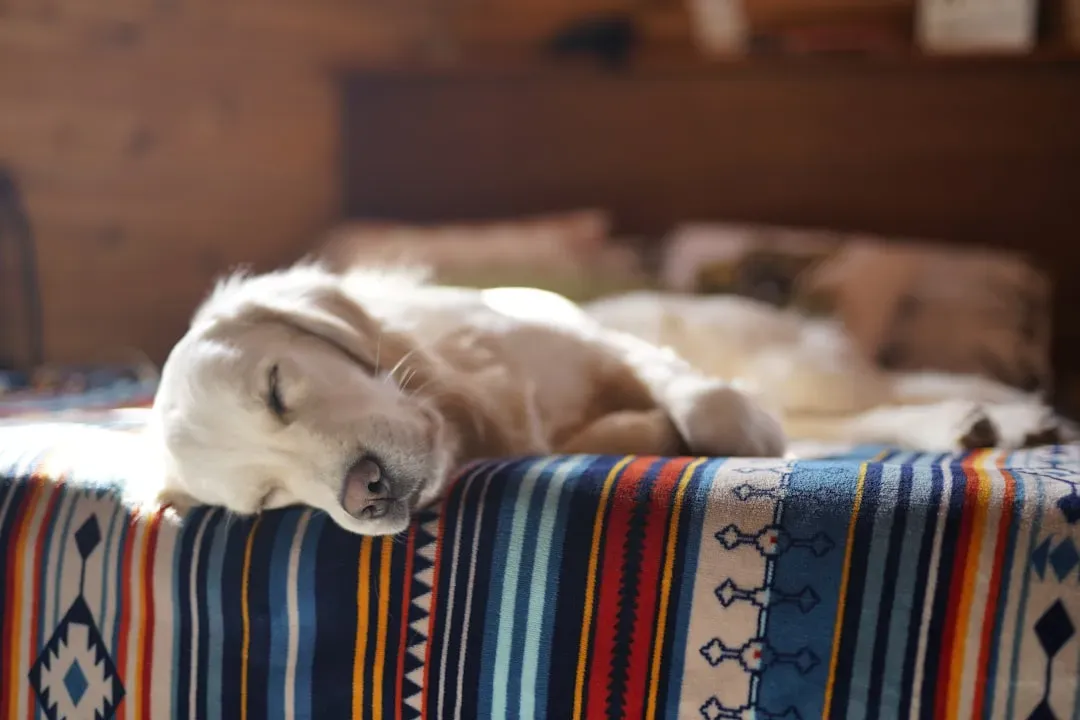
Dogs, like humans, experience different stages of sleep, including light sleep, deep sleep, and REM sleep. Each stage serves a distinct purpose, and they cycle through these stages repeatedly during rest. It’s a rhythm that closely mirrors our own, which is part of what makes canine sleep so scientifically compelling.
When a dog first falls asleep, they experience slow wave sleep, when brain waves are slow and undulating. During this stage, mental processes are quiet, but muscles are still active, so the body is not totally relaxed.
Later, a deeper stage of sleep occurs, marked by rapid eye movements. This stage is called REM sleep, during which brain waves are faster and more irregular. Unlike slow wave sleep, muscles are more relaxed during REM, but the mind is more active and the eyes dart rapidly beneath the eyelids.
Despite having daily downtime of between 12 and 14 hours, dogs have much shorter sleep cycles than humans. Whereas we might have four to six 90-minute sleep cycles, dogs can experience around 15 to 20 cycles per night. That’s a lot of opportunities for the brain to get busy.
What the Brain Is Actually Doing
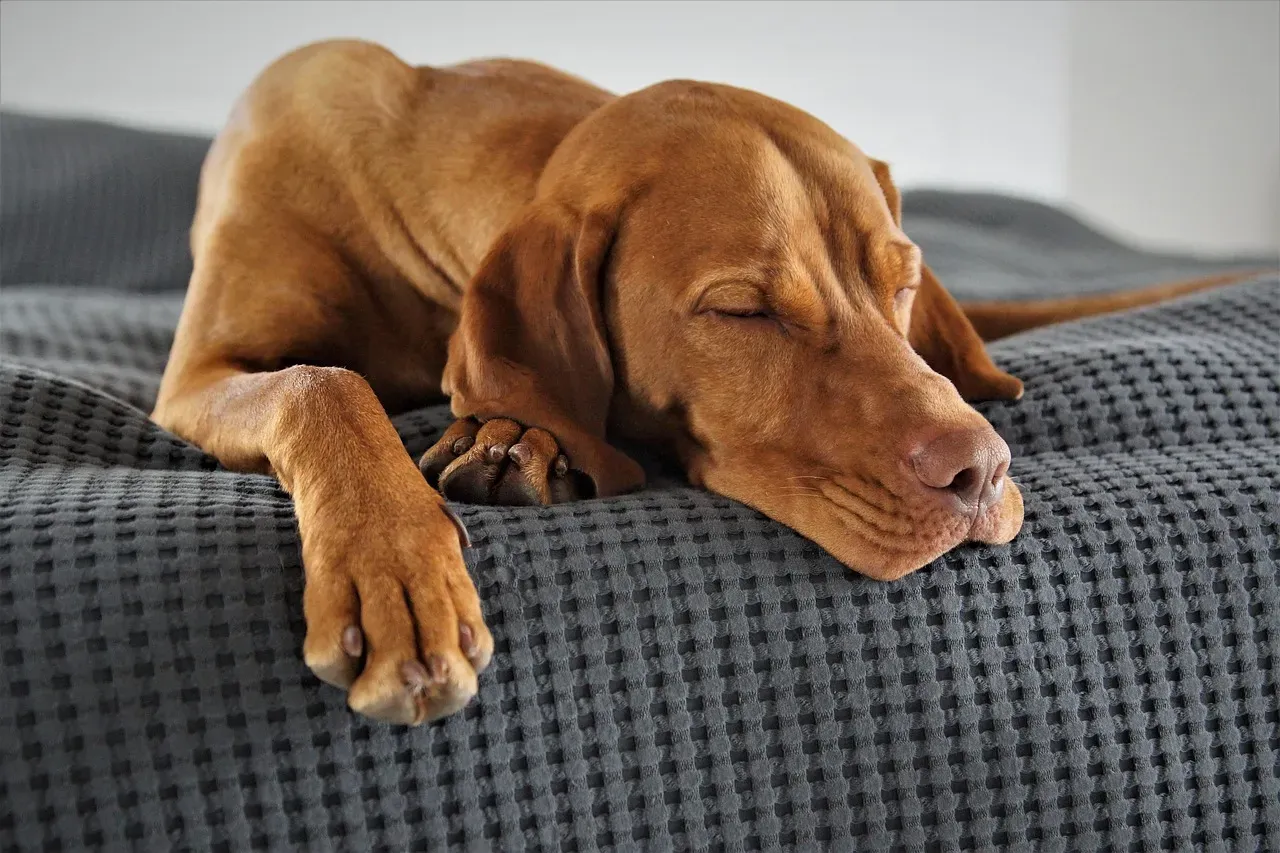
Scientific research demonstrates comparable brain wave patterns in humans and dogs. Dreams are part of the normal sleep cycle, and dogs do indeed have them. This isn’t just an assumption born from watching a dog kick in its sleep. It’s grounded in measurable electroencephalographic data.
During REM, the brain is highly active, and studies on canines have found brainwave patterns strikingly similar to those of humans. The parallel is close enough that researchers have drawn meaningful conclusions about cognitive activity during sleep.
The dog is a promising non-invasive translational model of human cognitive neuroscience, including sleep research. Studies on the relationship between sleep and cognition in dogs are only just emerging, but still relatively scarce. What has been found, though, is already reshaping how scientists think about animal minds.
Dogs fulfill all behavioral and polygraphic criteria of sleep, and are characterized by sleep homeostasis, diurnal patterns of activity, circadian rhythms, ultradian sleep cycles, and sleep-related memory improvement. In other words, their sleep isn’t just physiologically real. It appears to be functionally meaningful too.
What Dogs Are Likely Dreaming About
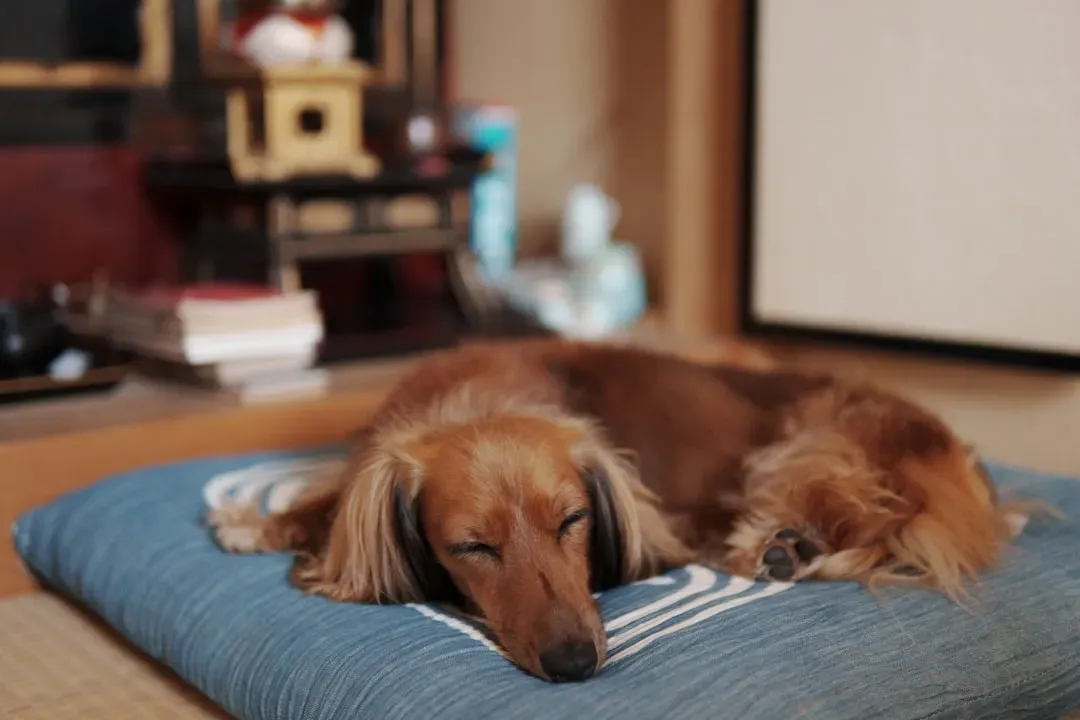
Dogs and people dream about things that occurred during their waking hours. Information gathered during the day is processed and may be relived in dreams. This is known as the continuity hypothesis, and the evidence supporting it in dogs is genuinely persuasive.
Researchers at MIT studied the neurons in the rat hippocampus to investigate the pattern of neural activity during REM sleep. They employed a behavioral task known to produce distinct brain activity over longer periods and compared this with subsequent REM sleep episodes for similar patterns. Their research indicated that the rats were recollecting specific experiences while asleep. The researchers were even able to tell which part of the track the rats were dreaming about.
Similar results have also been seen in mice and cats, so it is reasonable to conclude that dogs, and perhaps all mammals, also have visual dreams. That’s a striking implication, and it reshapes how we think about what’s happening behind those twitching eyelids.
For example, humans rarely report scents when recounting dreams. However, we should expect dogs to dream in smells, given that olfaction is so central to their waking experience of the world. A dog’s dream, then, is probably less visual and far more olfactory than anything we could imagine.
How Age, Size, and Breed Shape the Dream Life
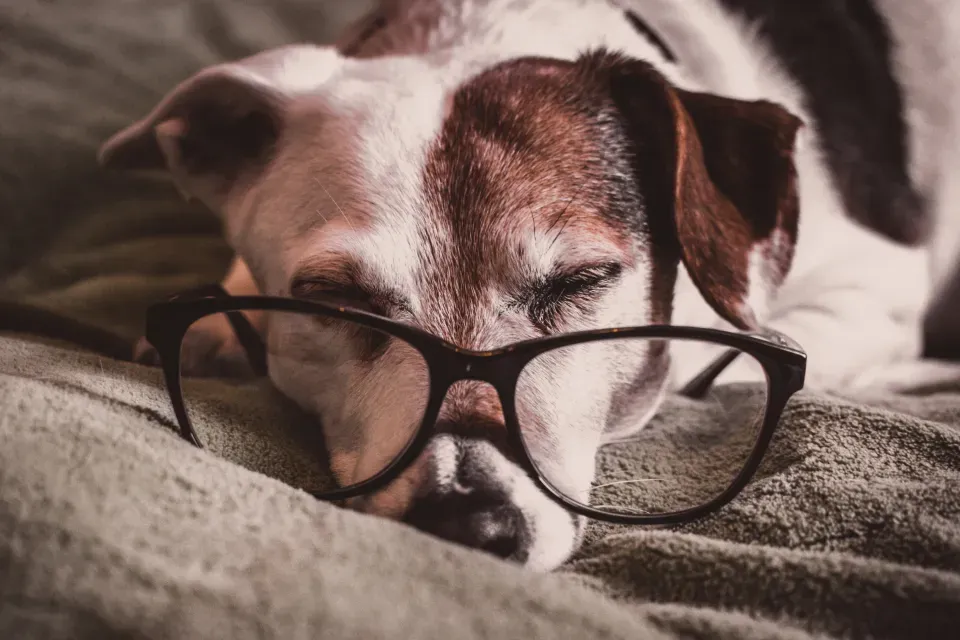
The size, age, and breed of a dog can influence how often and how intensely they dream. Research suggests that smaller breeds may have more frequent dreams, but each dream tends to be shorter. Larger breeds, on the other hand, might dream less often, but their dreams last longer.
A toy poodle may dream every 10 minutes, while a Labrador Retriever may only dream once every 60 to 90 minutes. The poodle’s dreams may last only a minute, while the Labrador’s dreams may be 5 to 10 minutes long. The variation is remarkable, almost like each breed has its own internal dream clock.
The young minds of puppies experience more dreams than adult dogs. Puppies acquire huge amounts of new information daily and have a lot to process at night. This makes intuitive sense. A puppy’s first months are an extraordinary flood of new sensations, faces, smells, and commands.
Puppies and senior dogs have less developed or less efficient brain stem structures, which normally prevent physical movement during dreams. This results in more visible dream-related movements during sleep. That’s why puppies and older dogs tend to twitch and paddle more visibly than dogs in their prime.
Sleep, Memory, and Your Dog’s Emotional Life
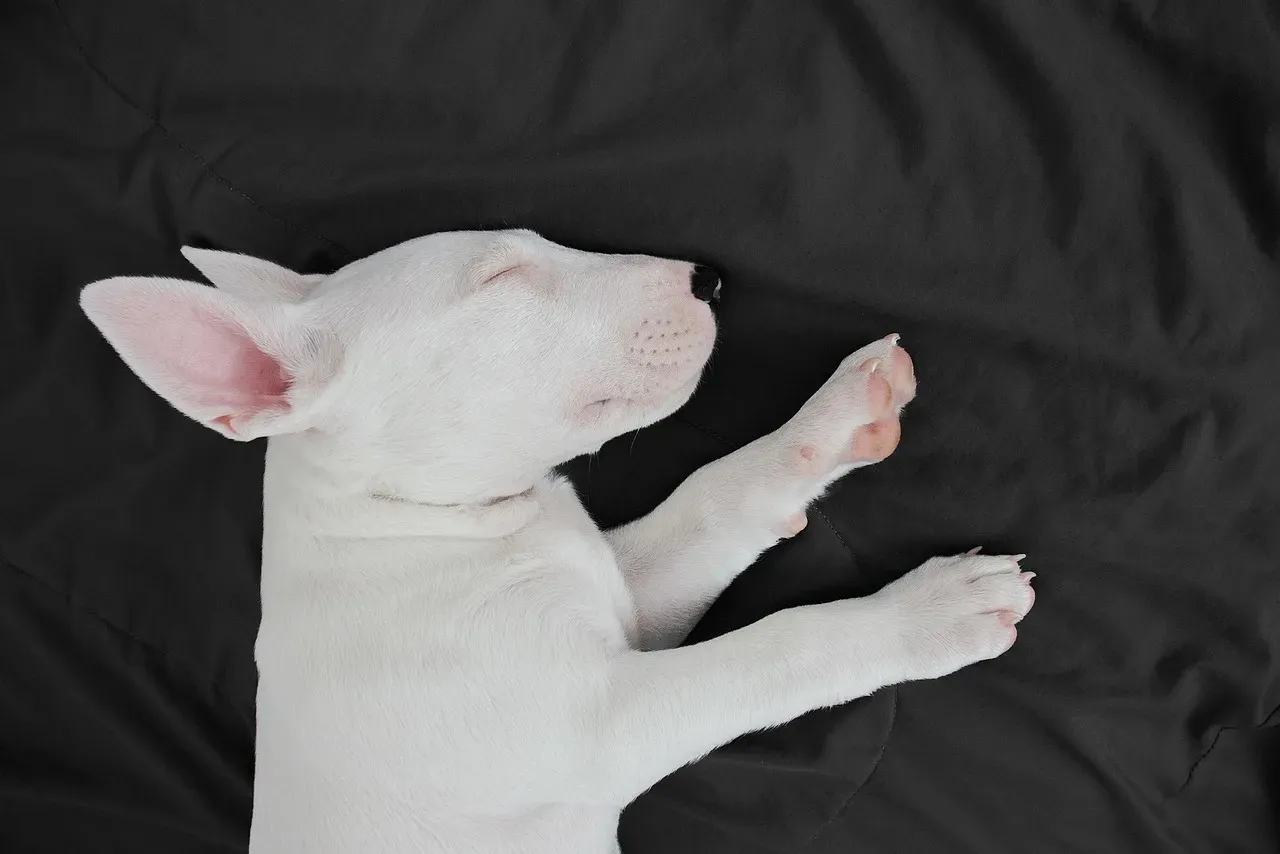
Sleep may contribute to dogs’ memory consolidation. This finding carries real weight, particularly for anyone who trains dogs or works with them professionally. What happens during rest is closely tied to what gets retained.
Research has shown that subjects’ performance significantly increased after a three-hour polysomnography recording compared to the pre-sleep baseline. Dogs that slept after learning new commands performed better when tested afterward, pointing to a genuine sleep-learning connection.
It has been shown that positively versus negatively valenced dog-human social interactions substantially affect dogs’ subsequent sleep. A stressful or emotionally charged day doesn’t just leave dogs tired. It changes the actual structure and quality of their sleep that night.
Following an active day, dogs slept more, were more likely to have an earlier drowsiness and NREM, and spent less time in drowsiness and more time in NREM and REM. A busy day, it seems, doesn’t just wear a dog out physically. It also primes the brain for a deeper and more restorative night’s sleep.
Conclusion
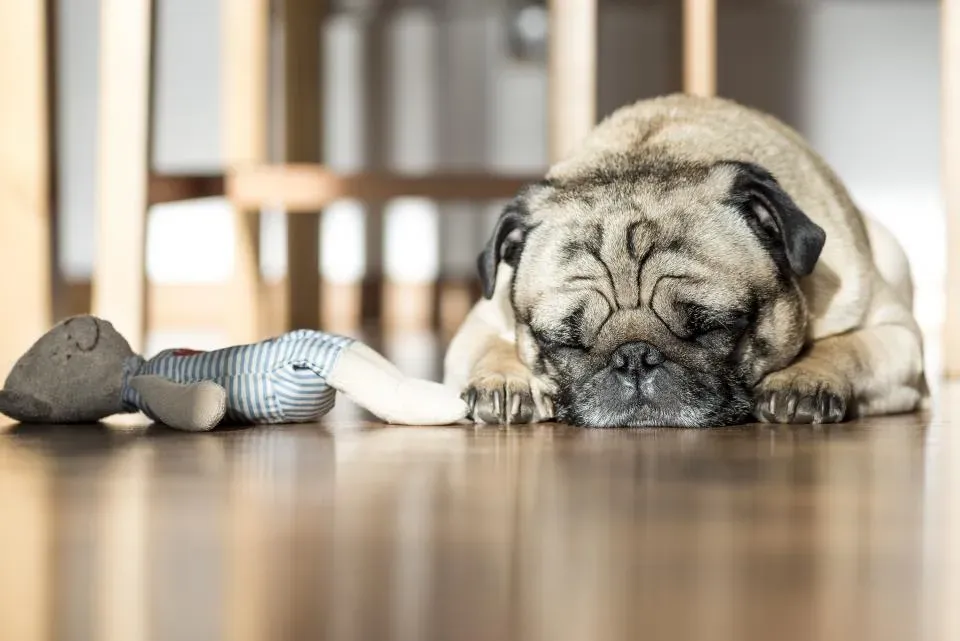
What started as a curious observation at the foot of a bed has become a genuinely productive area of neuroscience. Dogs don’t just sleep. They cycle through stages, process their days, consolidate memories, and very likely experience something that deserves to be called dreaming.
The details still carry uncertainty. We can’t fully know the texture of a canine dream, whether it’s more scent than image, more emotion than narrative. Researchers are careful not to project human experience directly onto a dog’s sleeping mind, and that caution is well placed.
Still, the evidence is strong enough to say this with confidence: when your dog’s paws start moving at 2 a.m., something real is happening in there. Whether they’re chasing a squirrel, replaying a morning walk, or dreaming of you, their sleeping brain is working. That alone feels like something worth knowing.
