
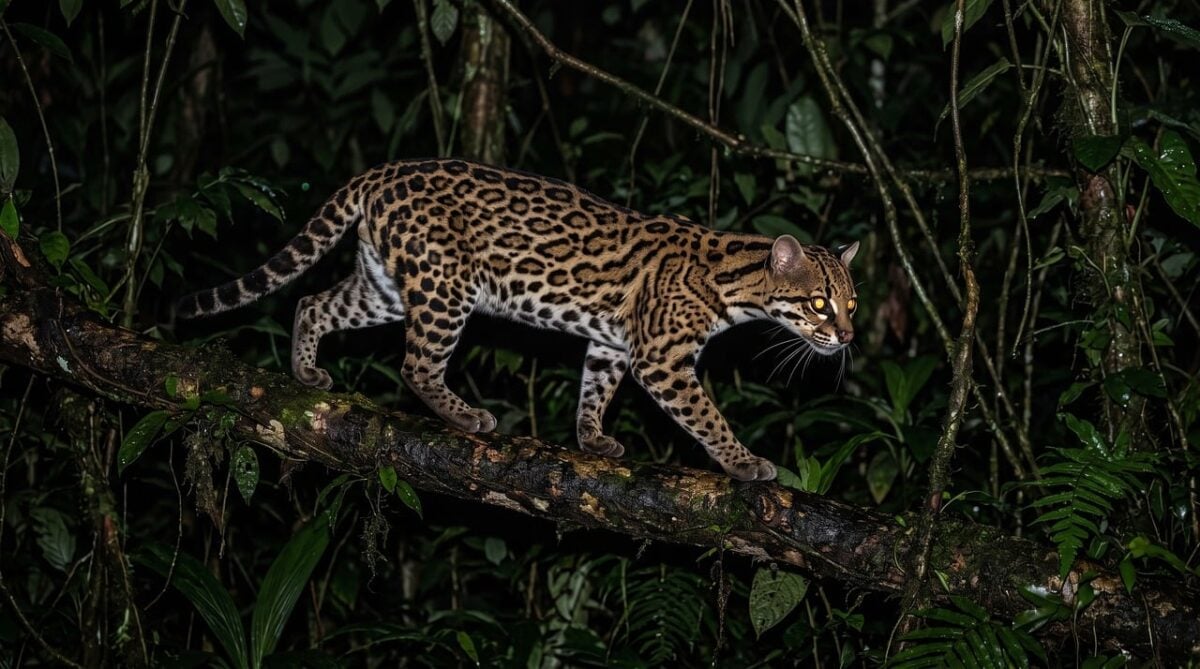


Fact 7: Ocelots Demand Extremely Dense Thornscrub Cover
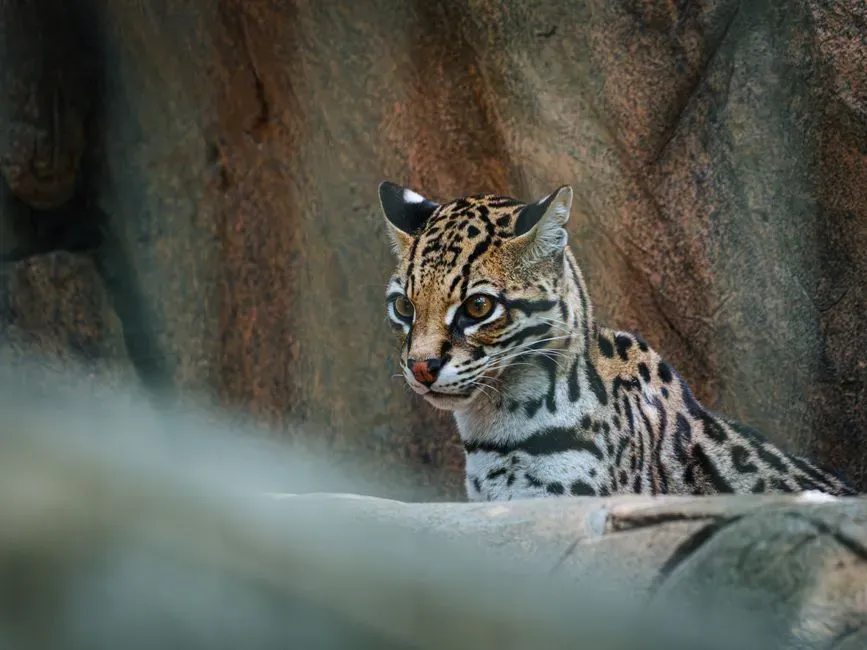
These cats thrive only in thick, thorny vegetation that provides both hunting cover and daytime shelter. They avoid open areas and require canopy and vertical cover that reaches ninety five percent in places. Such specific conditions exist in limited supply even in their current range.
Without those dense thickets, ocelots struggle to stalk prey or hide from threats. The Tamaulipan thornscrub they favor has become rare because it grows slowly and resists easy restoration. This habitat pickiness narrows their options dramatically compared with more adaptable felines.
Fact 6: Over Ninety Five Percent of Suitable Habitat Has Disappeared
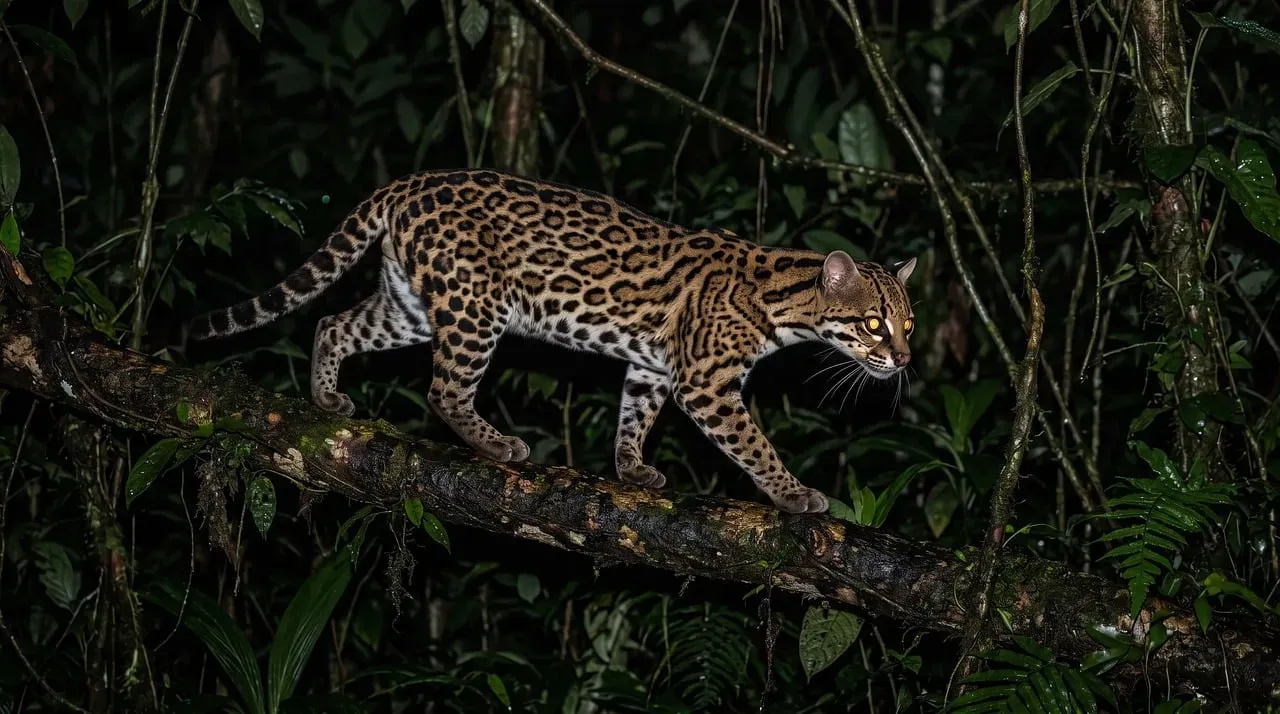
Conversion of South Texas brushland to farms, ranches, and subdivisions removed the vast majority of the ocelot’s former stronghold. What remains sits in scattered fragments rather than continuous blocks. The loss happened over decades as agriculture and urban growth expanded.
Even protected areas like Laguna Atascosa National Wildlife Refuge hold only small pockets of the right vegetation. Private ranches now support most of the remaining cats because they preserved larger tracts. Without widespread habitat recovery, the population cannot expand beyond its current limits.
Fact 5: Vehicle Strikes Rank as the Leading Cause of Death
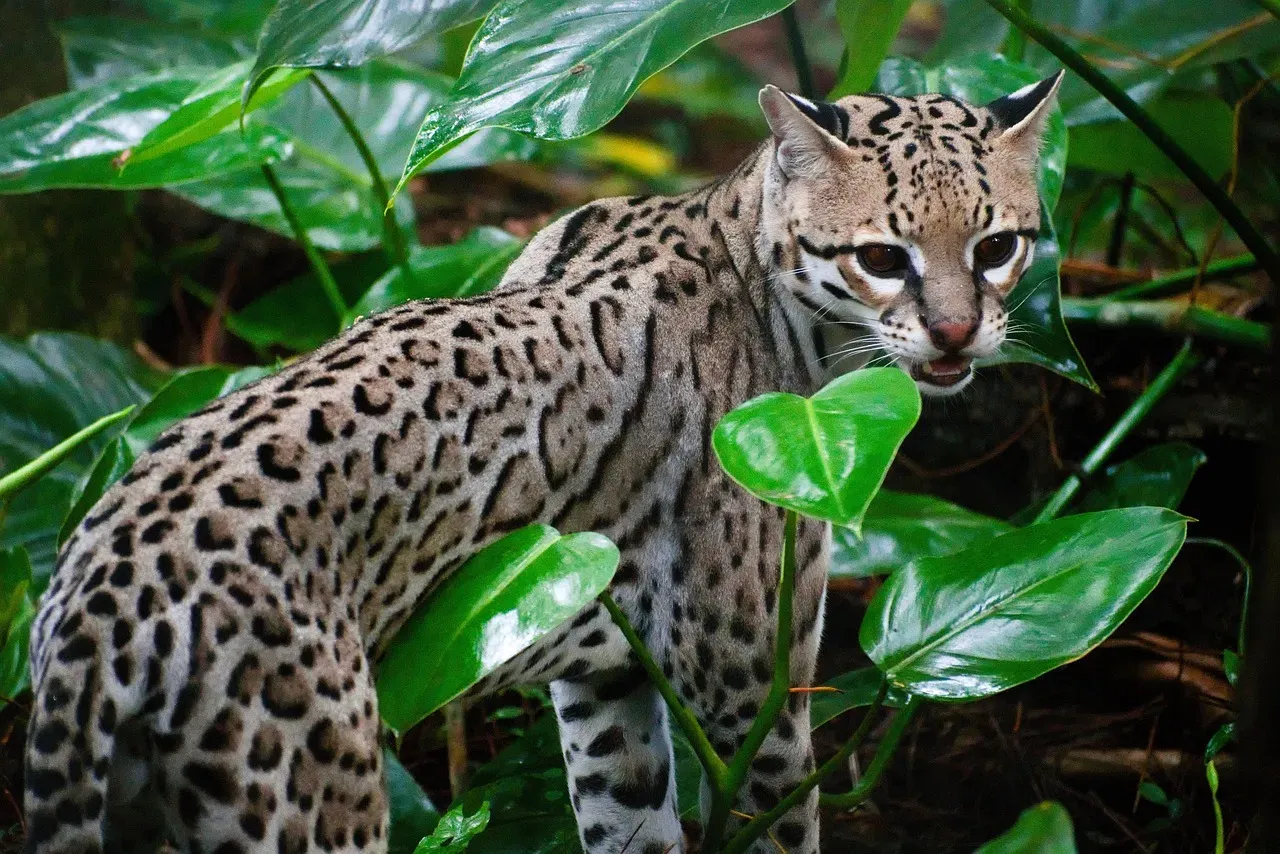
Roads slice through the remaining habitat and turn routine movements into deadly crossings. Young males traveling to find new territory face the highest risk. Records show dozens of ocelots killed by cars over the years, a toll that hits small populations especially hard.
Wildlife crossings exist in a few spots, yet many roads still lack them. Traffic volumes continue to rise with regional development. Each collision removes a breeding individual that the species can ill afford to lose.
Fact 4: Two Isolated Populations Suffer From Inbreeding
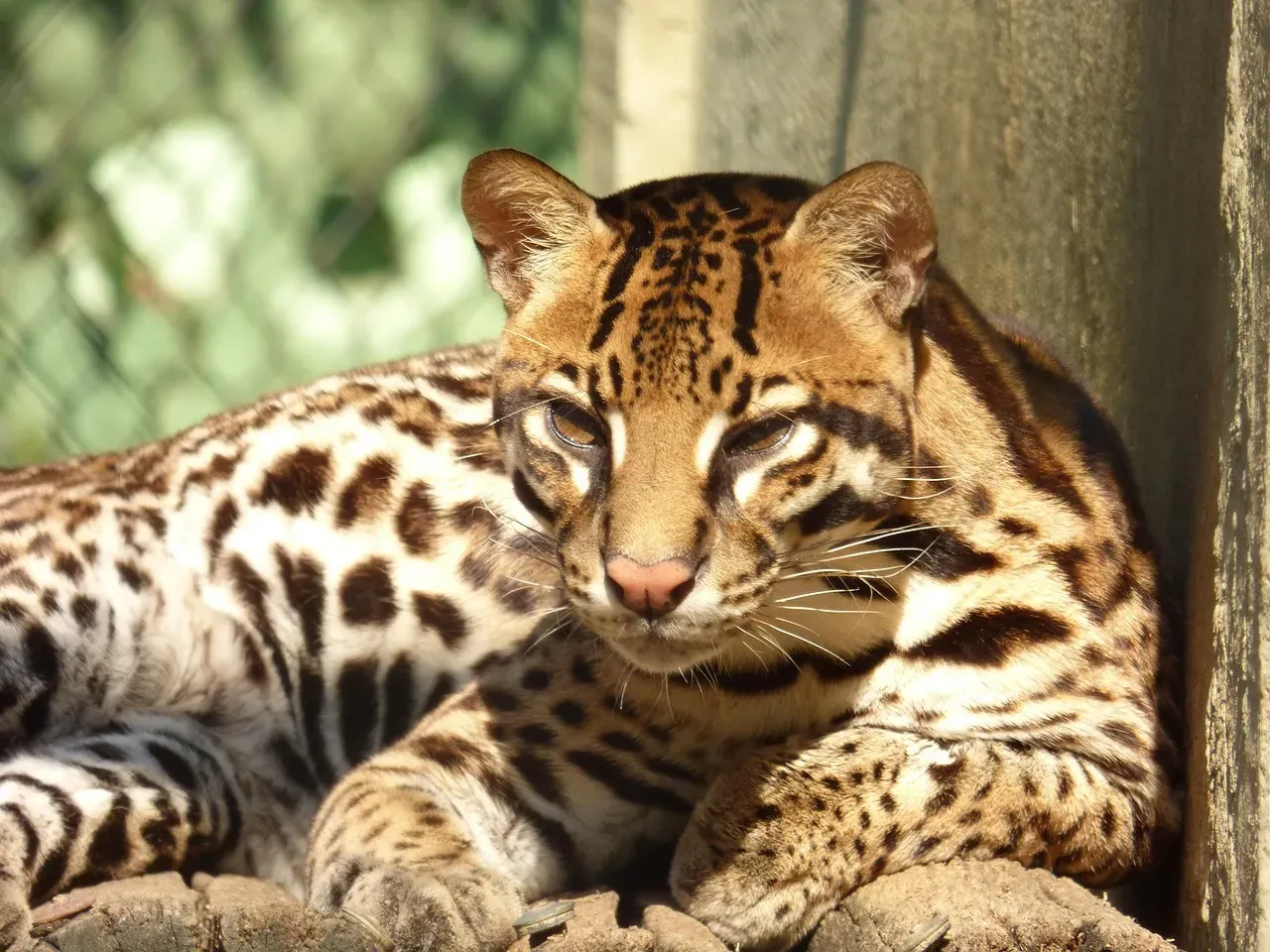
The roughly one hundred ocelots left in the United States split between a ranch based group and a refuge based group with little natural exchange. Limited mate choices have already reduced genetic diversity. Inbreeding raises risks of weaker immunity and lower reproductive success.
Without corridors linking the groups or new individuals arriving from Mexico, the problem persists. Genetic drift continues in such tiny numbers. Recovery plans recognize that connectivity must improve before the population can stabilize.

PetSafe Oasys Pet Fountain, 1/2 Gallon (64 oz), Small Dogs & Cats
Check Price on AmazonAs an Amazon Associate, we earn from qualifying purchases.
10/8/2026 8:14 am GMTi

Portable Dog Water Bottle Foldable Dog Travel Water Bottle
Check Price on AmazonAs an Amazon Associate, we earn from qualifying purchases.
10/7/2026 1:29 pm GMTi

Dog Stairs for Bed 18" H, 4-Step Dog Steps for High Bed
Check Price on AmazonAs an Amazon Associate, we earn from qualifying purchases.
10/9/2026 2:42 pm GMTi

Professional 7 in 1 Dog Paw Cleaner for Dogs & Cats - Includes 1 Portable Paw Washer, 1 Bath Brush
Check Price on AmazonAs an Amazon Associate, we earn from qualifying purchases.
10/7/2026 1:26 pm GMTi

Glass Hummingbird Feeder for Outdoors Hanging, 16 oz Leak-Proof Nectar Feeder with Bee Guards & Ant Moat
Check Price on AmazonAs an Amazon Associate, we earn from qualifying purchases.
10/7/2026 1:22 pm GMTi
Fact 3: Historical Hunting and Predator Control Took a Heavy Toll
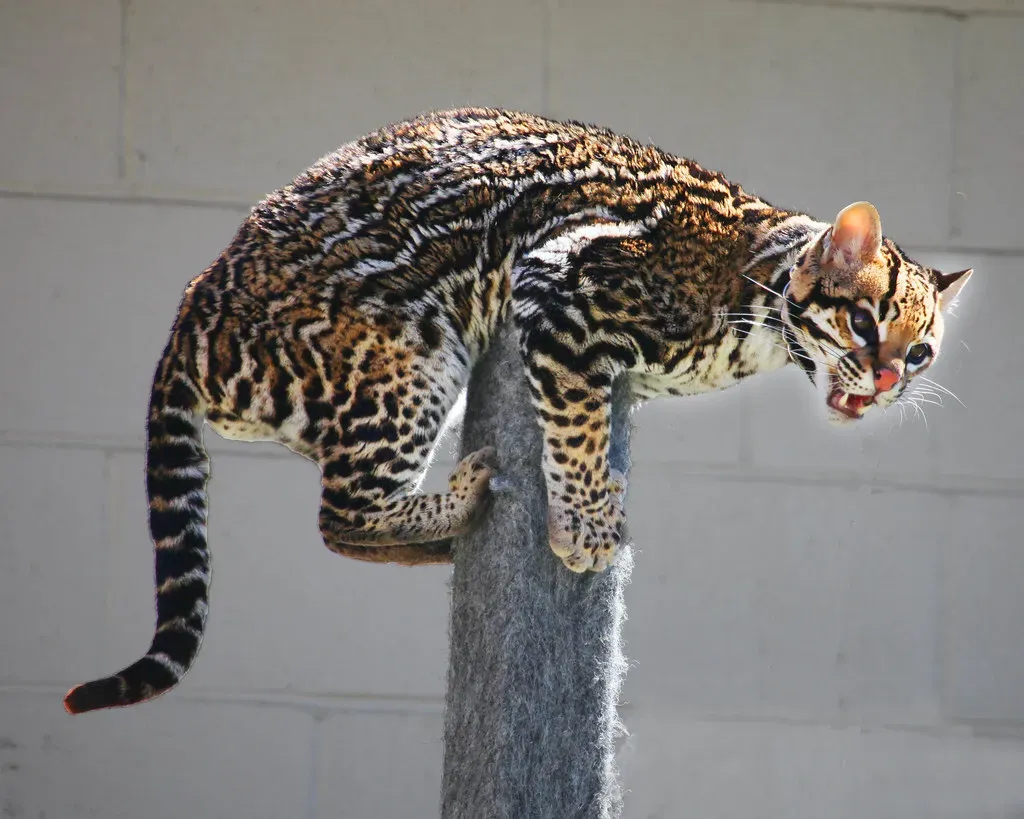
Decades of trapping, poisoning, and fur trade reduced numbers long before modern protections arrived. Ocelots were targeted as poultry threats and valued for their pelts into the late twentieth century. Those pressures eliminated them from most of their former range across Texas, Louisiana, and Arkansas.
Legal safeguards came only after the damage was done. The species received federal endangered status in 1982, yet recovery has stayed slow. Past persecution left a legacy of fragmented and diminished groups that still shapes today’s challenges.
Fact 2: Large Home Ranges Clash With Fragmented Landscapes
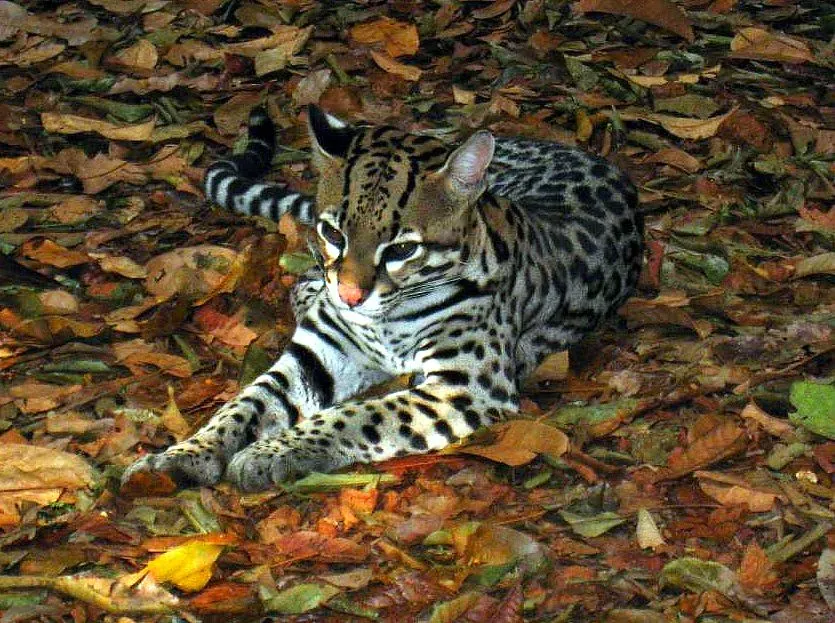
Each ocelot needs one to four square miles of quality habitat to find enough prey and den sites. When that space gets broken into smaller pieces by roads and fields, daily movements become risky. Cats must cross open ground or busy highways more often than they would in intact country.
Prey such as rabbits, rodents, and birds also decline when cover disappears. The combination of bigger space needs and shrinking patches leaves little room for error. Populations cannot grow when every individual requires so much unbroken territory.

Air Purifiers for Home Pets Large Room Up to 3000 Ft²,HEPA Air Cleaner with Washable Double-Side Filter, PM2.5 Air Quality Monitor,15dB Sleep Mode for Bedroom Odor Dust Pollen,White
Check Price on AmazonAs an Amazon Associate, we earn from qualifying purchases.
10/8/2026 8:23 am GMTi

Smart Bird Feeder with Camera Solar Powered, 2K HD Live Video, 10,000+ Bird Species AI Identification
Check Price on AmazonAs an Amazon Associate, we earn from qualifying purchases.
10/7/2026 1:22 pm GMTi

Halloween Dog Collar with Bow, Orange Cute Ghost Collar,
Check Price on AmazonAs an Amazon Associate, we earn from qualifying purchases.
10/9/2026 2:43 pm GMTi

Glass Hummingbird Feeder for Outdoors Hanging
Check Price on AmazonAs an Amazon Associate, we earn from qualifying purchases.
10/7/2026 1:21 pm GMTi

Hand Blown Glass Hummingbird Feeders for Outdoors Hanging, 24oz Wild Bird Nectar Feeder
Check Price on AmazonAs an Amazon Associate, we earn from qualifying purchases.
10/7/2026 1:23 pm GMTi
Fact 1: Recovery Faces Slow Habitat Restoration and Limited Expansion
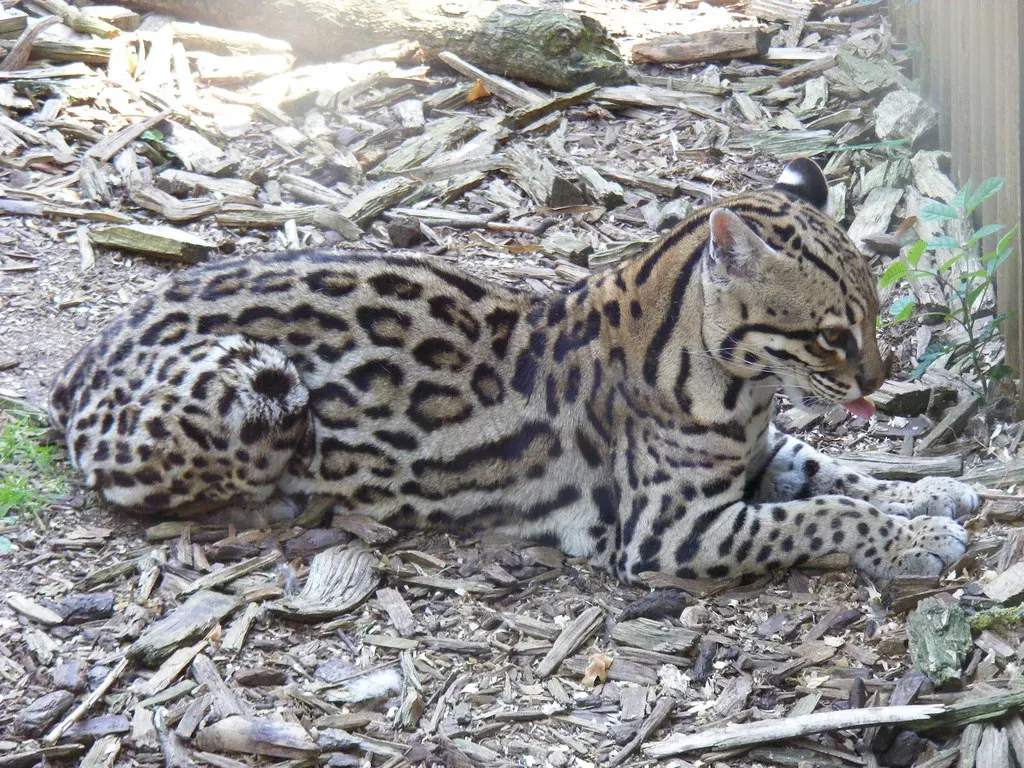
Efforts to plant thornscrub and build crossings show promise, yet results take years to mature. Goals call for at least two hundred animals sustained over a decade before delisting becomes possible. Current numbers hover well below that threshold despite ongoing work.
Private landowners hold most remaining habitat, so partnerships matter more than ever. Occasional wanderers appear in Arizona, but no breeding population has reestablished there. The combination of biological needs and landscape barriers keeps the United States population stubbornly small.

Earth Rated XL Dog & Puppy Pee Pads, Discreet Top, Max Absorbency
Check Price on AmazonAs an Amazon Associate, we earn from qualifying purchases.
10/7/2026 1:28 pm GMTi

Orthopedic Extra Large Dog Bed, Waterproof Washable XL Pet Bed 44"
Check Price on AmazonAs an Amazon Associate, we earn from qualifying purchases.
10/7/2026 1:32 pm GMTi

2 Pcs Halloween Pet Hat Bandana Set, Witch Pumpkin Costumes for Dogs
Check Price on AmazonAs an Amazon Associate, we earn from qualifying purchases.
10/9/2026 2:45 pm GMTi

Halloween Cat Costume Cloak Witch Hat Pet Accessories
Check Price on AmazonAs an Amazon Associate, we earn from qualifying purchases.
10/9/2026 2:44 pm GMTi
A Measured Path Forward
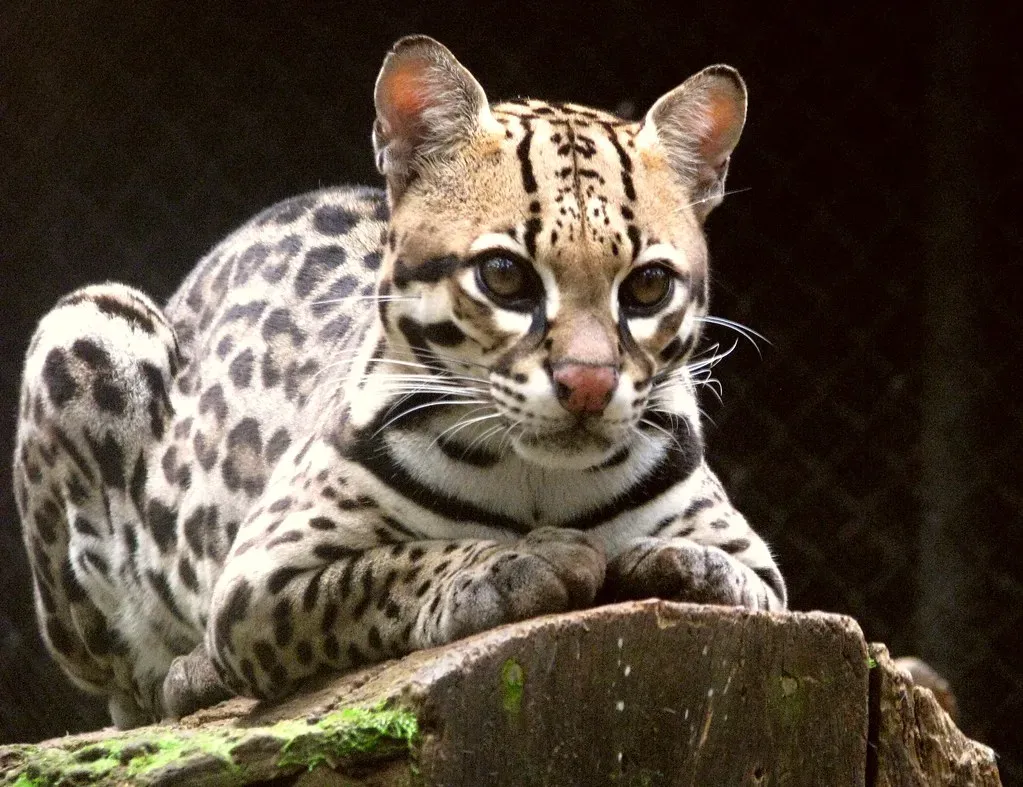
These seven facts reveal a species caught between its own requirements and a changed landscape. Habitat loss, roads, and isolation did not appear overnight, and they will not vanish quickly. Still, targeted restoration on private lands and better road design offer concrete steps that match the scale of the problem.
Success will depend on steady, unspectacular work rather than dramatic rescues. The ocelot’s future in the United States hinges on whether enough connected thornscrub can be secured before the remaining cats dwindle further. That outcome remains uncertain, yet the tools and knowledge to improve it already exist.

As a little kid, I fell in love with nature, wildlife, and animals. Living in the USA, South Africa, Italy, China and Germany gave me the opportunity to discover the world's Wildlife. My favorite animals are Mountain Gorillas, Siberian Tigers, and Great White Sharks.
I'm a certified PADI Open Water Diver, went to Everest Base Camp and Trekked Gorillas in Uganda. I hold a Master of Science in Economics and Finance.
Please send any feedback to feedback@animalsaroundtheglobe.com
- 7 Facts About Ocelots That Explain Why So Few Remain in the United States - November 12, 2026
- 9 Facts About The Gila Monster and How Its Venom Is Saving Lives - November 12, 2026
- 14 Animals Endangered in the U.S. And Whats Being Done - November 12, 2026