

History is filled with mysteries that continue to perplex scholars, scientists, and curious minds alike. These enigmatic events defy easy explanations and often challenge our understanding of the past. From bizarre disappearances to inexplicable phenomena, these historical puzzles serve as reminders that there’s still much we don’t know about our world.
Some mysteries capture our imagination precisely because they resist conventional explanations. When documented seem to contradict what we understand about physics, psychology, or human behavior, they become enduring sources of fascination. These six have spawned countless theories, heated debates, and ongoing investigations. Let’s dive in and explore what scholars have proposed about these captivating mysteries.
The Dancing Plague of Strasbourg: Mass Hysteria or Divine Punishment?
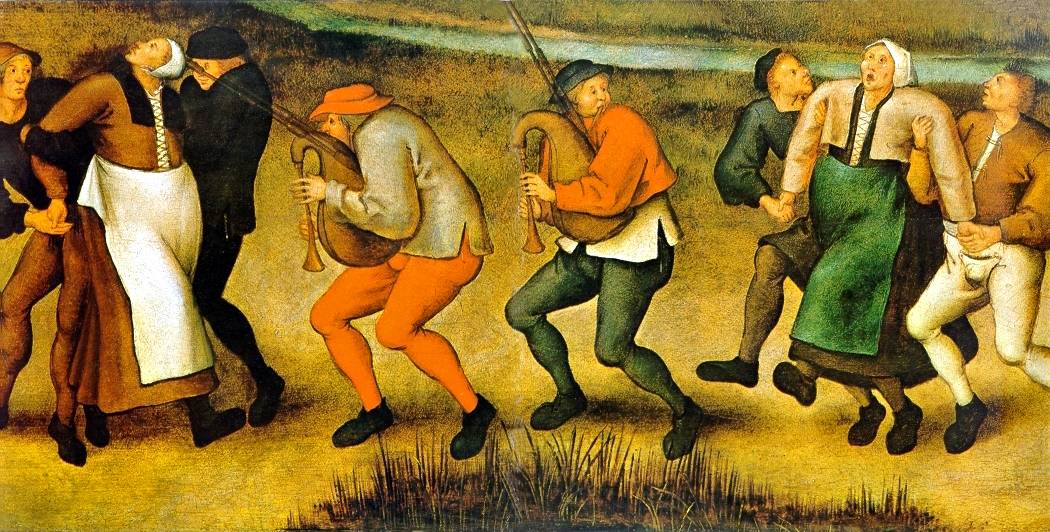
In July 1518, a woman known as Frau Troffea stepped into the streets of Strasbourg and began dancing uncontrollably. She seemed unable to stop, continuing this frenzied activity until she collapsed from exhaustion. By the end of the week, 34 others had joined, and within a month, there were around 400 dancers affected.
The most widely accepted explanation today is mass psychogenic disorder, as proposed by American medical historian John Waller. Such outbreaks occur under circumstances of extreme stress and generally take form based on local fears. In the case of the 1518 plague, Waller cited a series of famines and diseases like smallpox and syphilis as overwhelming stressors. Stress-induced mass hysteria remains the most popular theory, suggested by John Waller.
However, other theories include ergot poisoning from contaminated rye bread. Investigators suggested the afflicted might have consumed bread made from rye flour contaminated with ergot, which produces convulsions. American sociologist Robert Bartholomew even posited that the dancers were adherents of heretical sects, dancing to attract divine favour.
The Tunguska Event: Asteroid Impact or Something More Mysterious?
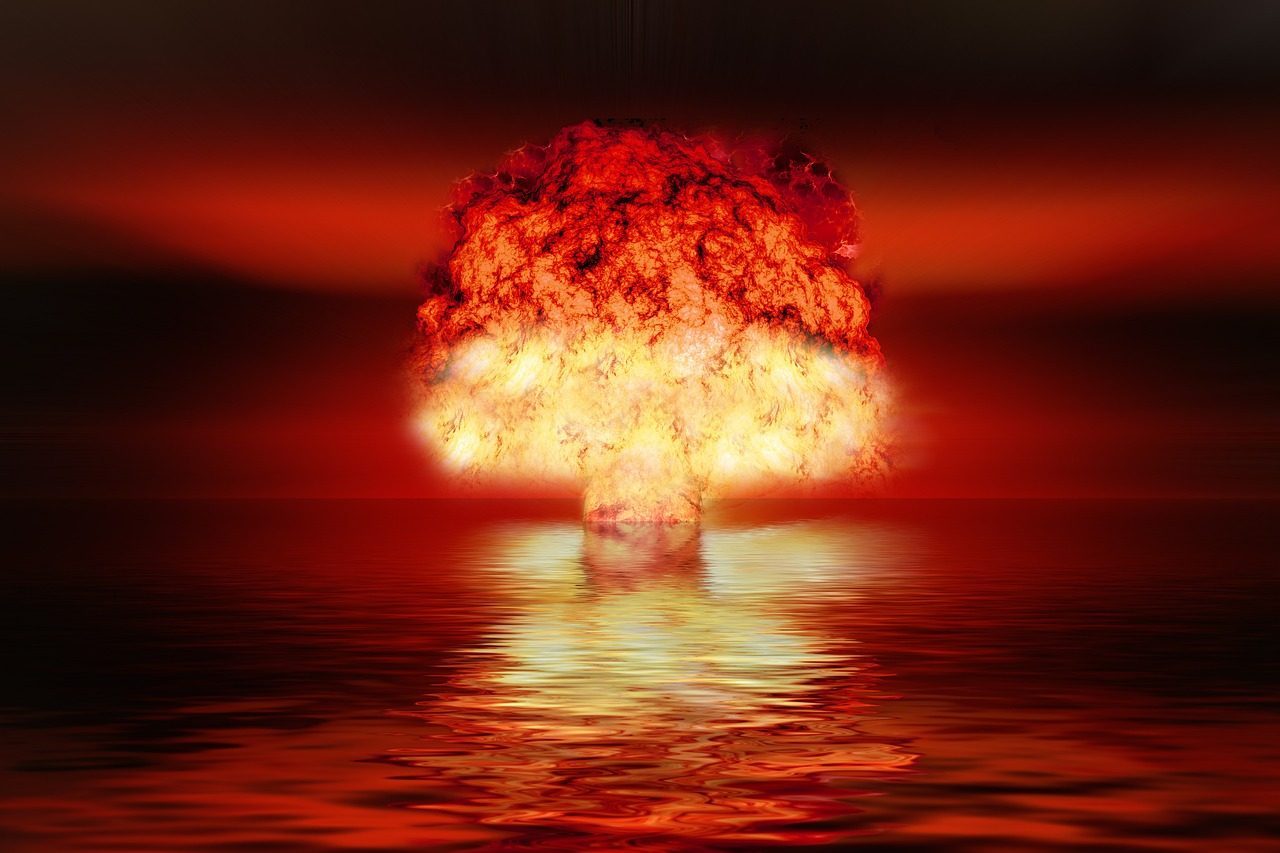
On the morning of 30 June 1908, a large explosion of between 3 and 50 megatons TNT equivalent occurred near the Podkamennaya Tunguska River in Russia. The explosion over the sparsely populated East Siberian taiga felled trees over an area of 2,150 km2 of forest.
The explosion is attributed to a meteor air burst, the atmospheric explosion of a stony asteroid about 50–60 metres wide. The object is thought to have exploded at an altitude of 5 to 10 kilometres rather than hitting the Earth’s surface, leaving no impact crater. This mainstream scientific explanation has gained widespread acceptance among researchers.
Yet more exotic theories persist. The similarity between the Hiroshima A-bomb devastation and the mysterious Tunguska effects gave rise to the notion that the 1908 event was caused by a man-made nuclear bomb, first suggested by Soviet author Alexander Kazantsev in 1946. Soviet scientist Alexei Zolotov even expanded this into a theory about an alien spacecraft controlled by “beings from other worlds” that may have caused the explosion.
A recent alternative proposal suggests the explosion was caused by a large iron asteroid that entered Earth’s atmosphere at a shallow angle and subsequently exited back into space. This “grazing passage” theory would explain both the massive destruction and the absence of debris.
The Lost Colony of Roanoke: Peaceful Integration or Tragic End?

In 1587, John White led about 115 settlers to establish the first English colony on Roanoke Island, off the coast of North Carolina. When he returned from England three years later, the colony had vanished without a trace. The only clue was the word “CROATOAN” carved into a tree.
The most hopeful theory suggests the colonists integrated peacefully with local Native American tribes. Some speculate that Croatoan refers to the native peoples who lived on an island south of Roanoke, and perhaps the colonists were peacefully integrated into the tribe. Archaeological evidence and DNA studies continue to explore this possibility.
More troubling theories propose violent endings. Some suggest the colonists were killed by indigenous people who thought them dangerous interlopers. Documents suggest Chief Powhattan killed some colonists, while other theories propose attacks by the Spanish or that colonists simply died of natural causes. Additional theories include a possible attempt at returning to England or even a tragic encounter with rival Spanish colonists.
The Mary Celeste: Mutiny, Pirates, or Supernatural Forces?

The Mary Celeste was discovered adrift in the Atlantic Ocean in 1872. When found, it was in good condition with its cargo intact and no signs of struggle, but the entire crew had vanished without a trace. The last log entry indicated everything was normal, yet there were no signs of struggle or foul play, and the lifeboat was missing.
Practical theories focus on maritime disasters. Theories about what happened range from a pirate attack (though no valuables were stolen) to mutiny, an explosion caused by alcohol fumes, or even a waterspout. The missing lifeboat suggests the crew abandoned ship deliberately, but why they would leave a seaworthy vessel with valuable cargo remains puzzling.
Other theories range from mutiny and pirate attacks to paranormal explanations. The supernatural angle gained traction partly because of the eerie circumstances: a perfectly preserved ship with meals still warm, personal belongings undisturbed, yet not a soul aboard. Some have suggested time anomalies or otherworldly intervention, though these theories lack supporting evidence.
The Voynich Manuscript: Medieval Medical Text or Elaborate Hoax?
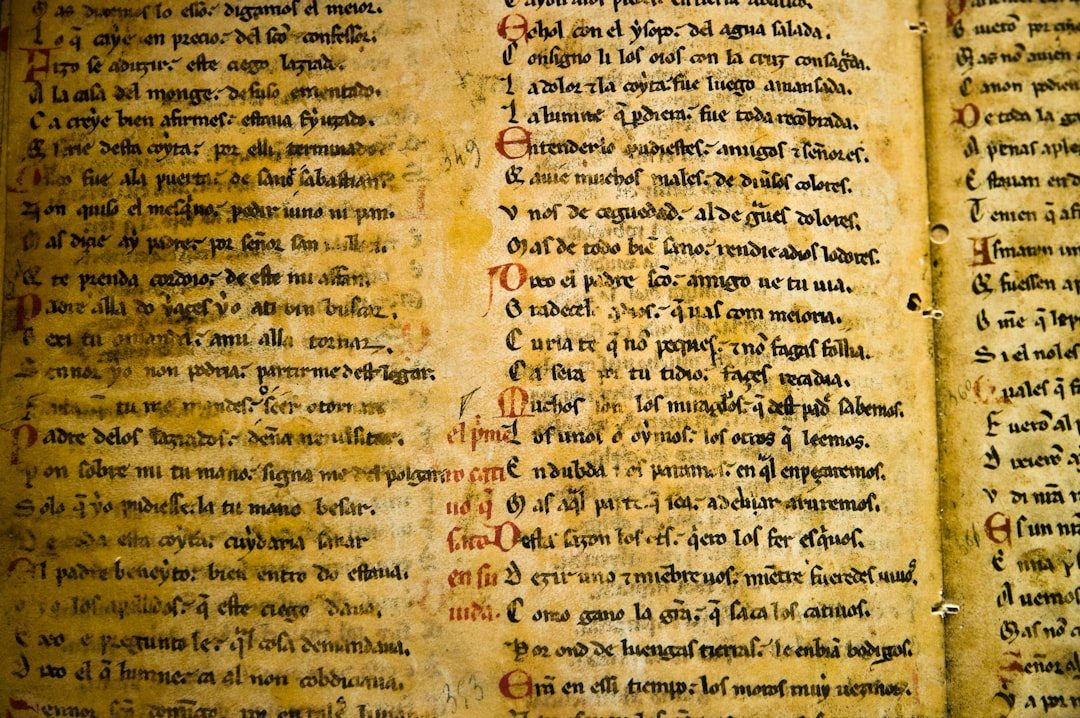
The Voynich manuscript is a 500-year-old book written in a mysterious language no one has deciphered, named after Wilfrid Voynich who purchased it in Italy in 1912. Many people tried their hand at deciphering the book, including codebreakers from WWI and WWII, but none were successful.
A recent theory suggested it could be a women’s health medical book, but it was quickly debunked. The manuscript contains bizarre illustrations of unknown plants, astronomical symbols, and mysterious figures that seem to defy classification. Some scholars believe it represents a lost language or cipher system that predates known cryptographic techniques.
Skeptics propose it’s simply an elaborate hoax created by a medieval con artist. Some suggest it could have been a joke written by someone on purpose, but with 272 pages, that would call for hardcore commitment. However, the manuscript’s consistent internal logic and sophisticated linguistic patterns suggest it’s more than random nonsense. Modern computer analysis has revealed statistical properties consistent with natural languages, adding credibility to theories that it contains genuine encrypted information.
The Flannan Isle Mystery: Rogue Wave or Supernatural Disappearance?

The Flannan Isle Mystery involves the unexplained disappearance of three lighthouse keepers in December 1900 on remote Scottish islands. When a relief vessel arrived, the lighthouse was found eerily empty with untouched meals and no sign of the men. The logbook revealed unsettling entries about severe storms despite no reports of bad weather.
The most rational explanation suggests a maritime accident. Theories about their fate range from a rogue wave sweeping them into the sea to more supernatural explanations involving curses or sea spirits. Weather records show that while no major storms were reported in the area, sudden rogue waves can appear without warning and could have swept all three men away simultaneously.
The supernatural theories gained traction due to the island’s folklore and the unsettling circumstances. Local legends spoke of phantom ships and otherworldly beings that supposedly haunted the Flannan Isles. The fact that experienced lighthouse keepers would all abandon their post simultaneously, especially in winter conditions, seems to defy logical explanation. Some theorists point to the strange logbook entries as evidence of psychological disturbance or supernatural encounters before the men’s disappearance.
Conclusion
These six historical mysteries remind us that the past still holds secrets waiting to be unlocked. Whether through scientific breakthroughs, archaeological discoveries, or new analytical techniques, some of these puzzles may eventually find their solutions. Others might remain forever enigmatic, serving as windows into the complex interplay between human experience, natural phenomena, and the limits of historical documentation.
The enduring appeal of these mysteries lies not just in their unsolved nature, but in what they reveal about human curiosity and our desire to understand the unexplained. What fascinates you most about these historical enigmas? Tell us in the comments.
