
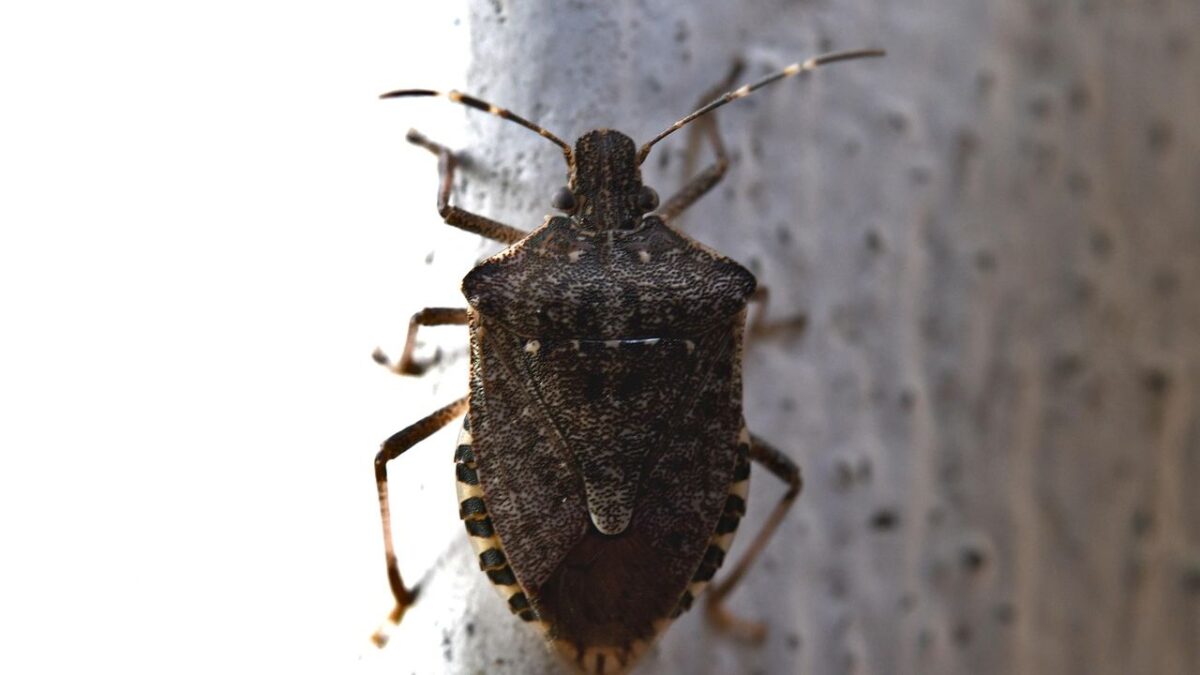
Waking up with itchy, red welts across your arms and legs is enough to make anyone’s skin crawl. The realization that bed bugs have taken up residence in your home can feel overwhelming. These tiny parasites are notoriously difficult to eliminate, and professional extermination services can cost hundreds or even thousands of dollars.
Honestly, I think many people feel a sense of panic when they discover these unwelcome guests. The good news? Your own home likely contains several items that can help you fight back against these persistent pests. While household remedies aren’t always a complete solution on their own, they can be surprisingly effective when used properly, especially for early or minor infestations. Let’s explore some practical options you might already have sitting in your cupboards.
Your Freezer: The Cold Treatment That Actually Works

Here’s the thing about bed bugs. They’re tough little creatures, but extreme temperatures are one of their weaknesses. Your freezer can be an effective tool if the temperature remains at or below 0°F, with items left in the freezer for at least four days. This method works well for smaller items like pillows, stuffed animals, shoes, or books that you suspect might be harboring these pests.
The process is straightforward. Seal the infested items in plastic bags before placing them in the freezer to prevent any escapees. Items should be placed in a freezer set to 0°F and left for at least four days, or seven days to be completely safe. The bitter cold kills bed bugs at all life stages, including those resilient eggs.
However, like most home remedies, it’s not a foolproof solution to fully remove bed bugs from your home, but it is an effective way to help reduce their numbers. You’ll still need to address the bugs hiding in your mattress, furniture, and walls. Still, it’s a chemical-free option that poses no health risks to you or your pets.
Diatomaceous Earth: The Powder That Dehydrates on Contact
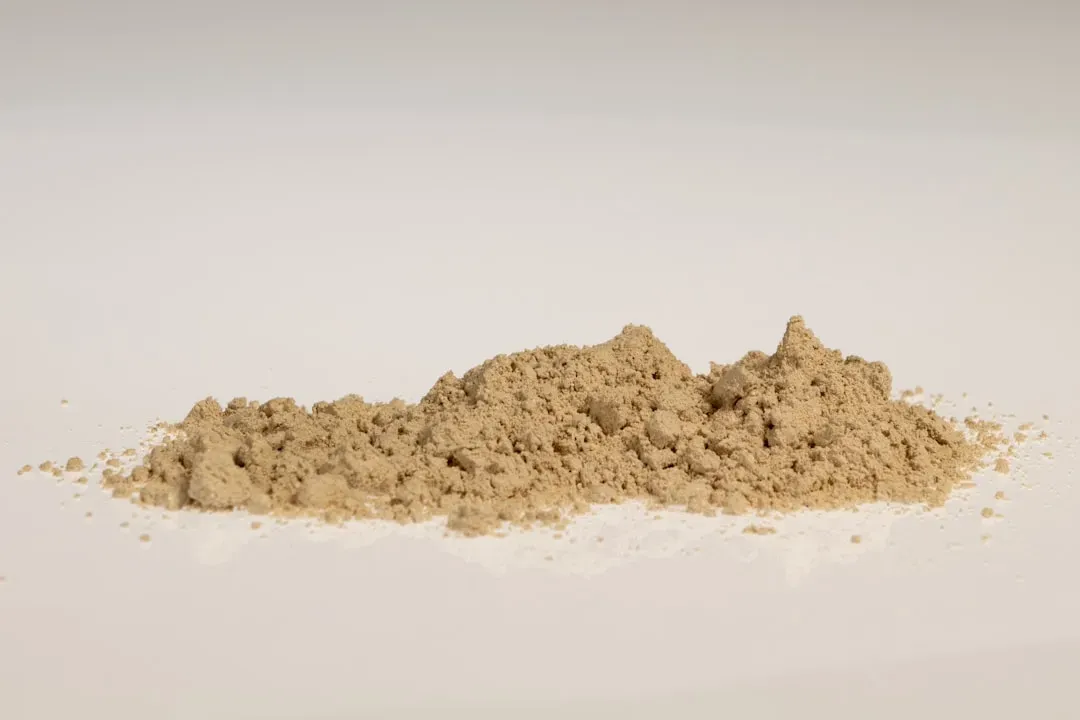
Diatomaceous earth is a natural, powdery substance made from crushed fossilized algae that dehydrates bed bugs by cutting into their exoskeletons. It sounds almost too simple to work, right? Yet this fine powder has become one of the most popular natural pest control methods available.
Diatomaceous earth adheres to the body of the bed bug and damages the protective waxy layer of the bed bug cuticle by sorption and abrasion, with particles penetrating the bed bug body and getting stuck between its exoskeleton joints, physically cutting the bug organs as it moves, causing loss of water and ultimately death. The beauty of this method is that it’s mechanical rather than chemical, meaning bugs can’t develop resistance to it.
Application matters tremendously here. Lightly dust diatomaceous earth into cracks, crevices, along baseboards, under furniture, behind headboards, and around mattress edges. Avoid piling it up in thick clumps because bed bugs will simply walk around it. Diatomaceous earth takes time to work, potentially killing some bed bugs in a few days, but full exposure and dehydration can take up to seven to ten days.
One crucial safety note: always purchase food-grade diatomaceous earth, never pool-grade. Pool grade diatomaceous earth is calcined, or heat-treated, and has a high concentration of crystalline silica which is dangerous to human and animal health, while food grade is uncalcined and contains less than 1% crystalline silica. Wear a dust mask when applying it to avoid breathing in the fine particles.
Heat Treatment: Launder Your Way to Freedom
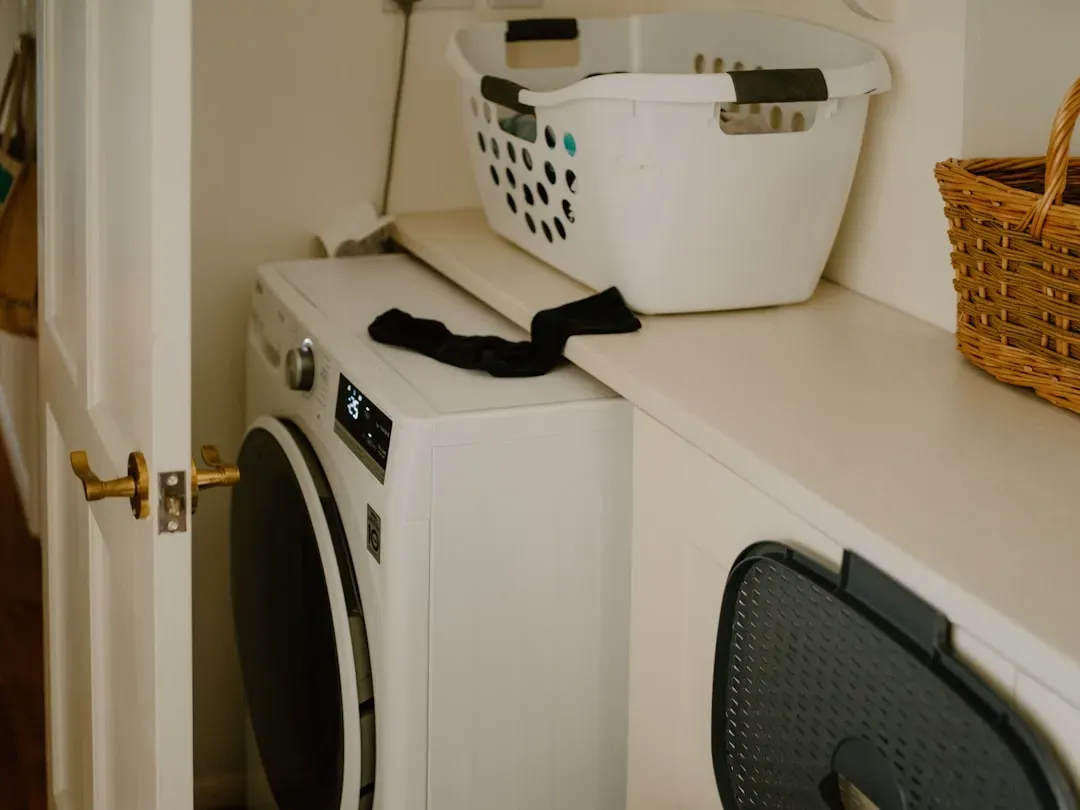
Bed bugs absolutely hate heat. It’s hard to say for sure, but this might be the most accessible and scientifically proven household method available. Washing infested items in hot water is effective because heat treatment dehydrates bed bugs due to intense heat, as long as the items can withstand high temperatures.
Your washing machine and dryer become powerful weapons in this battle. Placing clothes and linens in the dryer on high heat gives bed bugs another dose of heat, leaving them with little chance of surviving. The process kills not just adult bugs but also their eggs, which is critical since a single female can lay hundreds of eggs during her lifetime.
Help isolate bed bug-exposed items by placing them in sealed plastic bags, then wash these items in hot water or freeze them to kill bed bugs and their eggs. Let’s be real: you’ll need to wash everything. Bedding, curtains, clothing from nearby drawers, even throw pillows that might have been near the infestation site. It’s labor-intensive, yet remarkably effective for treating fabric items.
Rubbing Alcohol: A Quick Contact Killer
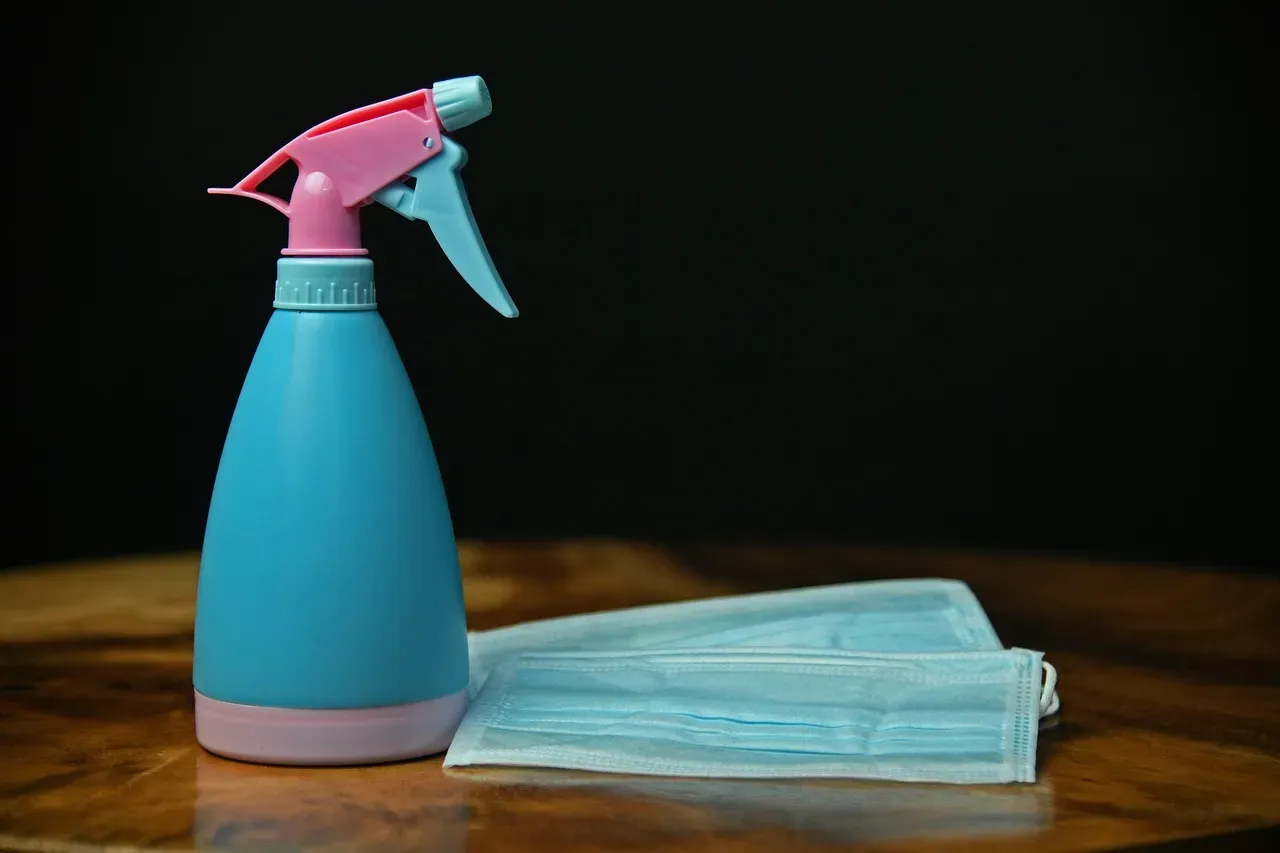
Most households have a bottle of rubbing alcohol tucked away in the medicine cabinet. This common disinfectant can serve as an emergency bed bug treatment when you need immediate action. Rubbing alcohol is a quick and effective bed bug killer when poured into a spray bottle and generously applied to their hiding spots, as the alcohol dehydrates and kills them almost instantly.
The catch? You need direct contact for it to work. Spraying around the general area won’t do much good. A study conducted by Changlu Wang and his research team at Rutgers University showed that after being sprayed with rubbing alcohol, half of the bed bugs still survived after four days. The concentration matters too; 91% isopropyl alcohol is more effective than the standard 70% version you might have on hand.
I know it sounds crazy, but rubbing alcohol is highly flammable, so never use it near open flames or while smoking. The fumes can also be irritating, so ensure proper ventilation when using this method. Think of rubbing alcohol as a tactical strike weapon rather than a comprehensive solution. Use it to target visible bugs while implementing other longer-term strategies.
Baking Soda: The Controversial Kitchen Staple
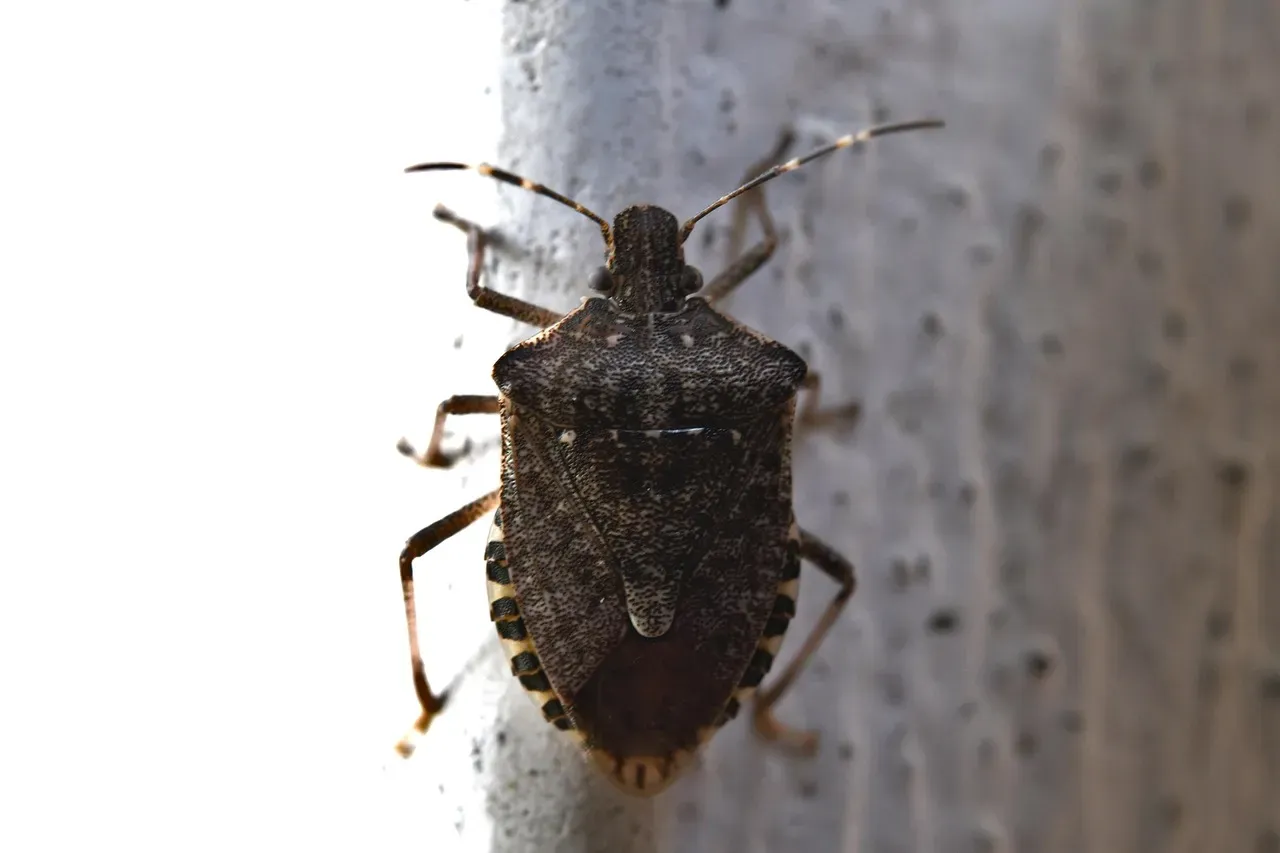
You’ve probably seen baking soda mentioned in countless online forums as a miracle bed bug cure. Honestly, the scientific evidence here is murky at best. Neither salt nor baking soda are effective at killing bed bugs, as while these substances can act as mild desiccants, they’re not powerful enough to significantly impact bed bugs.
The theory suggests that baking soda could absorb moisture from bed bugs’ bodies, eventually dehydrating them. Baking soda absorbs moisture in the refrigerator, and it’s believed to suck moisture out of bed bugs’ bodies when spread wherever bugs are found, including cracks and crevices. Yet multiple pest control experts agree that this simply doesn’t work in real-world applications.
Bed bugs physically cannot and would not eat baking soda, as they feed on blood only, and their mouthparts are not big enough to even consume a grain of baking soda. Some people report success with baking soda, but these are likely isolated cases or situations where other factors contributed to the decline in bed bug populations. Bed bugs can easily avoid an area dusted with a small amount of baking soda, and to create powerful desiccant conditions you would need to literally coat your entire home in an inch of baking soda, which is unrealistic.
If you want to try it anyway, sprinkle it liberally in areas where bed bugs travel and leave it for several days before vacuuming. Just don’t count on this as your primary defense strategy.
White Vinegar: An Acidic Approach With Limitations
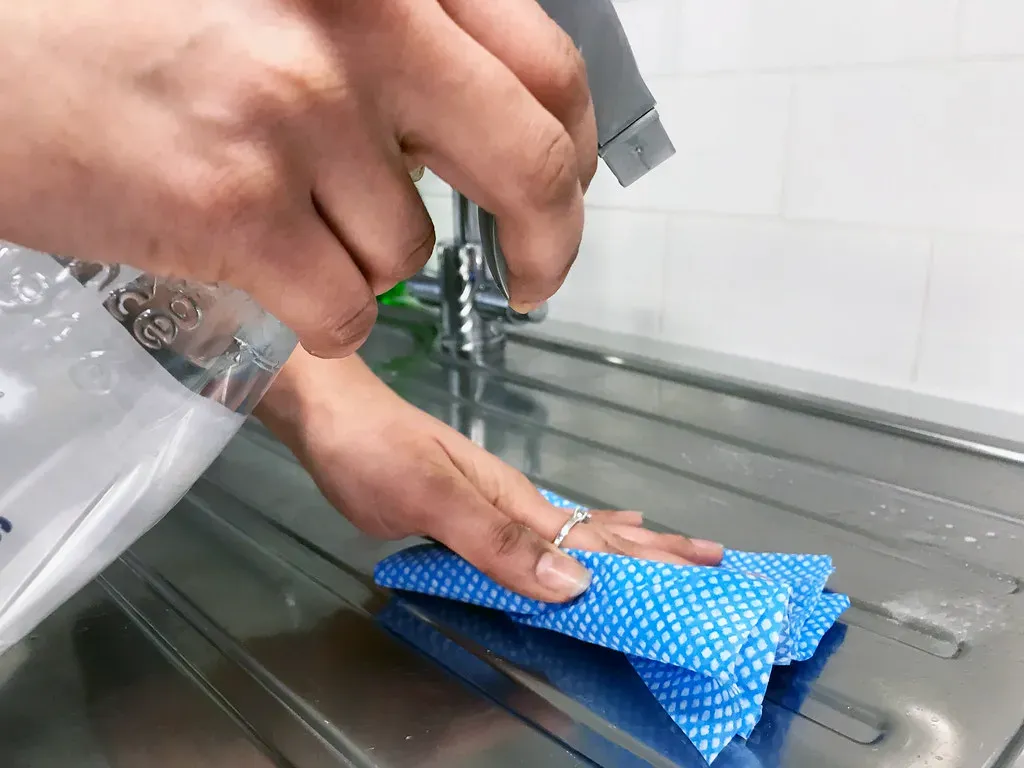
The sharp, pungent smell of vinegar might make you wonder whether it could drive bed bugs away or kill them outright. The acidity of vinegar can disrupt the bed bugs’ nervous systems and kill them, however, it does not kill bed bug eggs, so it is not a standalone solution for a complete infestation. This limitation makes vinegar more of a supplementary tool than a complete answer.
Spray white vinegar directly onto bed bugs and their hiding spots, and for best results, combine vinegar treatment with other methods like heat treatment and cleaning. You can use undiluted white vinegar for maximum effectiveness, though the smell can be overwhelming and lingers for quite some time. Mixing it with water makes it more tolerable but reduces its killing power.
Vinegar can compromise bed bugs’ nervous systems and destroy their eggs, and the odor will also repel bed bugs, making it a decent preventative treatment, however using vinegar to treat bed bugs will mean having a house that smells like vinegar and will likely not completely eliminate your infestation. You’ll need to reapply frequently since vinegar has no residual effect once it dries. The smell alone might be worth considering whether this approach fits your lifestyle and tolerance levels.
Conclusion: Combining Strategies for Maximum Impact
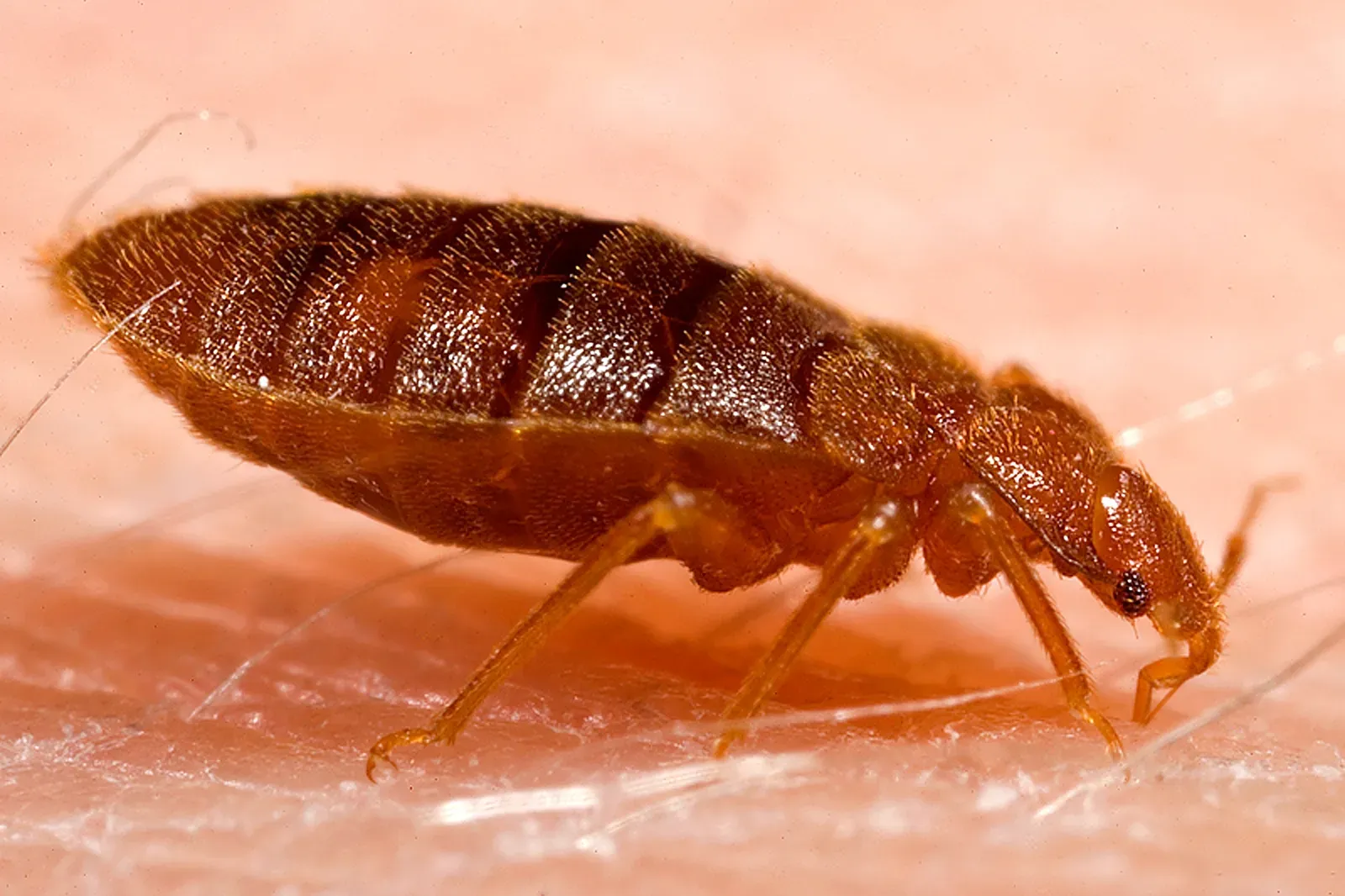
Let’s be real here. No single household item will magically solve a serious bed bug infestation overnight. These resilient pests require persistent, multi-pronged approaches to truly eliminate them. The household items we’ve discussed each have their strengths and limitations.
Professional bed bug control services are typically more effective at eliminating bed bug infestations than homemade remedies because they use specialized equipment, advanced treatments, and expert knowledge to target bed bugs at every stage of their lifecycle, thoroughly treating the hidden areas where bed bugs often reside. That said, for early infestations or as supplementary measures, these household items can make a real difference.
Combining heat treatment for fabrics, diatomaceous earth for cracks and baseboards, and freezing for smaller items creates a comprehensive approach that attacks bed bugs from multiple angles. Regular vacuuming, decluttering, and vigilant monitoring complete the picture.
What would you try first if you discovered bed bugs tomorrow morning? The answer might depend on what you already have at home and how severe the problem appears. Sometimes the best approach is starting immediately with what’s available while planning your next steps carefully.
