


Worried about unexpected vet bills?
Pet insurance can cover thousands in unexpected vet costs. Get a free quote from Lemonade in under 2 minutes.
Get My Free Quote →Sponsored · Opens Lemonade.com
In a remarkable discovery that has sent ripples through the scientific community, researchers have identified a rare “living fossil” fish species off the California coast. This extraordinary finding represents one of those rare moments when the ancient past intersects with the present, offering scientists a unique window into evolutionary history. The discovery not only expands our understanding of marine biodiversity along the Pacific coastline but also provides valuable insights into the resilience and adaptability of species that have remained largely unchanged for millions of years.
The Remarkable Discovery
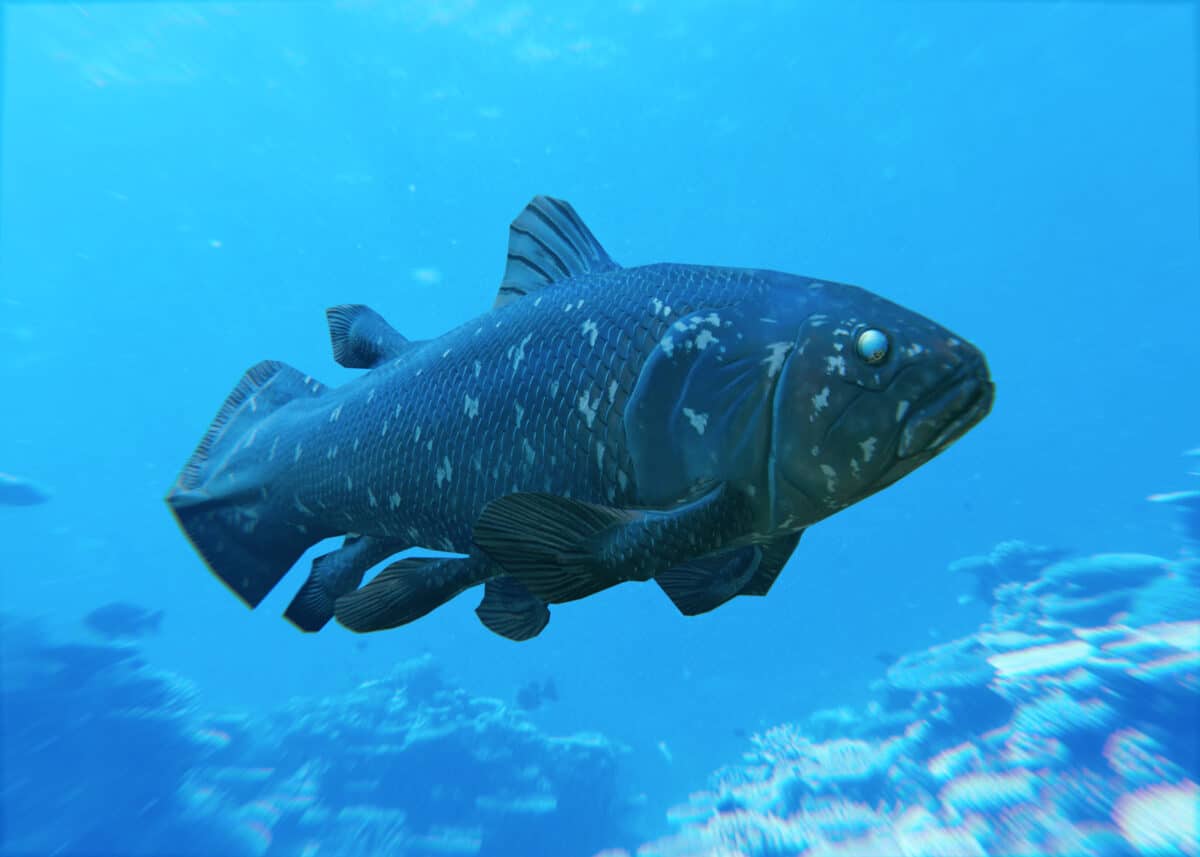
In December 2021, marine biologists conducting a deep-sea survey approximately 80 miles off San Diego’s coast made an unexpected discovery. Using remotely operated vehicles (ROVs) equipped with high-definition cameras, the research team captured footage of what they initially couldn’t identify. The fish, swimming at depths exceeding 8,200 feet, displayed characteristics not commonly seen in modern fish species.
After careful analysis and comparison with fossil records, scientists confirmed they had encountered a coelacanth-like species, considered a “living fossil” due to its remarkable similarity to ancestors that swam the oceans over 100 million years ago. This discovery marked the first documented sighting of such a species in the eastern Pacific region.
What Makes a “Living Fossil”?
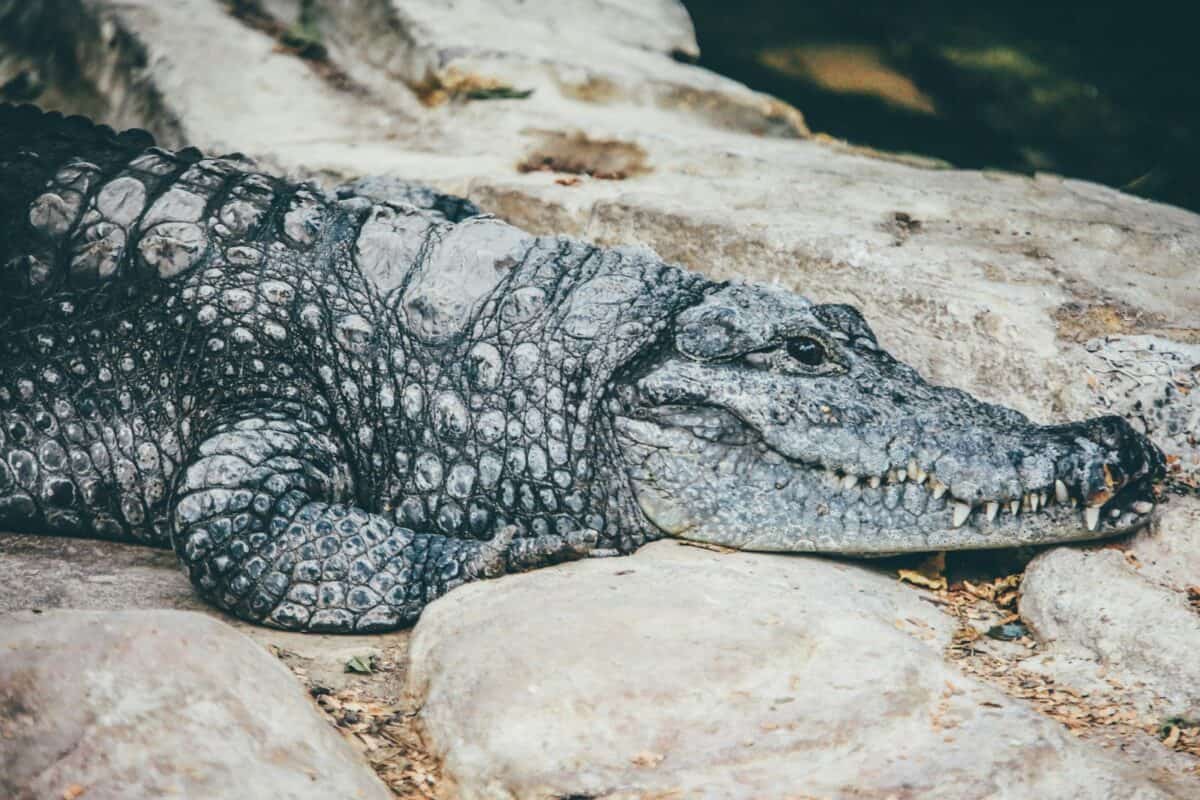
The term “living fossil” may sound contradictory, but it perfectly describes organisms that have experienced minimal evolutionary change compared to their ancient ancestors. These creatures essentially represent biological time capsules, retaining physical characteristics and genetic traits that have remained largely unchanged for millions of years despite dramatic shifts in Earth’s climate and ecosystems.
To qualify as a living fossil, a species typically must have a rich fossil record showing minimal morphological changes over vast periods, possess primitive characteristics absent in most modern relatives, and often represent the last surviving members of otherwise extinct lineages. The coelacanth, horseshoe crab, and nautilus are classic examples of living fossils that provide scientists with valuable insights into evolutionary processes and ancient ecosystems.
Identifying the California Coast Specimen

The mysterious fish identified off California’s coast bears striking similarities to ancient fish groups that dominated marine ecosystems during the Mesozoic Era (252-66 million years ago). Preliminary genetic analysis suggests this specimen belongs to a relict population of fish thought to have disappeared from the Pacific waters millions of years ago.
The creature possesses several archaic features, including lobed fins with fleshy, limb-like structures, a notochord (primitive backbone), and a distinctive body armor pattern that matches fossilized specimens dating back to the Cretaceous period. Scientists are still conducting comprehensive DNA analysis to determine the exact evolutionary relationship between this specimen and other ancient fish lineages. The creature’s identification required collaboration between paleontologists, marine biologists, and geneticists, highlighting the interdisciplinary nature of this significant discovery.
Historical Context of Living Fossil Discoveries

The discovery off California’s coast joins a distinguished history of living fossil findings that have revolutionized scientific understanding. Perhaps the most famous example occurred in 1938 when a coelacanth was caught off South Africa’s coast, shocking the scientific world as this fish group was believed extinct for 65 million years.
Similarly, the 1952 discovery of the chambered nautilus in the deep Pacific revealed the survival of a creature virtually unchanged for 500 million years. In 1961, scientists identified the first living specimens of Laotian rock rat, a mammal previously known only from fossils. Each of these discoveries fundamentally altered scientific understanding of evolution and extinction. The California find continues this tradition of challenging established assumptions about which species have survived through Earth’s tumultuous history and which have truly disappeared forever.
The Deep-Sea Environment

The extreme depths where this living fossil was discovered provide critical context for its remarkable survival. At approximately 8,200 feet below sea level, the environment represents one of Earth’s most stable ecosystems. This deep-sea habitat experiences minimal temperature fluctuations, limited competition from evolving species, and protection from the catastrophic events that have triggered mass extinctions in surface and shallow-water environments.
Water pressure at these depths exceeds 3,600 pounds per square inch—roughly 240 times the atmospheric pressure at sea level. The near-freezing temperatures, perpetual darkness, and limited food resources create conditions that have remained relatively unchanged for millions of years. These stable conditions likely provided the perfect refuge for ancient lineages to persist virtually unaltered while their relatives in more dynamic environments either evolved dramatically or went extinct. The deep sea continues to be one of Earth’s least explored frontiers, with scientists estimating that over 90% remains unexplored.
Evolutionary Significance

The discovery of this living fossil carries profound evolutionary significance that extends far beyond the excitement of finding a rare species. This creature represents a biological time capsule, providing scientists with a unique opportunity to study genetic, morphological, and physiological characteristics that have largely disappeared from Earth’s current biodiversity. By comparing this living specimen with fossil records, researchers can better understand the pace and patterns of evolution, testing hypotheses about which traits remain conserved over vast timescales and which tend to change.
The fish’s continued survival also challenges conventional wisdom about competitive disadvantages of “primitive” characteristics, suggesting that ancient body plans and physiological systems can remain remarkably effective in specific ecological niches. Additionally, this discovery provides a living laboratory for investigating how genetic mechanisms maintain stability over millions of years despite constant environmental pressures for change. The species may possess unique genetic repair mechanisms or developmental constraints that have limited evolutionary divergence.
Conservation Implications

The identification of this living fossil immediately raises critical conservation concerns. Given the species’ extreme rarity, limited known habitat range, and evolutionary uniqueness, it automatically qualifies as a conservation priority under multiple protection frameworks. The discovery highlights the urgent need to extend marine protected areas into deep-sea environments, which remain largely unregulated and increasingly threatened by emerging industries like deep-sea mining and bottom trawling.
Scientists estimate that this species likely has extremely low reproductive rates and population densities—characteristics common among deep-sea organisms and “living fossils”—making it particularly vulnerable to human disturbances. International conservation organizations have already begun discussions about expedited protected status for the species and its habitat. This discovery also strengthens arguments for implementing a precautionary approach to all deep-sea exploitation, as we continue to discover remarkable biodiversity in these environments before we fully understand what requires protection.
Technological Advances Enabling Discovery

This remarkable find would have been impossible without recent advances in deep-sea exploration technology. The ROV that captured the first images of the fish represents a new generation of research vehicles capable of operating at extreme depths while transmitting high-definition video in real-time to surface vessels. These sophisticated robots now feature improved maneuverability, extended battery life, and sampling tools that allow scientists to collect biological specimens when necessary.
Complementing these mechanical innovations, breakthroughs in DNA analysis now enable researchers to extract and sequence genetic material from minute tissue samples, allowing definitive identification without requiring whole specimens. Advanced machine learning algorithms have also revolutionized marine biology by helping scientists spot unusual organisms in thousands of hours of sea floor footage that would be impossible to review manually. These technological capabilities have transformed deep-sea research from occasional, limited glimpses into continuous, systematic exploration, dramatically increasing the likelihood of discovering species that have evaded scientific detection.
Comparable Living Fossils in Marine Environments

The newly discovered fish joins an elite group of marine living fossils that have captivated scientists for generations. Perhaps most famous is the coelacanth (Latimeria chalumnae), rediscovered in 1938 after being presumed extinct for 65 million years. These large, lobed-finned fish retain numerous features of the ancestors of all land vertebrates. The chambered nautilus represents another spectacular example, virtually unchanged for 500 million years, with its distinctive spiral shell housing a creature that predates dinosaurs by hundreds of millions of years.
The frilled shark (Chlamydoselachus anguineus), with its primitive features and tooth structure reminiscent of Devonian-era sharks from 400 million years ago, continues to patrol deep waters worldwide. The horseshoe crab, despite its name, is more closely related to spiders and has remained nearly identical to its 445-million-year-old ancestors. Each of these remarkable creatures provides unique insights into ancient ocean ecosystems and evolutionary processes, with the California discovery now adding another important piece to this scientific puzzle.
Research Challenges and Future Studies

Studying this newly discovered living fossil presents researchers with extraordinary challenges that will require innovative approaches. The extreme depth of its habitat makes direct observation difficult and expensive, requiring specialized equipment and expertise. Obtaining specimens for detailed anatomical and physiological studies raises both technical difficulties and ethical concerns, given the likely rarity of the species. Scientists are already planning comprehensive research initiatives that will map the species’ geographic distribution, estimate population size, document its behavior, and analyze its genetic makeup.
A key research priority involves determining how genetically diverse the population remains after potentially millions of years of isolation. Researchers also hope to conduct comparative studies with related fossil species to measure precisely how much evolutionary change has occurred. Environmental DNA sampling, which can detect genetic material shed by organisms into the water, will play a crucial role in non-invasively monitoring this remarkable species. These studies face significant funding challenges but offer potentially revolutionary insights into evolutionary biology.
Public Fascination with Living Fossils

The discovery has ignited public fascination that extends far beyond academic circles. Living fossils possess a unique ability to capture popular imagination, representing tangible connections to Earth’s distant past that make abstract geological timescales suddenly concrete and comprehensible. News of the California discovery has spread rapidly across social media platforms, with millions sharing images and expressing wonder at this glimpse into prehistoric oceans. Educational institutions have reported surging interest in marine biology programs and paleontology exhibits.
Documentary filmmakers have already begun planning expeditions to capture footage of the species in its natural habitat, though the extreme depths present significant production challenges. This public engagement provides valuable opportunities for scientists to communicate broader messages about marine conservation, evolution, and the importance of protecting biodiversity—even in environments humans never directly experience. The discovery serves as a powerful reminder that our oceans still harbor remarkable secrets waiting to be uncovered.
The California Coast as a Biodiversity Hotspot
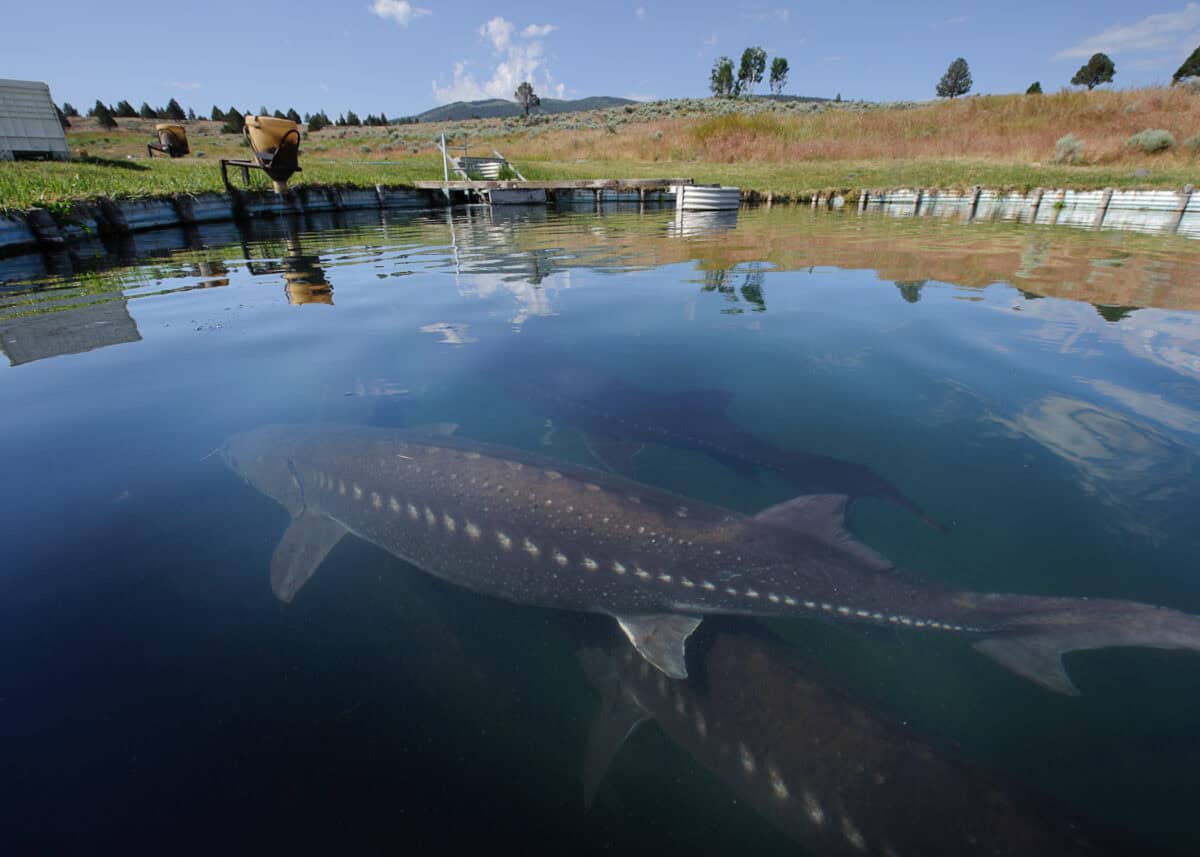
This living fossil discovery adds to California’s already impressive reputation as one of North America’s marine biodiversity hotspots. The California Current Ecosystem, stretching from Baja California to British Columbia, represents one of the world’s most productive marine environments due to its unique oceanographic features. Cold, nutrient-rich waters from the North Pacific meet warmer southern waters, creating diverse habitats that support over 7,000 known marine species.
Deep submarine canyons off California’s coast, some plunging to depths exceeding 12,000 feet, create vertical habitat corridors connecting shallow and deep-sea environments. These canyons serve as biodiversity highways, allowing nutrients and organisms to move between different depth zones. Previous notable discoveries in these waters include several new deep-sea octopus species, unique chemosynthetic communities around methane seeps, and endemic fish found nowhere else on Earth. The living fossil discovery further emphasizes the region’s global importance for marine conservation and highlights how much remains unknown even in relatively well-studied coastal areas.
Conclusion: Bridging Past and Present

The discovery of a living fossil fish off California’s coast represents a profound scientific milestone that bridges Earth’s ancient past with our present. This remarkable finding reminds us that the boundaries between prehistoric and modern are not always as clear as we might believe, with some lineages persisting virtually unchanged across vast expanses of geological time. For scientists, this discovery opens new avenues of research into evolutionary processes, deep-sea ecology, and conservation priorities for unique marine species.
For the broader public, it offers a tangible connection to deep time and reinforces the wonder of ongoing discovery in our oceans. As exploration technology continues to advance, we can anticipate more such findings that challenge our understanding of life’s history on Earth and emphasize the critical importance of preserving marine biodiversity—both the species we know and those, like this living fossil, that have remained hidden in the ocean depths for millions of years.
Worried about unexpected vet bills?
Pet insurance can cover thousands in unexpected vet costs. Get a free quote from Lemonade in under 2 minutes.
Get My Free Quote →Sponsored · Opens Lemonade.com

From exploring the marine wonders in the Azores and witnessing the vast savannas of Kenya, to delving deep into the rich biodiversity of South Africa and traversing iconic landscapes in Australia and the US like Yellowstone, Chris's experiences are vast.
With a penchant for diving alongside sharks, the ocean holds a special place in his heart.
Through his academic insights, he champions wildlife conservation, striving with 'Animals Around The Globe' to cultivate a profound connection between humans and animals, enhancing our mutual appreciation.
Connect with him at Feedback@animalsaroundtheglobe.com.
- How Male Emperor Penguins Keep Eggs Warm in Antarctic Winters - June 6, 2026
- Why You’re More Likely to See Bison Near Roads in Summer - June 6, 2026
- Why the Ethics of Eating Veal Still Divide Consumers - June 6, 2026