


When Mother Nature defies expectations, magical things can happen. Cross-species adoption—when one animal species takes in and raises a member of another species—represents one of the most fascinating phenomena in the animal kingdom. These remarkable stories challenge our understanding of animal behavior and demonstrate that the nurturing instinct can transcend biological boundaries. From wolves raising human children in ancient legends to documented cases of lionesses adopting antelope calves, these unusual family arrangements offer unique insights into animal cognition, empathy, and the complexity of caregiving behaviors across species lines.
The Science Behind Cross-Species Adoption
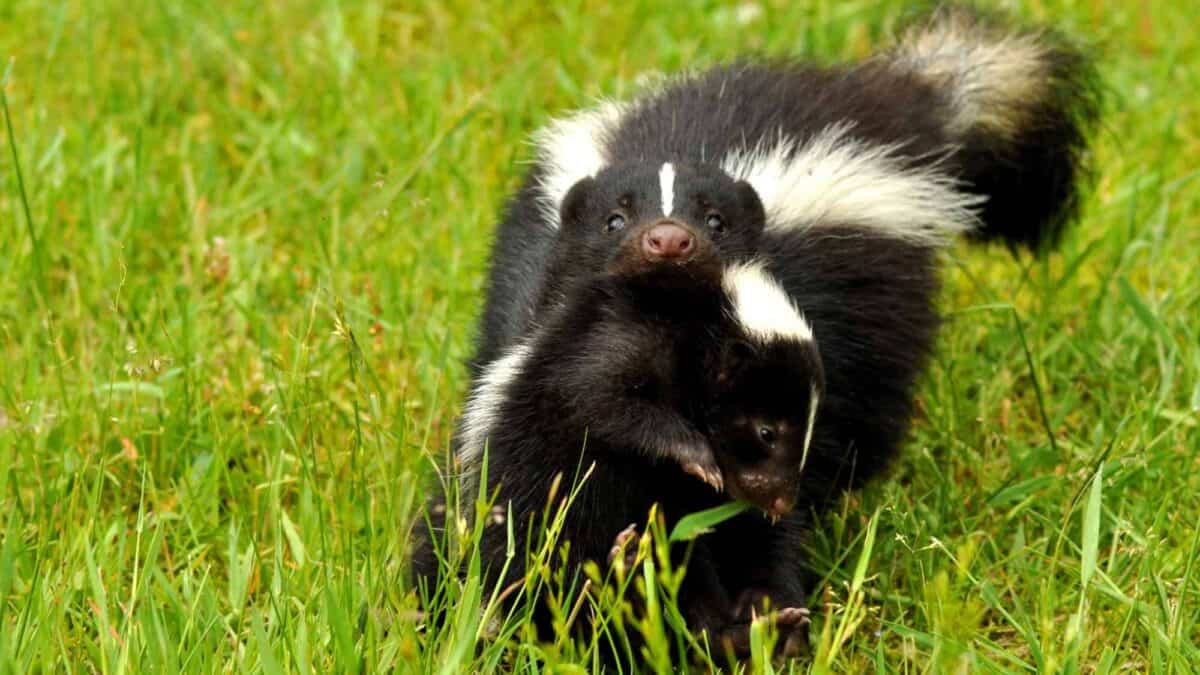
Cross-species adoption occurs when an animal of one species takes on the parental role for an animal of a different species. Scientists believe several mechanisms drive this behavior. The most common explanation involves misdirected parental care, where hormonal changes—especially elevated oxytocin levels—trigger caregiving responses even toward inappropriate targets. Oxytocin, often called the “love hormone,” plays a crucial role in maternal behavior and social bonding across many species. In some cases, the loss of an animal’s biological offspring creates a hormonal state that primes them to adopt, regardless of species boundaries.
The timing of encounters also matters significantly. Animals that have recently lost offspring or are in active parenting mode are more likely to adopt strange youngsters. Additionally, similarities in vocalizations between species can trigger caregiving responses—when a lost or orphaned animal makes distress calls similar to those of the adopter’s species offspring, it may activate innate parental responses. This phenomenon demonstrates the power of biological programming while simultaneously showing how flexible these instincts can be under certain circumstances.
Famous Cases in the Wild
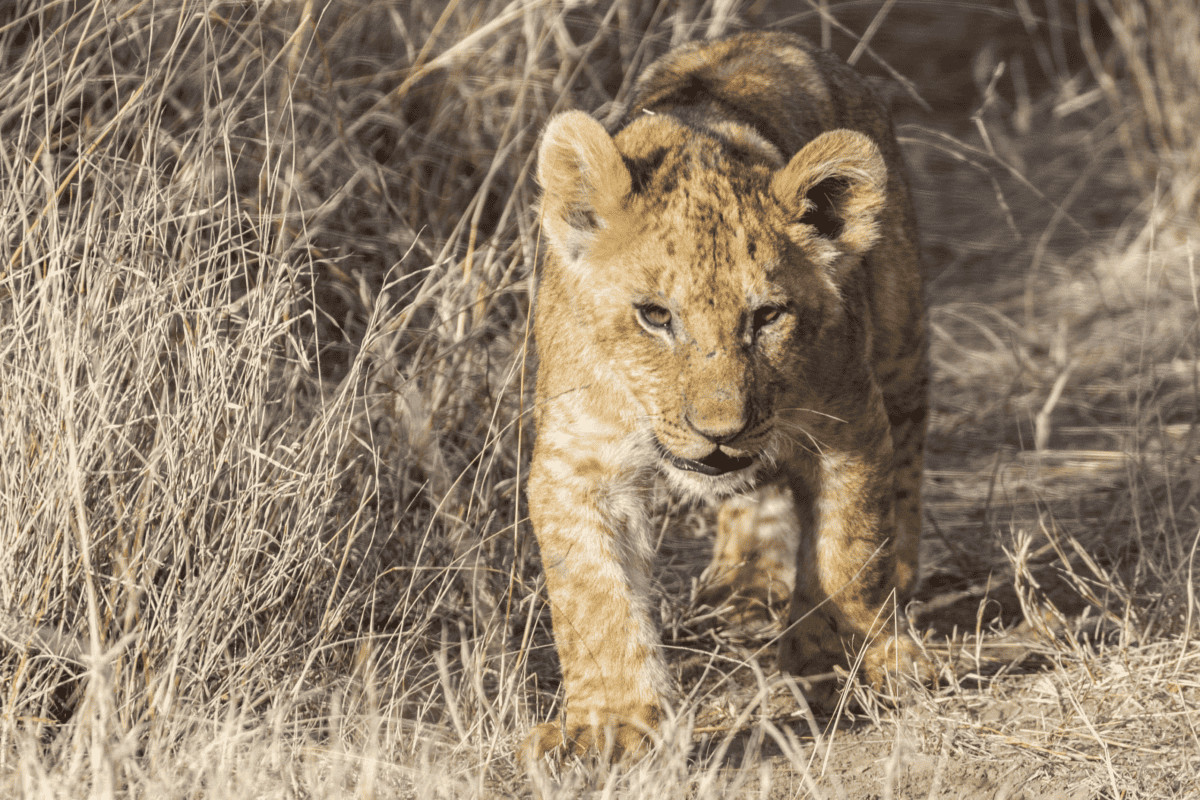
Perhaps the most famous cross-species adoption case occurred in Kenya’s Samburu National Reserve in 2002, when a lioness named Kamunyak (“Blessed One”) adopted six oryx calves in succession. This extraordinary case puzzled scientists, as the lioness would normally hunt these antelope. Instead, she protected them fiercely from other predators, including members of her own pride. Though none of the calves ultimately survived to adulthood due to separation or predation when Kamunyak was hunting, the case remains one of the most well-documented examples of predator-prey adoption.
Another remarkable case occurred in 2004 in Brazil, when a female capybara adopted and raised a litter of orphaned puppies. Wildlife officials documented how the capybara—the world’s largest rodent—nursed and protected the puppies as though they were her own. In Uganda’s Queen Elizabeth National Park, researchers observed a lioness caring for a leopard cub in 2017, defying the typical fierce competition between these big cat species. These cases demonstrate that cross-species adoption occurs across diverse taxonomic groups and ecological contexts, suggesting the behavior may be more widespread than previously recognized.
Primates and Their Unusual Adoptees

Primates, with their complex social structures and high cognitive abilities, demonstrate some of the most intriguing cross-species adoption behaviors. In Japan’s Jigokudani Monkey Park, researchers documented a female Japanese macaque adopting an abandoned flying squirrel. The macaque carried the squirrel on her chest, groomed it regularly, and protected it from other troop members. What made this case particularly fascinating was that the squirrel wasn’t an infant when adopted—challenging the notion that only baby-like features trigger care responses.
Gorillas in captivity have also shown remarkable cross-species nurturing. Koko, the famous gorilla known for her sign language abilities, adopted several kittens throughout her life, naming them and treating them with extraordinary gentleness. Similarly, at the Taipei Zoo, an orangutan named Kani adopted a Formosan rock macaque after observing zookeepers caring for it. These primate examples suggest that higher cognitive abilities may facilitate more complex cross-species relationships, including the ability to recognize needs in other species and adjust caregiving behaviors accordingly.
Birds That Raise Other Species
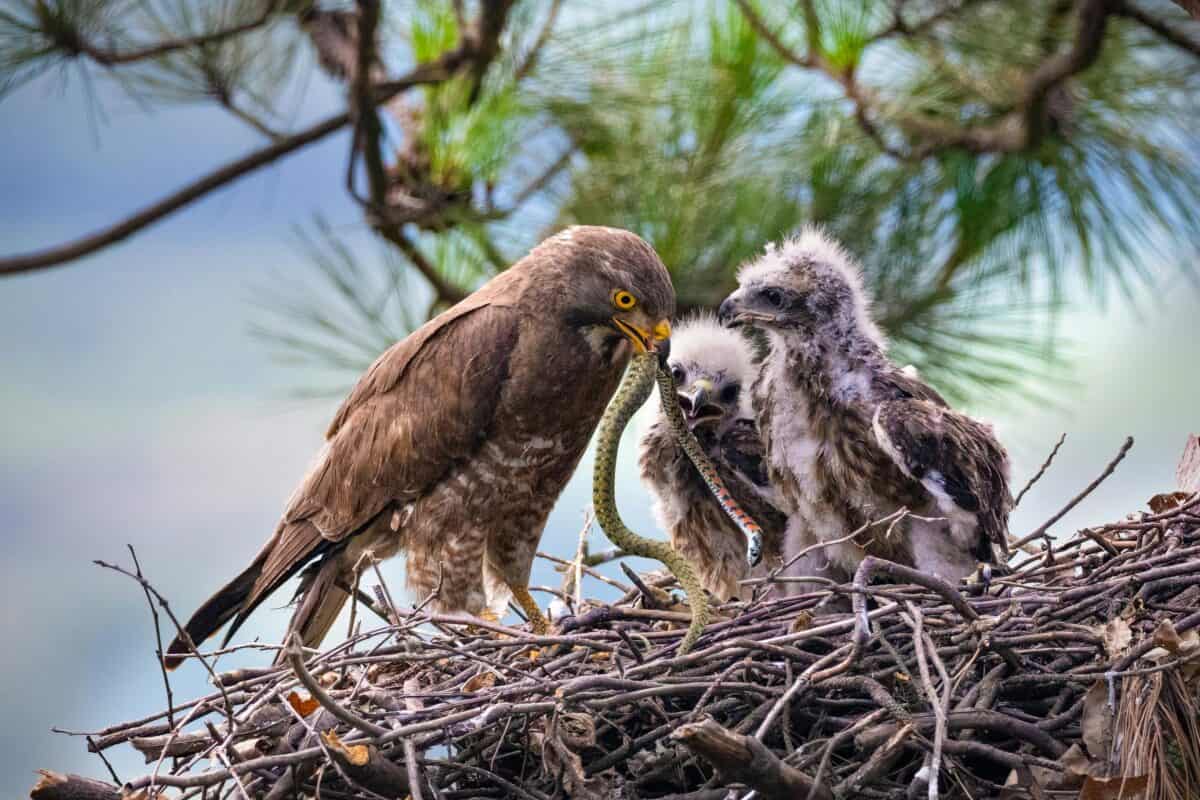
In the avian world, interspecies adoption frequently occurs through brood parasitism—where species like cuckoos and cowbirds deliberately lay eggs in other birds’ nests. However, genuine adoptions also occur. A documented case in Florida showed a pair of bald eagles raising a red-tailed hawk chick alongside their own eaglets. Despite the hawk being a different species and potential competitor, the eagles fed and protected it until fledging. The hawk even learned eagle behaviors while maintaining some innate hawk characteristics, creating a fascinating behavioral hybrid.
Waterfowl show particular flexibility in adoption behaviors. Female wood ducks regularly adopt ducklings from other nests, sometimes resulting in “crèches” of 20 or more ducklings from multiple mothers. This behavior extends across species lines, with cases of mallards raising wood duck ducklings and vice versa. Wild turkeys have been documented adopting quail chicks, while penguins in captivity have successfully raised chicks from other penguin species. These avian examples demonstrate how parental instincts can overcome species recognition barriers, especially among related species with similar care requirements.
Domestic Animals and Their Wild Adoptees

Farm and domestic animals frequently participate in cross-species adoption, particularly dogs and cats with their strong parental instincts. In 2018, a retriever in Spain made headlines after adopting an orphaned otter pup, nursing it alongside her puppies until wildlife rehabilitators intervened. Numerous cases exist of domestic cats nursing and raising wildlife including squirrels, rabbits, raccoons, and even fox kits. These mammals often share similar development patterns and care needs, making cross-fostering physiologically possible despite species differences.
Farm settings create unique opportunities for unusual adoptions. In Australia, a dairy cow named Lola adopted an orphaned lamb after losing her own calf, allowing it to nurse and following it protectively through pastures. Similarly, chickens have been observed brooding and raising ducklings, only to show visible confusion when their “chicks” first enter water. Pigs, with their high intelligence and strong maternal instincts, have adopted puppies, lambs, and even tiger cubs in zoo settings. These domestic examples often occur with human facilitation but demonstrate the flexibility of maternal responses across diverse mammalian species.
The Role of Imprinting

Imprinting—the rapid learning process where young animals form attachments to the first moving object they encounter—plays a crucial role in cross-species relationships. First described by ethologist Konrad Lorenz, who famously had goslings imprint on him, this biological mechanism ensures young animals follow and learn from appropriate caregivers. In cross-species adoption, imprinting can create strong bonds between the adopted animal and its surrogate parent, even when they look nothing alike. The adopted animal typically develops behaviors modeled after its adoptive parent rather than its biological species.
This phenomenon explains why wolf pups raised by dogs exhibit dog-like behaviors, or why hand-raised birds may direct mating behaviors toward humans later in life. Imprinting has important conservation implications, as captive breeding programs must carefully manage exposure to humans or other species to prevent inappropriate imprinting. For successfully rehabilitated wildlife, reverse imprinting techniques—minimizing human contact and exposing animals to members of their own species—may be necessary to prepare them for release. The power of imprinting demonstrates how early experience can sometimes override genetic programming.
Survival Outcomes for Adopted Wild Animals

The survival prospects for wild animals adopted by other species vary dramatically based on numerous factors. Species compatibility represents the most critical element—predators adopting prey species typically results in eventual predation once hunting instincts activate, as often occurred with Kamunyak’s oryx adoptees. Nutritional compatibility also determines outcomes; mammals can sometimes nurse young of other species successfully, but specialized dietary needs may not be met. A lion cub raised by a leopard would receive appropriate nutrition, while an herbivore attempting to raise a carnivore would likely fail without human intervention.
Behavioral development presents another challenge. Animals learn species-appropriate behaviors through observation and interaction with their own kind. Cross-species adoptees may develop behavioral patterns that hamper their ability to integrate with their biological species later. This particularly affects hunting techniques, social communication, and mating behaviors. Research indicates the most successful natural adoptions occur between closely related species with similar ecological niches and care requirements. When significantly different species are involved, the adoption may serve emotional needs but rarely results in successful development to independent adulthood without human support.
Conservation Implications
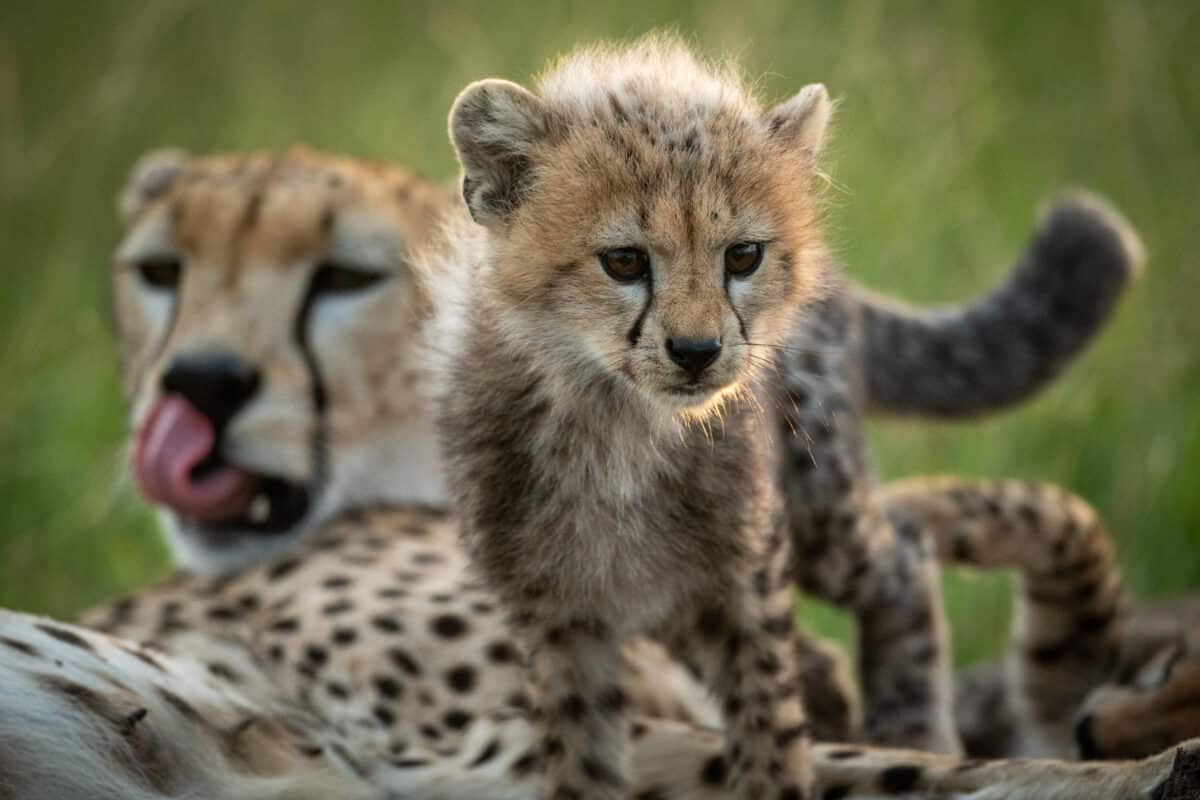
Cross-species adoption has significant implications for wildlife conservation efforts. Understanding how and why animals adopt across species lines provides insights for captive breeding programs, particularly for endangered species. Some zoos and wildlife centers strategically use surrogate species to raise orphaned or abandoned animals when same-species surrogates aren’t available. For example, domestic dogs have successfully raised cheetah cubs, providing socialization while avoiding the imprinting issues that might result from human-rearing.
Conservation professionals must carefully balance the benefits of cross-species fostering against potential developmental concerns. Animals raised by other species may develop inappropriate behaviors that complicate reintroduction to the wild. In some cases, conservationists use puppets or disguises to feed orphaned animals, preventing imprinting while providing necessary care.
For critically endangered species, cross-fostering may represent the only option when biological parents aren’t available. The California condor recovery program has utilized this approach, with captive adult condors successfully raising chicks that aren’t biologically their own, maintaining appropriate species behaviors while increasing population numbers.
Ethical Considerations of Human Intervention

When humans discover instances of cross-species adoption in the wild, complex ethical questions arise about whether to intervene. Wildlife management professionals must weigh the welfare of individual animals against broader ecological principles and species conservation needs. In cases where an endangered species is being raised by a more common one, intervention might be justified to ensure the rare animal’s survival and proper development. Conversely, some argue that natural processes—even unusual ones like cross-species adoption—should proceed without human interference.
The situation becomes more complicated when humans facilitate cross-species adoptions. Wildlife rehabilitation centers sometimes use surrogate animals to raise orphans, which can create strong cross-species bonds. This practice raises questions about the psychological impact on both the surrogate and the adoptee when eventual separation occurs. Additionally, social media has popularized images and videos of unlikely animal pairings, potentially encouraging inappropriate exotic pet ownership or amateur wildlife rehabilitation attempts. Professional wildlife organizations emphasize that while cross-species relationships can be heartwarming, they should primarily occur under professional supervision when wildlife rehabilitation is the goal.
Evolutionary Perspective on Cross-Species Care
From an evolutionary standpoint, cross-species adoption appears counterintuitive. Natural selection typically favors behaviors that enhance an individual’s reproductive success and the survival of genetic relatives. Expending energy and resources to raise unrelated individuals—especially from different species—seems maladaptive. Evolutionary biologists suggest several explanations for this apparent paradox. One theory proposes that strong parental instincts evolved to ensure offspring survival, and occasional misdirection of these instincts toward other species represents an acceptable cost for an otherwise beneficial trait.
Another perspective considers adoption as a byproduct of social evolution. In highly social species, cooperative care of young and strong bonding mechanisms facilitate group cohesion. These same mechanisms occasionally extend beyond species boundaries. Some researchers have proposed that helping behaviors might sometimes confer indirect benefits, such as practice for future parenting or enhanced social status. While no single theory fully explains all instances of cross-species adoption, the behavior likely represents complex interactions between innate caregiving instincts, hormonal states, environmental conditions, and individual experience—demonstrating both the power and flexibility of evolved behavioral systems.
When Humans Are Adopted by Wild Animals

Accounts of humans raised by wild animals have permeated mythology and literature for centuries, from Romulus and Remus supposedly nursed by a wolf to Rudyard Kipling’s Mowgli. While most “feral child” stories lack scientific verification, a few documented cases exist where human children had significant interaction with animals. The case of Kamala and Amala, allegedly discovered in a wolf den in India in 1920, remains controversial among scholars, with limited evidence beyond the reports of missionary Joseph Singh who found them.
More recently, in 2001, a one-year-old child in Romania was found being cared for by stray dogs after being abandoned. The dogs had apparently kept the child warm and protected him from harm. These rare cases differ fundamentally from typical animal adoptions, as humans require extensive specialized care that other species cannot adequately provide. Rather than true adoption, these situations typically represent cases where animals tolerate or offer limited protection to a human child. True human development requires human care and social interaction, which is why genuinely feral children exhibit profound developmental deficits when discovered.
Conclusion: The Significance of Cross-Species Adoption

Cross-species adoption represents one of nature’s most compelling contradictions—moments when the boundaries between different animal species dissolve in the face of nurturing instincts. These unusual family arrangements challenge our understanding of animal behavior while revealing the powerful biological underpinnings of caregiving that can transcend species recognition. From hormonal influences to cognitive factors, the mechanisms driving these adoptions illustrate both the deterministic aspects of biology and the remarkable flexibility that allows for exceptions to evolutionary rules.
For scientists, these exceptions provide valuable research opportunities to understand the limits and possibilities of animal behavior. For conservationists, cross-species adoption offers potential tools for saving endangered species while raising important questions about development and wildlife management ethics. For the general public, these heartwarming stories serve as powerful reminders of the emotional lives of animals and the surprising commonalities that exist across species boundaries.
As we continue to study these remarkable relationships, we gain not only scientific knowledge but also deeper appreciation for the complexity of animal behavior. In a world increasingly defined by human-wildlife conflict, cross-species adoption stories remind us of the capacity for unexpected compassion that exists in the animal kingdom—a powerful message about connection that transcends biological categories and speaks to something fundamental about care and protection across the great diversity of life.

From exploring the marine wonders in the Azores and witnessing the vast savannas of Kenya, to delving deep into the rich biodiversity of South Africa and traversing iconic landscapes in Australia and the US like Yellowstone, Chris's experiences are vast.
With a penchant for diving alongside sharks, the ocean holds a special place in his heart.
Through his academic insights, he champions wildlife conservation, striving with 'Animals Around The Globe' to cultivate a profound connection between humans and animals, enhancing our mutual appreciation.
Connect with him at Feedback@animalsaroundtheglobe.com.
- How Tigers Mark Their Territory Using Scent and Scratches - July 29, 2026
- The Deadly Volcano That Erased a Town Is Now Active Again - July 29, 2026
- 12 Deep Sea Animals With Terrifying Adaptations - July 29, 2026