

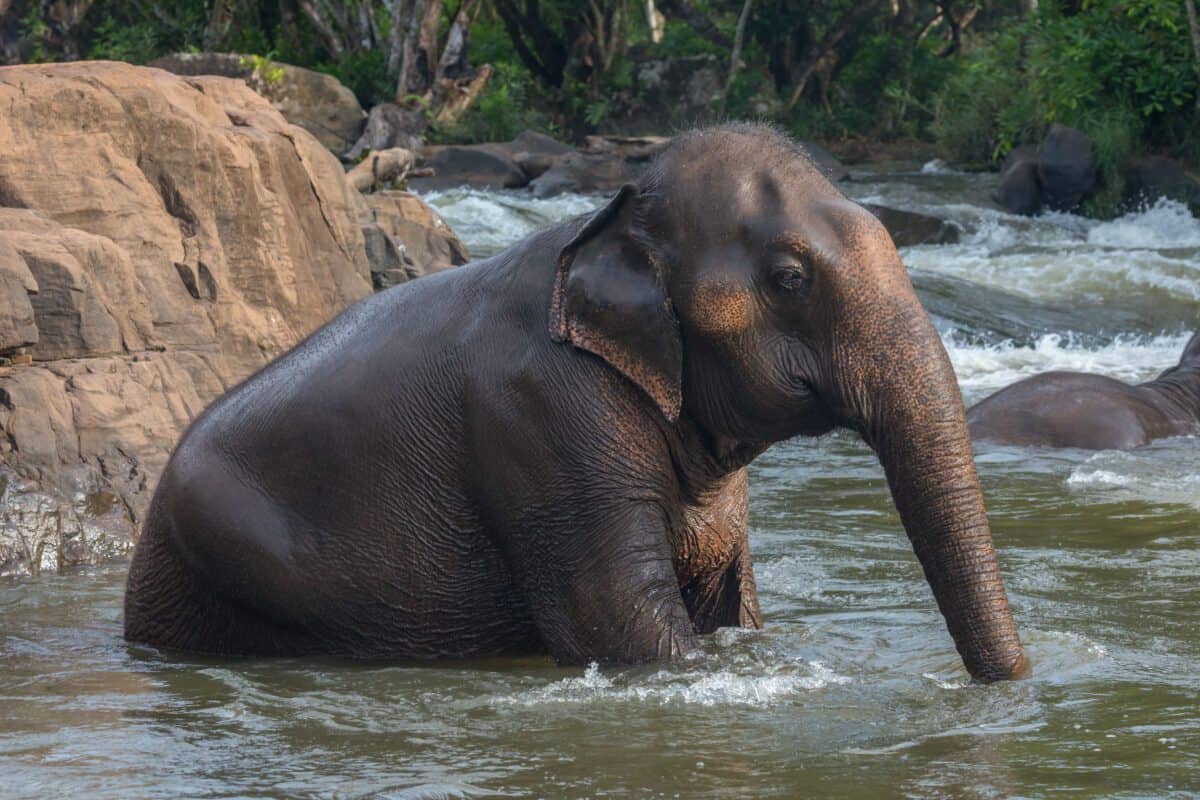
The chains that bound Raju’s feet for over five decades were more than metal restraints—they were symbols of a broken system that had forgotten the soul of one of Earth’s most intelligent creatures. For fifty years, this magnificent bull elephant endured unimaginable suffering on the streets of India, his massive frame reduced to a tourist attraction and his spirit crushed by endless exploitation. When rescuers finally cut through those rusted shackles in the darkness of night, something extraordinary happened that would touch hearts worldwide and challenge everything we thought we knew about animal emotions. The tears that flowed from Raju’s eyes weren’t just moisture—they were liquid testimonies to decades of pain, hope, and the unbreakable will to survive.
The Shocking Discovery That Changed Everything
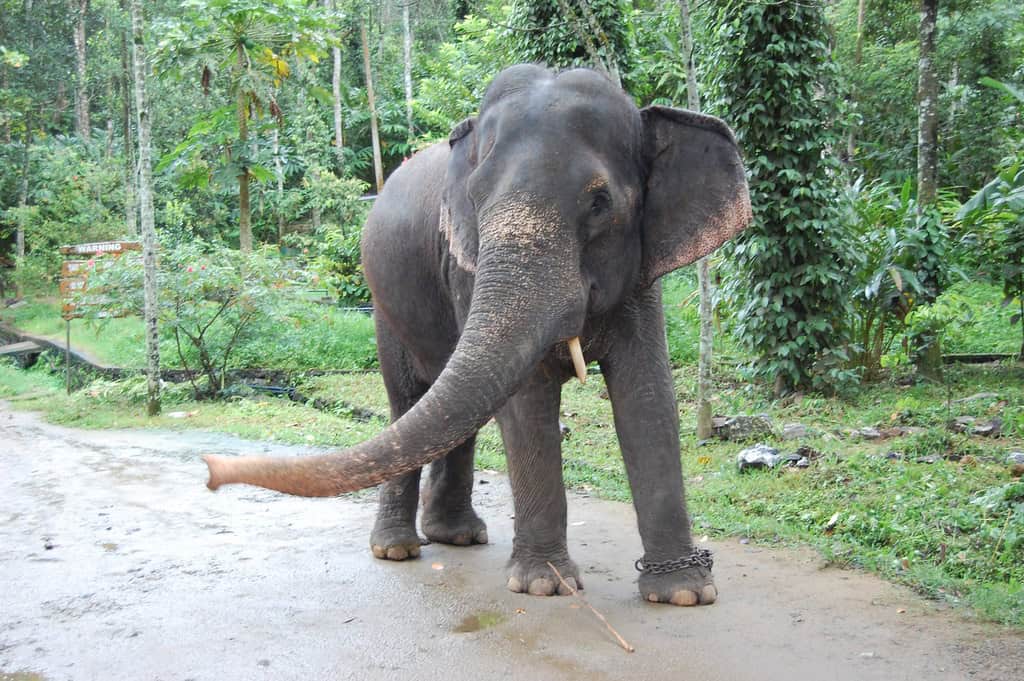
Wildlife SOS, a prominent animal rescue organization in India, first encountered Raju in 2014 during routine investigations into elephant welfare violations. The team was unprepared for the devastating sight that greeted them in Uttar Pradesh, where they found an elephant whose body bore the scars of half a century of abuse. His feet were bound with spiked chains that had eaten into his flesh, creating infected wounds that never properly healed.
The rescue team documented evidence of systematic cruelty that painted a horrifying picture of Raju’s existence. He was forced to beg on busy streets, his handlers using him as a prop for tourist photos while denying him adequate food, water, and medical care. His diet consisted mainly of paper and plastic waste that passersby would feed him, causing severe digestive problems that compounded his suffering.
Five Decades of Unimaginable Suffering

Raju’s story began in the 1960s when he was likely captured as a baby from his wild family, a practice that was sadly common before stronger wildlife protection laws emerged. Over the course of fifty years, he was sold and resold among 27 different owners, each treating him as nothing more than a money-making machine. The constant change of hands meant he never formed lasting bonds with humans, creating a deep psychological trauma that experts say is common among elephants in similar situations.
His handlers used brutal training methods known as “phajaan” or “crushing,” designed to break an elephant’s spirit and make them submissive to human commands. This process involves separating baby elephants from their mothers, confining them in small spaces, and using sharp tools to inflict pain until they submit completely. The psychological scars from this treatment lasted throughout Raju’s entire life, manifesting in repetitive behaviors and deep mistrust of humans.
The Midnight Rescue Mission

On July 4, 2014, Wildlife SOS launched a carefully planned midnight rescue operation to free Raju from his captors. The team chose nighttime to avoid confrontation with locals who might have sympathized with the owners, and to minimize stress for the elephant during transport. Court orders had been secured, but the rescue team knew they faced potential violence from those who profited from Raju’s suffering.
The rescue involved over 20 veterinarians, wildlife experts, and forest department officials who worked together to ensure the operation’s success. They brought specialized equipment including bolt cutters for the chains, medical supplies for immediate treatment, and a specially designed transport vehicle. The team had rehearsed the rescue multiple times, knowing they would have only one chance to save Raju’s life.
The Moment That Broke Hearts Worldwide
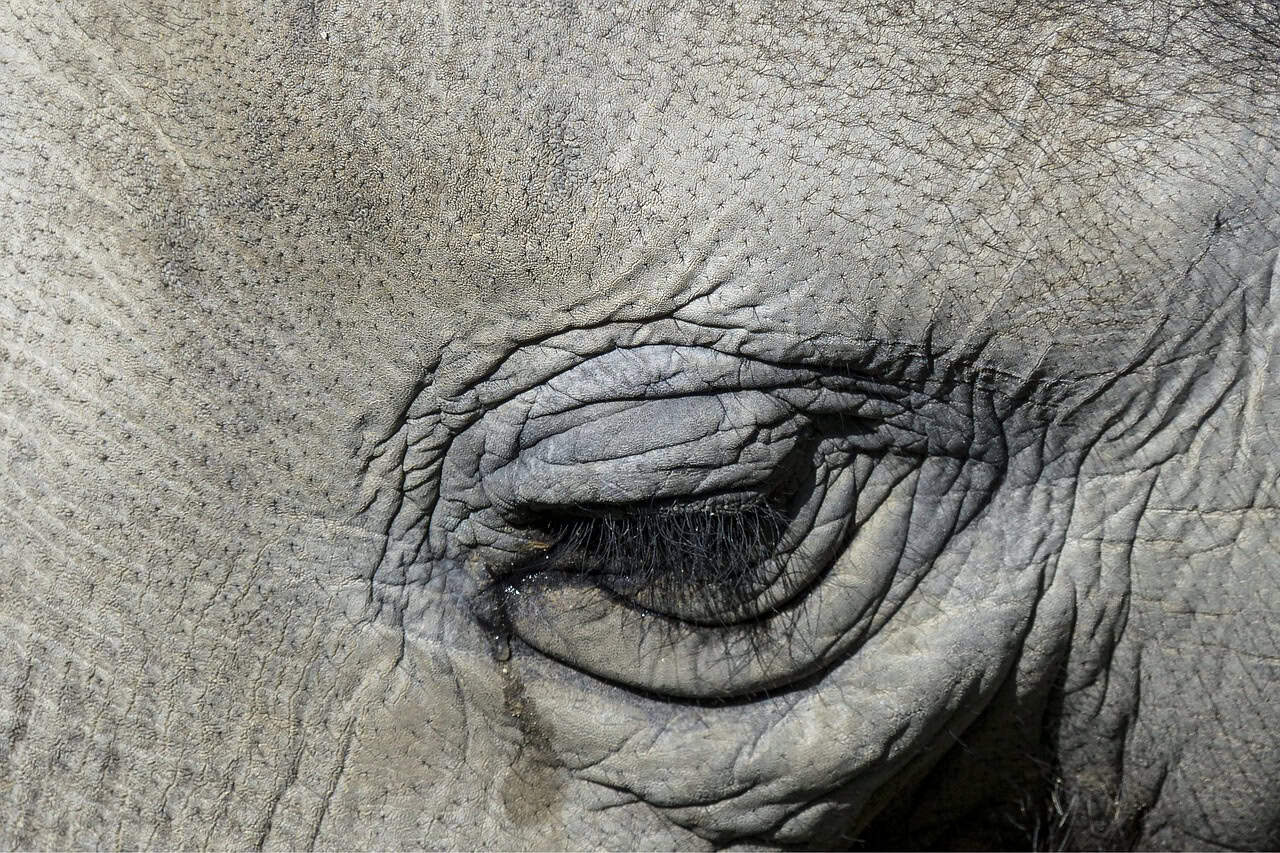
As the rescue team began cutting through the chains that had bound Raju for decades, something unprecedented occurred that would become the defining moment of his story. Tears began flowing from his eyes, a sight so powerful that it moved even the most hardened wildlife experts to emotional breakdowns. Dr. Yaduraj Khadpekar, the veterinarian leading the rescue, later described the moment as the most emotionally charged experience of his career.
The tears weren’t just symbolic—they represented a genuine emotional release that scientists say is rare but documented in elephants experiencing extreme emotional states. Elephants possess highly developed emotional intelligence, and Raju’s tears were likely his way of processing the overwhelming realization that his suffering might finally be ending. The rescue team captured this moment on video, creating footage that would later inspire millions of people worldwide to support elephant conservation efforts.
Scientific Evidence of Elephant Emotions
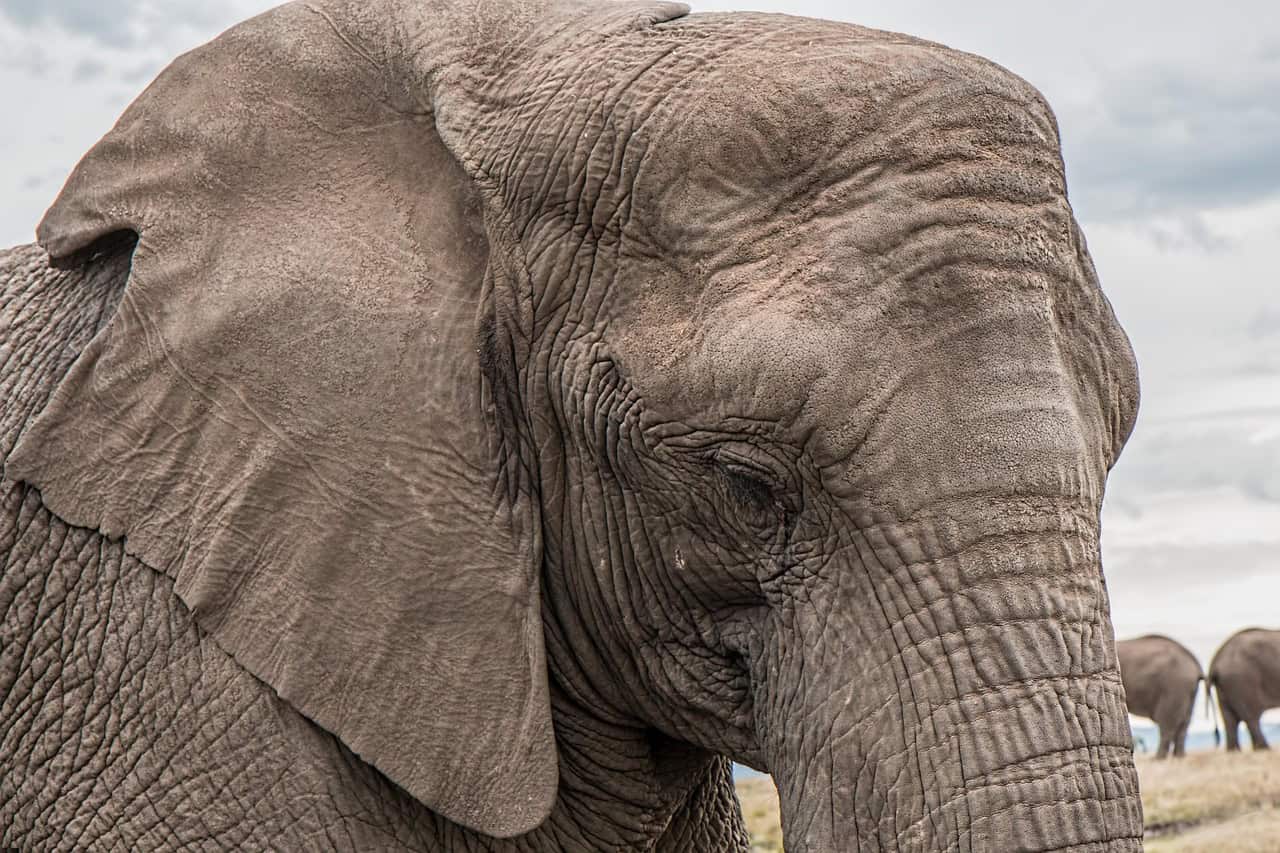
The emotional display witnessed during Raju’s rescue sparked renewed scientific interest in elephant emotional capabilities and their capacity for complex feelings. Research conducted by Dr. Joyce Poole and other elephant behavior experts has documented extensive evidence of emotional depth in elephants, including grief, joy, empathy, and even what appears to be tears during emotional moments. These studies have revealed that elephants have larger and more complex limbic systems than humans, the brain region responsible for emotional processing.
Elephants demonstrate emotional behaviors that parallel human responses to trauma, including post-traumatic stress symptoms that can persist for years after abuse. Studies of rescued elephants have shown that they can suffer from depression, anxiety, and trust issues that require intensive rehabilitation efforts. The tears that Raju shed were consistent with documented cases of elephants expressing emotional relief during rescue situations.
The Journey to Wildlife SOS Elephant Care Center
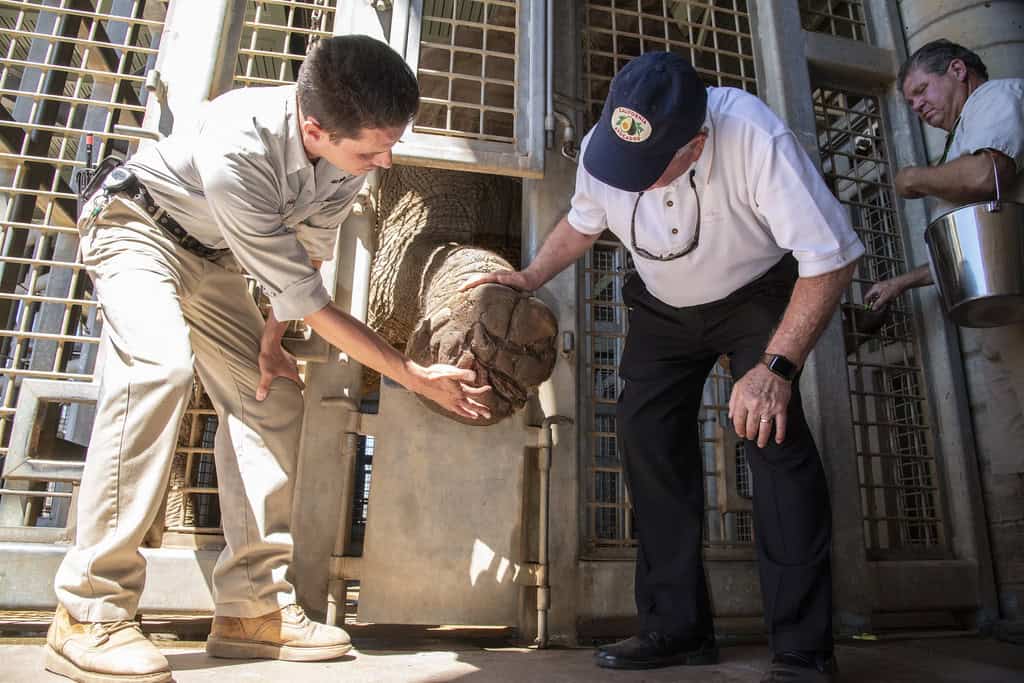
Following his rescue, Raju was transported to the Wildlife SOS Elephant Care and Treatment Center in Mathura, Uttar Pradesh, where he would begin the long journey toward physical and psychological recovery. The facility, established specifically for rescued elephants, provided the specialized care that Raju desperately needed after five decades of neglect. The center’s staff included veterinarians, elephant behavior specialists, and caregivers trained in trauma-informed animal care.
The initial medical examination revealed the full extent of Raju’s suffering, with infected wounds, malnutrition, and severe dental problems that required immediate intervention. His feet, damaged by years of walking on hot pavement while chained, needed extensive treatment to prevent further deterioration. The veterinary team developed a comprehensive treatment plan that addressed both his physical injuries and the psychological trauma he had endured.
Physical Rehabilitation and Medical Miracles

Raju’s physical recovery required months of intensive medical intervention to address decades of accumulated health problems. His infected foot wounds, caused by the spiked chains, required daily cleaning and treatment to prevent life-threatening sepsis. The veterinary team used advanced wound care techniques, including laser therapy and specialized bandaging systems designed for large animals.
His digestive system, damaged by years of eating inappropriate food items, needed careful rehabilitation through a specially designed diet plan. The team introduced him gradually to proper elephant nutrition, including fresh fruits, vegetables, and specially formulated pellets that provided essential nutrients he had been denied for decades. Weight gain was monitored carefully, as Raju was severely underweight when rescued.
Dental problems posed another significant challenge, as his teeth had been damaged by years of eating inappropriate materials and lack of proper care. Elephant dental care requires specialized equipment and expertise, and the team worked with international experts to develop treatment protocols that would address his specific needs without causing additional stress.
Psychological Healing and Trust Building
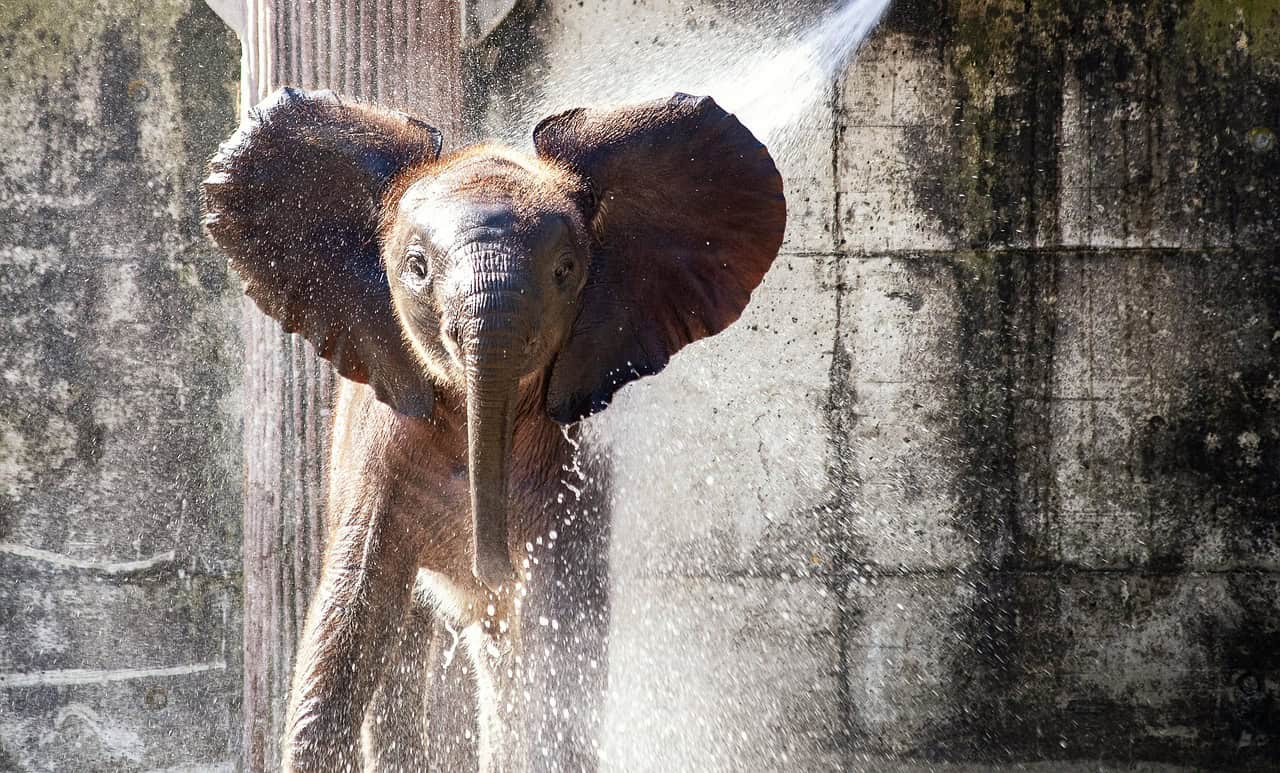
The psychological rehabilitation of Raju proved to be an even more complex challenge than his physical recovery, requiring patient and consistent efforts from specially trained caregivers. Elephants who have experienced prolonged trauma often develop deep-seated trust issues that can take years to overcome. Raju displayed classic symptoms of post-traumatic stress, including hypervigilance, aggressive responses to sudden movements, and withdrawal from human contact.
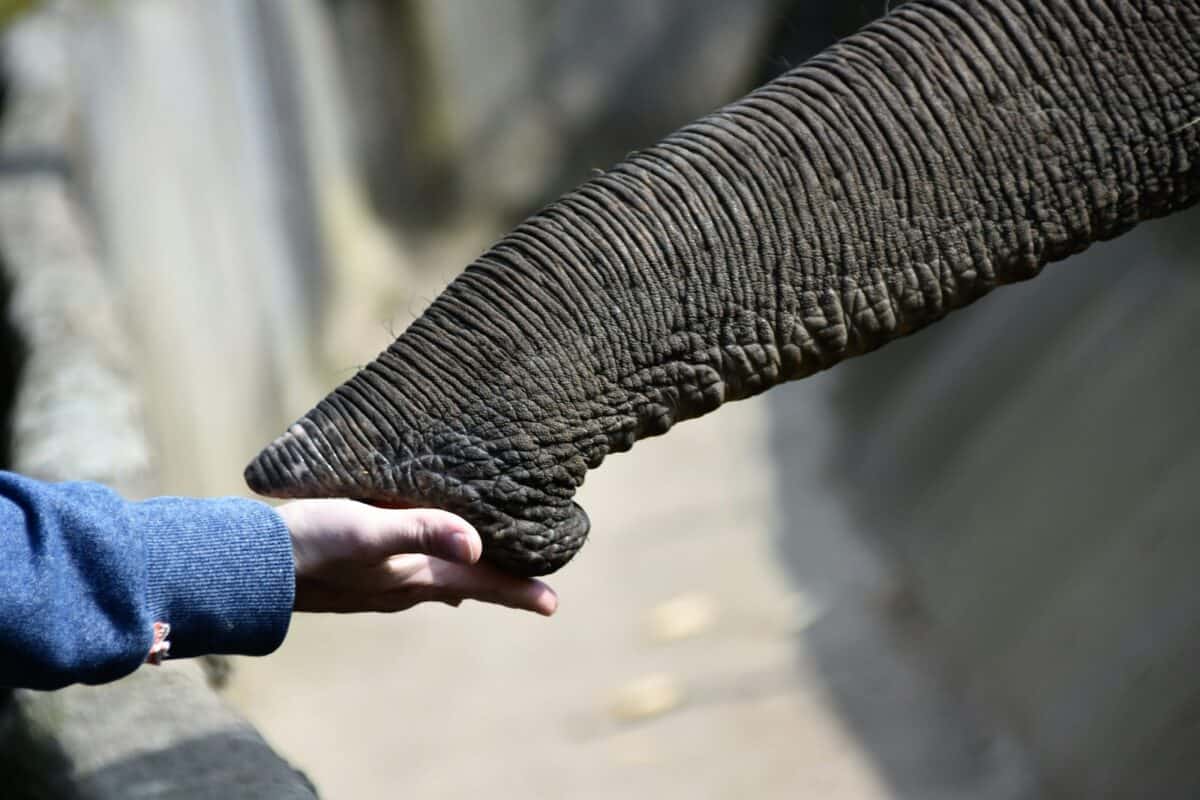
The rehabilitation team employed positive reinforcement techniques developed specifically for traumatized elephants, using food rewards and gentle interaction to slowly build trust. Progress was measured in small victories—the first time Raju accepted food from a caregiver’s hand, his first willing interaction with humans, and gradually increasing periods of calm behavior. The process required enormous patience, as setbacks were common and progress was often nearly imperceptible.
The Power of Compassionate Caregiving
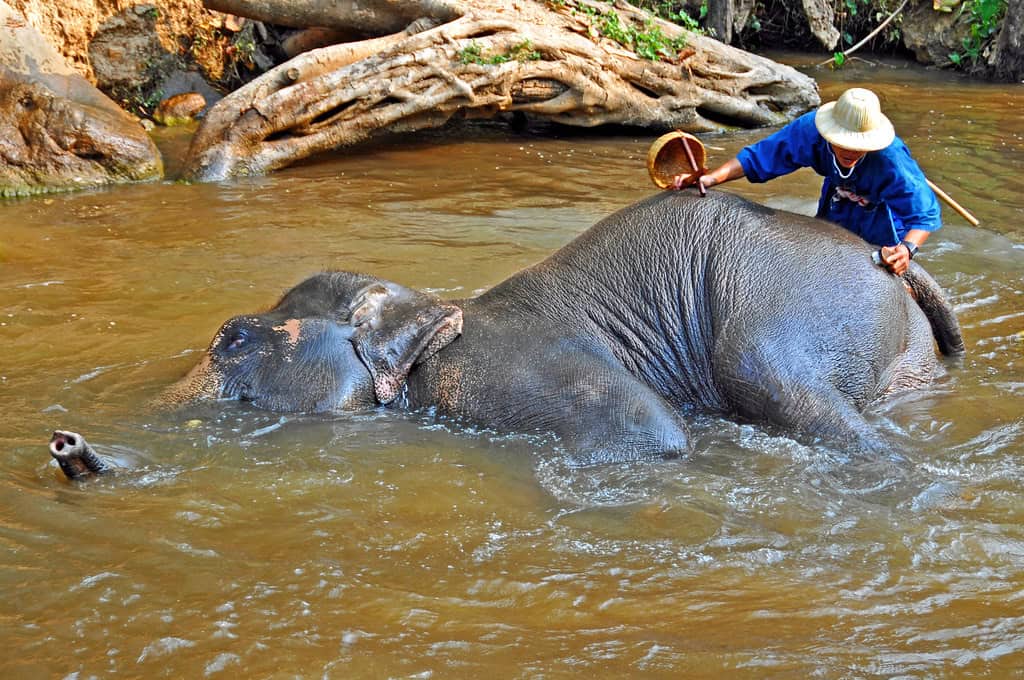
Raju’s recovery was made possible by a dedicated team of caregivers who understood that healing trauma requires more than medical intervention—it demands genuine compassion and emotional connection. The elephant care team at Wildlife SOS included individuals who had devoted their lives to understanding elephant behavior and psychology. They recognized that Raju needed to learn to trust humans again, a process that could only happen through consistent, gentle interaction.
The caregivers developed individualized approaches to interact with Raju, learning to read his body language and emotional state to provide appropriate support. They spent countless hours simply being present with him, allowing him to approach on his own terms and never forcing interaction. This patient approach gradually yielded results, as Raju began to show signs of curiosity about his caregivers and eventually began seeking out positive human contact.
Media Impact and Global Awareness

The story of Raju’s rescue and his tears of freedom captured international attention, generating widespread media coverage that brought global awareness to the plight of captive elephants in India and around the world. Major news outlets including BBC, CNN, and The Guardian featured his story, reaching millions of viewers who had never before considered the emotional lives of elephants. The viral video of his rescue became one of the most shared animal rescue stories in social media history.
This media attention translated into tangible support for elephant conservation efforts, with donations pouring in from around the world to support Wildlife SOS and similar organizations. The story sparked conversations about elephant welfare, captivity conditions, and the need for stronger animal protection laws. Educational institutions began incorporating Raju’s story into their curricula, using it to teach students about animal emotions and conservation.
Legal Victory and Precedent Setting

Raju’s rescue also marked a significant legal victory in the fight for animal rights in India, as the court orders that enabled his rescue set important precedents for future cases. The legal team that worked on his case successfully argued that his treatment constituted cruelty under Indian animal protection laws, paving the way for similar rescues. This legal framework has since been used to rescue dozens of other elephants from similar situations.
The case highlighted the importance of strong legal protections for animals and the need for enforcement mechanisms that can act quickly when abuse is discovered. Wildlife SOS worked closely with legal experts to develop protocols that other organizations could follow when pursuing similar rescues. The success of Raju’s case demonstrated that with proper legal preparation and documentation, even the most entrenched animal abuse situations could be successfully challenged in court.
Scientific Contributions to Elephant Research
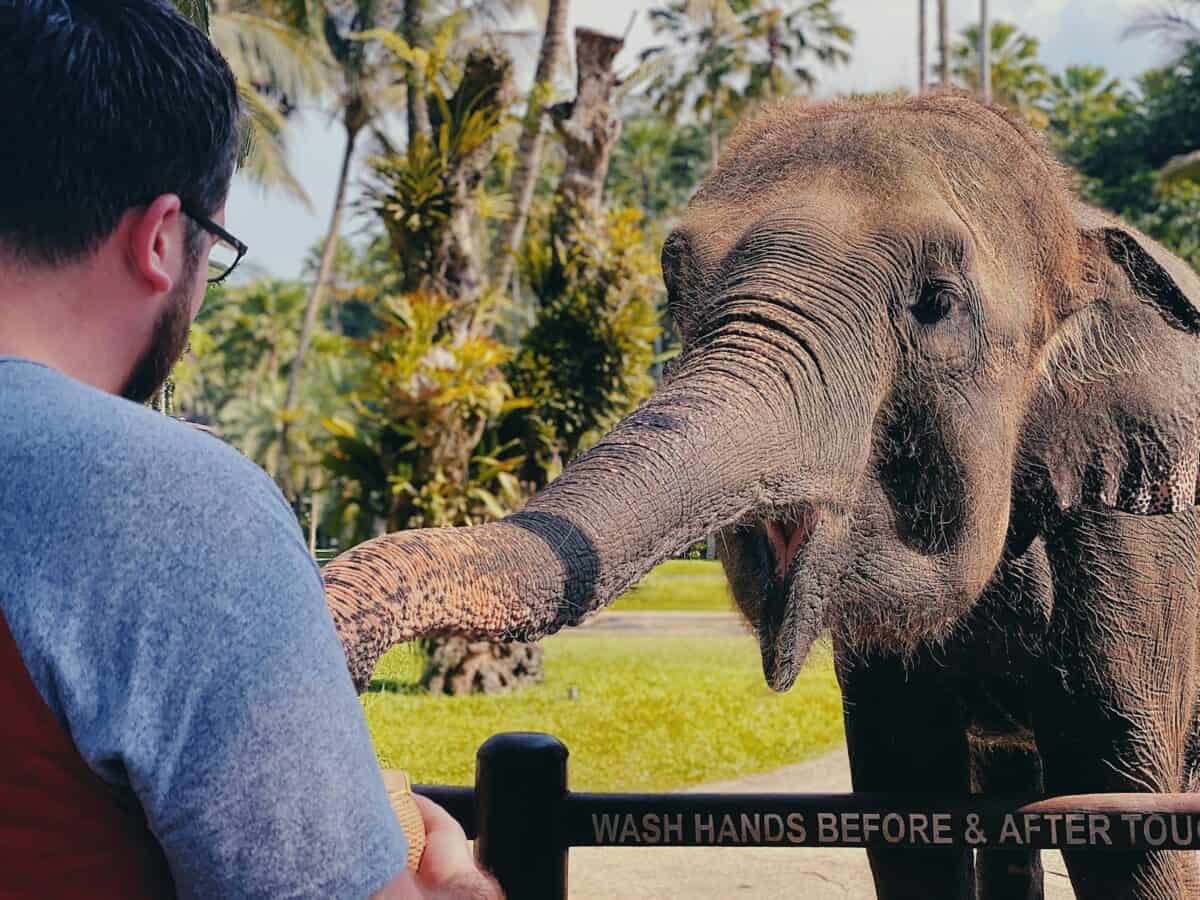
The documentation of Raju’s emotional responses during and after his rescue provided valuable scientific data that contributed to our understanding of elephant emotional intelligence and trauma recovery. Researchers from multiple institutions have studied video footage and behavioral observations from his rescue and rehabilitation, using this data to better understand how elephants process traumatic experiences. This research has implications not only for elephant care but for understanding trauma and recovery in other highly intelligent species.
The long-term study of Raju’s recovery has yielded insights into the resilience of elephants and their capacity for healing from severe trauma. His case has been cited in numerous scientific papers examining elephant psychology, animal welfare, and the effectiveness of rehabilitation programs. The data collected from his care has informed best practices for elephant rescue and rehabilitation efforts worldwide.
Inspiring a Movement for Change
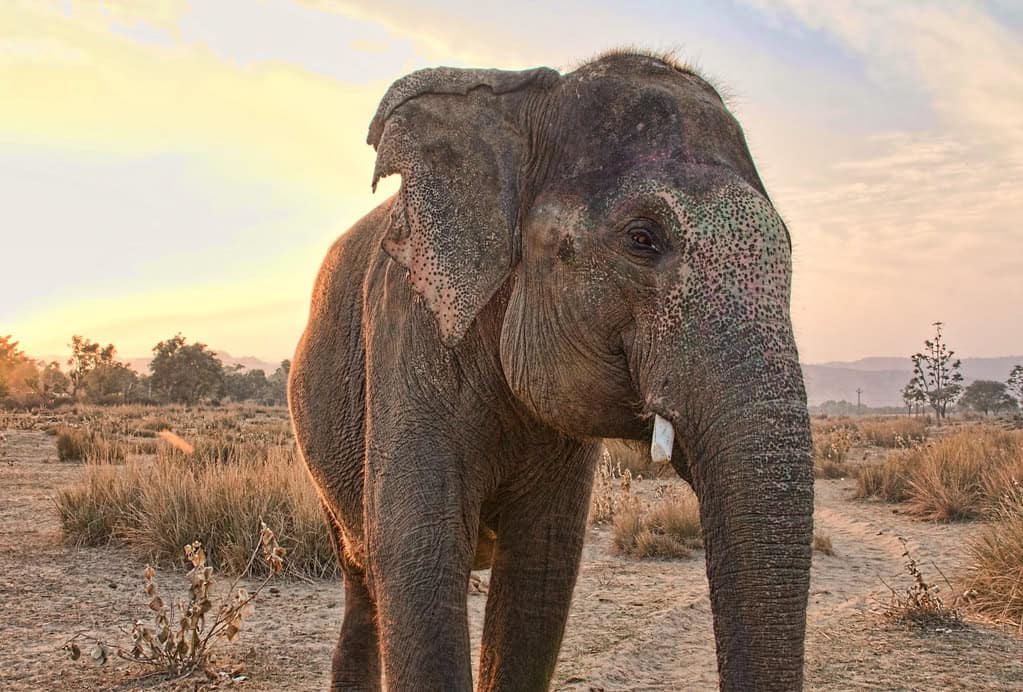
Raju’s story became a catalyst for broader changes in how captive elephants are treated throughout India and neighboring countries. His rescue inspired the creation of new animal protection initiatives, increased funding for elephant sanctuaries, and stronger enforcement of existing animal welfare laws. The emotional power of his story helped shift public opinion about the use of elephants for entertainment and tourism, leading to boycotts of attractions that exploit these animals.
The Wildlife SOS organization experienced unprecedented growth following Raju’s rescue, enabling them to expand their operations and rescue many more elephants from similar situations. The increased visibility and support allowed them to develop more sophisticated rescue protocols, build additional sanctuary facilities, and train more staff in elephant care. Raju’s story demonstrated the power of individual cases to create systemic change when properly publicized and supported.
The Role of Social Media in Modern Conservation

The viral spread of Raju’s story through social media platforms demonstrated the potential of digital communication to advance conservation causes and generate global support for animal welfare. The immediate, emotional connection that viewers felt when watching the rescue video created a level of engagement that traditional conservation messaging often fails to achieve. This case study has since been used to train other conservation organizations in effective social media strategies.
The hashtag campaigns that emerged around Raju’s story helped maintain public interest and engagement long after the initial rescue, creating sustained support for elephant conservation efforts. Social media platforms provided a direct connection between the rescue organization and supporters worldwide, enabling real-time updates on Raju’s progress and ongoing fundraising for his care. This digital advocacy model has since been replicated by numerous other animal welfare organizations.
Economic Impact on Wildlife Tourism

The attention generated by Raju’s story contributed to a significant shift in wildlife tourism preferences, with more travelers seeking out ethical elephant experiences rather than exploitative attractions. Tourism operators began marketing elephant sanctuaries and rescue centers as alternatives to traditional elephant rides and performances, creating new economic incentives for proper animal care. This shift demonstrated that ethical wildlife tourism could be both profitable and beneficial for conservation.
The economic impact extended beyond tourism, as international corporations began avoiding partnerships with attractions that exploited elephants, responding to consumer pressure generated by stories like Raju’s. This corporate responsibility movement has created additional pressure for improved animal welfare standards in the tourism industry. The long-term economic benefits of ethical elephant tourism have proven to be substantial, supporting the argument that conservation and economic development can be mutually reinforcing.
Training the Next Generation of Elephant Caregivers
Raju’s rehabilitation provided an unprecedented opportunity to train a new generation of elephant caregivers in trauma-informed care techniques and advanced elephant husbandry practices. Students and professionals from around the world traveled to the Wildlife SOS facility to learn from the techniques developed during his recovery. This knowledge transfer has improved elephant care standards at facilities worldwide and created a network of skilled caregivers who can respond to future rescue situations.
The training programs developed around Raju’s care have been formally incorporated into veterinary and animal care curricula at several universities, ensuring that future professionals will have access to the most advanced knowledge about elephant psychology and rehabilitation. These educational initiatives have created a lasting legacy that extends far beyond Raju’s individual case, contributing to improved elephant welfare for generations to come.
International Collaboration and Support
The global response to Raju’s story facilitated unprecedented international collaboration between elephant conservation organizations, sharing resources, expertise, and best practices across national boundaries. Funding from international donors enabled the Wildlife SOS facility to implement state-of-the-art care protocols that became models for other elephant sanctuaries worldwide. This international support network has proven invaluable in addressing the complex challenges of elephant rescue and rehabilitation.
The partnerships formed through Raju’s case have enabled joint research initiatives, staff exchanges, and coordinated advocacy efforts that have strengthened the global elephant conservation movement. These collaborations have resulted in more effective strategies for combating elephant exploitation and improving care standards at facilities worldwide. The international dimension of Raju’s story demonstrates how individual cases can catalyze global movements for change.
Long-term Impact on Elephant Welfare Policy
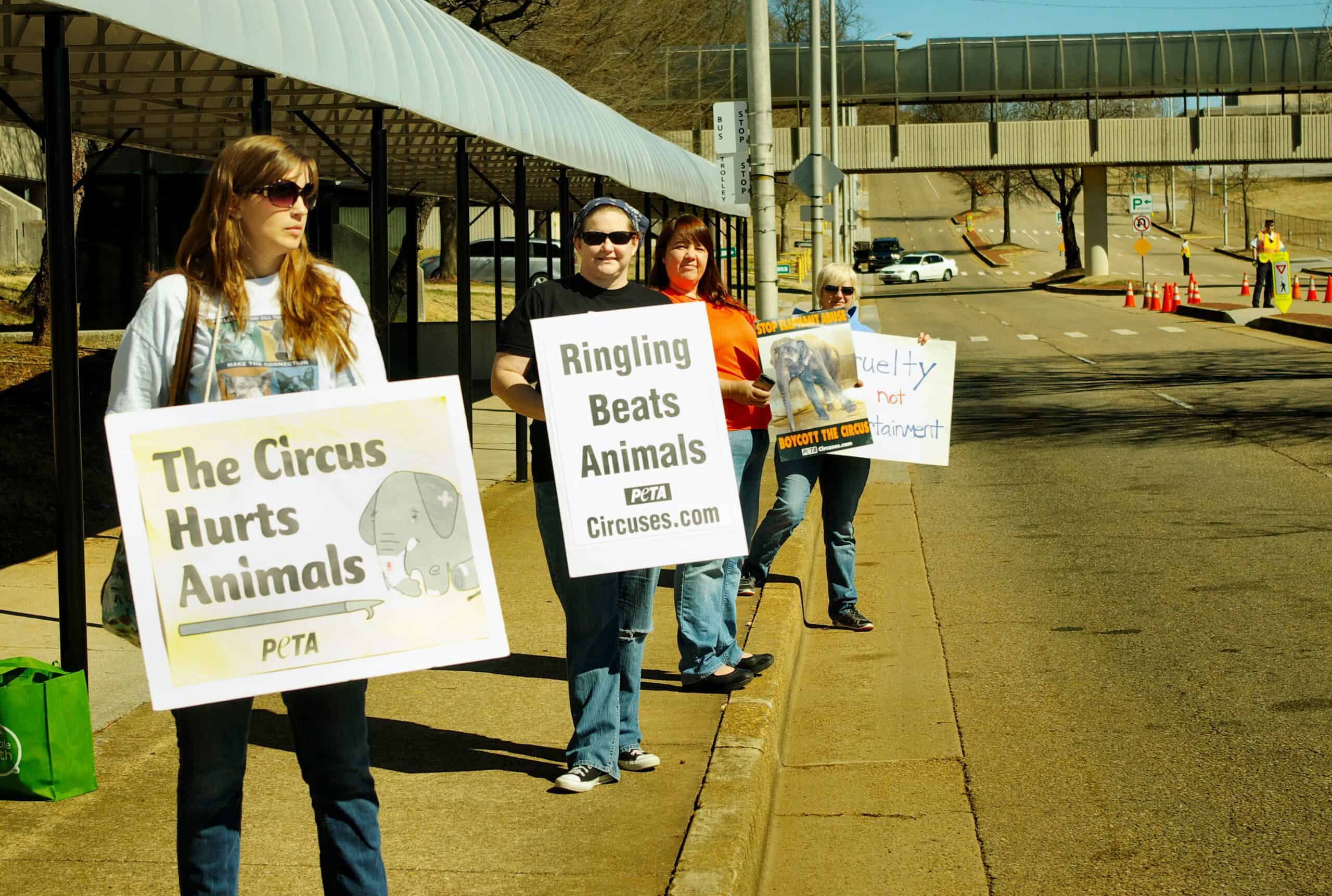
The policy changes initiated by Raju’s rescue have had far-reaching effects on elephant welfare regulations and enforcement mechanisms throughout India and beyond. Government agencies have strengthened oversight of captive elephant facilities, implemented more rigorous licensing requirements, and increased penalties for animal cruelty. These policy changes have created a more protective legal environment for elephants and other captive wildlife.
The success of Raju’s case has provided a template for advocacy organizations working to improve animal welfare laws in other countries, demonstrating effective strategies for combining legal action, media attention, and public pressure to achieve policy change. The policy precedents established through his rescue continue to influence animal protection legislation and enforcement practices years after his initial rescue.
Raju’s New Life and Continued Recovery
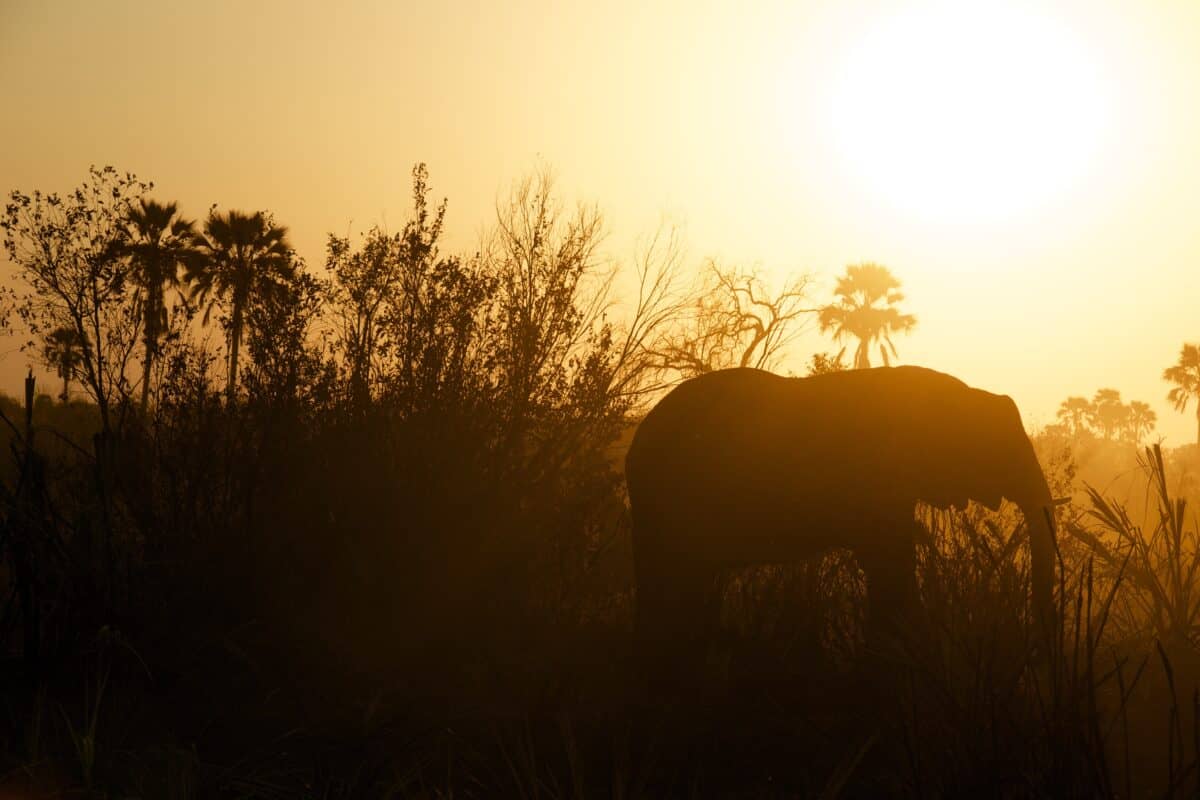
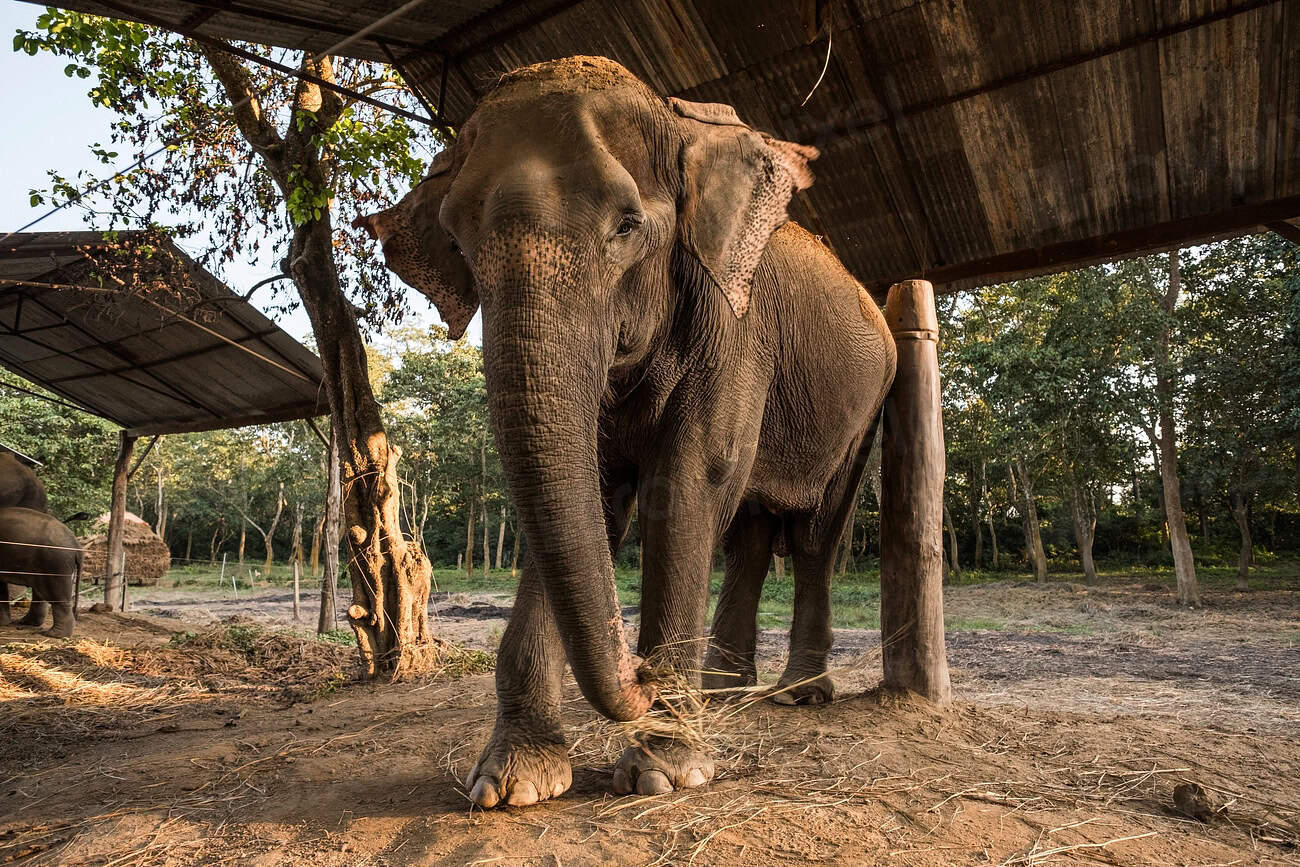
Today, Raju lives a transformed life at the Wildlife SOS Elephant Care Center, where he continues to heal from his traumatic past while enjoying freedoms he never experienced during his five decades of captivity. His daily routine includes medical care, proper nutrition, social interaction with other rescued elephants, and access to natural behaviors like mud bathing and foraging. The contrast between his current life and his past suffering serves as a powerful reminder of what compassionate care can achieve.
His ongoing recovery demonstrates the remarkable resilience of elephants and their capacity for healing even from the most severe trauma. Raju has learned to trust his caregivers, shows curiosity about his environment, and displays behaviors that indicate psychological healing. While he will never fully recover from all the damage caused by his years of abuse, his current quality of life represents a triumph of compassion over cruelty.
Conclusion
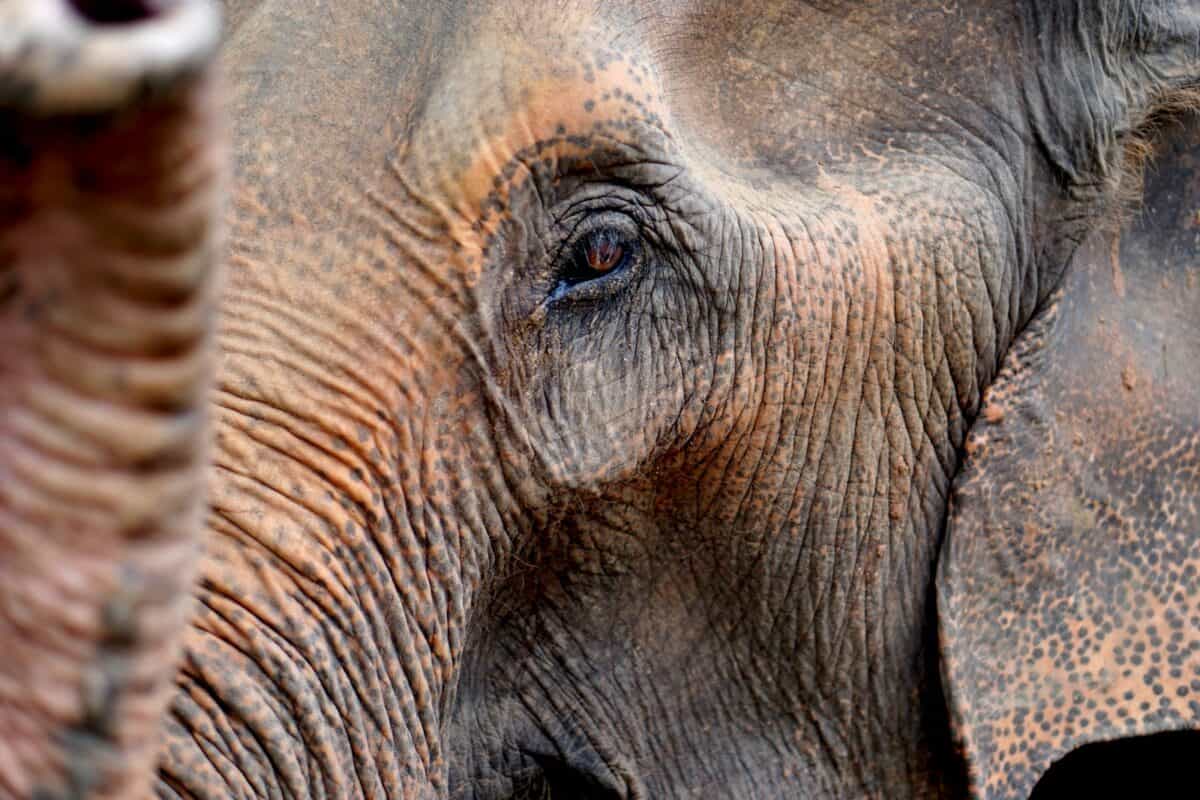
The elephant who once cried tears of freedom has become a living symbol of hope, resilience, and the transformative power of compassionate intervention. His story continues to inspire new generations of animal welfare advocates and serves as a reminder that even the most entrenched suffering can be overcome with dedication, expertise, and genuine care. What began as a rescue mission has evolved into a global movement for elephant protection, proving that one individual’s liberation can spark change that reaches far beyond their own circumstances.
Next time you see an elephant, think of Raju—not as a symbol of suffering, but as proof that healing is possible. Who would have thought that after so much pain, one elephant’s journey could teach us so much about hope, trust, and second chances?

- The Coldest-Blooded Reptile That Can Survive Snow - June 20, 2026
- These Giant Jellyfish Keep Washing Up on U.S. Beaches - June 20, 2026
- These Fish Change Gender to Survive - June 19, 2026