

For thousands of years, Native American cultures have crafted an extraordinary tapestry of animal myths that transcend simple storytelling. These sacred narratives carry profound wisdom about nature’s connections to the spiritual realm, offering insights into behaviors, healing, and the delicate balance between humans and wildlife. Unlike European fairy tales, these stories often served as essential guides for survival, moral instruction, and spiritual understanding.
These myths reflect a worldview where animals are not just creatures to be observed but powerful teachers, healers, and spiritual messengers. From your own canine companion who seems to sense your mood before you do, to the wild coyote whose howl stirs something ancient in our souls, these stories remind us that animals carry wisdom we’re only beginning to understand. Let’s explore these captivating tales that continue to resonate with truth today.
The Bear Who Teaches Healing Medicine
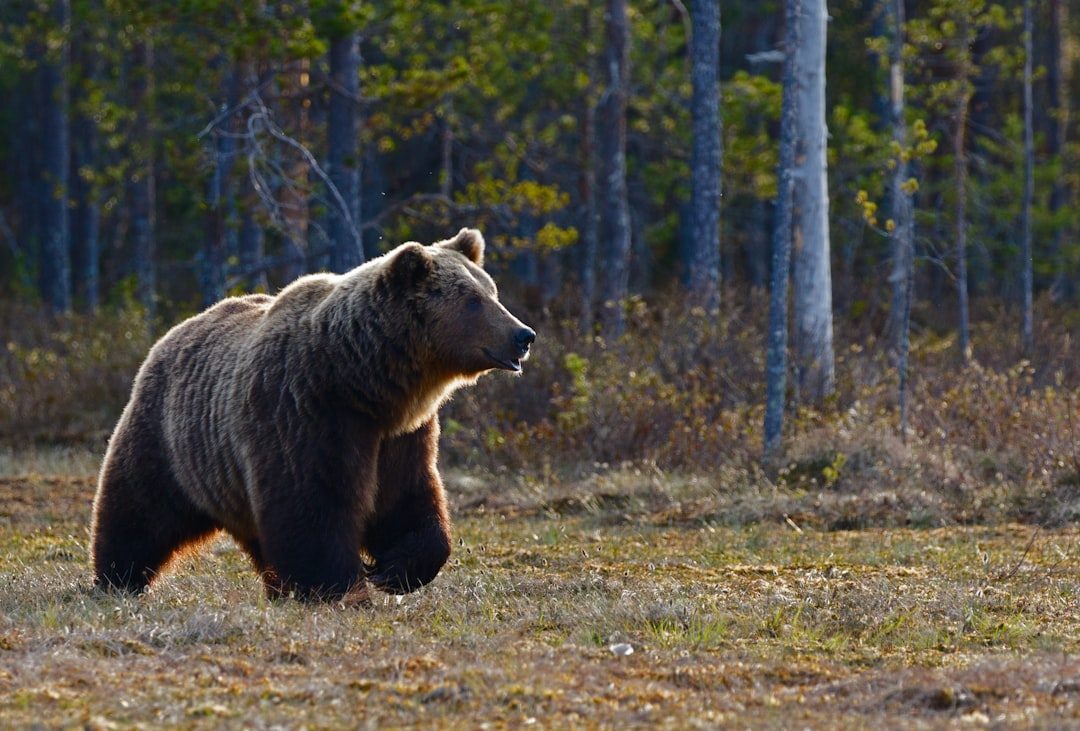
Bears are symbols of strength and wisdom to many Native Americans, and are often associated with healing and medicine since bears continue fighting after being seriously injured, Native Americans often believed they were capable of healing their wounds. In most Native cultures, Bear is considered a medicine being with impressive magical powers, and plays a major role in many religious ceremonies.
Bear Medicine: Dene legend about a man who hibernated with a bear and received a special gift of bear-hunting medicine. This powerful myth demonstrates how indigenous peoples observed that bears could recover from wounds that would kill other animals.
Bears are also associated with healing in many Native American cultures. The bear’s strength and endurance are believed to transfer to the sick or injured, helping them heal. The bear is also believed to have medicinal properties, its fat and other body parts are used in traditional medicines.
Coyote the Cosmic Trickster and Fire Bringer
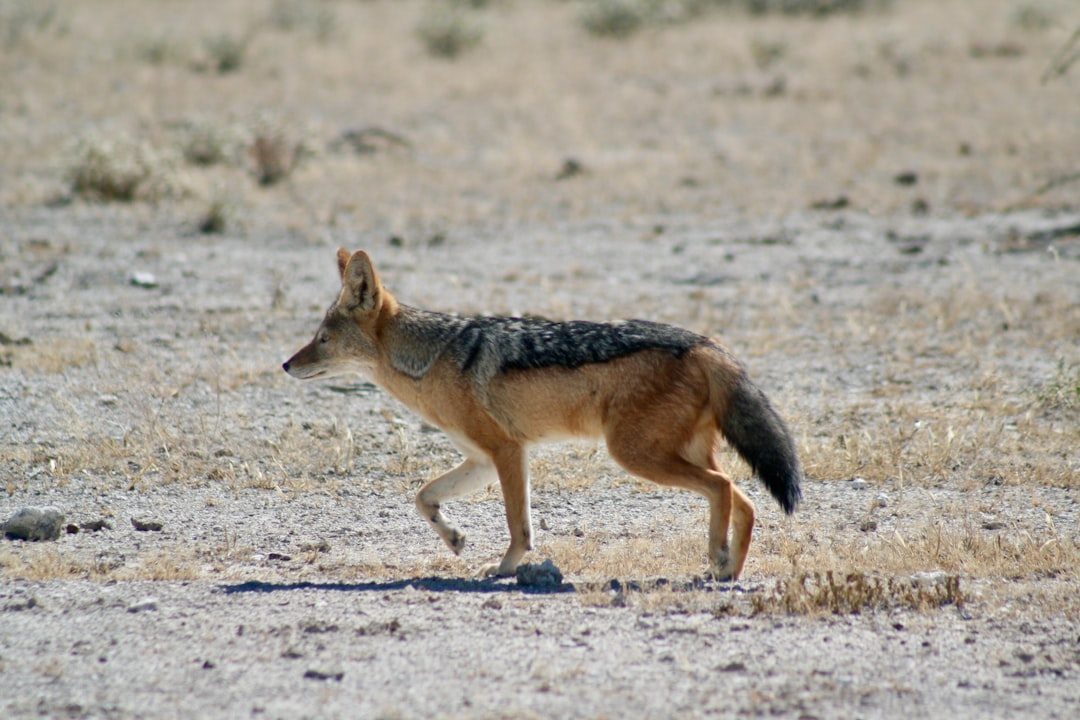
Coyote, in the mythology and folklore of the North American Plains, California, and Southwest Indians, the chief animal of the age before humans. Coyote’s exploits as a creator, lover, magician, glutton, and trickster are celebrated in a vast number of oral tales. He was typically portrayed as a demiurge (independent creative force), as a maker of fateful decisions, as the being who secured for humans such necessities as fire and daylight, and as the originator of human arts.
In Native American myth, Coyote is a trickster. His antics – whether obscene, ridiculous, or heroic – are intended to teach listeners about cultural and ethical norms. Think of your dog’s mischievous moments that somehow teach you patience or responsibility.
Coyote is compared to both the Scandinavian Loki, and also Prometheus, who shared with Coyote the trick of having stolen fire from the gods as a gift for mankind.
The Thunderbird’s Storm Powers
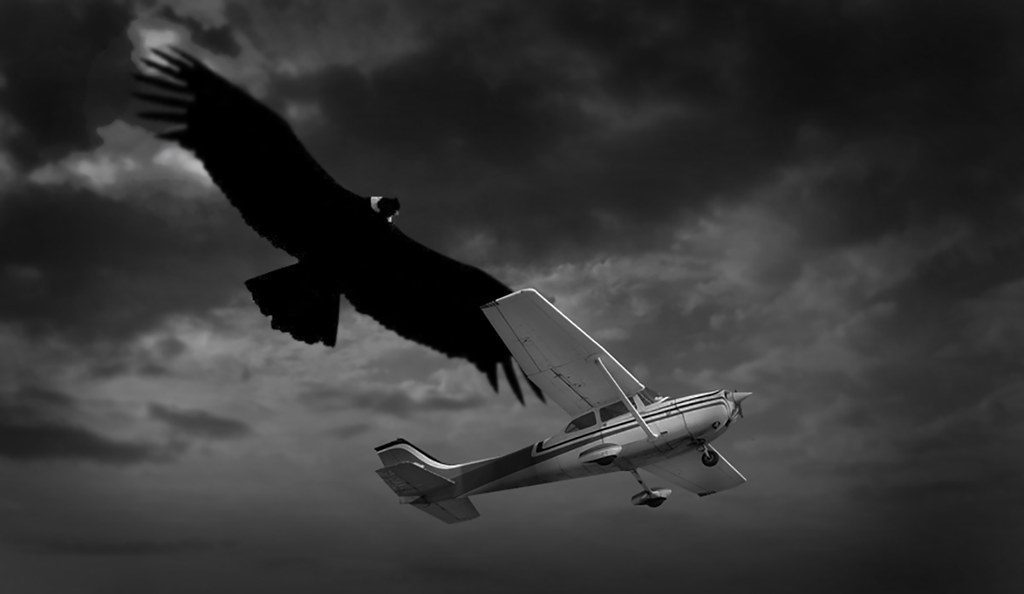
Of imaginary creatures, the most conspicuous are the water monster and the Thunderbird. The former is usually an immense, horned serpent that lives underwater and fears thunder. The thunderbird is an eagle-like being that causes thunder.
Animals that figure in these original myths include the Thunderbird and his younger brother the Kolus, the Seagull, the Orca, the grizzly bear and the Chief ghost. When you hear thunder, many Native cultures believed it was the Thunderbird’s wings creating those powerful sounds.
This magnificent creature represents the raw power of nature and the importance of respecting weather patterns. For indigenous peoples who lived closely with the land, understanding storm signs could mean life or death.
The Wise Turtle Who Carries the Earth

Abenaki Creation Story: Native stories about the earth being placed on the back of a turtle. This foundational myth appears across numerous tribes, creating the concept of North America as “Turtle Island.”
The turtle’s slow, deliberate movement and incredible longevity made it a natural symbol for patience and endurance. Just like how your dog might teach you to slow down and appreciate simple moments, the turtle reminds us that steady progress often wins over rushing.
Many coastal tribes observed how sea turtles navigated vast oceans with unwavering determination, returning to the same beaches year after year. This reliability became a metaphor for home, stability, and the cyclical nature of life.
The Sacred White Spirit Bears
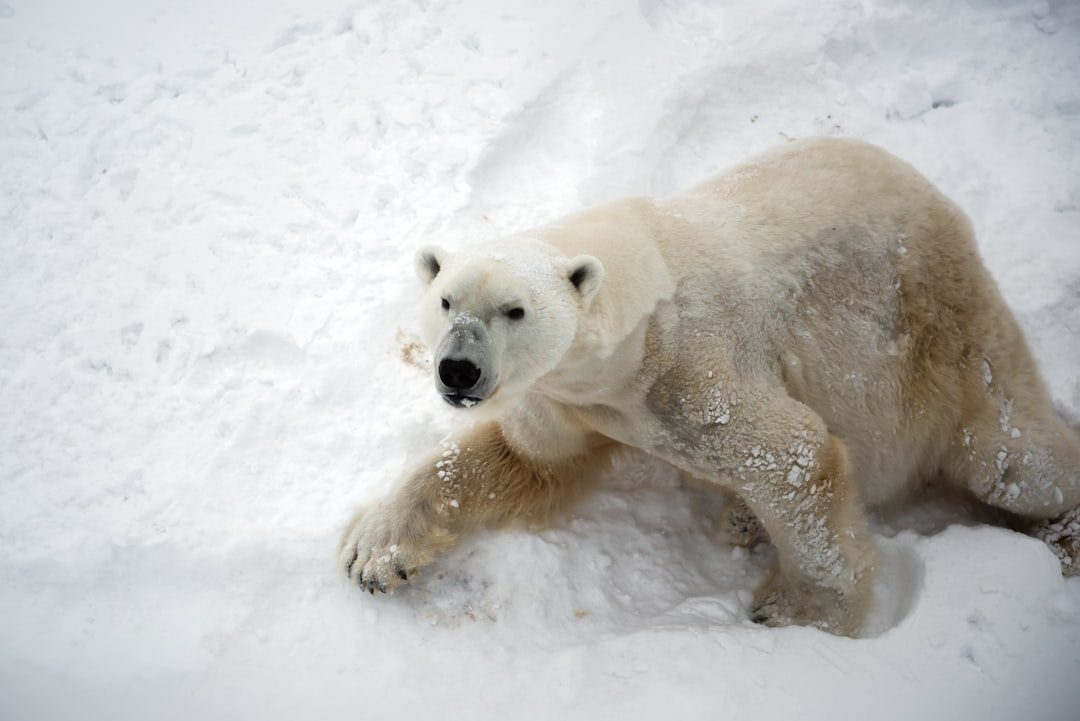
The White Bear (on a rare occasion, Black Bear are born with a natural white fur) was a significant part of the Cherokee ceremonial or religious practices. It could be speculated that there was a personal attraction or spiritual kinship to the Black Bear by Native Americans.
The Cherokee have often seen the Black Bear of the “Smoking” Blue Ridge Mountains, as a symbol of a guide or as a spirit guide, an elder and an ally to the Cherokee people. Tales are told revealing their personal relationship with the bears in both the spirit world and in the physical world.
These rare white bears, known today as Kermode or Spirit Bears, were considered especially sacred messengers between the physical and spiritual worlds. Their unusual coloring made them appear almost ghostlike in the misty forests.
The Clever Raven Who Stole the Sun
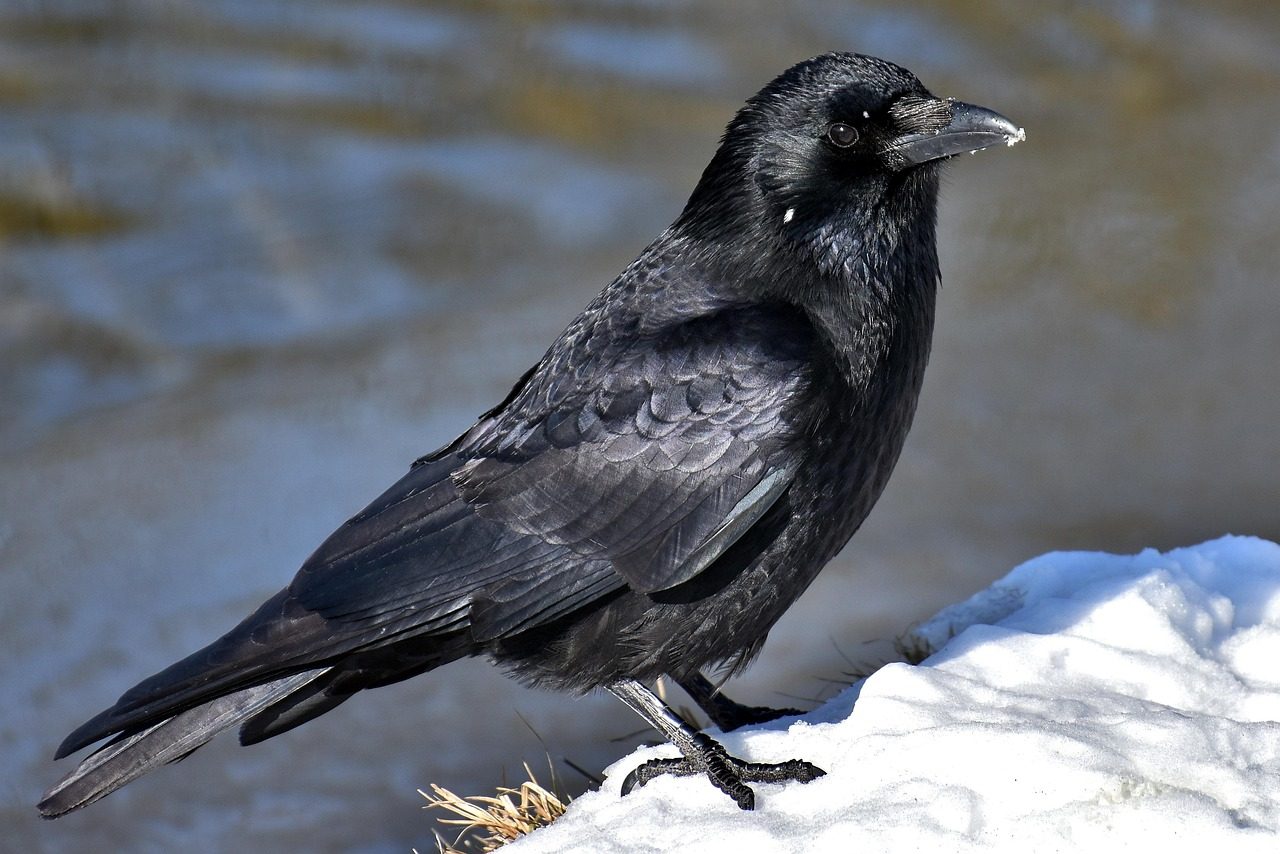
Along the Pacific Northwest coast, Raven is the central character in the myths and legends of Native Americans. In this tale, Raven, feeling sad for the men and women living in the dark and cold, devises a clever plan to steal the sun from the Sky Chief to bring light and warmth to the people.
For Northwest Coast Indians, Coyote’s analog was Raven. Ravens are incredibly intelligent birds, capable of solving complex problems and using tools, which ancient peoples observed and incorporated into their stories.
Modern science confirms what these myths suggested: ravens can plan for future events, understand cause and effect, and even hold grudges. Your dog’s intelligence might remind you of these remarkable birds’ problem-solving abilities.
The Buffalo Nation’s Sacred Covenant
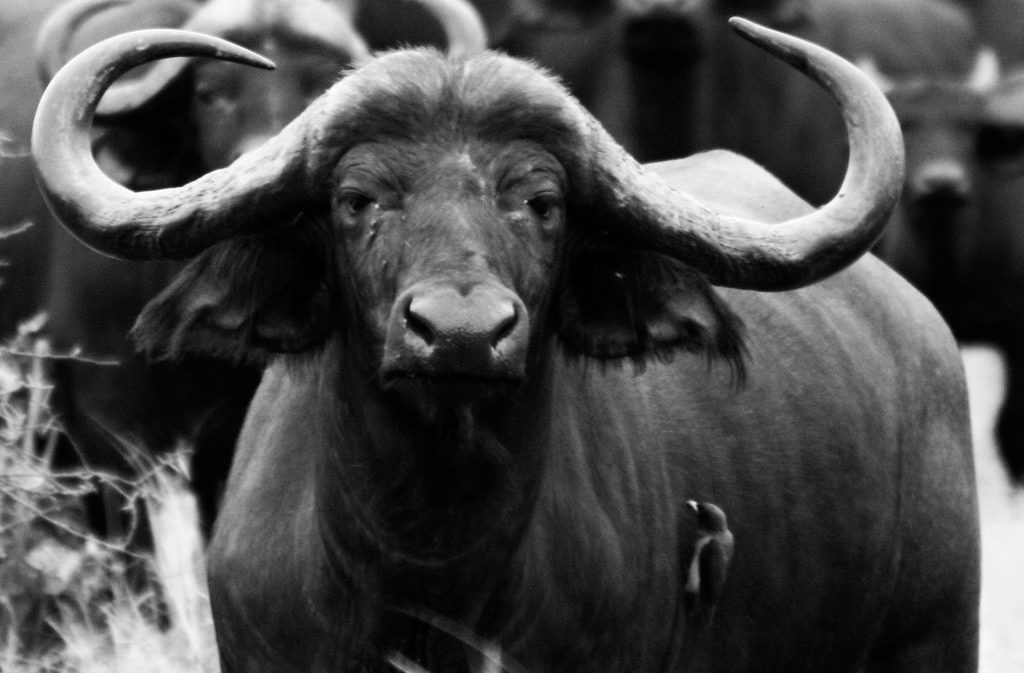
In the mythology of the Plains tribes, the buffalo is a favorite character and is seldom encountered in the mythology of other areas. A Great Plains Indian legend about a young hunter who marries a female buffalo in the form of a maiden. When his people reject his wife, the brave must undergo several tests to join the buffalo nation.
These massive herds that once darkened the Great Plains represented abundance, sacrifice, and the interconnectedness of all life. Plains tribes understood that their survival depended entirely on these magnificent animals.
The buffalo’s willingness to provide everything needed for survival – food, shelter, clothing, tools – created a spiritual bond based on gratitude and respect rather than simple hunting. This mirrors how our dogs give us unconditional love and companionship.
The Shape-Shifting Skinwalkers
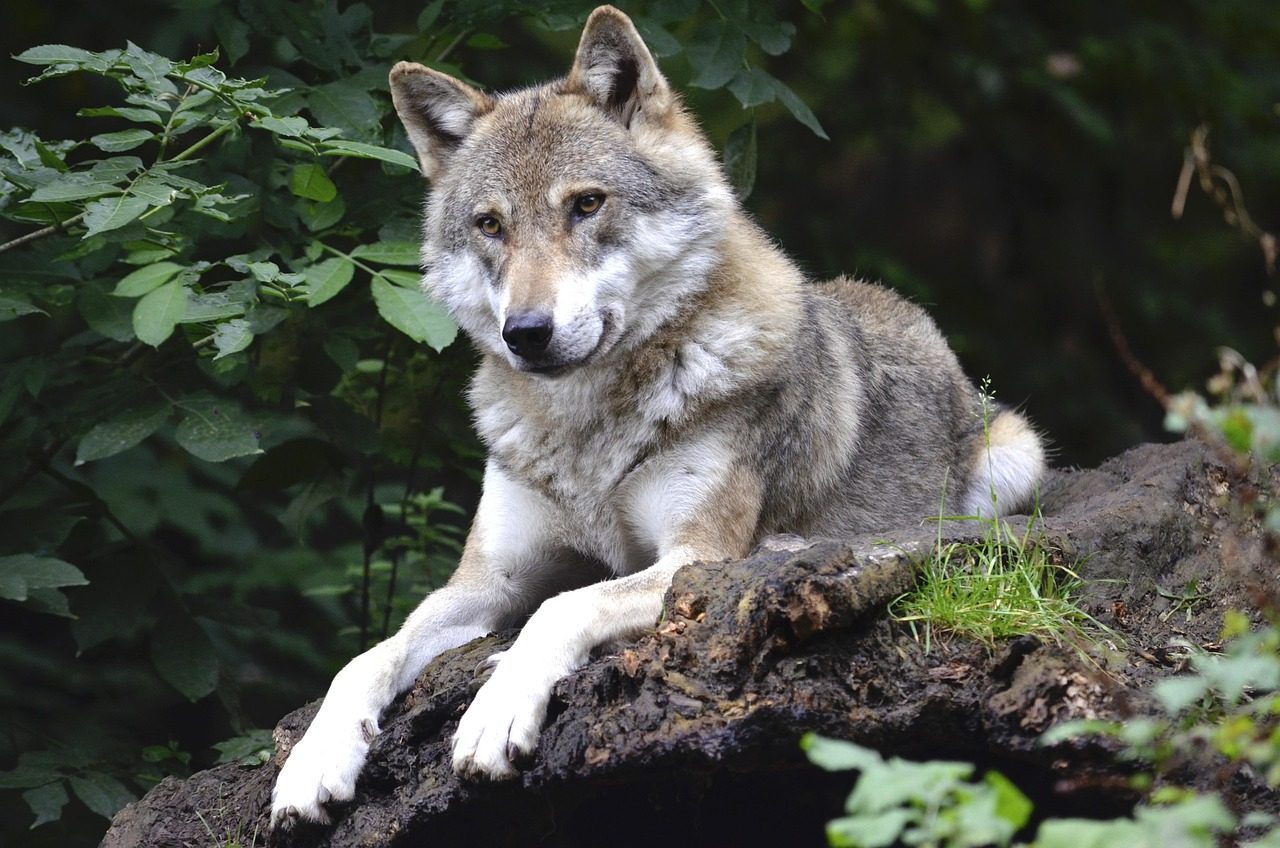
Skinwalkers are arguably the most notorious figures from Southwest Native American lore and are particularly associated with the Navajo. They are said to be witches who have perverted the ancient medical and magical ceremonies of their people and have the ability to transform themselves into animals such as coyotes, wolves and bears.
The Skin-Walker is a shape-shifting witch of the Navajo who exists only to do harm to others. Skin-Walkers are understood to have once been shamans – people of significant spiritual power – who chose to use their gifts for evil instead of good.
These cautionary tales taught respect for spiritual practices and warned against the misuse of sacred knowledge. They represent the shadow side of human nature and the consequences of choosing selfishness over community.
The Mysterious Water Babies

They may sound adorable, but the Water Babies mentioned in the traditions of the Bannock, Shoshone and other peoples of the Great Basin are anything but. These dangerous entities are said to inhabit springs and lakes and mimic the sound of crying human babies to lure victims to their deaths. According to some traditions, the Water Babies originated as the ghosts of human babies who were killed by their mothers when famine spread through the land.
These haunting myths served as powerful warnings about water safety, particularly important for children playing near dangerous currents or deep pools. The emotional element of crying babies ensured these safety lessons would be remembered.
Like how you might caution children about strangers, these stories used fear to protect community members from real dangers while explaining tragic losses that communities had experienced.
The Great Horned Serpents of the Waters
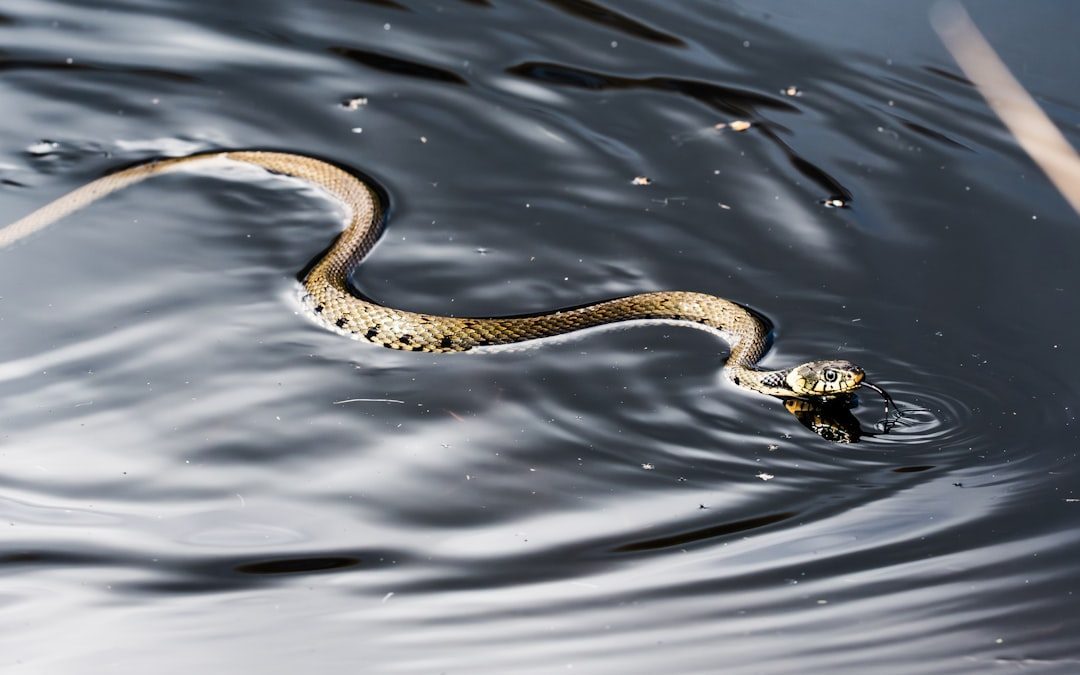
Horned Serpents commonly crop up in numerous Native American folk tales and seem to be especially prevalent in the lore of the Southeastern Woodlands peoples such as the Muscogee and the Yuchi. Ogopogo is a lake monster who first appears in the stories of the Secwepemc (Shuswap) and Syilx (Okanagan) First Nations of Canada in modern-day British Columbia. The creature is said to live in Okanagan Lake and is described as a large serpent with a dragon’s head. The Ogopogo is said to demand tribute from anyone wishing to cross Okanagan Lake and, if nothing is offered, the person or people are drowned in a sudden storm whipped up by the creature.
In the past, Native Americans would bring small animals to sacrifice to the lake before crossing and there are several legends concerning the unpleasant fate of those who refused to believe in Ogopogo and wound up drowning or narrowly escaping death. Like many other Native American creatures, Ogopogo served to remind the people of the power of nature and how it should be respected.
These water guardians taught respect for dangerous waterways and unpredictable weather patterns. Just as you wouldn’t let your dog swim in rough waters, these myths encouraged caution around powerful natural forces.
These remarkable myths reveal how Native American cultures understood animals as teachers, healers, and spiritual guides rather than mere subjects for domestication or hunting. Each story carries layers of practical wisdom about animal behavior, environmental awareness, and moral instruction that remain relevant today.
As you watch your own dog navigate the world with instincts we’re still trying to understand, remember that indigenous peoples recognized this profound intelligence thousands of years ago. Their myths honored the sacred bond between humans and animals, acknowledging that we have much to learn from our four-legged, winged, and scaled relatives.
What aspects of your dog’s behavior remind you of these ancient stories? The healing presence during illness, the protective instincts, or perhaps that mischievous trickster energy that keeps life interesting? These timeless tales suggest that the magic between humans and animals has always been real.
