
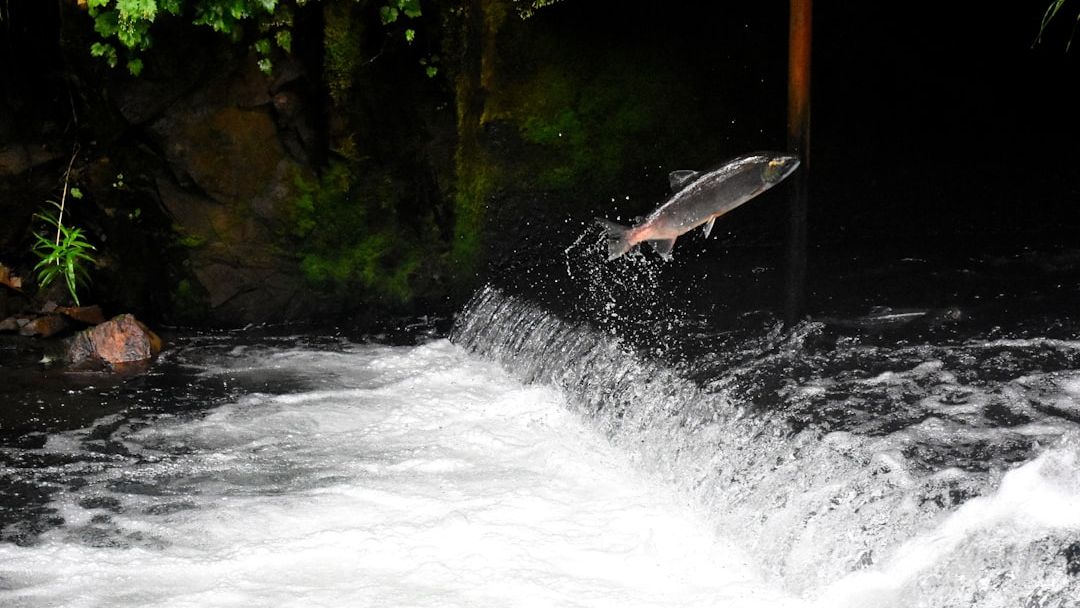
Think about your favorite salmon dinner for a moment. Maybe it’s that perfectly grilled fillet or the tender smoked slices on a Sunday brunch platter. Chances are, you’ve never stopped to wonder where exactly that fish came from within the United States. The truth is, salmon consumption and production across America aren’t evenly distributed. Some states dominate this industry in ways that might genuinely surprise you.
While salmon appears on menus from coast to coast, the reality of where it’s actually caught, processed, or consumed tells a fascinating story about geography, economics, and culture. Let’s dive into the six American states that truly lead the pack when it comes to salmon.
Alaska: The Undisputed Salmon Capital
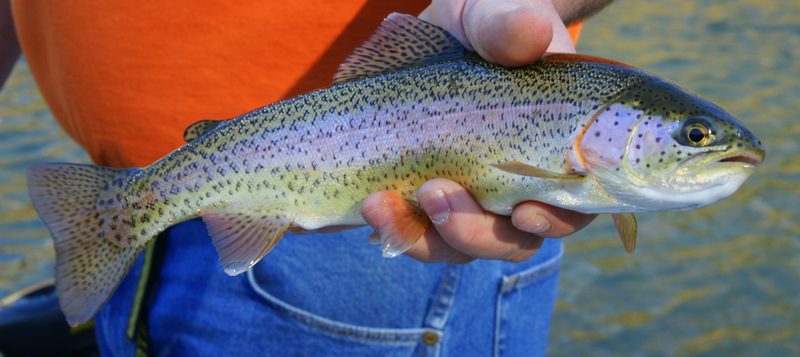
Alaska’s salmon harvest represents about 80% of the total wild-caught catch in North America, making it the absolute powerhouse of salmon production. In 2017, 224.6 million salmon were caught in Alaskan waters by commercial fishers, representing $678.8 million in exvessel value. The sheer scale of this operation is breathtaking when you really think about it.
Here’s the thing about Alaska that sets it apart. The most valuable salmon fisheries are in the Bristol Bay, Prince William Sound and Southeast regions. Bristol Bay alone is legendary. The Bristol Bay sockeye salmon fishery is the world’s most valuable wild salmon fishery, and typically supplies almost half of the world’s wild sockeye salmon. That’s not just impressive for the United States, it’s globally dominant.
Washington: Processing Powerhouse and Consumer Hub
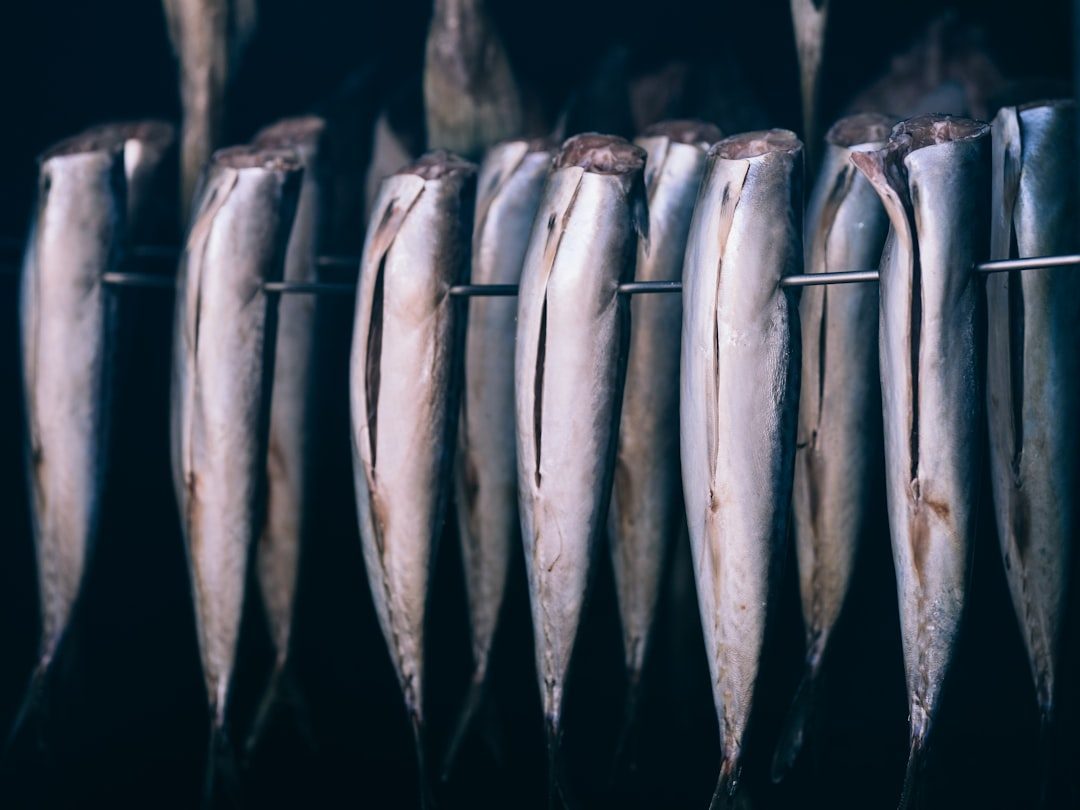
Washington state occupies a unique position in the salmon ecosystem. Most of the remaining frozen salmon from Bristol Bay is shipped to Washington state where much of it is repackaged and/or reprocessed into secondary products such as fillets, portions and smoked salmon. This makes Washington absolutely critical to the supply chain even beyond its own fishing operations.
The state handles massive quantities of Pacific Northwest salmon and serves as a major distribution center. About one-third of Bristol Bay fishermen and two-thirds of Bristol Bay processing workers live in West Coast states, with Washington being a primary hub. The combination of local fishing, processing infrastructure, and a population with strong seafood consumption habits makes Washington one of -intensive states in America.
Oregon: Wild-Caught Tradition and Coastal Culture
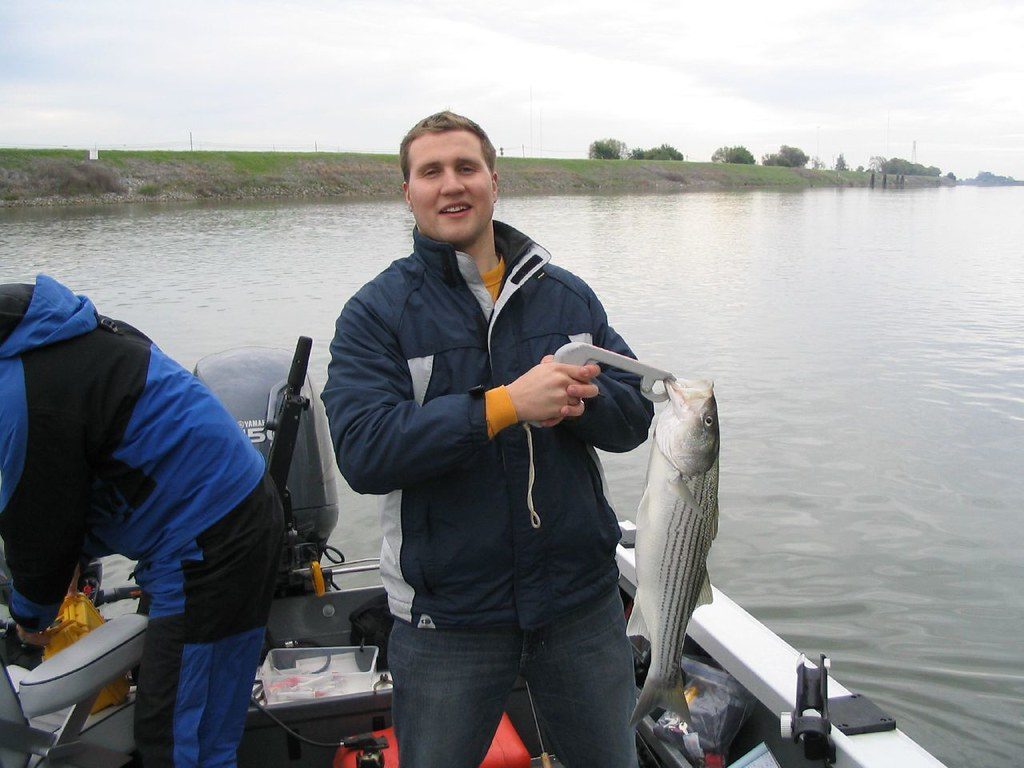
All salmon harvested in Oregon is wild-caught, there are no salmon farms in Oregon. This commitment to wild salmon gives Oregon a distinctive identity in the market. The state’s coastal communities have built their economies and identities around sustainable fishing practices that respect natural salmon runs.
Salmon is an economically and culturally important species in Oregon and the Pacific Northwest. Commercial fishing seasons are carefully regulated, typically running from May through September depending on species and location. Oregon’s approach prioritizes sustainability, and the state has become a model for balancing commercial interests with conservation needs in ways that other regions study and try to emulate.
California: Major Consumer Market Despite Fishing Challenges
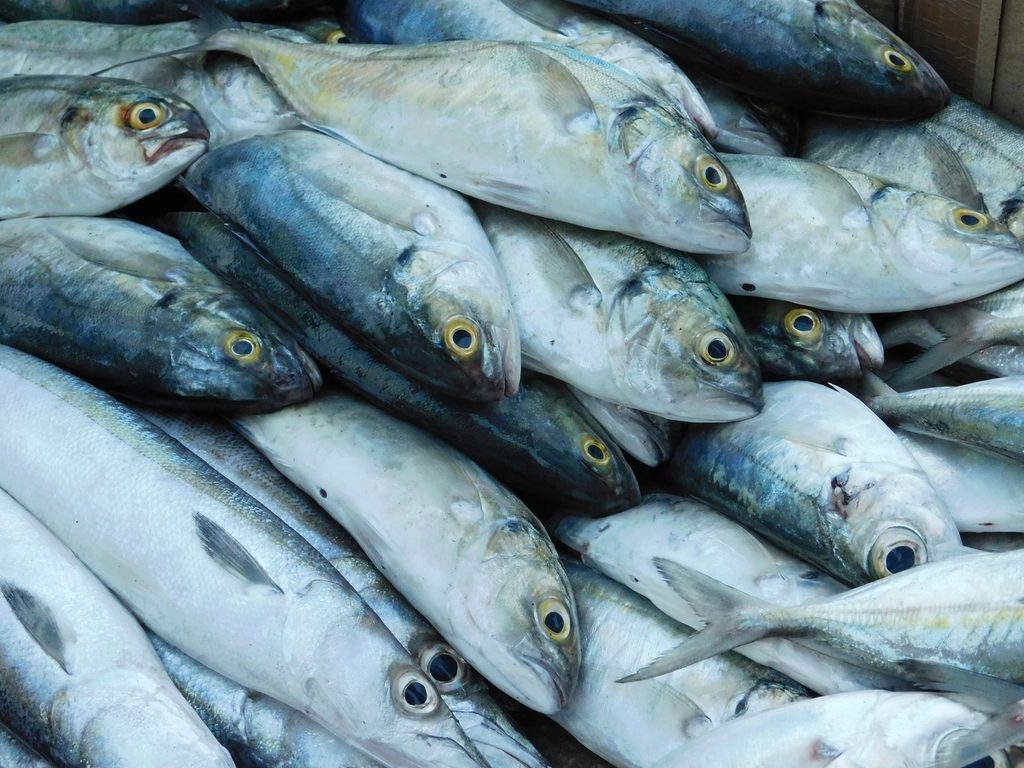
California presents an interesting case. While the state has faced significant challenges with commercial salmon fishing in recent years, it remains one of the largest consumer markets for salmon in the entire country. Commercial chinook salmon fishing along the Pacific coast between Cape Falcon, Oregon, and the California-Mexico border had been shut down for the 2023-2024 season due to a dwindling number of wild salmon amid a drought on the West Coast.
Despite production challenges, California’s massive population drives enormous salmon consumption. California is a preeminent U.S. seafood market because of its robust coastal fishing community and intensive seafood consumption, with favorites including salmon, crab, and tuna. The state’s diverse culinary scene, health-conscious population, and strong sushi culture all contribute to making California a salmon heavyweight, even when local catches fall short.
New York: East Coast Consumption Leader
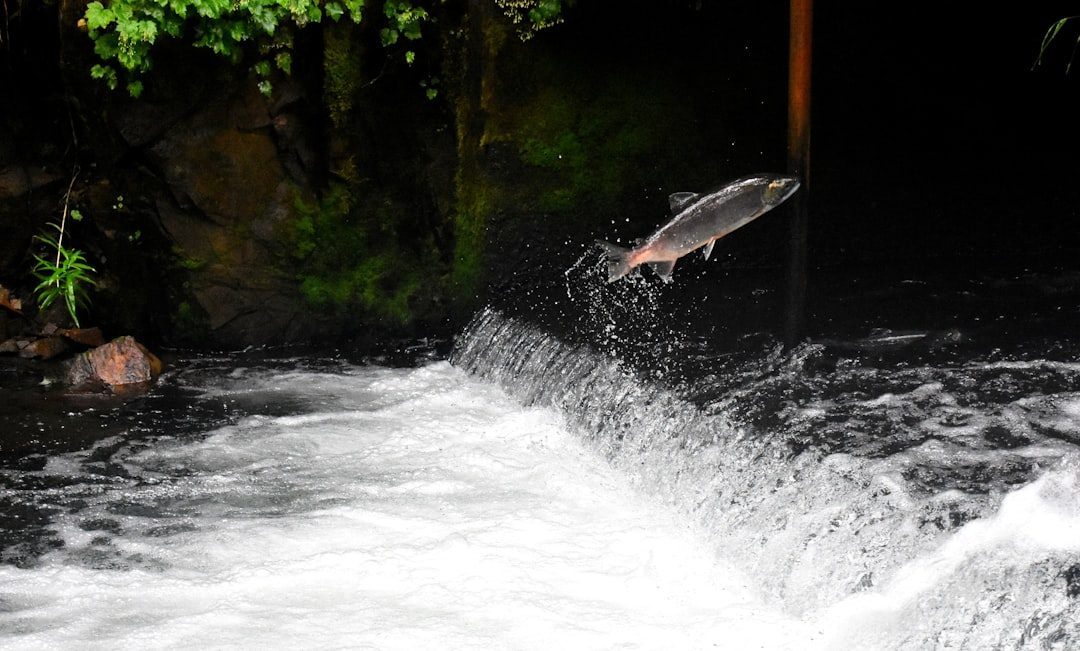
New York is a dominant seafood market, fueled by its large urban populace and cultural diversity. The city’s foodservice market, including ethnic restaurants and fine dining, is significantly based on seafood consumption. From Manhattan’s upscale sushi restaurants to Brooklyn’s trendy brunch spots, salmon appears everywhere.
The East Coast has strong consumption of fresh, frozen, and smoked salmon, particularly in states like New York and Pennsylvania. New York’s position as a financial and cultural capital means its residents have both the purchasing power and the culinary sophistication to drive substantial salmon demand. The state imports huge quantities to meet this appetite, making it one of the nation’s top salmon consumers despite having virtually no commercial salmon fishing of its own.
Florida: Growing Southern Market
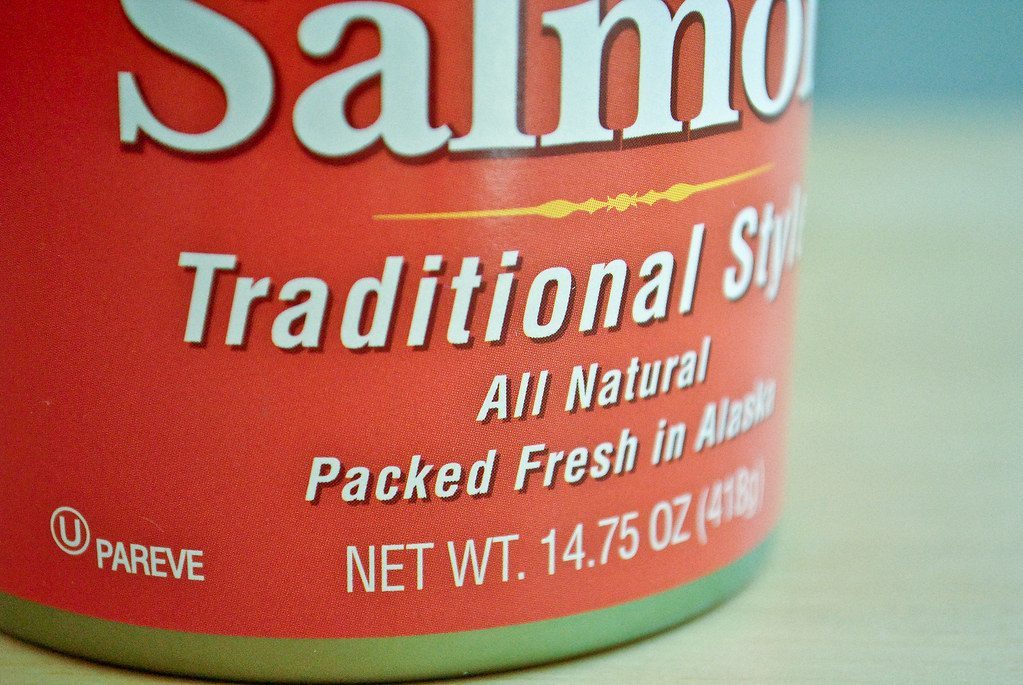
In the Southern U.S., the demand for smoked, frozen, and canned salmon is prominent, with Florida and Texas as key regions. In January 2024, a new manufacturing plant was opened by Acme Smoked Fish, with Florida’s new 43,000-square-foot manufacturing facility helping enhance the company’s cold smoked salmon production.
Florida’s massive tourism industry, retirement communities, and year-round population growth have created substantial salmon demand. The state’s expanding food service sector, particularly in cities like Miami, Orlando, and Tampa, consumes impressive quantities of salmon across diverse culinary traditions. The investment in processing facilities signals that industry leaders see Florida as a critical growth market for salmon consumption in the years ahead.
Conclusion
The geography of American salmon tells us something profound about how food systems actually work. It’s not always about where something is caught, but also where it’s processed, distributed, and ultimately consumed. Alaska dominates production with its wild fisheries, while coastal states like Washington and Oregon balance fishing with processing. Meanwhile, population centers like California, New York, and Florida drive consumption through sheer market size and culinary diversity.
What’s perhaps most striking is how interconnected these states are. Alaskan salmon ends up in New York delis. Washington processors handle fish from multiple states. California’s consumers depend on supply chains stretching thousands of miles. The salmon on your plate tonight? It’s probably traveled farther and through more hands than you ever imagined. What do you think about where your salmon really comes from?
