
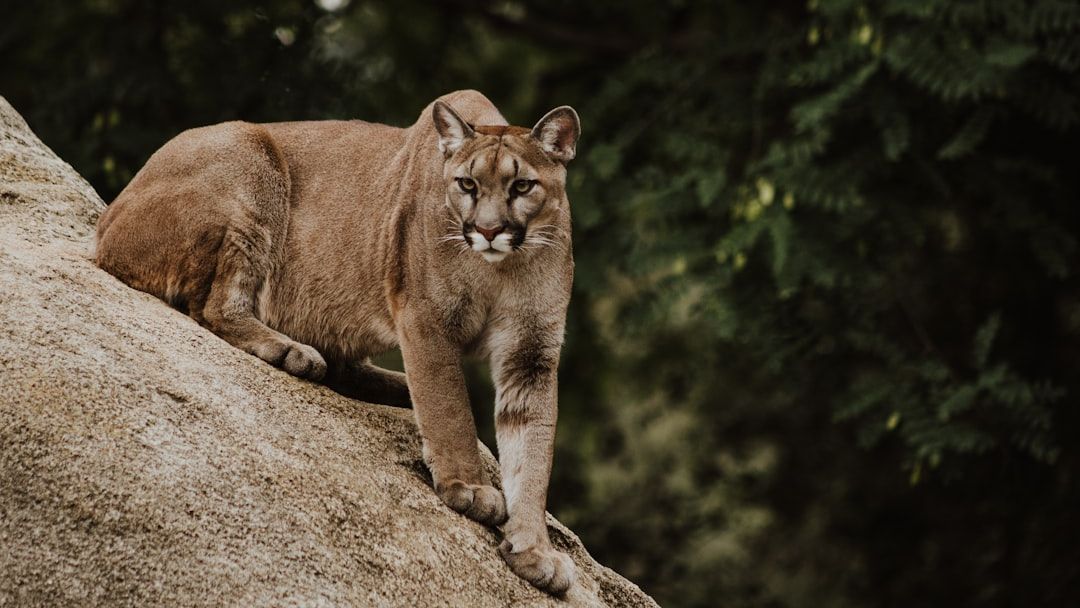
Picture this: massive birds circling ancient skies, elusive cats prowling swamps, tiny fish defying odds in hidden springs. These aren’t just wildlife tales from history books. They’re real stories of species teetering on extinction’s edge, pulled back by quiet dedication.
From biologists tracking night flights to volunteers nurturing orphans, unsung heroes have turned the tide. Honestly, it’s inspiring how grassroots grit beats the headlines. Let’s dive into ten remarkable comebacks that prove conservation works wonders.[1][2]
1. California Condor: Soaring Again with Field Biologists’ Grit
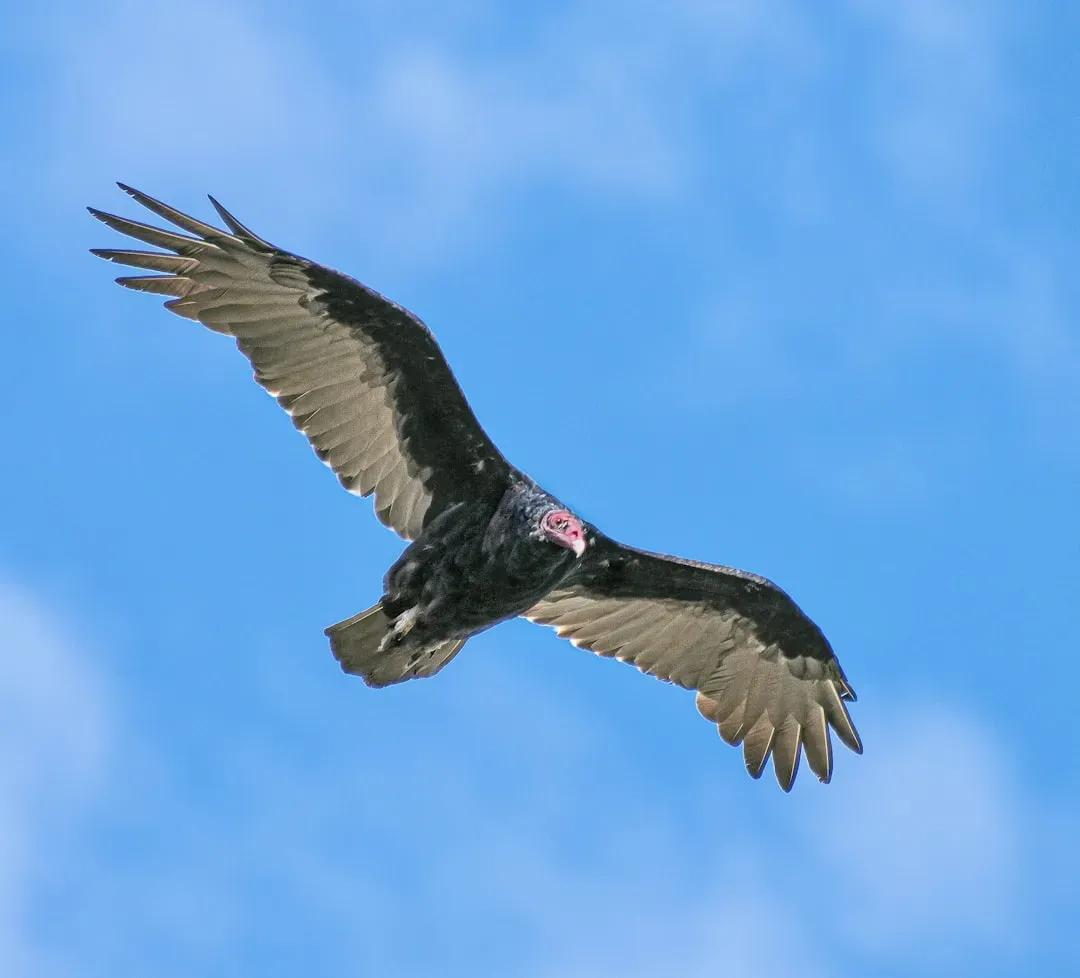
Down to just 22 birds in the wild by 1987, the California condor faced lead poisoning and habitat loss. Joe Burnett, conservation manager at the Oregon Zoo, helped pioneer release programs that got them flying free again. Today, over 500 condors exist, with more fledglings hacking up in the wild each year.[3][4]
Ventana Wildlife Society volunteers monitor nests tirelessly, swapping lead bullets for copper ones with hunters. It’s no glamour gig, yet their persistence rebuilt populations in Big Sur. I think these behind-the-scenes folks deserve medals more than celebrities.
2. Black-Footed Ferret: Cloned Comeback from Prairie Ghosts
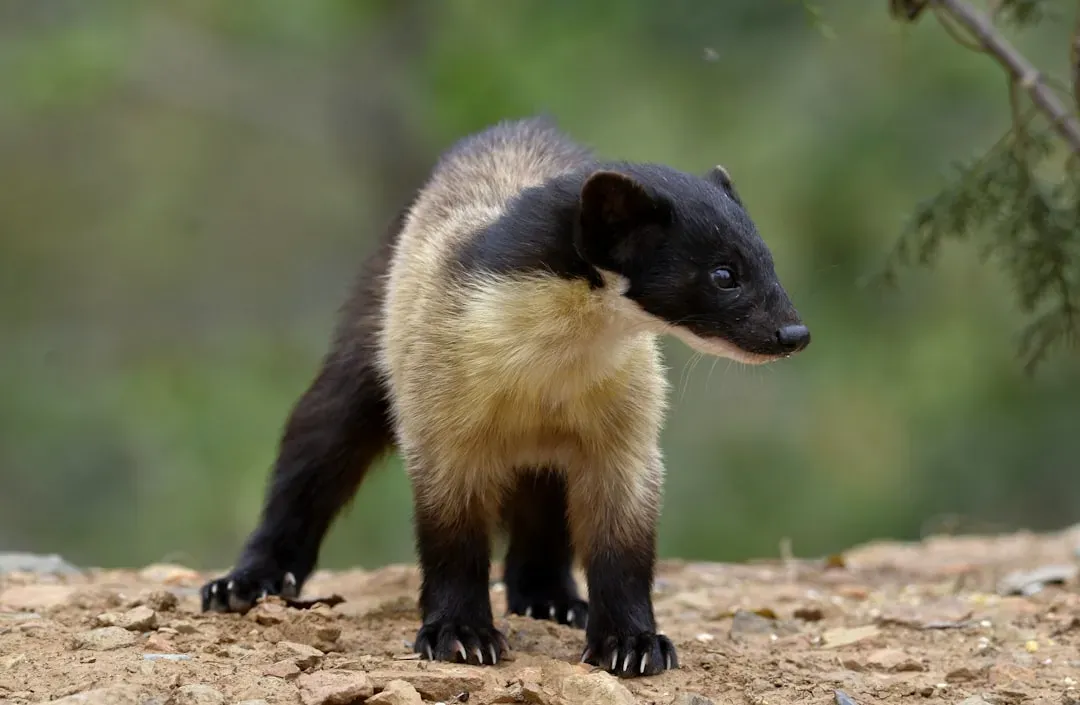
Declared extinct in 1979, then rediscovered with 18 survivors, this weasel-like critter clawed back through captive breeding. USFWS teams and zoos cloned Elizabeth Ann in 2021 from frozen cells, boosting genetic diversity. Now, hundreds roam reintroduction sites in Wyoming and beyond.[5]
Local ranchers partner to control plague in prairie dogs, their main prey. These unsung partners balance cattle and ferrets without fanfare. Here’s the thing: without them, ferrets would still be lab curiosities.
3. Florida Panther: Swamp Stalkers Revived by Genetic Gambles
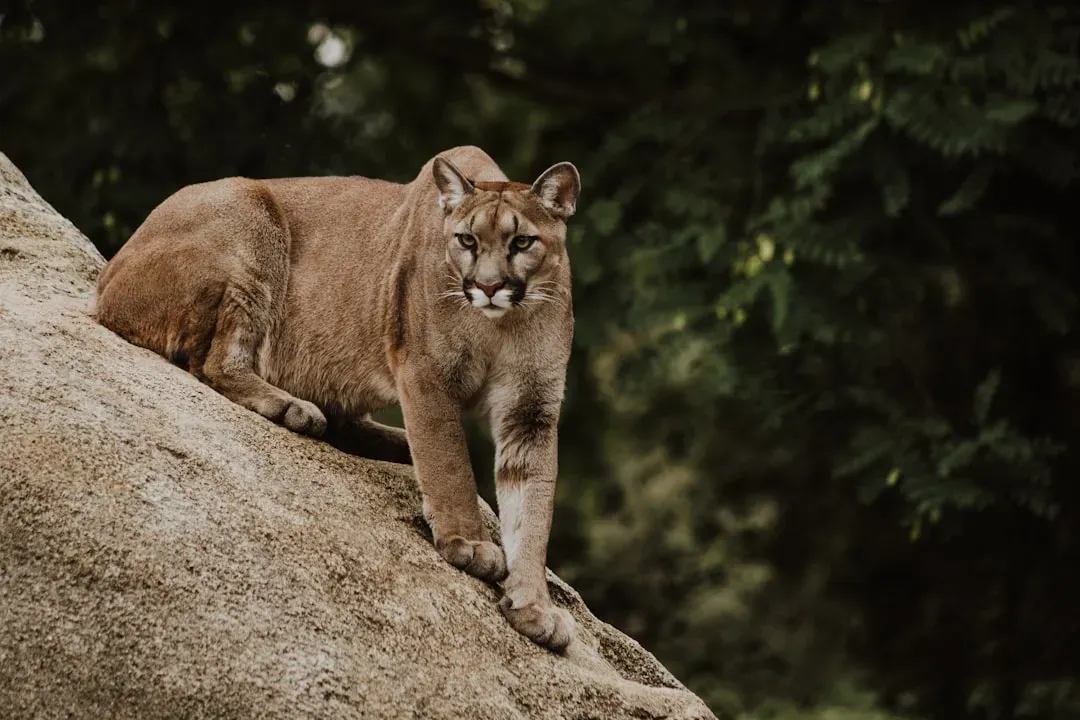
Fewer than 30 left in the 1990s, panthers suffered inbreeding woes in Everglades shadows. Bold USFWS biologists introduced Texas cougar bloodlines, sparking a kitten boom. Populations now top 200, roaming wider thanks to corridor protections.[6]
Conservancy of Southwest Florida staff track collared cats, dodging gators and developers. Their daily data tweaks save lives from roads. Let’s be real, these field techs are the panther whisperers we never hear about.
4. Kirtland’s Warbler: Songbirds Saved by Fire Managers
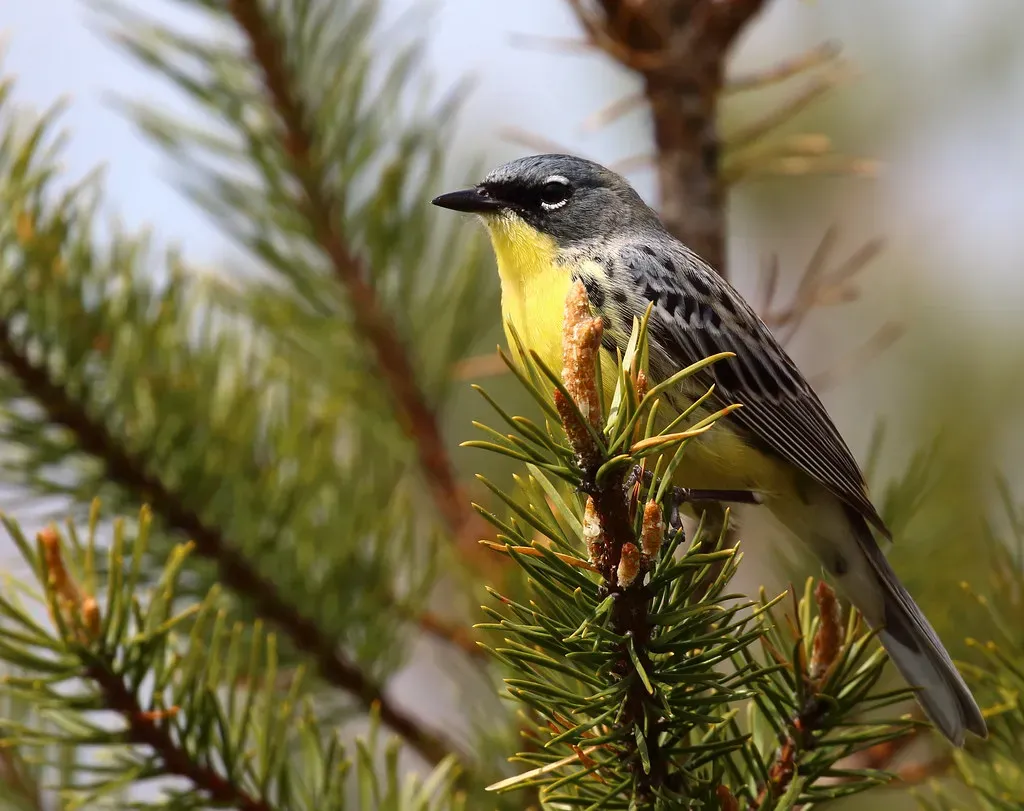
Plummeted to 170 pairs in the 1970s from habitat loss, this tiny Michigan warbler needed young jack pine forests. US Forest Service crews mastered controlled burns to mimic wildfires, exploding nesting sites. Over 2,000 pairs sing today, exceeding goals.[7][1]
Brown-headed cowbird trapping by volunteers curbed nest parasites. It’s tedious work in mosquito hell, but it paid off. No wonder this warbler’s tune feels like victory.
5. Red-Cockaded Woodpecker: Piney Woods Wardens
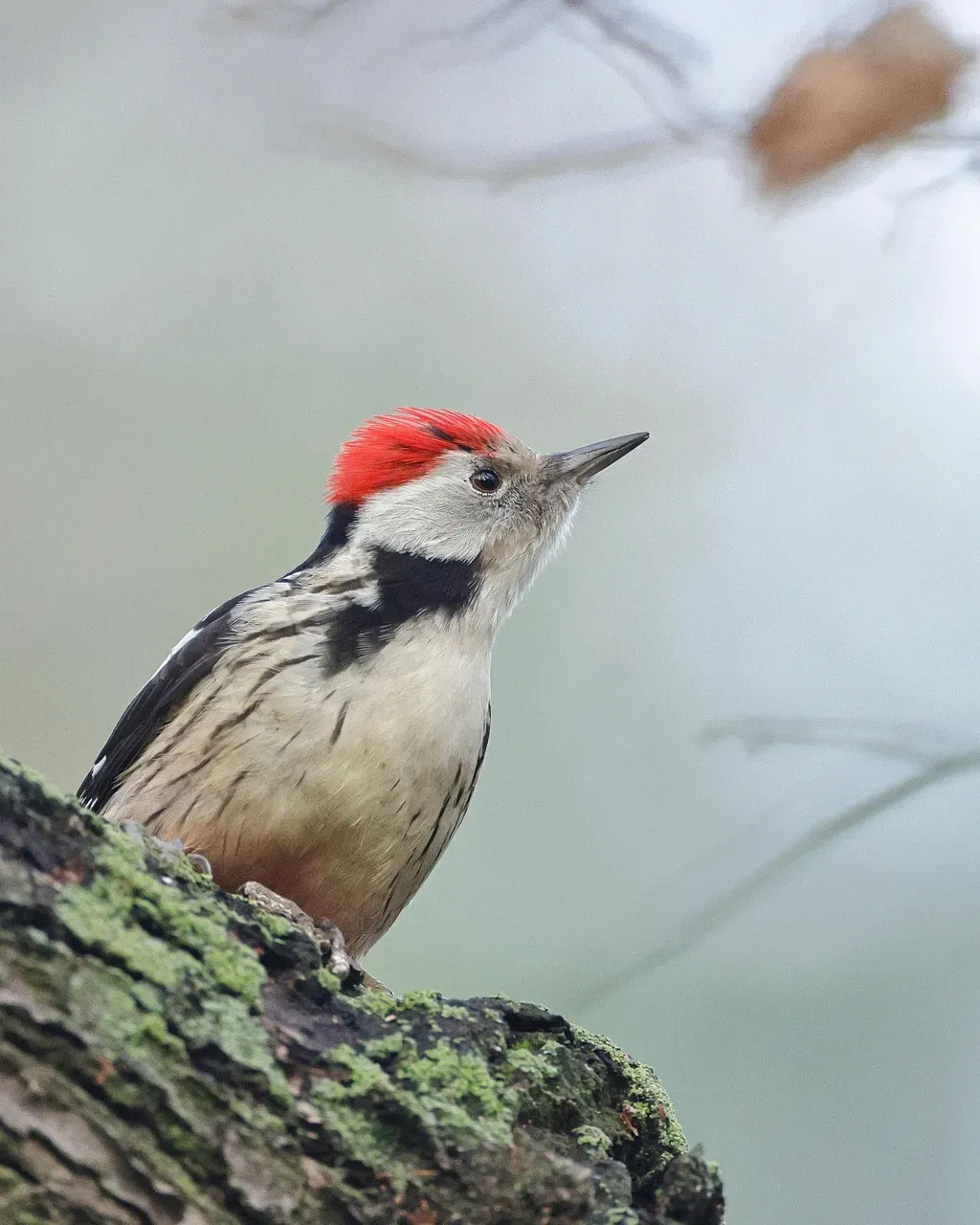
Old-growth longleaf pine vanishings doomed these birds to under 10,000 by the 1970s. Forest biologists installed artificial cavities and managed fires to keep forests open. Numbers climbed past 18,000 clusters nationwide.[6]
Timber companies turned partners, thinning invasives quietly. These corporate conservationists rarely get credit. Yet their land tweaks let woodpeckers drill away safely.
6. Peregrine Falcon: Urban Sky Divers’ Defenders
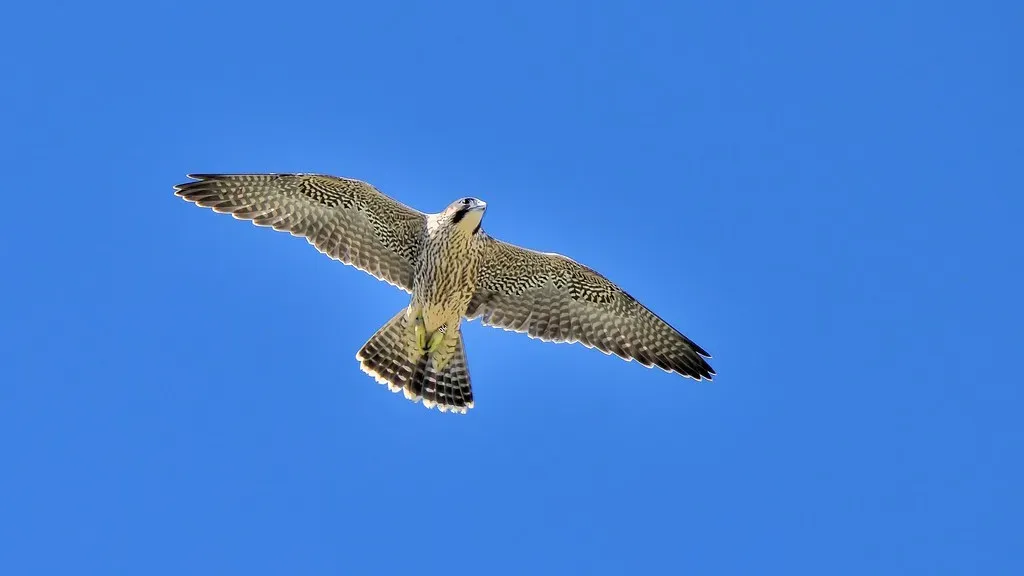
DDT thinned eggshells, crashing populations to 324 pairs in the 1960s. Falconers and zoo breeders hacked thousands from cliffs and skyscrapers post-ban. Now, tens of thousands dive city streets.[2]
Unsung Peregrine Fund teams track migrants yearly. Their rooftop nest cams go viral, but the banding drudgery doesn’t. Still, falcons stoop like bosses again.
7. Island Fox: Channel Isles’ Furry Survivors
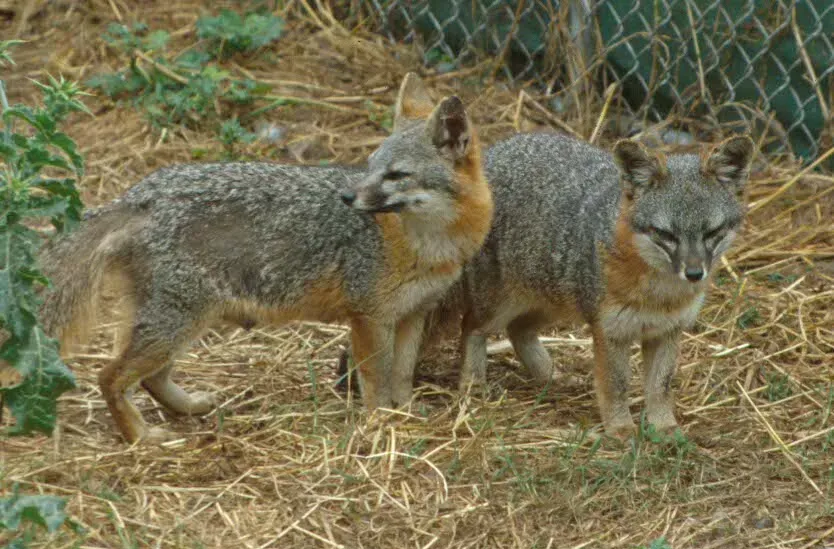
Eagle predation exploded on California’s Channel Islands, wiping four subspecies near zero by 2000. Biologists vaccinated against canine disease and culled golden eagles. Foxes rebounded to thousands, delisted by 2016.[2]
National Park Service rangers restore native plants daily. Island life suits these pint-sized heroes now. It’s a reminder: small islands, big impacts.
8. Wood Stork: Marsh Waders’ Wetland Warriors
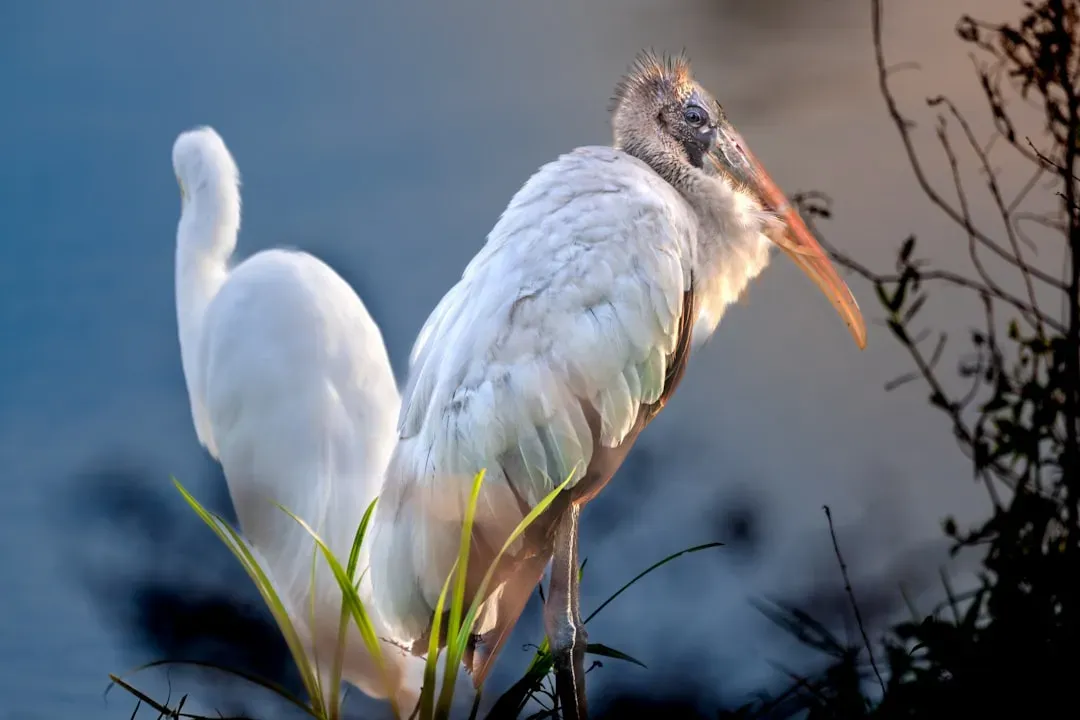
Southeast flocks dipped low from draining swamps, but restoration swelled numbers threefold. USFWS proposed delisting in 2023; effective March 2026 after booming nests. Thriving in Florida and Georgia marshes.[8][5]
State hydrologists tweak water flows meticulously. Their pipe dreams revived rookeries. Shocking how storks clap bills in celebration.
9. Gray Wolf: Rockies’ Pack Protectors
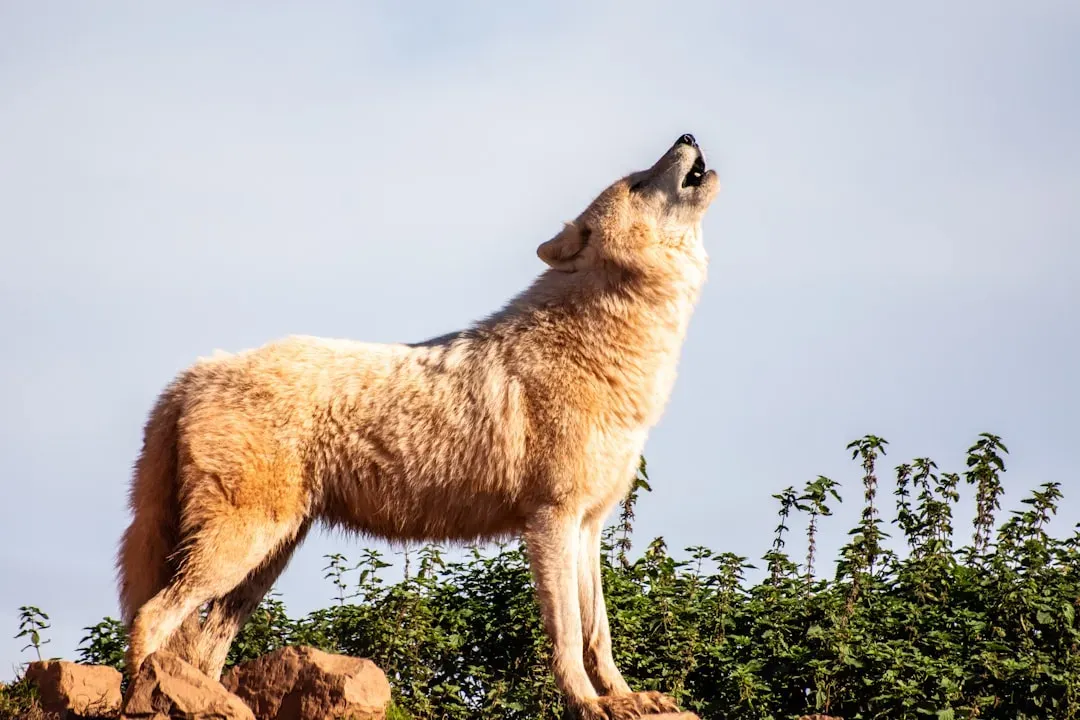
Eradicated from Yellowstone by 1920s, 31 reintroduced in 1995 sparked trophic cascades. Packs grew despite conflicts, delisted in parts. Thousands roam West now.[2]
Rancher liaisons like those at Defenders of Wildlife ease tensions with compensation. Night patrols prevent clashes quietly. Wolves howl freer because of them.
10. American Alligator: Bayou Behemoths’ Hide Handlers
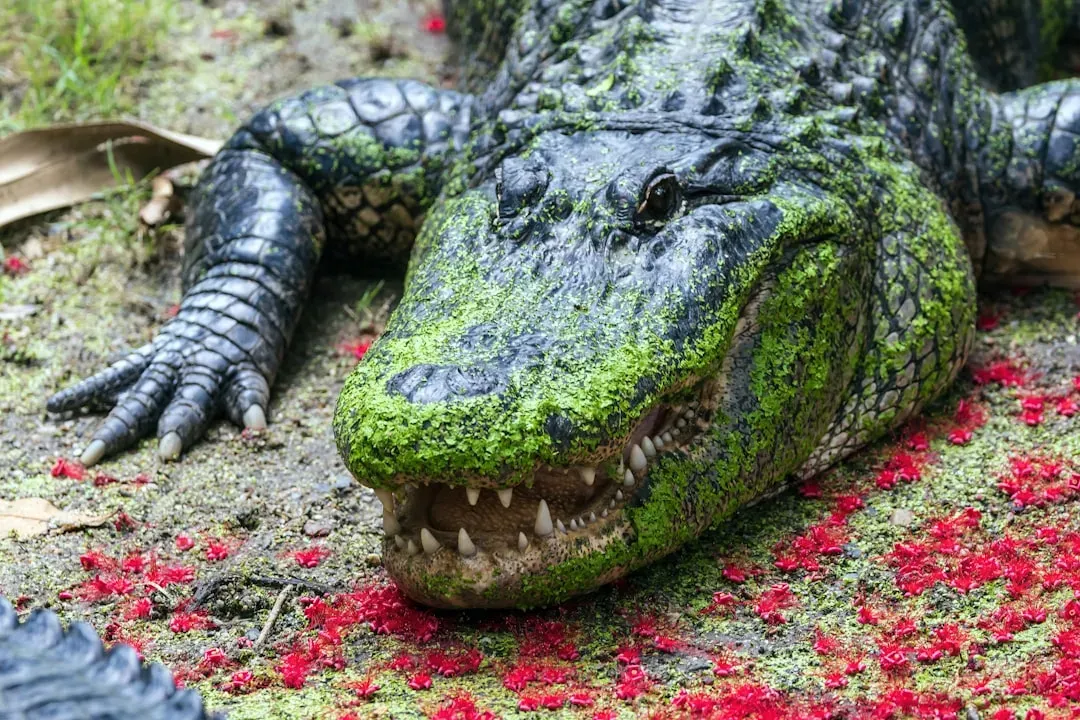
Hunted for purses to near extinction by 1967, farming and bans reversed it. Delisted after 20 years, millions bask in the Southeast. Sustainable harvests keep balance.[2]
Gator ranchers monitor wild nests voluntarily. Their dual role sustains populations. From villains to icons, all thanks to practical stewards.
These tales shout louder than any roar: everyday heroes wielding nets, data, and diplomacy rewrite endings. Conservation isn’t flashy, but it endures. What species’ story fires you up most? Share below.
