
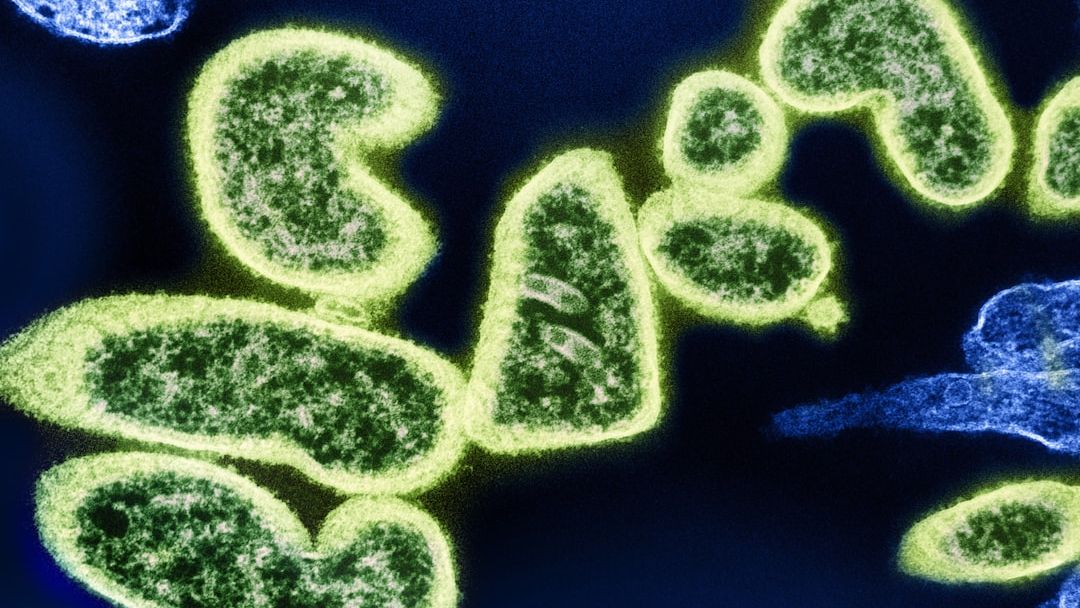
Spend a moment looking at a handful of soil or a cup of seawater and you’re actually holding something extraordinary. Each contains billions of organisms too small to see, yet collectively powerful enough to shape Earth’s atmosphere, feed its forests, and regulate its climate. These are microbes, and the world they inhabit is everywhere.
The emergence of microorganisms more than three billion years ago fundamentally shaped the planet, enabling the existence of all other life forms. Today, microorganisms are the most diverse organisms on Earth, estimated to represent over 99% of all species, and they inhabit almost every environment, from deep ocean trenches to human guts. That’s not a minor footnote in Earth’s story. That’s the whole foundation of it.
The Architects of Earth’s Most Vital Cycles
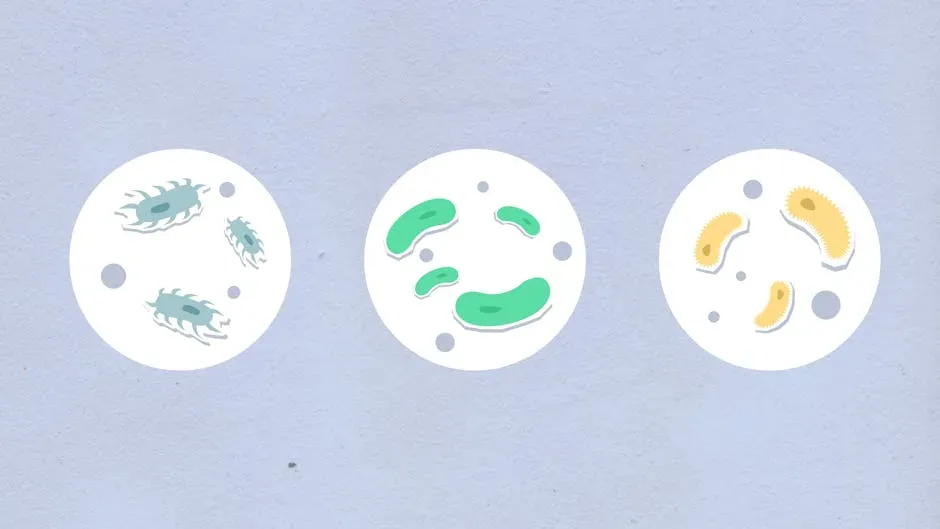
The most significant effect of microbes on Earth is their ability to recycle the primary elements that make up all living systems, especially carbon, oxygen, and nitrogen. Without this recycling, life as we know it simply couldn’t continue. The nutrients plants pull from soil, the oxygen animals breathe, and the carbon locked into organic matter all move through microbial systems.
Biological nitrogen fixation is a process found only in some bacteria, which remove nitrogen gas from the atmosphere and convert it to ammonia for use by plants and animals. Nitrogen fixation also results in the replenishment of soil nitrogen removed by agricultural processes. No synthetic fertilizer invented by humans matches the elegance or scale of this natural system.
Microbes drive many of the elemental flows, such as carbon, nitrogen, and phosphorus, on the planet. Think of them less as passive life forms and more as the planet’s operating system, quietly running processes that everything else depends on.
Beneath Our Feet: The Hidden Power of Soil Microbiomes
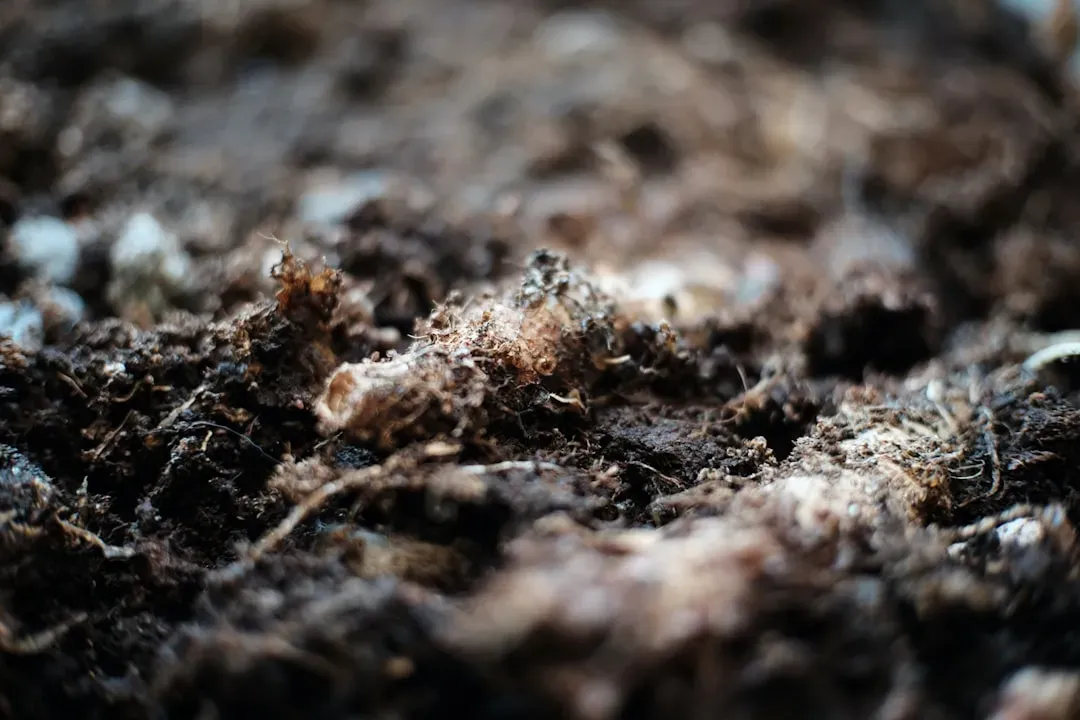
One gram of soil can contain up to 10 billion microorganisms and consist of thousands of different species. Each ecosystem has unique soil properties that cultivate a diverse array of microbial communities, composed primarily of bacteria, but archaea, protists, fungi, viruses, and other microscopic organisms can also be found in varying abundances. That density is almost hard to grasp. A single teaspoon of healthy soil holds more living organisms than there are people on Earth.
Soil is one of the most diverse microbial ecosystems in the world, replete with not just bacteria but fungi, archaea, viruses, and protists. These microbial communities are critical to plant health and their resistance to stressors such as drought, heavy metal pollution, and parasitism. Soils and their microbes provide humans with up to nearly all of the food we eat.
Soil microbes play a key role in determining the nutrient content of our food through the mineralization of degradable organic compounds to inorganic forms that are readily available to crops. The large diversity of microbiomes in soil affects its microbial ecology, including its primary productivity and nutrient cycling. Healthy microbial soil communities are, in essence, the quiet engine behind every agricultural harvest on the planet.
Intensive agricultural practices have emerged as a major driver of environmental microbiome alteration, profoundly affecting the composition, diversity, and functional capacity of soil microbial communities. Converting natural ecosystems to cropland causes around a fifth loss of microbial phylotypes and depletion of key nutrient-cycling genes, while intensive practices like high nitrogen fertilization further reduce bacterial and fungal diversity significantly, highlighting the global impact of intensive agriculture on soil microbial communities.
Ocean Microbes and the Climate Connection

The ocean is not just a vast body of water. It is one of Earth’s most powerful climate regulators. Every year, it absorbs enormous quantities of carbon dioxide from the atmosphere, slowing the rate of global warming. At the heart of this process are microorganisms, particularly photosynthetic bacteria like cyanobacteria, which drive carbon fixation on a scale that rivals all land-based plants combined.
Research confirms that cyanobacteria are responsible for roughly a fifth to two-fifths of all carbon fixation in marine environments, making them indispensable to the ocean’s carbon cycle. Unlike land plants, these microbes evolved over 2.5 billion years in high-carbon dioxide environments, giving them exceptional carbon-fixing capacity.
The microbial carbon pump proposed the potential for the sequestration of carbon in the form of long-lived dissolved organic matter, which is resistant to biological decomposition and assimilation. While trees store carbon for decades, the age of refractory dissolved organic carbon is about 6000 years. That timescale puts microbial carbon storage in a league of its own.
Microorganisms in terrestrial, urban, and aquatic environments consume and generate important greenhouse gases, including carbon dioxide, methane, and nitrous oxide. Terrestrial microbes decompose organic matter, providing nutrients for plants and producing these three gases. This dual role, simultaneously regulating and producing greenhouse gases, means that changes in microbial communities ripple through the climate in ways scientists are still working to fully quantify.
Declining Microbial Diversity: A Silent Crisis
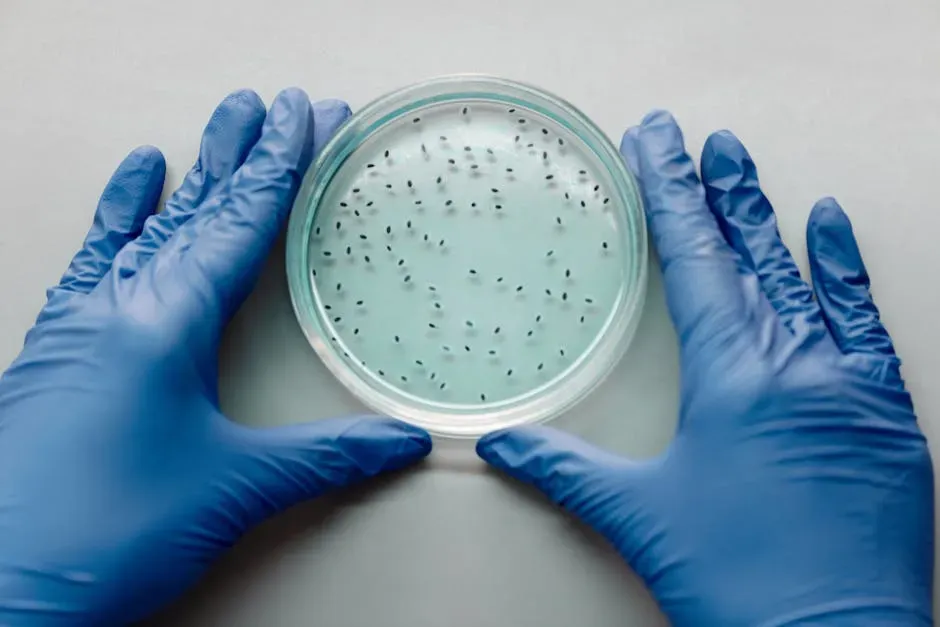
Despite its vital ecological importance, microbial diversity is currently experiencing an unprecedented decline. Human activities such as industrial agriculture, pollution, urbanization, excessive antibiotic use, and unhealthy dietary patterns have reduced microbial diversity across environmental and host-associated systems, contributing to ecosystem degradation, reduced resilience, and rising non-communicable diseases in humans.
Our planet is populated by at least a trillion species of microorganisms. Every life form is sustained by them and they make the planet habitable. Only a minority of them, about 1,400 species, cause infectious diseases. The vast majority are neutral or actively beneficial, a fact that tends to get lost in a culture still deeply shaped by the germ theory of disease.
We’ve overlooked the equally real microbial diversity that supports human and planetary health, organisms that train immune systems, modulate inflammation, influence metabolism, and dampen stress. Researchers at Flinders University recently pushed back against this oversight in a meaningful way. Their team identified 124 microbial taxa with potential health-promoting effects, along with 14 biochemical compounds from soil bacteria to plant-derived compounds. These are linked to benefits that include immune system support and reduced stress.
Evidence suggests that soil microorganisms, to which humans have been exposed throughout our evolutionary history, were essential for the evolution of the human gut microbiome and immunological resilience. Urbanization has disrupted that ancient connection in ways that are still being understood.
Microbes as Solutions: Bioremediation and the Road Ahead
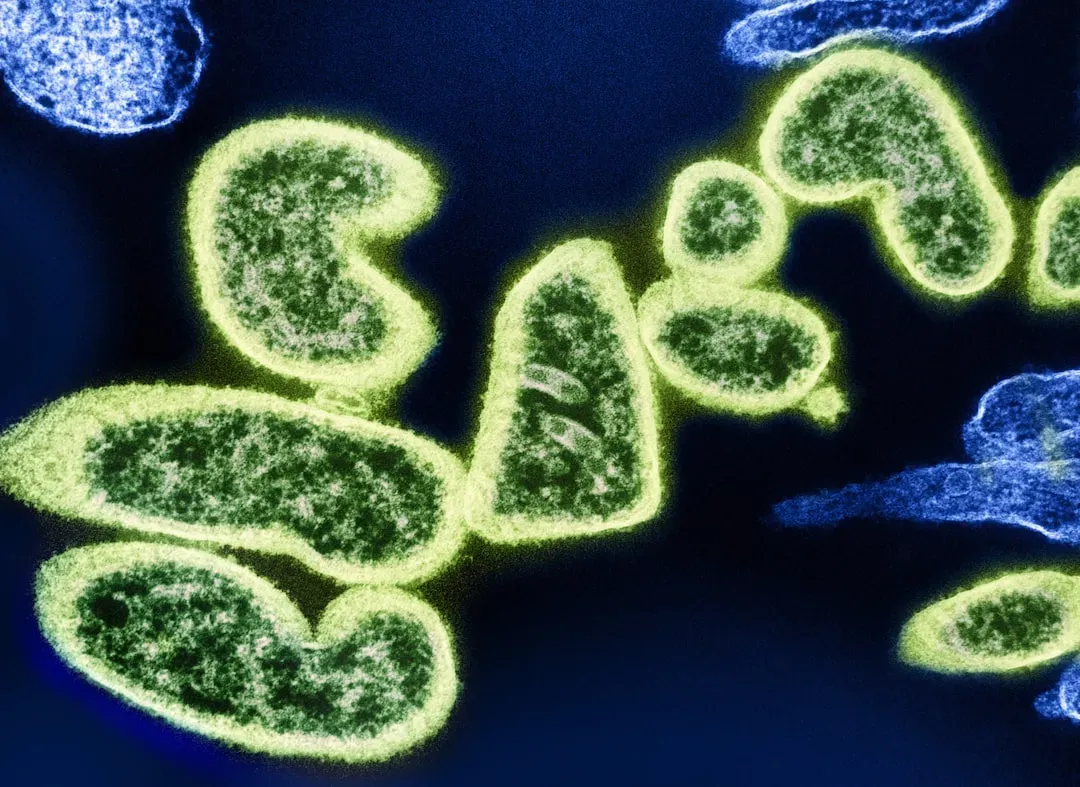
Bioremediation is a nature-based process that employs living organisms, including bacteria, archaea, fungi, and microalgae and their metabolic products, to remove, detoxify, immobilize, and extract contaminants such as hydrocarbons and other pollutants. This field has moved from theoretical promise to active research, particularly around one of the planet’s most urgent pollution problems.
The plastic-degrading bacterium Ideonella sakaiensis is able to slowly degrade polyethylene terephthalate, commonly known as PET. A crucial first step is the enzymatic breakdown of the plastic polymer into its monomers, which are then used by the bacterium as a carbon source for growth. That’s a microbe essentially eating what humans have spent decades failing to clean up.
A bacterial consortium composed of confirmed high-efficiency degraders has demonstrated remarkable plastic-degrading capacity, highlighting its potential for bioremediation strategies within aquatic environments. This consortium was capable of breaking down polyethylene, polyethylene terephthalate, polyhydroxyalkanoates, and low-density polyethylene. These results emphasize the ability of indigenous microbial communities to degrade persistent plastics and underscore their promise for developing eco-friendly bioremediation strategies to mitigate aquatic plastic pollution.
Building on current knowledge, expanding our understanding of microbes, and implementing sustainable and microbe-based innovations are important actions to help contain climate change, combat this urgent crisis, and promote human health and well-being worldwide. The science is moving in the right direction. What’s required now is the will to scale it.
Conclusion
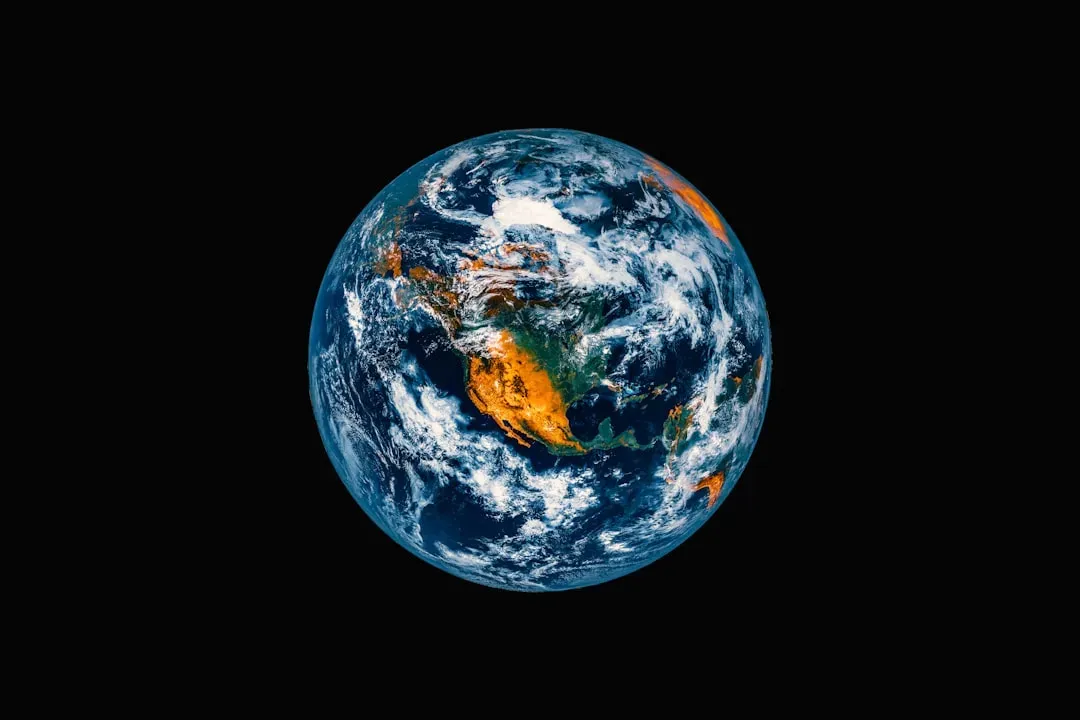
The relationship between microbes and planetary health is not a niche scientific concern. It sits at the center of everything, from the food on our plates to the stability of the climate. The unique catalytic capacity of microorganisms means that they are central to the cycling of most of the major elements essential to life on Earth. Just as the human microbiome is critical to the functioning of individuals, the global microbiome is central to the functioning of the planetary system.
What this all adds up to is a quiet urgency. The systems that keep Earth livable are microbial, and many of them are under pressure from human activity. Protecting and restoring microbial diversity, whether in soils, oceans, or urban environments, is not a secondary environmental goal. It is the foundation on which every other goal rests.
The smallest organisms on the planet carry the heaviest responsibilities. The least we can do is pay attention.
