
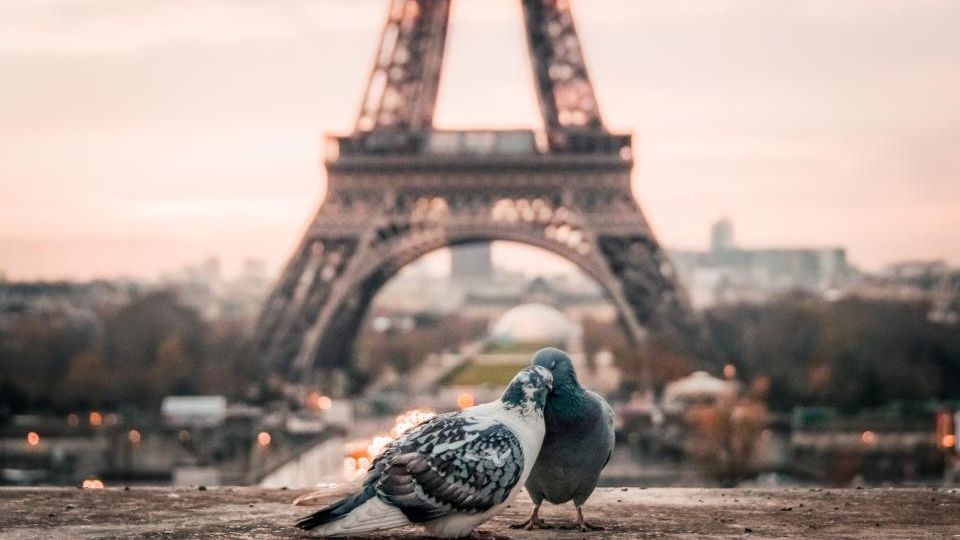
Walk through almost any major city in the world and look up. Chances are, you’ll spot a bird, maybe a sparrow foraging near a café table, a hawk riding thermals above a glass tower, or the unmistakable silhouette of a peregrine falcon perched like a gargoyle on a bridge. Cities were never designed with wildlife in mind, yet for a growing number of bird species, they’ve become something unexpected: home.
Rapid urban expansion is driving the extensive transformation of natural habitats into developed landscapes, altering ecological processes and contributing to biodiversity loss. At the same time, urban environments can host diverse animal and plant communities, with some species adapting to novel conditions while others decline or disappear. What’s becoming clearer, through years of research and citizen science data, is that the birds doing the adapting are not just surviving on the margins. Some of them are genuinely flourishing.
The Traits That Separate Winners from Losers
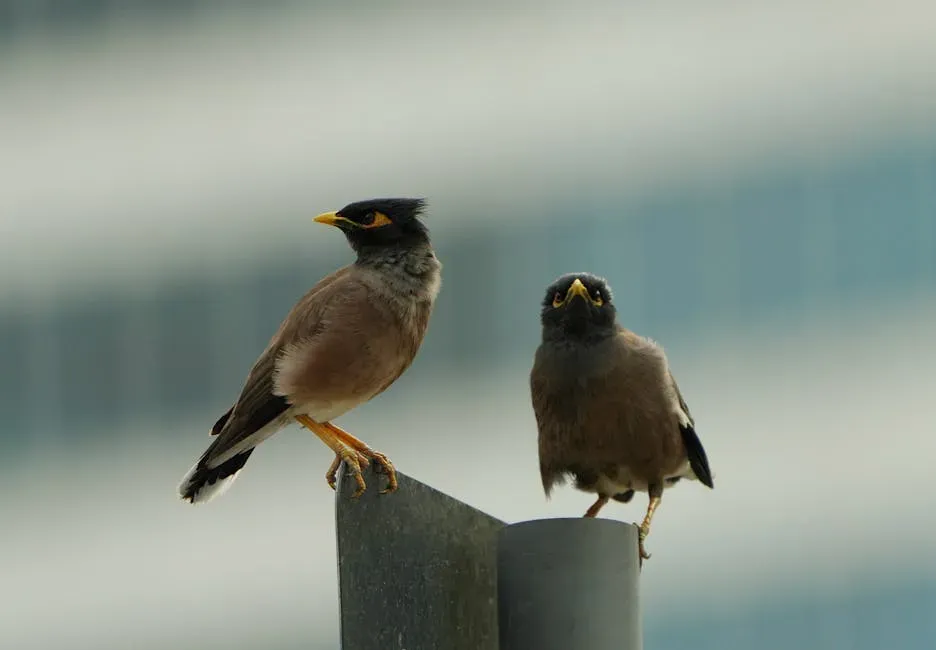
Not every bird species is cut out for city life, and researchers have spent years trying to understand exactly what separates those that thrive from those that retreat. The answer turns out to be a fairly consistent set of physical and behavioral characteristics.
Urban bird species tend to be smaller and less territorial and have greater ability to fly long distances than other species, and they also tend to have broader dietary and habitat niches and to live at a wider range of elevations. This flexibility is what makes the difference when skyscrapers replace forests and parking lots replace meadows.
Species positively affected by urbanization are characterized by traits such as colonial nesting, high productivity, and longevity. In winter, these species also display generalist foraging strategies and solitary behavior. Meanwhile, species negatively affected by urbanization tend to be insectivorous, ground-nesting, and short-distance migratory species.
Urban-adapted birds are generally identified as ecological generalists, characterized by a set of functional traits that enhance their survival in urban environments. For instance, urban birds tend to have a broader diet, enabling them to utilize anthropogenic food resources such as garbage, bird feed, and fruits from ornamental plants. That dietary flexibility, perhaps more than any other single factor, seems to be the defining ticket to city life.
The Peregrine Falcon: A Skyscraper Success Story
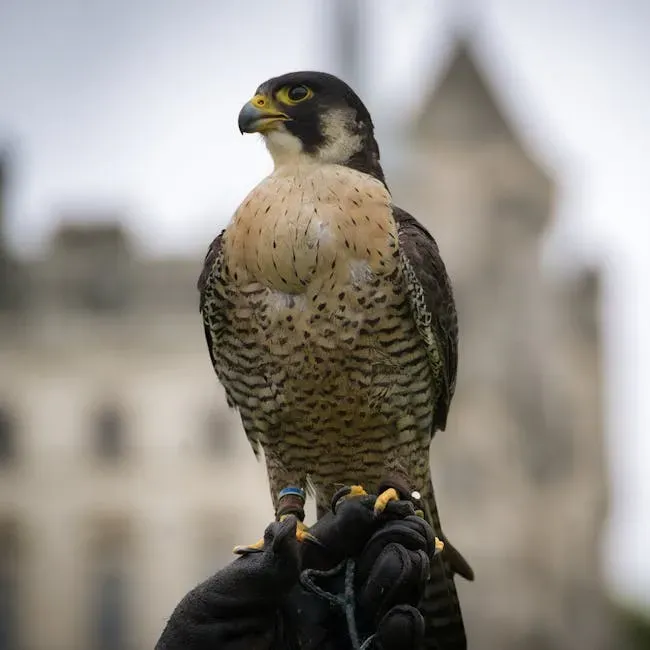
Few examples of urban bird adaptation are as dramatic or as well-documented as the peregrine falcon. Once nearly wiped out by the pesticide DDT, this species has staged one of the most remarkable comebacks in conservation history, and cities played a central role in that recovery.
The peregrine is a highly successful example of urban wildlife in much of its range, taking advantage of tall buildings as nest sites and an abundance of prey such as pigeons and ducks. The logic is elegantly simple. Large urban and industrial areas have an abundant prey base, a lack of great horned owls, and tall buildings which mimic cliff faces and offer relative solitude far above the streets.
Urban peregrines today may experience greater breeding success and chances of survival than their rural counterparts, with this success typically attributed to suitable prey and nesting sites in urban environments. The numbers back this up. As many as 30 breeding pairs of peregrine falcons now live in London, according to the London Wildlife Trust, making it the second-highest urban peregrine falcon population in the world, after New York.
Urban peregrine falcons are so successful in Pennsylvania cities that there are now more peregrines in towns than in the countryside. That’s not a small footnote in wildlife science. That’s a fundamental reversal of expectations.
How Birds Are Changing Their Behavior in Real Time
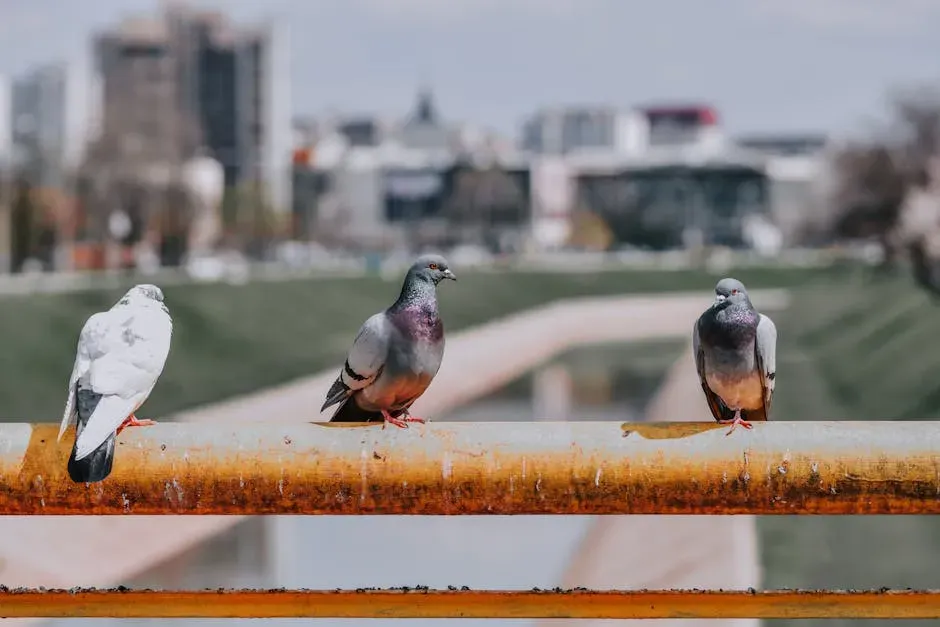
Beyond physical traits, some species are demonstrating something even more striking: they’re actively changing their behavior to match the rhythms of city life. This kind of rapid behavioral adaptation is what genuinely surprises researchers.
Noise pollution in city environments poses an issue for birds when it comes to communication. Species that live in cities have adapted their bird song to be at a higher frequency in an attempt to be heard over the sound of traffic and construction, and birds that rely on their song for mating or territory defense may sing louder or longer to overcome background noise.
Robins and pigeons have also been documented shifting their vocalizations to quieter moments of the day, such as early in the morning or late at night, when traffic noises are less intense. That kind of scheduling adjustment would have seemed implausible to biologists even a few decades ago.
Urban birds have also evolved to be more creative with what they use to build their nests. Birds have been seen in urban spaces using plastic rubbish, string, and paper to build their nests rather than twigs and leaves. It’s improvisation driven by necessity, and in many cases, it works.
What the Urban Landscape Itself Offers Birds
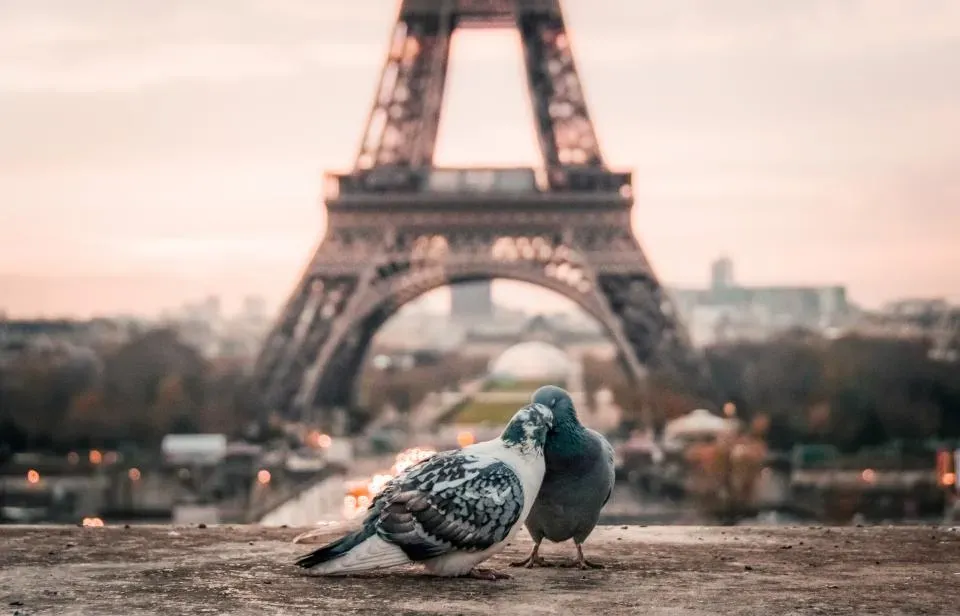
Cities are not uniform wastelands for wildlife. The specific features of an urban environment, from parks to rooftops to water features, shape which bird communities can establish themselves and how successfully they do so.
Grass and water are key predictors of bird diversity: grass-rich areas support more diverse bird communities, while aquatic features enhance both diversity and regulating services. Impervious surfaces reduce diversity and cultural values, whereas intermediate vegetation height maximizes diversity, highlighting the value of structural heterogeneity.
Planting green roofs while installing bird-deterrent measures has transformed buildings from bird hazards to havens. Chicago’s City Hall now hosts a range of birds after planting 3.5 million square feet of vegetated roof space. It demonstrates how deliberate design choices can shift outcomes for urban wildlife in a meaningful way.
Urban habitats favour more colourful bird species under the hypothesis of reduced predation risk in cities. With fewer natural predators stalking the streets, some species find the city a surprisingly low-risk environment, and research suggests this may even be influencing which species look the way they do over time.
Why This Matters and What Still Needs to Change
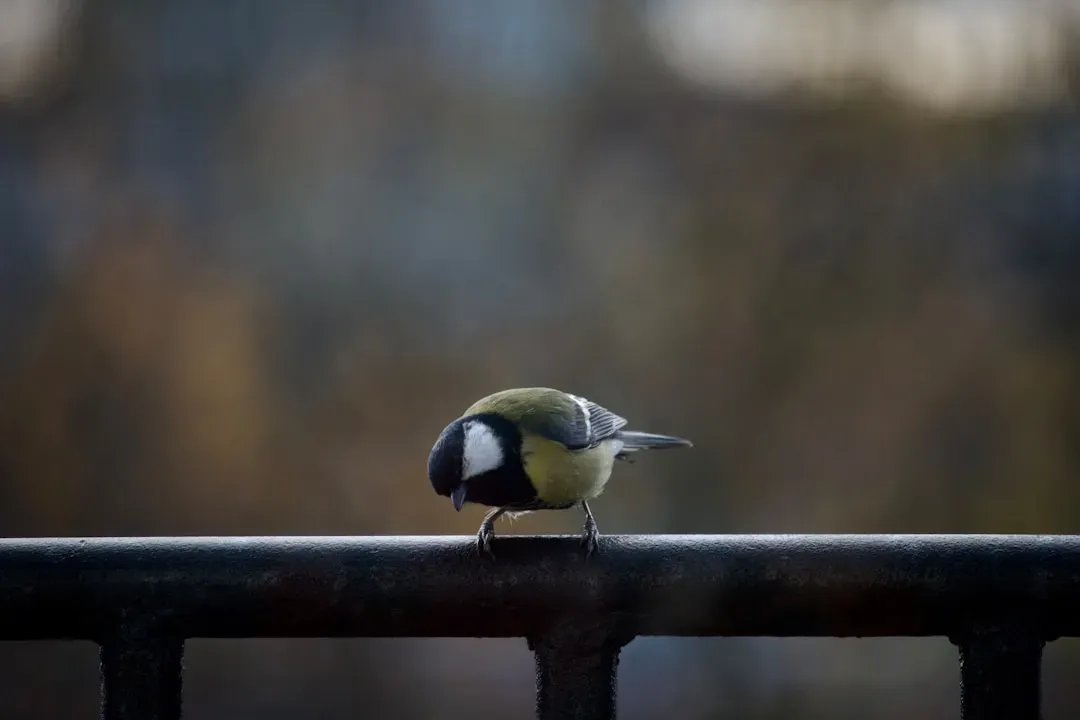
The fact that birds are adapting to cities is genuinely encouraging. It signals a degree of ecological resilience that offers some hope amid broader declines. Still, the picture isn’t fully bright, and the caveats are important ones to keep in mind.
Globally, nearly half of all bird species are in decline and about one in eight species is threatened with extinction. Migratory bird populations, in particular, continue to decrease. The birds thriving in cities represent a fraction of the total, and their success doesn’t offset what’s being lost elsewhere.
Hundreds of species can be found breeding in urban areas, and every spring and fall millions of birds migrate through U.S. metropolises, compelling many conservationists and scientists to look for ways to make cities more bird-friendly. The presence alone is an opportunity, one that urban planners and residents can actively support.
Designing cities and communities to reduce adverse impacts on birds and their habitats and to support bird populations also improves human well-being, including mental health. When birds are thriving, it often signals healthy ecosystems. Cities that protect birds also tend to invest in clean air, water, and green spaces, which ultimately benefit birds and people.
Conclusion
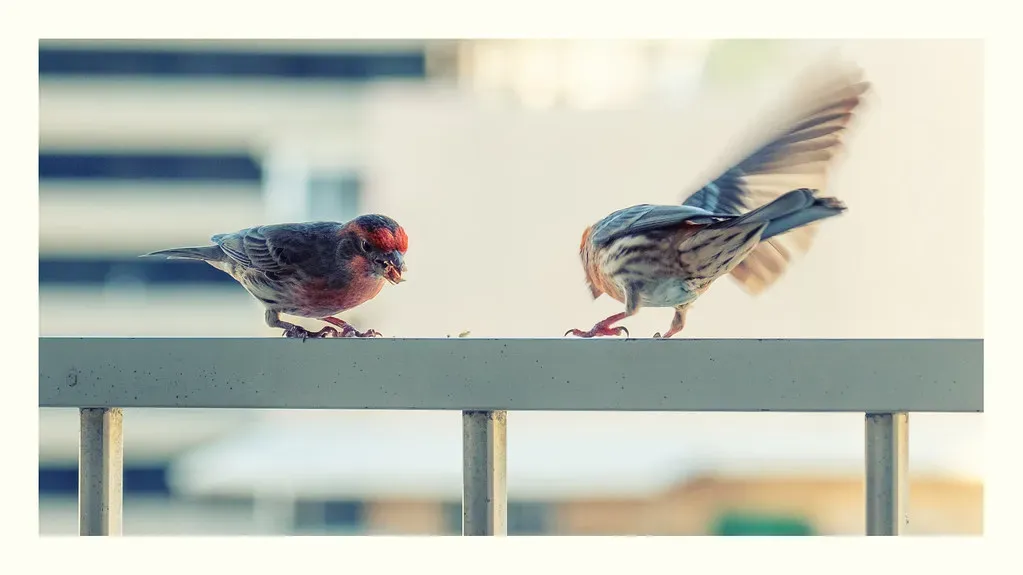
The story of birds in cities is, at its core, a story about adaptation under pressure. Some species are bending to fit a world shaped entirely by human decisions, adjusting their songs, their diets, their nesting sites, and their daily schedules to carve out a viable existence among concrete and glass.
That resilience is remarkable. It shouldn’t, however, be mistaken for a free pass. Each year, nearly one million acres of land are converted to urban use in the U.S., and with habitat being lost to development the world over, many bird species have had two choices: move elsewhere in search of unspoiled habitats, or find ways of adapting to the changing landscape.
The birds that are thriving in cities today are telling us something worth paying attention to. They’re not defying nature; they’re demonstrating it. And they’re doing it in full view, on bridge ledges, rooftop gardens, and cathedral spires, for anyone willing to look up.
